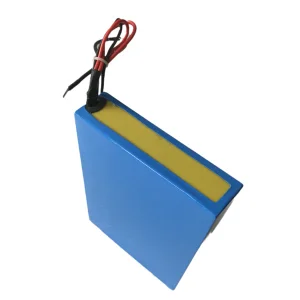
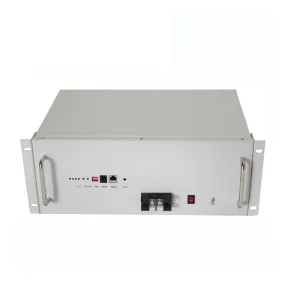
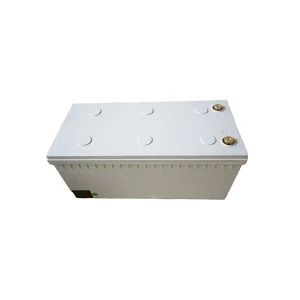
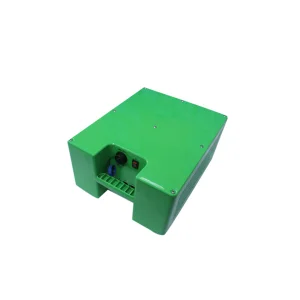
High-discharge, long-cycle lithium iron phosphate configurations designed for UPS backup, solar integrations, and smart mobility.
Understanding the technology architecture, supply chain integrations, and manufacturing efficiency behind global procurement.
In the lithium-ion sector, cell grading dictates system longevity. China acts as the epicenter of lithium iron phosphate (LiFePO4) cell manufacturing. Local assembly lines, such as Hangzhou LIAO Technology, maintain direct commercial integrations with Tier-1 cell producers (like EVE, CATL, and BYD). This structure guarantees consistent cell matching, uniform internal resistance, and optimal heat management across large-scale backup battery banks. This direct supply connection cuts shipping times and logistics overhead by up to 30% compared to Western assemblers.
Our LiFePO4 cells do not ignite or explode under strict mechanical nail-penetration testing, proving stable safety margins under stressful load demands.
Customized internal systems operates between -40°C and +85°C. Designed to support unconditioned edge data facilities and demanding microgrid installations.
With single cells rated for 2,800+ full cycles (1C / 100% DOD), operators reduce battery replacements and achieve return-on-investment timelines 40% faster than traditional VRLA setups.
Established in 2009, Hangzhou LIAO Technology has built a reputational foundation as a dedicated, engineering-first manufacturer of high-performance LiFePO4 batteries. Serving system integrators and electrical distributors in more than 20 countries, the enterprise develops both standard packs and custom solutions that bridge structural efficiency with cost-efficiency.
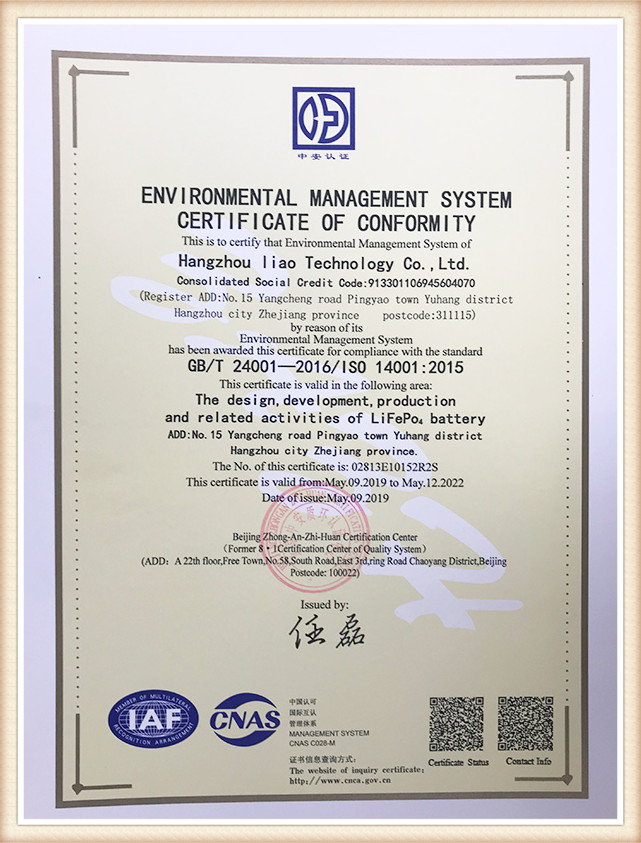
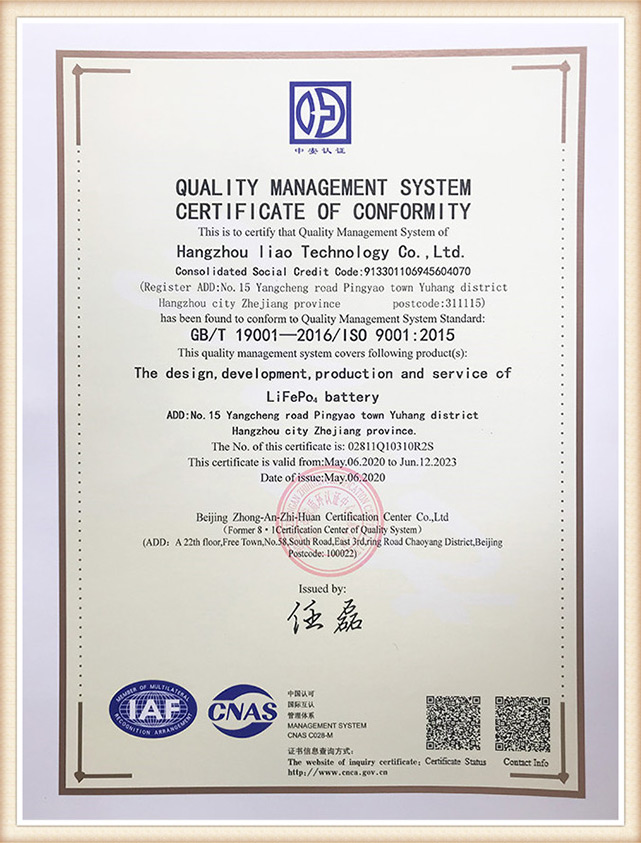
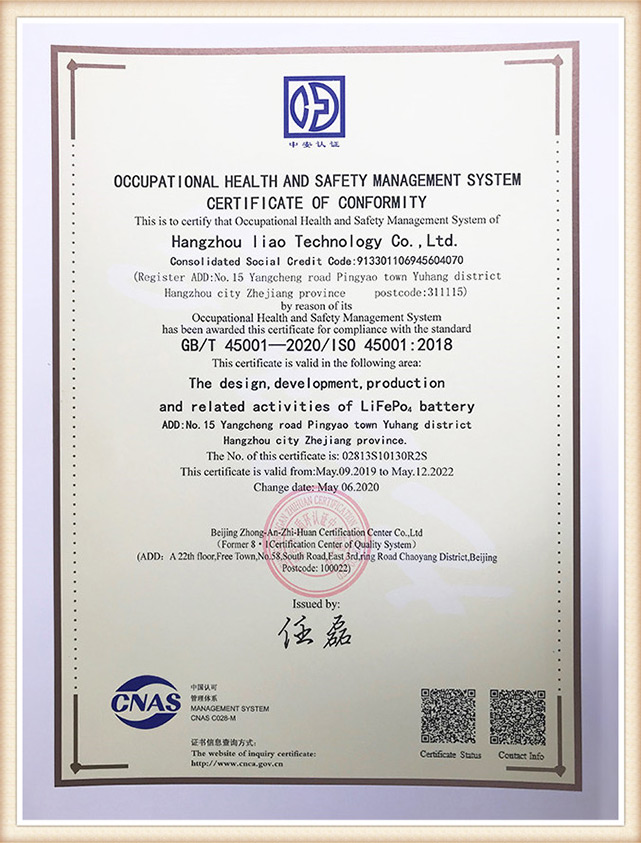
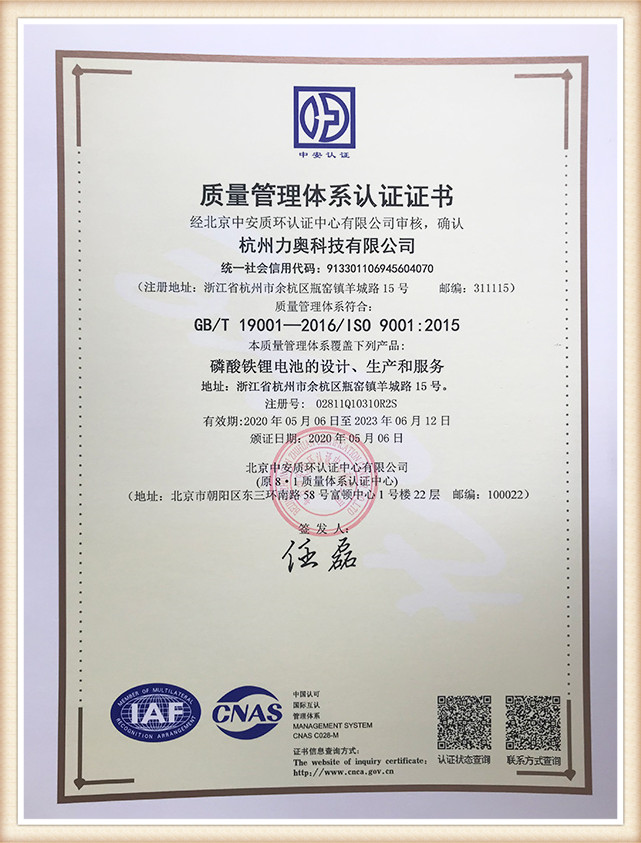
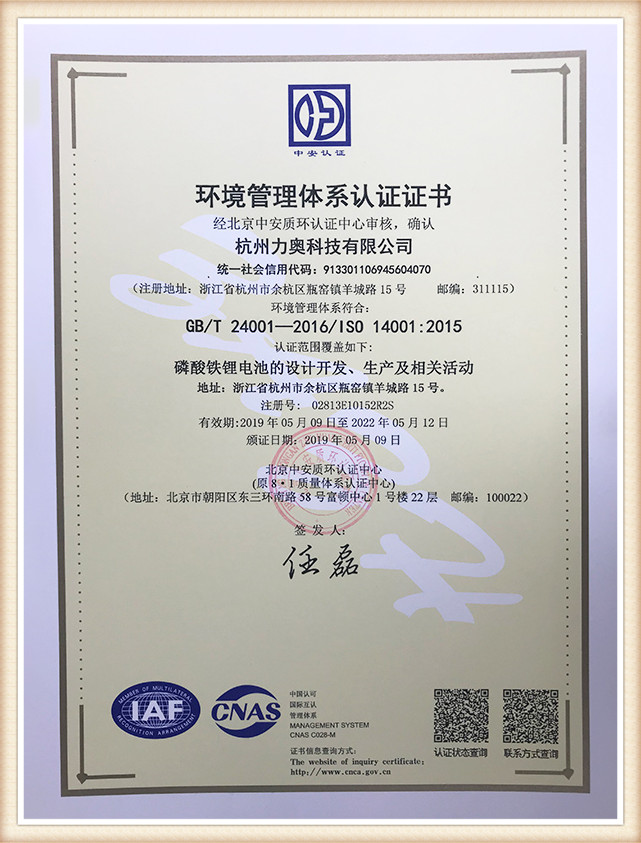
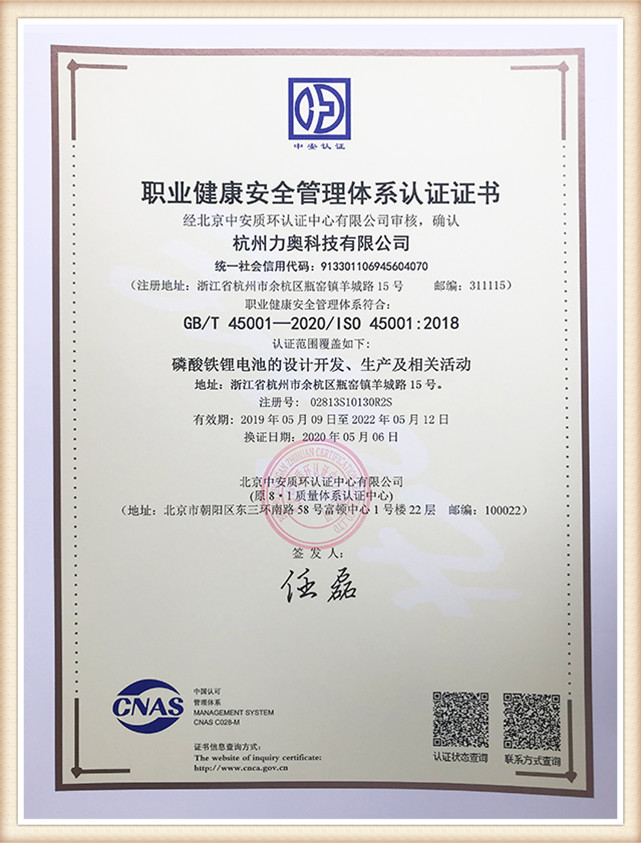
Our assembly lines operate under rigorous quality structures. The manufacturing facility maintains active registrations under ISO 9001:2015 (Quality Management), ISO 14001:2015 (Environmental Management), and ISO 45001/18001 (Occupational Health and Safety Systems).
Providing reliable power solutions for short-range logistics, light mobility, recreational vehicles, and marine systems.

New-generation LiFePO4 packs designed to handle high-torque demands and deliver consistent performance across variable, uneven topography.
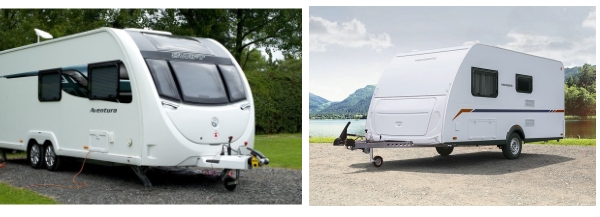
High energy density configurations that supply clean, reliable energy for smooth maneuvers, removing maintenance overheads.
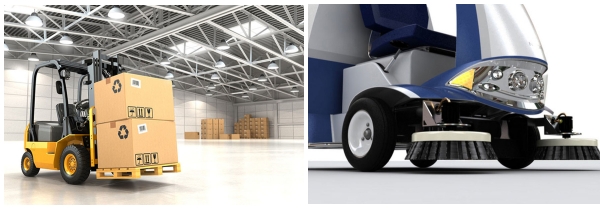
Built to withstand the physical vibrations and high-load demands of forklift operations and material transport systems.

Sealed, marine-compliant energy storage systems that offer silent operation, zero emissions, and resistance to saltwater humidity.
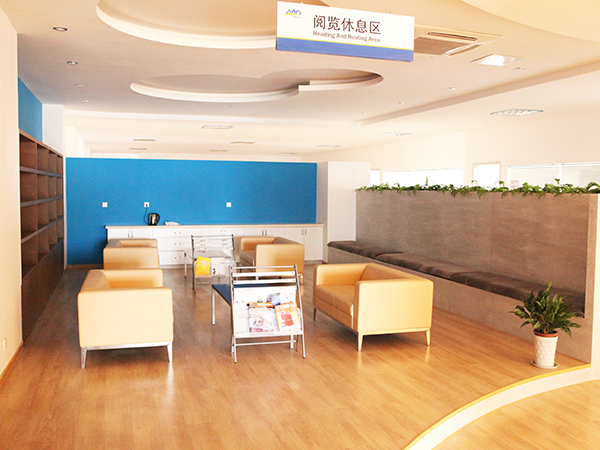
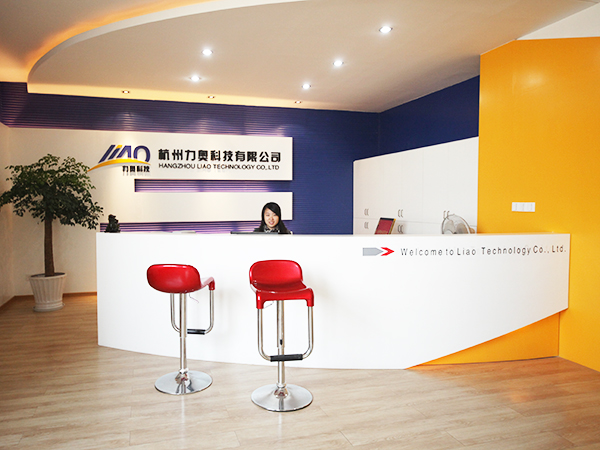
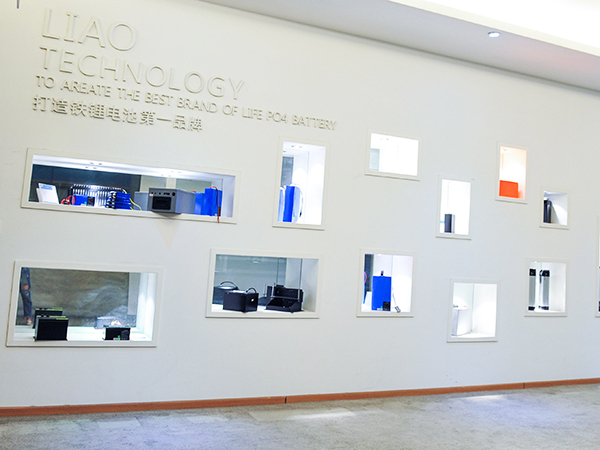
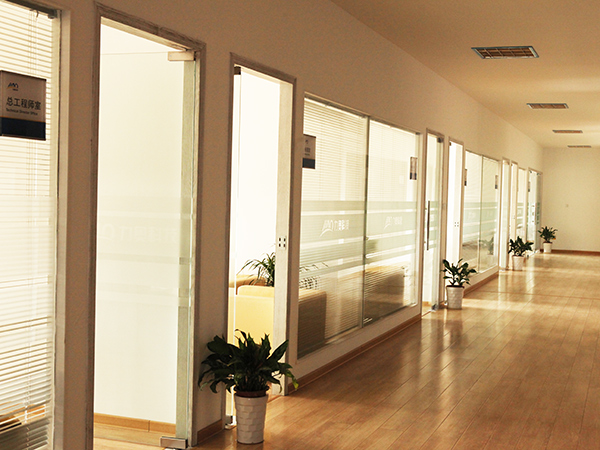
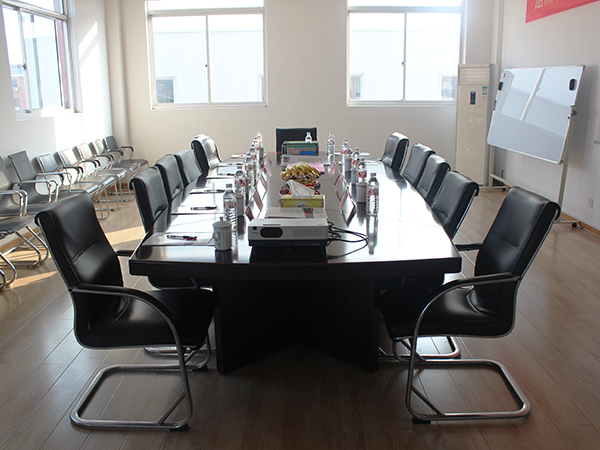
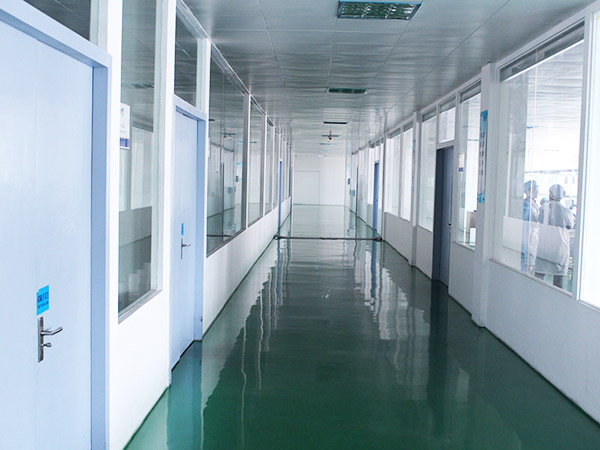
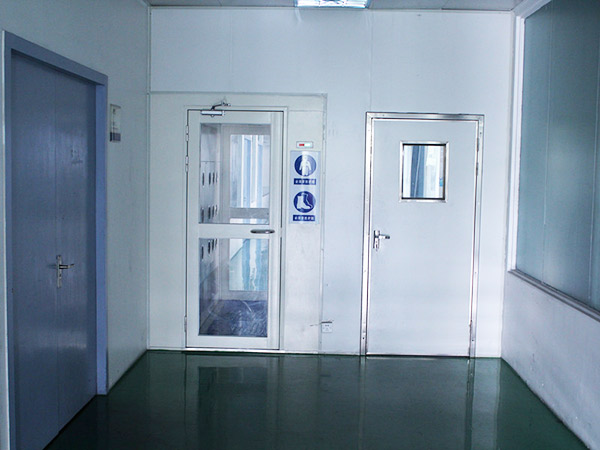
Maintaining reliability over a 10-year lifespan requires strict environmental and mechanical controls. The Hangzhou LIAO production plant is designed around specialized assembly stages, featuring automated battery cell capacity sorting, high-precision laser welding, and temperature-controlled curing zones.
Every batch of cells undergoes structured grading to minimize voltage variations across parallel lines. In our packing zones, structural integrity is monitored under static weight and torque tests, ensuring every custom enclosure meets field standards for vibration resistance.
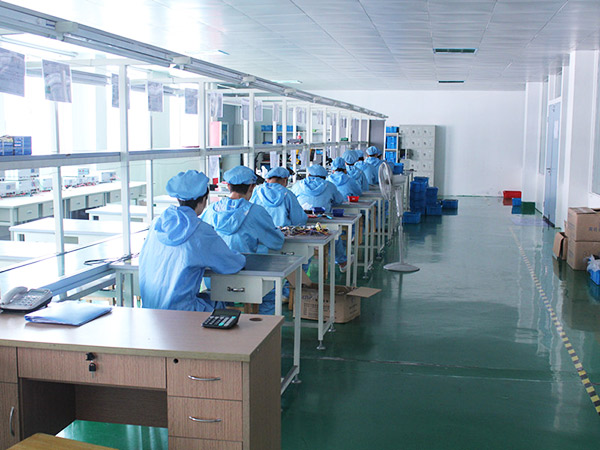
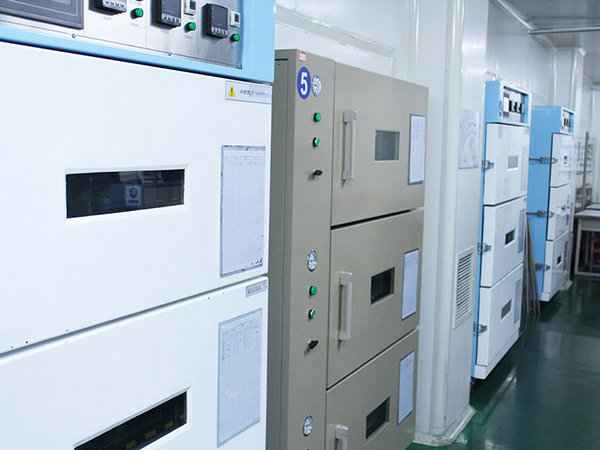
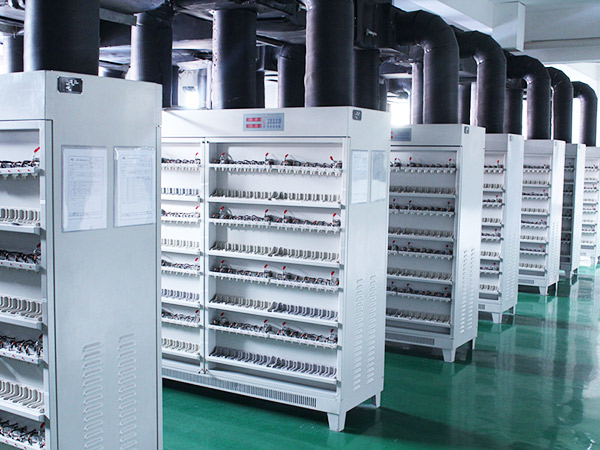
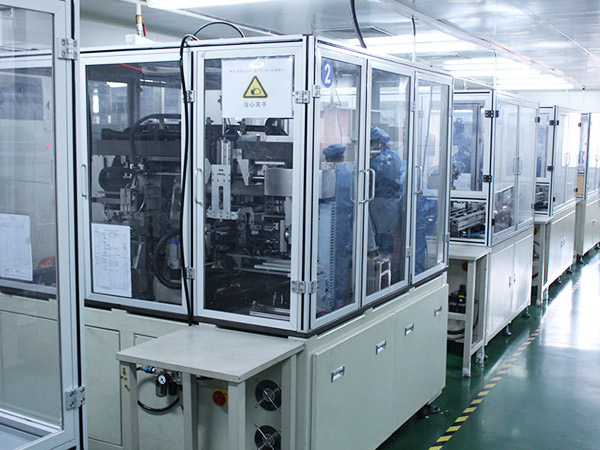
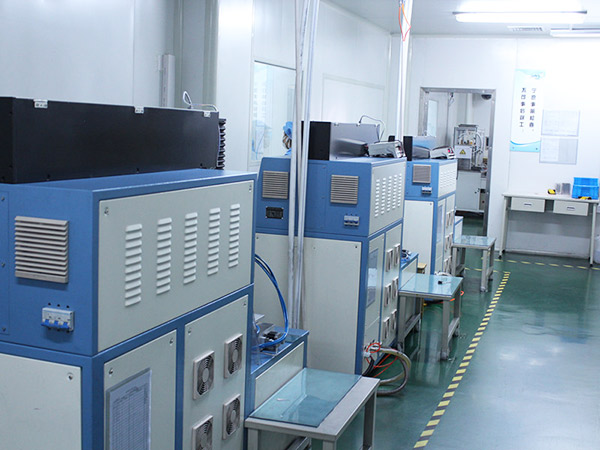
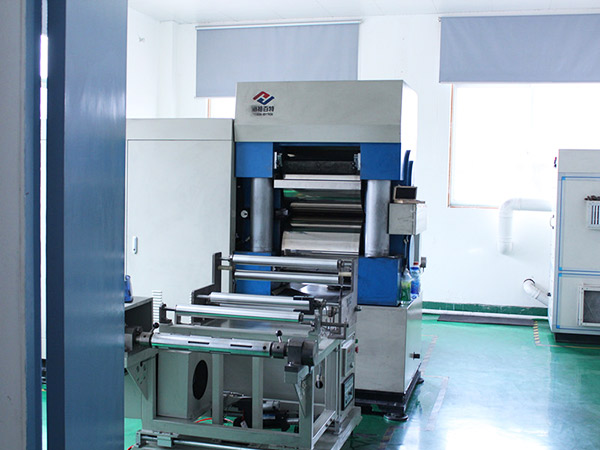
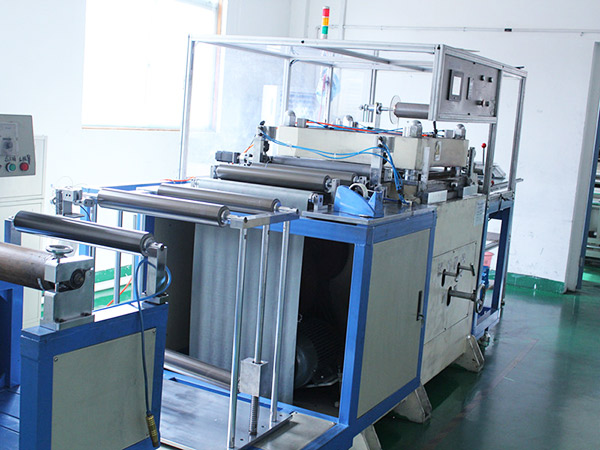
Understanding key technical parameters allows enterprise sourcing departments to select configurations that minimize operational risk.
Legacy data centers are upgrading their battery systems to lithium setups. The primary driver is footprint efficiency: LiFePO4 batteries deliver up to three times the energy density of lead-acid units, saving up to 70% in physical storage space and reducing structural floor load demands.
Additionally, lead-acid systems require replacement every 3 to 5 years, whereas LIAO's LiFePO4 systems deliver service lifespans exceeding 10 years in typical operating conditions.
Modern UPS infrastructures demand active telemetry. Our custom battery packs integrate smart BMS architectures supporting CANbus, RS485, and Modbus communication protocols. This allows systems to send real-time thermal, cell voltage, and state-of-health (SOH) diagnostics directly to centralized facility management consoles.
Active protection circuits guard against overvoltage, undervoltage, thermal runaway, and short circuits, helping to prevent isolated errors from impacting the broader system.
| Parameter | Industrial Requirement | LIAO Performance Standard | Operational Benefit |
|---|---|---|---|
| Cell Grade | Grade A Prismatic | Grade A Premium (Direct Sourced) | Consistent cell matching and long-term voltage balance. |
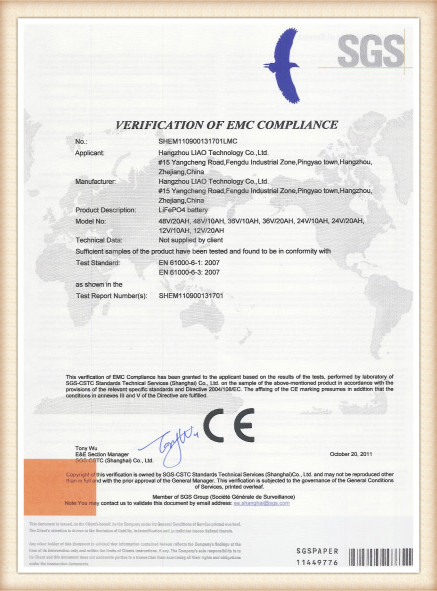
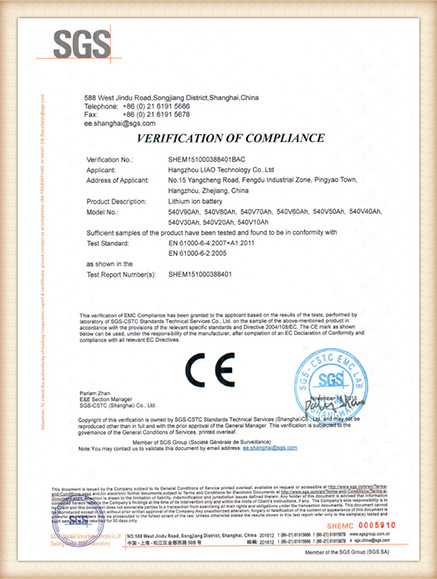
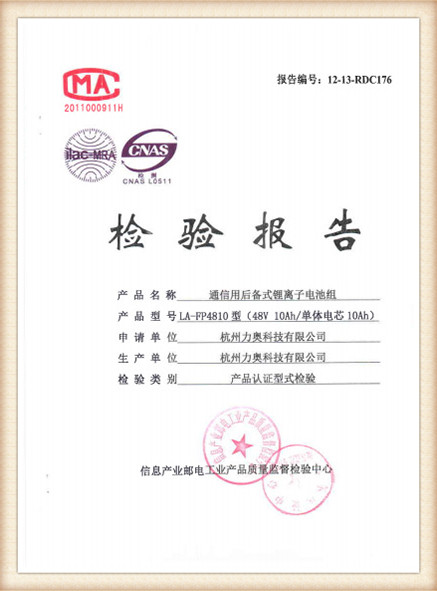
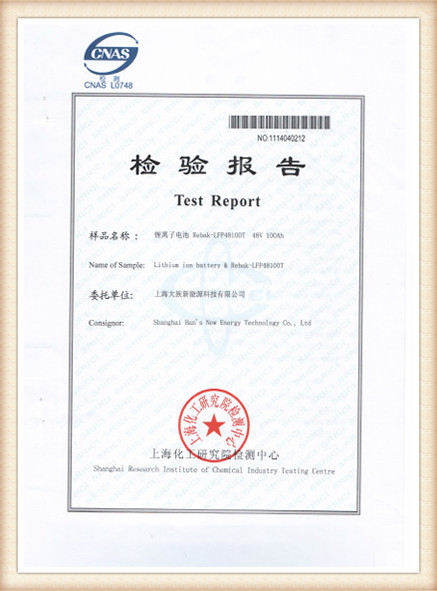
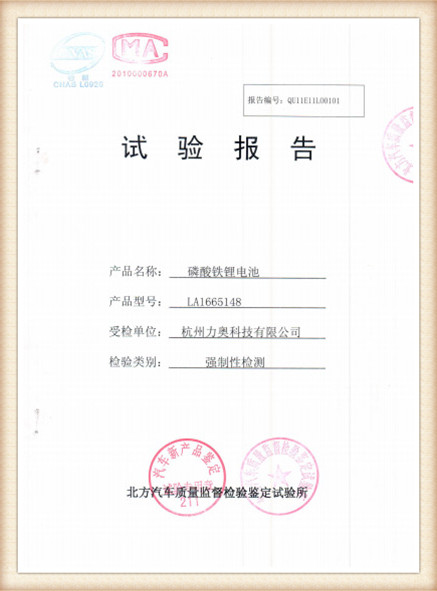
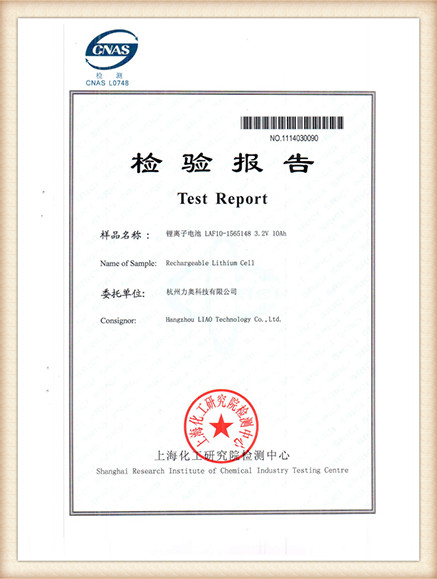
| Safety Compliance | UN38.3, CE, IEC 62619 | Fully certified and tested batch lines | Meets international shipping standards and regional electrical codes. |
| Cycle Lifespan | > 2000 Cycles (0.5C/80% DOD) | 2800+ Cycles (1C/100% DOD) | Extended field life, reducing long-term capital replacement costs. |
| Thermal Limits | -10°C to +50°C (Typical) | -40°C to +85°C (Tested limits) | Suitable for unconditioned settings and remote telecom setups. |
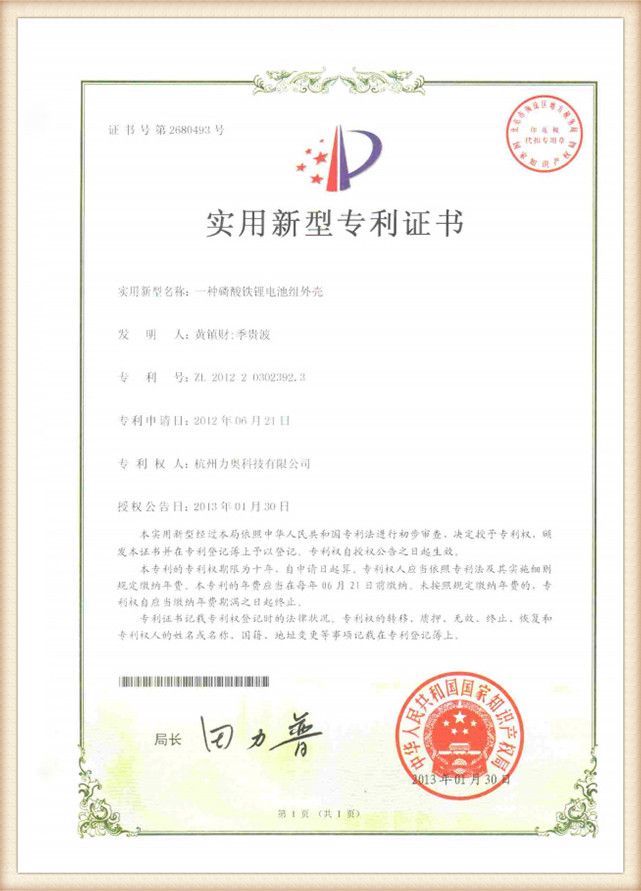
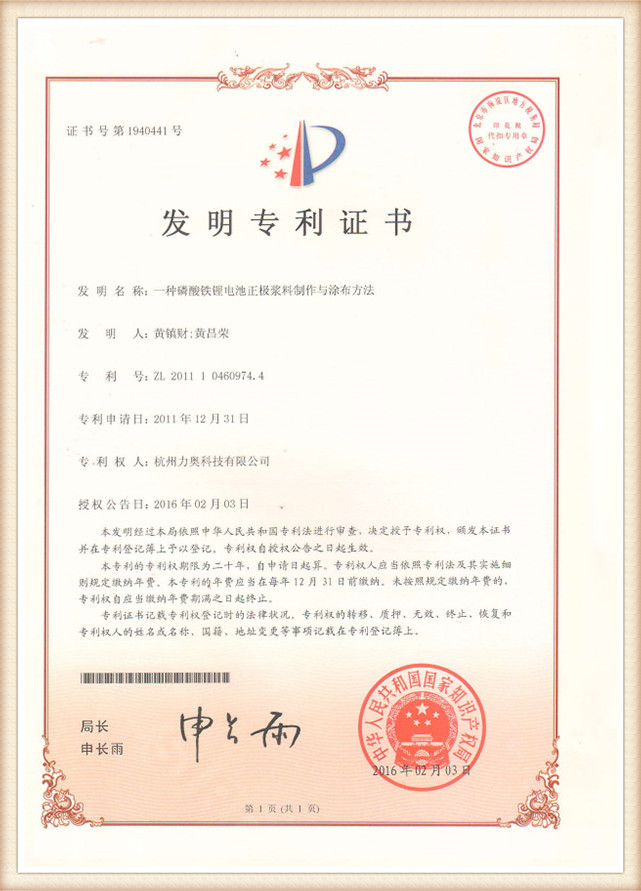
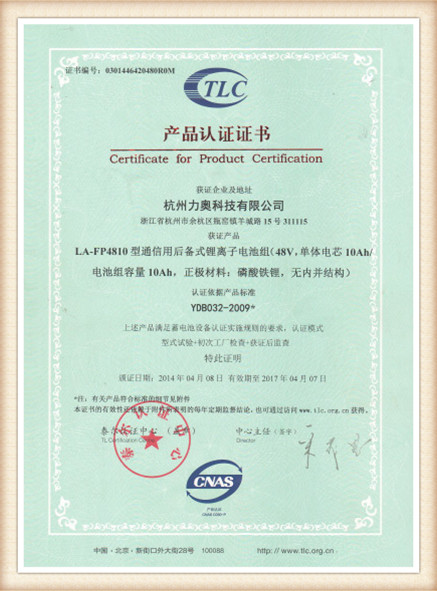
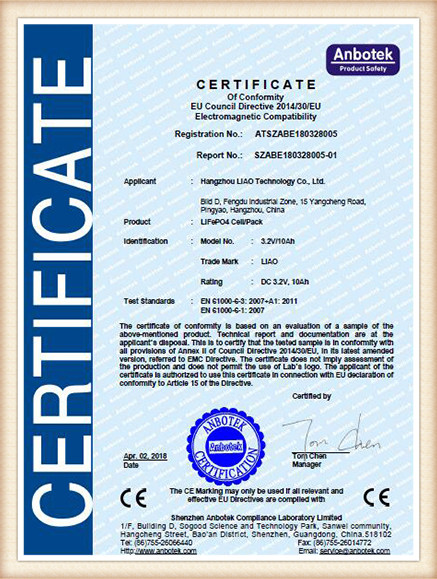
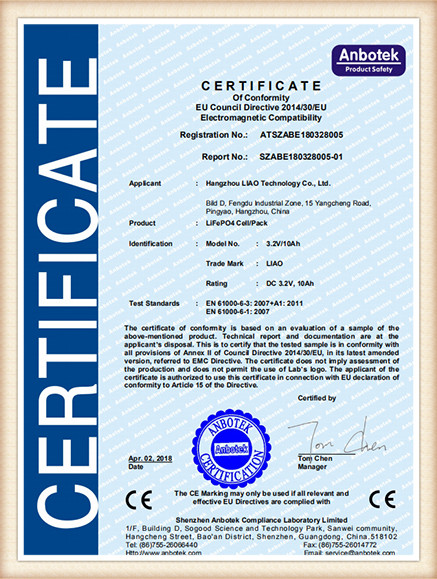
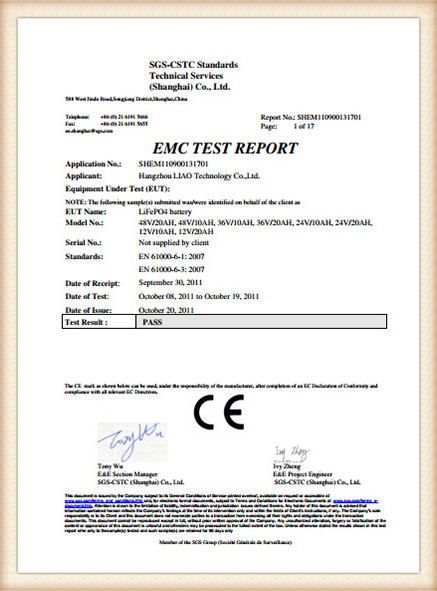
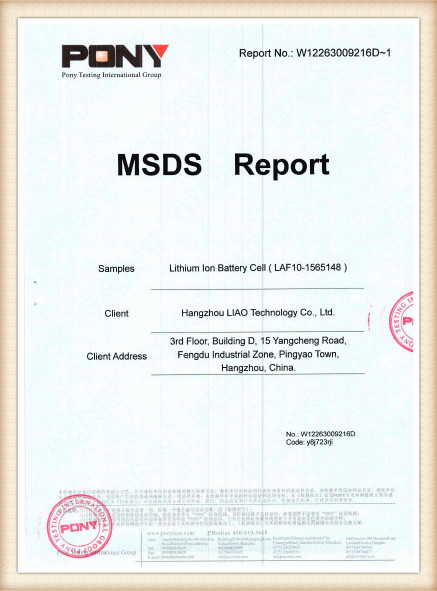
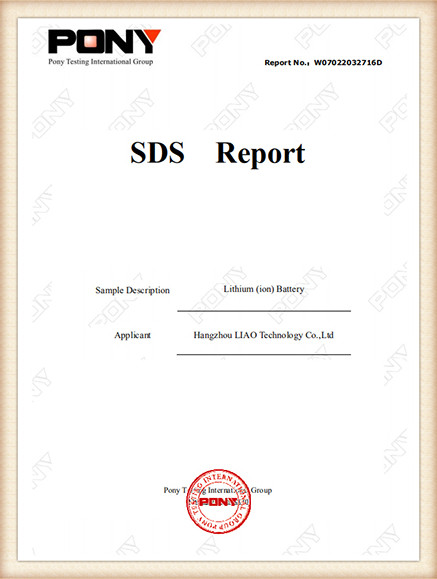
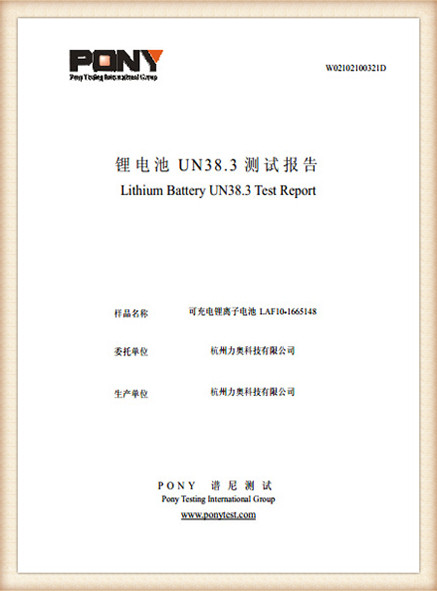
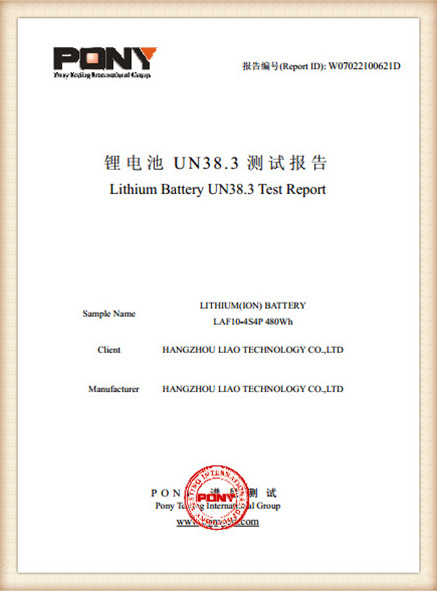
Our battery models undergo thorough verification and hold approvals from major testing agencies globally.
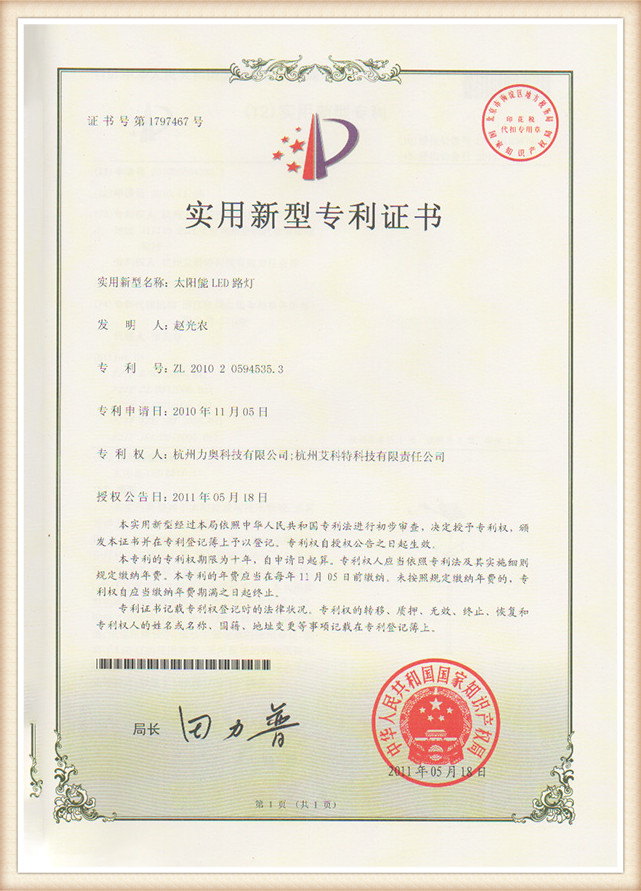
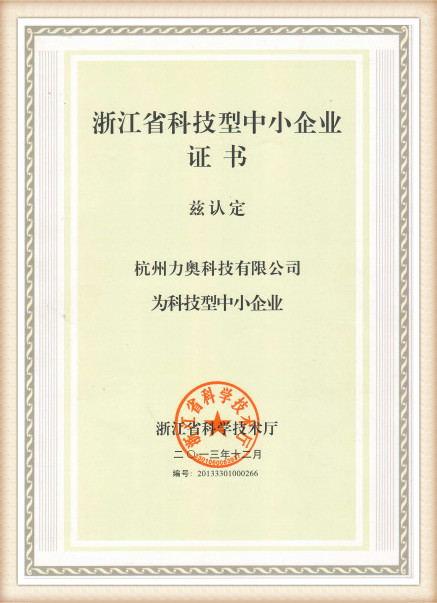

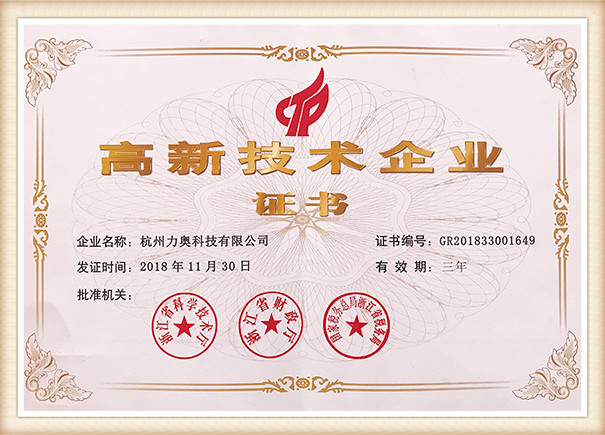
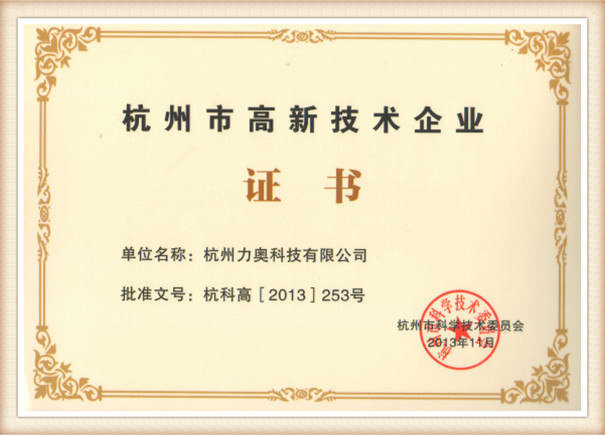
Detailed answers concerning engineering customization, compatibility, and battery safety from our technical support team.
We build our packs using Lithium Iron Phosphate (LiFePO4) chemistry, which has a higher thermal runaway threshold (around 270°C) compared to Ternary (NMC) batteries. Additionally, the integrated smart BMS actively monitors cell temperatures and disconnects the circuit if parameters exceed safe thresholds, helping to prevent short-circuit-induced heat spikes.
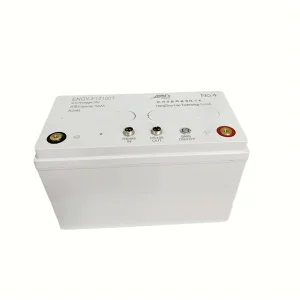
Yes. Many of our products, such as our 12V 100Ah packs, are designed as direct replacements for standard lead-acid batteries. They share matching form factors but provide double the usable capacity, weight reductions of up to 60%, and an extended cycle life.
Our design team configures communication protocols like RS485, CANbus, and Modbus to align with the telemetry requirements of your UPS inverter or monitoring system, ensuring accurate reporting of capacity and operational status.
Standard cell configurations are typically prepared and dispatched within 15 to 25 days. For custom OEM/ODM designs requiring structural tooling, specialized enclosures, or specific BMS programming, lead times range from 30 to 45 days, depending on compliance and testing requirements.
Yes, our battery systems hold active UN38.3 test reports and Material Safety Data Sheets (MSDS), confirming they comply with air and ocean freight safety standards for lithium batteries.
A wider selection of deep-cycle packs designed for high-capacity industrial, marine, and emergency power backup roles.
 Liao Battery