Engineered for mission-critical reliability, extreme performance envelopes, and unmatched cycle life.
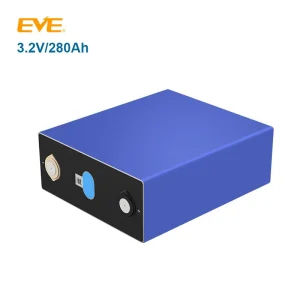
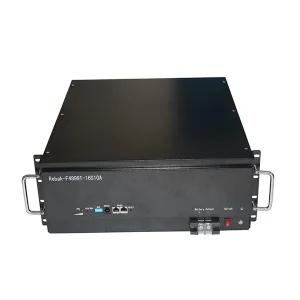
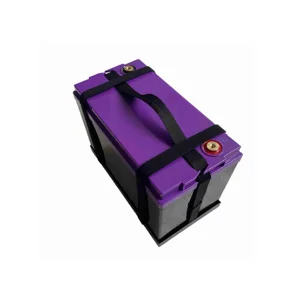
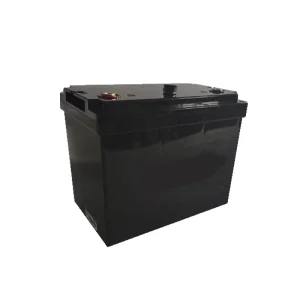
Pioneering Lithium Iron Phosphate (LiFePO4) Engineering Since 2009.
Established in 2009, Hangzhou LIAO Technology Co., Ltd. has developed into a globally trusted, specialized manufacturer dedicated exclusively to the research, development, and high-precision production of lithium iron phosphate (LiFePO4) battery cells and complete customized battery packs. Over the past 15 years, our technical footprint has expanded to cover active projects across 20+ countries, delivering highly reliable energy storage solutions to industrial power systems, light electric mobility networks, and off-grid utility infrastructure.
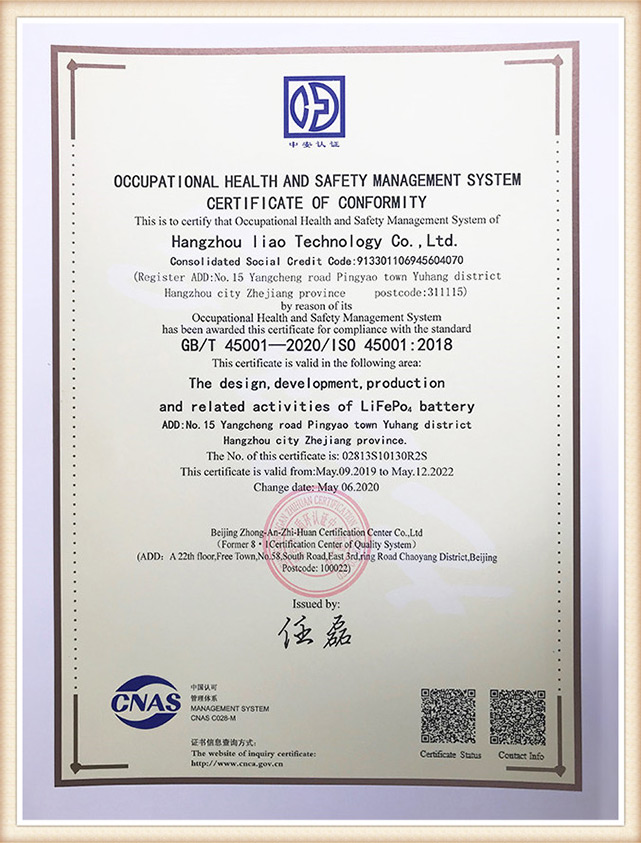
Our commitment to manufacturing reliability is anchored by a rigorous quality system. We operate under strict alignment with ISO 9001:2015 Quality Management Systems, alongside long-term compliance to ISO 14001:2015 Environmental Management and ISO 45001 / OHSAS 18001 Occupational Health & Safety Systems.
An in-depth look at energy efficiency, thermal physics, safety architectures, and evolving technology routes.
In low-to-medium voltage systems, a 24V nominal architecture represents the optimal thermodynamic and electrical compromise. When compared to traditional 12V configurations, doubling the nominal system voltage to 25.6V decreases the systemic current requirement by exactly 50% for equivalent power loads. According to Joule's First Law (P = I²R), energy loss to heat through copper cabling is reduced by 75%. This enables system designers to utilize significantly thinner, lighter, and more cost-effective cabling, reducing copper utilization while mitigating voltage drop over long distribution lines.
For applications such as Automated Guided Vehicles (AGVs), heavy electric machinery, caravans, and marine propulsion, 24V presents a structurally efficient envelope. It allows standard modern high-frequency power electronics, controllers, and inverters to operate within their optimal efficiency bands (95% - 98%), preventing the excessive switching and conversion losses typical of high-current low-voltage platforms.
The landscape of industrial energy storage is rapidly transitioning from standard liquid-electrolyte chemistries to solid-state matrices, alongside the integration of silicon-carbon composite anodes to push energy density boundaries. Below is LIAO Technology’s strategic technology route designed to sustain our competitive product performance over the next decade:
Deploying advanced battery management systems (BMS) with built-in IoT edge-computing modules. These modules utilize electrochemical model algorithms to run real-time state of health (SoH) diagnostics, predicting cell-level aging patterns and preventing thermal runaway via cloud anomaly detection.
Transitioning toward semi-solid-state electrolytes to decrease fluid leakage risk, optimize ionic conductivity, and extend functional operating limits. The target is to guarantee stable discharge rates even at ultra-low ambient profiles of -40°C while increasing localized volumetric energy density to >280 Wh/L.
Developing structural pack designs that bypass module levels completely (Cell-to-Pack / CTP), maximizing packaging efficiency to exceed 80%. This chemistry transition will optimize resource sustainability and push system costs below benchmark industrial levels without compromising thermal stability.
How LIAO custom-designed LiFePO4 systems power specialized heavy and recreational operations.

The new generation of LiFePO4 golf cart batteries helps your carts run smoothly in varying golf terrains and steep inclines. Offering up to 70% weight reduction compared to traditional flooded lead-acid batteries, these systems reduce turf compression, increase top speeds, and eliminate standard terminal corrosion maintenance cycles.
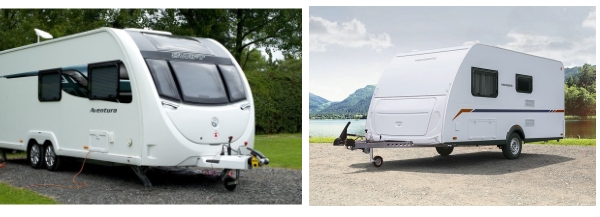
Our deep-cycle batteries help your caravan movers run quietly and reliably with zero emissions. By delivering stable, high-current output during heavy startup loads, they safeguard delicate on-board electrical appliances while providing extensive off-grid capacity for lighting, climate control, and refrigeration systems.
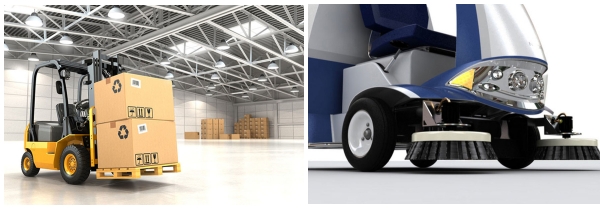
Optimized for heavy-load short-distance logistics, our industrial battery assemblies power electric forklifts, scissor lifts, and AGVs. They enable opportunity charging, allowing logistics operators to charge systems during short shift breaks to maximize uptime, reduce worker fatigue, and lower total labor costs.

Ecologically sensitive water channels demand zero emission and low noise footprints. LIAO marine-grade LiFePO4 batteries feature heavy structural reinforcement and ingress protection ratings to deliver stable power in high-humidity, salty environments. Designed to prevent environmental contamination, they ensure silent operations with a long life cycle.
Modern automation lines driving cost-efficiency and product safety.
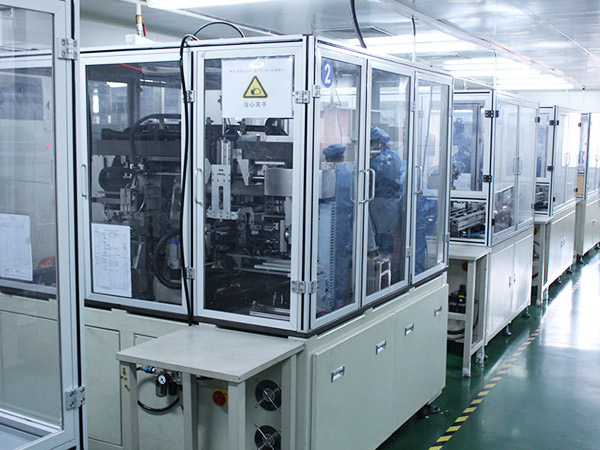
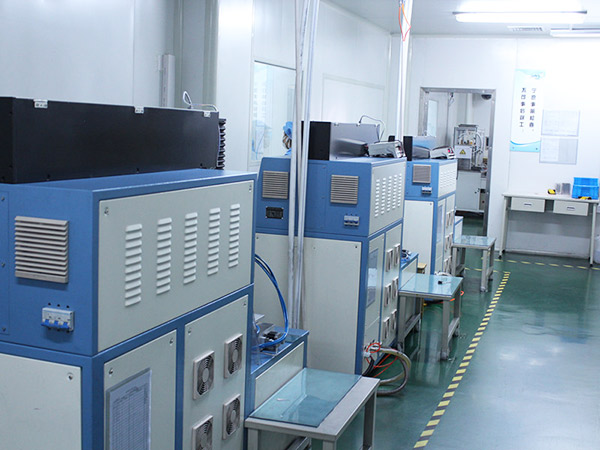
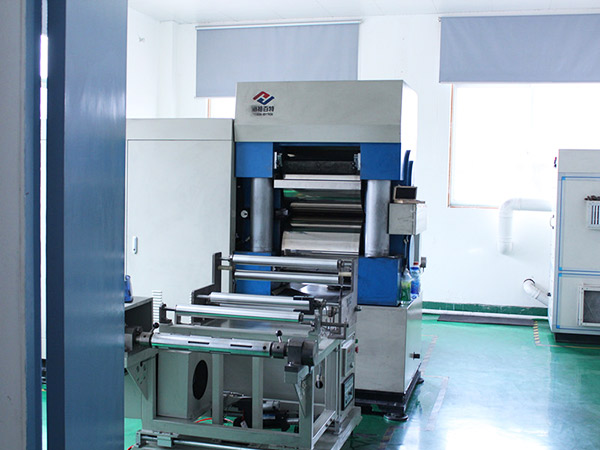
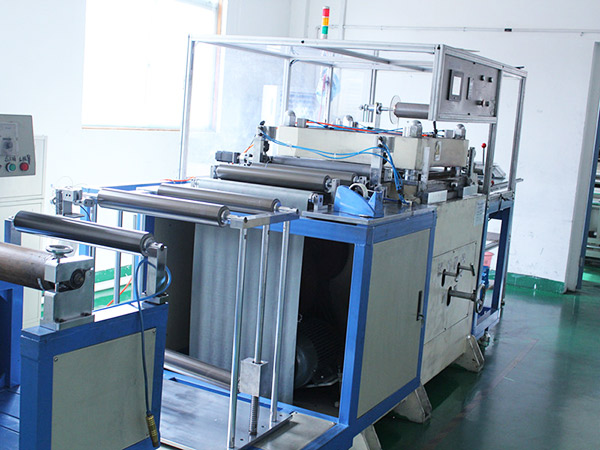
At LIAO Technology, quality is engineered directly into our assembly lines. Our factory incorporates automated technology, keeping manufacturing deviations to a minimum. From initial cell capacity sorting to final electrode laser welding and baking, critical processes are monitored by precision sensors to verify consistency in internal resistance, voltage thresholds, and thermal performance across every production batch.
By using direct material partnerships, optimized manufacturing lines, and automated operations, we offer significant supply chain resilience. This layout protects our operations from raw material price swings and capacity bottlenecks, ensuring we meet delivery schedules for global projects, even during peak production periods.
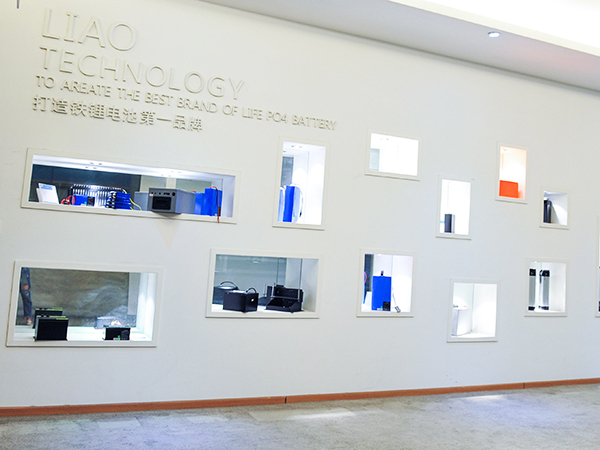
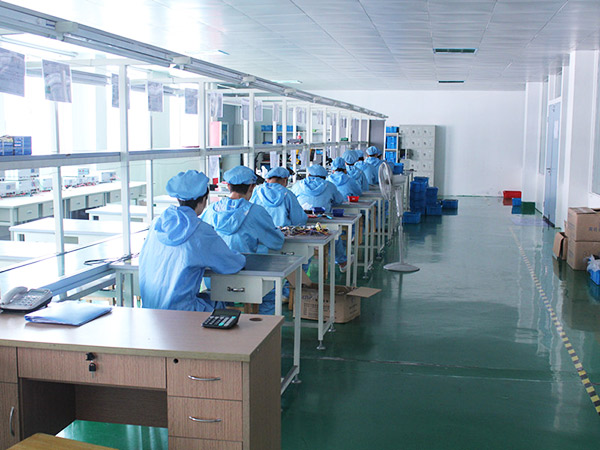
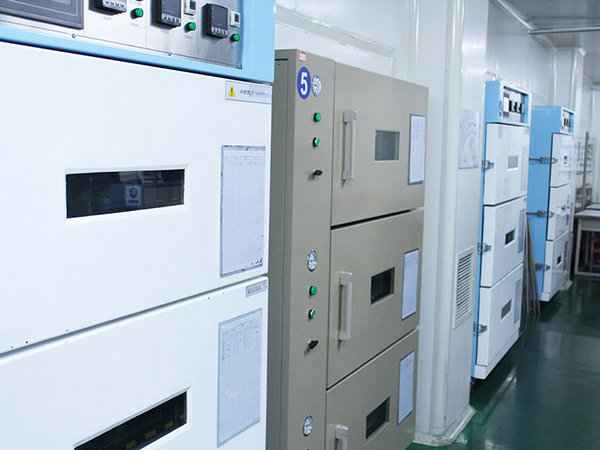
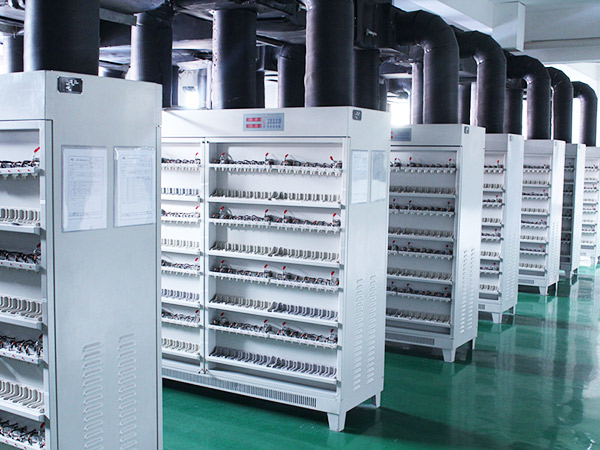
Conforming to the rigorous standards of global markets, including European, North American, and Asian-Pacific jurisdictions.
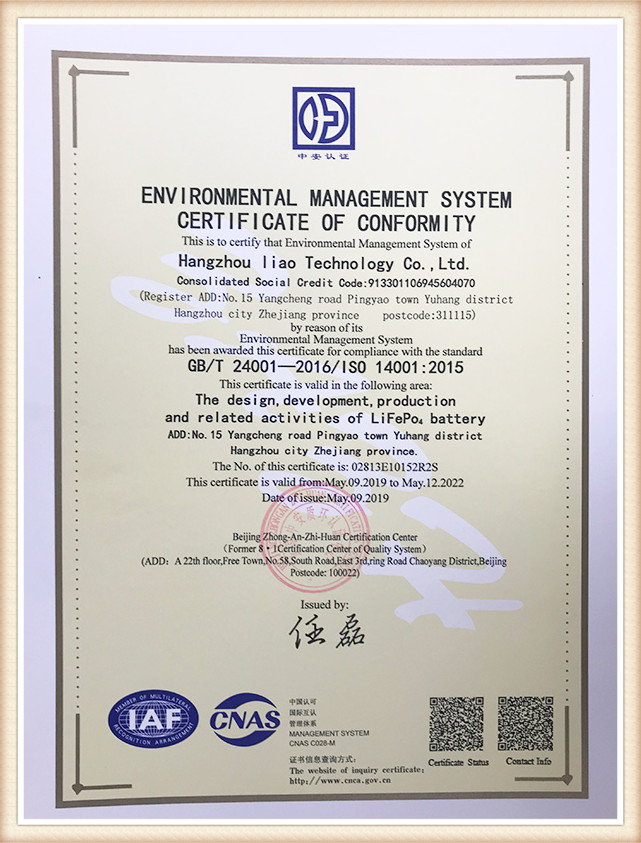
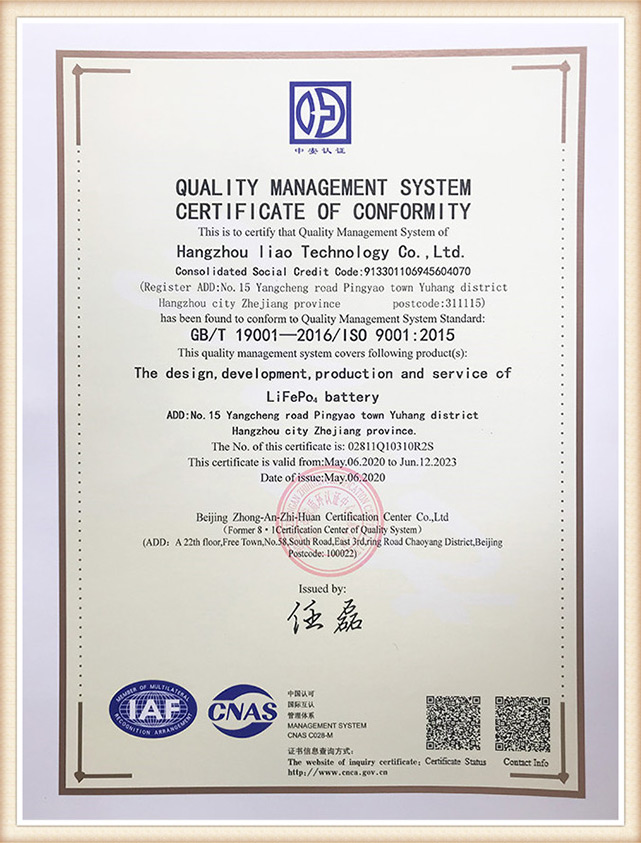
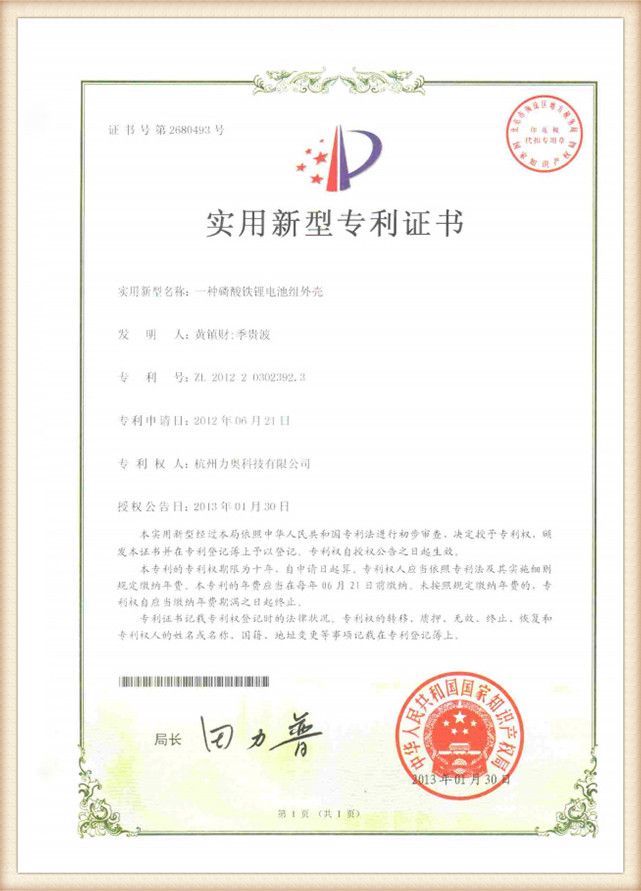
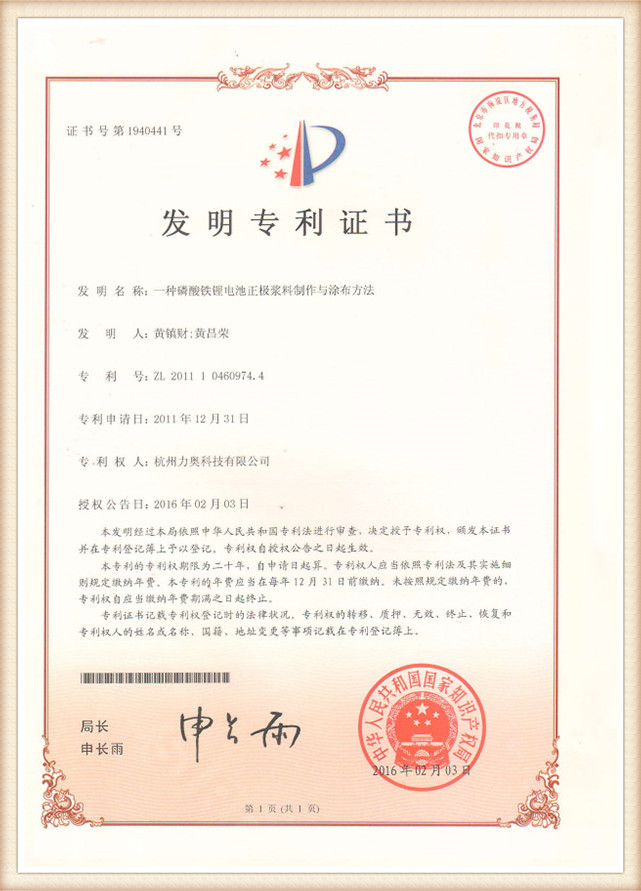
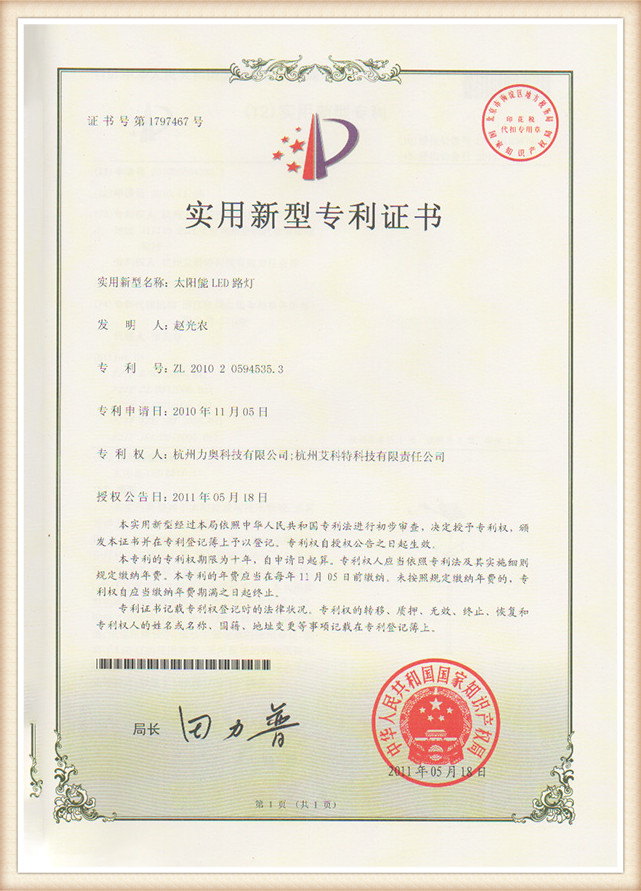
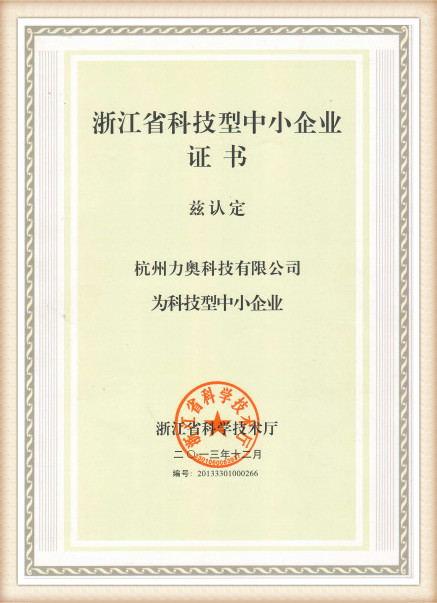
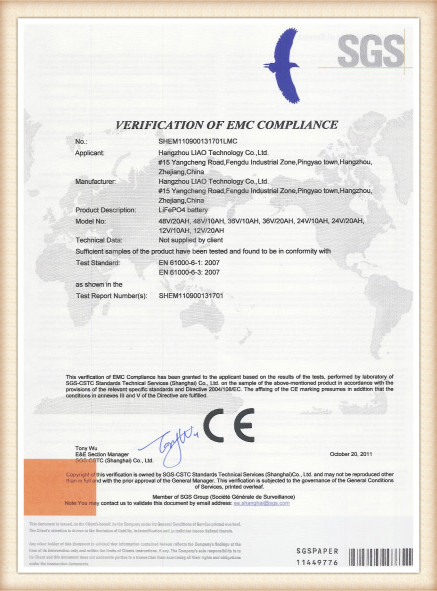
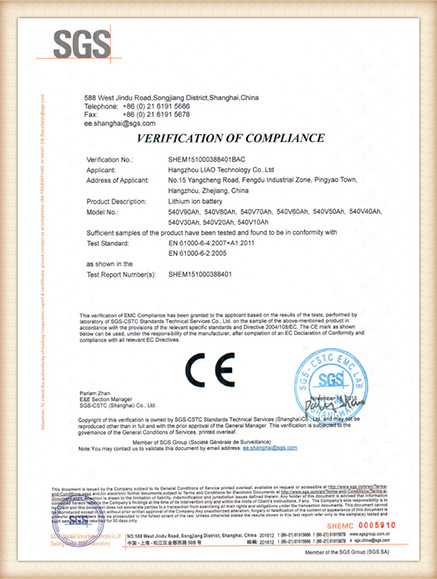
Every cell batch and custom design undergoes rigorous testing. Our products are certified by accredited third-party laboratories to meet CE, UN38.3, and MSDS safety standards. In European test metrics, our flagship LAXpower-1230 cell design was awarded testing champion honors for outstanding energy density retention, thermal resilience, and cycling longevity.
An optimized engineering and design process to convert raw requirements into production-ready packs.
When sourcing 24V battery systems at enterprise scale, procurement managers must analyze more than upfront unit costs. The Levelized Cost of Storage (LCOS) and Total Cost of Ownership (TCO) are determined by lifecycle efficiency, BMS stability, cell balancing accuracy, and mechanical durability against vibration and extreme temperatures. Standardizing on low-cost cells without a robust BMS often results in early pack failure, mismatch issues, and safety hazards.
To assist global OEMs in designing reliable systems quickly, LIAO Technology uses a structured, multi-phase design and manufacturing pipeline:
Our application engineers analyze the customer’s application parameters, including average continuous discharge current, peak starting currents, volumetric space limits, temperature ranges, communication protocols (CANbus, RS485, SMBus), and certification targets.
We build detailed 3D CAD mockups of internal structural plates, cooling fins, shock-absorbing brackets, and outer shell materials (ABS plastic, aluminum alloy, or powder-coated steel). Simultaneously, our engineers configure customized BMS software thresholds for overvoltage, undervoltage, thermal limits, and active balance parameters.
Before batch manufacturing, physical prototypes are subjected to severe testing protocols, including high-temperature cycle aging, mechanical vibration profiles, nail penetration tests, and short-circuit simulations to confirm reliability under pressure.
Complete your off-grid and power distribution setups with certified manufacturing solutions.
Resolving common industrial design questions regarding chemistry, safety, and integration.
LiFePO4 chemistry features a highly stable olivine crystal structure with robust phosphorus-oxygen (P-O) bonds. This structure remains physically stable under high internal temperatures (up to 600°C), preventing the generation of structural oxygen that causes thermal runaway in NCM cells. In nail penetration, short-circuit, and physical crushing tests, LIAO LiFePO4 cells do not ignite or explode, providing high passive safety for enclosed systems like RV cabins, marine compartments, and warehouse logistics.
Standard LiFePO4 battery cells suffer from reduced lithium-ion mobility in electrolyte fluids at sub-zero temperatures. Our standard packs operate safely within discharge limits from -20°C to +60°C. For applications in colder environments, LIAO designs custom configurations featuring built-in electric heating elements or advanced low-temperature electrolyte blends. These systems maintain safe discharge rates down to -40°C.
Every LIAO battery pack features a customized Smart Battery Management System (BMS). The system actively monitors individual cell voltages, pack temperatures, and current flows. It provides protection against overcharging, over-discharging, short circuits, and thermal runaway. Additionally, integrated passive cell-balancing networks match the capacity levels across all cells, maximizing structural efficiency and prolonging the overall lifecycle of the pack.
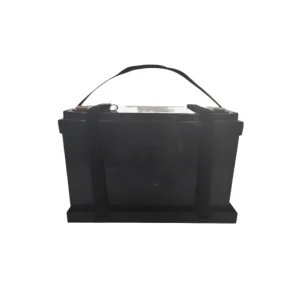
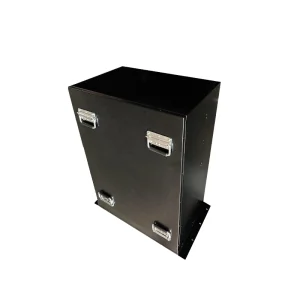
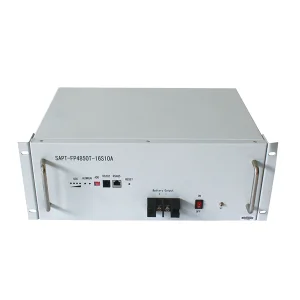
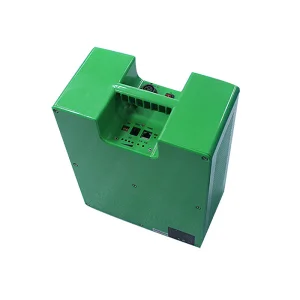
Through our engineering design team, LIAO offers full customization for mechanical enclosures (sheet metal or custom ABS), voltage levels (from 12V up to 192V architectures), and communication protocols (CANbus, Modbus, RS485). We collaborate closely with industrial manufacturers to deliver drop-in lead-acid replacement options, off-grid energy storage racks, and custom power blocks tailored to proprietary machinery configurations.
 Liao Battery