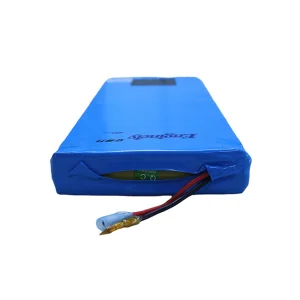
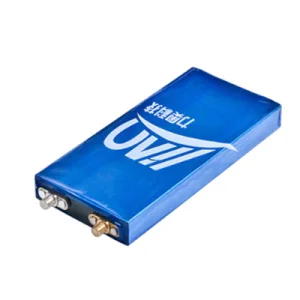
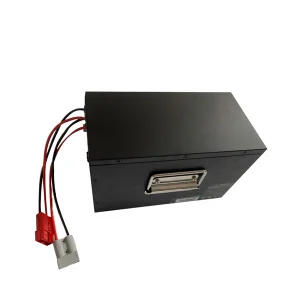
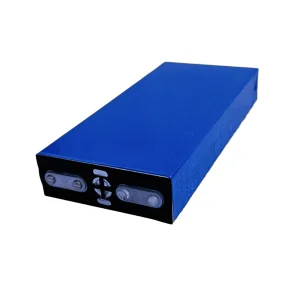
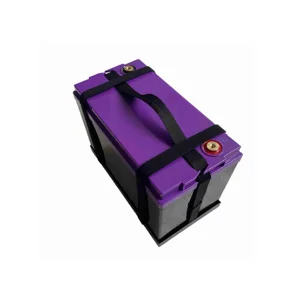
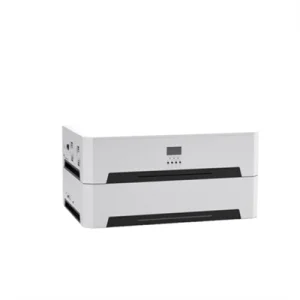
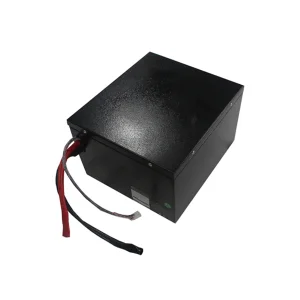
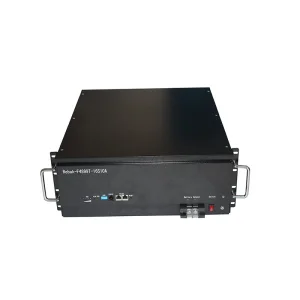
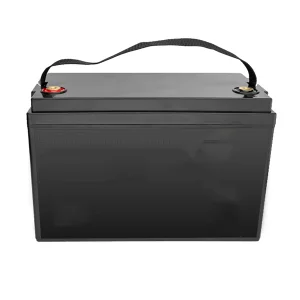
In the global race toward electrification and industrial automation, power supply configurations dictate the efficiency limits of modern equipment. The 72V 20Ah lithium battery pack stands out as a critical power building block, bridging the gap between low-voltage portable systems and high-voltage grid storage. Historically, lead-acid architectures dominated light electric vehicles (LEVs) and light industrial machinery. Today, however, the shift to Lithium Iron Phosphate (LiFePO4) has redefined efficiency standards, offering superior thermal stability, drastically longer cycle life, and a highly reduced total cost of ownership (TCO).
At Hangzhou LIAO Technology Co., Ltd. (established in 2009), our engineering division has monitored this energy transition. High-voltage lithium packs require sophisticated mechanical structures and advanced battery management systems (BMS). A 72V system requires precise balancing across dozens of cells in series. Without professional calibration, cell imbalance leads to accelerated pack degradation and reduced overall runtime. This whitepaper analyzes the engineering standards, supply chain dynamics, and localized commercial use cases that make the 72V 20Ah LiFePO4 battery pack a cornerstone of modern industrial utility.
“Operational efficiency is no longer simply about cost reduction. It is about energy density, thermal safety limits, and minimizing downtime in mission-critical applications.” — R&D Division, Hangzhou LIAO Technology Co., Ltd.
Industrial procurement departments globally have transitioned from purchasing off-the-shelf cells to investing in highly integrated, custom-engineered battery packs. The modern procurement officer evaluates battery purchases using key performance metrics: energy capacity retention at extreme temperatures, international compliance, and integrated active balancing circuits. Over 20 countries, including the USA, Germany, Japan, and Australia, have seen heightened regulatory standards requiring rigorous certifications like UN38.3, CE, and ISO compliance.
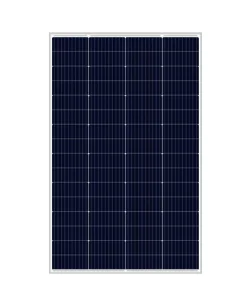
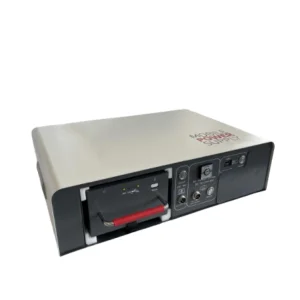
Enterprises are increasingly seeking localized, modular battery packs that can integrate with solar microgrids, portable charging units, and smart backup systems to maintain operational continuity.
Thermal runaway prevention has become the primary criteria for commercial buyers. High-quality LiFePO4 chemistry stands up to acupuncture tests without combustion, ensuring reliable deployment.
Modern fleet managers require batteries equipped with smart BMS communication ports (CANbus/RS485) to monitor cell health, depth of discharge (DOD), and cycle counts in real time.
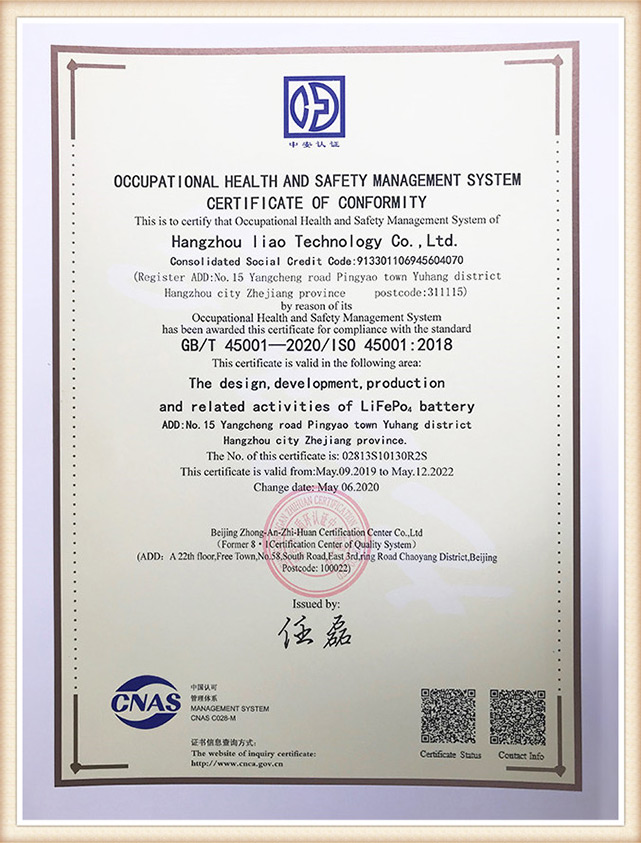
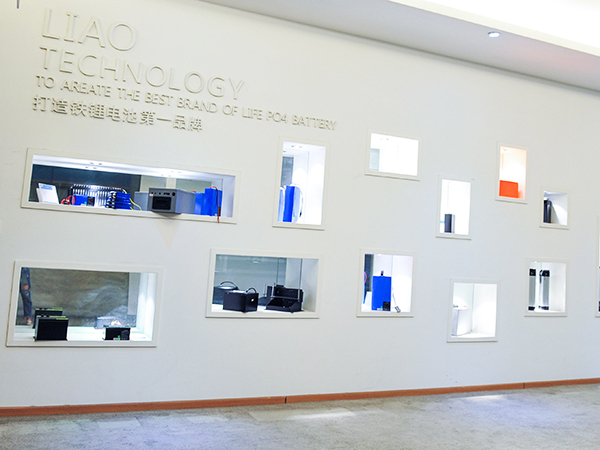
For over 15 years, Hangzhou LIAO Technology Co., Ltd. has delivered exceptional reliability under strict ISO standards. Our cells are engineered to maintain structure and performance under challenging operational conditions.
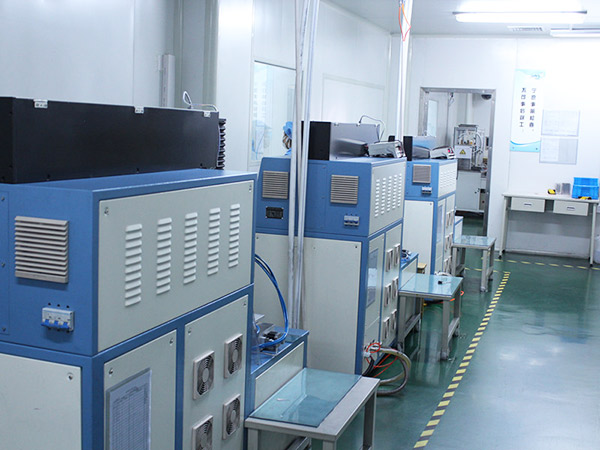
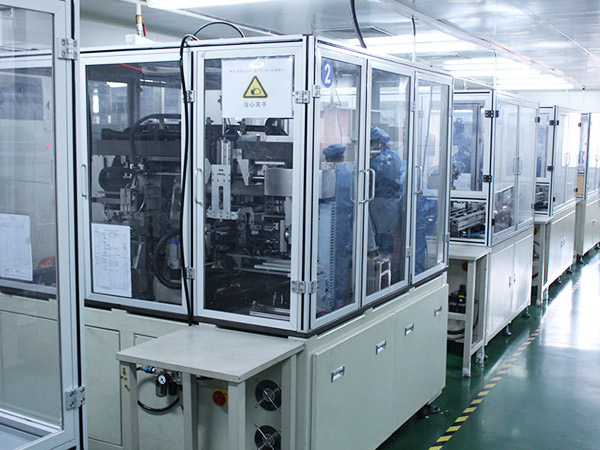
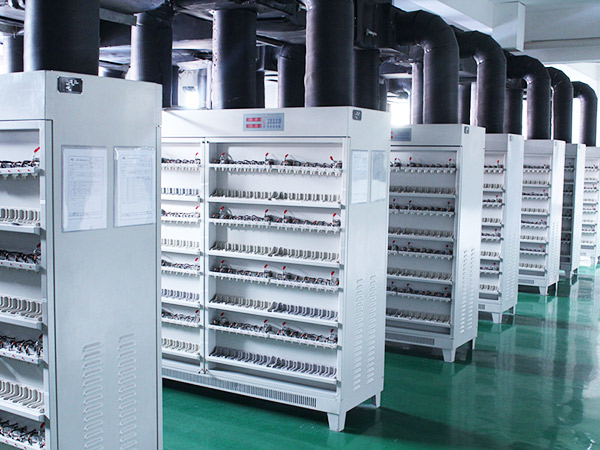
LIAO's automated manufacturing facility uses advanced factory systems to produce highly consistent, reliable battery solutions. The production line uses automated sorting, laser welding, and inline quality control systems. This automation ensures that each cell conforms to identical performance profiles, preventing the capacity-matching variations that often cause field issues in high-voltage packs.
By integrating die-cutting, capacity sorting, vacuum baking, and automated laser welding under one roof, our plant eliminates multi-tier outsourcing delays. This integration protects your delivery schedules from global supply chain disruptions. With raw materials sourced directly from verified primary suppliers, LIAO maintains steady production capacities and predictable lead times year-round.
Our custom 72V 20Ah configurations serve diverse commercial applications, providing clean, dependable power under varying operational conditions.

Our LiFePO4 batteries allow vehicles to operate reliably across variable terrain, maintaining steady power output without the drop-off typical of lead-acid packs.
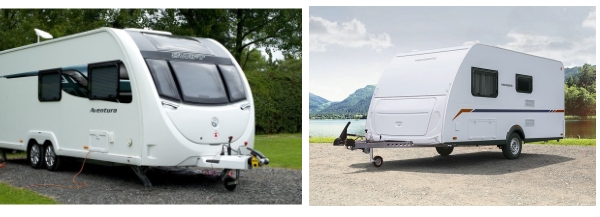
Providing quiet, zero-emission operation with high surge currents to move caravans through tight turns and rough ground.
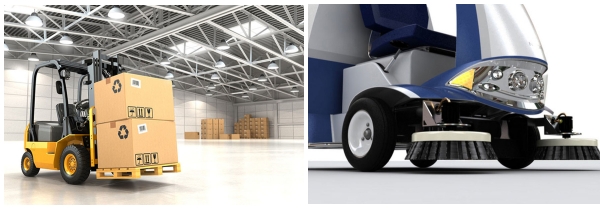
Designed for logistics fleets, automated guided vehicles (AGVs), and forklifts that require consistent charging turnaround times and low maintenance overhead.

Waterproof casing and specialized marine cell integration ensure safety, corrosion resistance, and stable discharge in marine environments.
LIAO offers customizable options for sizing, casing design, BMS configurations, and connection terminals. Our engineering team assists with system design, validation, prototyping, and volume production.
By utilizing advanced CAD software and rigorous thermal modeling, we simulate pack behavior under high electrical stress. This step helps optimize cooling paths and placement of structural insulation. During customization, our team evaluates mechanical protection levels (IP65, IP67), vibration requirements, and mounting geometries to verify compatibility with your existing chassis structures.
A 72V LiFePO4 pack offers significantly lower weight (up to 70% lighter), higher energy density, and a service life of over 2800 cycles compared to the typical 300–500 cycles of lead-acid. Additionally, LiFePO4 maintains stable voltage output throughout its discharge curve, which helps protect your vehicle's motors and electronics.
Our battery packs include an integrated, smart Battery Management System (BMS) that monitors the cell voltage, current, and temperature of individual cells. The BMS shuts off charging or discharging if parameters exceed safe thresholds, preventing issues like thermal runaway.
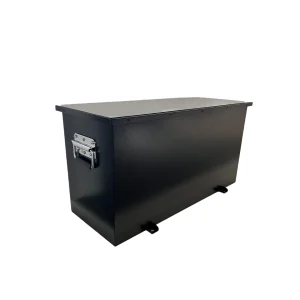
Yes, we specialize in OEM/ODM design. We can customize casing dimensions (ABS shell, stainless steel case, or shrink wrap), connectors (Anderson, XT90, aviation ports), and modify BMS settings to match specific motor controller current requirements.
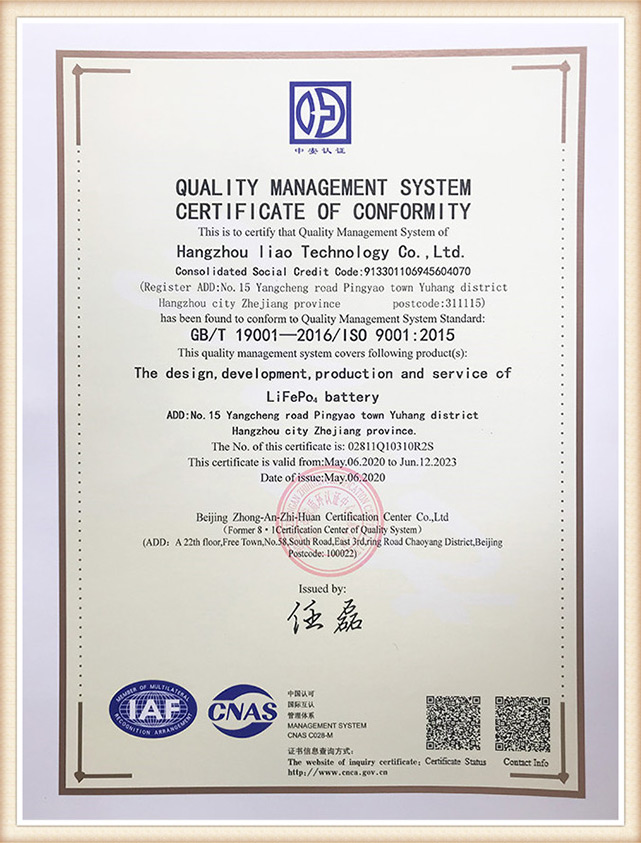
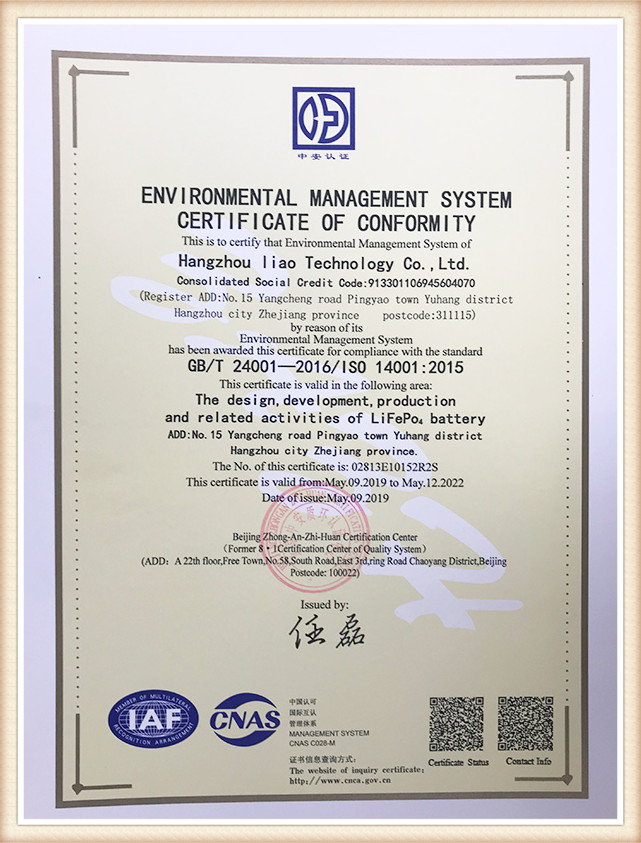
All battery configurations are designed in compliance with major safety standards. Our cells and battery systems undergo UN38.3 testing to verify safe transport by air and sea. Our factory operations also comply with ISO 9001 and ISO 14001 guidelines.
We recommend storing the battery in a dry environment between 15°C and 35°C, charged to approximately 40% to 60% capacity. To prevent over-discharge from parasitic BMS draw, packs should be recharged every 3 to 6 months.
 Liao Battery