As the global community accelerates its transition towards carbon neutrality, electrochemical energy storage technology has emerged as the cornerstone of this industrial revolution. Historically dominated by Lead-Acid batteries due to low upfront cost, and Lithium Nickel Manganese Cobalt Oxide (NMC) due to high initial energy density, the market is undergoing a structural realignment. Lithium Iron Phosphate (LiFePO4) chemistry has emerged as the clear leader for light electric vehicles, stationary energy storage systems (ESS), and heavy industrial equipment.
The core catalyst for this transformation lies in the intrinsic chemical properties of the LiFePO4 crystal structure. The olivine structure of LiFePO4 features strong covalent P-O bonds, which remain highly stable even under severe physical abuse, electrical overcharge, or elevated operational temperatures. Unlike NMC cells, which can trigger severe thermal runaway reactions at temperatures as low as 200°C with self-sustaining oxygen release, LiFePO4 cells resist thermal runaway up to approximately 600°C. This safety profile is not merely an optional performance metric; it is an absolute operational mandate for applications located inside residential environments, public transportation, and high-value industrial factories.
From an industrial perspective, selecting a power solution based solely on upfront dollar-per-kilowatt-hour ($/kWh) metrics represents an incomplete financial calculation. The real metric of value is the Levelized Cost of Storage (LCOS) or Total Cost of Ownership (TCO). A standard LiFePO4 cell engineered by a leading factory offers more than 2,800 full cycles at 100% Depth of Discharge (DOD) under a 1C rate before dropping to 80% of its original capacity. In contrast, lead-acid options rarely exceed 300 to 500 cycles at 50% DOD, while NMC configurations typically degrade within 800 to 1,200 cycles under similar loads.
When normalized across a ten-year operational lifespan, a custom LIAO LiFePO4 pack reduces maintenance overheads, eliminates replacement cycle costs, and mitigates the downtime associated with battery failure. This economic efficiency, combined with safety performance, forms the foundation of modern high-capacity industrial power systems.
Founded in 2009, Hangzhou LIAO Technology Co., Ltd. has established itself as a professional, leading manufacturer specializing in the research, design, and fabrication of advanced LiFePO4 batteries. For over 15 years, our engineering department has developed bespoke power solutions for more than 500 commercial clients across a wide range of industries, exporting high-performance battery packs to more than 20 countries worldwide.
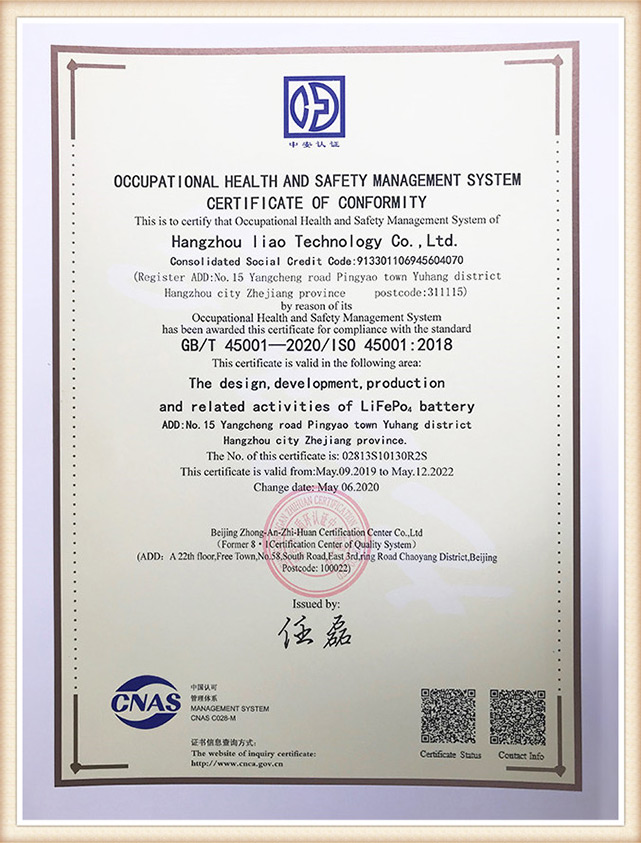
Our commitment to quality assurance is validated by a rigorous and efficient QC system. All LIAO products are manufactured strictly in compliance with the ISO 9001 Quality Management System. Furthermore, our production facilities adhere to the environmental protocols of the ISO 14001 Environmental Management System, as well as the safety standards set by the ISO 18001 / ISO 45001 Occupational Health and Safety Management System.
Through this strict engineering discipline, we ensure that every cell leaving our manufacturing line provides the safety, longevity, and thermal stability required by international regulatory frameworks.
Years of R&D Expertise
Cycles @ 100% DOD (1C)
Global Export Destinations
Custom System Designs
China's position as the global hub for LiFePO4 production is supported by strong material supply chains and advanced manufacturing infrastructure. By maintaining integrated supply networks for critical raw materials—ranging from synthetic graphite anodes to high-purity lithium carbonate and iron phosphate precursors—China-based manufacturers like LIAO Technology ensure stable pricing, reliable material grades, and consistent production scaling even during times of global market volatility.
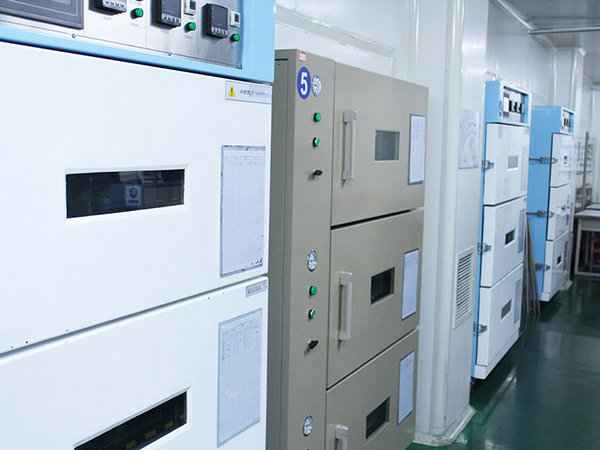
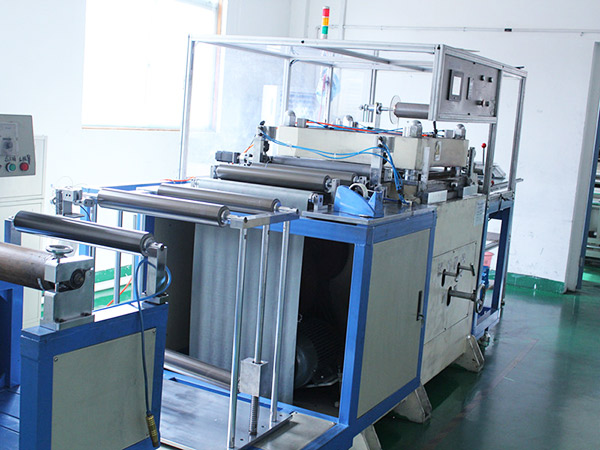
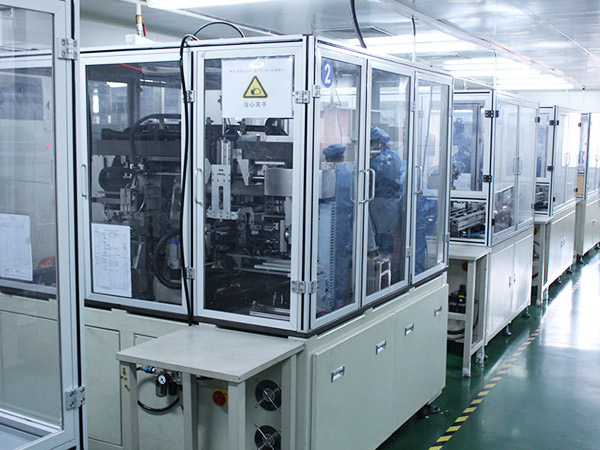
Within our production facility in Hangzhou, this supply chain advantage is paired with highly automated assembly processes. From the preparation of active materials to final pack integration, each step is monitored by real-time diagnostic systems:
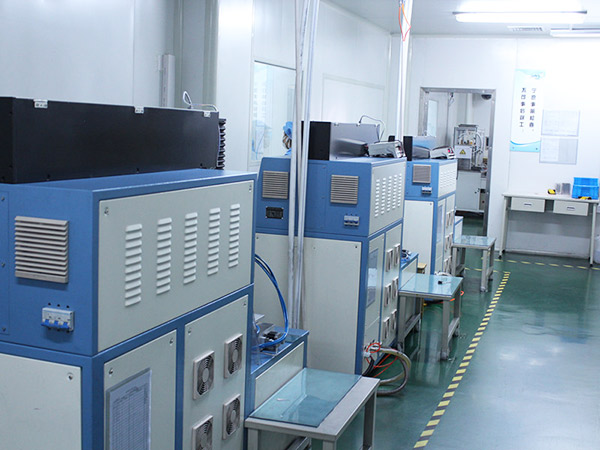
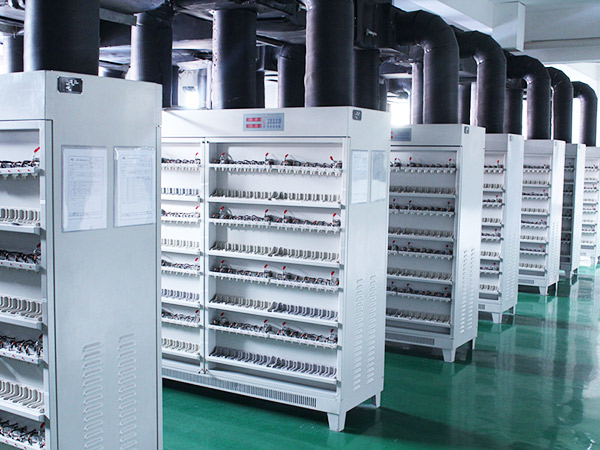
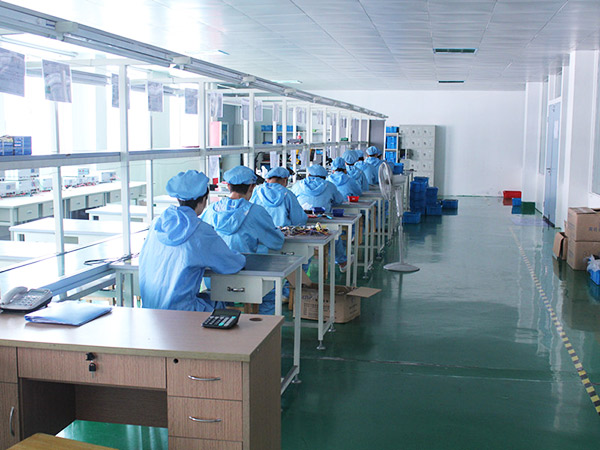
Tested under extreme protocols, our cells do not burn or explode when punctured. They remain thermally stable during severe mechanical damage, overcharging, and short-circuit conditions.
Engineered to operate reliably under extreme conditions, discharging safely at temperatures ranging from -40°C up to 85°C to protect critical equipment in harsh environments.
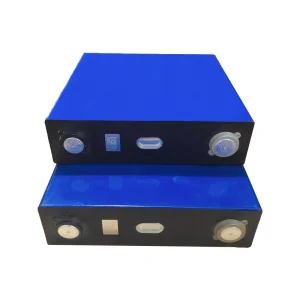
Our prismatic cells deliver 2,800+ full charge/discharge cycles at 1C and 100% DOD. This performance translates directly to long-term reliability and a lower total cost of ownership.
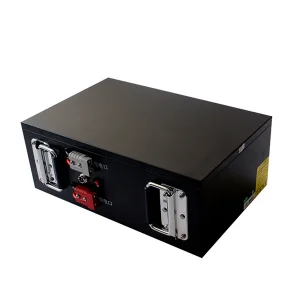
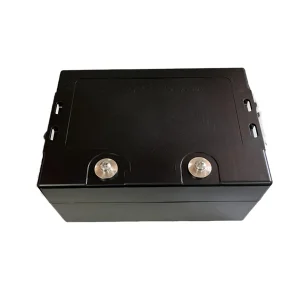
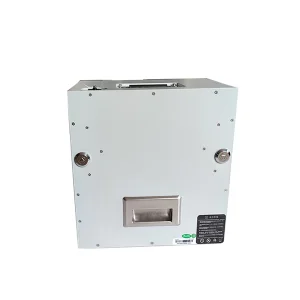
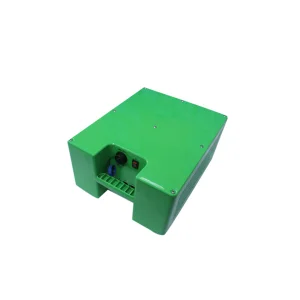
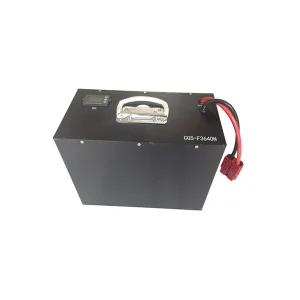
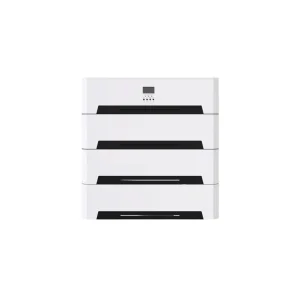
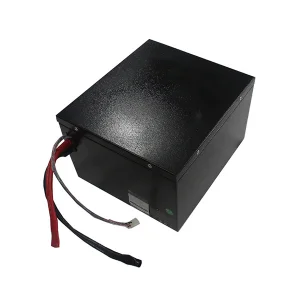
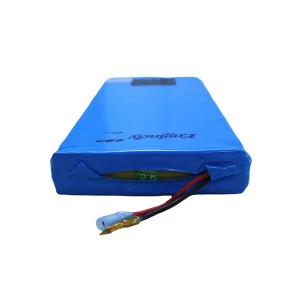
LIAO Technology designs custom and standard battery packs to meet the exact power, voltage, and space requirements of different applications. By matching the cells with smart Battery Management Systems (BMS), we deliver stable and reliable power across various industries:

Our new-generation LiFePO4 golf cart batteries provide high discharge currents to keep utility vehicles running smoothly across varied terrains. These maintenance-free packs drop directly into standard compartments, replacing lead-acid batteries while reducing vehicle weight and increasing operational range.
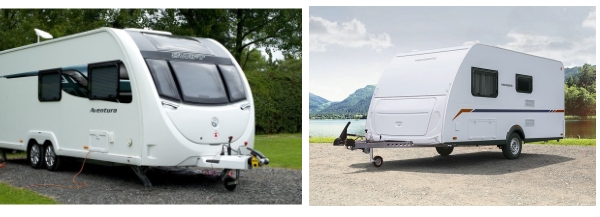
Designed for camping and caravan systems, our lightweight LiFePO4 packs operate quietly and safely inside living quarters without emitting gas or chemical fumes. The deep-cycle stability ensures reliable auxiliary power for lighting, refrigeration, and electronic systems off the grid.
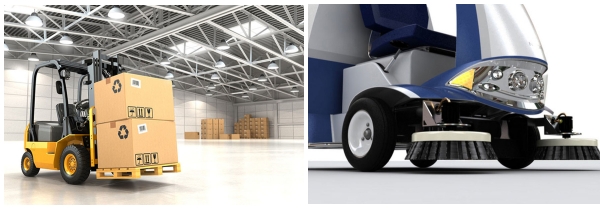
Built for continuous warehouse operations, our heavy-duty industrial packs support rapid opportunity charging during shifts. This capability helps minimize downtime for automated guided vehicles (AGVs) and forklifts, improving logistics efficiency while reducing overall labor and maintenance costs.
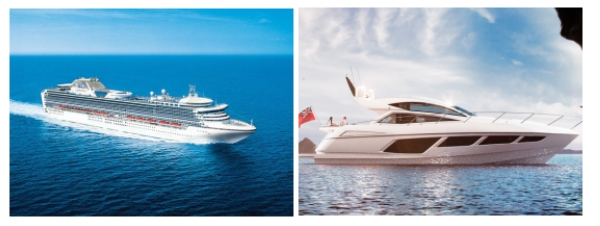
Our marine battery systems offer a clean, quiet power source for electric boats. Engineered with high-strength enclosures to withstand moisture and vibration, they provide reliable propulsion and auxiliary power without the noise, emissions, or environmental risks of fossil fuels.
LIAO Technology continuously invests in research and development to improve the energy density, safety, and lifespan of our lithium iron phosphate batteries. Our current technical roadmap focuses on three main engineering areas:
By focusing on these technologies, we help our customers transition to cleaner, more efficient power systems that meet evolving commercial and environmental standards.
LIAO products are designed and manufactured to meet strict international standards, ensuring safe transport and reliable operation worldwide. Our quality management system has successfully passed certifications from leading safety organizations:
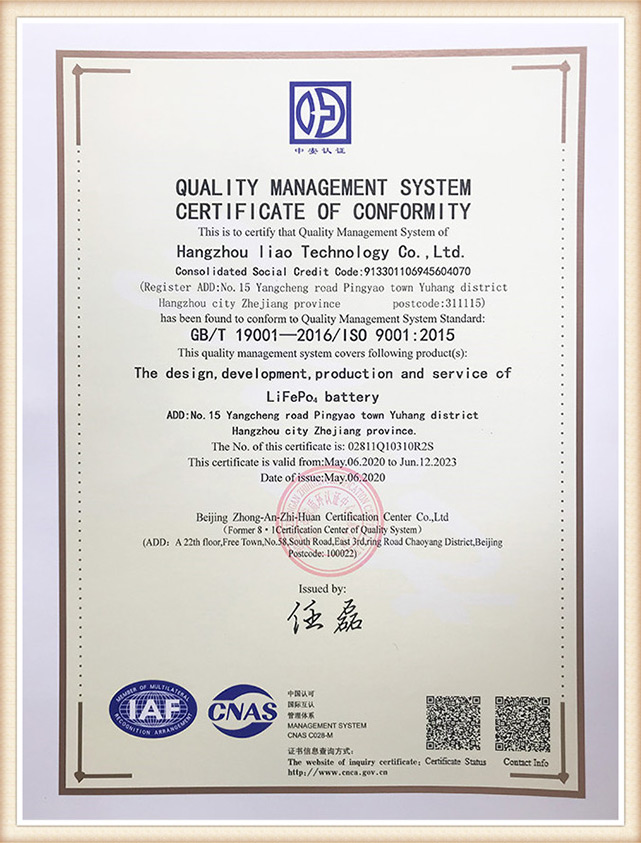
ISO 9001:2015
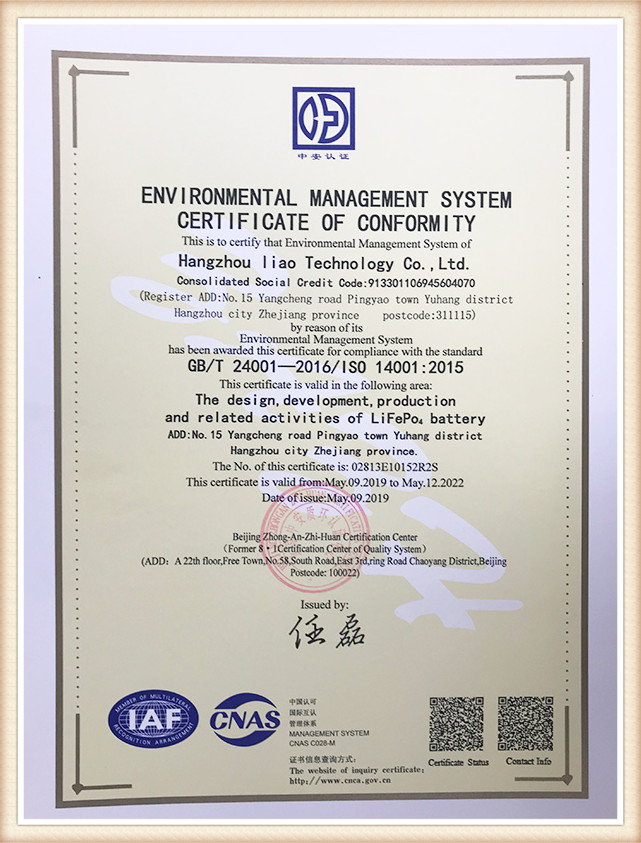
ISO 14001:2015
OHSAS 18001:2007
In addition to our facility audits, our products are regularly tested and certified to comply with safety and transportation requirements worldwide:
 Liao Battery