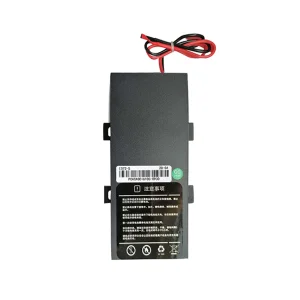
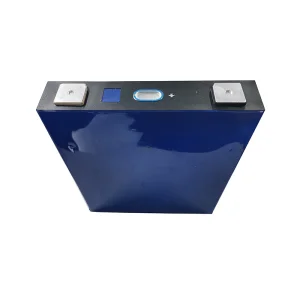
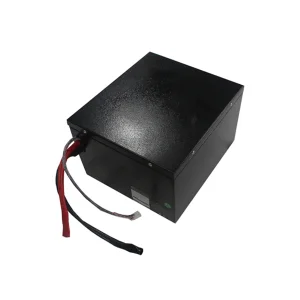
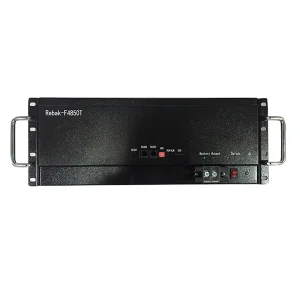
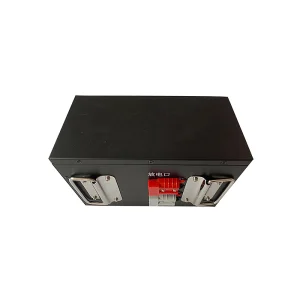
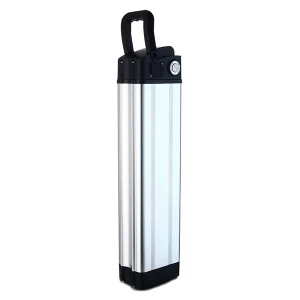
Explore our foundational single-cell configurations, modular energy battery systems, and intelligent custom packs engineered for maximum efficiency and extreme conditions.
At Hangzhou LIAO Technology, we construct single-cell and pack configurations tailored to endure harsh environment testing and deliver reliable energy output year after year.
Engineered via advanced iron phosphate matrices. The cell will not burn, explode, or run thermal runaway under extreme physical acupuncture tests.
Demonstrates highly resilient discharge capabilities within a wide envelope of -40 ℃ to 85 ℃, suitable for extreme outdoor applications.
Delivers continuous reliability over 2800+ full charge/discharge cycles (at 1C rate / 100% Depth of Discharge) before capacity degrades.
Our flagship LAXpower-1230 cell was awarded testing champion, proving superior power throughput and build quality on European testing fields.
In the modern energy landscape, the single cell lithium ion battery stands as the primary unit of power driving global electrification. From lightweight consumer electronics to heavy-duty AGVs, industrial machinery, and micro-grid systems, the technical integrity of each individual cell determines the success of the entire system. Understanding the internal physics—specifically the stability of the anode-cathode interaction, electrode thickness, and the precision of the organic separator—is essential for procurement engineers worldwide.
Historically, the market oscillated between Nickel Manganese Cobalt (NMC) chemistries and Lithium Iron Phosphate (LiFePO4). While NMC originally offered higher gravimetric energy density, LiFePO4 has emerged as the global industry benchmark for commercial and industrial applications where safety, thermal boundary thresholds, and long-term cost-of-ownership take priority. A single cell LiFePO4 battery boasts an inherently stable olivine crystal structure that resists oxygen release even during mechanical compromise, eliminating the primary driver of thermal runaway.
Technical Insight: Our proprietary single cell manufacturing line optimizes the particle size distribution of LiFePO4 cathodes, resulting in higher electrical conductivity and superior high-rate discharge performance even in harsh industrial environments.
As decarbonization mandates tighten across North America, the European Union, and the Asia-Pacific region, several critical trends are reshaping the demand for high-performance single cells:
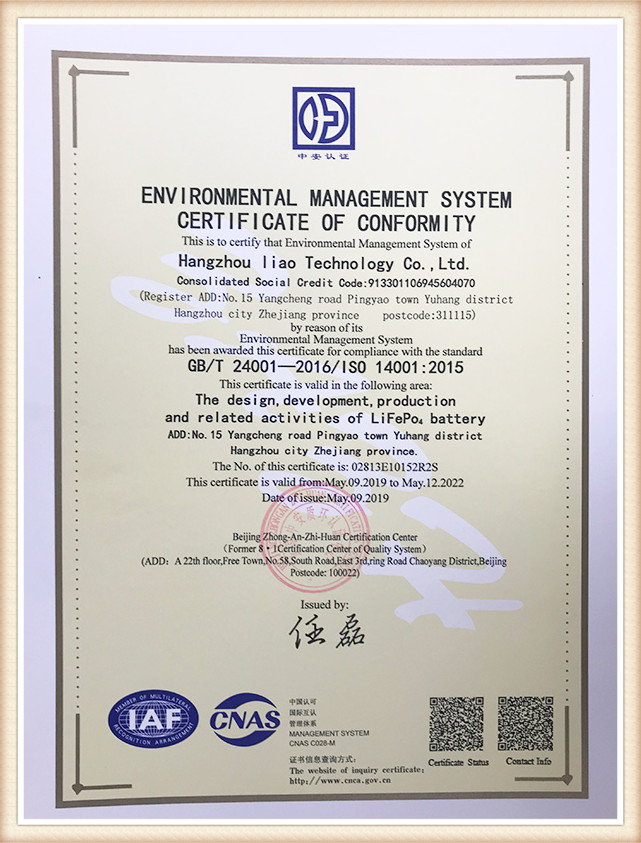
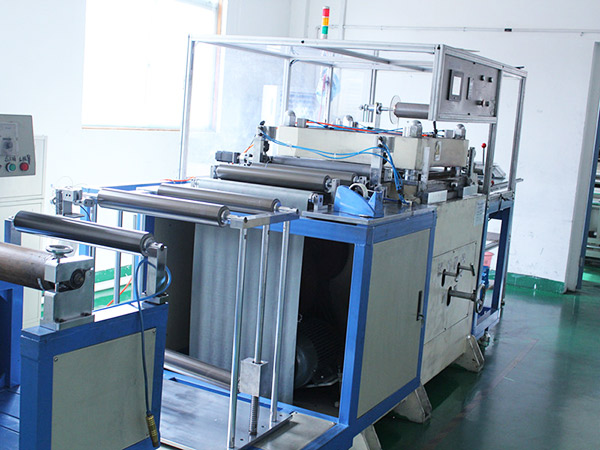
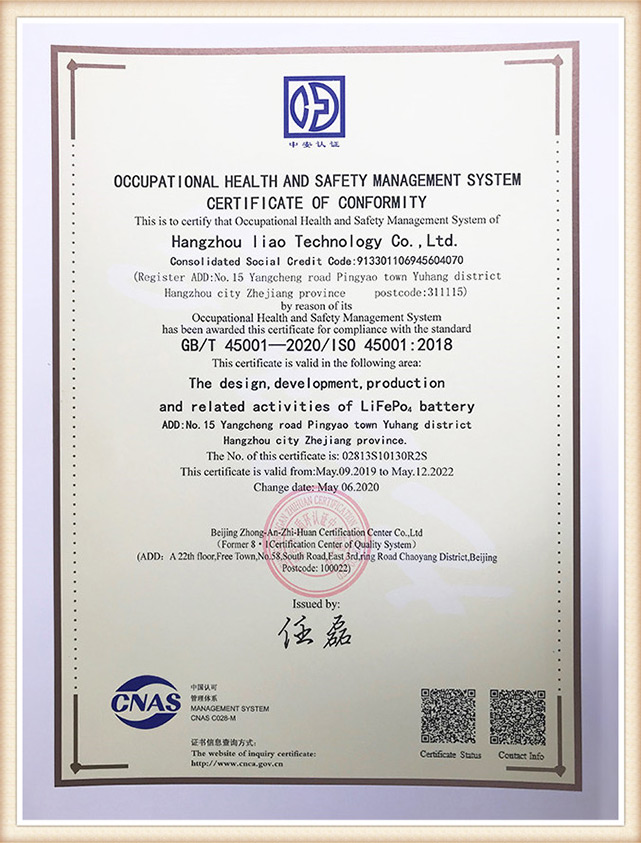
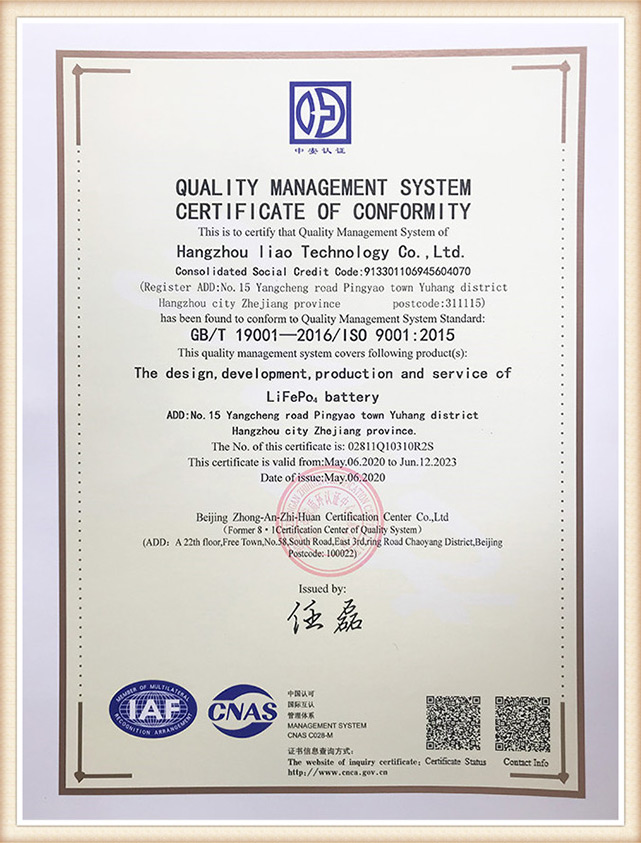
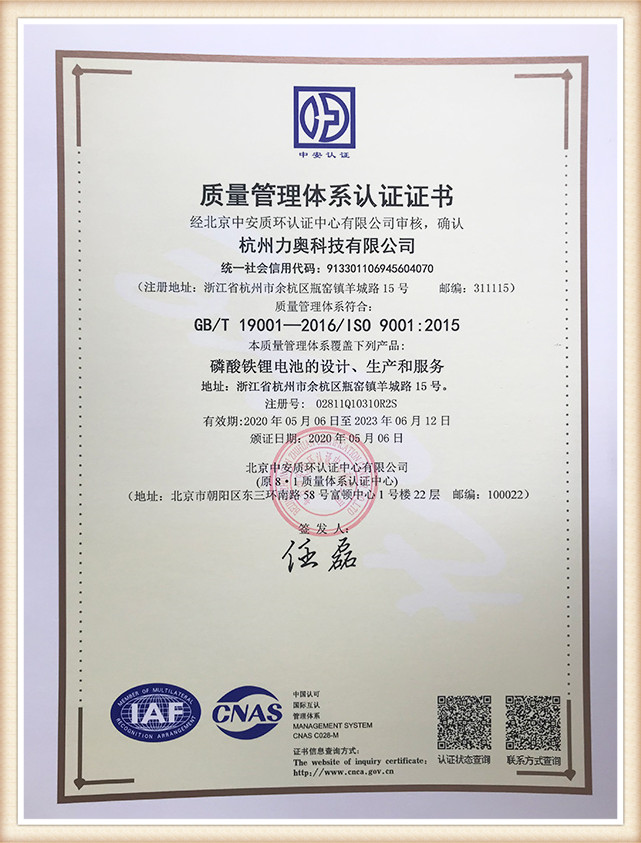
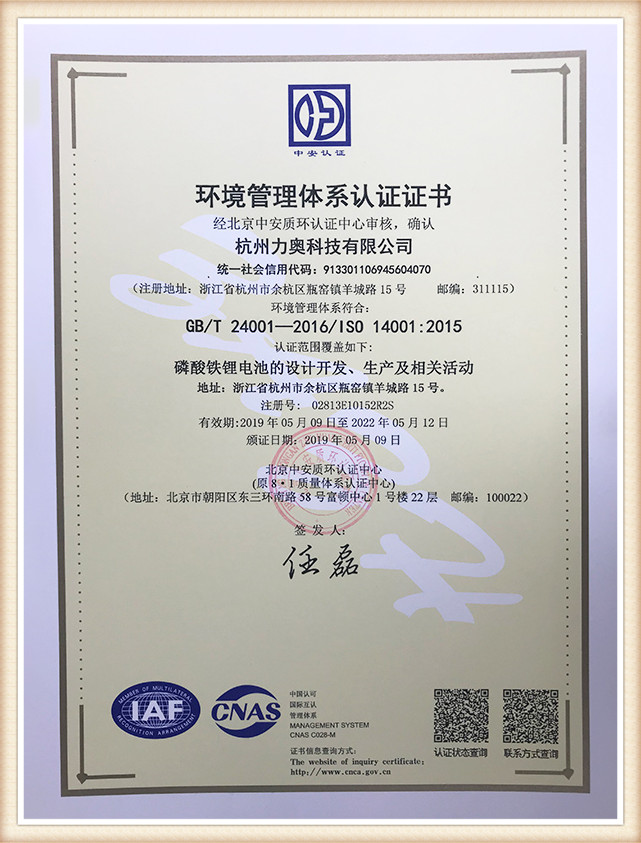
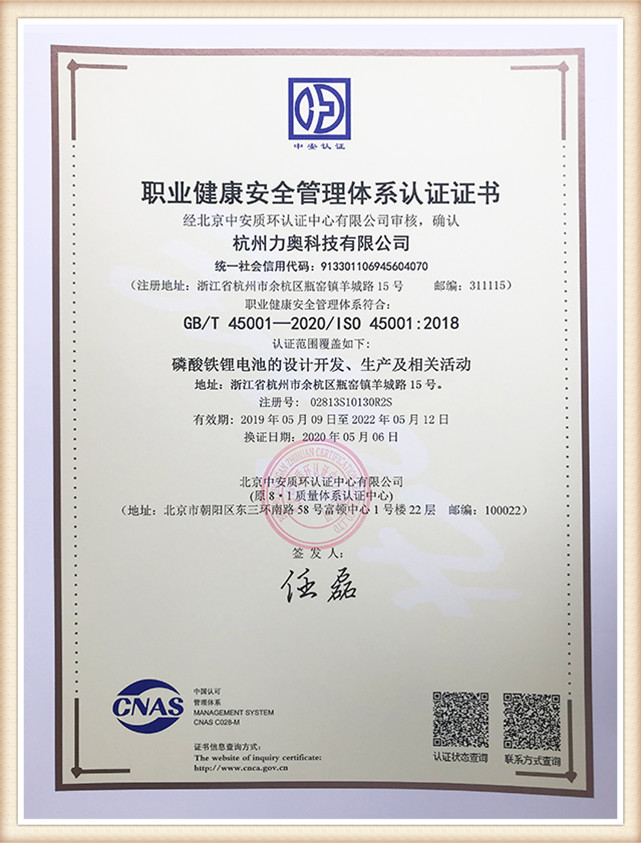
Hangzhou LIAO Technology operates on a rigorous ISO 9001, ISO 14001, and ISO 18001 framework, leveraging advanced factory automation to manage precision at every stage of single-cell production. The difference between a Grade-A cell and an unstable grade lies entirely within automated process tolerances.
From baking the raw slurry and high-precision rolling of current collectors, to automatic die-cutting and mechanical stacking, every step is trace-monitored. Automated capacity sorting algorithms ensure that cells grouped into multi-cell packs exhibit matching internal resistance and capacitance values, preventing premature pack degradation due to cell imbalances.
By anchoring our operations in Hangzhou, China, we combine access to raw precursor chemicals with advanced automated laser welding and structural quality checks. This ensures our global OEM and ODM customers receive highly uniform, reliable battery solutions with minimal lead time.
Our engineering team designs custom packs and selects optimal single-cell parameters to deliver efficiency and safety across these global industrial scenarios.

The new generation of LiFePO4 golf cart batteries helps your carts run easily in different golf terrains and courses, providing consistent torque and quick opportunity recharging.
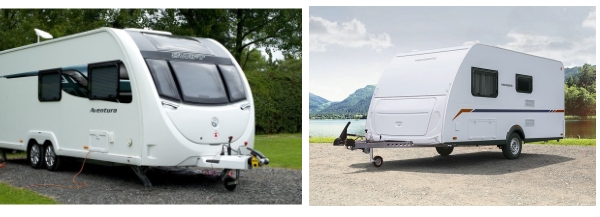
Our LiFePO4 batteries help your caravan mover run quietly with zero emissions. Reduce labor costs and improve operational runtime on campsite terrains.
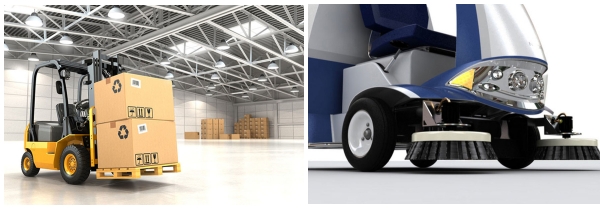
Engineered for high-capacity short-distance transportation. Our batteries enable AGVs and forklifts to transport heavy loads with minimal downtime and maximum safety.

Eco-friendly marine transportation with no noise or oil pollution. Sealed structural design resists salt spray corrosion and humidity anomalies.
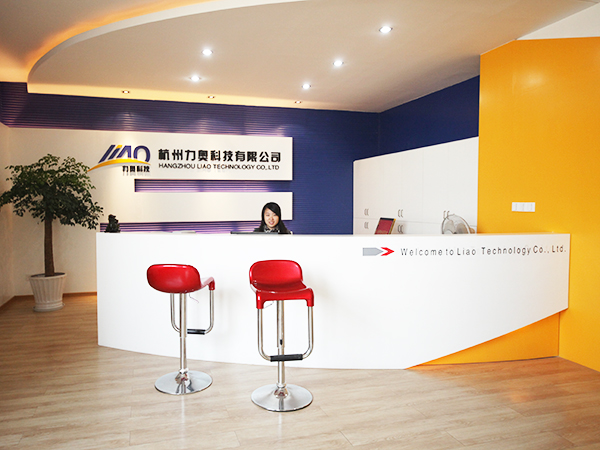
Take an inside look at our advanced manufacturing lines, quality control zones, and clean production spaces where precision technology takes shape.
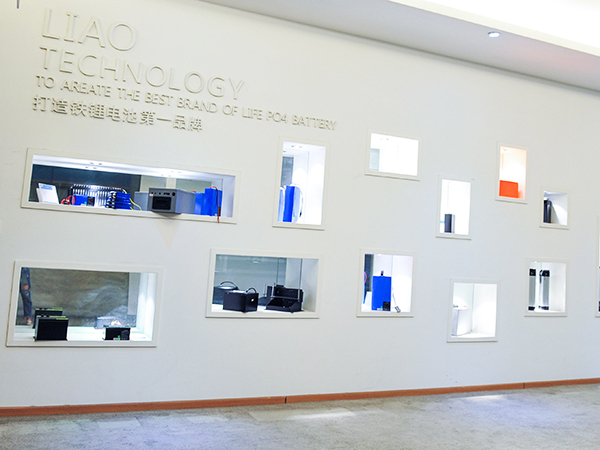
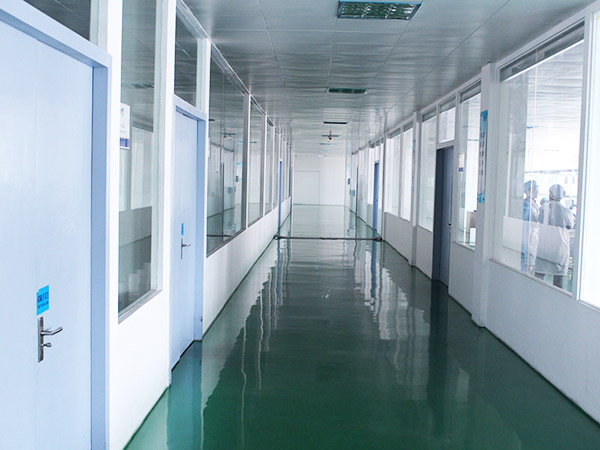
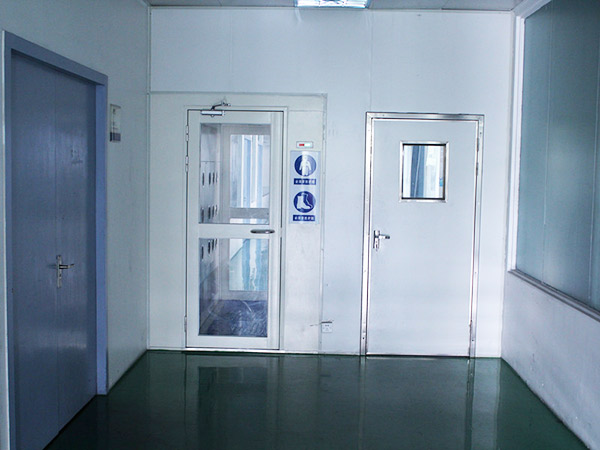
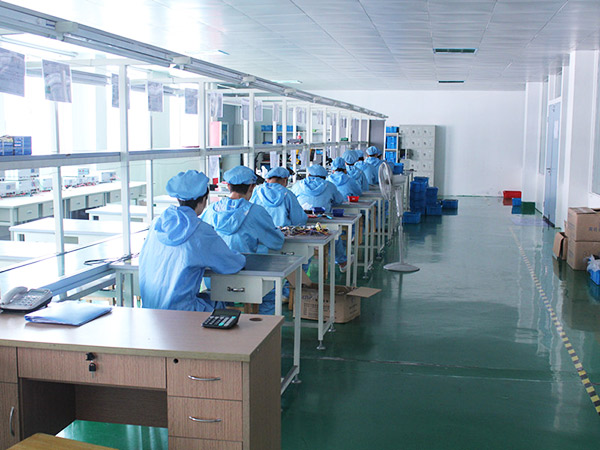
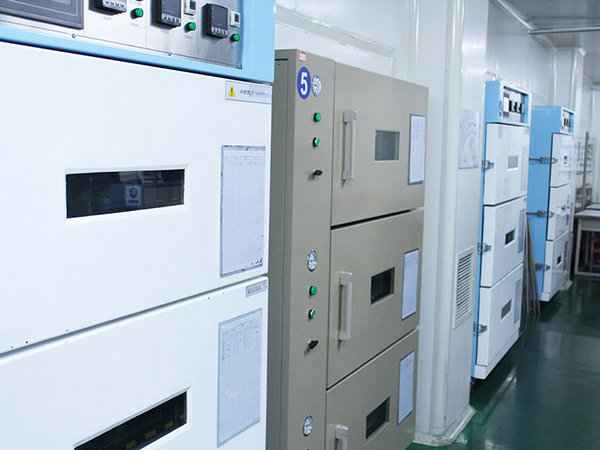
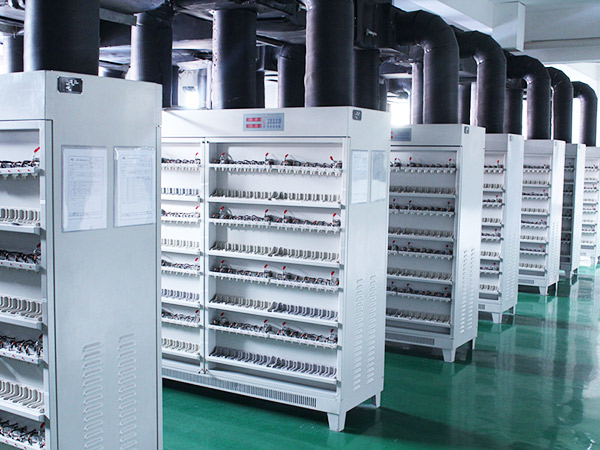
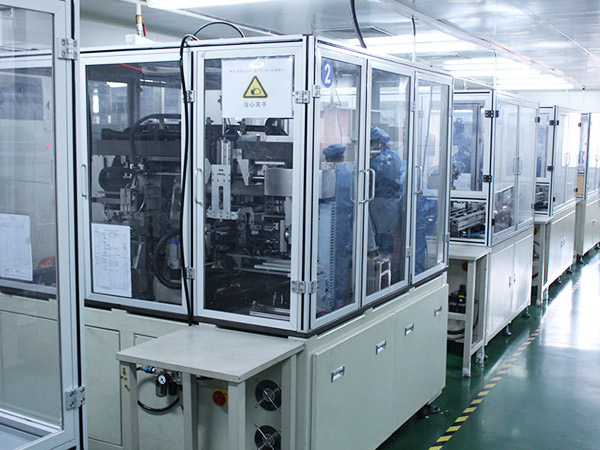
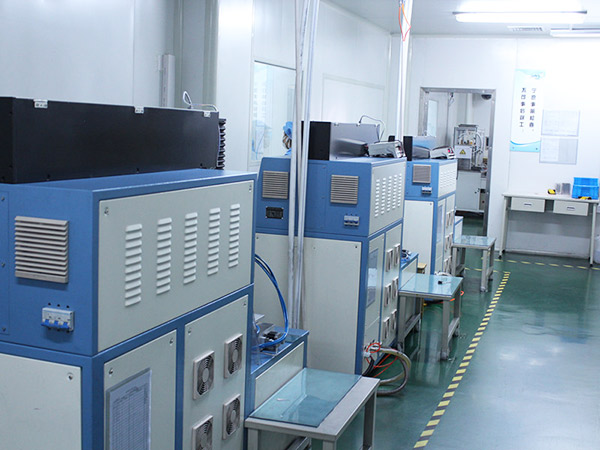
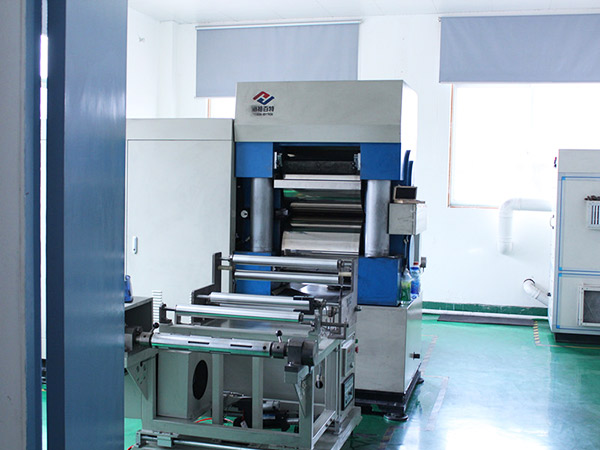
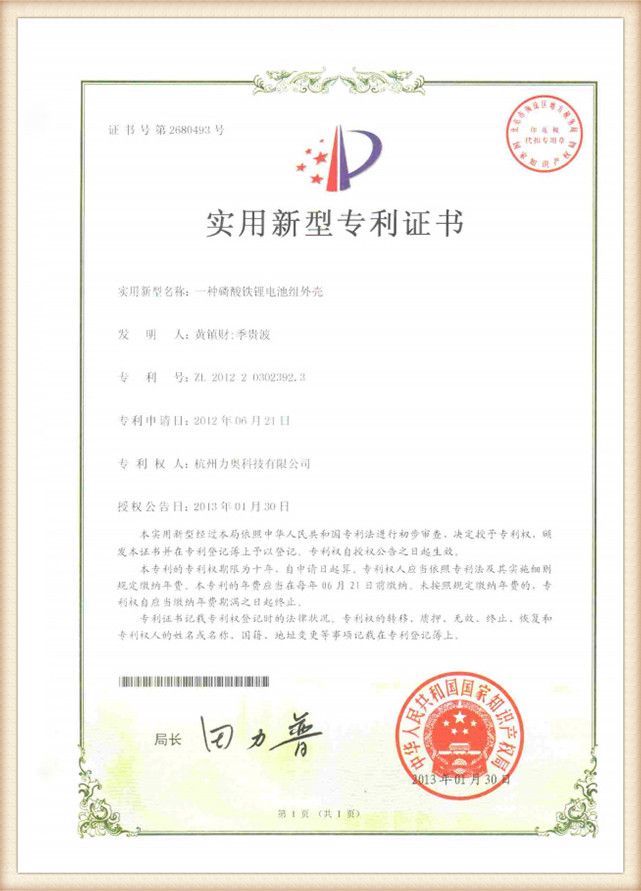
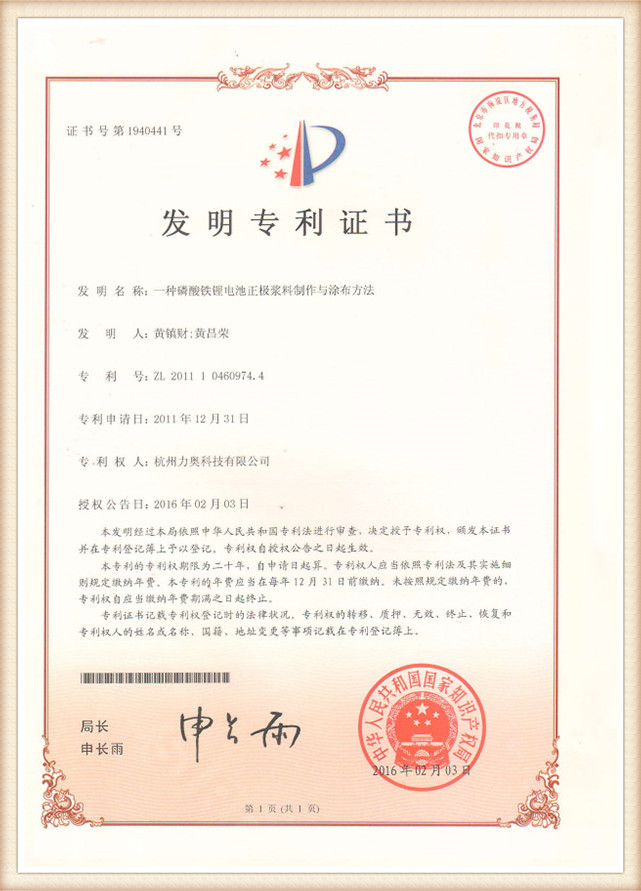
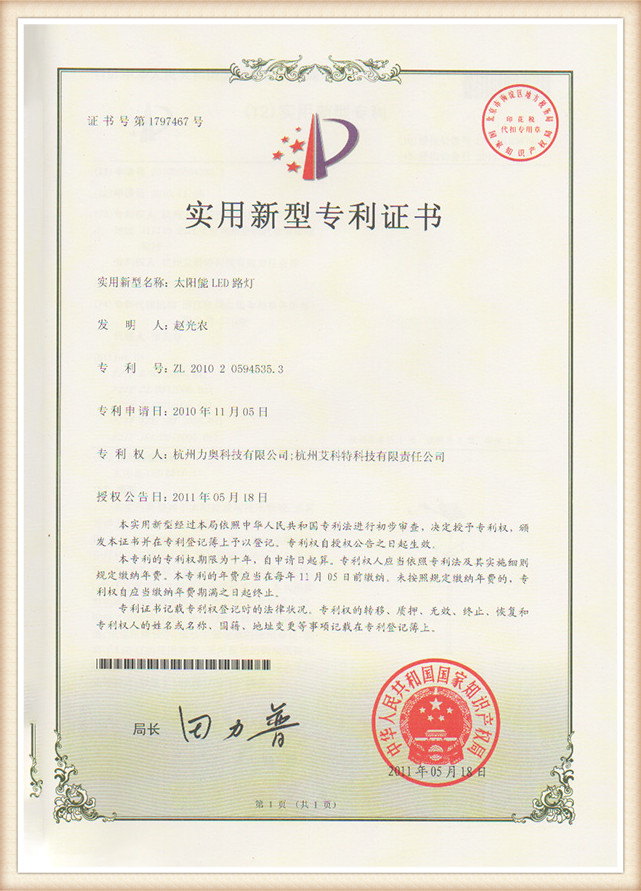
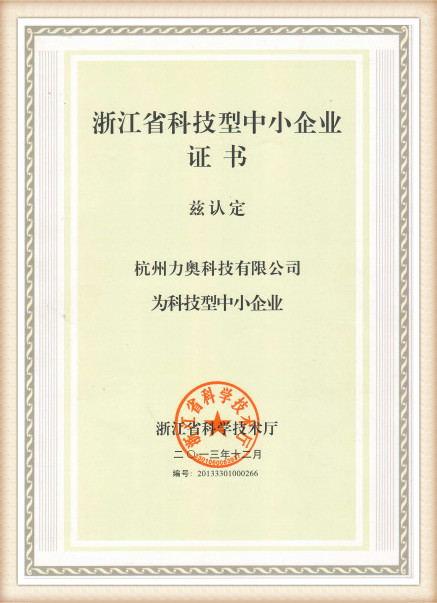
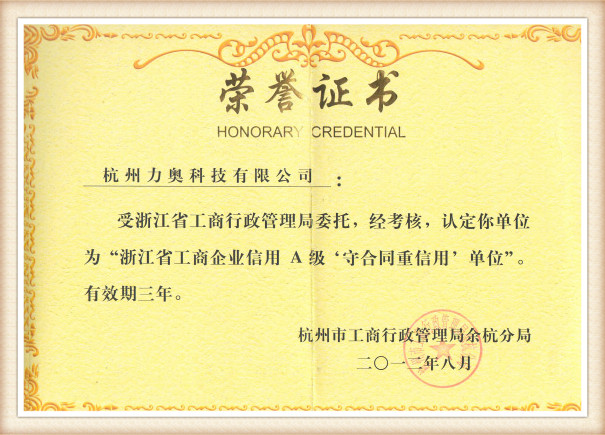
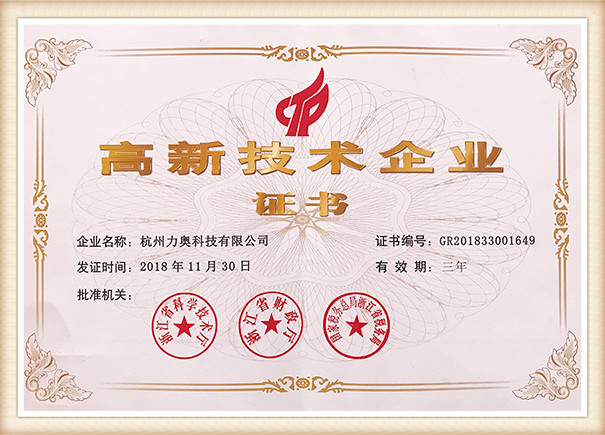
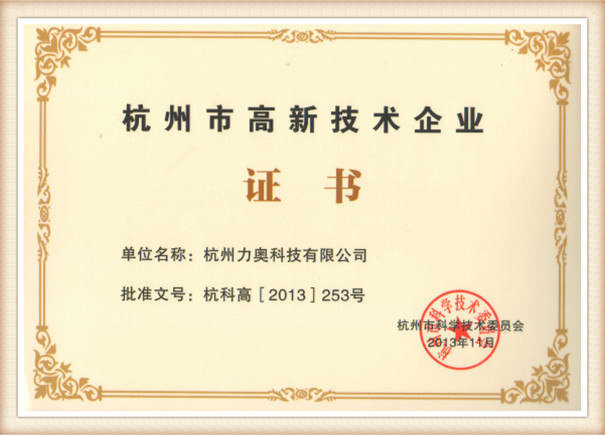
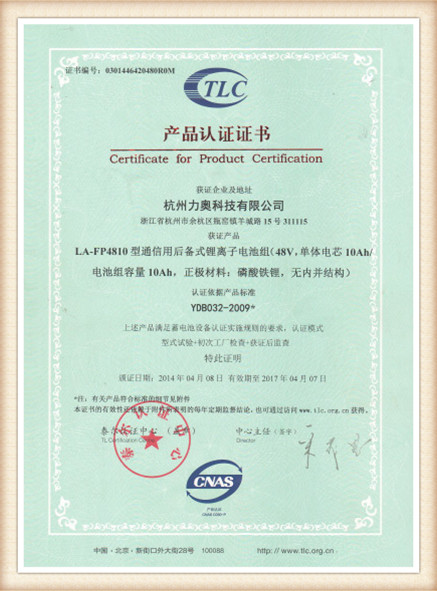
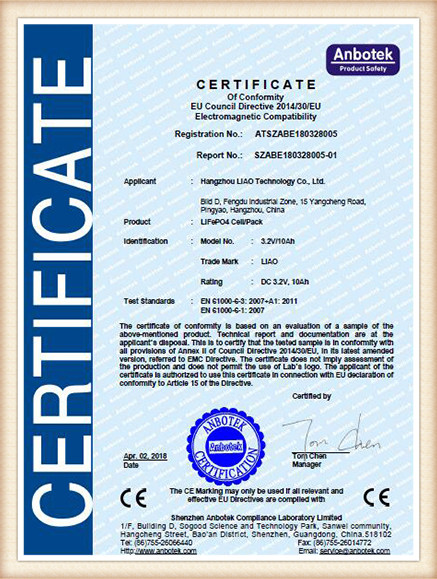
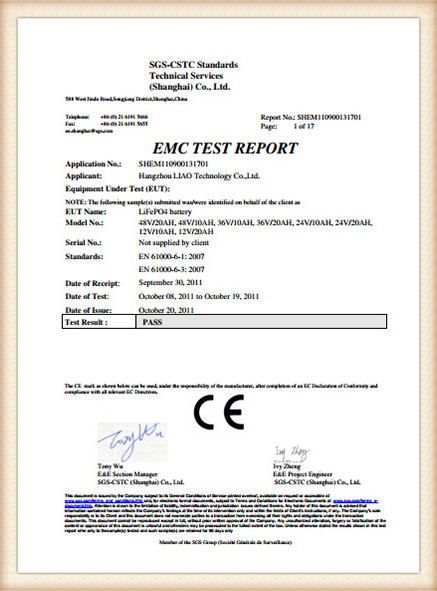
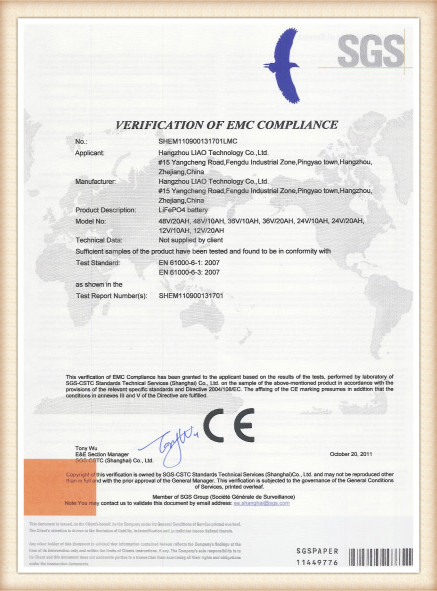
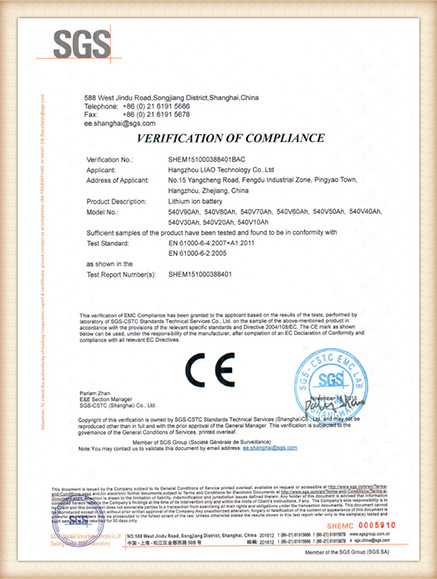
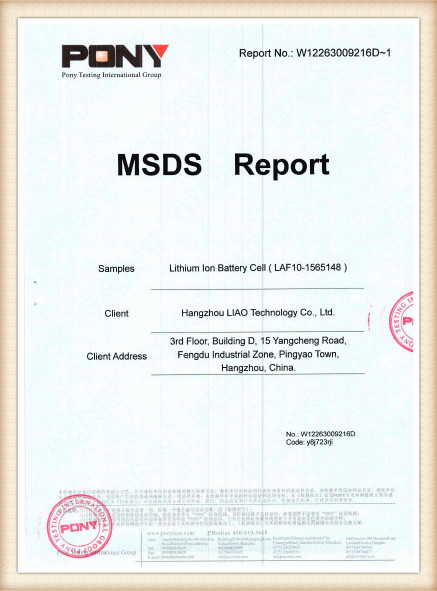
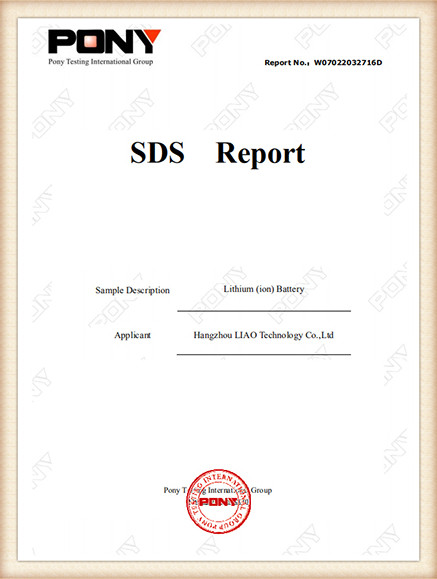
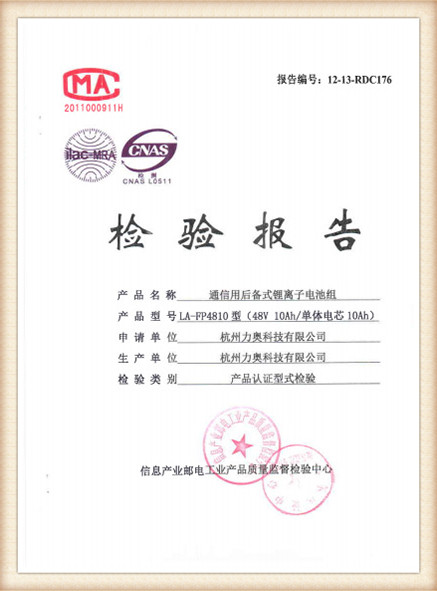
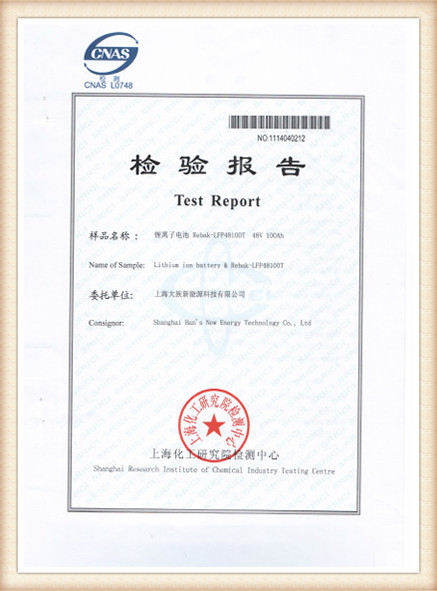
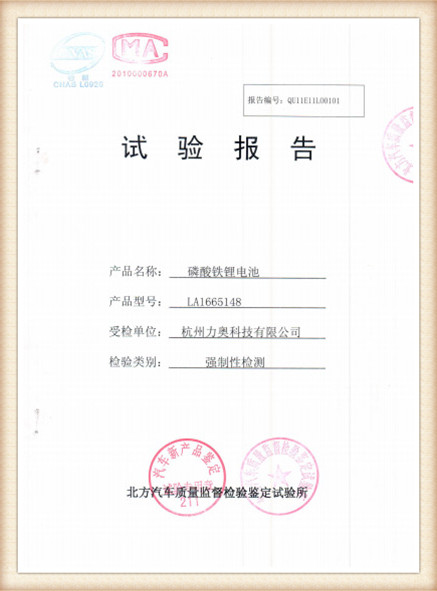
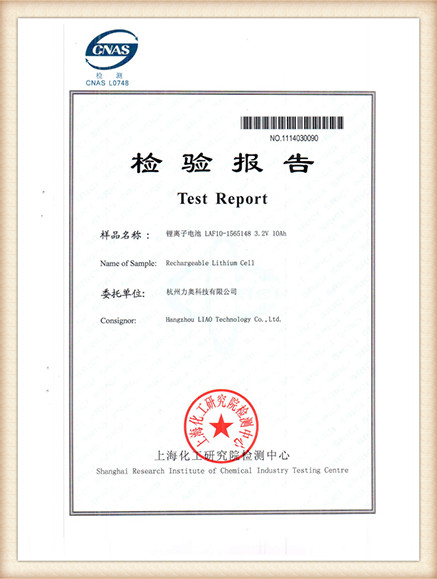
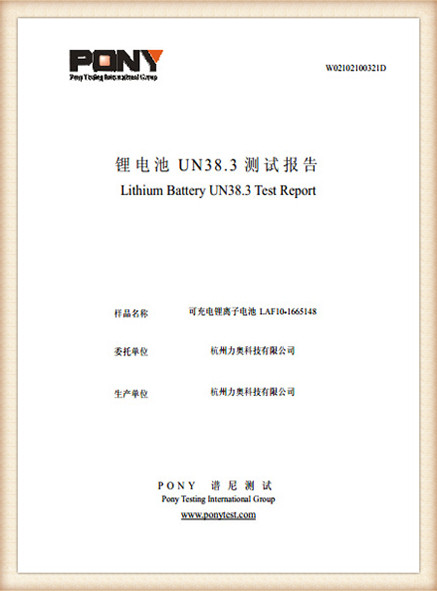
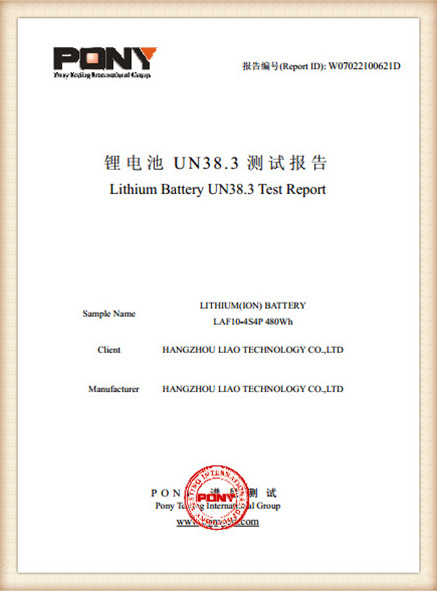
Our commitment to quality control is verified by international compliance bodies, ensuring seamless integration into strict B2B target markets.
In-depth technical answers addressing core search queries, regulatory compliance, and optimization choices for commercial lithium battery buyers.
Unlike cobalt-based chemistries (NMC/LCO), our LiFePO4 chemistry features a strong covalent bond between P-O atoms, which prevents the cathode from decomposing and generating oxygen at high temperatures. During physical penetration (acupuncture tests), the cell short-circuits internally, but the temperature remains below the thermal runaway threshold. Consequently, the cell does not explode or burn, ensuring the ultimate level of protection in commercial and marine vehicles.
We follow strict ISO 9001 protocols. Raw cells undergo automated capacity grading and internal resistance checks to ensure all elements within a pack have closely matched characteristics. This level of matching prevents early cell divergence, which is the leading cause of pack capacity degradation in multi-cell packs.
Our cells are specifically structured to support safe, reliable operation from -40 ℃ to 85 ℃. For temperatures below 0 ℃, charging rate configurations must be adjusted via the BMS to prevent lithium plating, while high-temperature operation relies on our proprietary thermal-stable organic separators to maintain electrode isolation.
A 1C discharge rate means the cell is completely discharged within one hour. Operating at 2800+ cycles under 1C/100% DOD ensures that the active materials within the anode and cathode experience minimal mechanical stress. For B2B industrial projects, this translates to years of maintenance-free service compared to cheaper, low-grade cells that lose 20% capacity in less than 500 cycles.
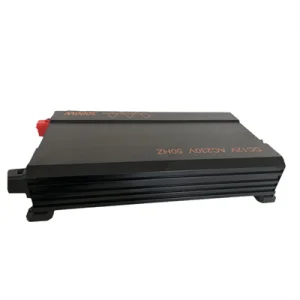
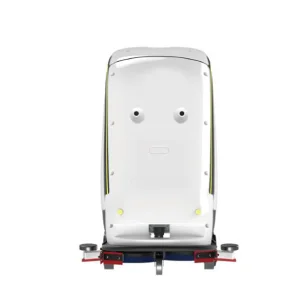
Integrate our certified industrial battery configurations, pure sine wave power inverters, and automated cleaning machinery platforms into your operations.
 Liao Battery