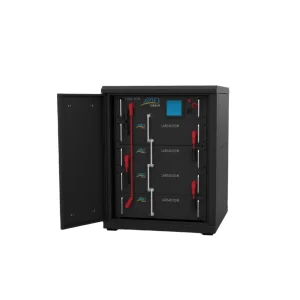
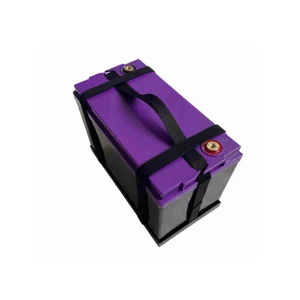
Engineered for extreme longevity, exceptional safety parameters, and wide temperature tolerance across premium commercial markets.
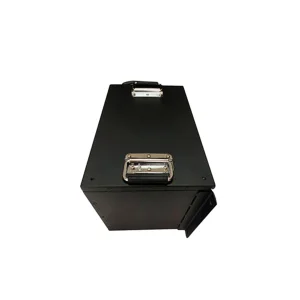
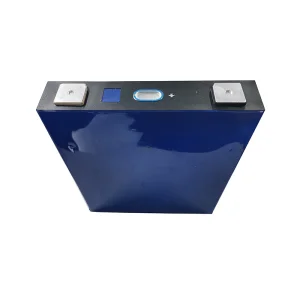
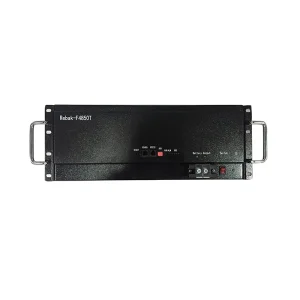
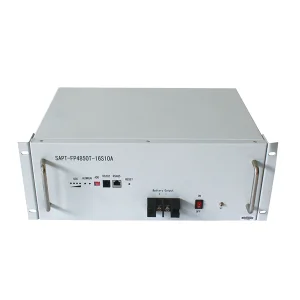
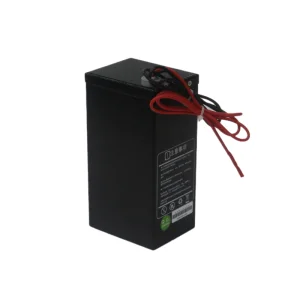
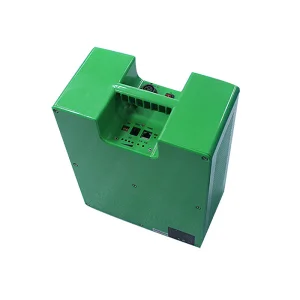
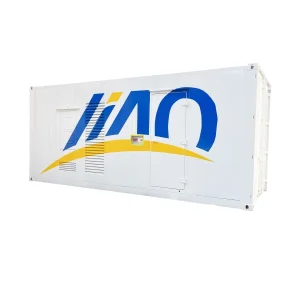
The global battery industry is experiencing a profound transition toward high-safety, resource-sustainable, and long-cycle chemistries. At the heart of this shift lies the 3.2V Lithium Iron Phosphate (LiFePO4) cell. As design complexity grows across diverse applications—including telecom towers, grid-level battery energy storage systems (BESS), and electric drivetrains—understanding the physical, thermal, and chemical mechanisms of the 3.2V cell is essential for high-level procurement and engineering strategies.
A nominal potential of 3.2V is intrinsic to the olivine-structured LiFePO4 cathode coupled with a carbon-based anode. The strong covalent bonding of phosphorus, oxygen, and metal ions forms a stable three-dimensional framework (LiFePO4) that prevents structure collapse during repeated delithiation (charging) and lithiation (discharging). This spatial structure contrast with layered oxides (such as NMC or LCO) provides two primary benefits:
| Electrochemical Parameter | Lithium Iron Phosphate (LiFePO4) | Lithium Nickel Manganese Cobalt (NMC) | Engineering Advantage |
|---|---|---|---|
| Nominal Voltage | 3.2V | 3.6V - 3.7V | Simplifies high-voltage string balancing |
| Thermal Runaway Temp | ~270°C to 300°C | ~200°C to 220°C | Significantly improves system-level safety margins |
| Cycle Life (80% SOH) | 2,800 - 6,000+ Cycles | 1,000 - 2,000 Cycles | Lowers Levelized Cost of Storage (LCOS) |
| Cathode Raw Materials | Iron, Phosphate (Cobalt-Free) | Nickel, Cobalt, Manganese | Reduces ethical risk & supply chain instability |
In response to evolving market needs, modern 3.2V cells are integrating advanced materials and construction methods to address historical performance limitations:
A. Advanced Carbon Coating: Nanoscale carbon coating on LiFePO4 particles increases electronic conductivity, facilitating fast-charge rates and stable performance under 1C to 3C continuous discharge cycles.
B. Solid-State and Semi-Solid Developments: Research is bridging the gap between liquid electrolytes and polymer separators. Semi-solid LiFePO4 cells are currently under evaluation, promising even higher safety thresholds and energy density improvements.
C. Cell-to-Pack (CTP) Topologies: By eliminating module housings, direct cell-to-pack integration maximizes spatial utilization, allowing 3.2V systems to match the pack-level energy densities historically reserved for ternary chemistries.
Pioneering safety, performance, and custom engineering since 2009.
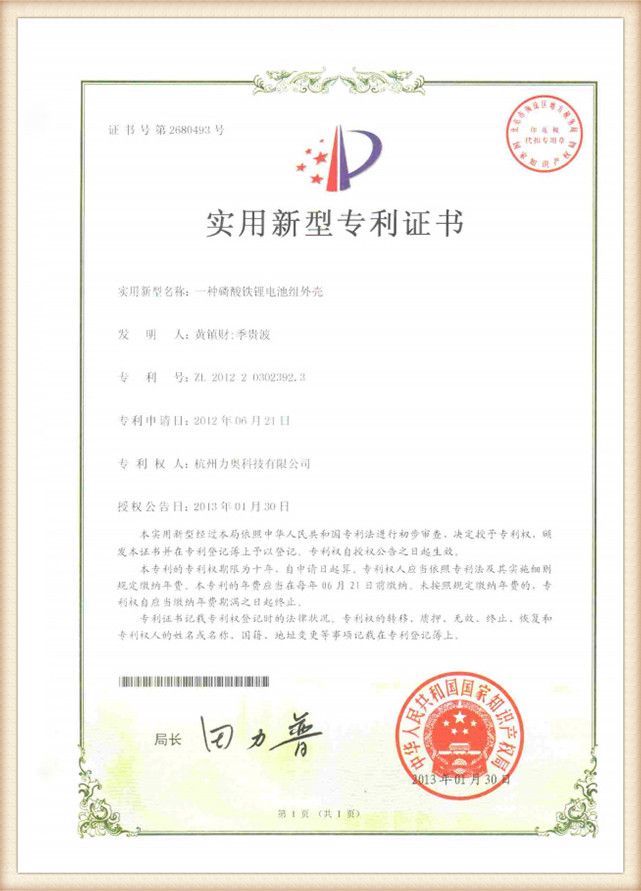
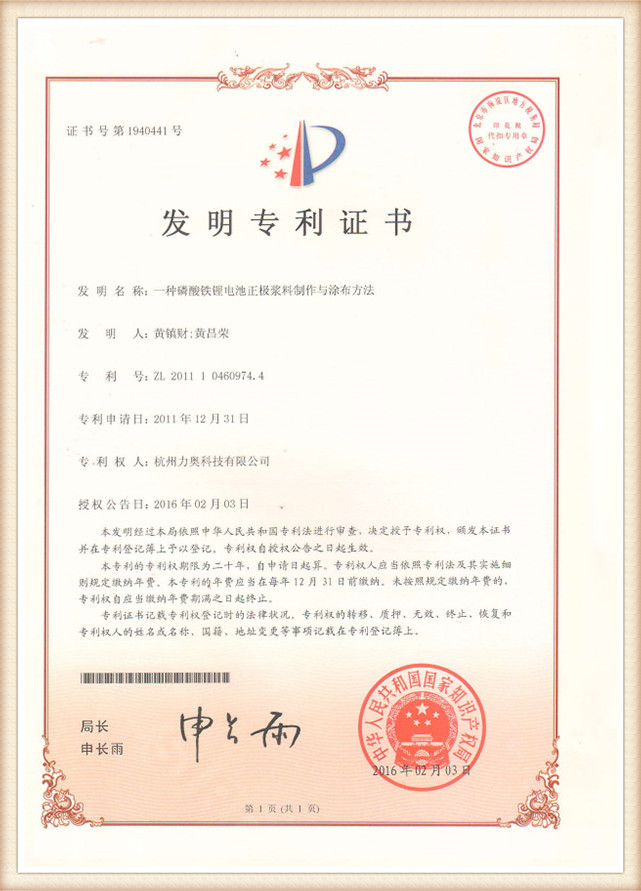
Founded in 2009, Hangzhou LIAO Technology Co., Ltd. is a leading manufacturer specializing in LiFePO4 batteries. Over the past 15 years, our high-quality custom systems and engineering solutions have been exported to more than 20 countries worldwide, supporting vital infrastructure and industrial applications.
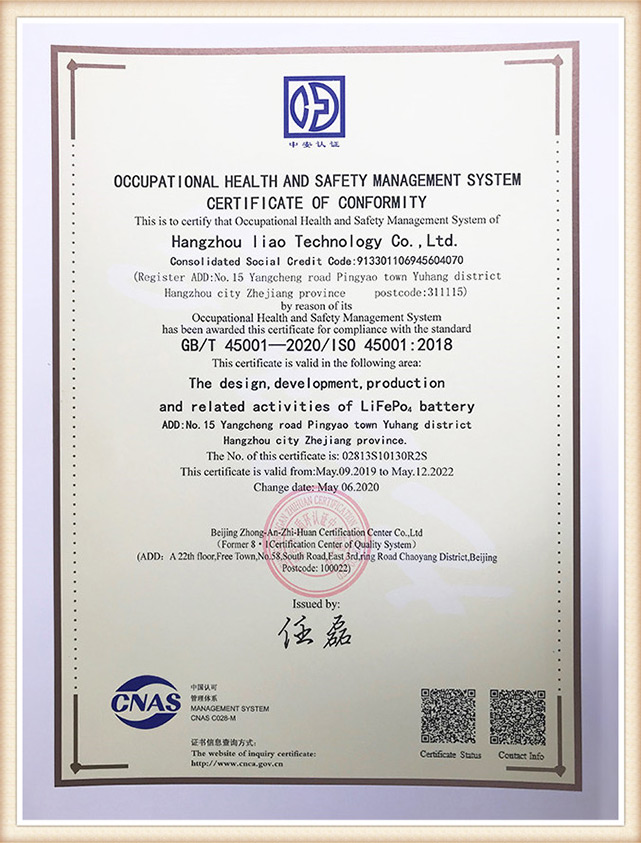
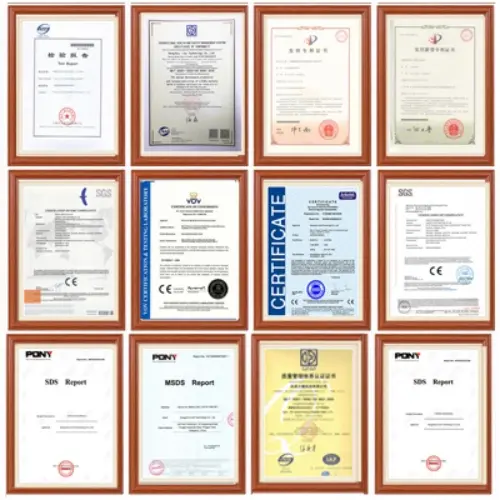
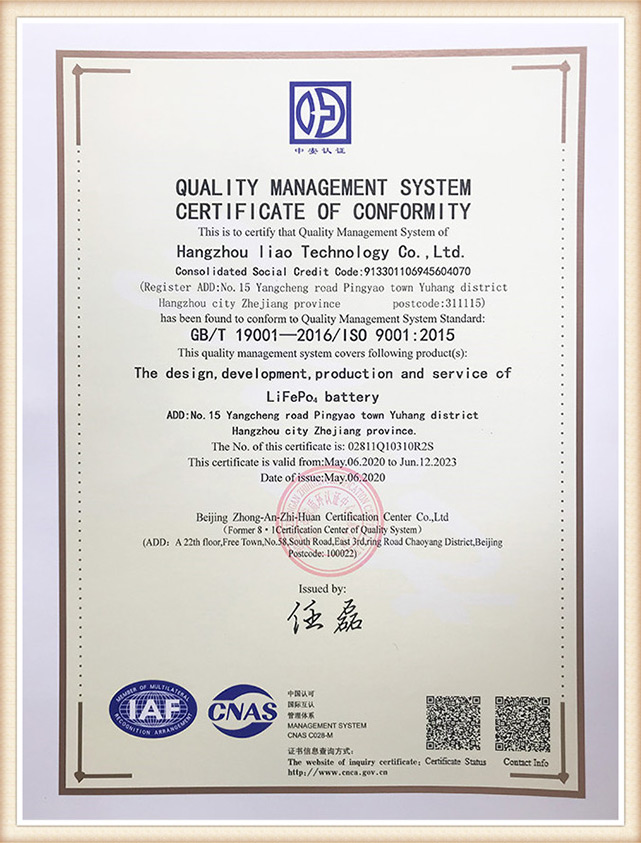
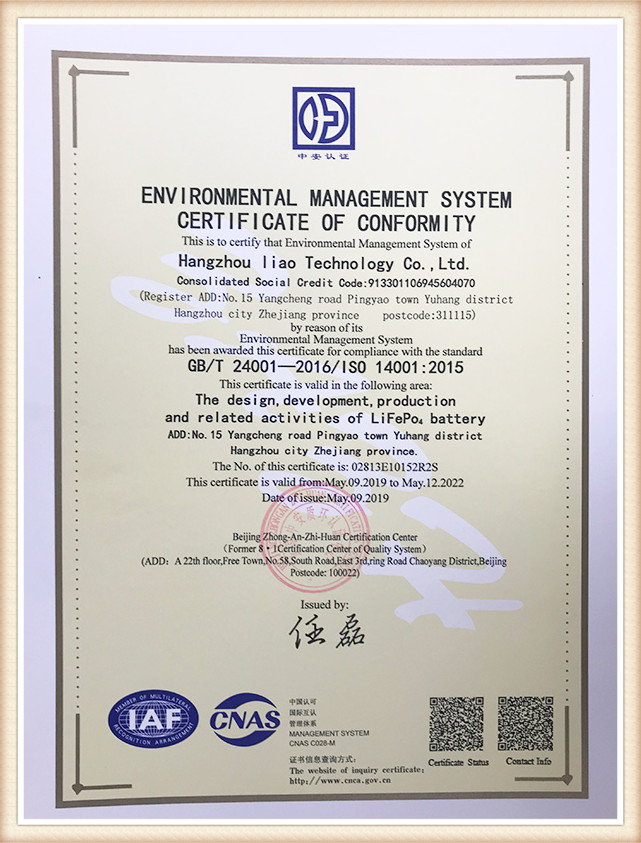
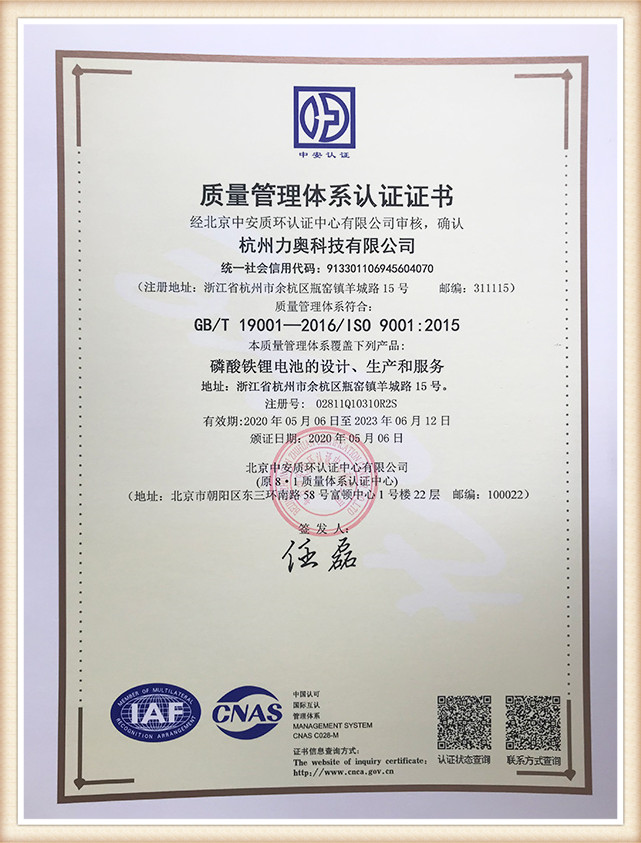
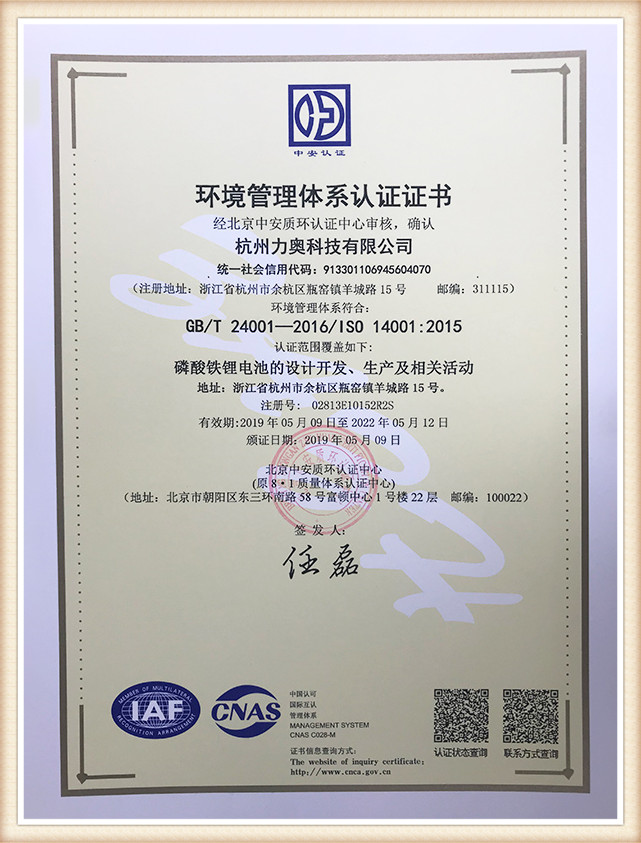
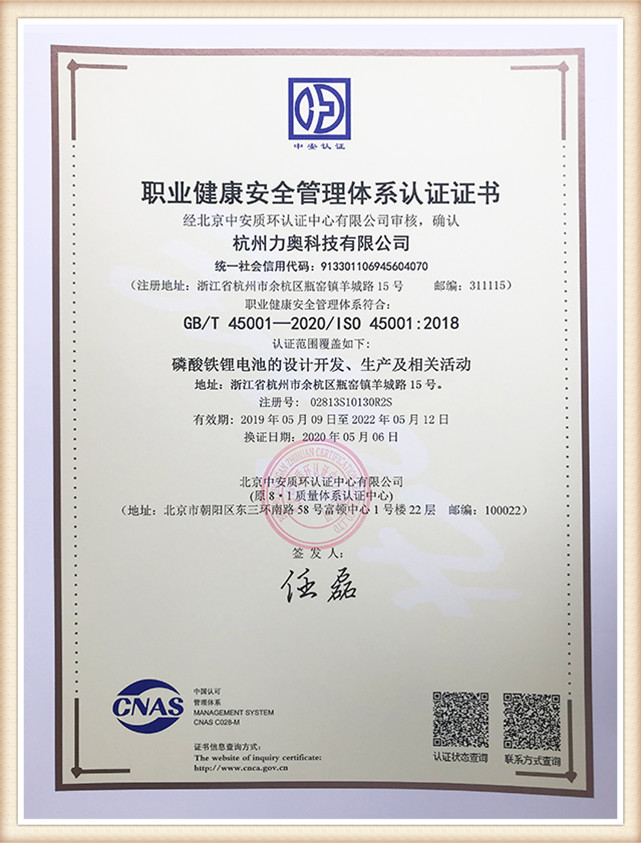
We maintain a rigorous and certified quality assurance framework. All manufacturing and management stages comply with ISO 9001 (Quality Management System), ISO 14001 (Environmental Management System), and ISO 18001 (Occupational Health and Safety Management System).
Our cells are engineered to prevent ignition and explosion under extreme nail penetration (acupuncture) tests, ensuring ultimate mechanical resilience.
Capable of reliable discharge across an ambient range of -40°C to 85°C, making them suitable for extreme outdoor deployments.
Single cell cycles exceed 2,800+ runs at 1C / 100% Depth of Discharge (DOD) before falling below 80% original capacity.
The LAXpower-1230 design was recognized as a top-performing champion during rigorous validation testing in European labs.
Precision battery system integrations designed for demanding commercial environments.

Our new generation of LiFePO4 golf cart batteries offers drop-in replacements for lead-acid setups, ensuring consistent torque, faster charge times, and long-range performance across challenging terrains.
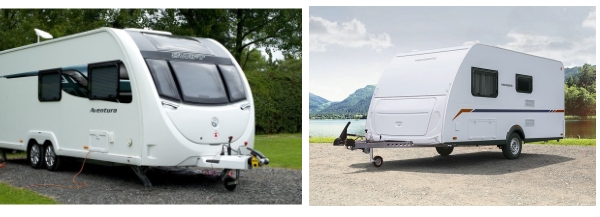
High-discharge pulse performance designed to move heavy caravans quietly and efficiently. These zero-emission systems eliminate maintenance requirements and provide reliable power when off-grid.
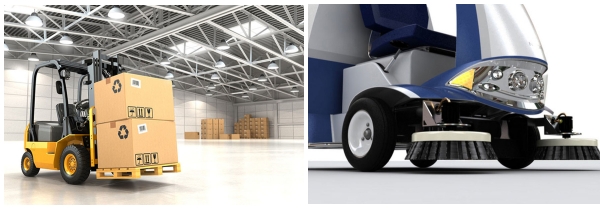
Built to handle vibration, shock, and heavy mechanical stress in warehousing and material handling. Fast opportunity charging allows multi-shift operation, lowering operational overhead.

Marine-grade IP67 sealed enclosures offering high energy density, thermal safety, and long lifetimes. Engineered to resist marine corrosion while providing silent, zero-pollution propulsion.
From initial concept and chemical balancing to mechanical design and final assembly.

Our dedicated team of electrical and mechanical engineers collaborates with clients to develop custom battery layouts. By matching cell capacities, optimizing structural designs, and configuring custom BMS protocols, we help customers launch targeted products quickly and cost-effectively.
We configure system components to meet specific voltage, current, and environmental requirements. From custom dimensions and rugged metal casings to smart CANbus/RS485 communication protocols, our systems are optimized for drop-in integration.






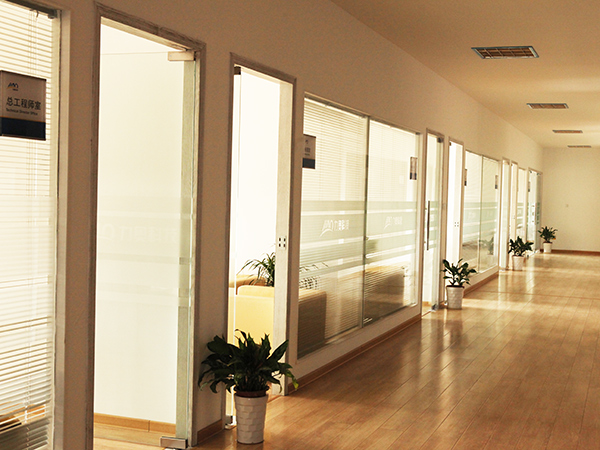
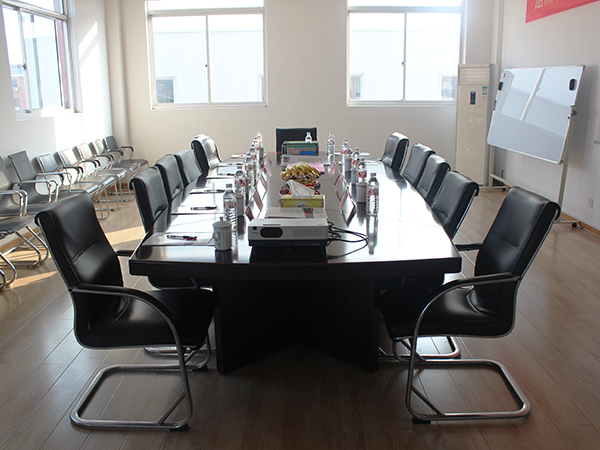
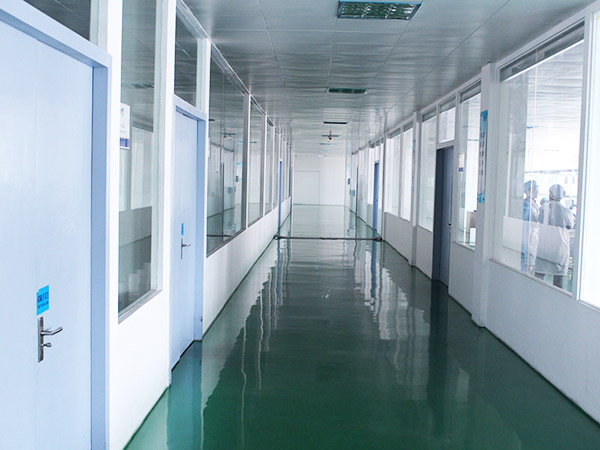
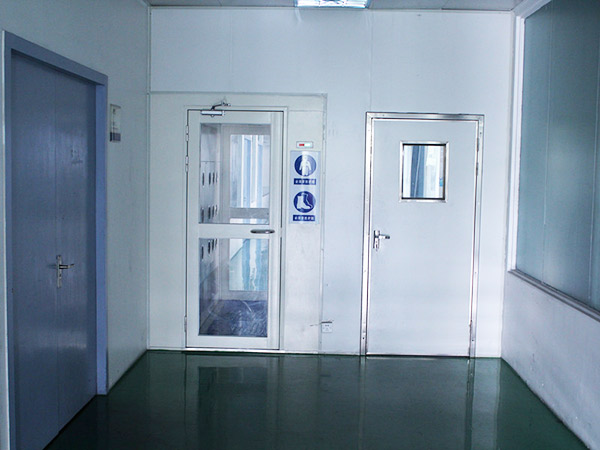
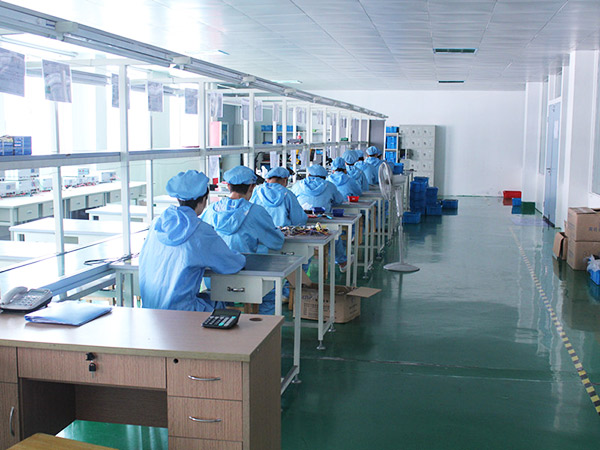
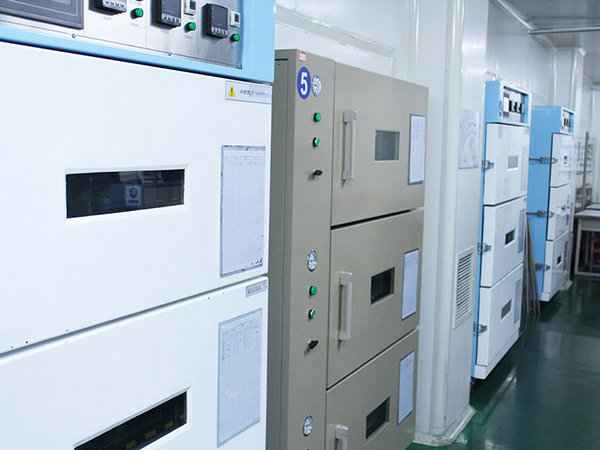
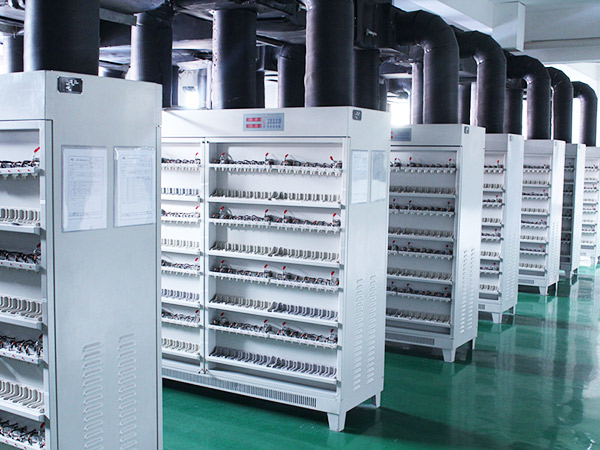
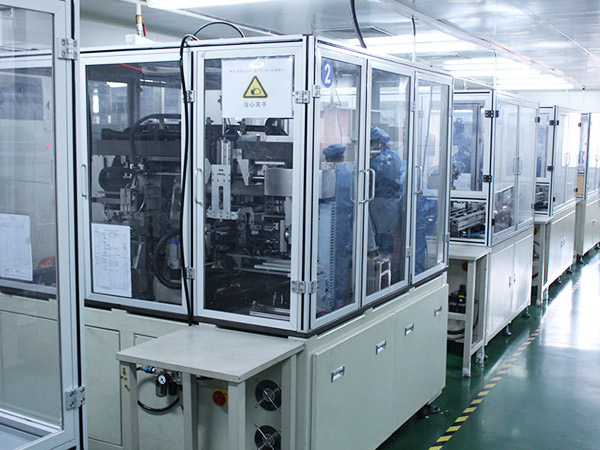
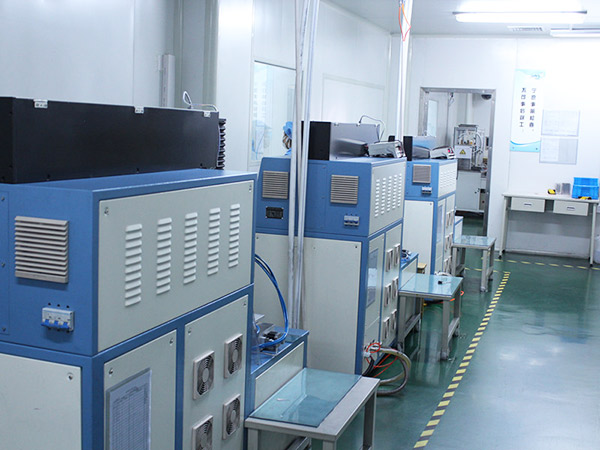
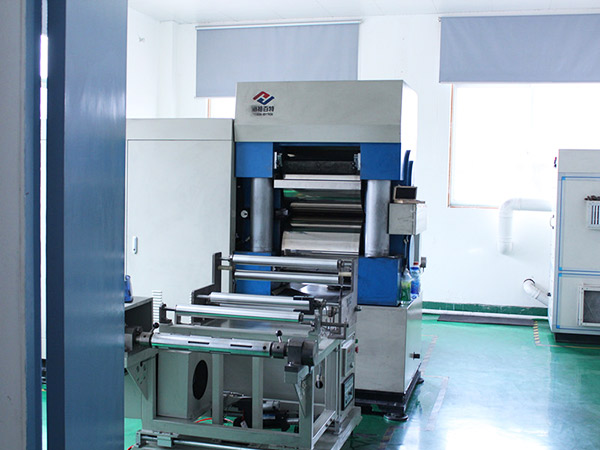
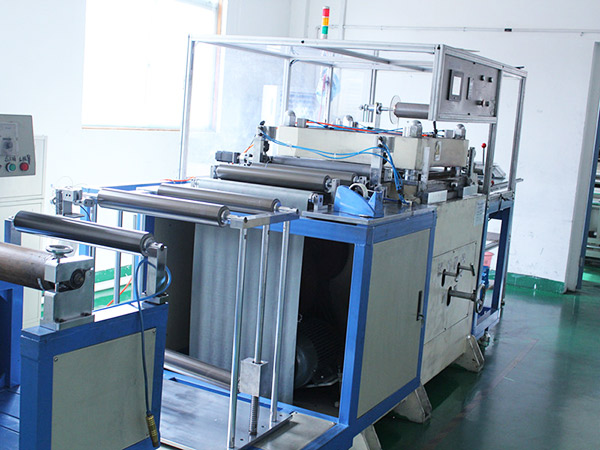
Tour our state-of-the-art production facility, detailing every stage from raw materials to final packaging.
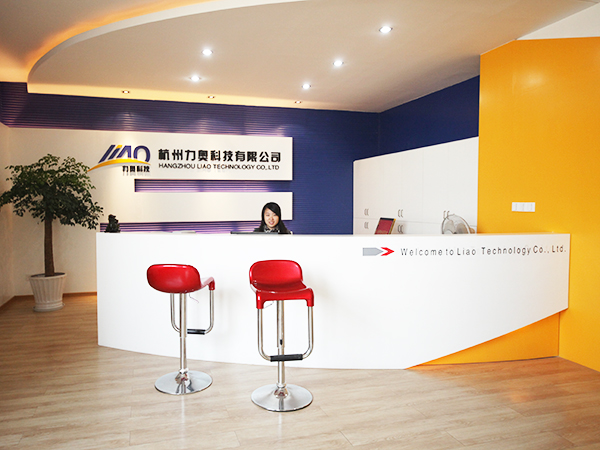
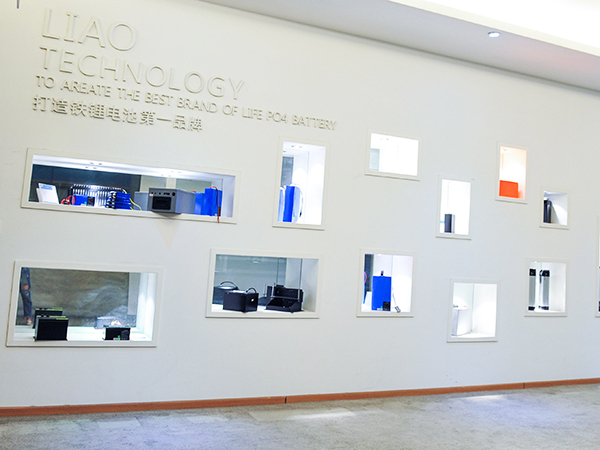
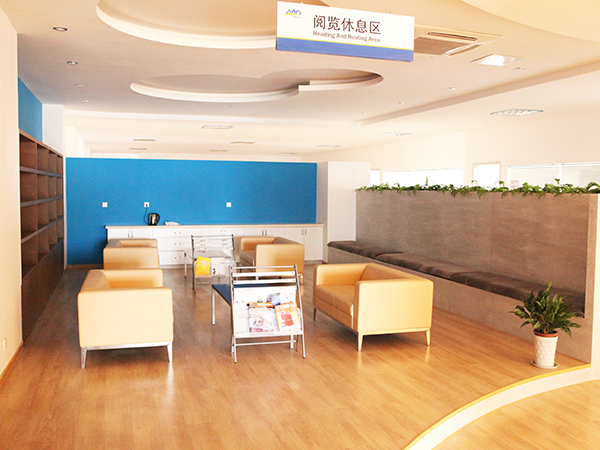
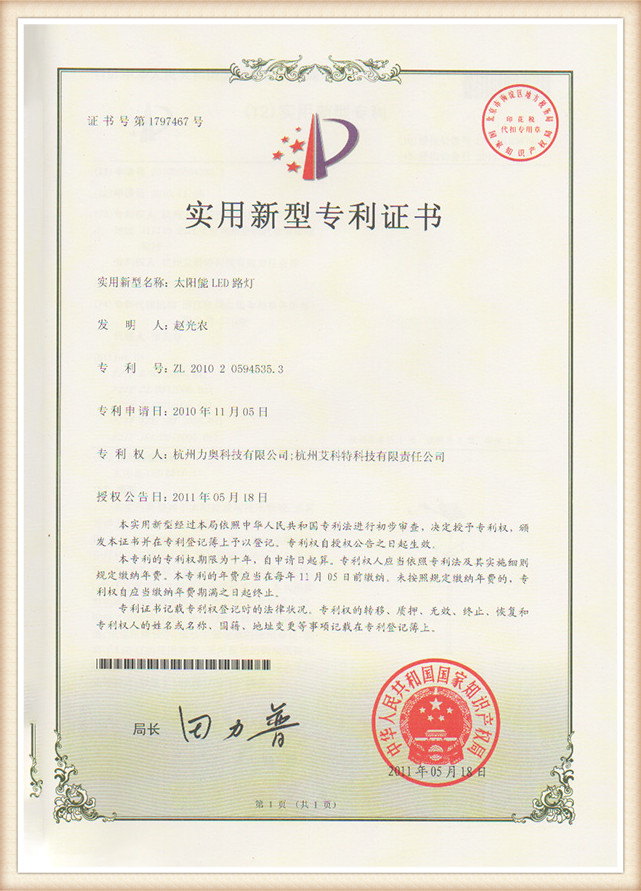
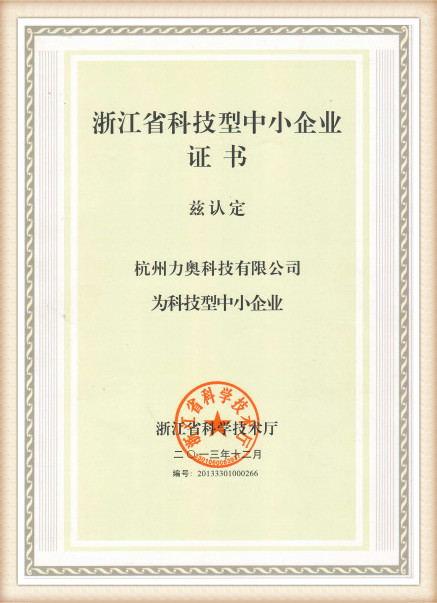
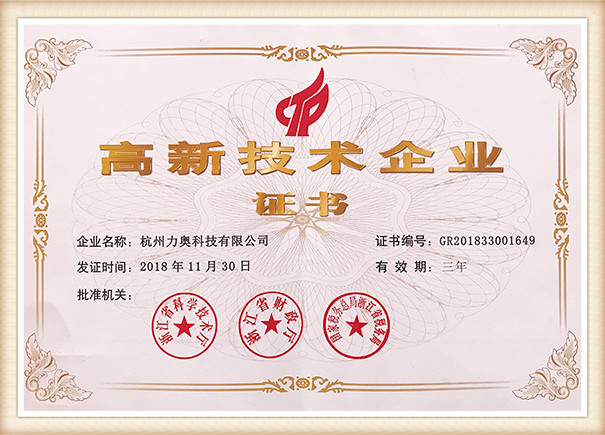
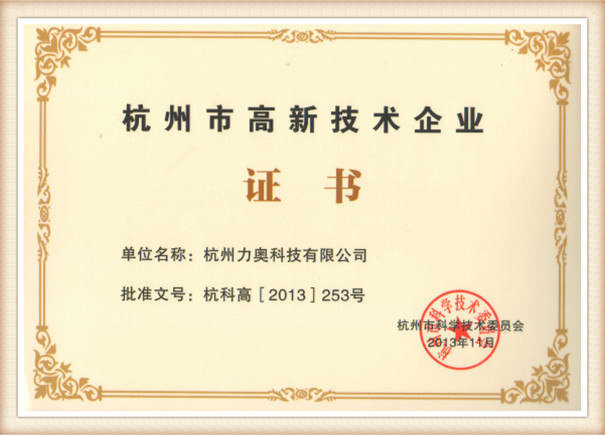
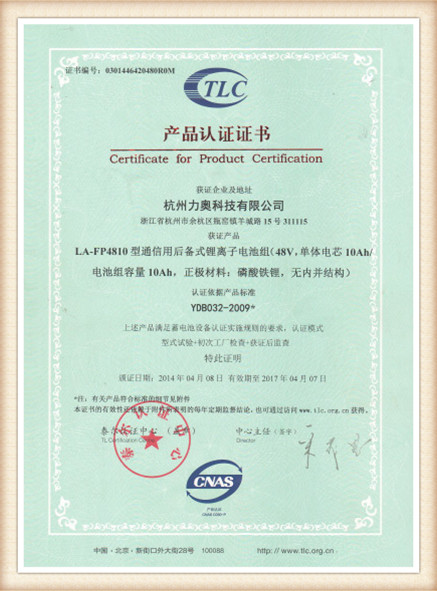
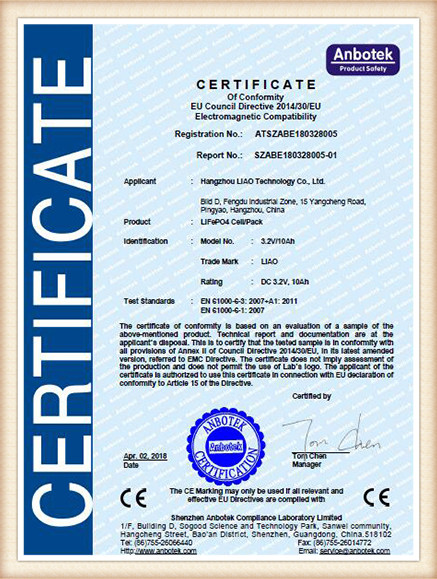
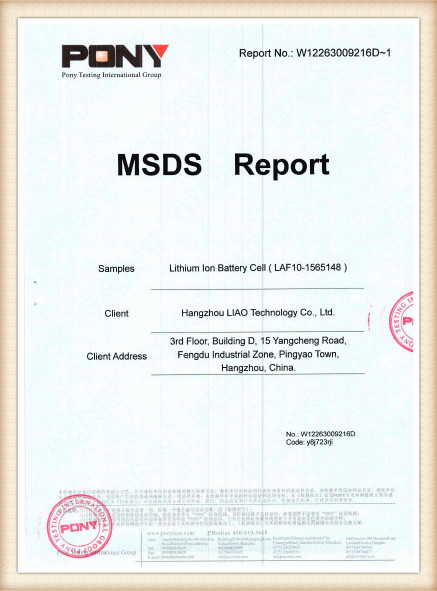
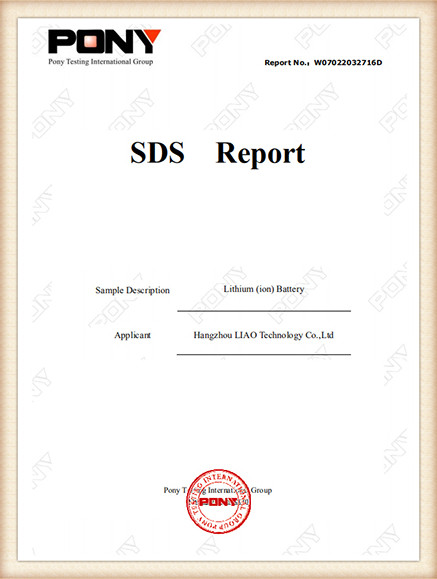
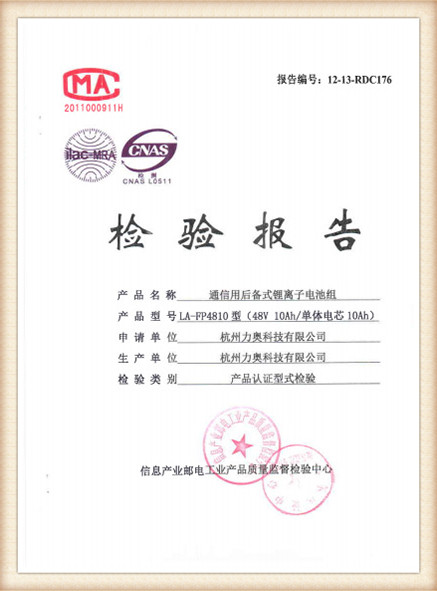
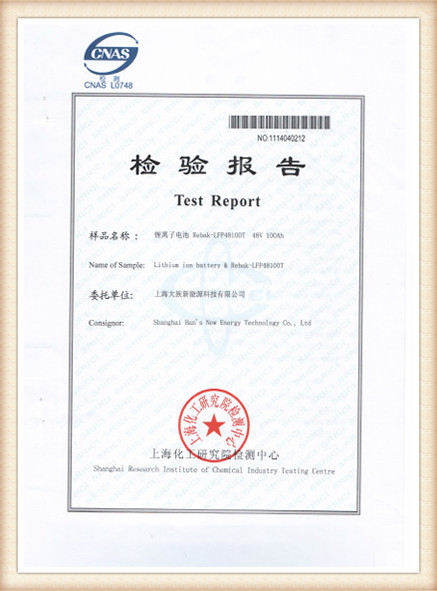
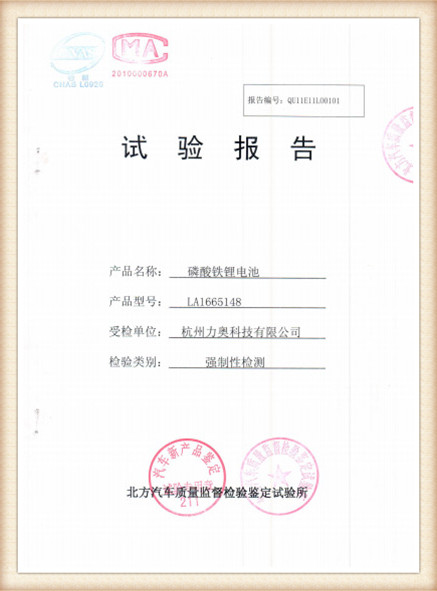
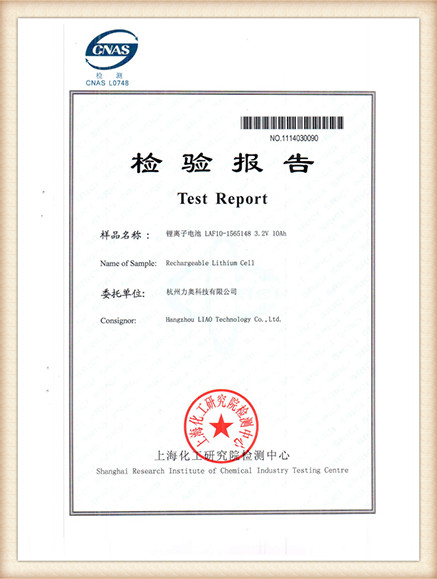
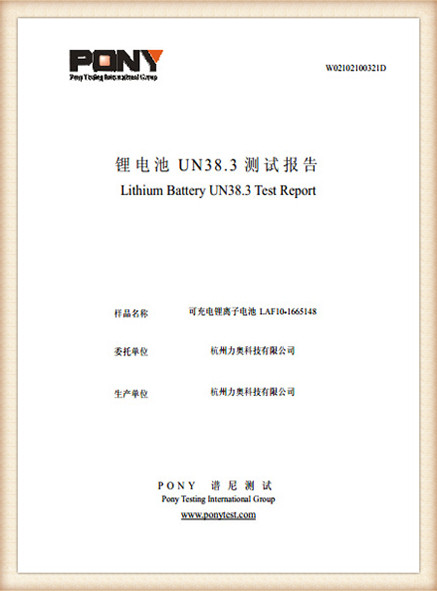
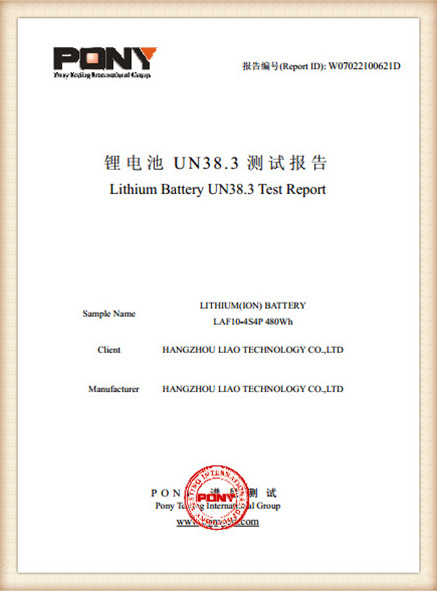
Fully certified systems designed to meet international standards for import, transport, and operation.

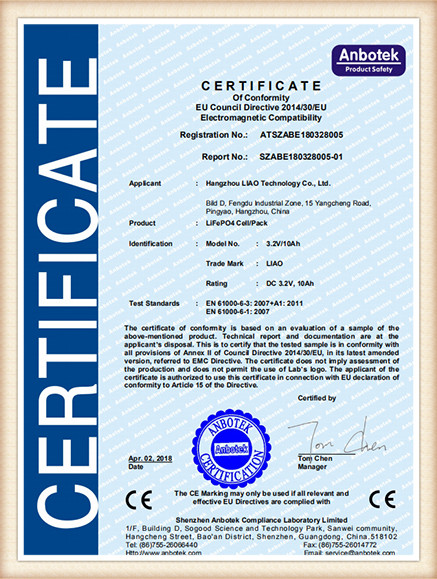
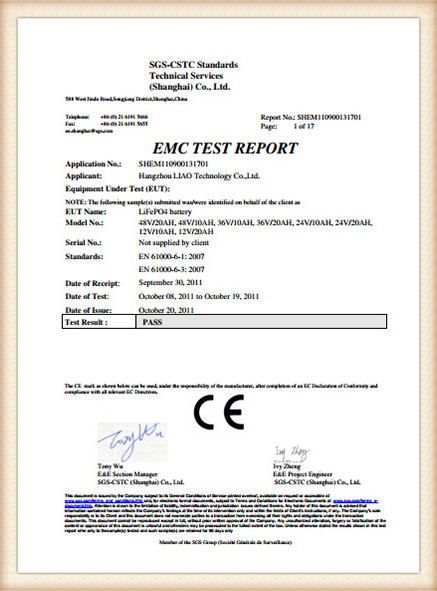
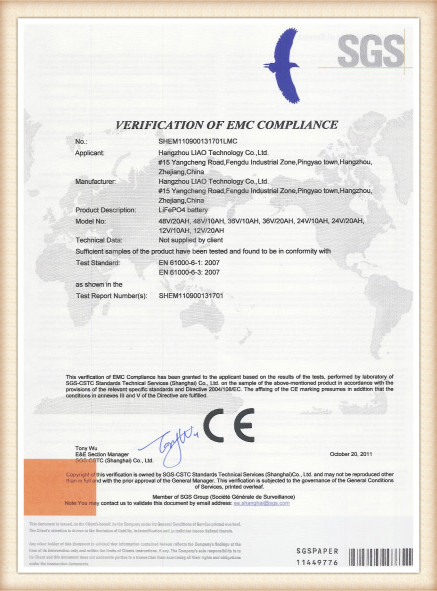
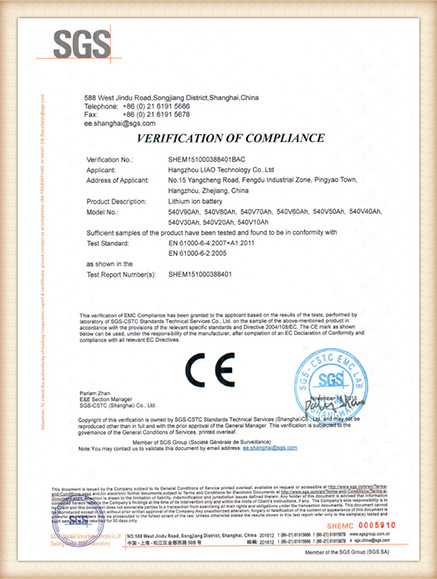
Enterprise procurement professionals and systems integrators must balance multiple technical and commercial parameters to ensure system reliability. Focus on the following key metrics when evaluating suppliers:
System failures in series-connected configurations are often caused by cell-to-cell variations. When buying in bulk, confirm that the manufacturer's matching tolerance is within:
OEM battery packs must integrate with existing power management setups. Verify that the supplier’s BMS supports key industrial standards, including Modbus RTU, CANbus, and RS485, to allow monitoring of State of Charge (SOC), State of Health (SOH), and individual cell temperatures.
Lithium shipments require strict compliance with hazardous shipping regulations. Ensure your supplier provides certified documentation, including UN38.3 test summaries, MSDS documents, and dangerous goods certificates, to prevent delays at customs.
Technical and logistics answers for engineering and procurement managers.
Custom portable packs, marine systems, and specialty equipment batteries built to international standards.
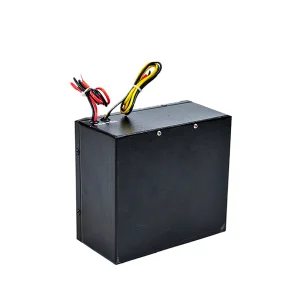
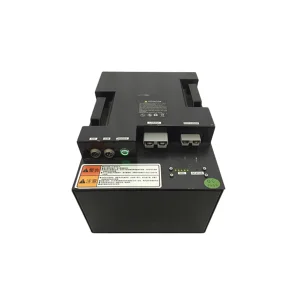
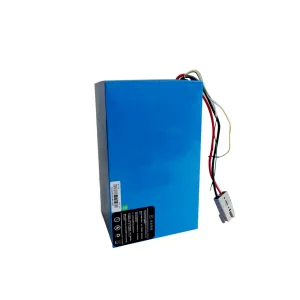
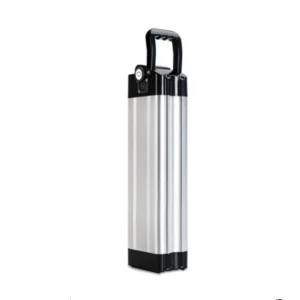
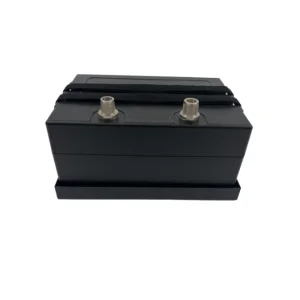
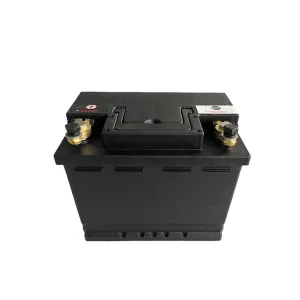
Connect with our design engineers to discuss custom capacities, mechanical housing adjustments, integrated BMS setups, and international compliance requirements.
Contact Our Technical Team Liao Battery