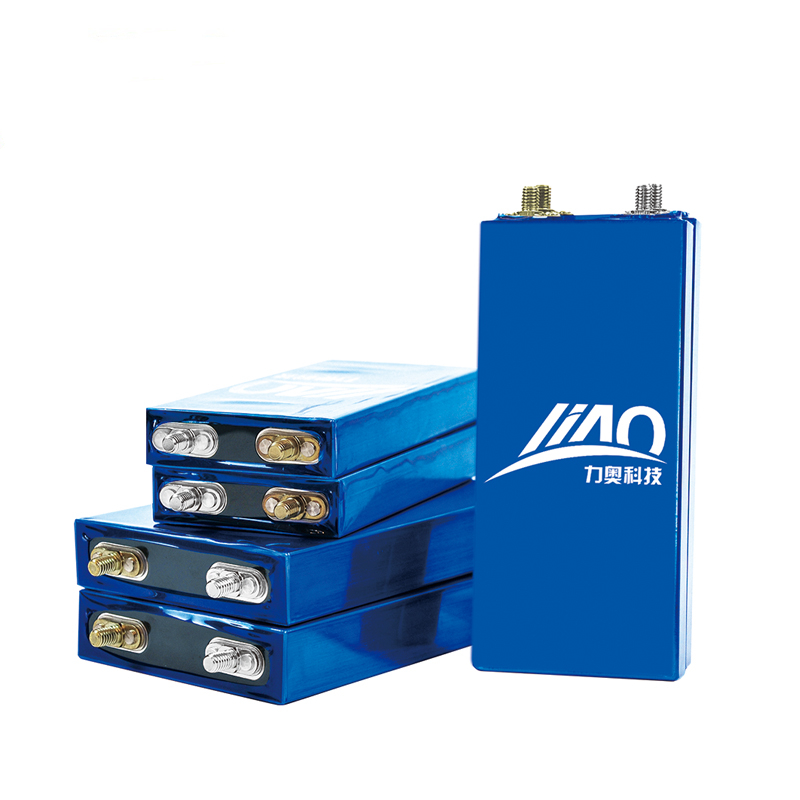
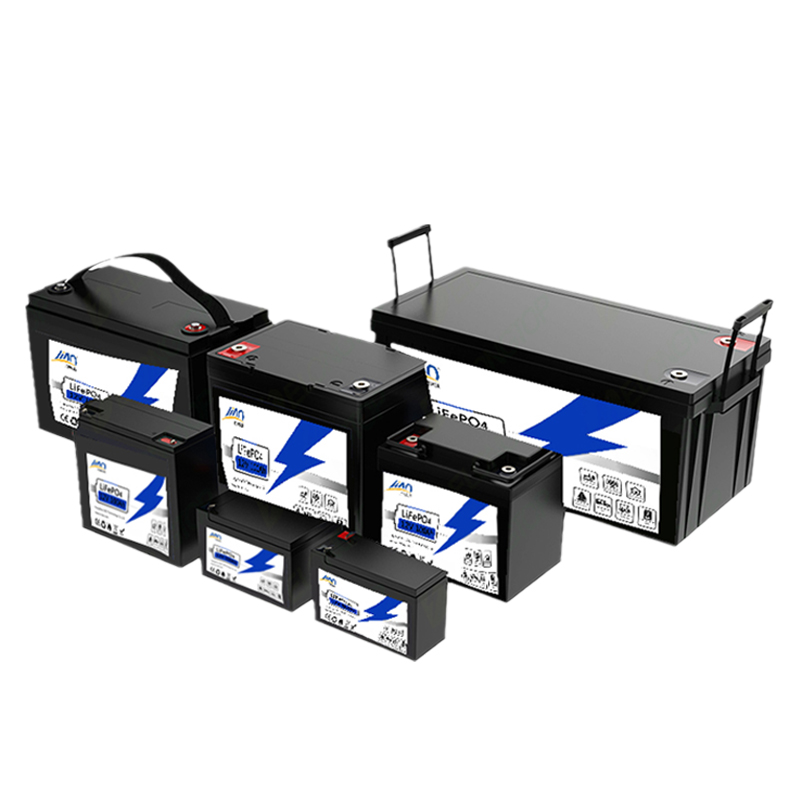
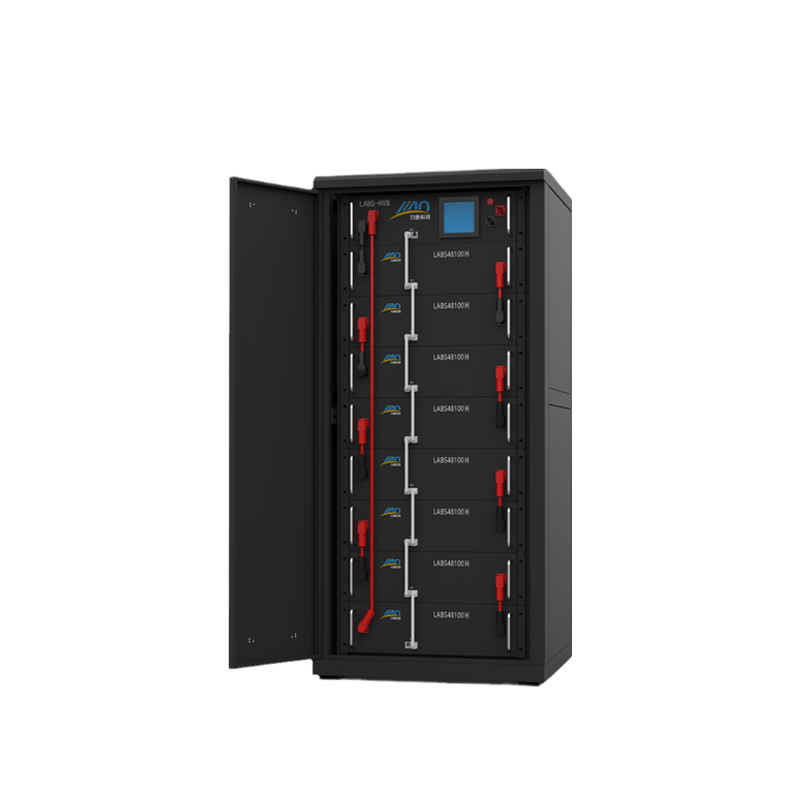
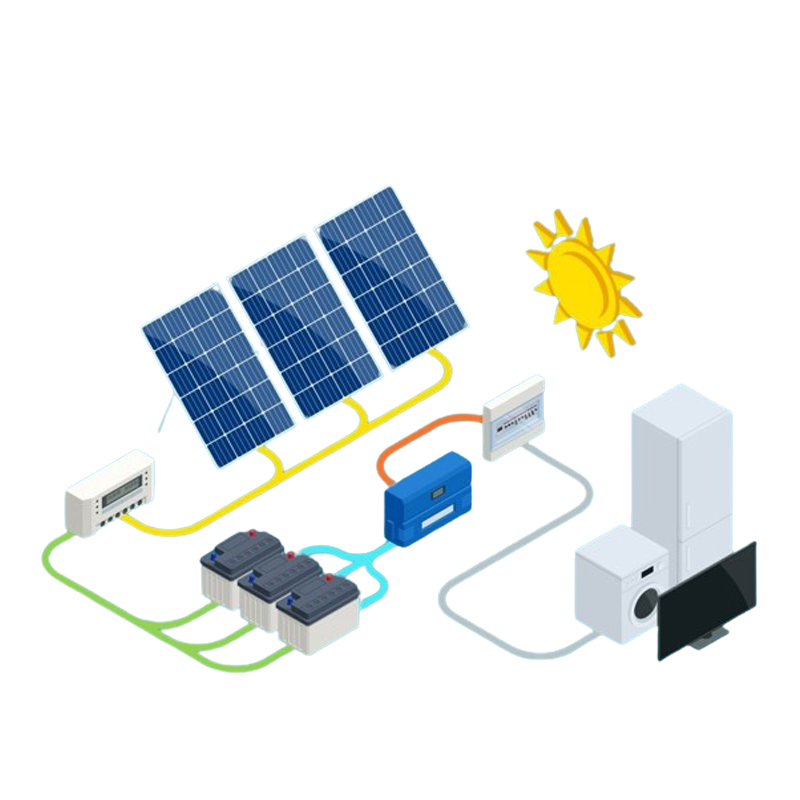
Explore our premium product portfolio designed for extreme reliability, long cycle life, and advanced smart BMS safety controls.
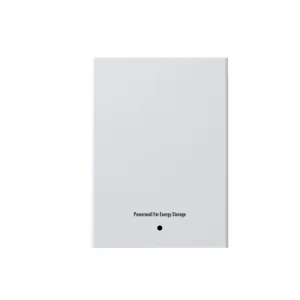
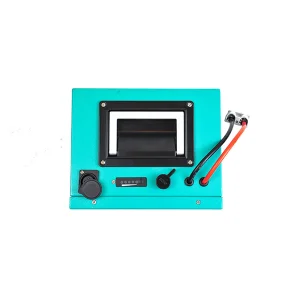
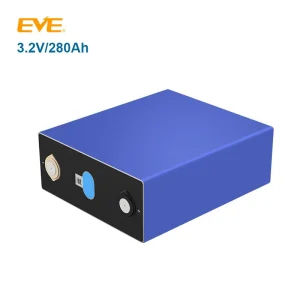
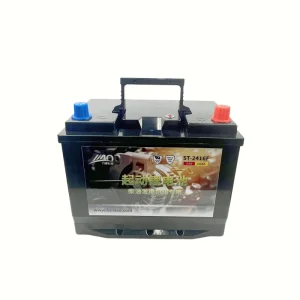
An in-depth guide to understanding thermal performance, chemistry safety, and global supply economics.
The industrial global economy is transitioning to high-voltage, energy-dense storage solutions. In particular, 48 Volt Lithium Ion Battery systems have emerged as the standard infrastructure for electric vehicles, marine propulsion, backup telecom infrastructure, and localized grid-tied storage. The integration of high-grade lithium iron phosphate (LiFePO4) chemistry has significantly solved the safety vulnerabilities associated with thermal runaway. When sourcing at wholesale volume, it is vital to evaluate both the cell-level chemistry and the smart systems integrated to manage them.
Conventional lithium chemistries like NMC (Nickel Manganese Cobalt) exhibit high energy density but present relatively lower thermal breakdown temperatures (typically around 150°C to 180°C). Our focus at Hangzhou LIAO Technology Co., Ltd. centers heavily on LiFePO4 chemistry. The thermal decomposition threshold for LiFePO4 cells exceeds 270°C, drastically minimizing the risk of combustible failure under extreme stressors. In severe mechanical abuse tests, such as direct nail acupuncture, LiFePO4 formulations do not trigger explosion or combustion, preserving adjacent industrial infrastructure and maintaining operational safety.
Sourcing a 48V nominal voltage configuration offers significant electrical engineering advantages over lower voltage options (e.g., 12V or 24V). Higher operating voltages reduce current requirements for identical power outputs ($P = V \times I$). Lower current implies reduced resistive thermal dissipation ($I^2R$), permitting engineers to employ thinner, less expensive copper wiring and conductors. For industrial applications like Automated Guided Vehicles (AGVs), electric utility vehicles, and telecom base stations, this thermal and materials efficiency translates to hundreds of dollars saved per vehicle unit in copper wiring and energy conversion efficiency.
Trusted global manufacturer specialized in LiFePO4 battery design, engineering, and certifications.
Founded in 2009, Hangzhou LIAO Technology Co., Ltd. is a professional and leading manufacturer specialized in high-cycle, reliable LiFePO4 batteries. With over 15 years of industry experience, our custom power solutions have been exported to more than 20 countries worldwide, including premium markets in Germany, France, the Netherlands, Spain, the United Kingdom, the USA, Canada, Brazil, Australia, Japan, Korea, and India.
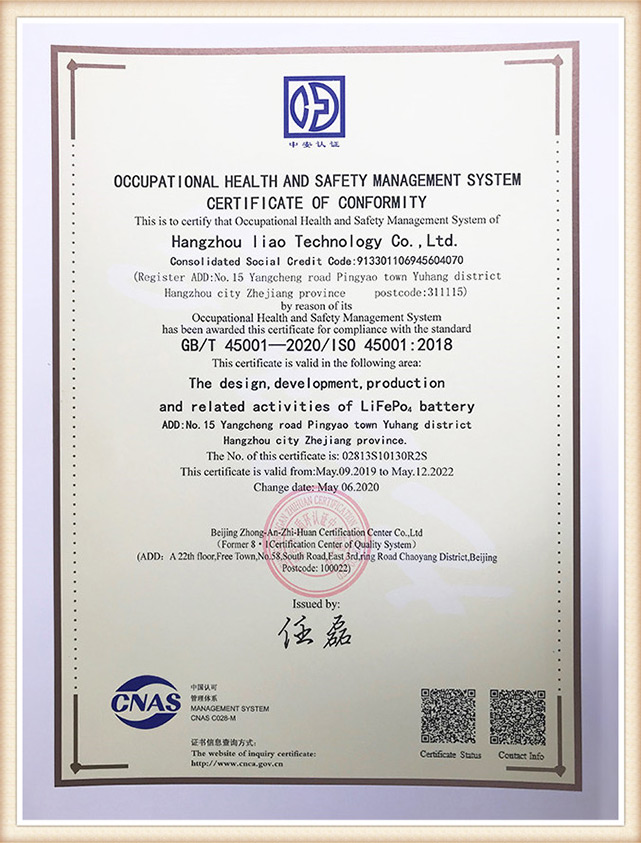
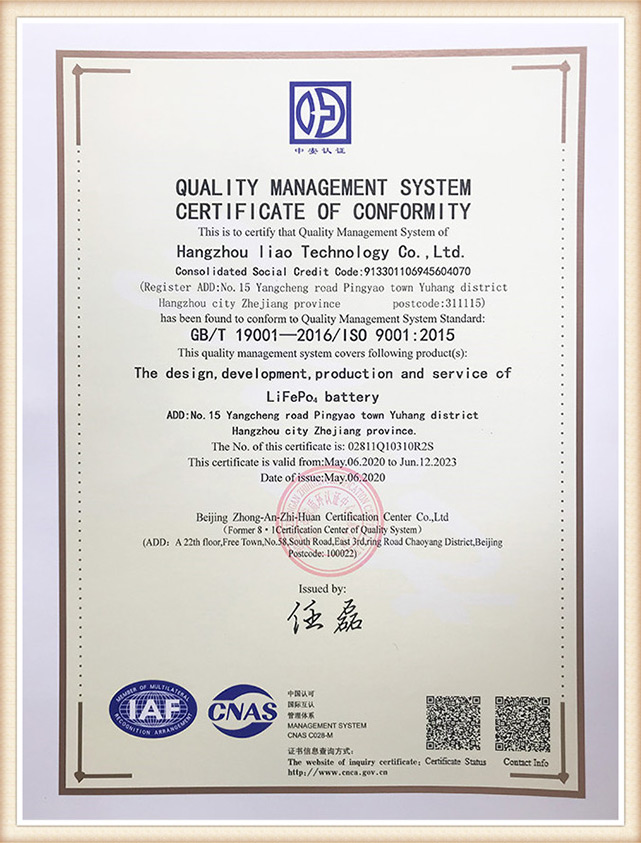
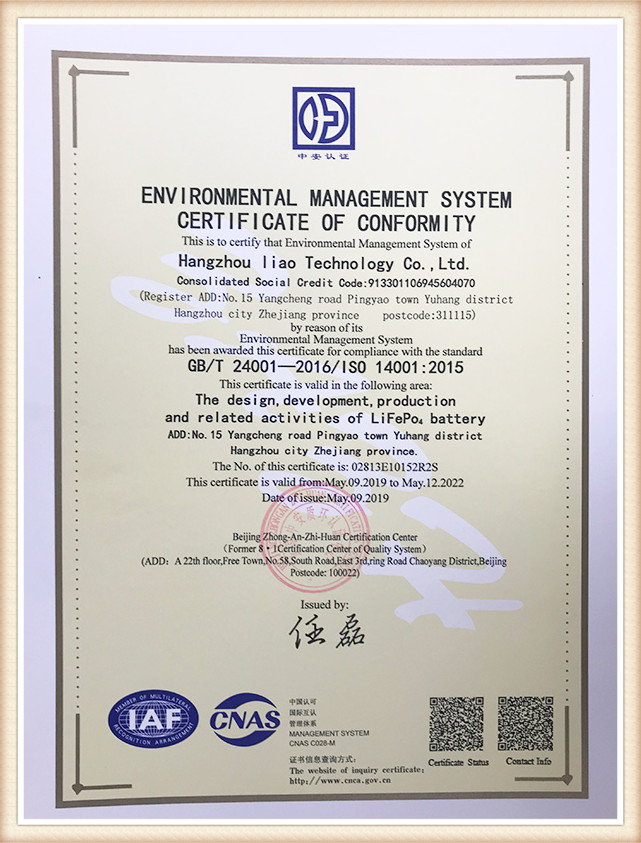
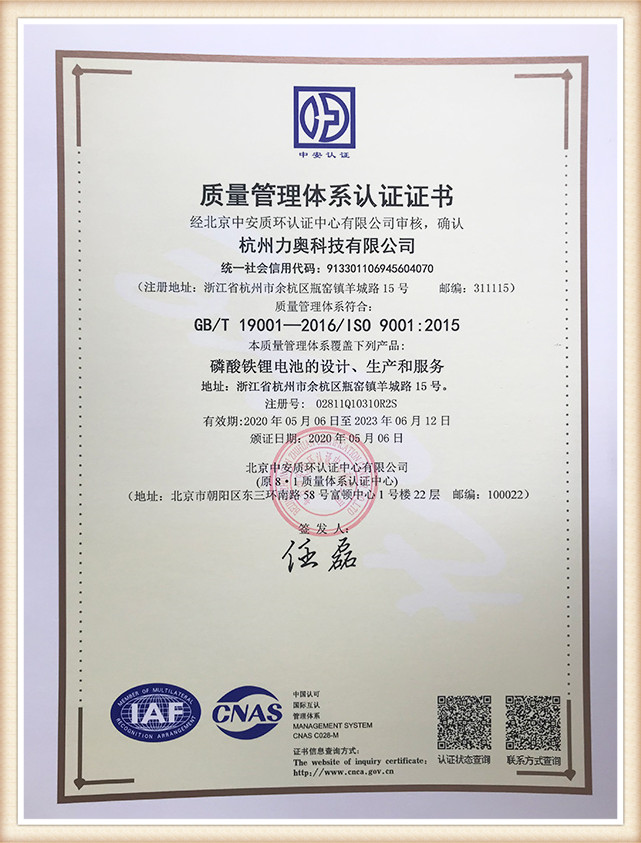
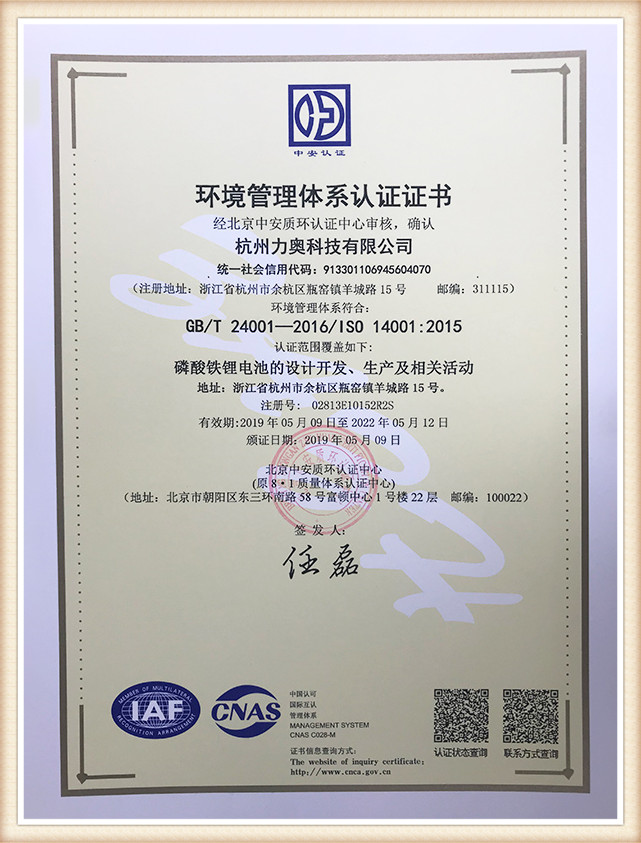
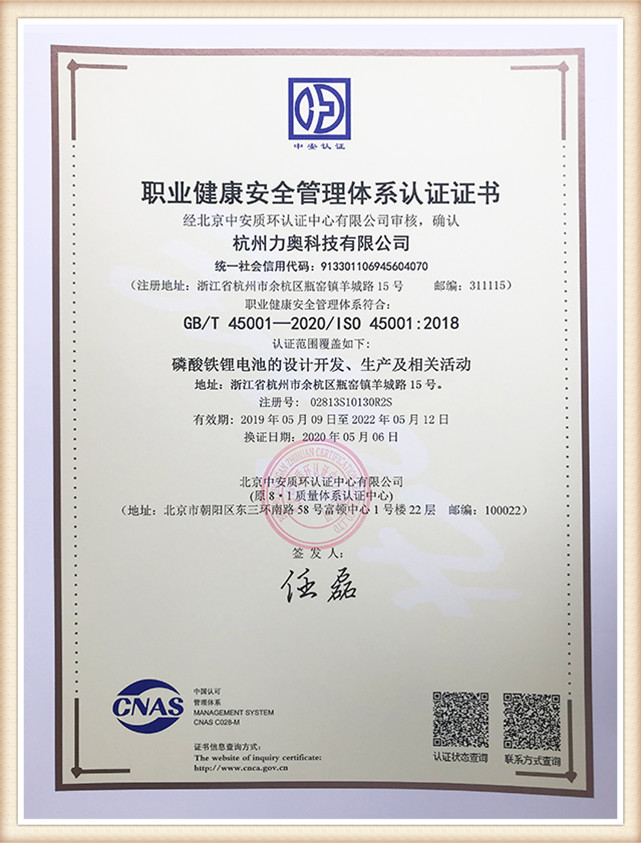
Our operational framework conforms to rigid international standards. We maintain strict compliance with the ISO 9001:2015 Quality Management System, the ISO 14001 Environmental Management System, and the ISO 45001 / ISO 18001 Occupational Health and Safety systems. These guarantees underscore our commitment to manufacturing precision and corporate reliability.
Why sourcing from Hangzhou, China ensures technology leadership and unmatched cost-to-performance metrics.
Hangzhou occupies a central position within the Yangtze River Delta battery manufacturing cluster. This provides immediate access to premium raw materials, cathode/anode precursors, and advanced silicon-doped BMS hardware suppliers, drastically minimizing sourcing lead times.
Our internal mechanical and electrical engineering departments host over 10 years of robust experience in cell packaging design, communication protocol integration (including CANbus, RS485, and Modbus), and thermal management optimization.
Cell grading protocols require sorting within ±2mΩ internal resistance and ±10mAh capacity. Automated laser welding, capacity sorting, and environmental bake testing ensure cell degradation parameters remain predictable over years of cycle life.
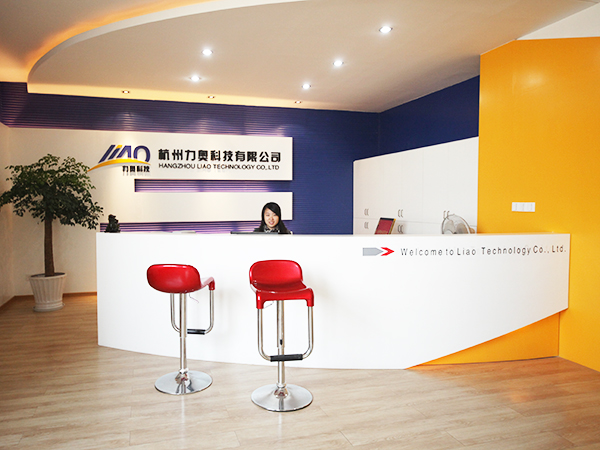
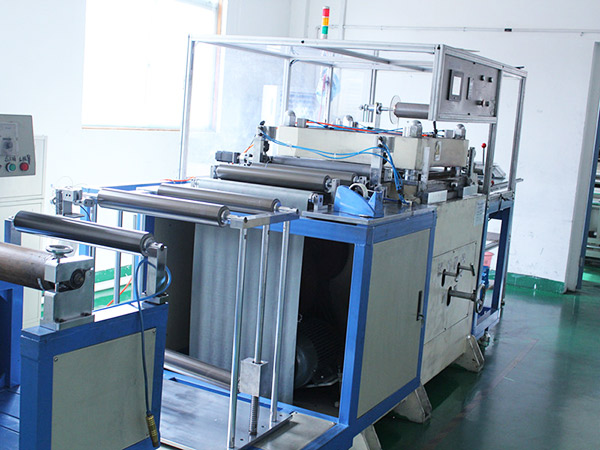
A transparency check of Hangzhou LIAO Technology's advanced lithium manufacturing operations.
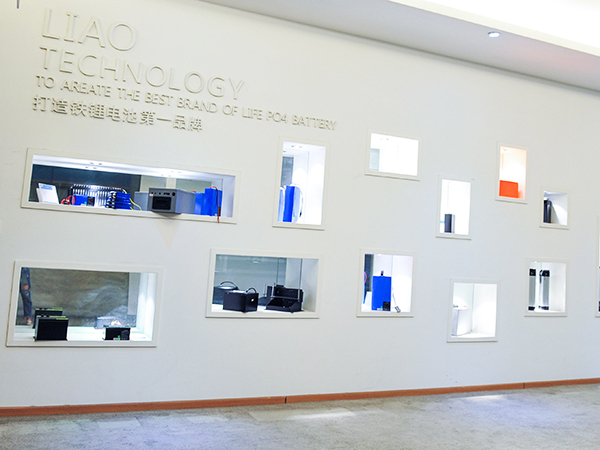
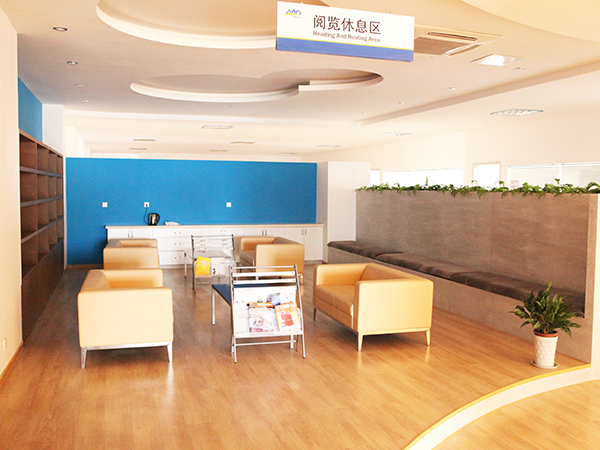
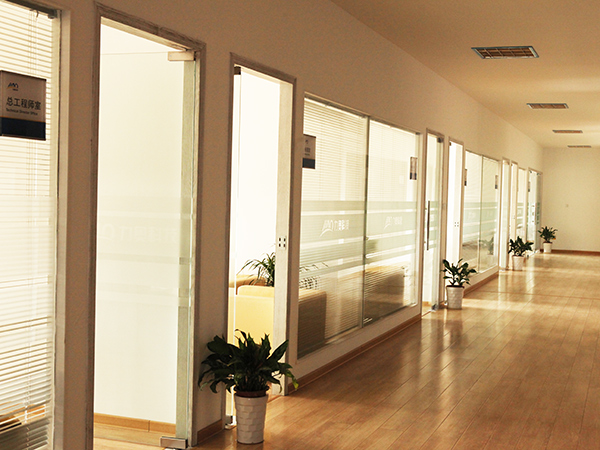
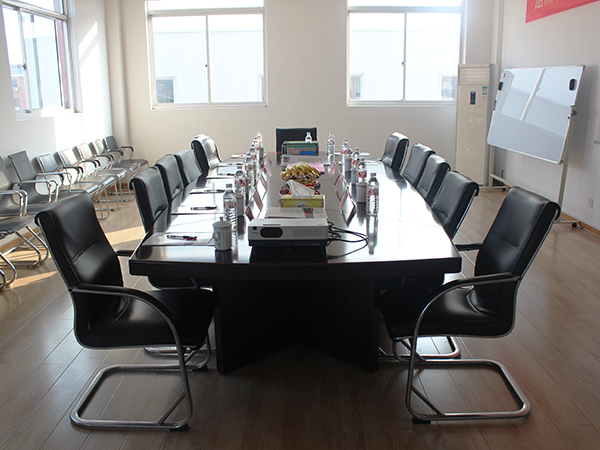
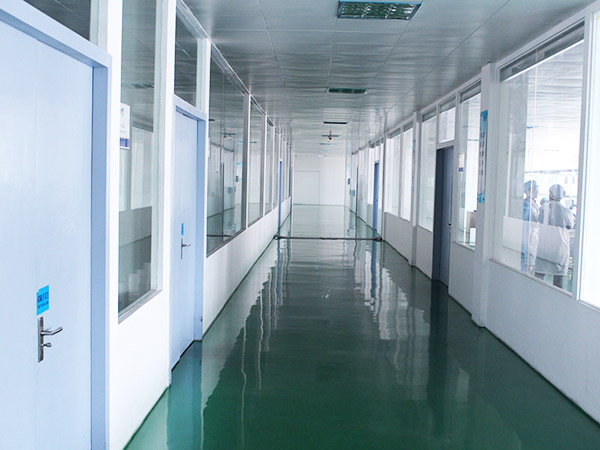
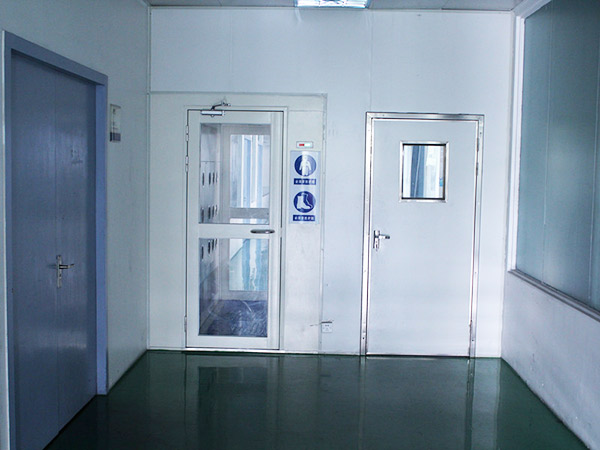
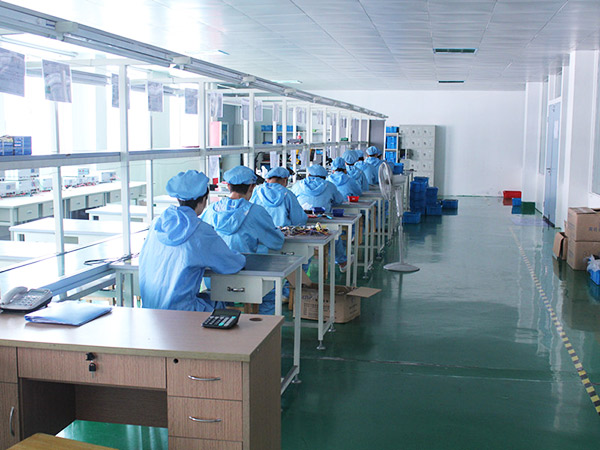
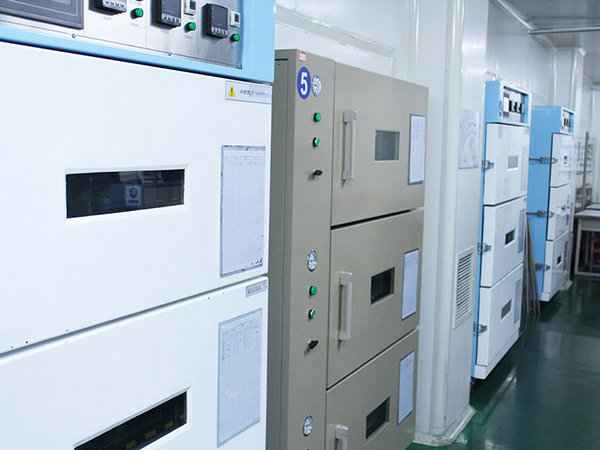
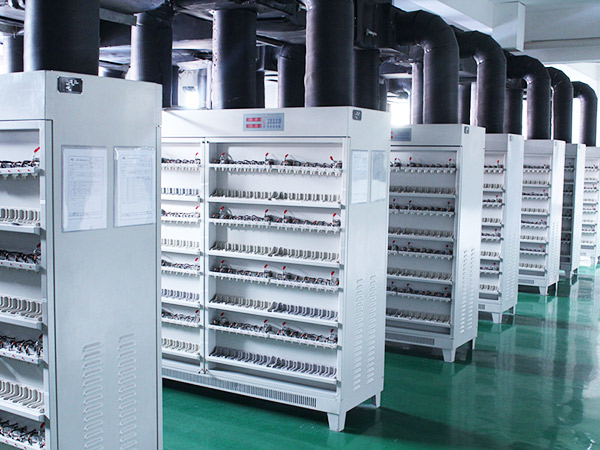
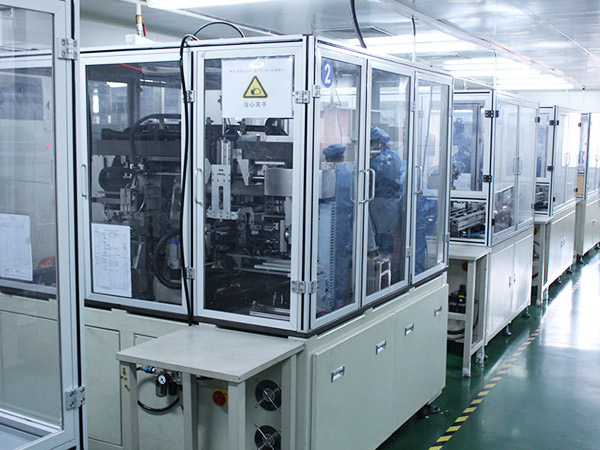
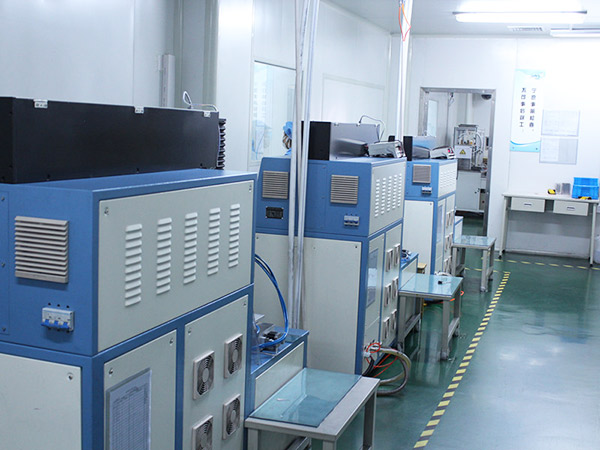
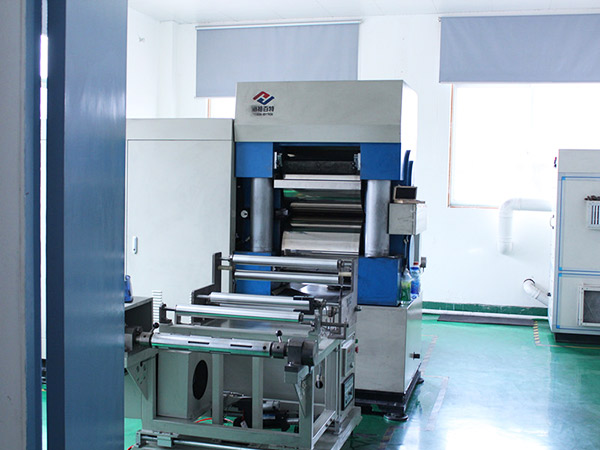
Providing specialized engineering configurations optimized for distinct operating profiles globally.

Our custom 48V LiFePO4 packs allow electric golf carts to run reliably on hilly and demanding terrain, offering light weight and high torque without voltage drop.
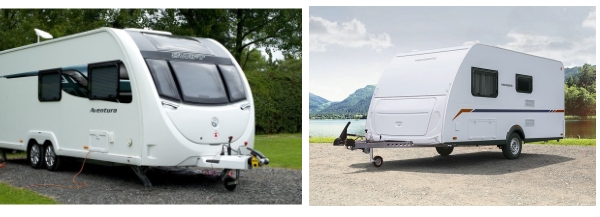
Low noise, zero tailpipe emissions, and consistent high discharge rates to move heavy caravans efficiently. Resists extreme temperatures during off-grid storage.
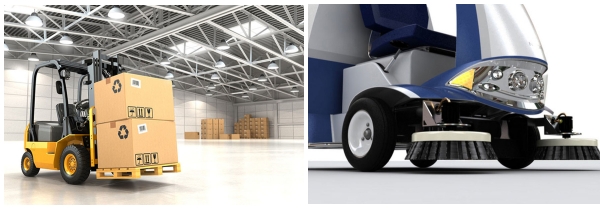
Saves labor and increases throughput for logistics centers. High-rate charge tolerance permits opportunity charging during operational breaks, maximizing vehicle uptime.

Designed with high ingress protection (IP) ratings to resist humidity and saltwater exposure. Eco-friendly power that protects delicate marine ecosystems.
Translating client blueprints into optimized safety-critical electrical designs.
LIAO operates as a strategic custom manufacturer partnering with engineering directors, procurement departments, and OEMs across more than 500 product designs. With our design team of electrical, firmware, and mechanical engineers, we customize cell arrangements, structural enclosures (rugged steel, custom aluminum, or vacuum-formed ABS), and communication interfaces.
By matching cell chemistries to target operating conditions, LIAO helps clients optimize cycle-life budgets, balance thermal safety profiles, and streamline global distribution through verified regulatory pathways.

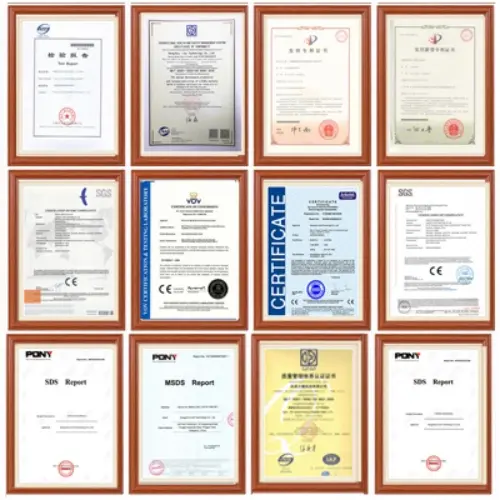
Ensuring compliance with international shipping, customs safety, and industrial operations standards.
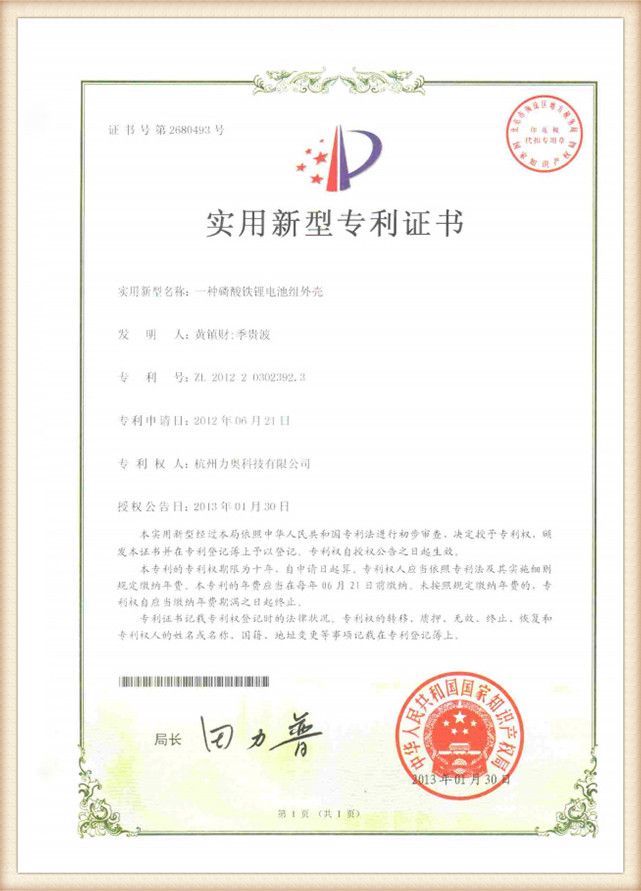
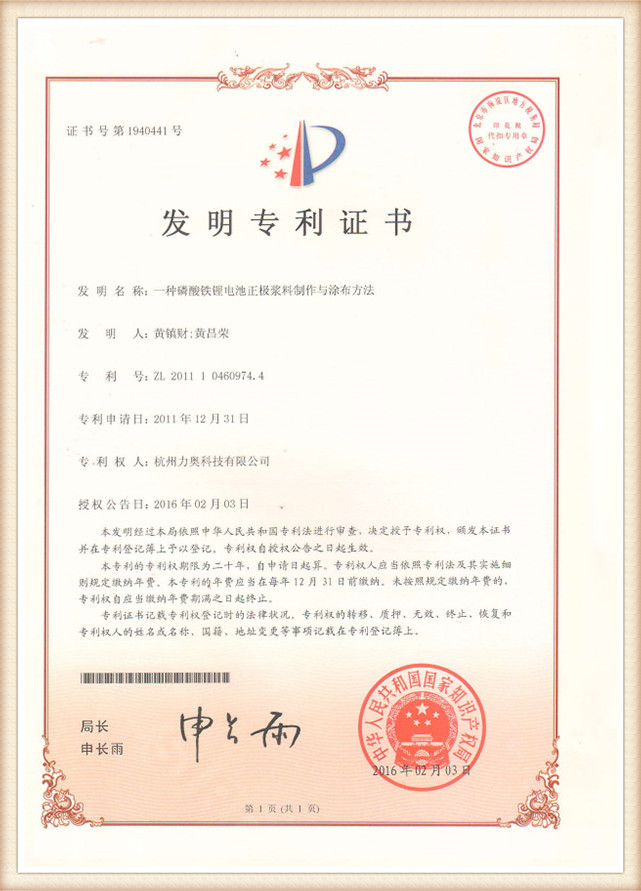
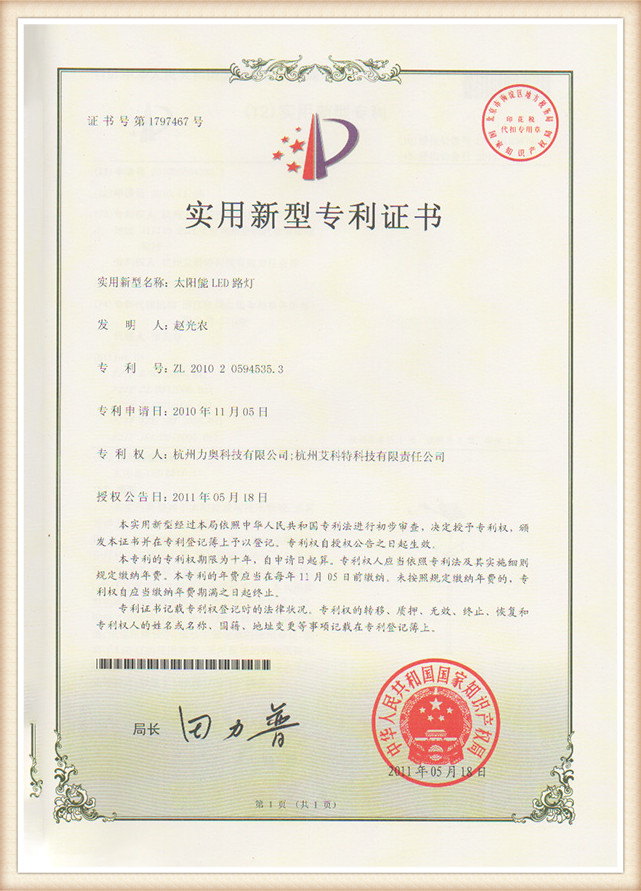
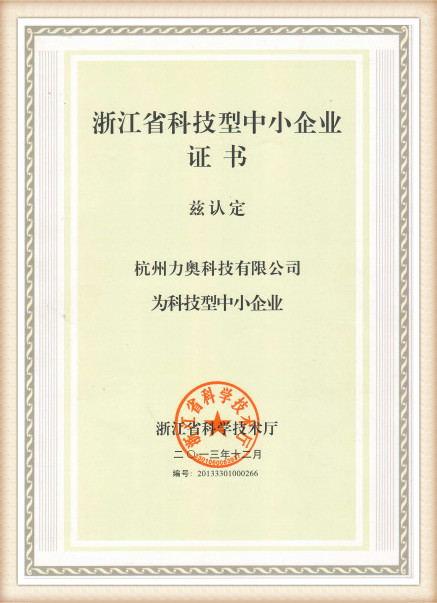
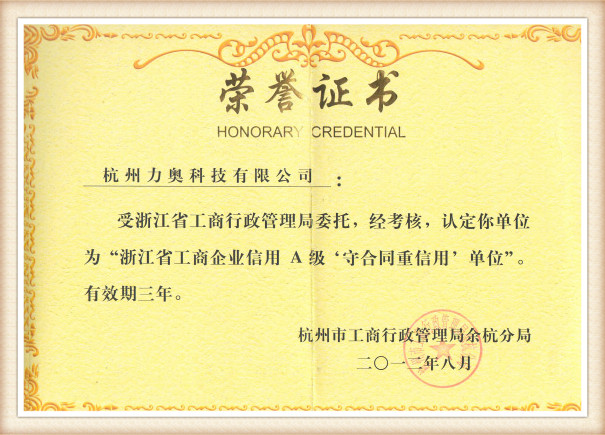
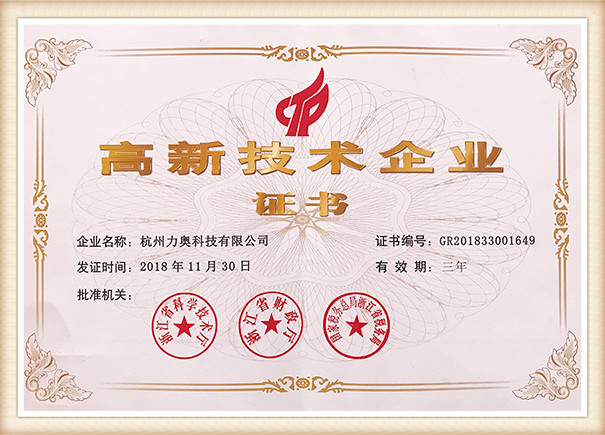
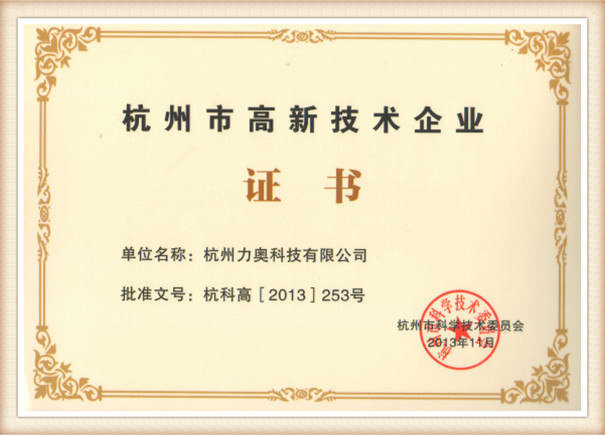
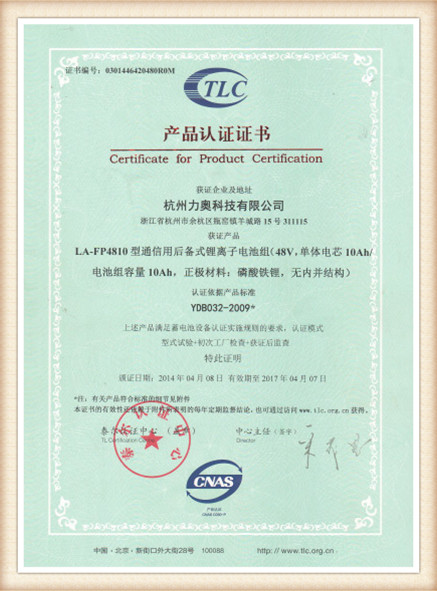
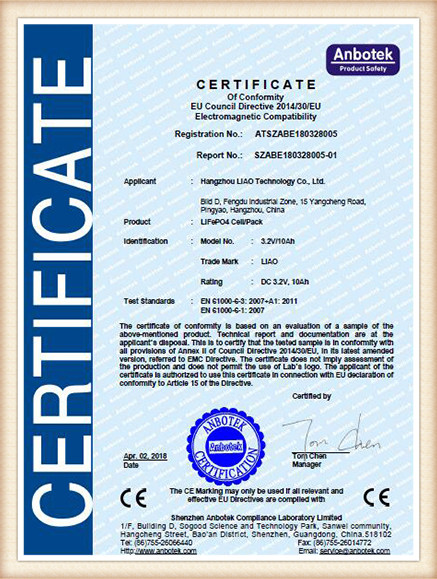
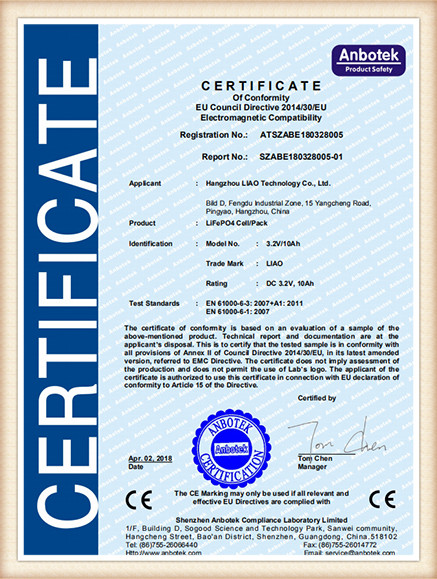
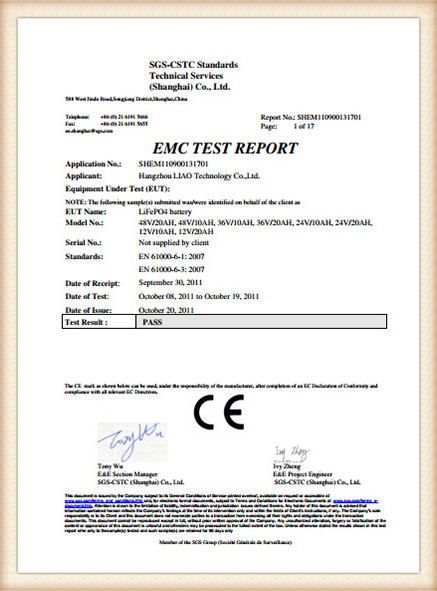
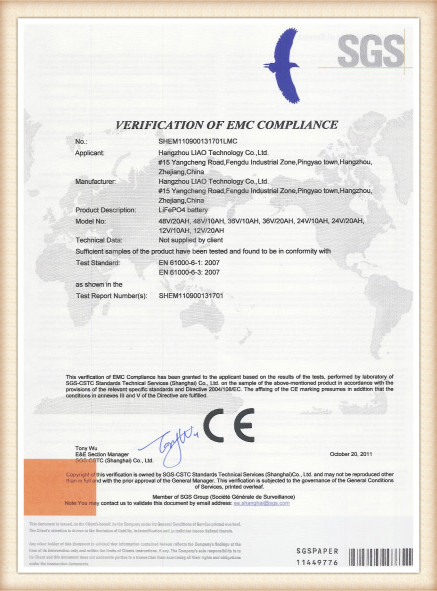
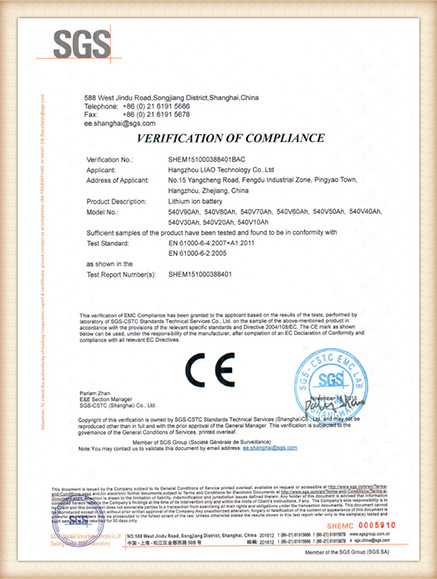
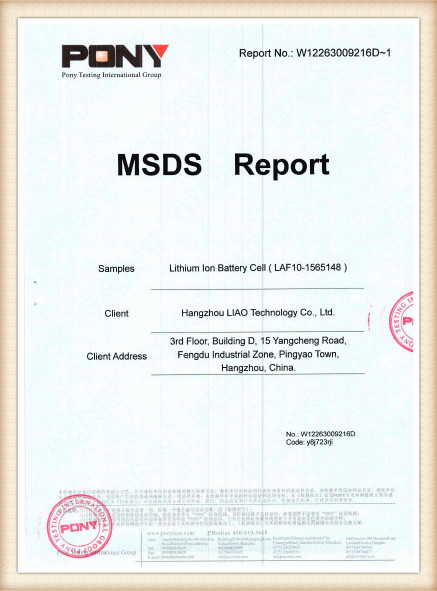
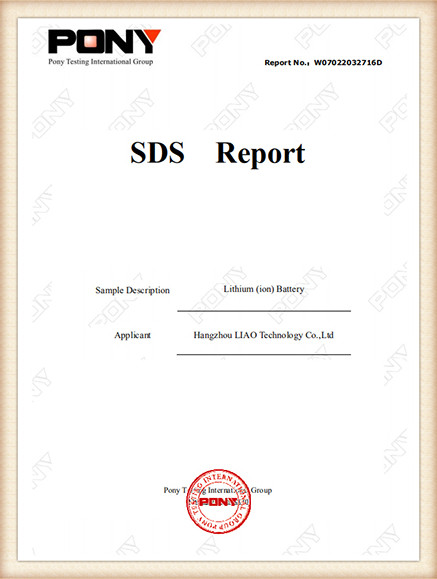
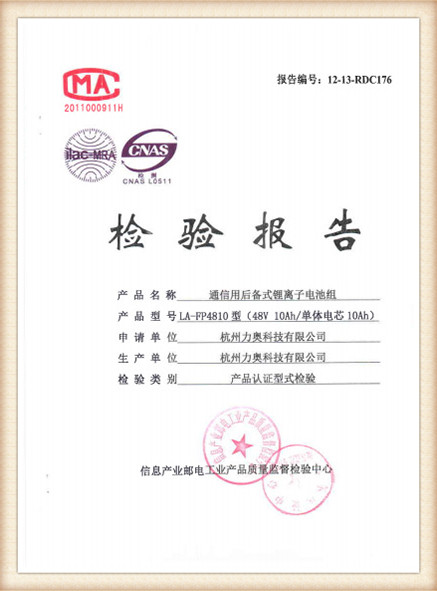
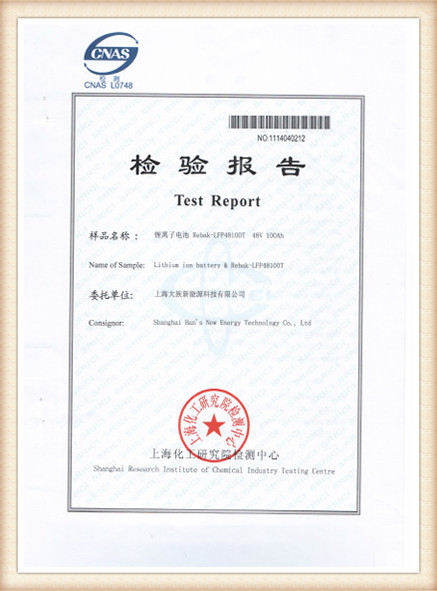
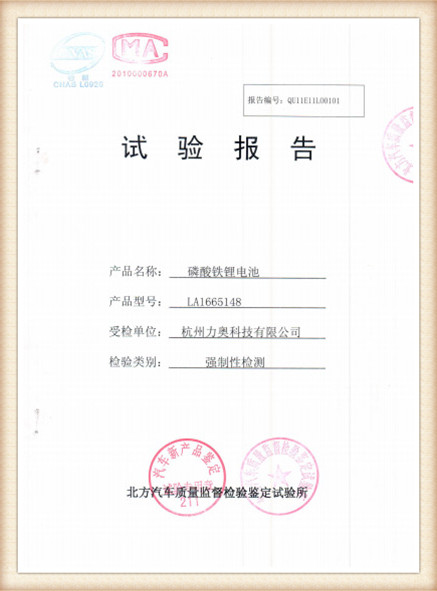
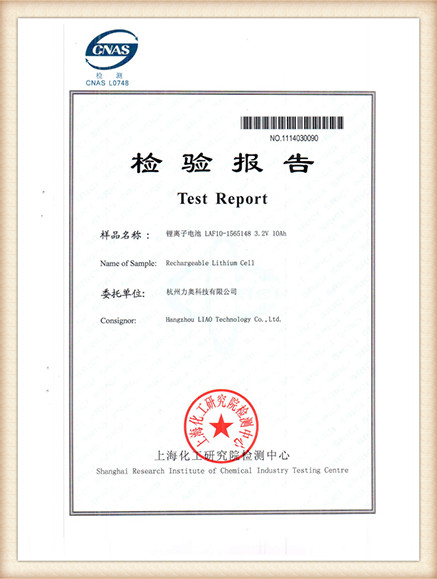
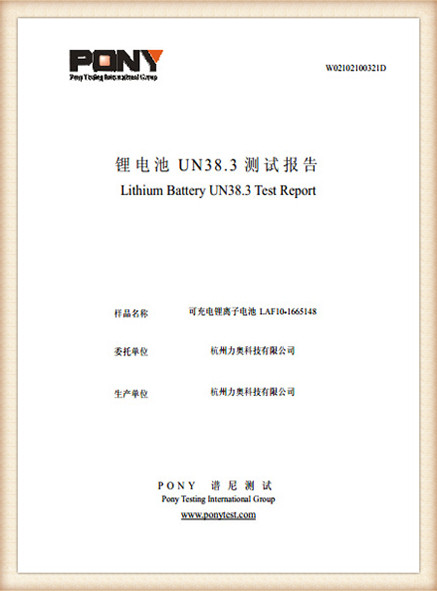
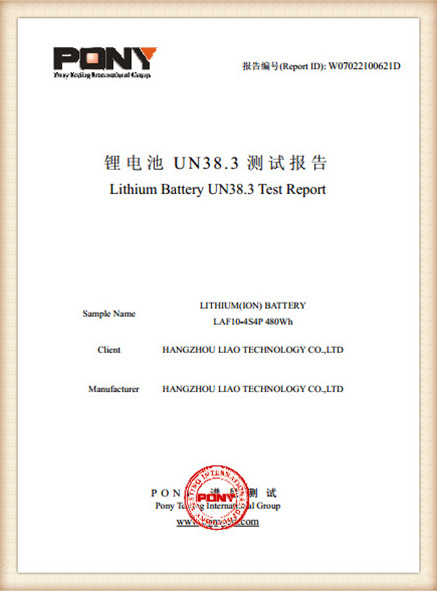
Moving large-scale lithium battery products across international borders requires stringent testing compliance. UN38.3 regulates global transport safety, CE certification guarantees compliance with European directives, and UL/IEC testing reports confirm safety limits for electrical components under simulated fault conditions. Hangzhou LIAO products undergo rigorous internal testing coupled with accredited external laboratory validations, as shown below:






Direct answers from our engineering team regarding safety protocols, cell matching, and performance life.
Our batteries use high-purity Lithium Iron Phosphate (LiFePO4) chemistry. Structurally, the P-O chemical bond is significantly stronger than the metal-oxide bonds found in NMC or LCO cells. Consequently, thermal runaway only triggers at temperatures above 270°C. Even under mechanical damage or physical impact, our cells exhibit robust resistance without venting hazardous gases or catching fire.
To prevent unbalanced voltage states and premature pack degradation, we apply cell sorting criteria. Each battery module is matched using automated testing equipment to guarantee cell variations are restricted to within ±10mAh in capacity and ±2mΩ in internal resistance. Furthermore, our integrated battery management systems (BMS) continuously run passive balancing algorithms during charging phases.
Yes. LIAO LiFePO4 cells are engineered to operate across a broad temperature range of -40°C to 85°C. For extreme sub-zero applications, our design team can integrate active thermal management heating blankets controlled directly by the BMS. This maintains internal temperatures above freezing during high-rate charging phases, avoiding lithium plating issues.
A standard lead-acid battery offers between 300 to 500 cycles under typical 50% depth of discharge (DOD). In comparison, LIAO's single-cell designs achieve over 2,800 cycles at a full 100% DOD (at 1C rates) before capacity drops to 80% of its original state. In real-world applications, this represents a reliable operating lifespan of 7 to 10 years, dramatically reducing replacement costs.
Yes. Custom design is a core competency at LIAO. We collaborate closely with engineers to customize enclosure dimensions, protection ratings (IP65 up to IP67), and active protocol telemetry interfaces. We offer native support for CANbus, RS485, and Modbus communication standards, ensuring smooth integration with standard industrial motor controllers and solar inverters.
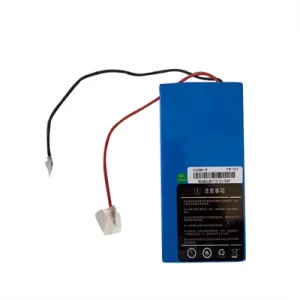
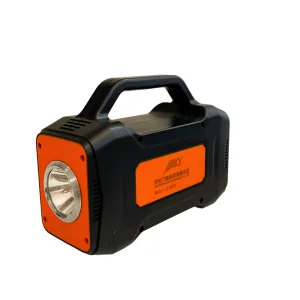
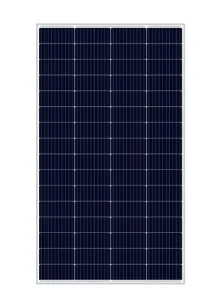
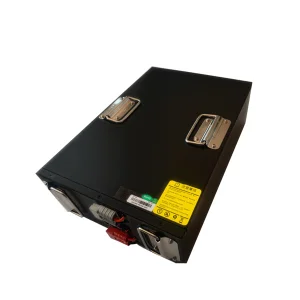
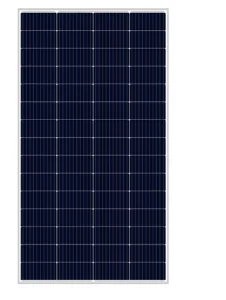
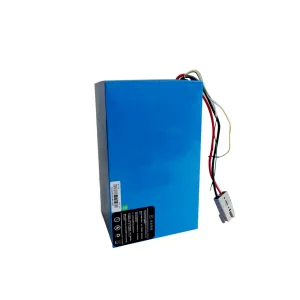
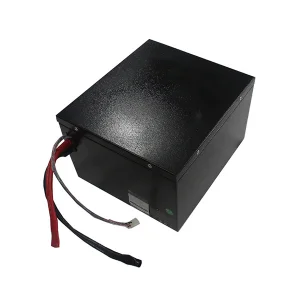
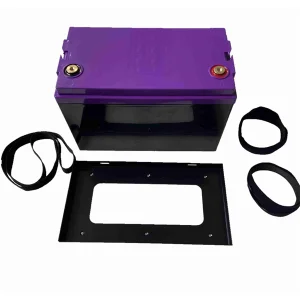
Explore our industrial range, from waterproof modules to solar panels and portable camping power systems.
Partner with Hangzhou LIAO Technology to design safe, long-lasting, certified LiFePO4 systems. Our engineering and sales departments are available to support your technical specifications.
 Liao Battery