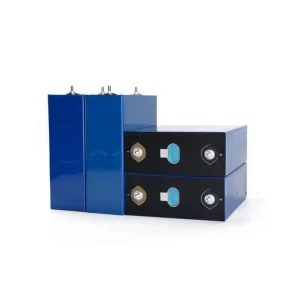
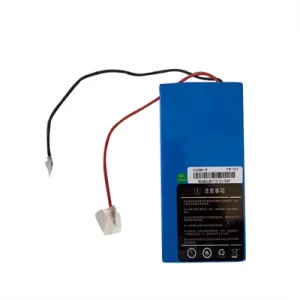
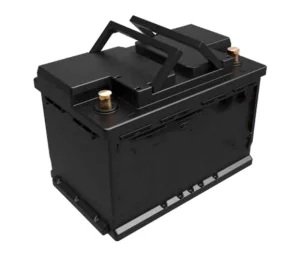
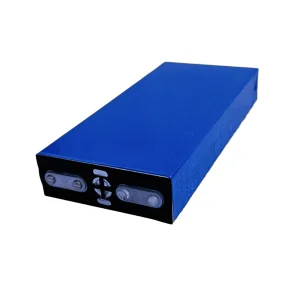
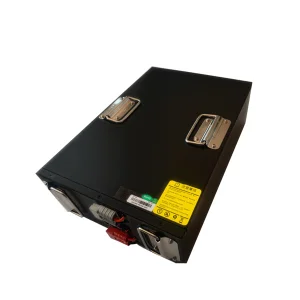
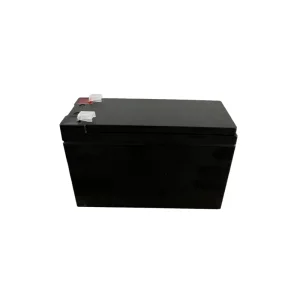
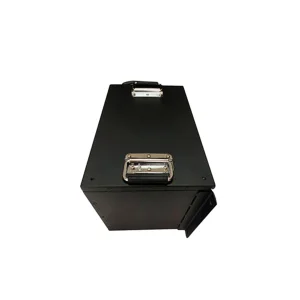
Explore our tier-one OEM/ODM lithium battery cell configurations and custom packs built for maximum reliability.
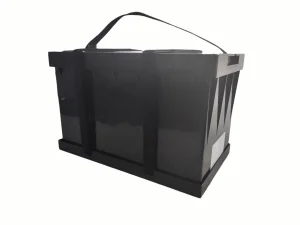
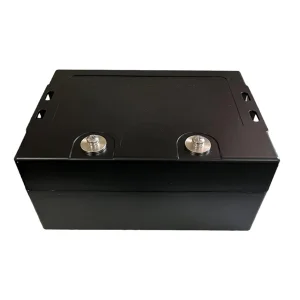
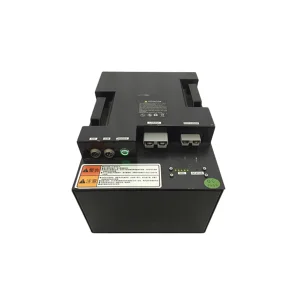
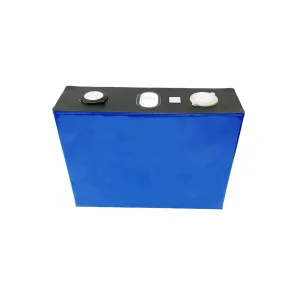
A technical deep-dive into cell chemistry, mechanical safety, smart BMS integration, and procurement optimization.
For decades, the medium-duty power sector relied heavily on Sealed Lead-Acid (SLA) batteries and Nickel-Cadmium options. However, as global decarbonization initiatives demand higher efficiency, reduced weight, and zero maintenance, the transition toward Lithium Iron Phosphate (LiFePO4) chemistry has become mandatory. A nominal 48V 20Ah pack delivers approximately 960 Watt-hours (Wh) of clean energy, occupying the optimal threshold for light electric mobility, industrial robotics, and remote power installations.
Compared to alternative lithium-ion formulations (such as NMC or LCO), LiFePO4 provides superior chemical and thermal stability. The olivine crystal structure of iron phosphate remains structurally robust under high temperatures and stress, eliminating the risk of oxygen release that drives thermal runaway. When sourcing at wholesale volume, B2B procurement agents prioritize LFP packs due to their prolonged lifetime, offering a lower Total Cost of Ownership (TCO) compared to chemistry options with shorter cycle profiles.
To ensure system integration and longevity, design engineers must evaluate the internal battery architecture:
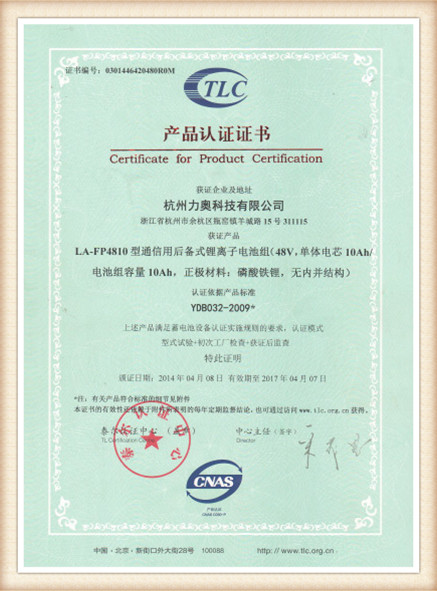
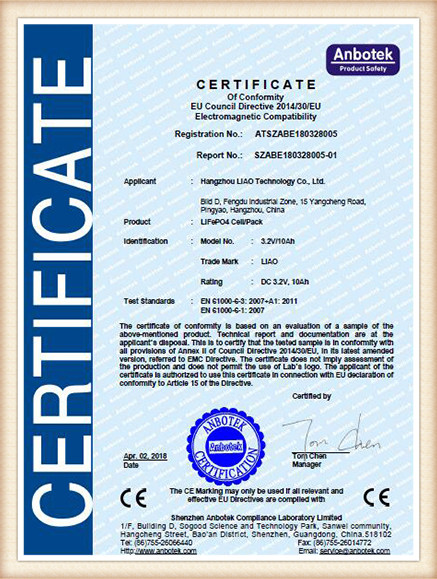
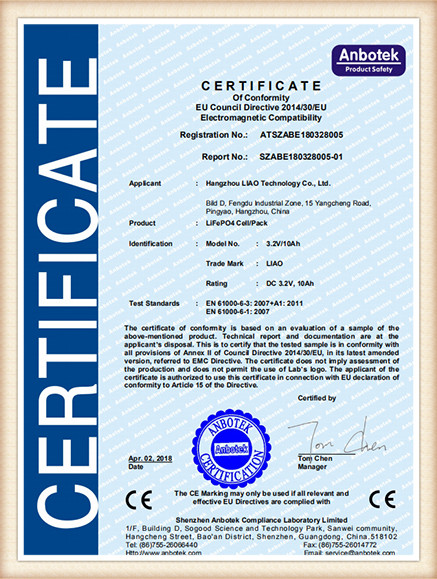
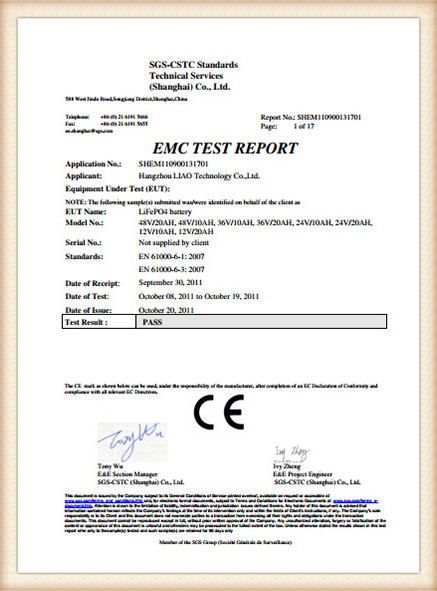
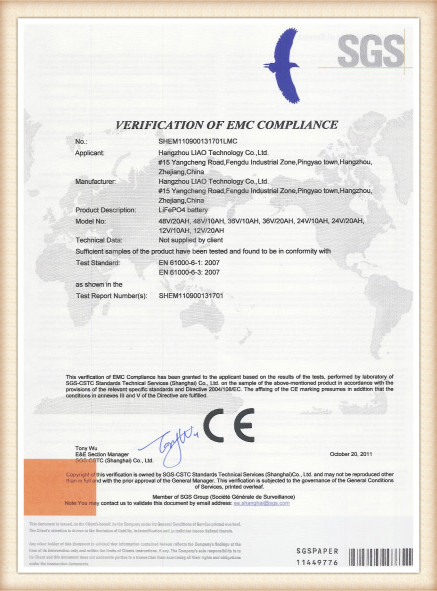
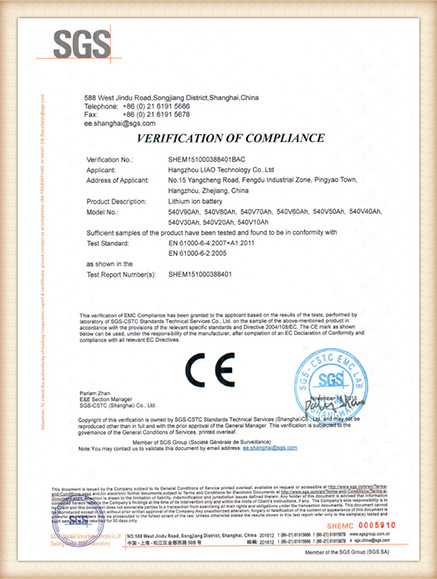
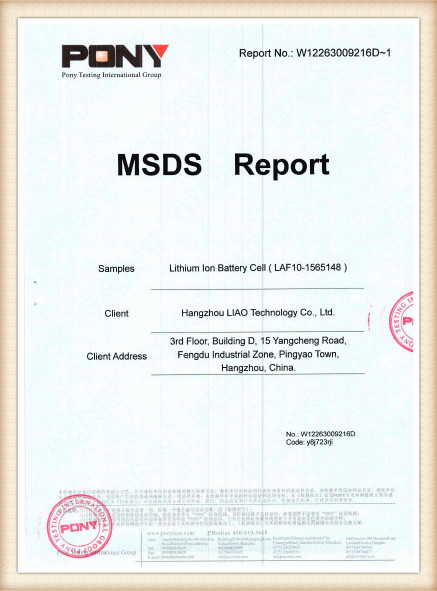
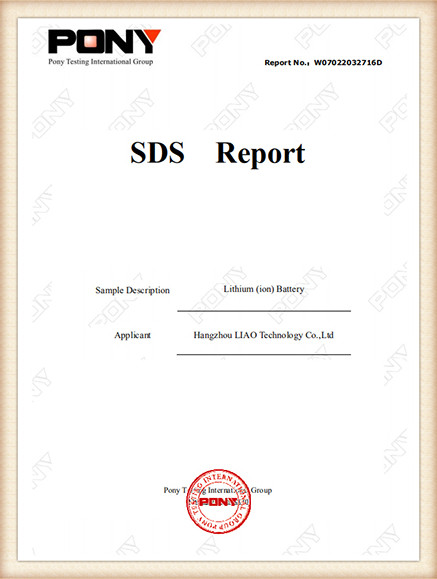
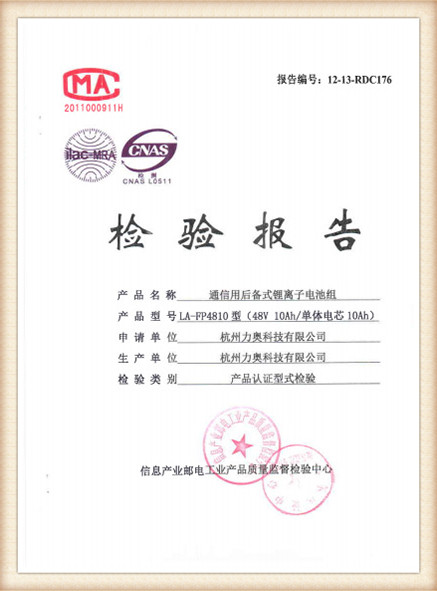
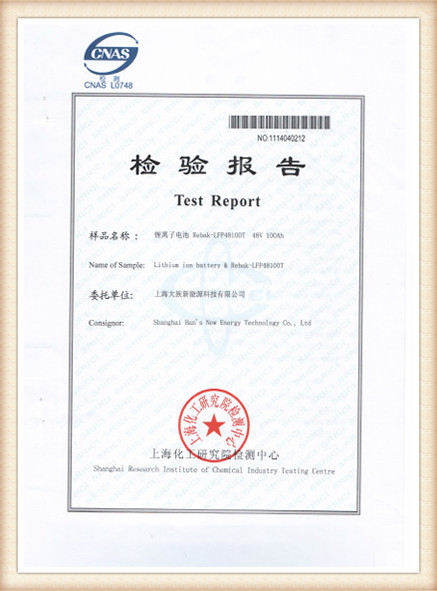
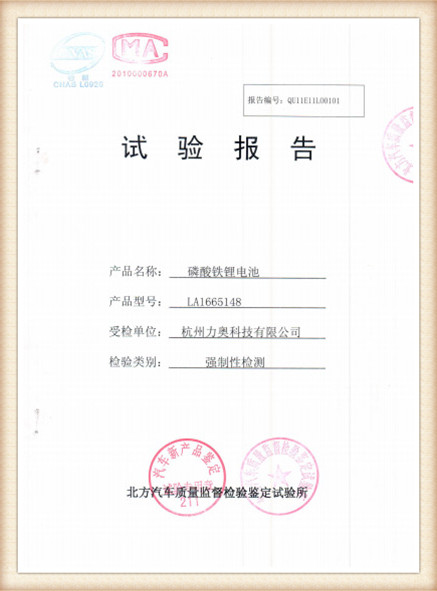
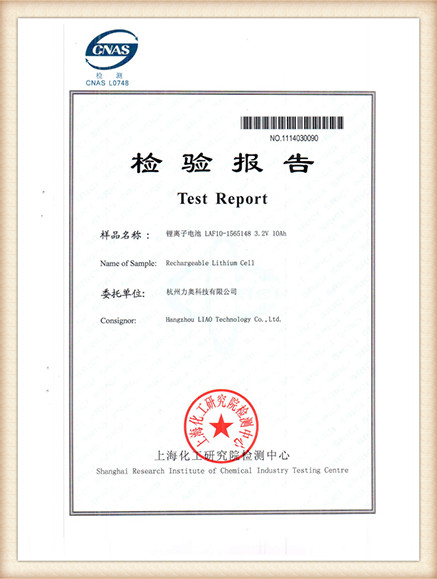
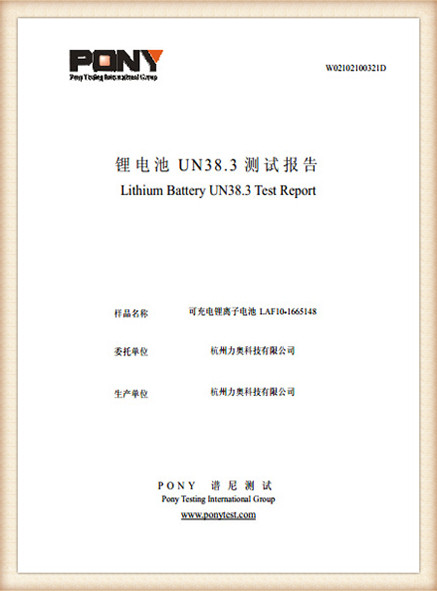
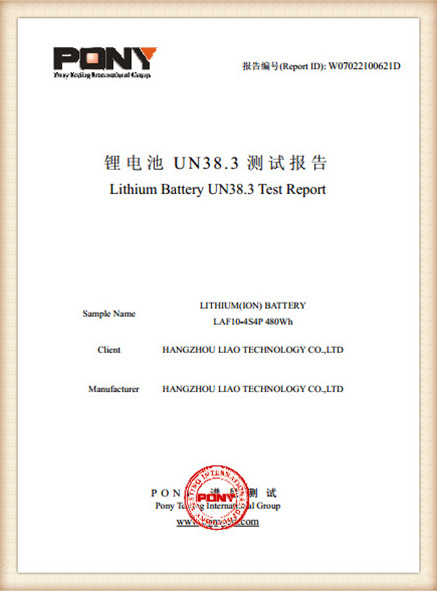
Wholesale sourcing of lithium battery packs requires deep supply chain auditing. Enterprise buyers must verify structural compliance with international transport and environmental directives. Standard regulations include UN38.3 (Safe Transport testing), IEC 62133 (Global battery safety standards), UL 1973/UL 2054, CE marking, and comprehensive MSDS documentation. Partnering with ISO-certified manufacturers like Hangzhou LIAO Technology Co., Ltd. ensures consistent engineering quality and frictionless import clearance into regions like North America and the EU.
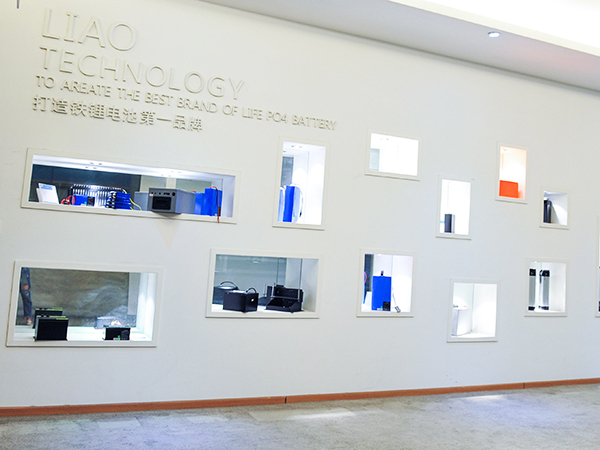
Founded in 2009, Hangzhou LIAO Technology Co., Ltd. is a premier professional developer of safe LiFePO4 energy solutions.
Hangzhou LIAO Technology Co., Ltd. specializes in R&D and manufacturing of custom lithium iron phosphate battery packs. Our products have been successfully exported to over 20 countries globally, including key markets in Europe (Germany, France, Netherlands, Spain, UK), the Americas (USA, Canada, Mexico, Brazil), Asia-Pacific (Australia, Philippines, Thailand, Singapore, Korea, Japan, India), and Africa (South Africa, Nigeria).
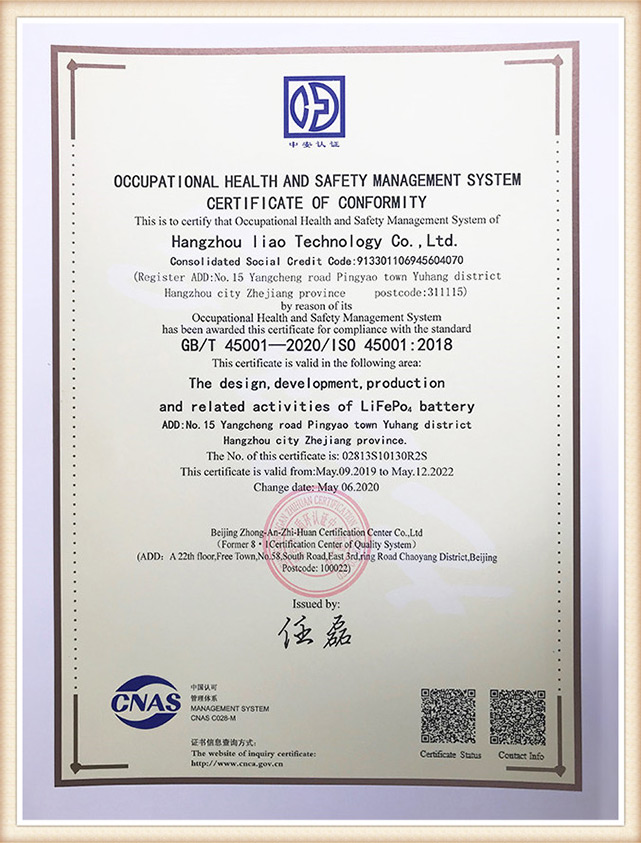
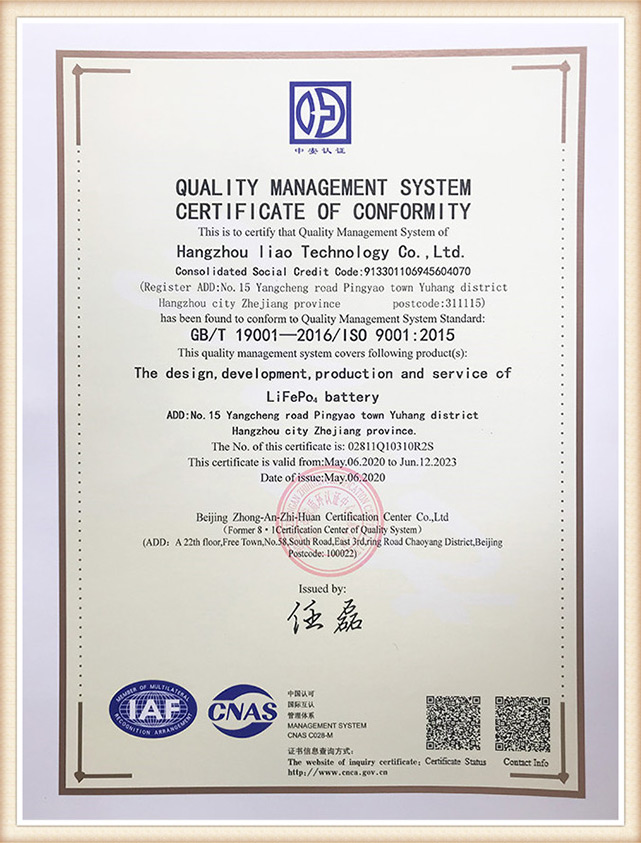
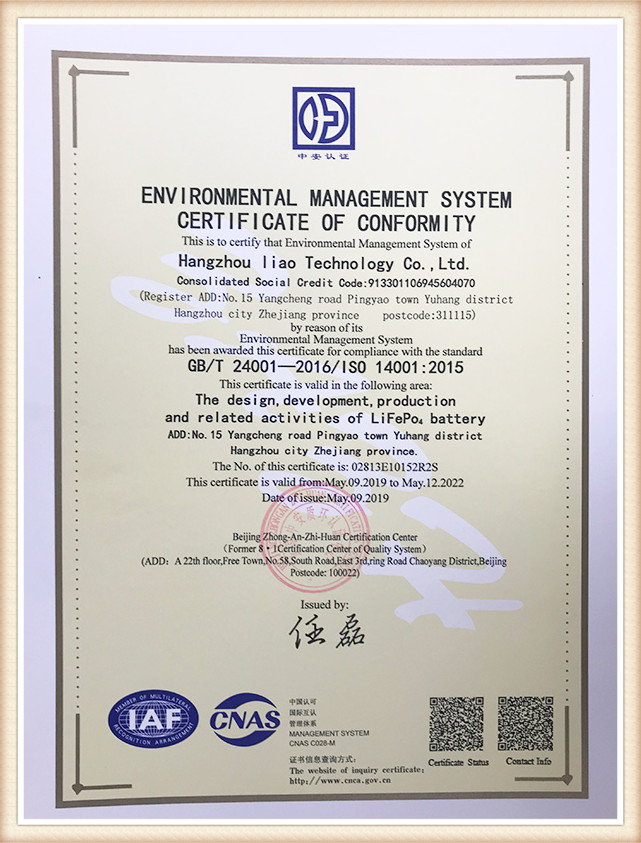
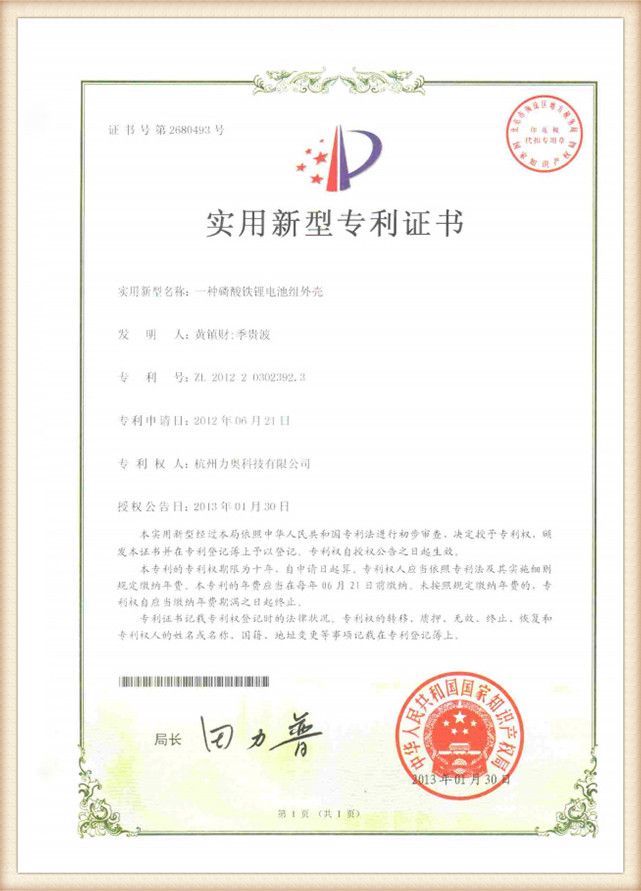
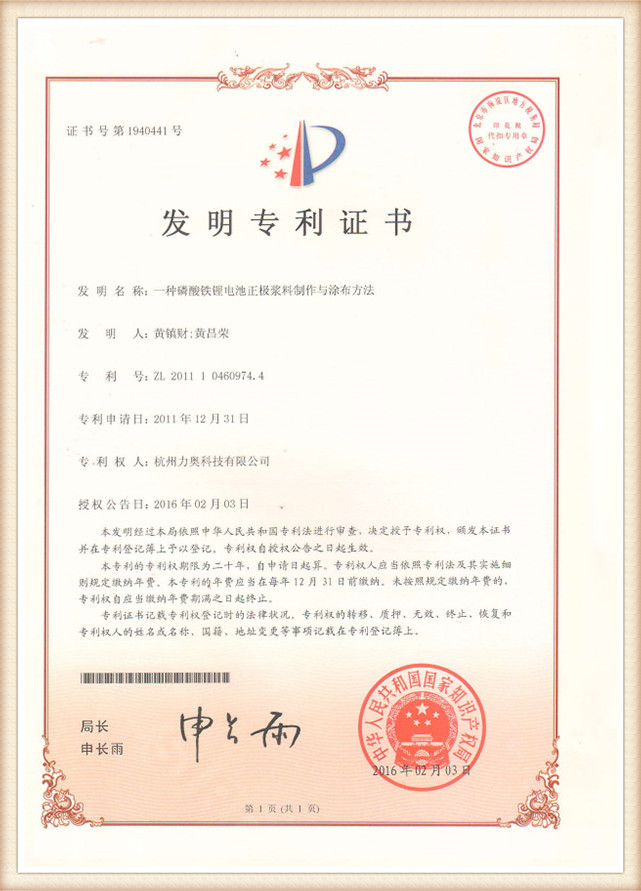
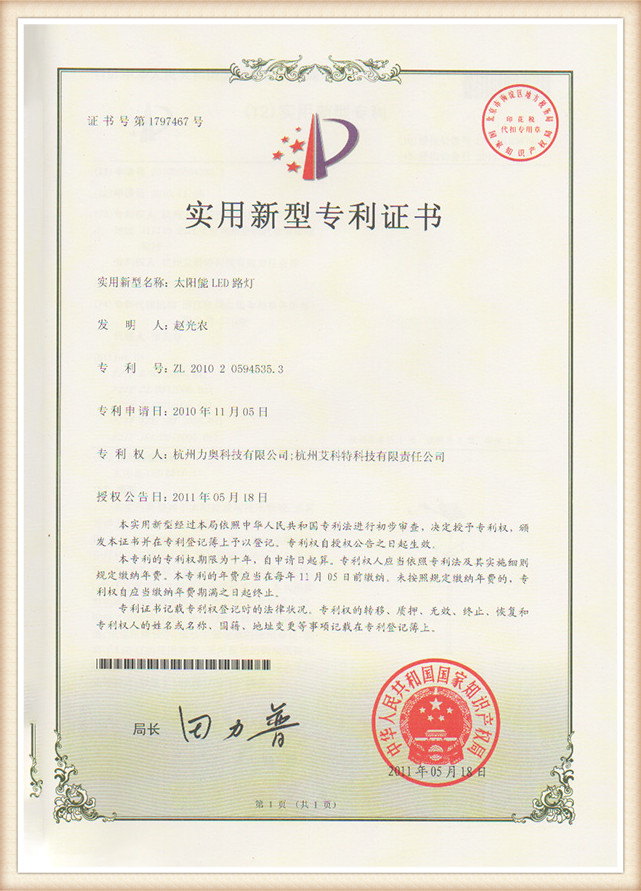
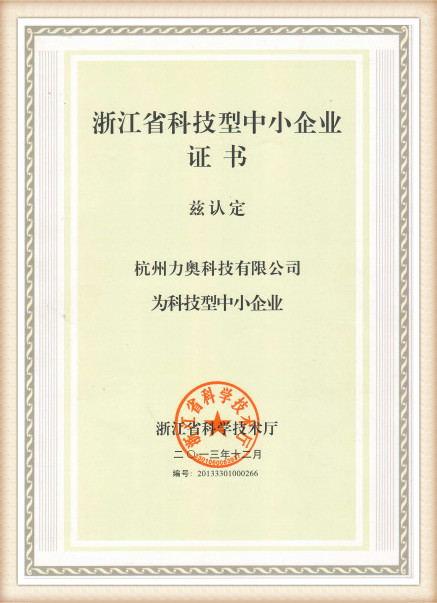
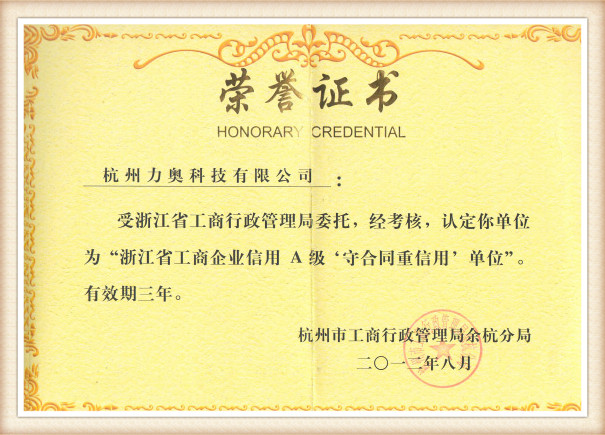
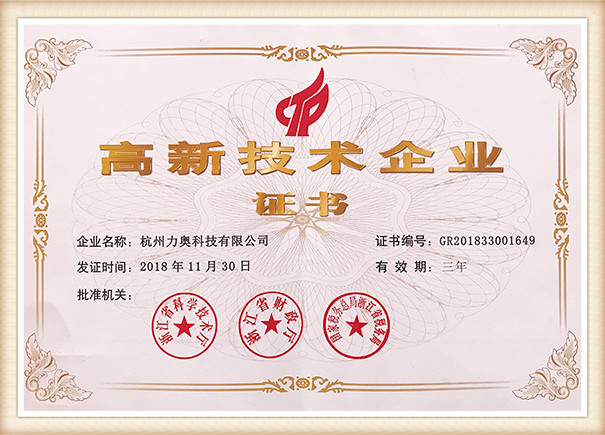
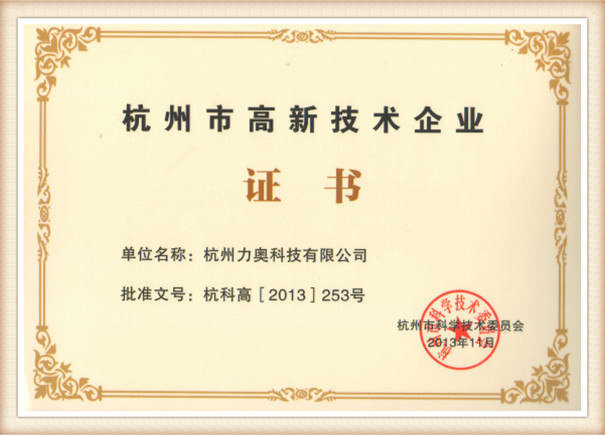
Our operational framework complies strictly with the highest international manufacturing directives. All production is managed under the rigorous ISO 9001 quality standard. Simultaneously, our production facilities enforce environmental compliance under ISO 14001 and safeguard labor health standards via ISO 18001 certification.
Tailoring structural enclosures, BMS architectures, and cell selections to optimize performance across targeted applications.
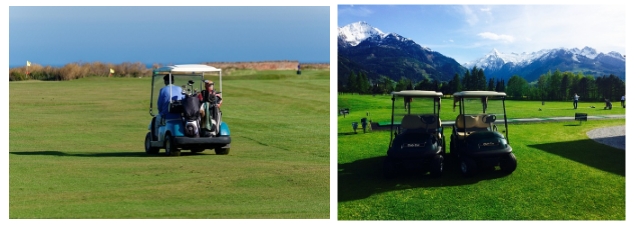
Our next-generation LiFePO4 golf cart systems provide continuous voltage discharge, ensuring smooth operation across varying terrains and slopes with zero deceleration.
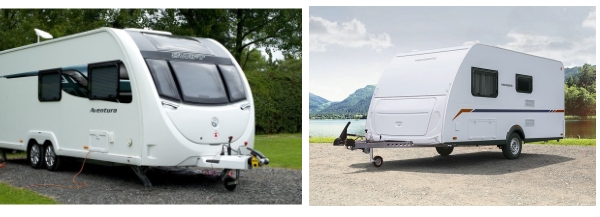
Our lightweight batteries assist caravan movers silently without exhaust emissions. Long shelf-life and minimal self-discharge ensure readiness after long periods of storage.
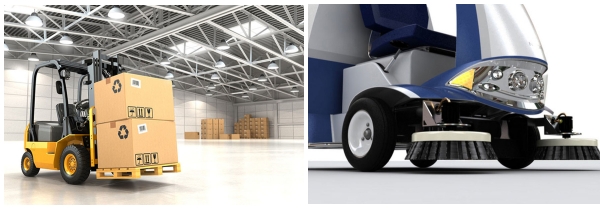
Designed for high-frequency operations, our AGV/AMR battery solutions allow rapid opportunity charging (up to 1C rates) to maximize warehouse operations and reduce labor costs.
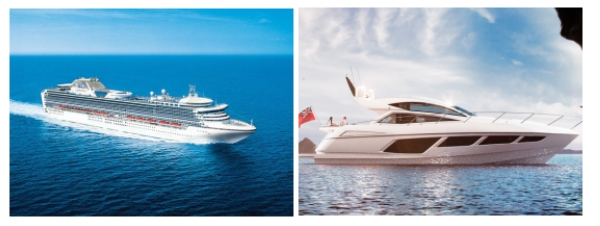
Marine-grade battery packs featuring corrosion-resistant components and IP67/IP68 enclosures to deliver reliable, silent, and emission-free aquatic propulsion.
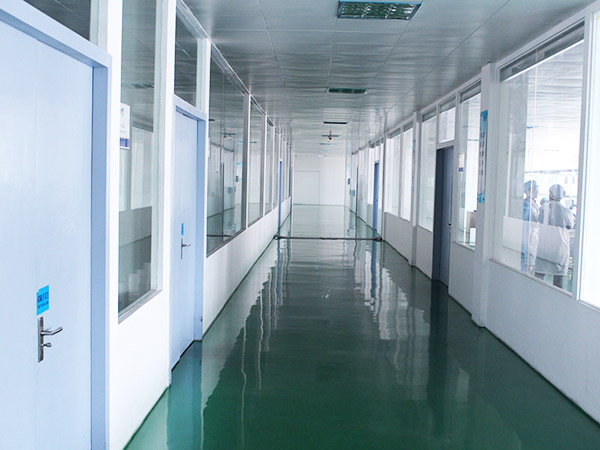
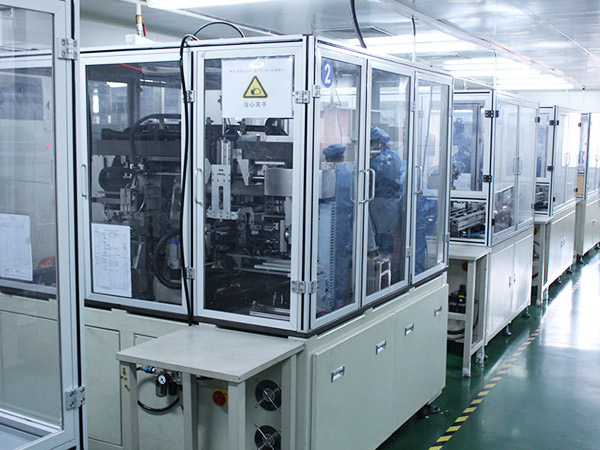
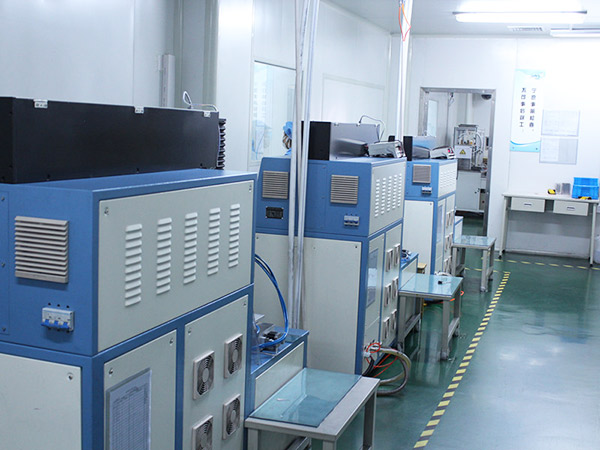
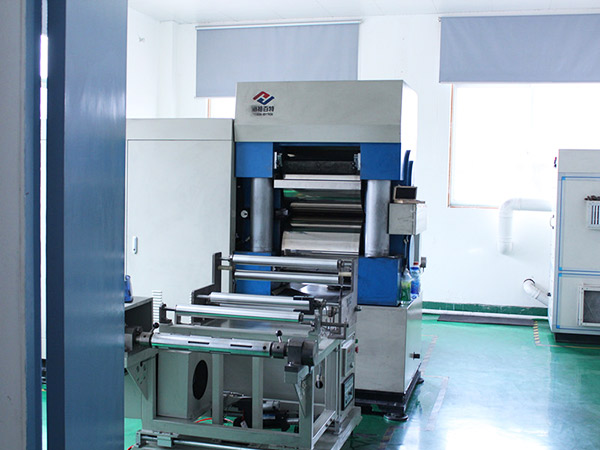
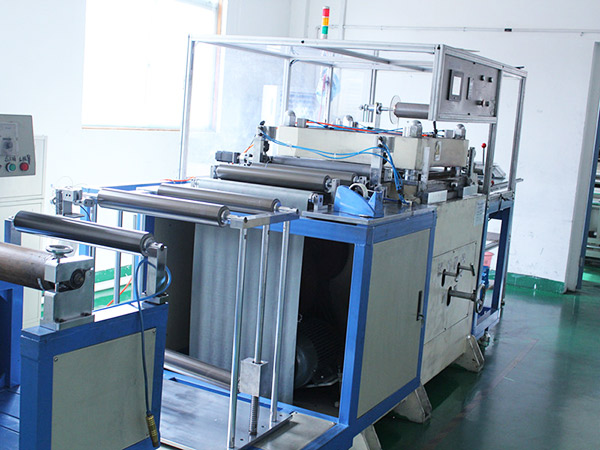
Every single cell and assembled battery pack undergoes standardized industrial production stages under sterile environment conditions.
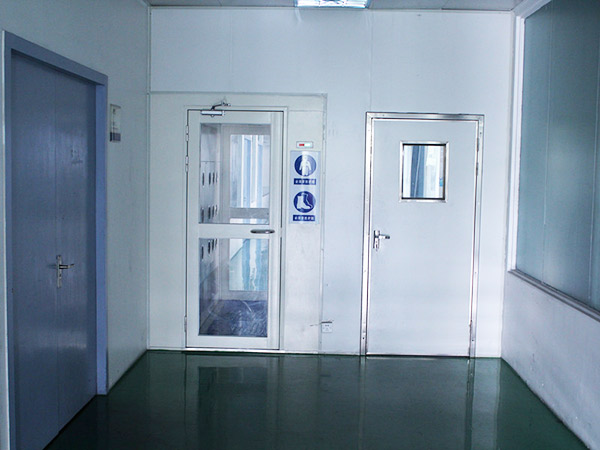
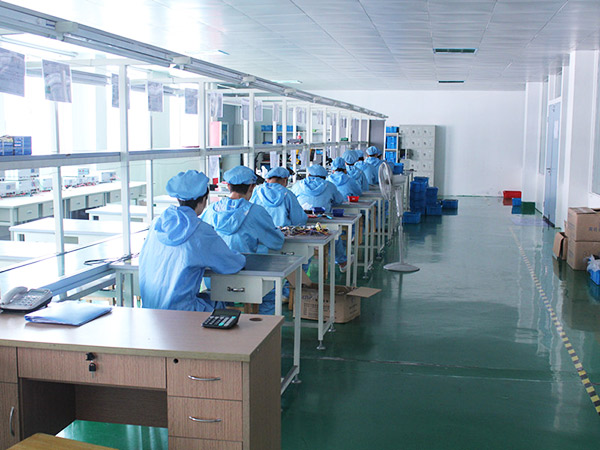
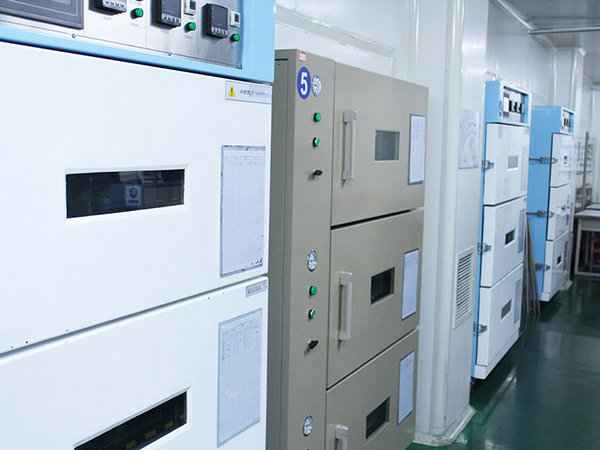
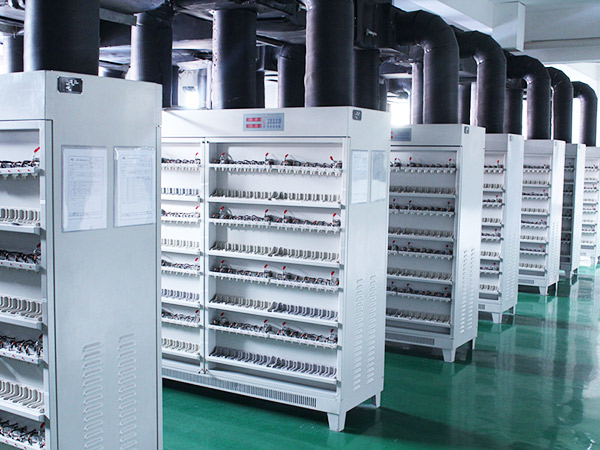
Understanding the engineering benefits of LFP over competing chemistries under critical conditions.
| Parameter | LiFePO4 Battery Pack (48V 20Ah) | Lead-Acid (SLA) equivalent | NMC Lithium (Cobalt-based) |
|---|---|---|---|
| Nominal Lifespan | 2800+ Full Cycles (100% DoD) | 300 - 500 Cycles (50% DoD) | 800 - 1200 Cycles (80% DoD) |
| Thermal Runaway Point | ~270°C (Extremely Safe) | N/A (Releases corrosive gases) | ~150°C (High safety risk) |
| Weight & Dimensions | ~9 kg (Highly compact) | ~30 kg (Bulky & heavy) | ~6.5 kg (Dense, but volatile) |
| Self-Discharge Rate | <2% per month | >5% - 10% per month | <3% per month |
| Operating Temp Range | -40°C to +85°C (Custom configurations) | -10°C to +45°C | -20°C to +60°C |
Our engineering division continuously iterates on the electrode structures and active materials of our cells. Key elements in our technology roadmap include:
Answering technical, logistics, and integration queries from wholesale buyers and product developers.
The lifespan is governed by the quality of the cells and the depth of discharge (DoD). Under standard conditions (1C charge/discharge rate at 25°C with 100% DoD), our single cells maintain 2800+ cycles before capacity drops to 80% of nominal rating. If configured for 80% DoD, the life profile easily extends to over 5000 cycles, translating to 10+ years of operational service under daily cycling profiles.
The Battery Management System monitors cell-level voltages and pack currents. If discharge currents spike beyond a predetermined threshold (e.g., peak start-up currents for caravan movers or golf cart motors), the BMS halts the circuit output via high-speed MOSFET switches. Recovery occurs automatically once the load is removed or after a reset period, shielding cells from mechanical stress and thermal degradation.
Standard chemistry performs efficiently from -20°C up to +60°C. For industrial environments, specialized LIAO formulations allow discharging down to -40°C and thermal tolerances up to +85°C. For sub-zero charging conditions, we design custom packs with internal heating elements, as charging lithium chemistry below freezing without thermal management can cause lithium plating and permanent capacity loss.
Yes. All battery designs successfully pass the UN38.3 transport protocol requirements, which cover pressure, thermal, vibration, impact, external short circuit, and overcharge evaluations. We provide comprehensive MSDS and testing summaries to facilitate customs clearances for sea freight, air freight (with cargo-only carriers), and overland road transport.
Yes, but limitations depend on the BMS architecture. When connecting batteries in series or parallel, cells must be balanced relative to voltage and internal resistance. We recommend purchasing packs pre-configured for your target limits. Standard models allow up to 4 packs in parallel. Please consult our R&D engineers for custom serial setups to avoid voltage feedback stresses on standard BMS components.
For standard configurations, sample lead times are typically 7 to 10 working days. Mass production runs depend on raw material queue states, usually falling between 25 and 35 days. Minimum Order Quantities (MOQ) depend on the level of customization required (such as custom plastic tooling, metal enclosures, or communication protocols).
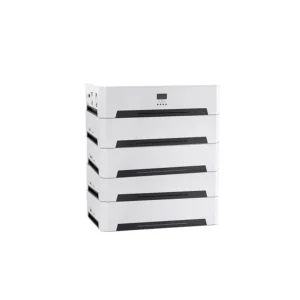
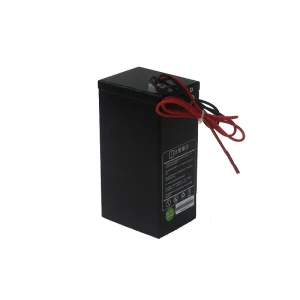
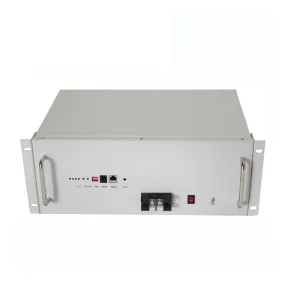
High-capacity energy systems and localized components engineered for industrial grids, AGVs, and home ESS installations.
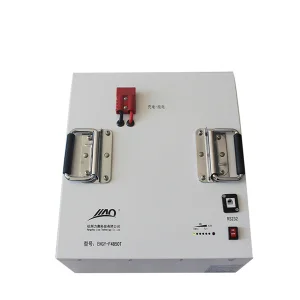
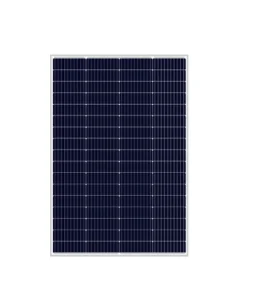
 Liao Battery