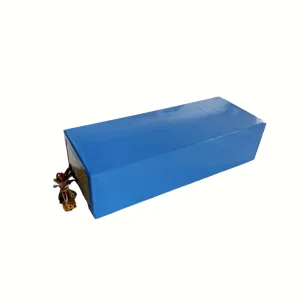
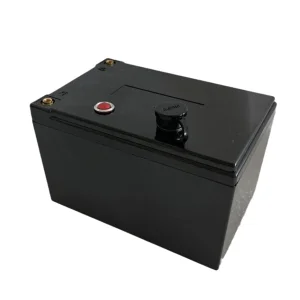
Explore our high-performance, CE-certified rechargeable batteries and solar power units engineered for rigorous commercial applications.
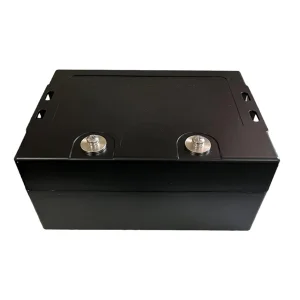
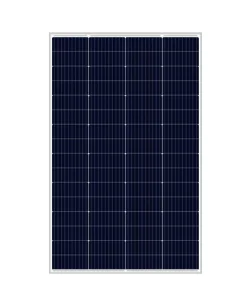
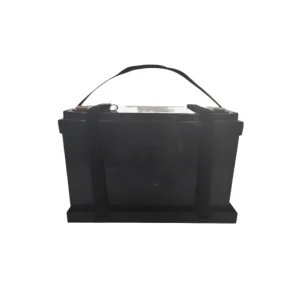
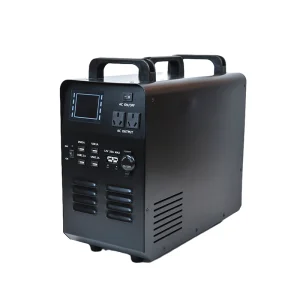
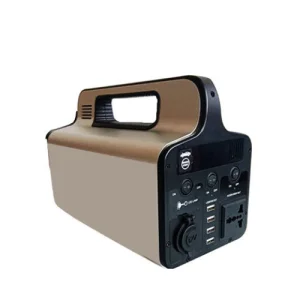
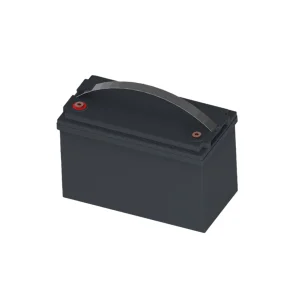
The global paradigm shift towards decarburization has positioned Lithium Iron Phosphate (LiFePO4) chemistry at the core of heavy commercial, industrial, and residential energy storage systems (ESS). As legacy systems transition away from hazardous, low-efficiency lead-acid configurations, the unique properties of LiFePO4—namely thermal stability, non-toxicity, and an unparalleled cycle lifetime—have established it as the premium industrial standard.
By implementing a robust polyanion crystal structure containing strong P-O covalent bonds, LiFePO4 batteries drastically reduce the risk of thermal runaway, making them resilient to extreme mechanical stresses, overcharging, and electrical punctures. For global industrial enterprises requiring scalable power grids, uninterruptible power supplies (UPS), and automated guided vehicle (AGV) systems, migrating to advanced LFP cell layouts is not merely an upgrade; it is a critical strategy to enhance operational safety while cutting long-term operational expenditures (OPEX).
Strategic Information Increment: Thermal Stability Thresholds
Unlike Nickel Manganese Cobalt (NMC) cells, which undergo exothermic decomposition at around 200°C, LiFePO4 cells maintain high integrity up to 270°C-300°C. This chemical tolerance significantly minimizes safety overhead for high-capacity projects in harsh geographic zones.As purchasing directors from Europe, North America, and Australia optimize their battery procurement channels, Chinese factories remain the primary node for sourcing high-reliability cells. The absolute manufacturing advantage of specialized companies like Hangzhou LIAO Technology Co., Ltd. (founded in 2009) is built upon several pillars:
Direct partnerships with high-grade upstream chemical providers guarantee consistency in raw cathode material purity, mitigating batch-to-batch chemical variance.
Advanced rolling, high-accuracy die cutting, automated laser welding, and automated capacity sorting lines guarantee uniform cell resistance and capacity distribution.
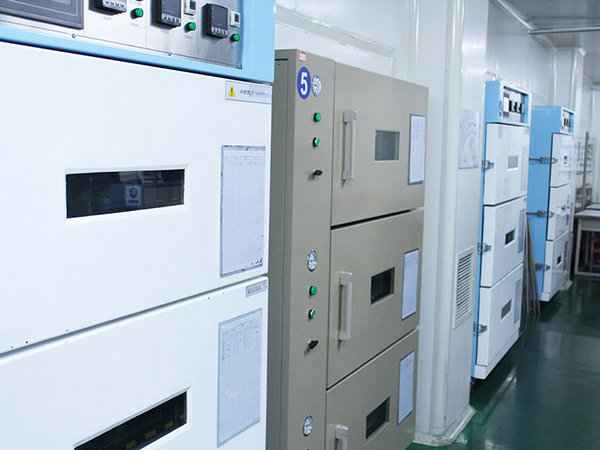
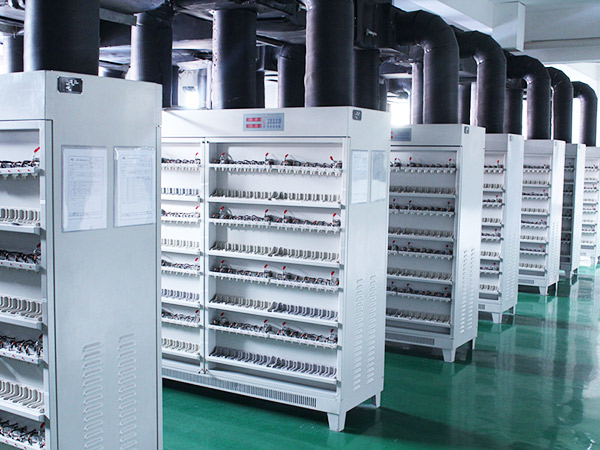
Every cell undergoes rigorous aging tests under controlled temperature conditions and ISO 9001:2015 frameworks to eliminate infant mortality and structural vulnerabilities.
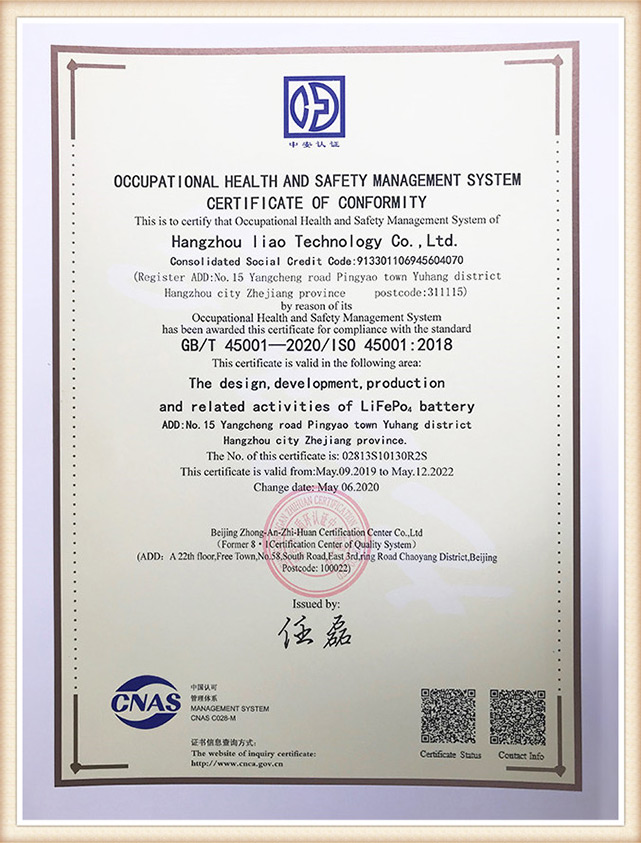
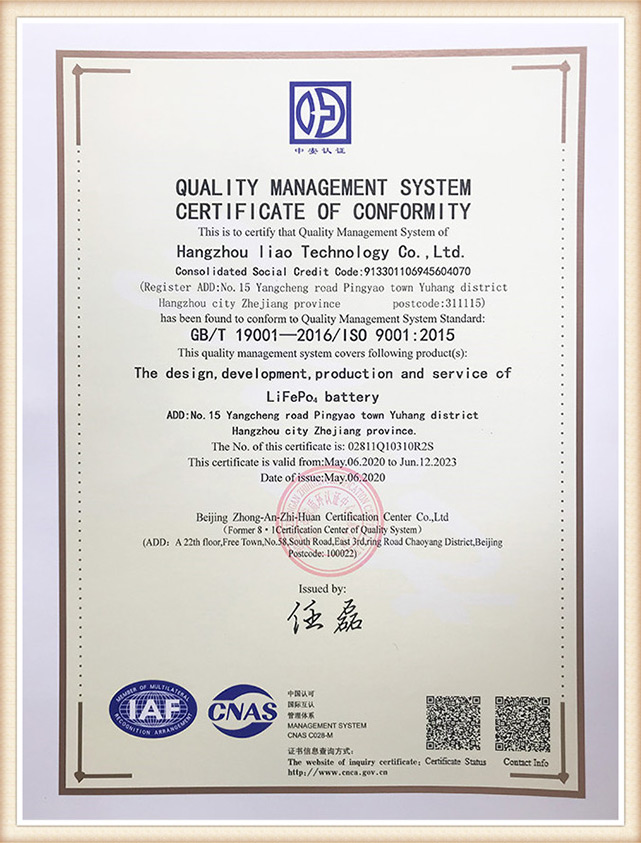
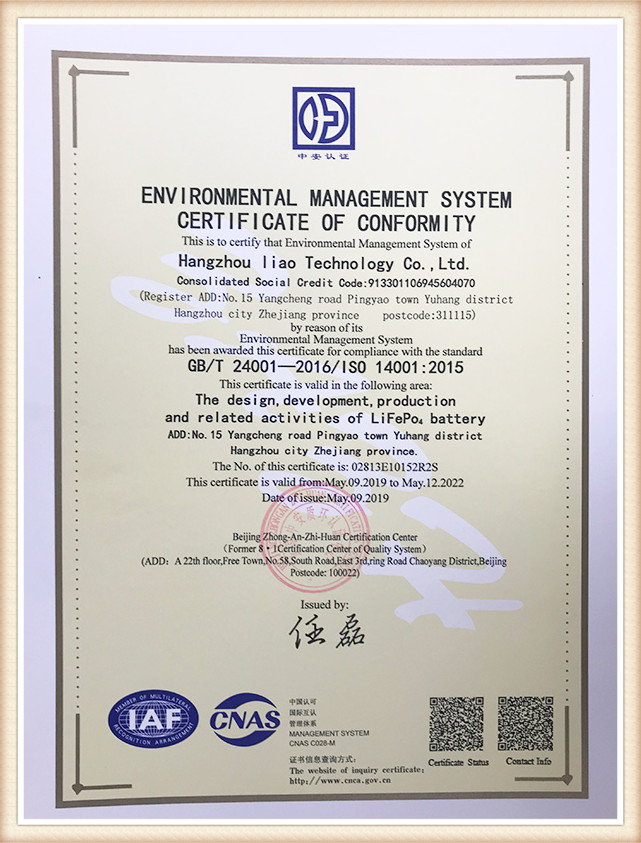
Furthermore, our facility maintains active certifications across ISO 9001 (Quality Management), ISO 14001 (Environmental Standards), and ISO 45001/18001 (Occupational Health & Safety). This ensures that global procurement managers receive battery systems that comply with local regulatory environments and clean energy supply chains.
Established in 2009, Hangzhou LIAO Technology is a premier engineering and manufacturing enterprise specializing in high-performance lithium iron phosphate (LiFePO4) systems. Spanning over 15 years of industry leadership, our dedicated technical teams design and assemble customized and standard battery configurations. Our systems are exported to over 20 nations across Europe, the Americas, Asia-Pacific, and Africa.
By establishing a strict, multi-stage quality control structure, we ensure that every cell and integrated pack matches elite expectations. From heavy machinery power packs to high-capacity home storage stations, we balance safety, long-term cycle lifespan, and cost efficiency.
One size does not fit all in the industrial battery market. Different operating environments require specific configurations of the cell, casing, and Battery Management System (BMS). Our engineers optimize parameters for four key application zones:
Traditional lead-acid golf cart packs suffer from voltage sag, causing loss of torque on steep terrain. Our new-generation LiFePO4 golf cart batteries deliver consistent output throughout the discharge cycle. Their lighter design reduces turf compaction, while high energy density increases runtime between charges.
RV auxiliary systems demand silent, emission-free power. Our LAXpower-1230 12V 30Ah LiFePO4 battery pack is designed for caravan movers. Built with an integrated charger and state-of-charge (SOC) display, it replaces heavy lead-acid batteries with a lightweight, long-lasting power source.
For material handling equipment and automated guided vehicles (AGVs) in logistics warehouses, charge speed and lifecycle are critical. LIAO LiFePO4 solutions support 1C fast-charging, enabling opportunity charging during short breaks. This maximizes fleet uptime and lowers labor costs.
Marine environments present challenges such as humidity, vibration, and salt-mist exposure. Our marine battery packs are built with sealed IP67-rated enclosures and advanced corrosion-resistant terminals. They supply clean power, eliminating oil leaks and reducing acoustic noise in marine ecosystems.
Every batch of Hangzhou LIAO products is engineered to meet strict technical specifications:
From individual cells to fully integrated systems, our options fit your requirements.
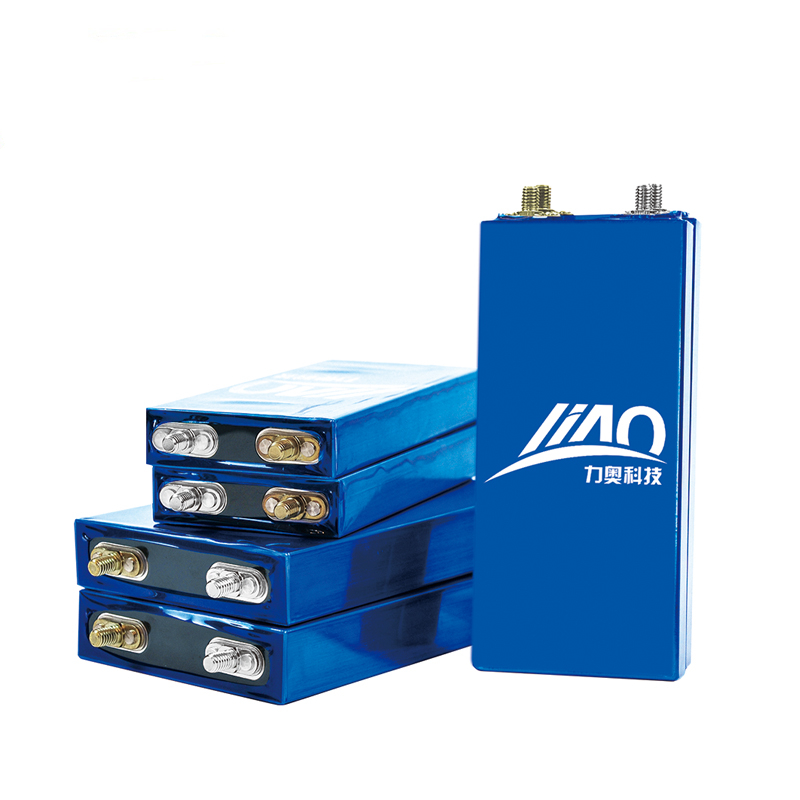
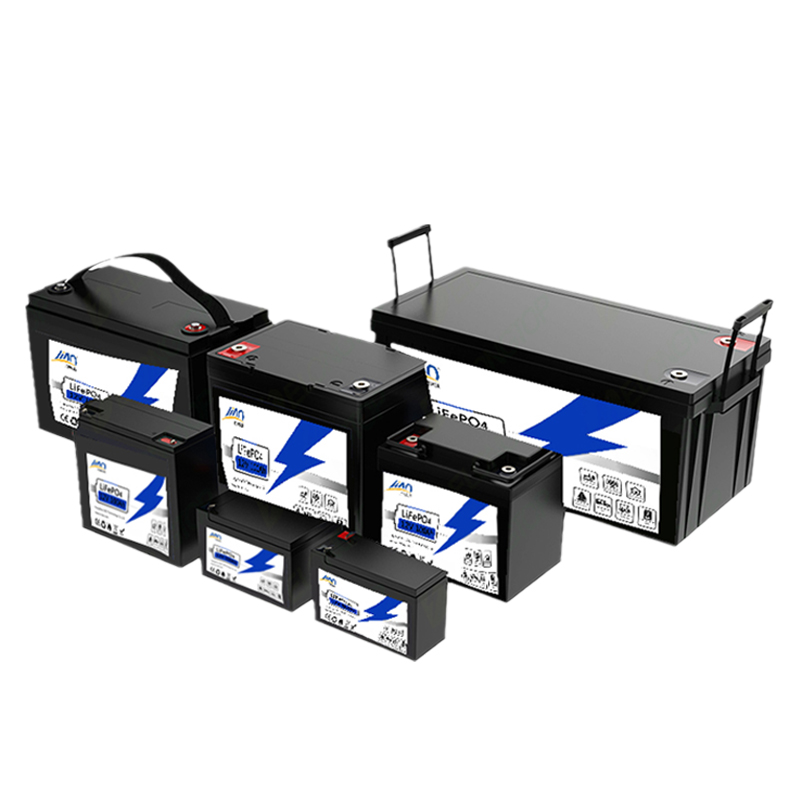
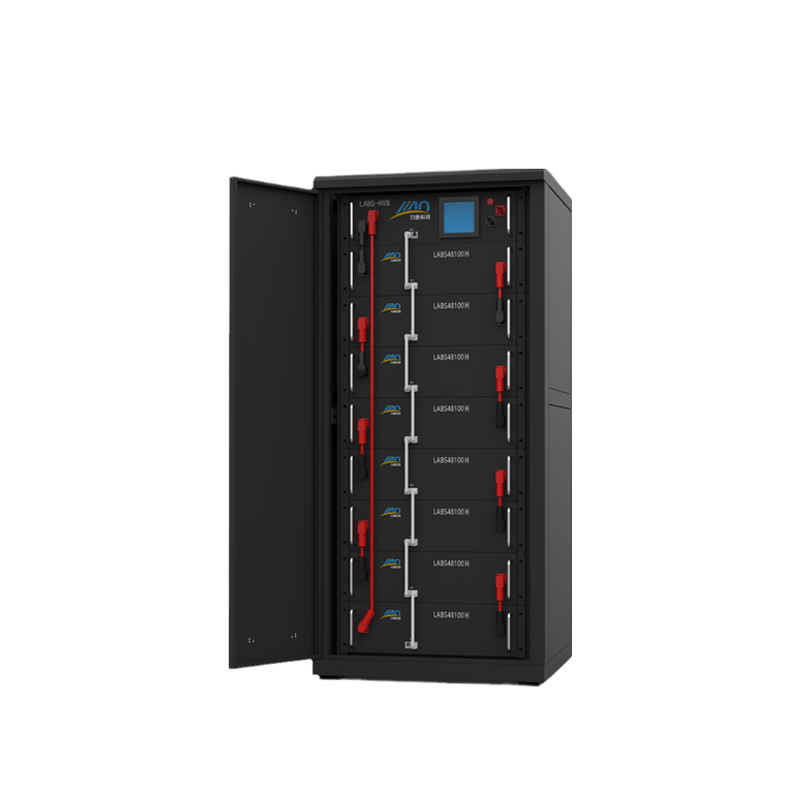
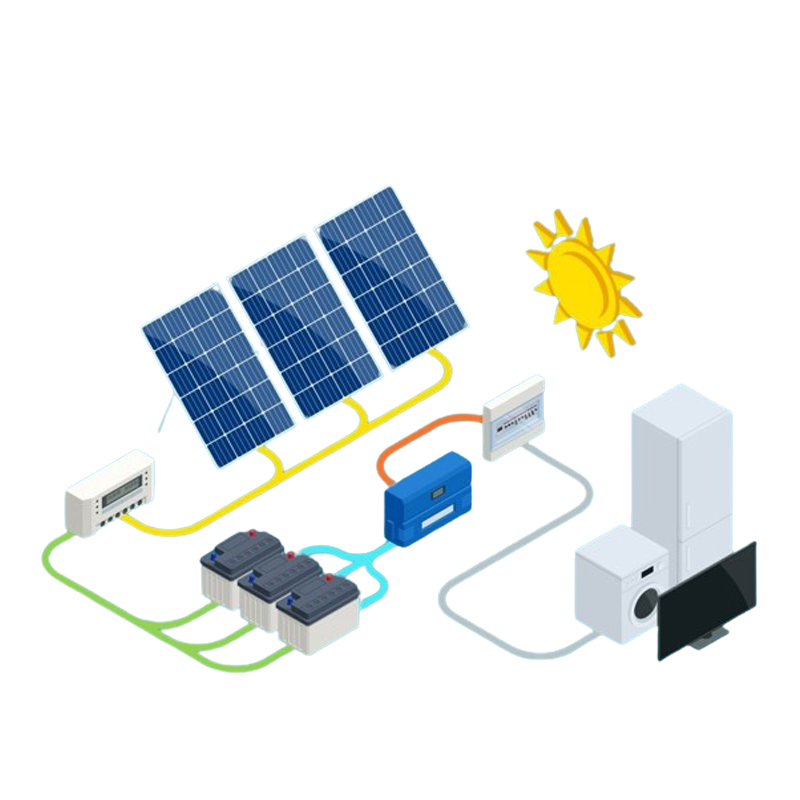
We provide custom designs for various industries, supported by our experienced engineering team. Our process balances safety, capacity, shape, and communication interfaces (including CANbus, RS485, and Modbus). This structured approach helps ensure our solutions integrate smoothly into your equipment.

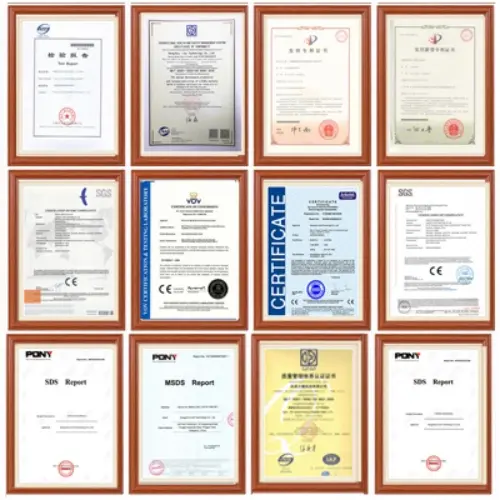
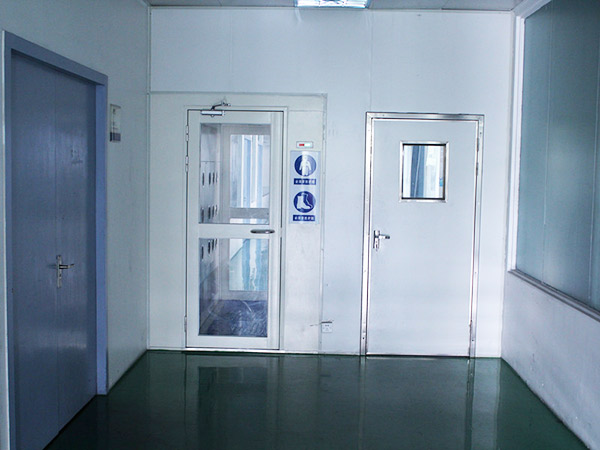
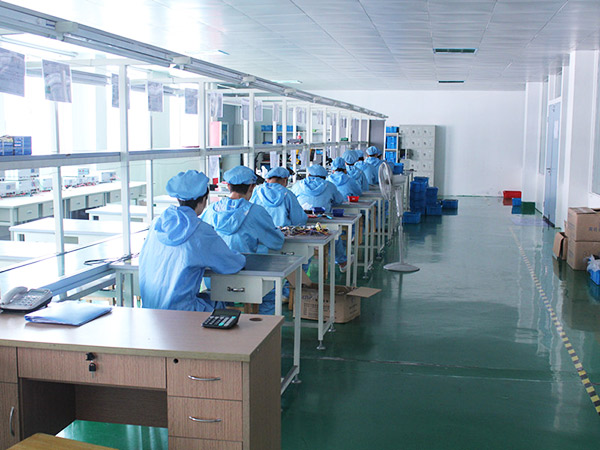
Inside the facility where LIAO engineers manage manufacturing precision and quality control.
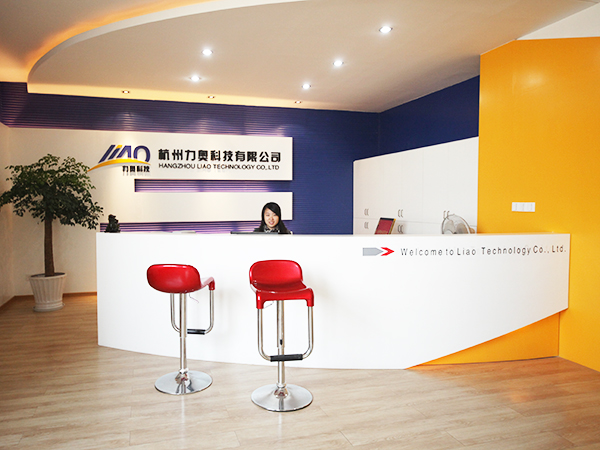
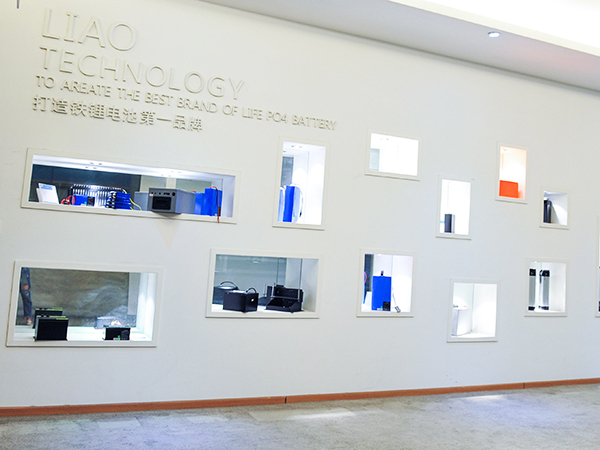
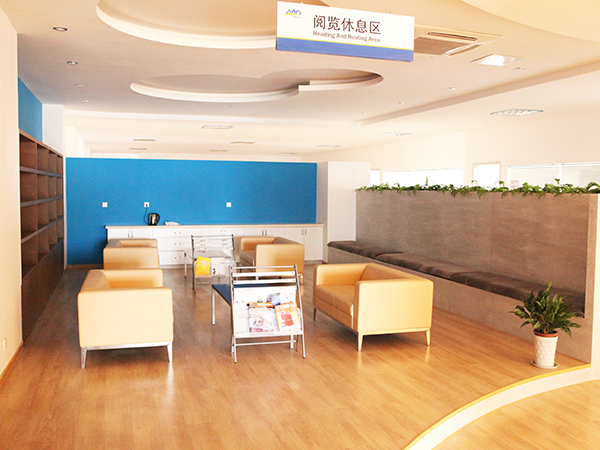
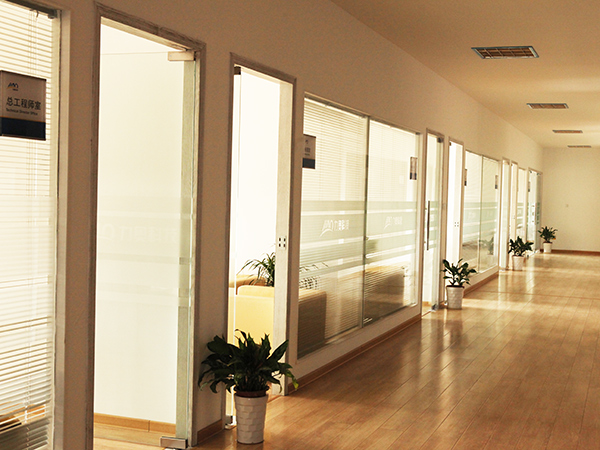
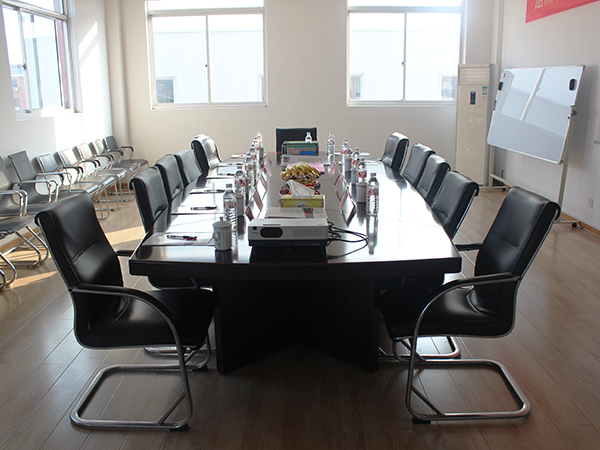
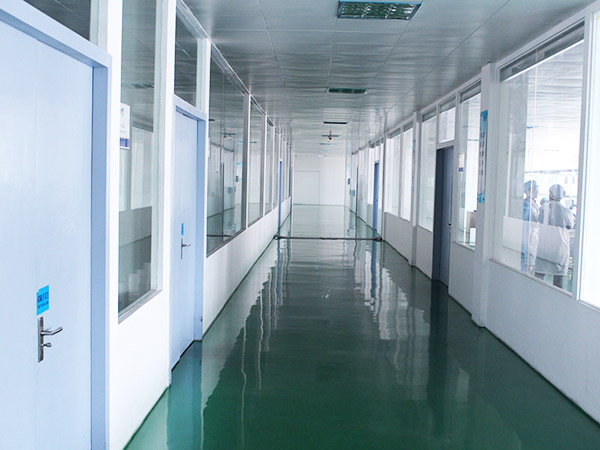
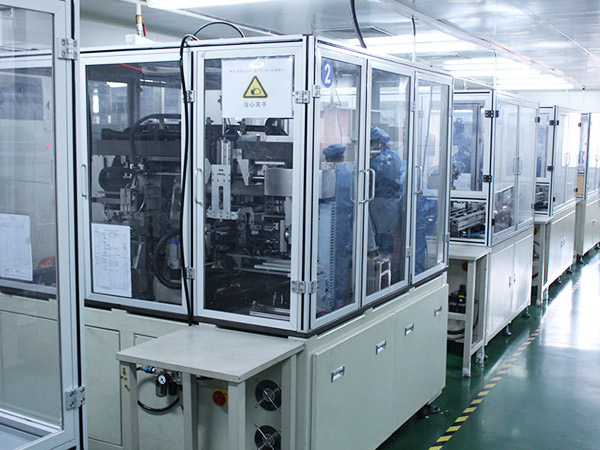
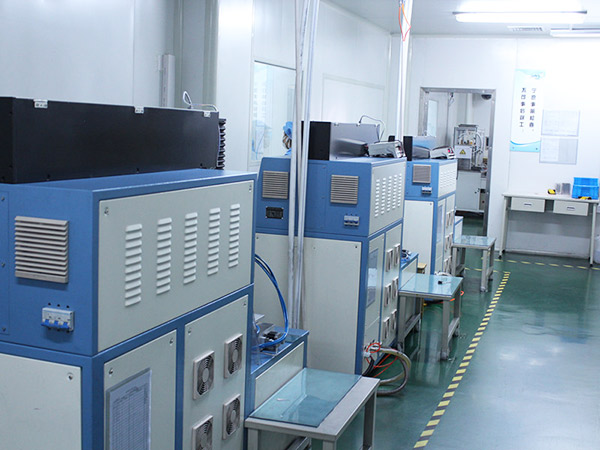
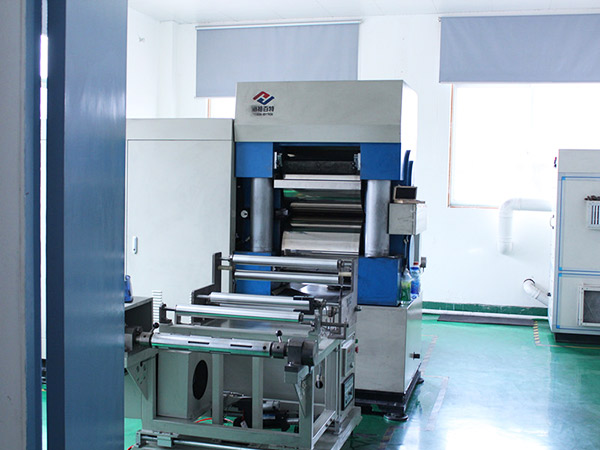
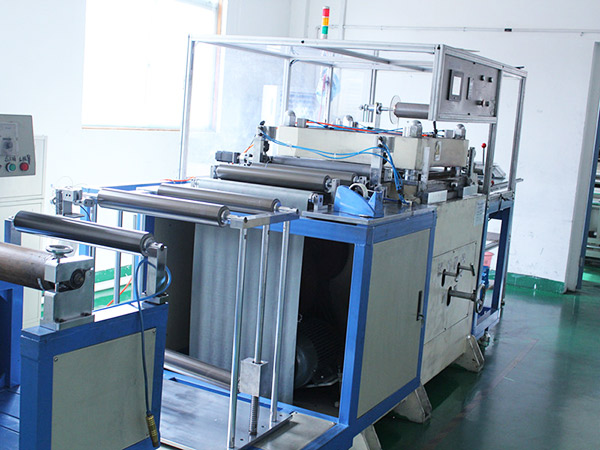
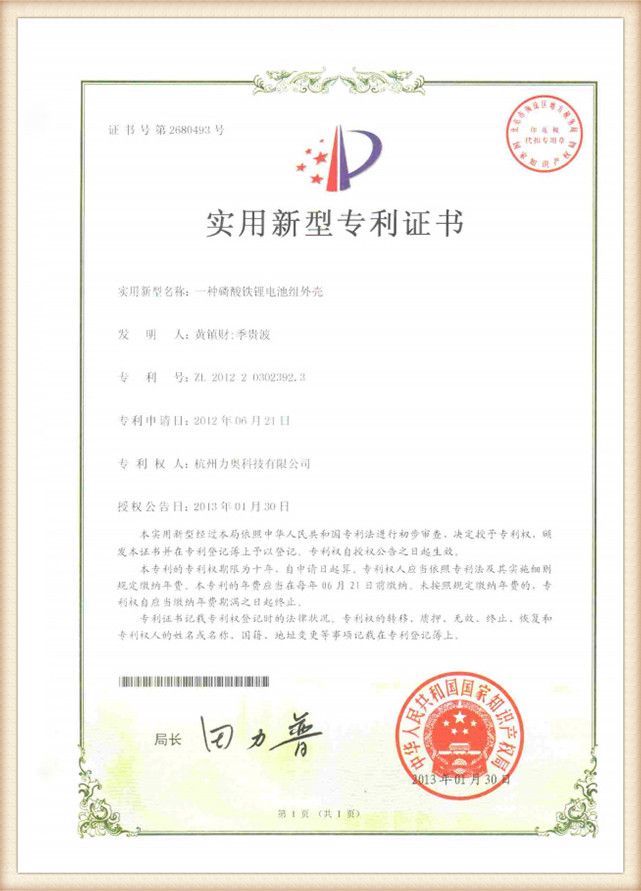
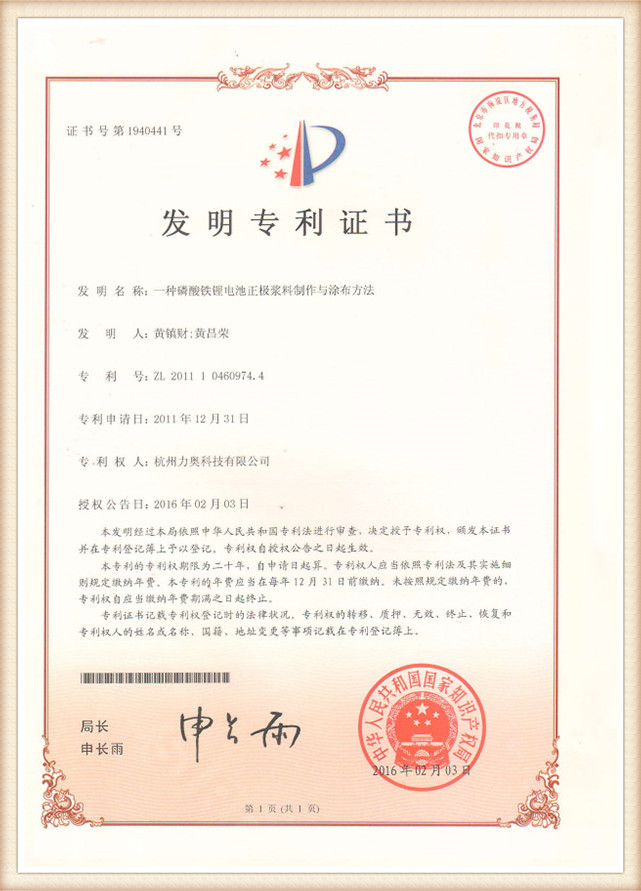
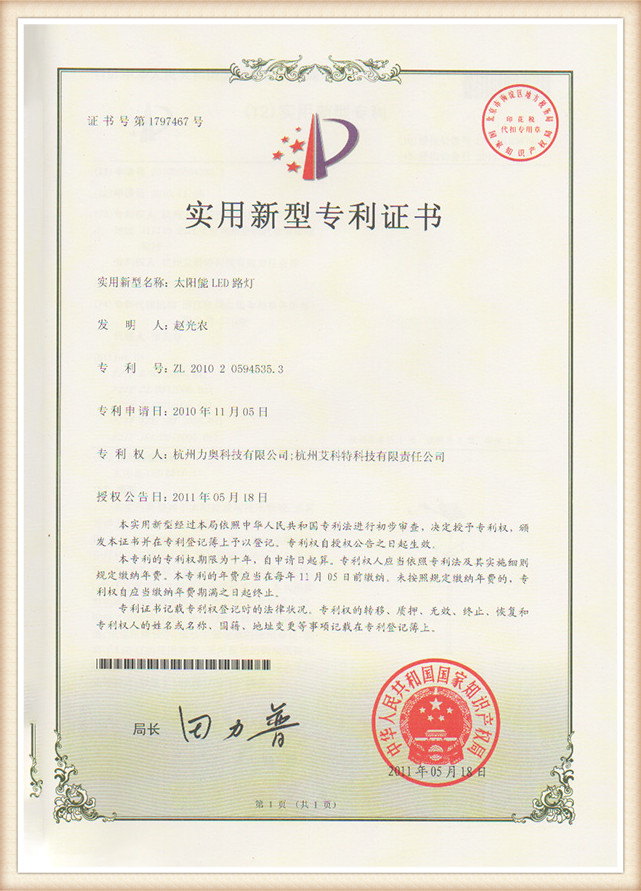
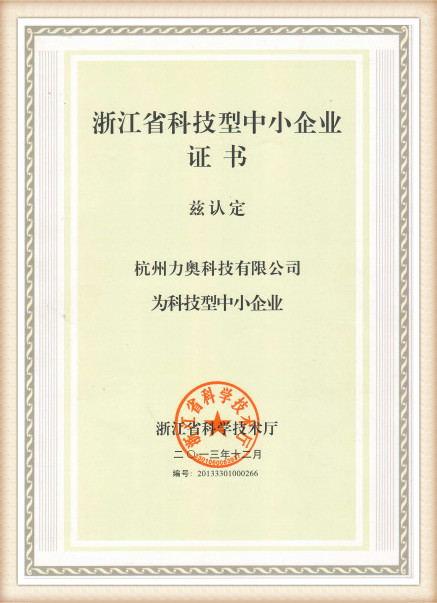
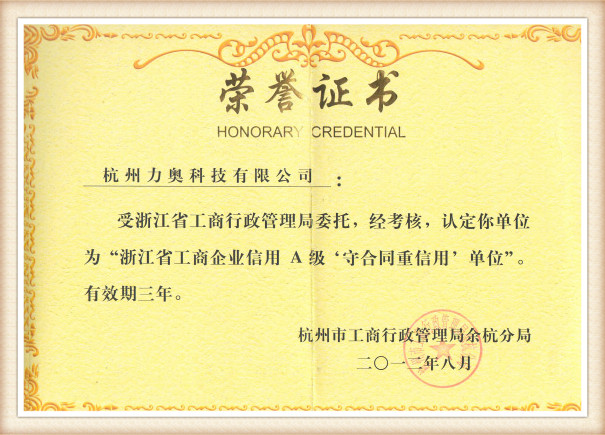
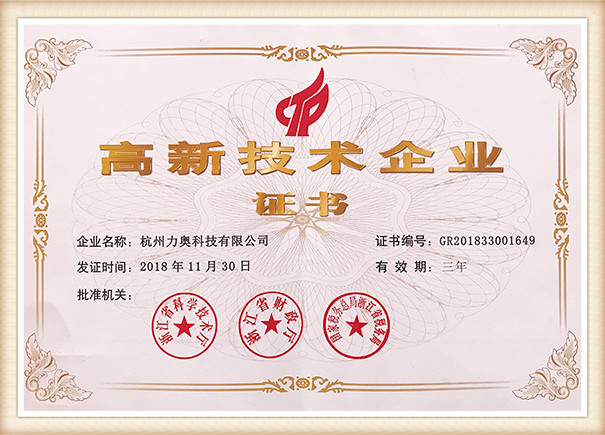
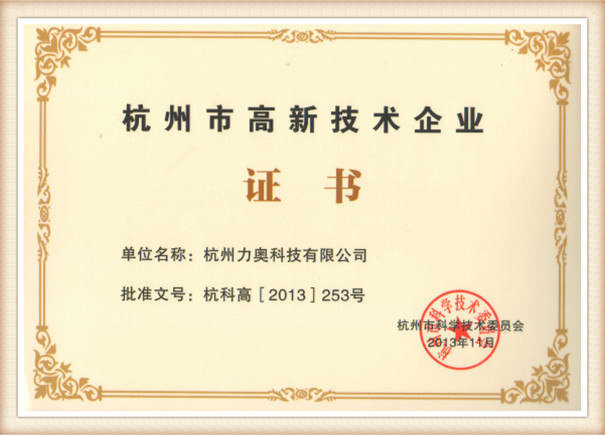
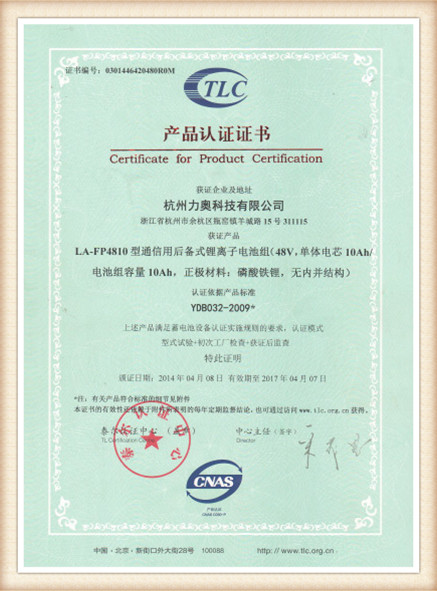
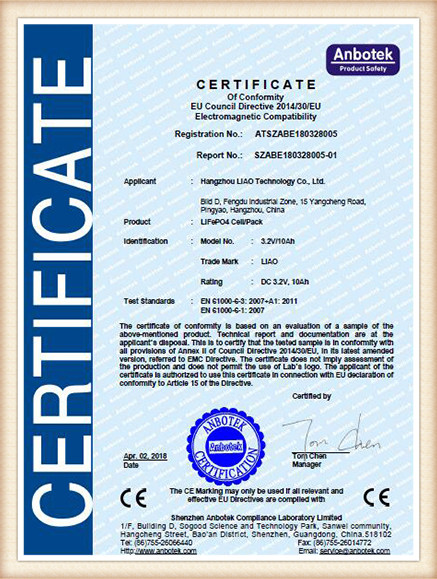
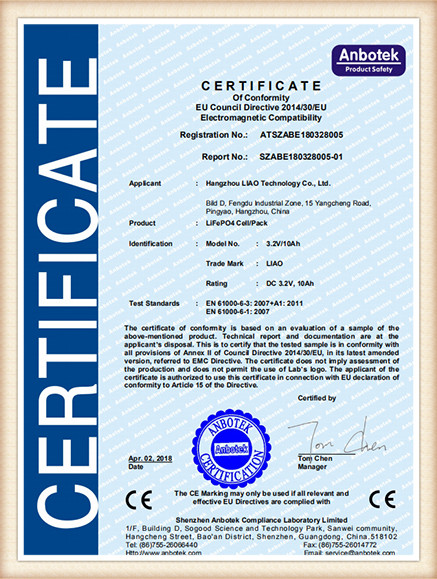
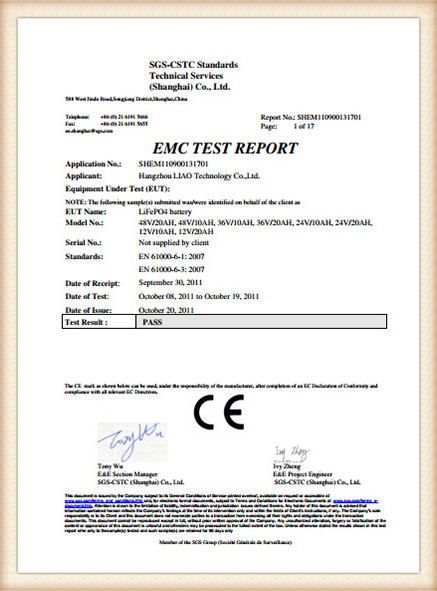
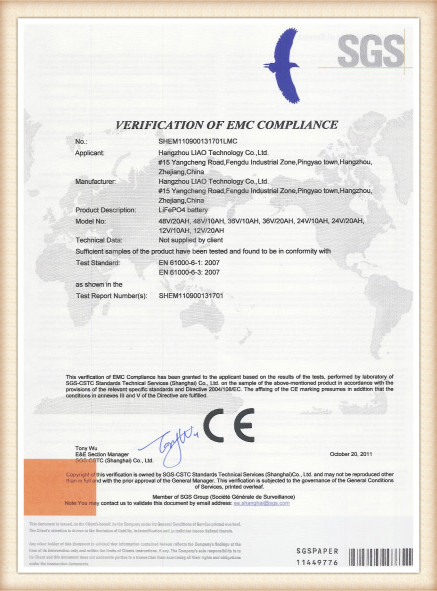
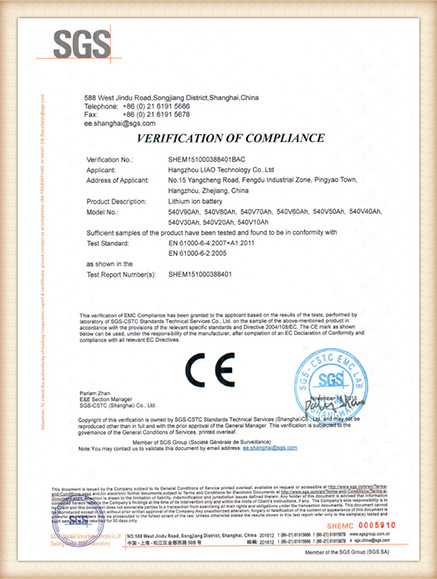
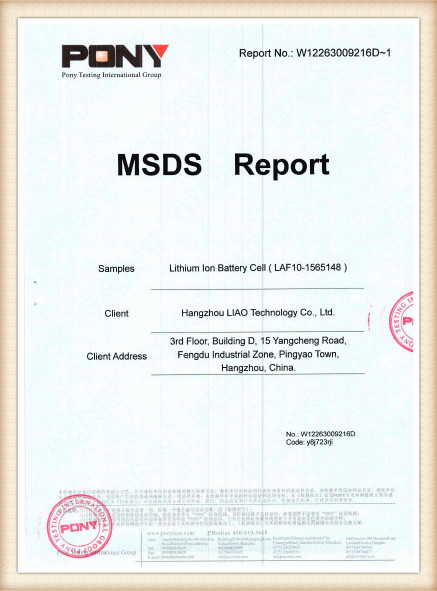
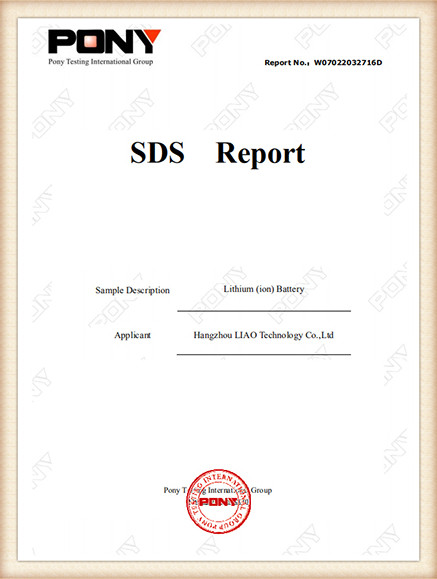
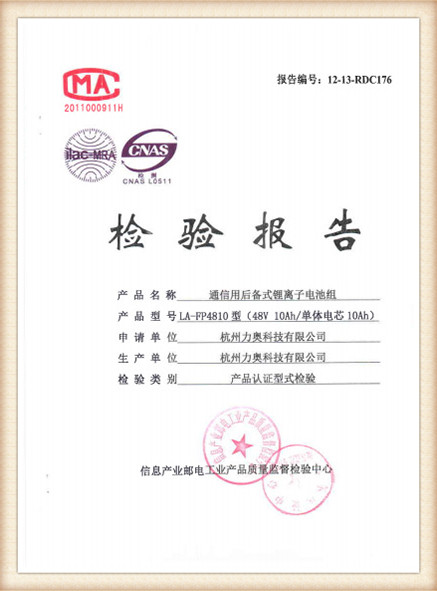
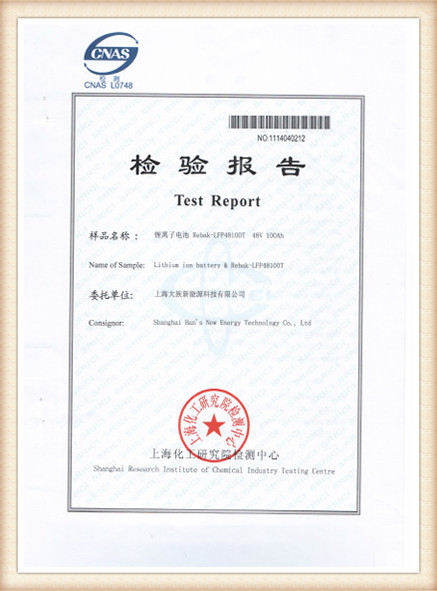
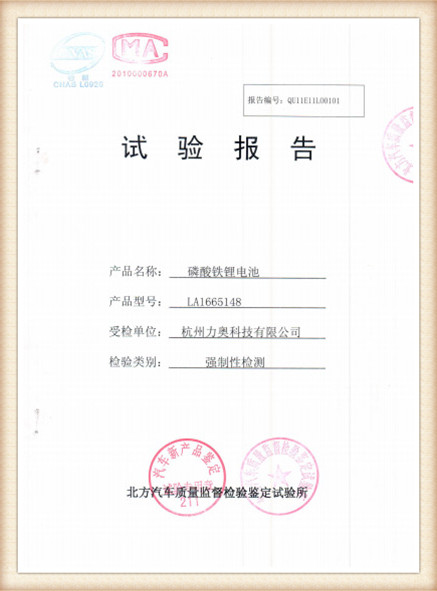
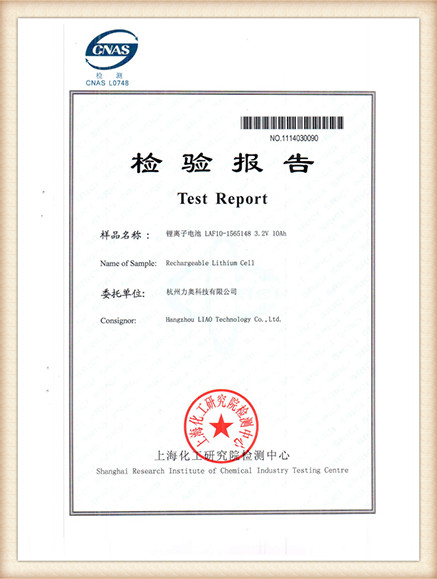
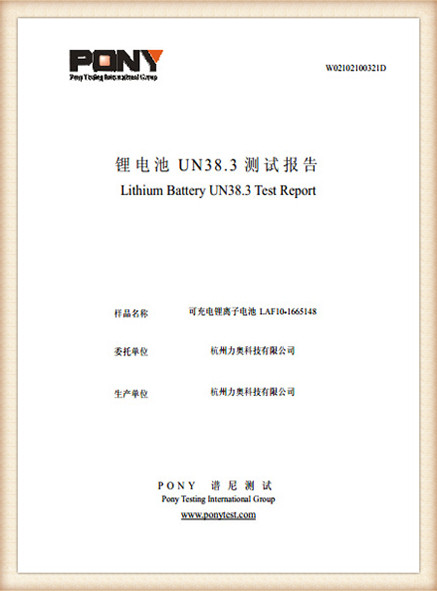
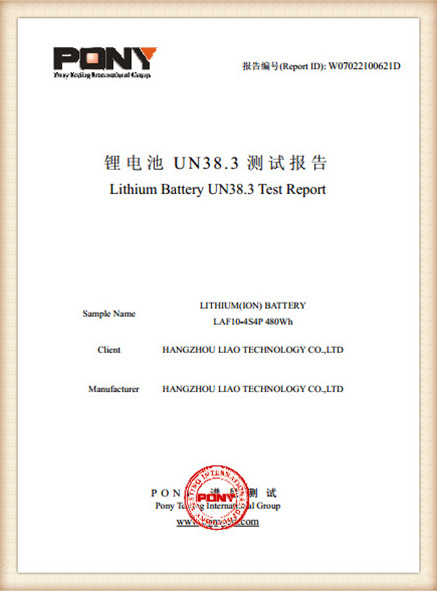
LIAO products meet major international safety, quality, and environmental regulations.






Clear, direct answers for battery procurement managers and design engineers.
Lithium Iron Phosphate (LiFePO4) offers specific advantages for industrial projects. Unlike Nickel Manganese Cobalt (NMC) cells, LFP does not contain cobalt, lowering raw material risks. Its olivine crystal structure provides thermal stability, making it resilient to thermal runaway under high temperatures or physical stress. LFP cells also support over 2,800 to 5,000 discharge/charge cycles at 80% Depth of Discharge (DOD), which is higher than typical NMC alternatives.
To prevent cell imbalance and maximize pack lifetime, our assembly facility uses a multi-tier sorting protocol. Freshly manufactured cells undergo capacity sorting under constant-temperature conditions. We match cells within narrow tolerances: Capacity variation ≤ 50mAh, Internal DC Resistance ≤ 0.5mΩ, and open-circuit voltage deviation ≤ 2mV. This process minimizes uneven degradation across the pack.
Our custom Battery Management Systems (BMS) monitor safety parameters in real time. The BMS provides protection against over-voltage, under-voltage, over-current during charge/discharge, short-circuits, and cell over-temperature. It supports communication protocols (such as RS485, CANbus, and Modbus) to transmit system telemetry—like State of Charge (SOC), State of Health (SOH), and voltage details—directly to the host machine control board.
Yes, our formulations are optimized to operate across a broad temperature spectrum, from -40°C up to 85°C. For sub-zero installations, we can integrate internal BMS-controlled heating elements. These warm the cells to safe levels using charging current, preventing lithium plating on the anodes.
All Lithium battery packs are classified as Class 9 Dangerous Goods for international transport. We supply complete shipping documentation packages, including UN38.3 test summaries, Material Safety Data Sheets (MSDS), and drop-test packaging reports. Our manufacturing processes conform to CE, IEC, and ISO 9001 frameworks, helping to ensure smooth customs clearance at global ports.
Explore our deep-cycle battery packs and power stations designed to replace lead-acid systems.
 Liao Battery