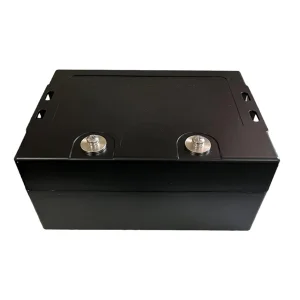
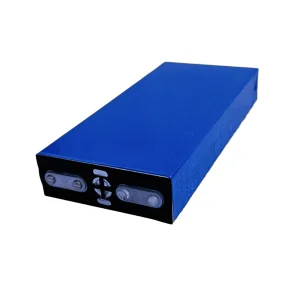
Advanced high-efficiency modules certified for rugged application in off-grid environments across Lesotho.
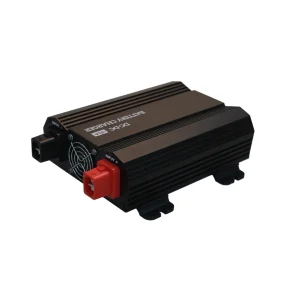
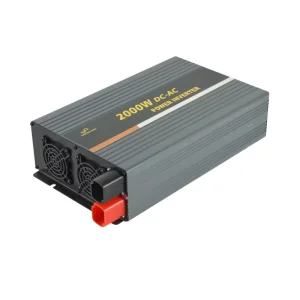
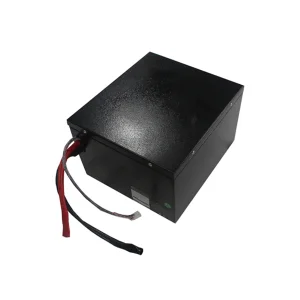
As the demand for energy reliability intensifies across Southern Africa, Lesotho stands out as a unique operational landscape. Known as the "Kingdom in the Sky," Lesotho boasts the highest low point of any nation, with elevations ranging from 1,400 meters to over 3,480 meters. In the realm of power electronics, particularly DC-DC conversion and lithium-iron phosphate (LiFePO4) energy storage, altitude plays a vital role. Lower atmospheric pressure and reduced air density at high elevations compromise thermal dissipation and electrical insulation, meaning standard off-the-shelf components face high failure rates.
For industrial operators, telecom providers, and off-grid project managers operating within Lesotho—such as those near the Lesotho Highlands Water Project or high-altitude diamond mines like Letšeng—sourcing DC-DC converters and battery management systems (BMS) with rigorous engineering specifications is a non-negotiable requirement. High-altitude environments demand robust insulation spacing (clearance and creepage distances according to IEC standards) to prevent dielectric breakdown, alongside optimized passive and active cooling structures.
Currently, Lesotho’s industrial fabric consists of diamond mining, textile manufacturing, telecommunications networks spanning rugged mountain tops, and remote eco-tourism initiatives. These sectors share a critical commonality: reliance on stable DC power. For instance, remote cellular base stations situated in the Drakensberg mountains cannot rely on a centralized grid due to the prohibitive costs of running high-voltage transmission lines through mountainous terrains. These stations run on localized PV solar arrays coupled with LiFePO4 battery banks. High-efficiency DC-DC buck-boost converters are mandatory to stabilize varying solar outputs and step down voltages safely to power telecom transceivers.
In the mining sector, heavy industrial machinery utilizes telemetry and advanced sensor arrays that require reliable DC-DC power conversion modules to protect sensitive instrumentation from the voltage spikes typical of heavy industrial alternators and generator systems.
At 3,000 meters above sea level, air density is approximately 30% lower than at sea level. This leads to a proportional drop in convective cooling efficiency. Power converters designed without high-altitude derating will overheat under nominal loads. When sourcing DC-DC systems for Lesotho, designers must verify that units utilize high-grade potting compounds, wide-fin aluminum heat sinks, or active liquid cooling configurations to mitigate thermal runaways.
China has established itself as the global epicenter for power electronics manufacturing, offering unparalleled supply chain integration. Zhejiang and Jiangsu provinces host dense industrial clusters where raw materials, semiconductor packaging, magnetic components, and automated assembly are concentrated. This geographic proximity allows manufacturers like Hangzhou LIAO Technology Co., Ltd. to innovate and optimize designs rapidly, passing the cost savings and engineering refinements on to the end B2B client.
By leveraging automated cell sorting, precise laser welding, and automated thermal chamber baking, Chinese factories achieve standard deviations in cell internal resistance of less than 0.5 milliohms. This level of factory consistency ensures that complex multi-cell battery packs paired with DC-DC charge controllers operate synchronously, prolonging system lifespans up to 3,000+ cycles at 100% Depth of Discharge (DOD).
Founded in 2009, leading the global transition to high-safety LiFePO4 battery packs and smart energy solutions.
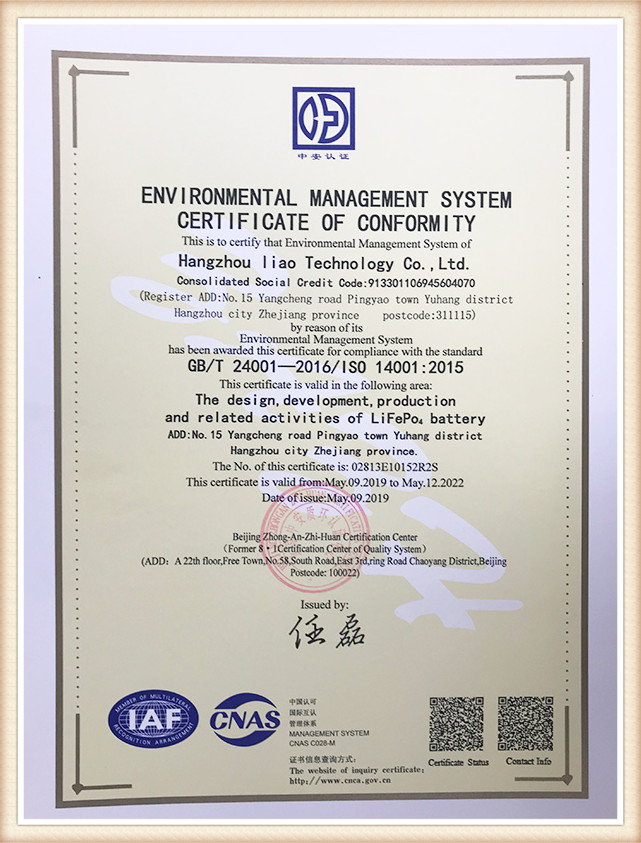
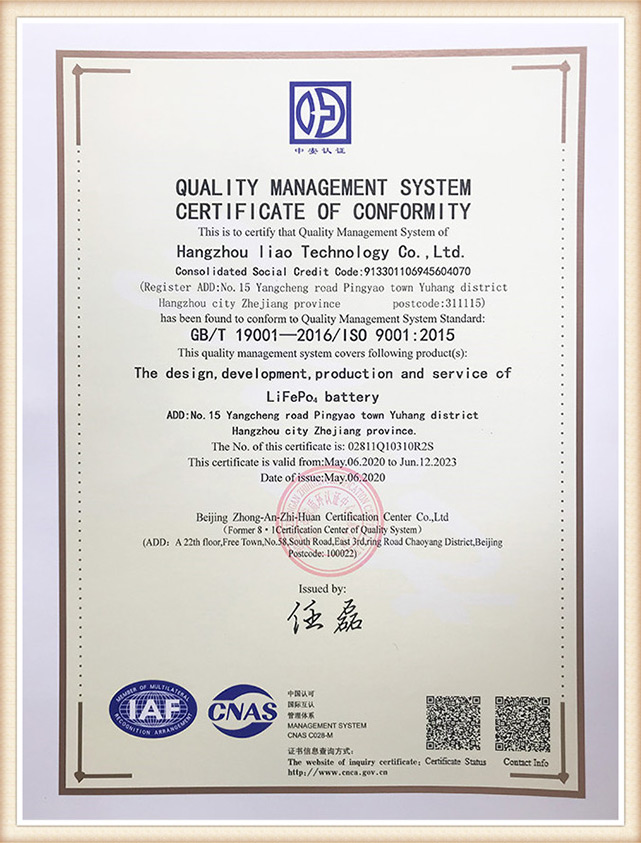
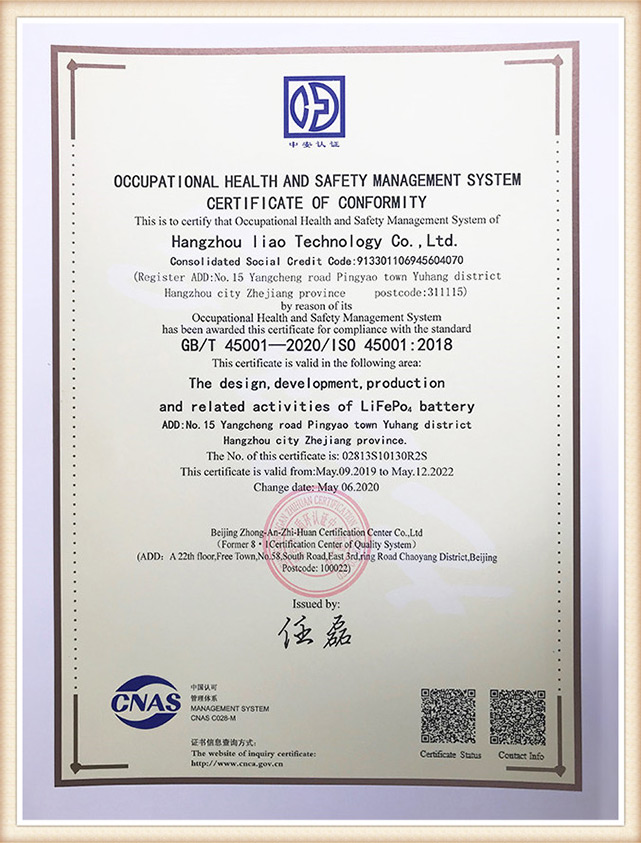
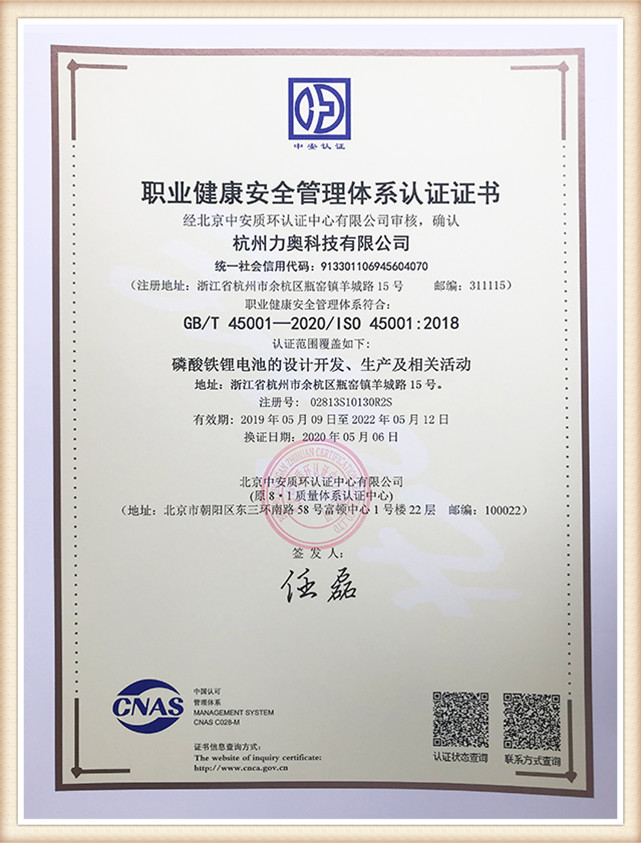
Hangzhou LIAO Technology Co., Ltd. is a professional and leading manufacturer specialized in LiFePO4 batteries. Our products have been exported to more than 20 countries all over the world. We already established a strict and efficient QC system. All of our products are produced strictly under the quality management system of ISO 9001. Meanwhile, we have passed and always keep compliance to the environmental management system ISO 14001 as well as occupational health and safety management system ISO 18001.
LIAO cells do not burn or explode under physical nail puncture or extreme compression testing, rendering them perfect for hazardous mining terrains.
Engineered to operate reliably in harsh ambient environments ranging from sub-zero -40°C highland winter climates up to high thermal spikes of 85°C.
Delivers more than 2,800 full charge-discharge cycles at 1C rates (100% DOD), significantly decreasing lifetime total cost of ownership (TCO).
Take a virtual look inside our ISO-compliant facility in Hangzhou, China, featuring state-of-the-art production technology.
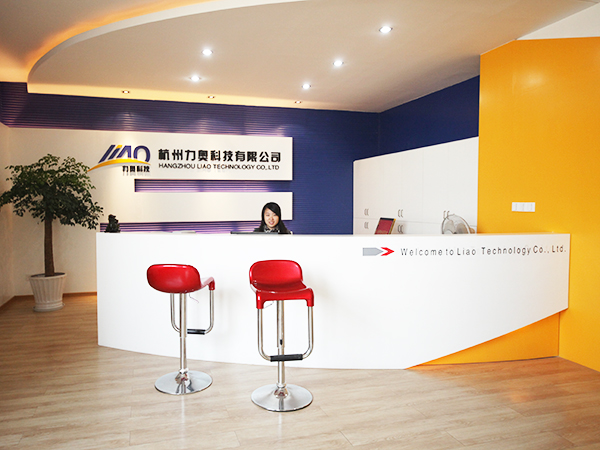
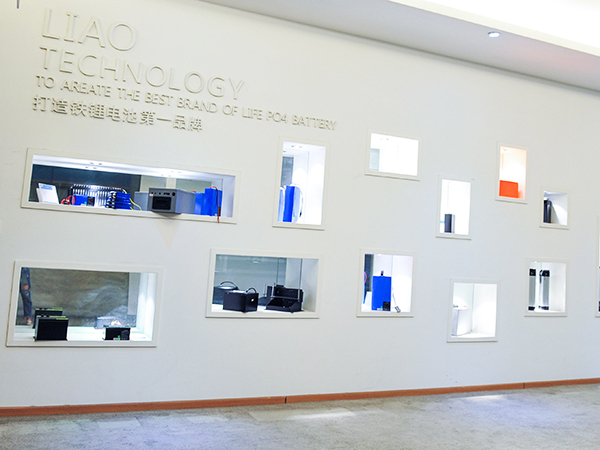
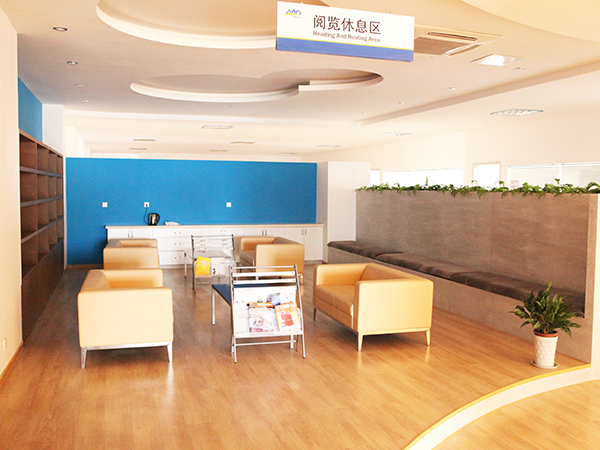
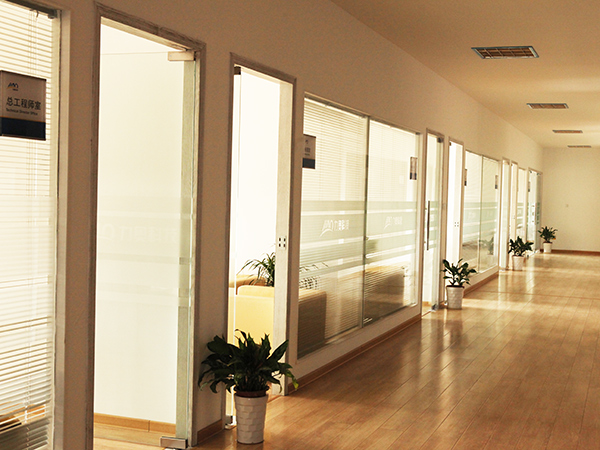
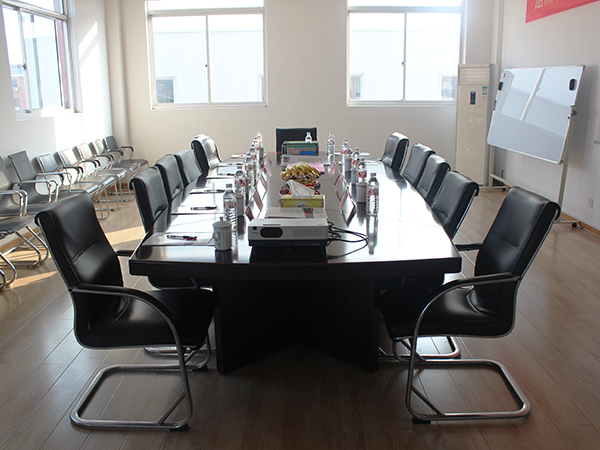
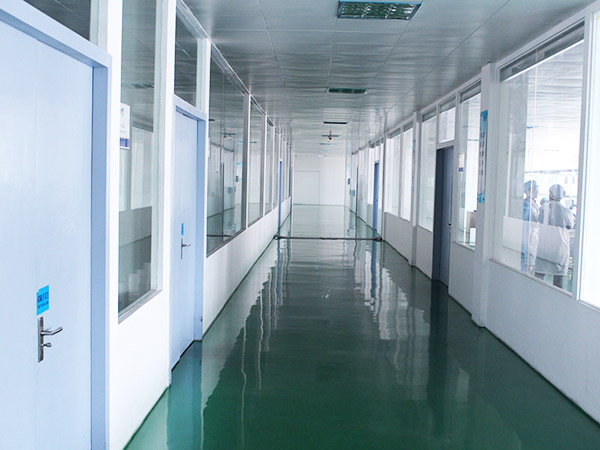
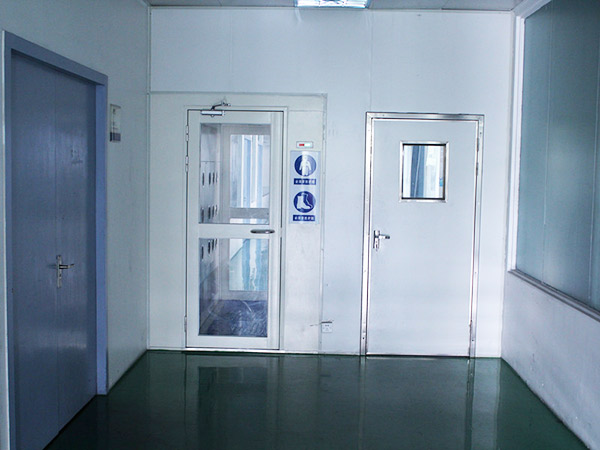
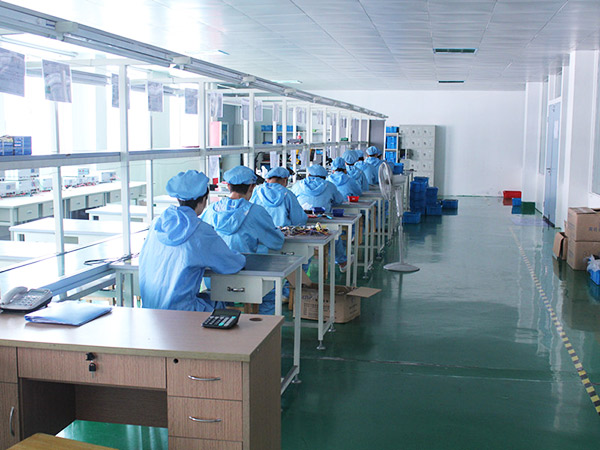
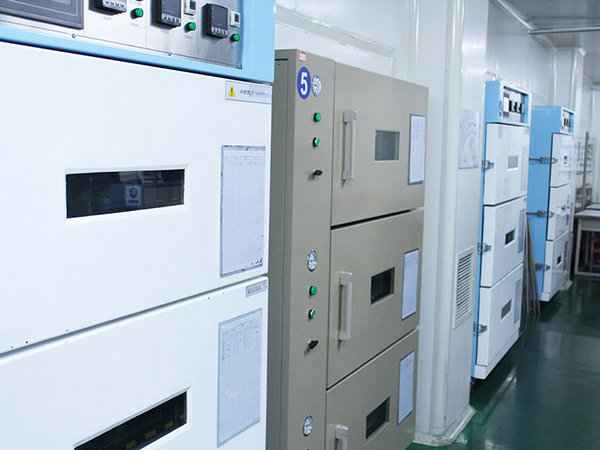
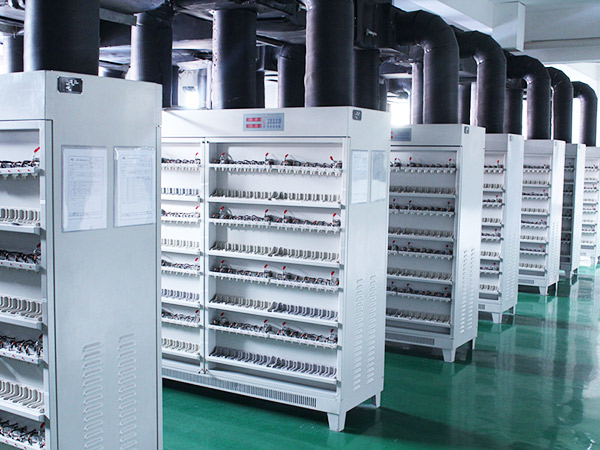
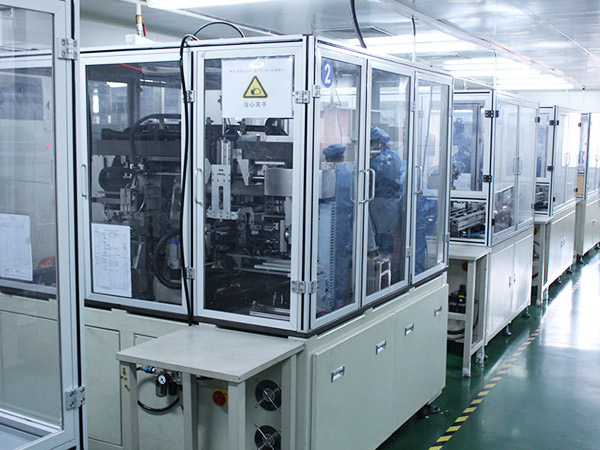
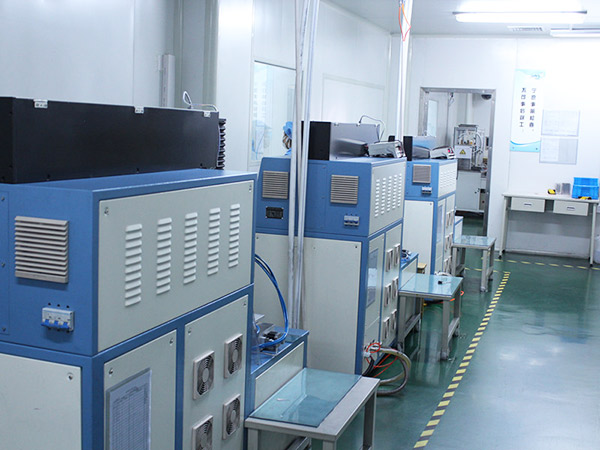
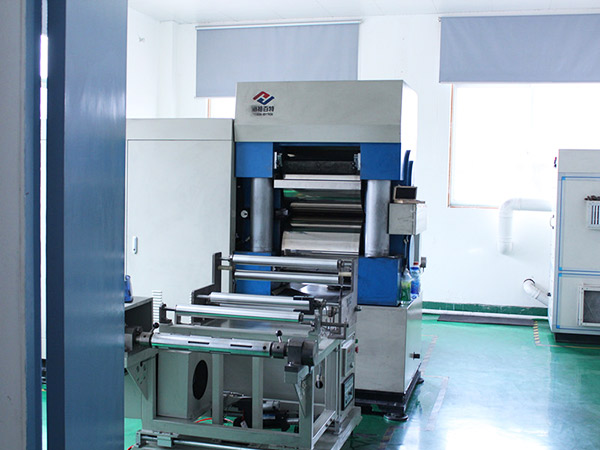
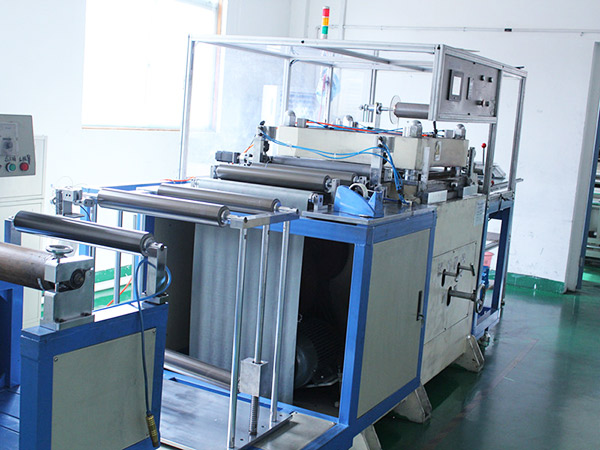
Engineered for safety and reliability across a wide range of rugged industrial systems.
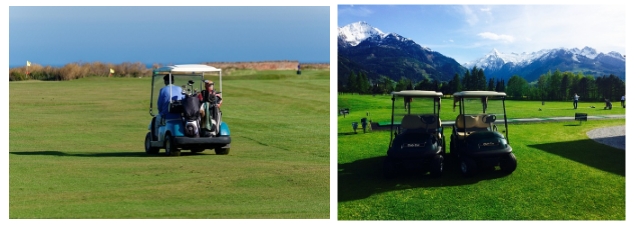
New generation LiFePO4 batteries allow electric golf carts to traverse steep gradients and high-altitude courses in Maseru and tourism hubs.
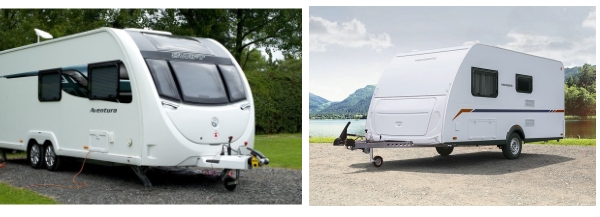
Provides quiet power with zero exhaust emissions. Saves labor costs and enhances efficiency for rugged overland caravans in Lesotho's highlands.
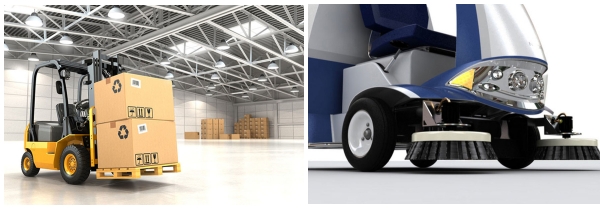
Tailored for forklifts, AGVs, and logistics machinery in textile factories, simplifying logistics for heavy loads with minimal downtime.
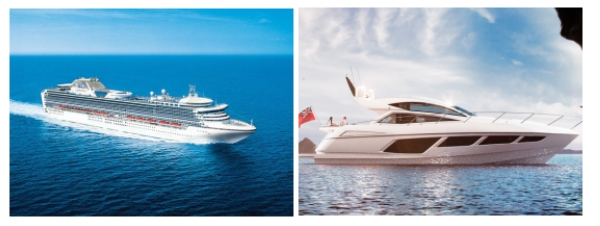
Eco-friendly propulsion for reservoir monitoring and tourism boats on Katse and Mohale reservoirs, preventing noise and water contamination.
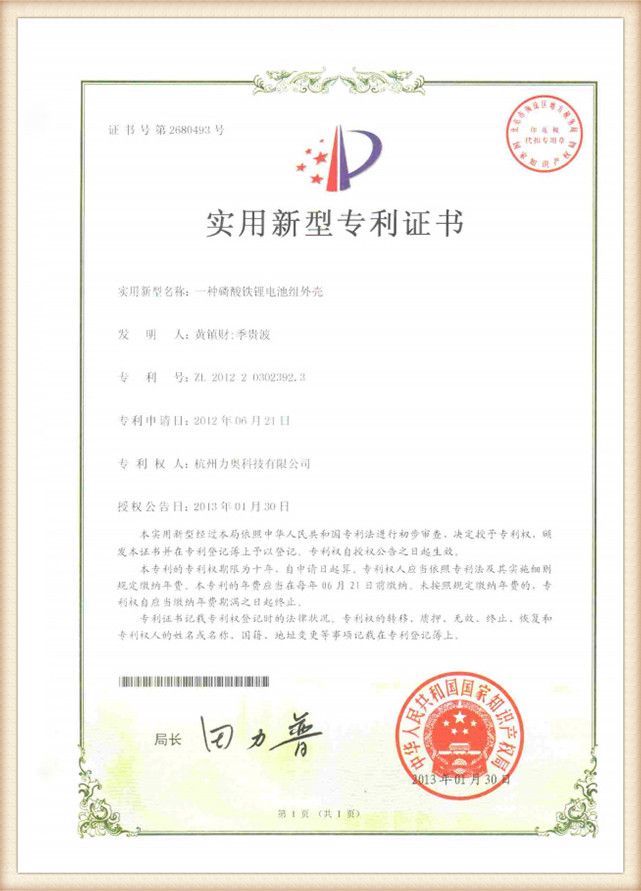
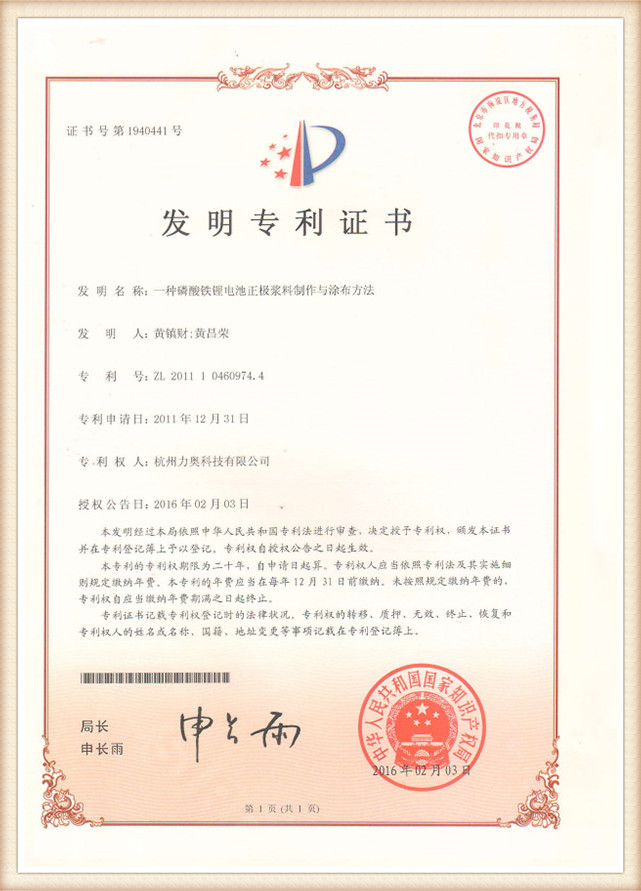
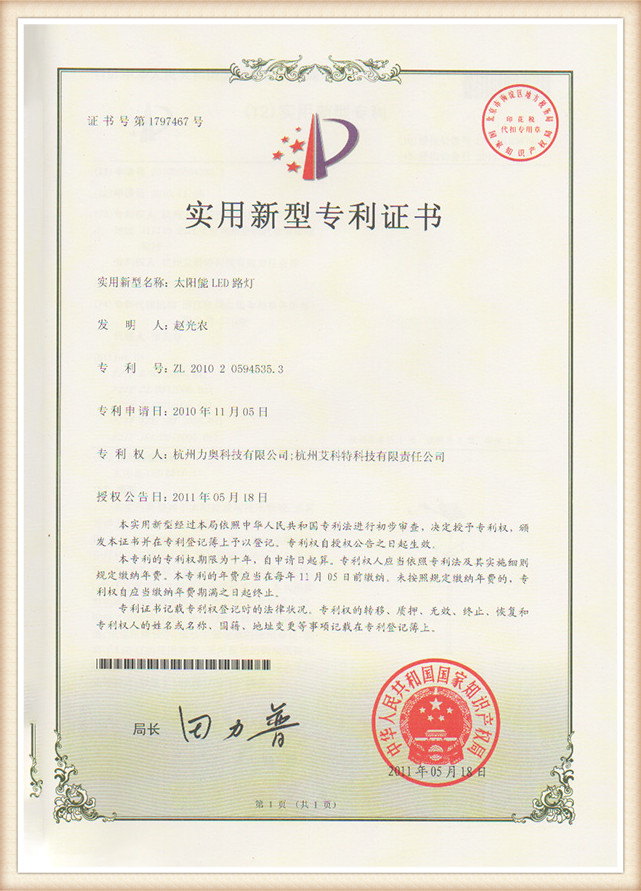
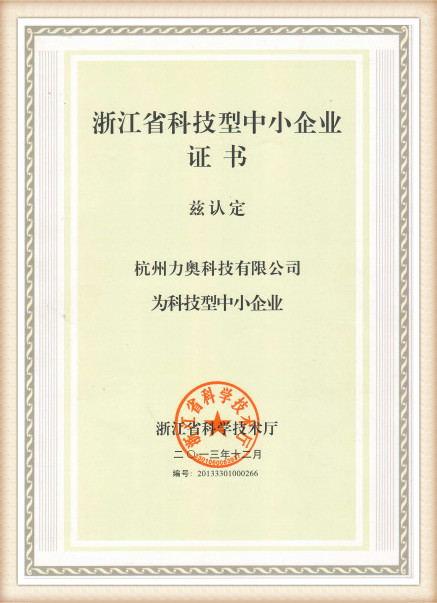
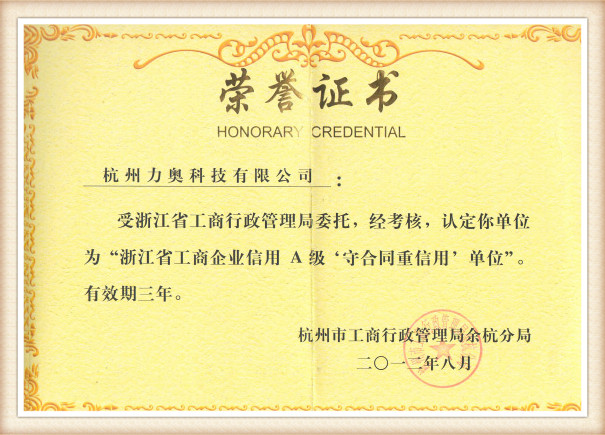
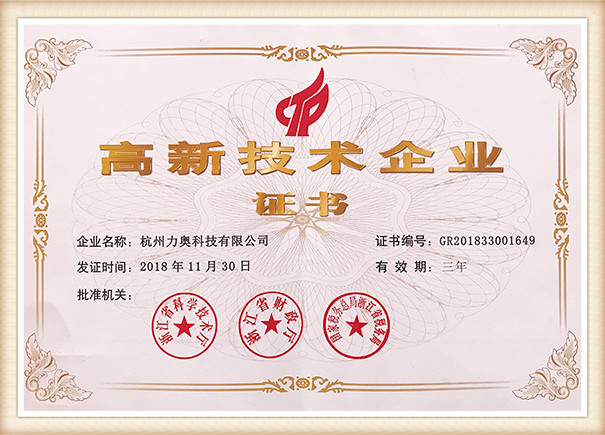
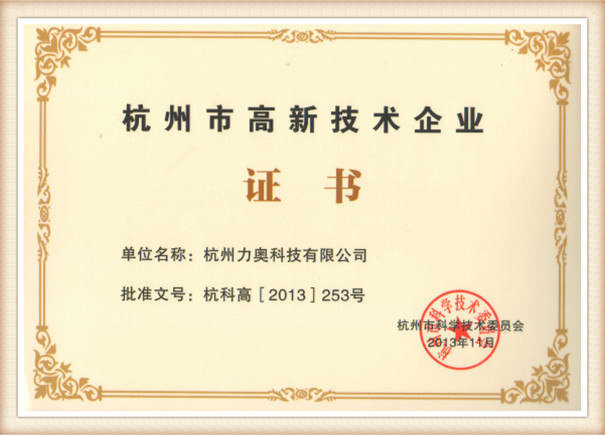
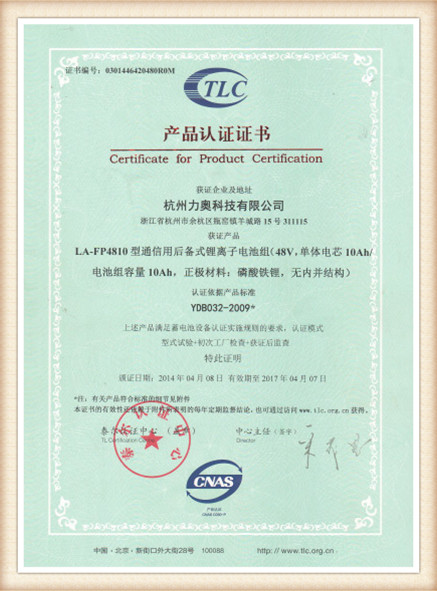
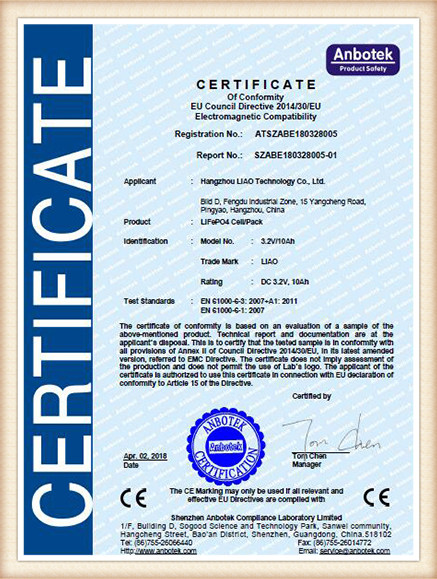
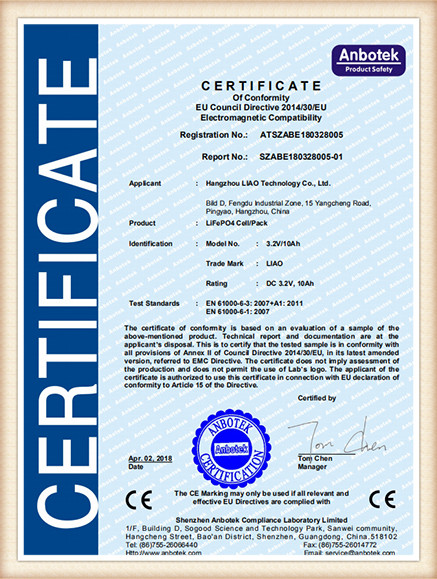
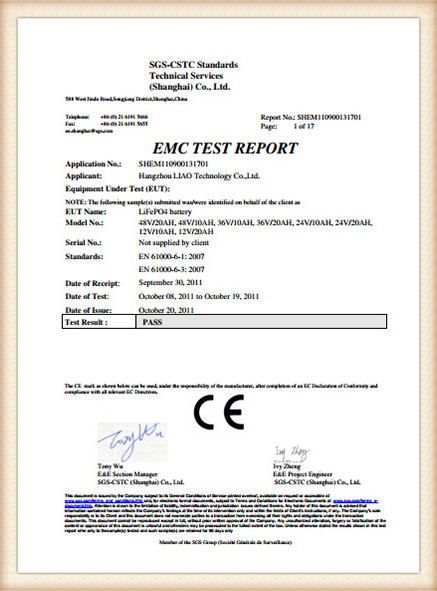
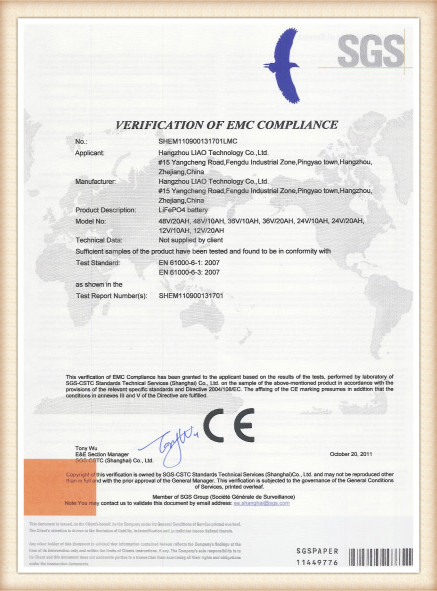
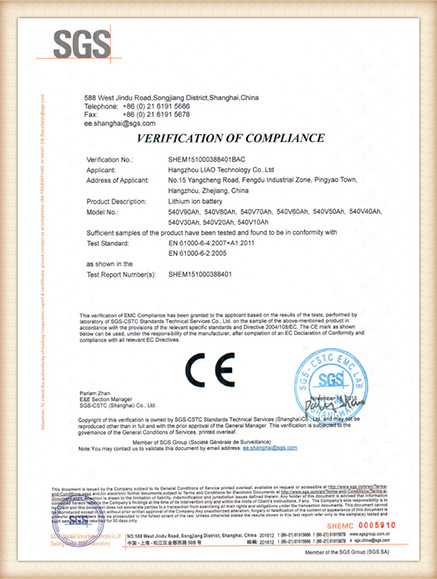
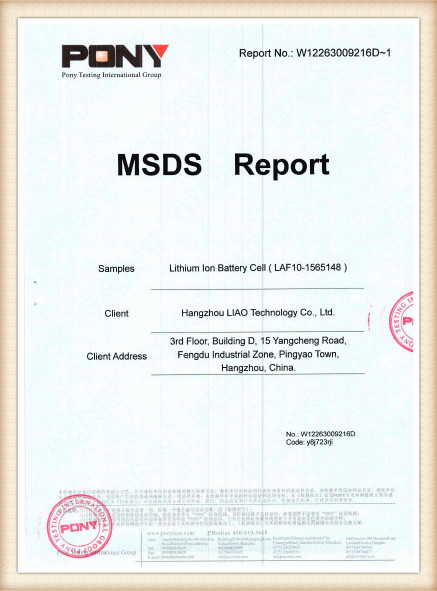
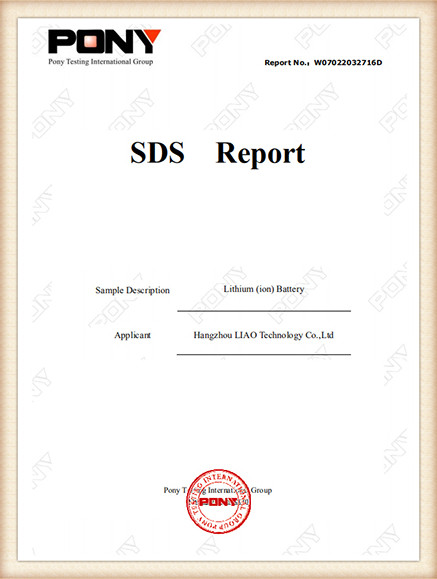
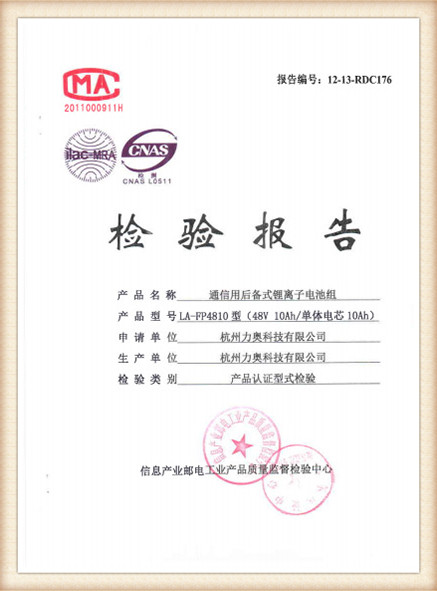
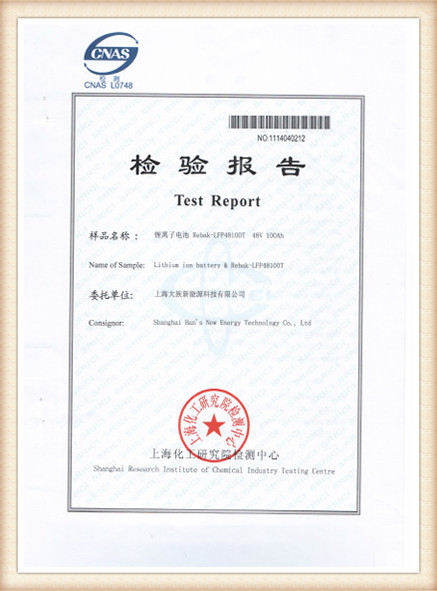
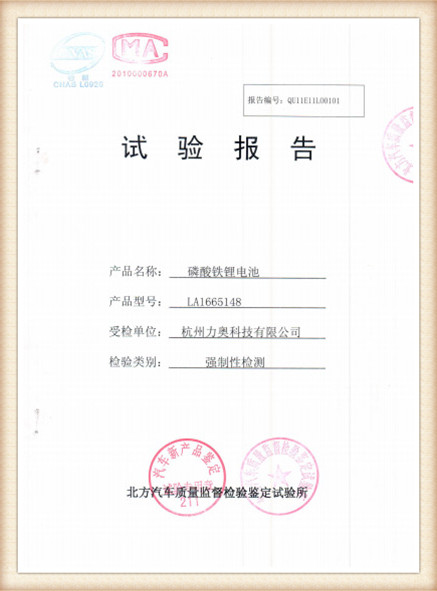
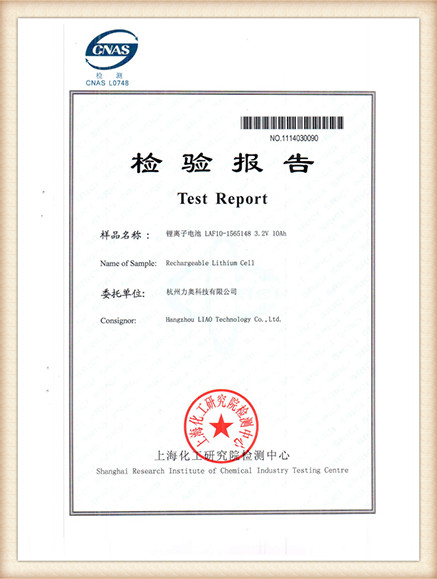
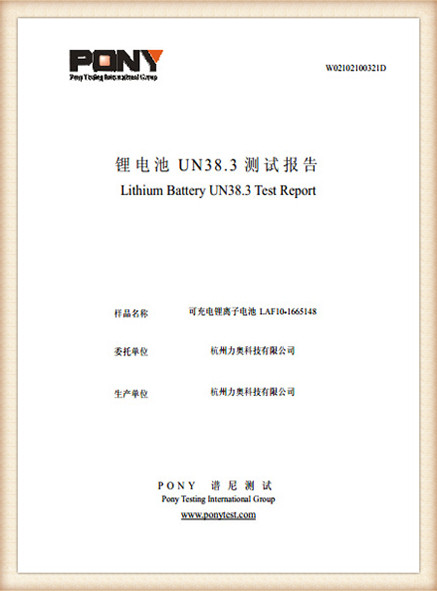
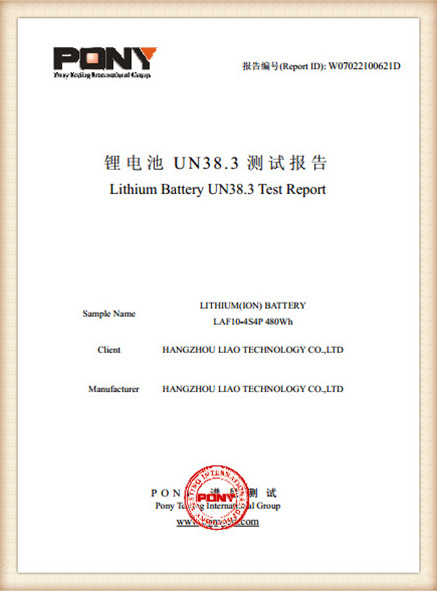
All LIAO systems undergo rigorous testing to secure global compliance, verifying our dedication to performance and safety.
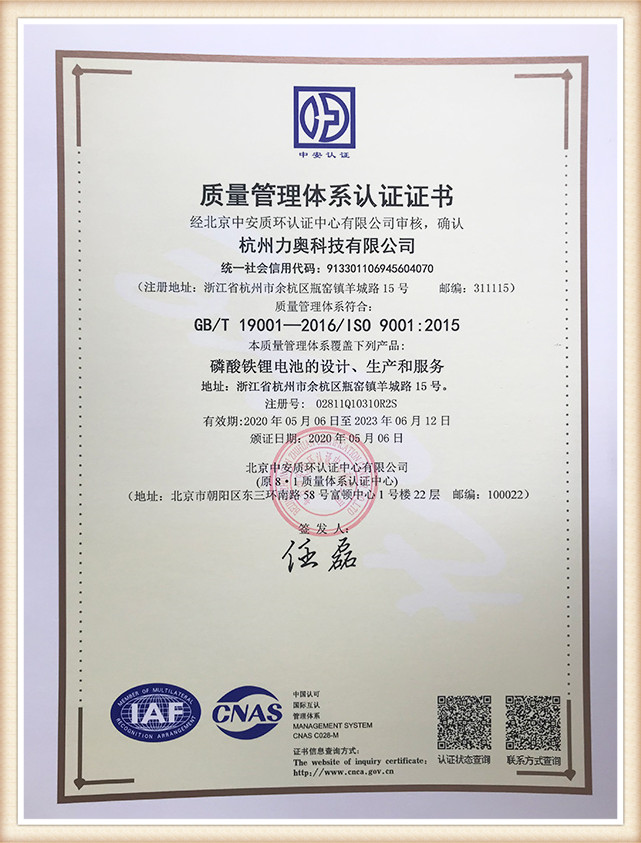
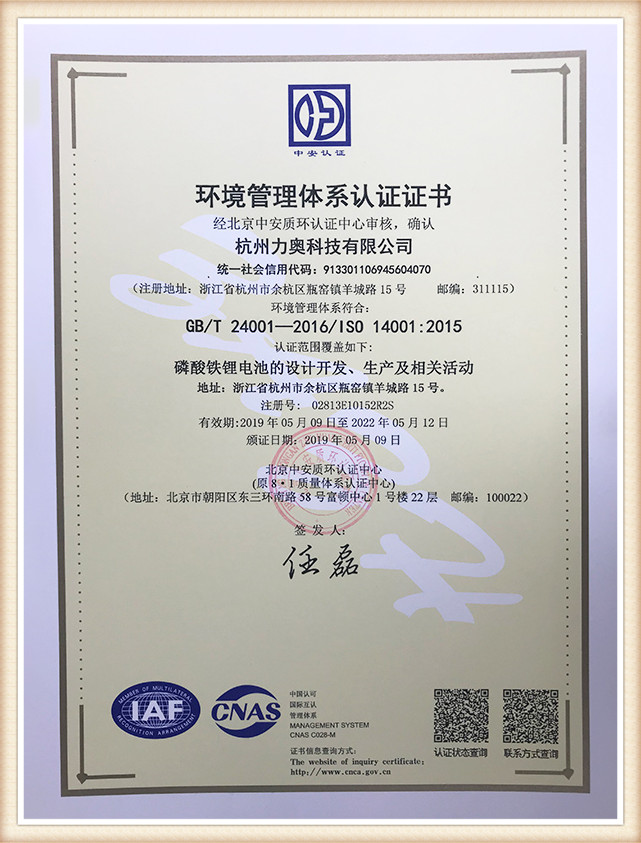
Crucial technical questions addressed by power conversion and battery engineering specialists.
Due to the lower air density in Lesotho (often sitting above 2,000m), convective heat dissipation is significantly reduced. This requires B2B buyers to derate DC-DC converters by approximately 10% for every 1,000 meters above sea level if they are relying solely on passive convective cooling. Alternatively, selecting converters designed with specialized potting compounds and reinforced heat sinks mitigates this risk without sacrificing nominal power.
Lesotho experiences extreme seasonal temperature swings, with sub-zero freezing temperatures in winter. Lead-acid batteries suffer a dramatic loss of active capacity (up to 50%) under cold climates and deteriorate quickly. LiFePO4 cells maintain a highly stable chemical layout, especially when paired with a battery management system (BMS) equipped with integrated cell warming. Combined with a lifespan of 2,800+ cycles compared to lead-acid's 300-500 cycles, LiFePO4 yields the lowest long-term operational cost for remote sites.
Yes. With our experienced team of mechanical and electrical design engineers, we custom-engineer cell configurations, BMS logic parameters, casing materials, and physical footprints. This guarantees seamless fitment inside existing industrial cabinets, remote telecom housings, or battery trays.
All our battery systems are certified under UN38.3 testing criteria for safe maritime, land, and air transit. Furthermore, our production line conforms strictly to ISO 9001 and CE directives, ensuring smooth customs clearance and regulatory compliance across South Africa, Lesotho, and adjacent Southern African Customs Union countries.
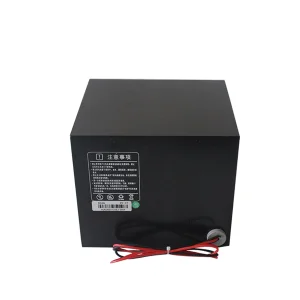
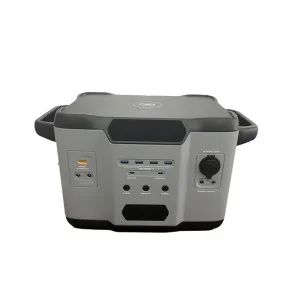
Complete product range of LIAO LiFePO4 batteries and specialized power conversion hardware.
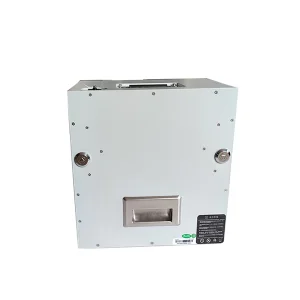
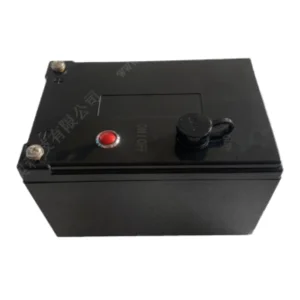
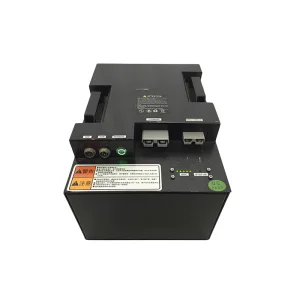
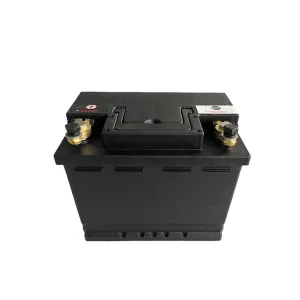
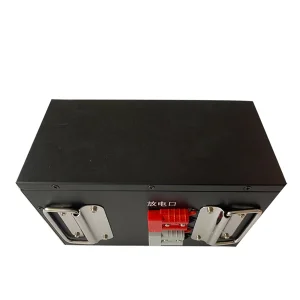
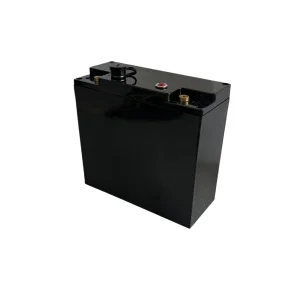
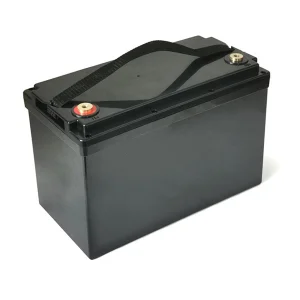
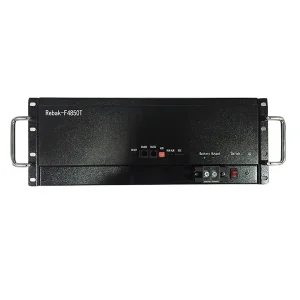
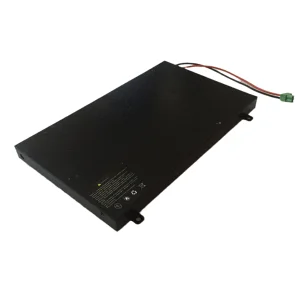
Partner with LIAO Power for state-of-the-art power conversion and storage solutions tailored to high-altitude environments. Get in touch with our design engineers today.
 Liao Battery