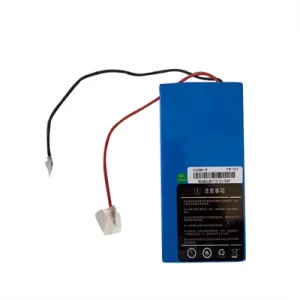
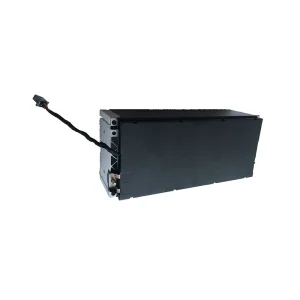
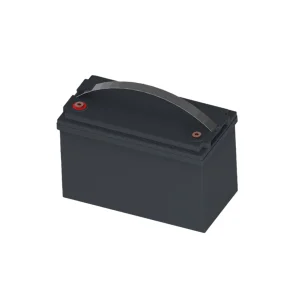
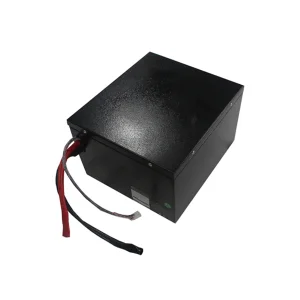
Explore our high-performance LiFePO4 batteries designed to meet the strict quality standards of the UK rail and transit systems.
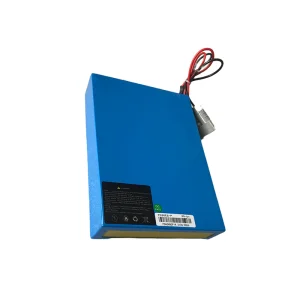
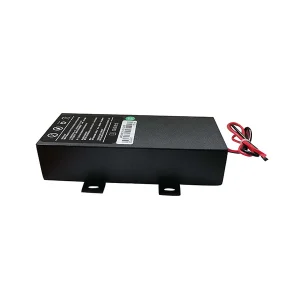
Deep-dive insight into the modernization, safety regulations, and technological transition within the United Kingdom infrastructure network.
The United Kingdom's critical transport and communications infrastructures are undergoing a massive technological shift. Network Rail—which controls over 20,000 miles of track and thousands of signaling systems—alongside national highways and municipal authorities, is continuously pushing for decarbonization, increased safety, and digital efficiency. This transformation is heavily governed by strict regulatory frameworks like the Search Quality Rater Guidelines equivalent in engineering, pushing for high-reliability systems with verified safety records.
A key focus area is the transition of legacy energy units. Traditionally, UK signaling systems, level crossings, and trackside telecom cabinets relied on legacy Valve Regulated Lead-Acid (VRLA) batteries. However, under the UK's legally binding target to achieve Net Zero carbon emissions by 2050, there is an industry-wide transition to Lithium Iron Phosphate (LiFePO4) battery packs. LiFePO4 offers a green alternative, boasting over 10 times the cycle life of traditional VRLA setups without the environmental footprint of heavy metals.
Furthermore, local network modernization demands smart grid integration. With the UK's temperamental weather conditions—ranging from freezing winter storms to record-high summer heatwaves—signal system backup batteries must operate flawlessly between extreme temperatures. Modern installations require robust chemistry that provides high discharge efficiency at -40°C to 85°C, eliminating the risk of system collapse and securing uncompromised commuter safety.
How international standards and advanced battery chemistry are shaping the future of industrial signaling networks.
Globally, the signal system industry is shifting from decentralized, low-tech monitoring to highly connected IoT networks and automated control grids. As high-speed rail lines expand across Europe, Asia, and North America, the demand for uninterruptible power supplies (UPS) that occupy smaller physical footprints has skyrocketed. Standard lithium-ion batteries are often prone to thermal runaway under severe damage, but LiFePO4 (Lithium Iron Phosphate) has emerged as the global benchmark for safety.
In addition to safety, the Total Cost of Ownership (TCO) is a driving economic factor globally. The longevity of LiFePO4 cells drastically reduces maintenance operations, which often account for over 60% of the lifetime cost of remote signaling nodes. Deploying long-life battery modules allows infrastructure operators to schedule battery replacements once every 10 to 15 years instead of every 3 to 4 years, dramatically saving transit system operational budgets.
Hangzhou LIAO Technology Co., Ltd. - Leading LiFePO4 Battery Innovation Since 2009.
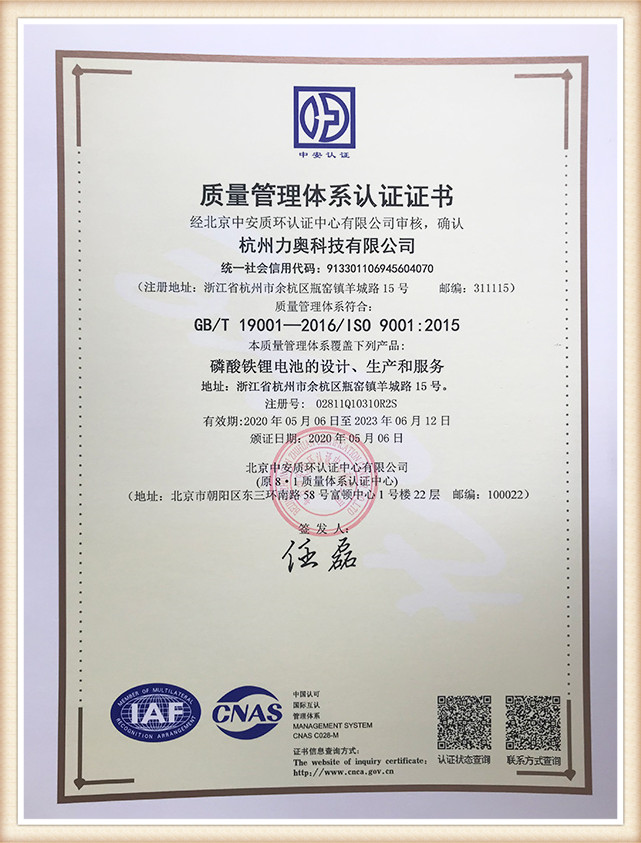
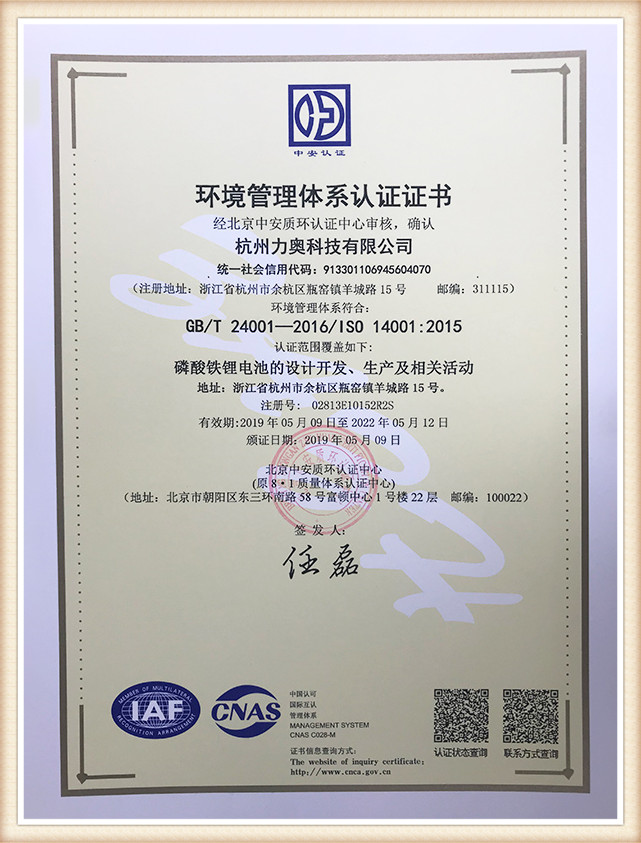
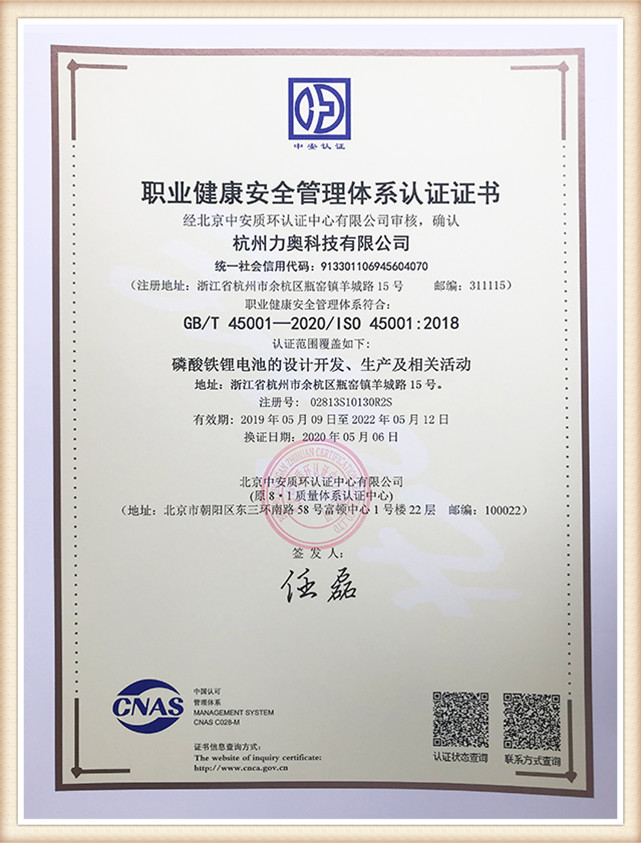
Founded in 2009, Hangzhou LIAO Technology Co., Ltd. is a professional and leading manufacturer specialized in LiFePO4 batteries. Our products have been exported to more than 20 countries all over the world. We already established a strict and efficient QC system. All of our products are produced strictly under the quality management system of ISO 9001. Meanwhile, we have passed and always keep compliance with the environmental management system ISO 14001 as well as the occupational health and safety management system ISO 18001.
Excellent service and reliable quality help us win a worldwide reputation, providing critical power solutions in Germany, France, Netherlands, Spain, United Kingdom, USA, Canada, Mexico, Brazil, Australia, Philippines, Thailand, Singapore, Korea, Japan, India, South Africa, Nigeria, and other regions.
LIAO cells will not burn or explode under physical acupuncture or extreme compression tests.
Superb performance, capable of stable discharge within a wide range of -40°C to 85°C.
Engineered for endurance with single cell cycles exceeding 2800+ runs (1C/100% DOD).
LAXpower-1230 awarded testing champion for outstanding reliability and performance metrics.
Custom LiFePO4 battery architectures engineered to power various heavy-duty and light commercial applications.
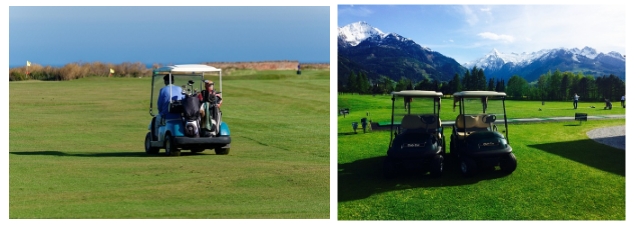
The new generation of LiFePO4 golf cart batteries helps your carts run smoothly across diverse golf terrains or complex courses with high energy density and zero runtime drops.
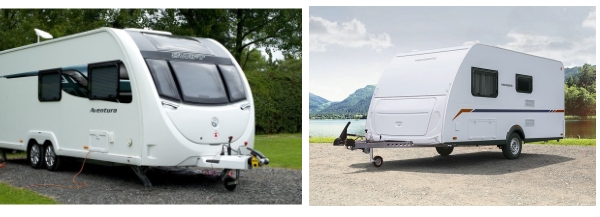
Our LiFePO4 batteries allow caravan movers to operate quietly without generating any exhaust pollution. Labor costs are reduced, and operational efficiency is dramatically improved.
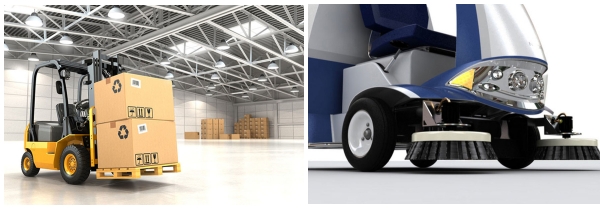
Designed for heavy cargo handling. Our battery units empower industrial vehicles to lift and transport goods efficiently with minimal energy loss under massive loads.

Providing clean energy for electric ships and marine storage. LIAO marine-grade battery systems produce zero emission footprints, preventing water and noise pollution.
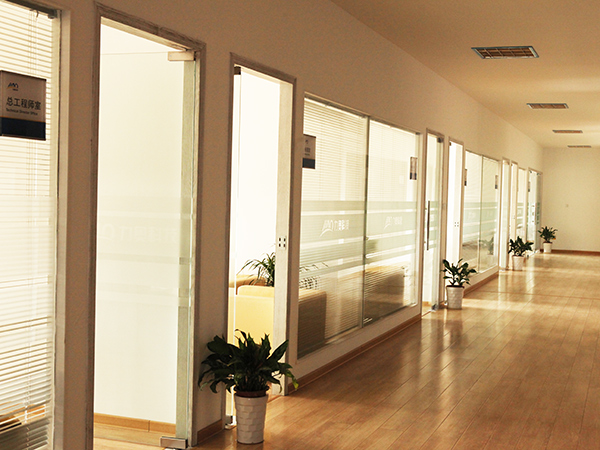
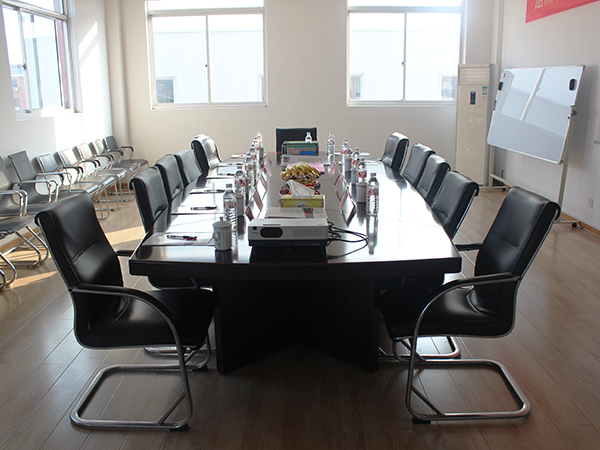
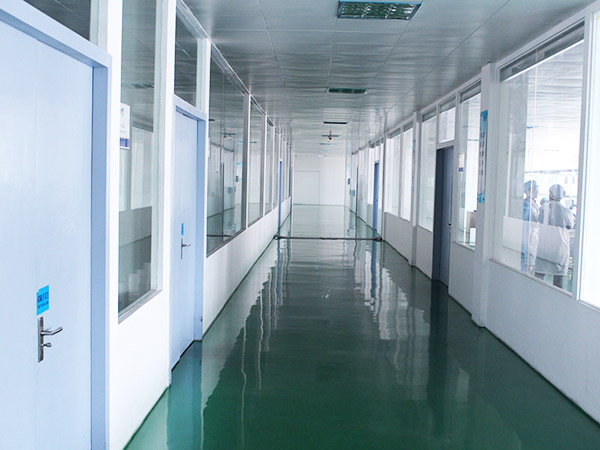
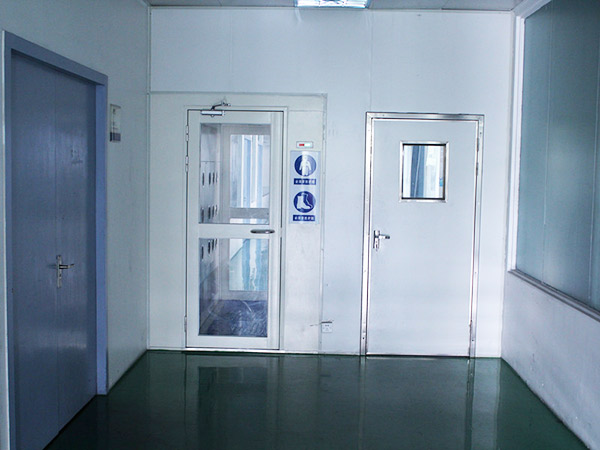
Direct view into our ISO-certified manufacturing facility and accredited international quality reports.
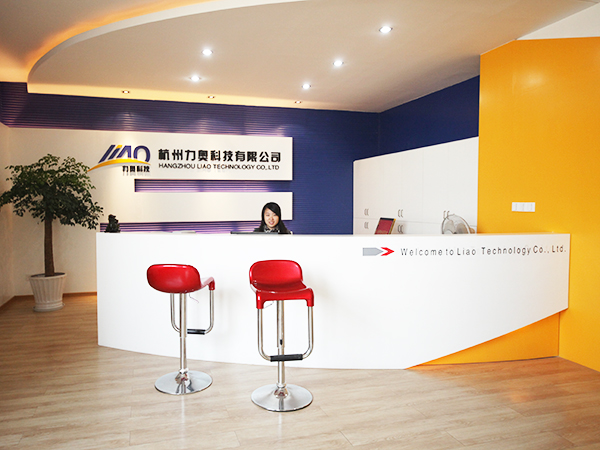
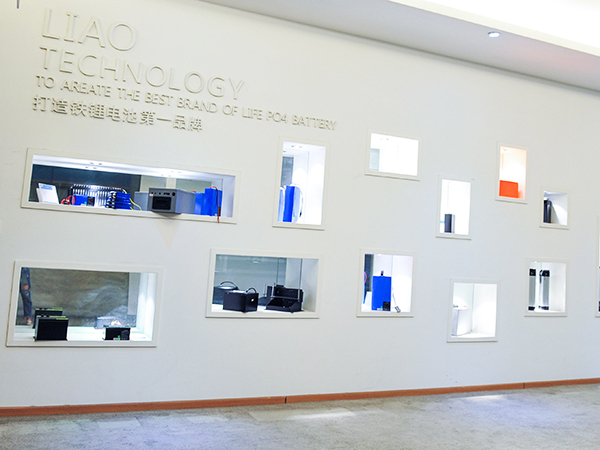
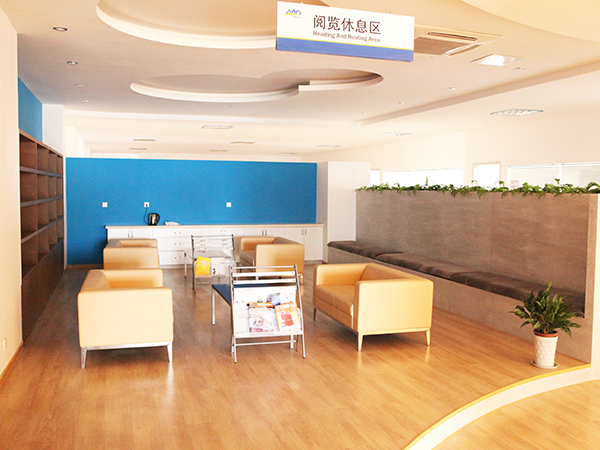
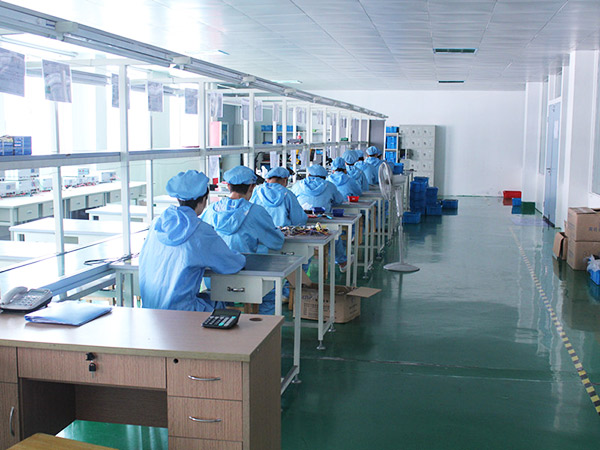
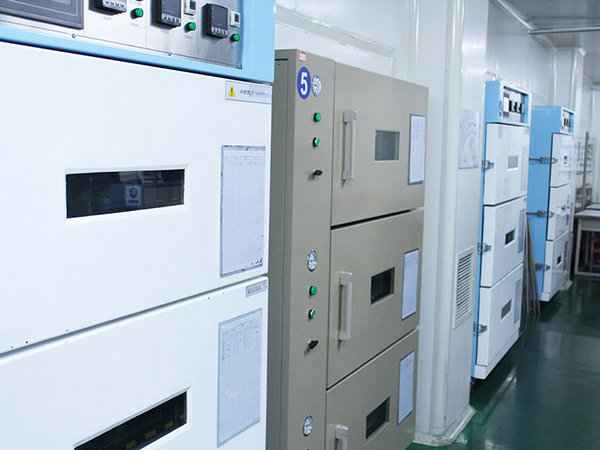
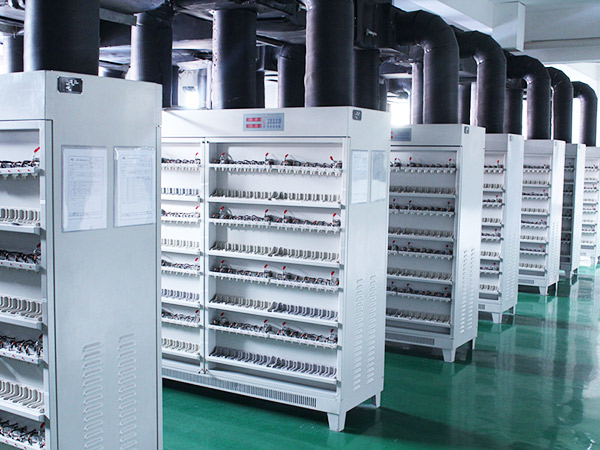
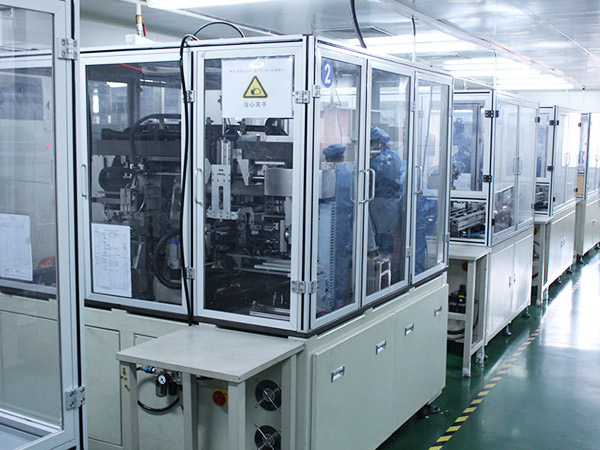
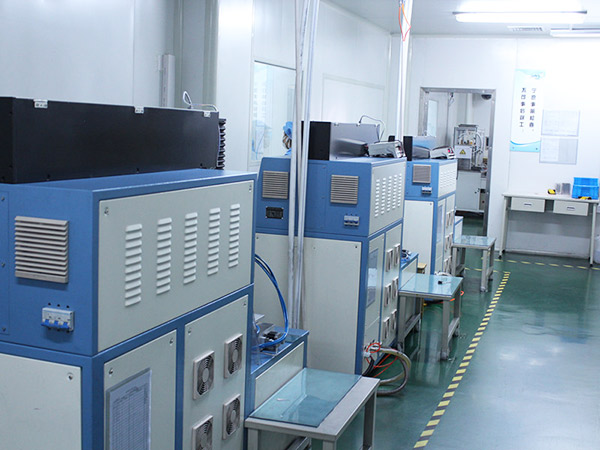
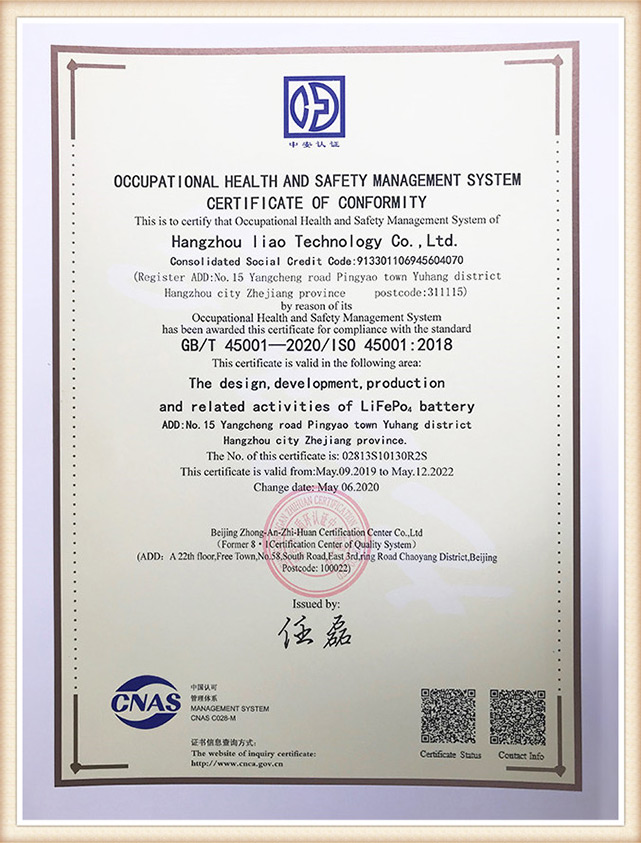
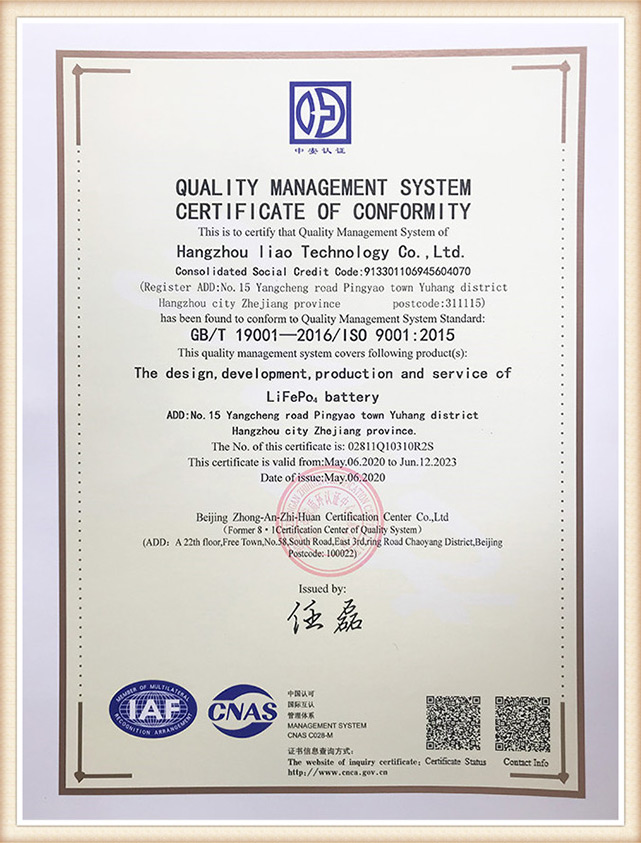
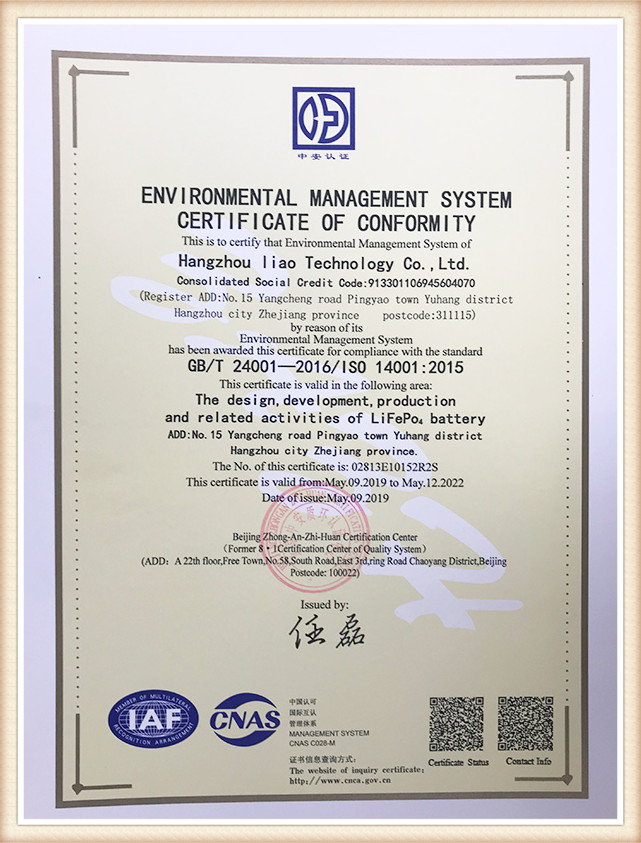
Explore our range of backup systems, deep-cycle cells, and integrated solutions for telecom and standby signaling applications.
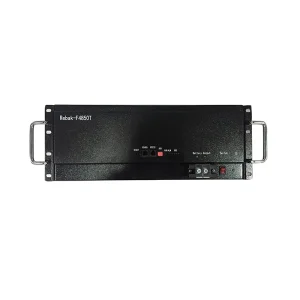
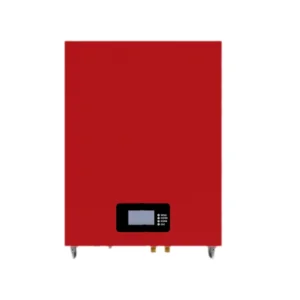
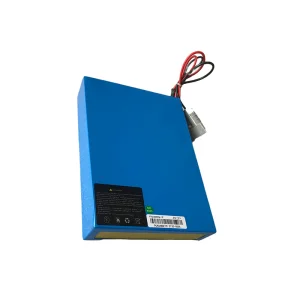
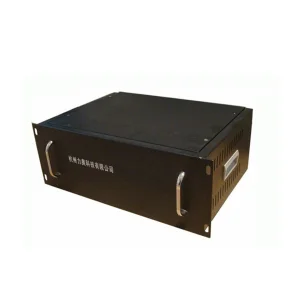
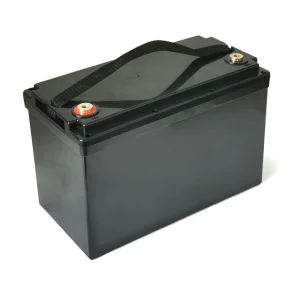
How LIAO Power designs next-generation BMS systems for high-reliability applications.
A signal system battery is only as reliable as the Battery Management System (BMS) that monitors it. At LIAO Power, our engineering division designs smart BMS architectures featuring active balancing, real-time SoC (State of Charge) monitoring, and intelligent fault diagnostics. This ensures that every individual LiFePO4 cell in the system discharges evenly, preventing cell degradation and eliminating unpredictable site failures.
Our futuristic roadmap targets complete IoT-based remote telemetry. Through integrated RS485, CANbus, and SNMP communication protocols, trackside technicians can assess the health of any backup power system from a central control hub. This cuts on-site inspection labor costs by up to 80% and ensures that potential cell variances are corrected before they impact train timetables or road signal systems.
Addressing the most common queries from infrastructure engineers and procurement managers regarding signal system batteries.
 Liao Battery