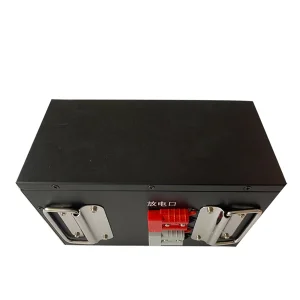
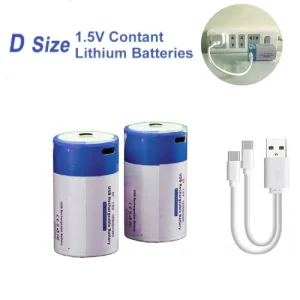
Engineered for seamless integration with Australian solar arrays and wind turbine installations. Offering high thermal limits, advanced BMS platforms, and deep-cycle durability.
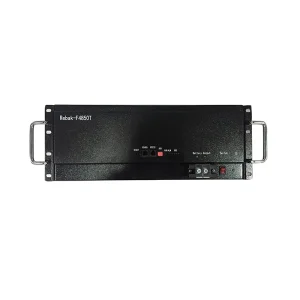
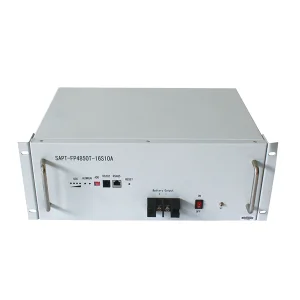
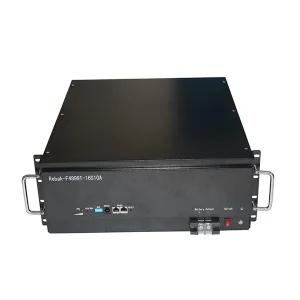
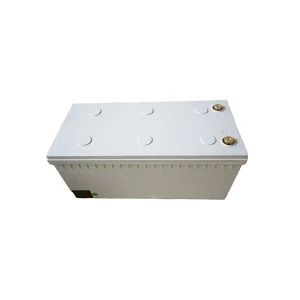
Australia is experiencing one of the most rapid transitions to distributed renewable energy systems globally. Characterized by high solar irradiance, massive wind resources, but an historically fragile and highly localized grid topology, the Australian National Electricity Market (NEM) faces structural stability challenges. Remote mining hubs, large-scale agricultural sectors, and commercial businesses are increasingly establishing microgrids to hedge against high peak demand tariffs and grid instability.
Within this environment, the limitations of legacy Lead-Acid and traditional GEL batteries have become a critical bottleneck. High ambient temperatures exceeding 45°C in the Australian outback accelerate structural degradation in standard chemistries. This market reality demands high-performance Lithium Iron Phosphate (LiFePO4) batteries, which provide unparalleled cycle lifetimes, safe chemistry, and superior thermal tolerance. Implementing advanced solar & wind energy systems integrated with custom-designed battery energy storage systems (BESS) is no longer just an environmental initiative—it is a critical economic buffer for businesses seeking long-term operational resilience.
Deep dive into the electrochemical stability, engineering metrics, and architectural safety of our bespoke energy solutions.
Our LiFePO4 cells use a stable olivine-type structure that will not burn, explode, or undergo thermal runaway even under high physical deformation or structural puncture tests.
Our thermal management systems allow reliable discharge performance ranging from sub-zero mountain environments (-40°C) up to severe outback utility settings (85°C).
Delivers more than 2,800 full charge-discharge cycles at 1C rates and 100% Depth of Discharge (DOD) before falling to 80% of original capacity, giving a long system lifecycle.
Designed to align with strict AS/NZS 5139 electrical installation standards. Fully equipped with integrated Smart BMS for cell monitoring, safety cutoffs, and over-current protection.
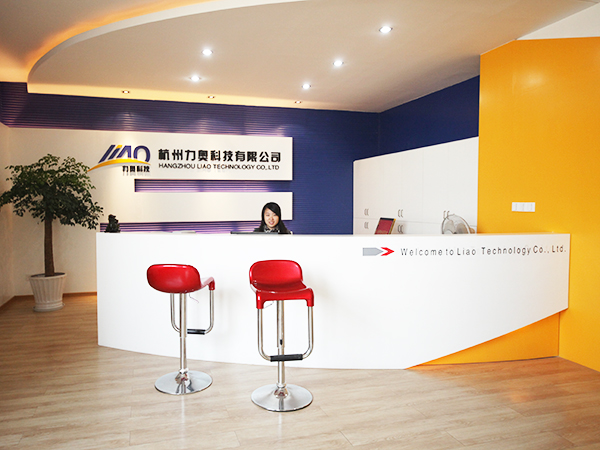
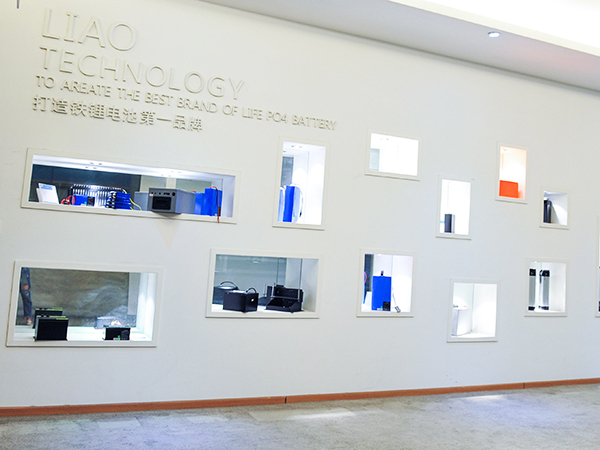
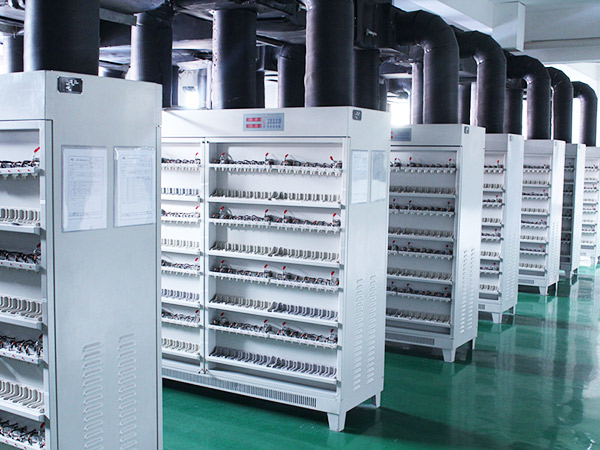
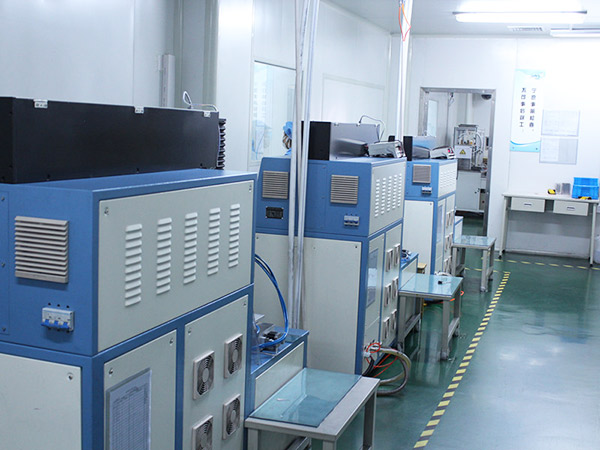
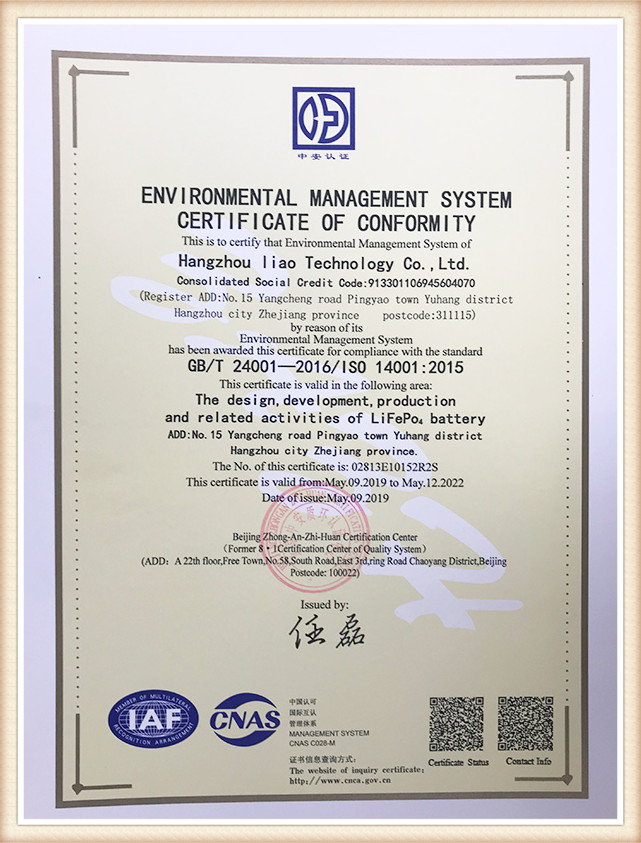
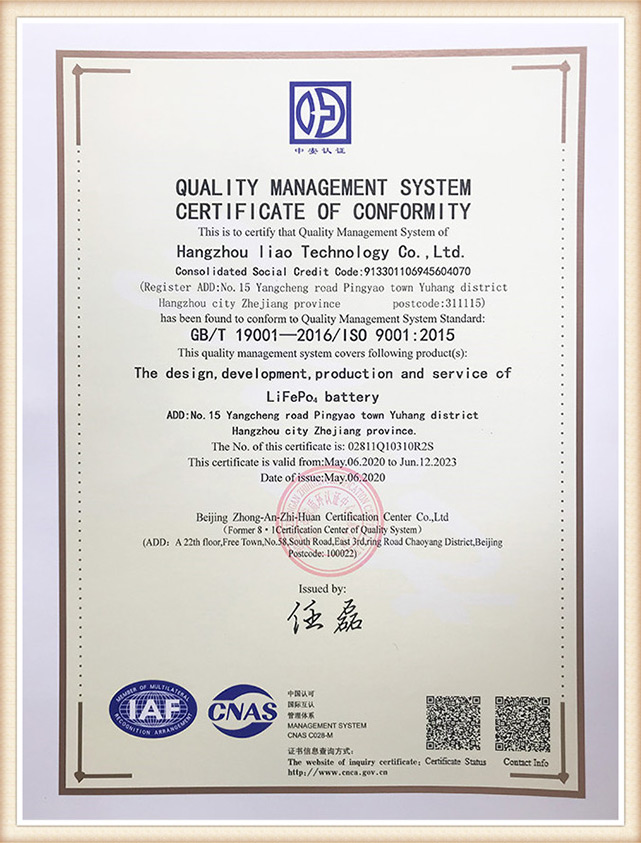
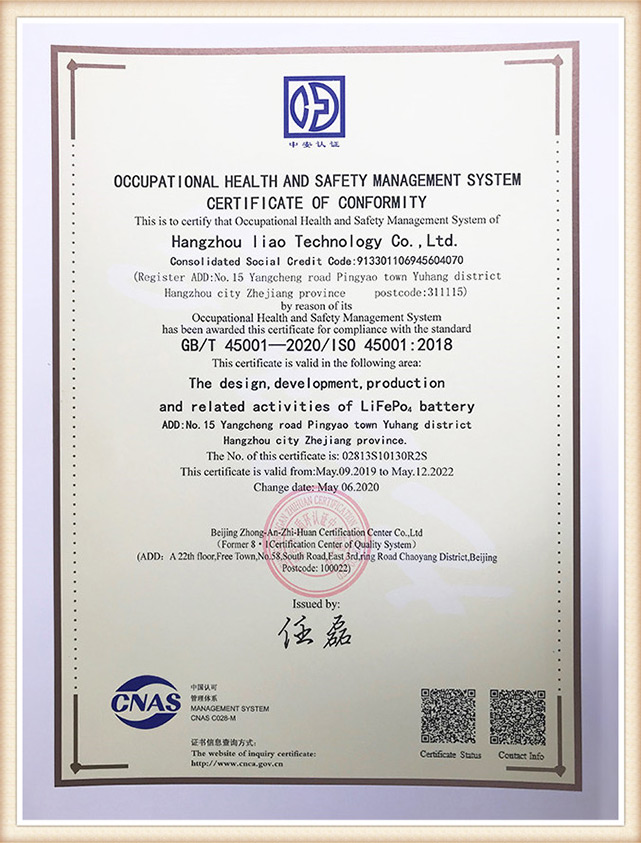
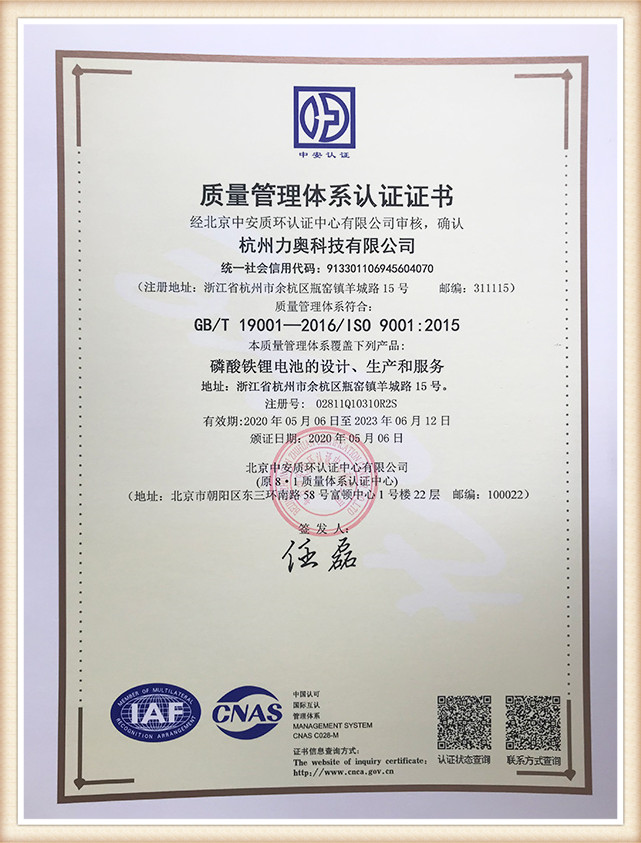
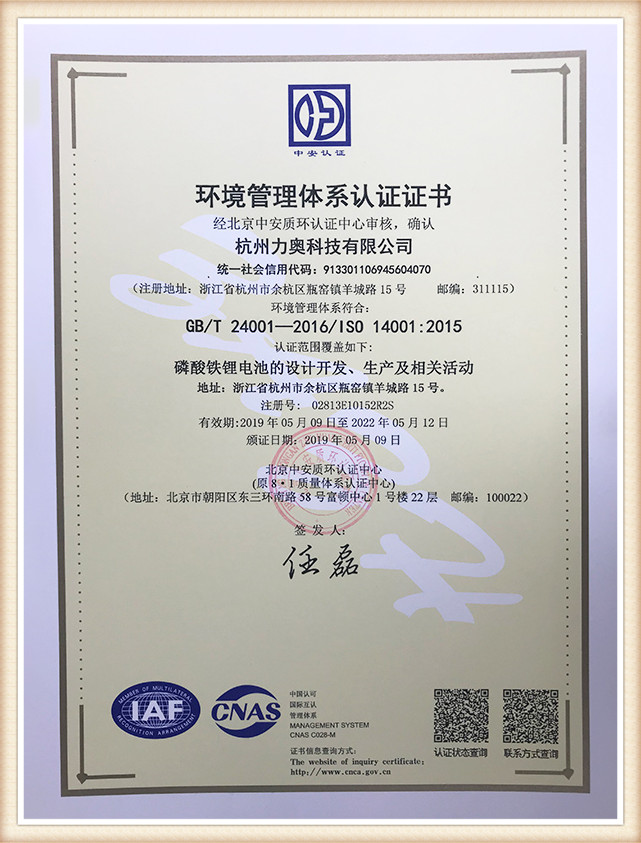
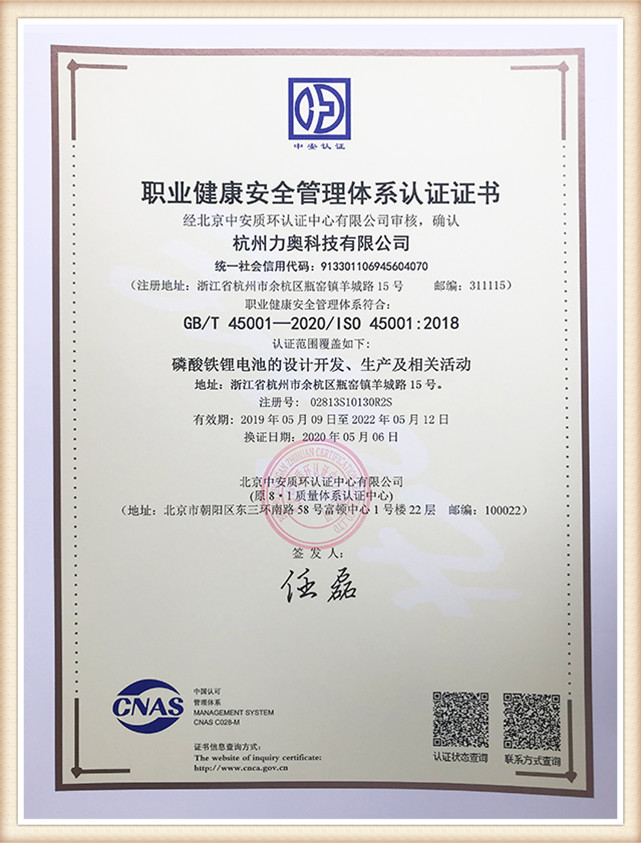
Founded in 2009, Hangzhou LIAO Technology Co., Ltd. has developed into a reliable manufacturer of LiFePO4 batteries, exporting custom solutions to over 20 countries. Our production floor operates under the ISO 9001 quality management framework, complemented by environmental management (ISO 14001) and occupational health and safety (ISO 18001) standards.
By leveraging Industry 4.0 automation, our facilities utilize computerized capacity sorting, advanced laser welding, and dynamic BMS testing. This ensures tight consistency across cell internal resistance, voltage curves, and structural integrity. For Australian industrial buyers and EPC contractors, this direct supply chain represents deep technical assurance, short lead times, and structural manufacturing resilience.
From industrial material handling to zero-emission marine systems, we supply tailor-made energy architectures designed for durability.
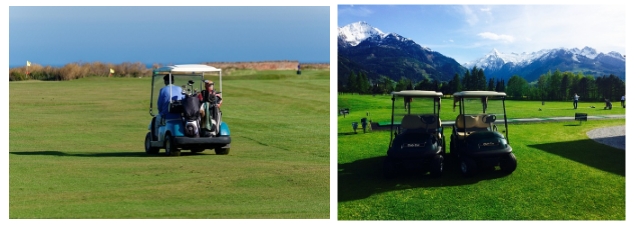
High-discharge LiFePO4 batteries designed for golf carts operating in diverse terrains, ensuring sustained torque and light chassis weight.
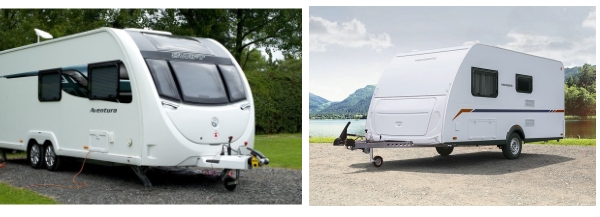
Quiet, clean, emission-free deep cycle batteries offering high energy density for off-grid travel and remote camping environments.
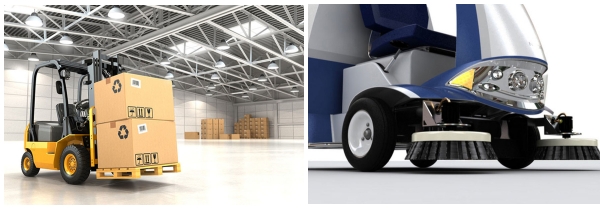
Durable battery packs designed for forklifts, scissor lifts, and Automated Guided Vehicles in fast-paced warehousing operations.

Corrosion-resistant lithium setups with high IP ratings, providing silent operations and clean energy storage for marine commercial vessels.
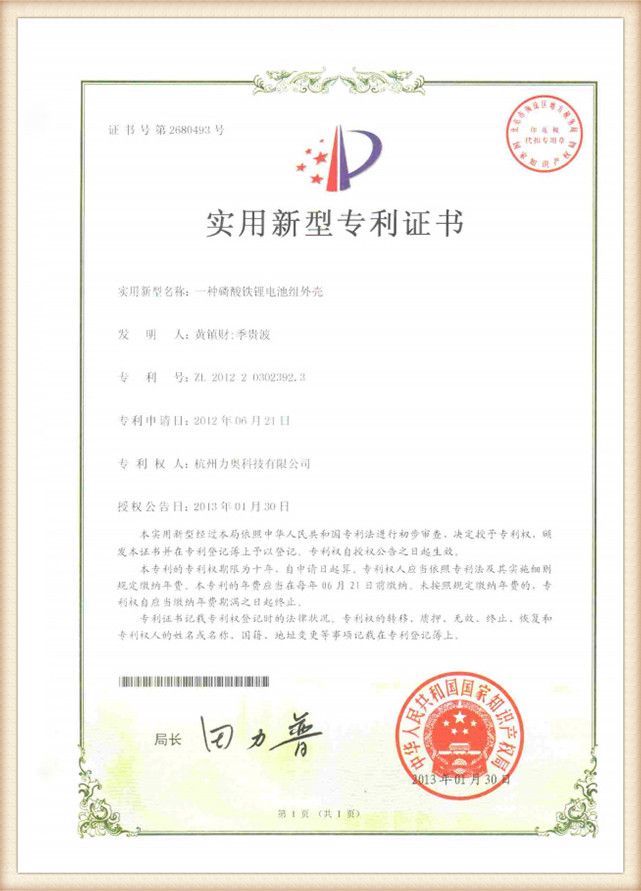
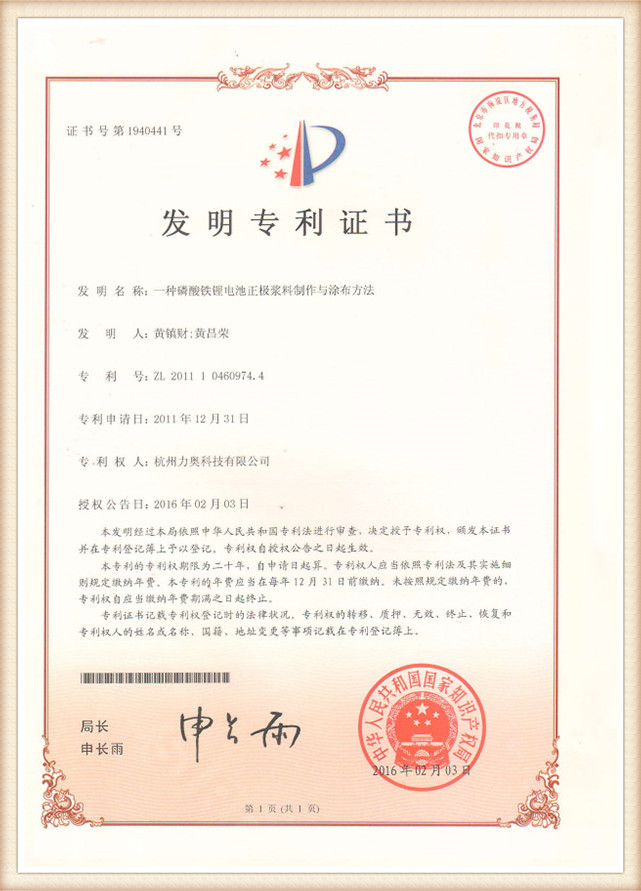
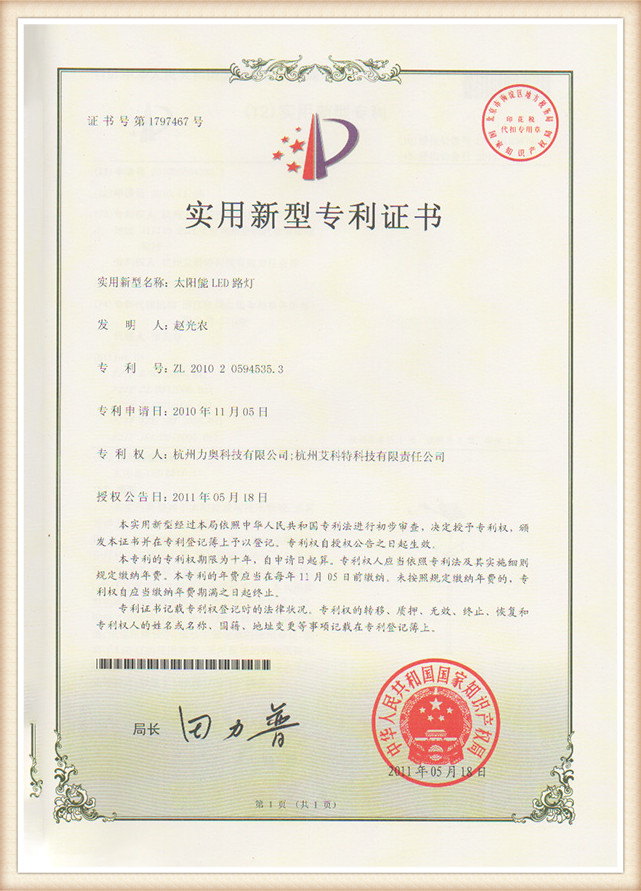
We believe in verifiable performance. All cells undergo strict automated testing procedures before assembly into modules. Our R&D and quality control teams maintain full traceabilities for every component, ensuring international safety and compliance benchmarks are consistently met.
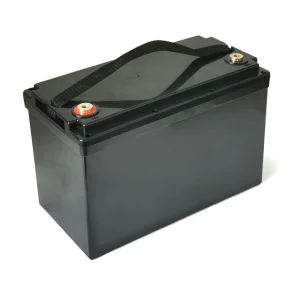
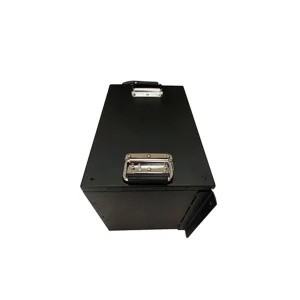
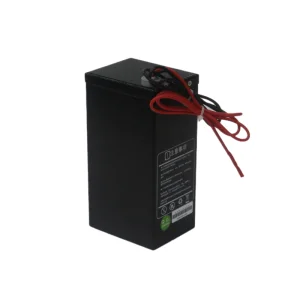
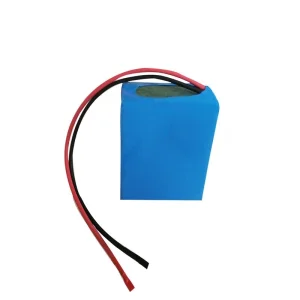
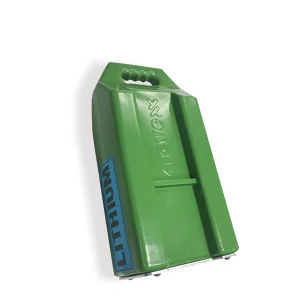
A broad range of high-efficiency LiFePO4 packs. Optimized for industrial systems, municipal streetlights, mining transport, and commercial BESS applications.
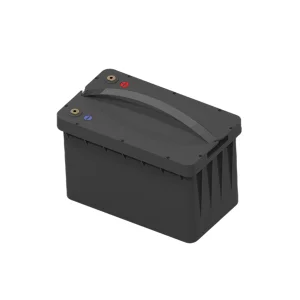
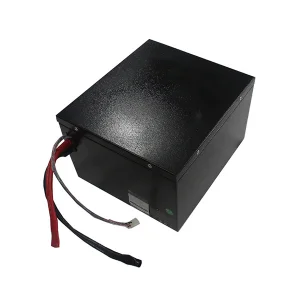
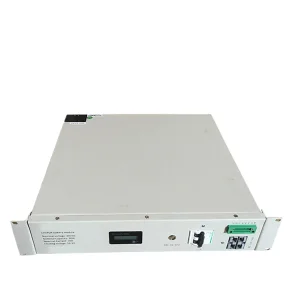
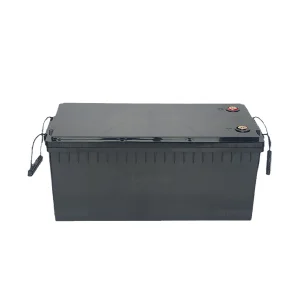
For EPC (Engineering, Procurement, and Construction) companies and project engineers in Australia, choosing storage solutions requires careful evaluation of technical criteria. The primary considerations are safety, long cycle life under variable temperatures, and total cost of ownership (TCO) over 10-15 years.
Key technical design guidelines include: implementing a smart Battery Management System (BMS) with RS485/CAN communication protocols for real-time SCADA system integration; deploying robust, IP65-rated outdoor enclosures to protect against dust and water ingress; and verifying safety certifications like IEC 62619, CE, and UN38.3. This ensures that when deploying microgrids in remote locations, reliability is guaranteed and downtime is minimized.
We work with commercial partners to provide optimized, customizable battery solutions. With over 15 years of design experience, our engineering team can modify structural layouts, sizing configurations, electrical parameters, and BMS communication protocols to fit specific requirements.
Whether you require rack-mounted telecom solutions for utility cabinets, low-temperature systems for high-altitude installations, or compact high-discharge configurations for heavy machinery, we offer a streamlined process from 3D CAD modeling and prototype validation to automated batch manufacturing.
Expert answers to critical engineering, safety, and integration questions for commercial and industrial battery systems.
Our LiFePO4 batteries are electrochemically stable and can operate at discharge temperatures up to 85°C. For industrial environments with ambient temperatures exceeding 45°C, the cell chemistry resists thermal runaway far better than NMC configurations. While the battery will work reliably, passive thermal dissipation or localized cooling in enclosures is recommended during fast charging cycles to maintain long cycle lives.
For installations in Australia, stationary battery systems must comply with the AS/NZS 5139 standard, which covers electrical safety, fire prevention, and placement requirements. The cells should also hold international certifications like IEC 62619 (for industrial safety) and UN38.3 to ensure safe transport. Our production processes conform to these international testing protocols.
Our custom battery packs feature a Smart BMS that supports standard industrial interfaces, including CAN bus, RS485, and Modbus protocols. This allows for integration and telemetry transfer with major inverter brands, letting systems track State of Charge (SOC), State of Health (SOH), cell voltages, and real-time fault warnings.
Although Lithium Iron Phosphate (LiFePO4) has a higher upfront cost than Sealed Lead Acid (SLA), it offers over 2,800 cycles at 100% DOD compared to SLA's average of 300–500 cycles at 50% DOD. This long lifecycle, minimal maintenance requirements, and higher round-trip efficiency typically result in a complete return on investment within 3 to 5 years, depending on grid usage patterns.
Yes. Our low-temperature protected models (e.g., 12V 200Ah series) are designed to operate down to -40°C. They feature low-temperature cutoff safety measures and can be configured with internal warming circuits to ensure the battery charges safely in freezing temperatures without damage from lithium plating.
Clients can submit their dimensions, power draws, nominal voltage requirements, and communication protocols. Our engineering team provides a detailed design including 3D renders, safety layouts, and schematic files. Once approved, we build a pilot prototype, run performance tests, and move the project into volume production under strict ISO 9001 guidelines.
Get in touch with our technical sales team to request design support, custom quotes, or volume pricing for Australian commercial and industrial installations.
Send Inquiry Now Liao Battery