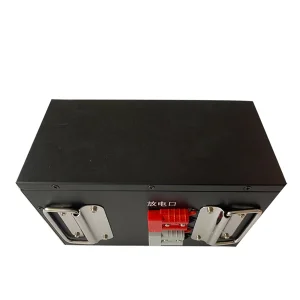
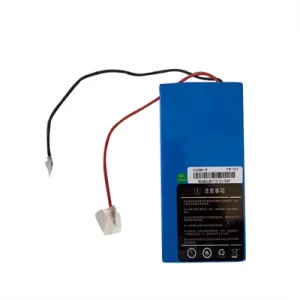
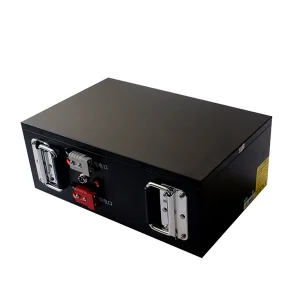
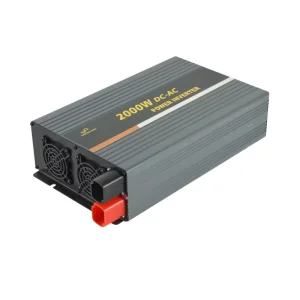
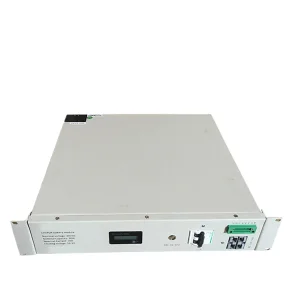
Analyzing the global transition towards 24-volt systems across industrial, commercial, and mobility landscapes.
Within modern power conversion infrastructures, the 24-volt architecture represents a crucial balance between voltage efficiency and electrical safety. Systems operating on a nominal 24V (which typically translates to 25.6V to 26.8V under LiFePO4 chemistry) minimize current draw compared to traditional 12V equivalents. By cutting current in half for the same wattage output, resistive power losses (P=I²R) in cabling are reduced by 75%.
This thermodynamic advantage enables the utilization of thinner wiring runs, resulting in direct copper weight savings, decreased system installation costs, and enhanced overall structural safety in recreational vehicles, material handling automation, and marine vessels.
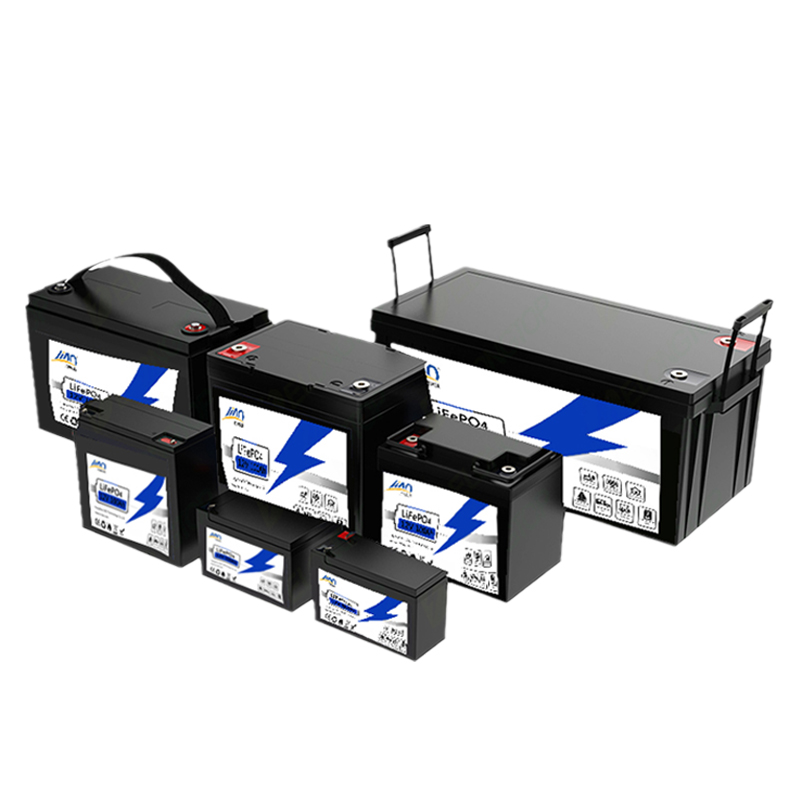
A rigorous examination of cell materials, cycle lifetimes, and safety dynamics under extreme operational environments.
Hangzhou LIAO Technology utilizes advanced olivine-structured LiFePO4 cells. Due to the high covalent bond strength between phosphorus and oxygen, the thermal runaway threshold remains near 600°C. In nail penetration / acupuncture testing, these cells do not burn or explode, providing high security under mechanical damage.
Engineered with proprietary low-impedance electrolyte formulas and integrated thermal barriers, LIAO batteries maintain stable performance across environments ranging from freezing high-altitude operations down to -40°C, up to industrial high-temperature zones reaching 85°C.
Built for industrial duty cycles, our single cells achieve 2800+ cycles at 100% Depth of Discharge (DOD) with a 1C charge/discharge rate while maintaining over 80% capacity. When operated under standard conditions (0.2C, 80% DOD), service life can extend past 5000+ cycles.
| Performance Parameter | Lithium Iron Phosphate (LiFePO4) - LIAO Standard | Conventional Lead-Acid (AGM/Gel) | Comparison Advantage |
|---|---|---|---|
| Cycle Life (100% DOD) | 2,800+ Cycles (Nominal 1C) | 300 - 500 Cycles | > 5x longer lifecycle, lower total cost of ownership (TCO) |
| Usable Capacity (Dod) | 90% - 100% without structural degradation | 50% recommended limit | Doubles the active energy storage runtime per charge cycle |
| Weight / Energy Density | 120 - 140 Wh/kg (Lightweight construction) | 30 - 45 Wh/kg | Approx. 70% reduction in weight for equivalent power |
| Thermal Range Stability | -40°C to 85°C (Custom configurations) | -15°C to 45°C | Enables deployment in harsh outdoor & industrial applications |
| Charging Profile Efficiency | > 98% charge-discharge energy recovery efficiency | Approx. 80% - 85% | Rapid acceptance rates, minimizes generator run-times |
Discover how LIAO 24V & 48V battery systems power mission-critical equipment globally.

Our LiFePO4 golf cart batteries provide consistent voltage profiles, maintaining cart speed and acceleration during steep climbs. Lightweight packs reduce wear on turf, brakes, and drivetrains.
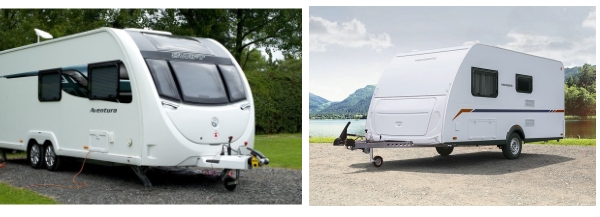
High-discharge LiFePO4 batteries allow caravan movers to navigate narrow spaces without performance lag. With zero emissions, low self-discharge rates, and high safety profiles, they are ideal for indoor and enclosed camper storage.
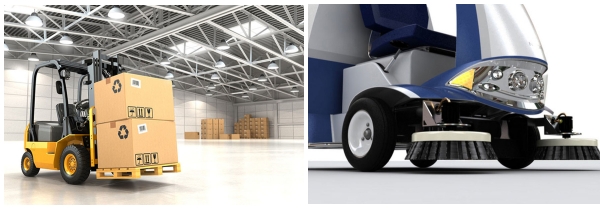
Designed for automated material transport, our batteries support fast opportunity charging. They improve operational efficiency by reducing cycle-rest intervals and labor requirements in busy logistics hubs.
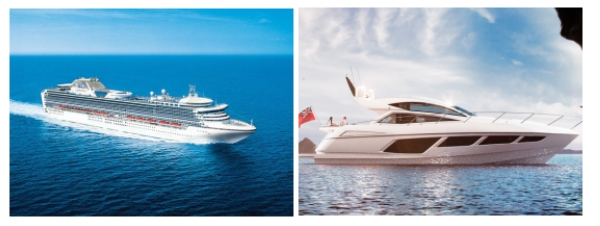
Environmentally friendly marine batteries with corrosion-resistant cells. They offer long runtimes and silent, exhaust-free operation for sensitive marine ecosystems and commercial waterways.
A professional, safety-focused manufacturer specializing in LiFePO4 battery solutions since 2009.
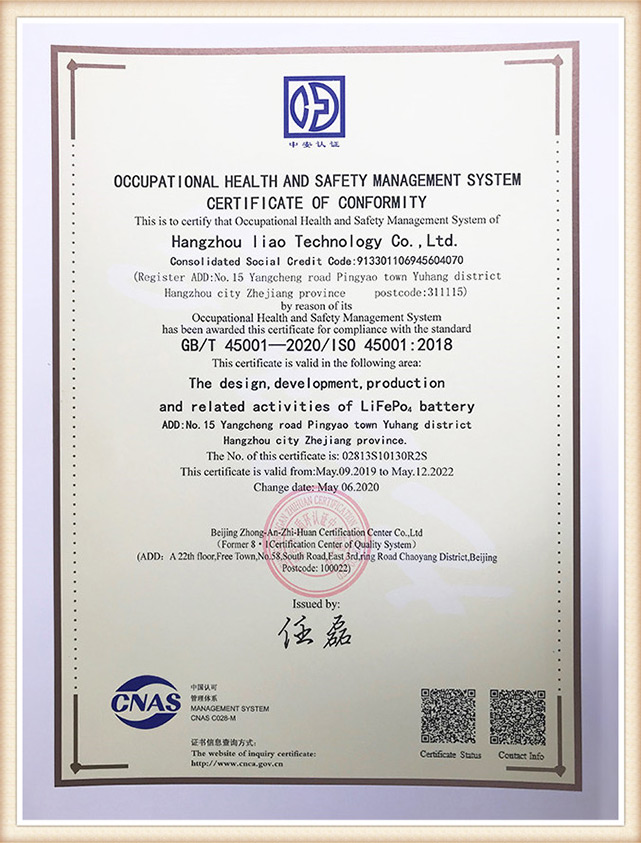
Founded in 2009, Hangzhou LIAO Technology Co., Ltd. is an established manufacturer specialized in lithium iron phosphate (LiFePO4) technologies. Our products are exported to more than 20 countries worldwide, earning a strong reputation for performance and safety.
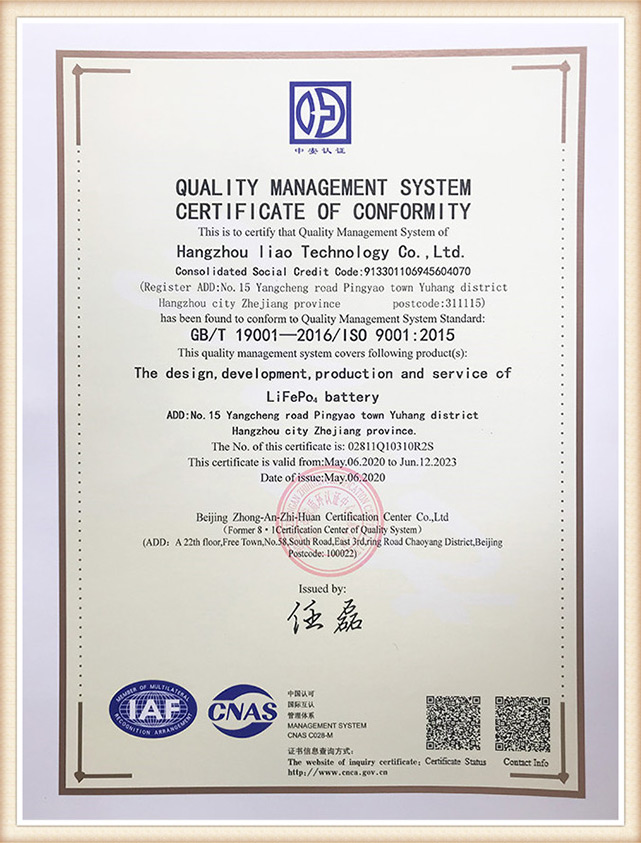
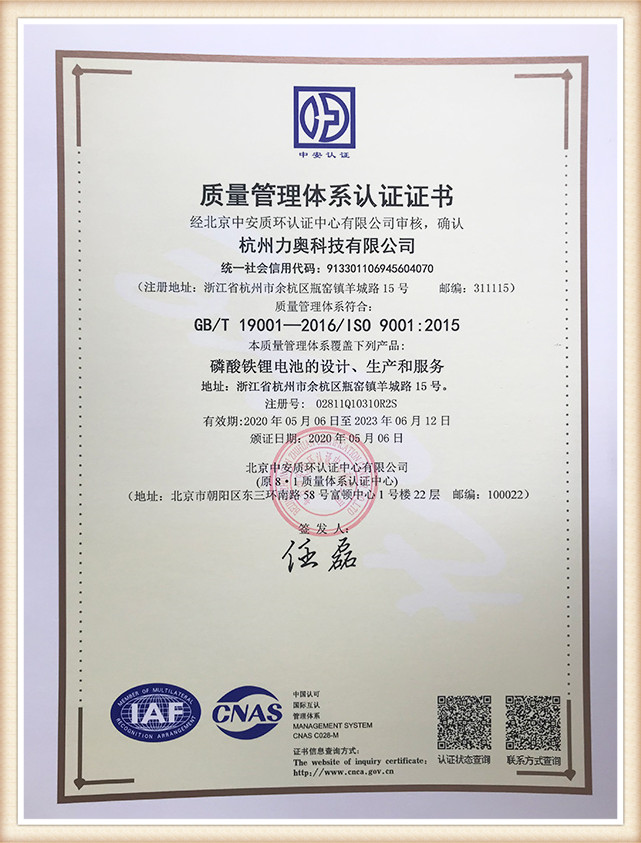
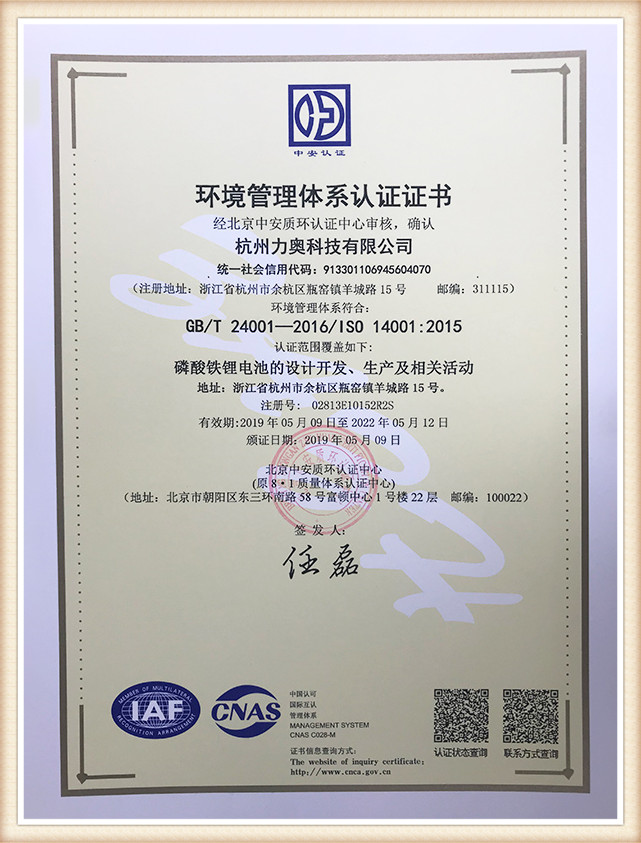
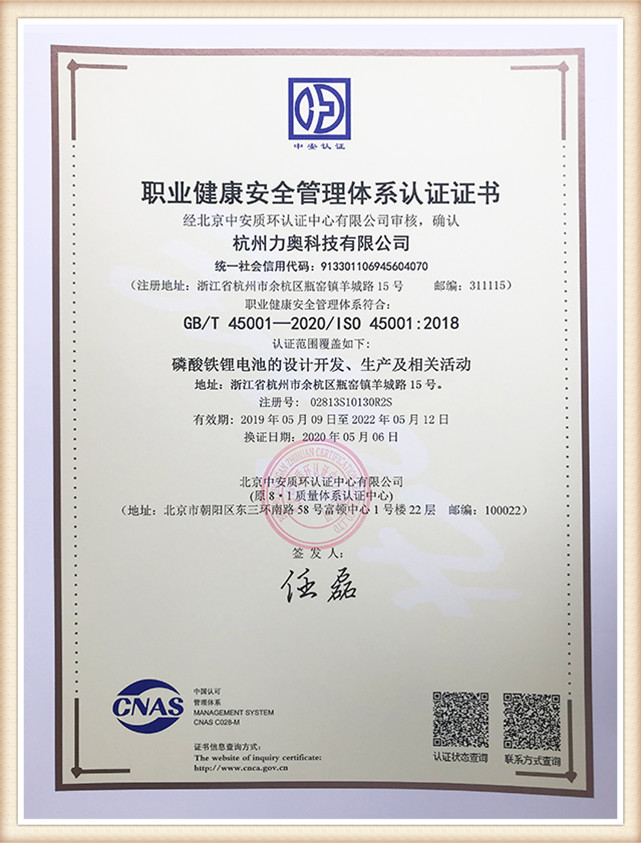
We maintain strict quality control protocols. All operations and assembly processes comply with ISO 9001 quality management guidelines, ISO 14001 environmental safety regulations, and ISO 18001 / ISO 45001 occupational health and safety standards.
Our engineering and production capabilities focus on customizable layouts, custom smart BMS systems, and robust mechanical structures designed for challenging environments.
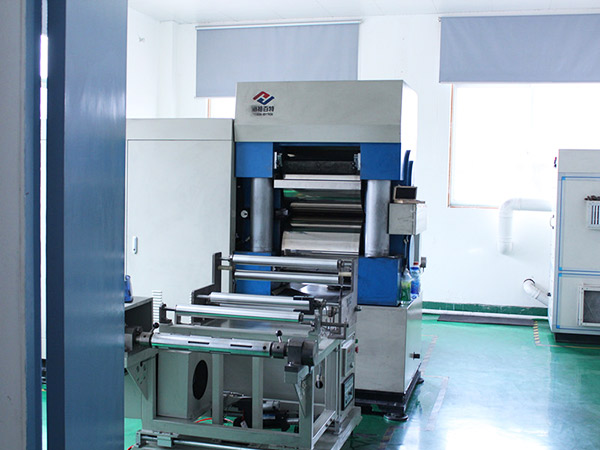
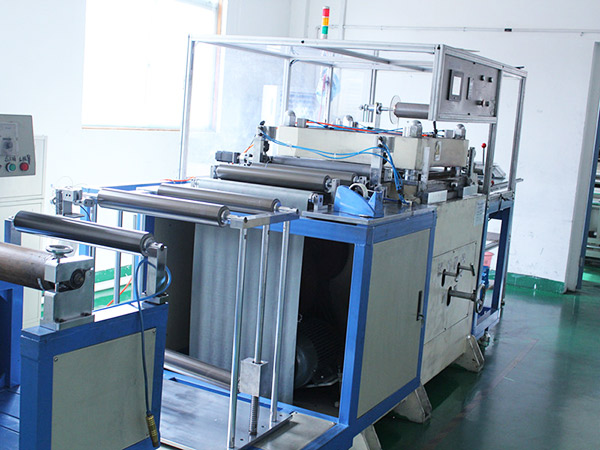
Take a virtual look at our production floor, testing areas, and administrative offices in Hangzhou.
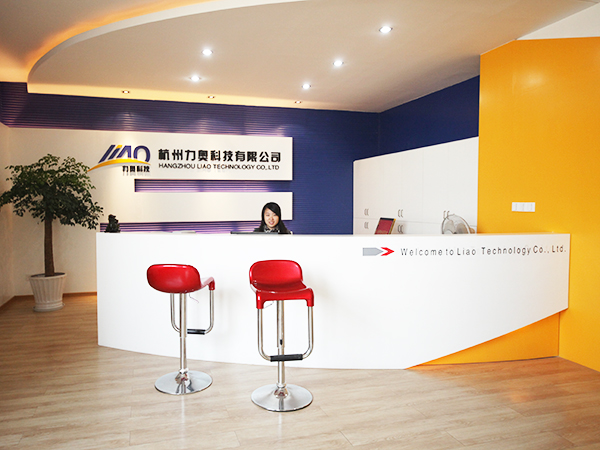
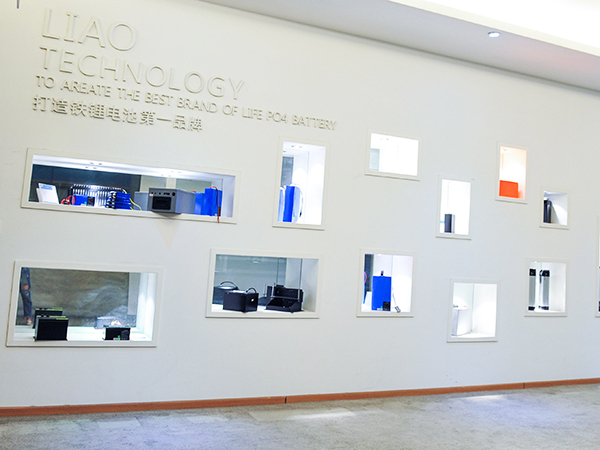
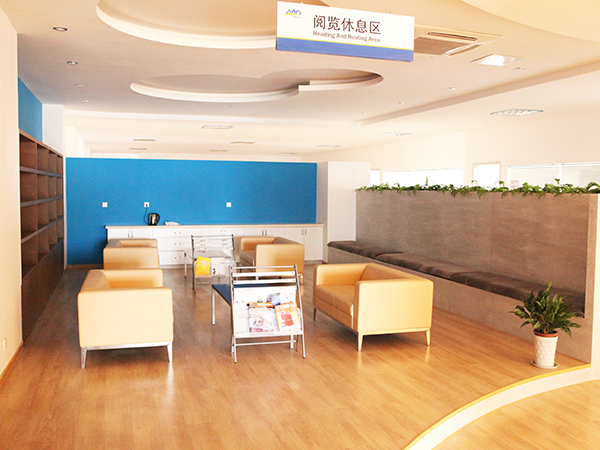
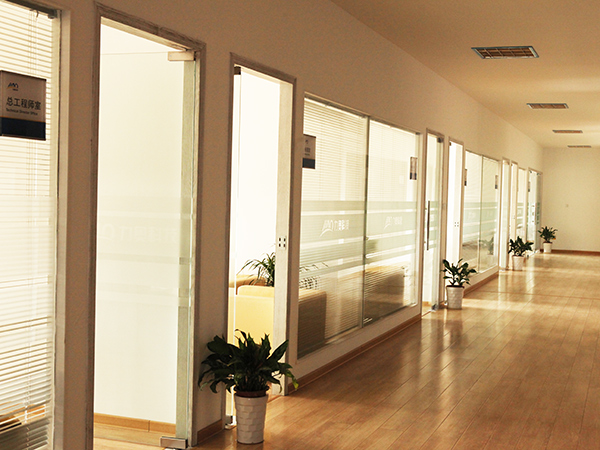
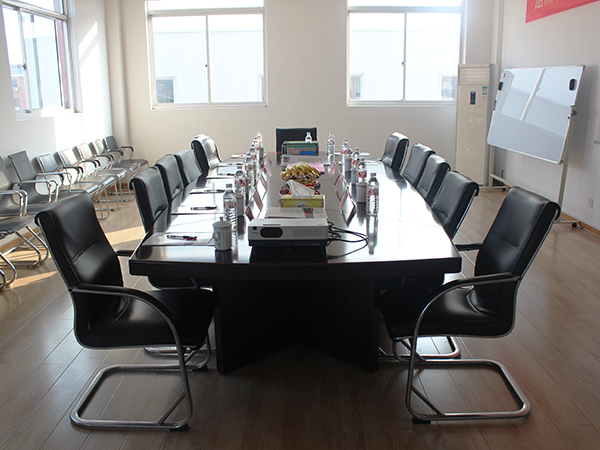
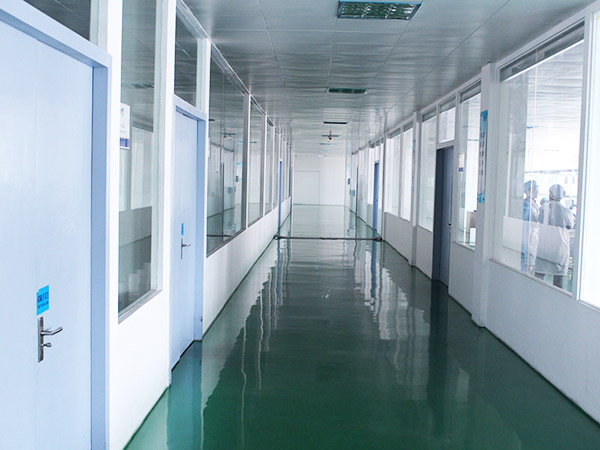
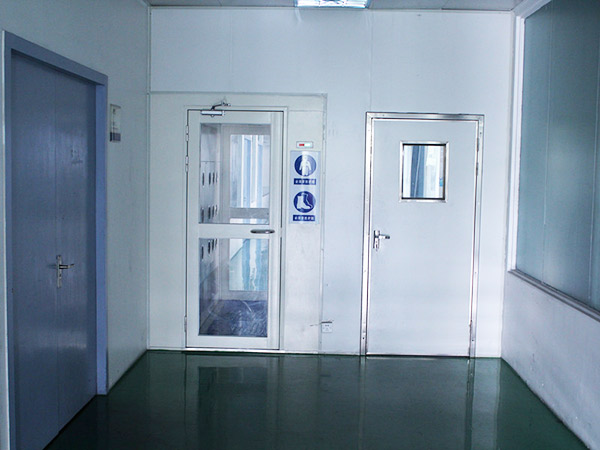
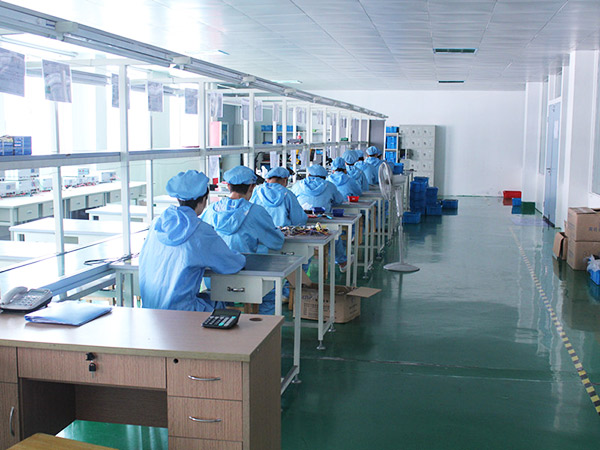
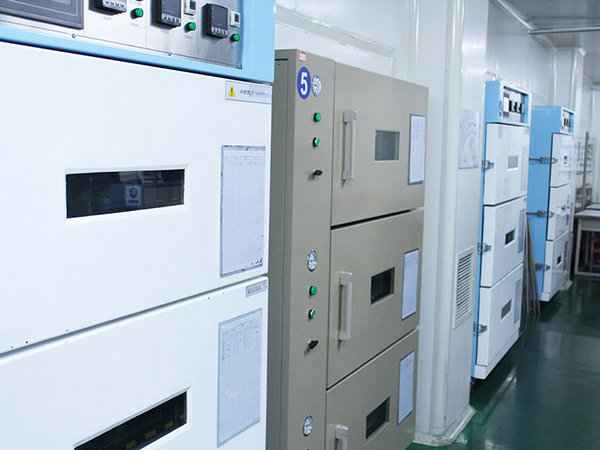
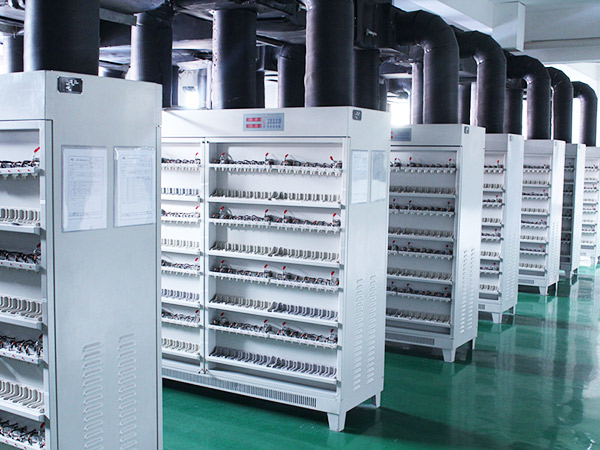
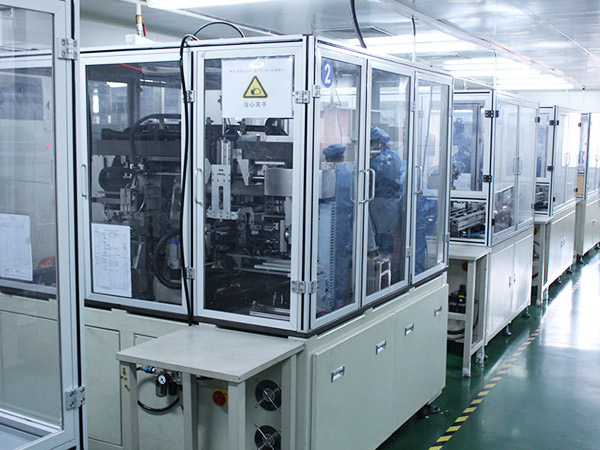
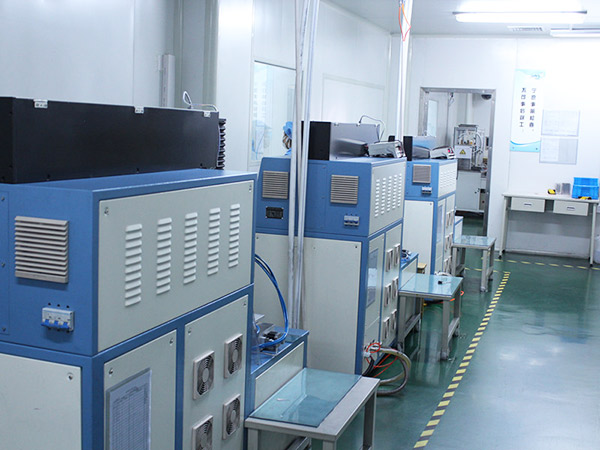
Our robust production ecosystem supports clients across key international markets.
Operating from our facilities in Zhejiang, LIAO Technology leverages China's industrial infrastructure. We source high-grade lithium iron phosphate cathode powder, high-purity electrolytes, and advanced BMS chipsets locally, minimizing material delays and keeping production lines moving.
Through automation in cell sorting, laser welding, and automated capacity testing, we ensure cell consistency. This automated system lowers manufacturing costs while maintaining high quality, allowing us to offer cost-effective customization services (OEM/ODM) to global clients.
We work with established shipping agents to ensure lithium battery shipments comply with international transit rules, including UN38.3 packaging, IMDG maritime transport, and IATA aviation codes.
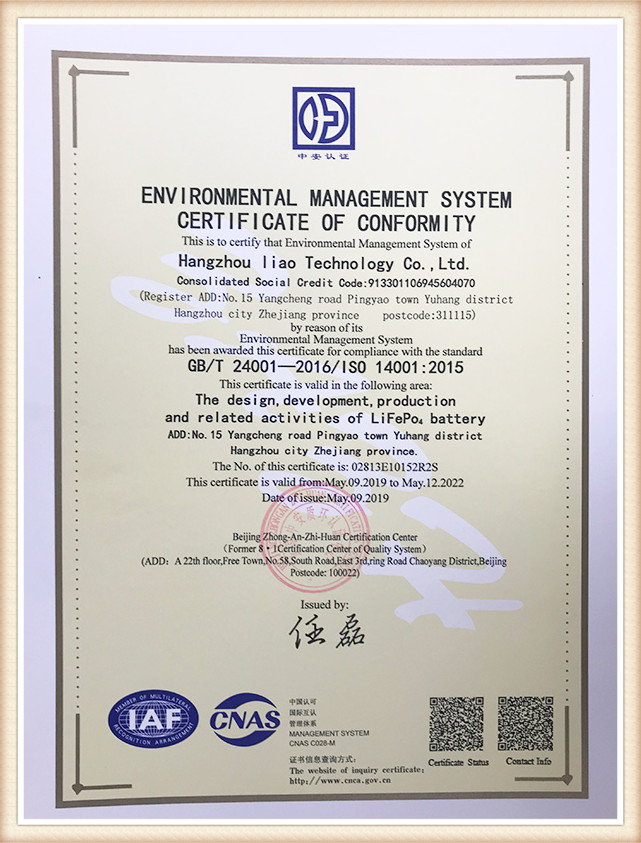

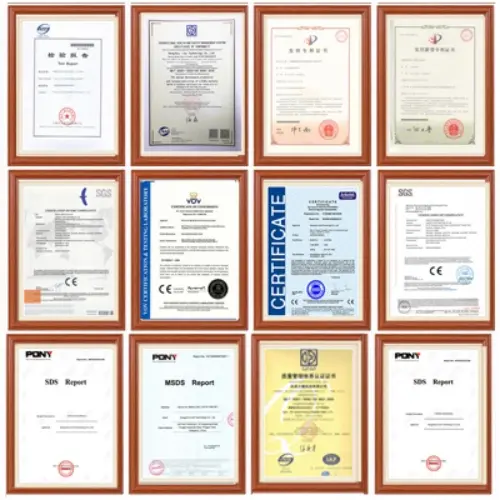
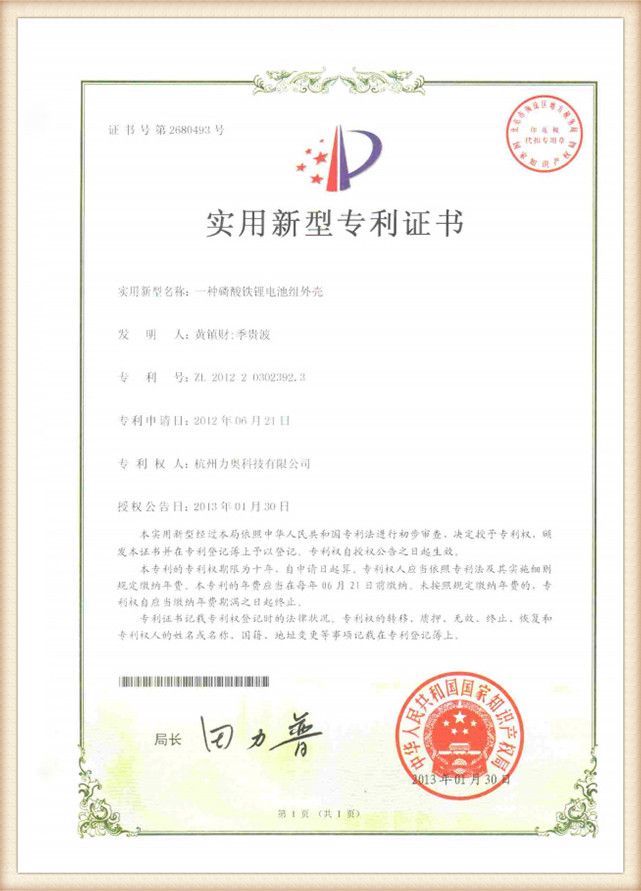
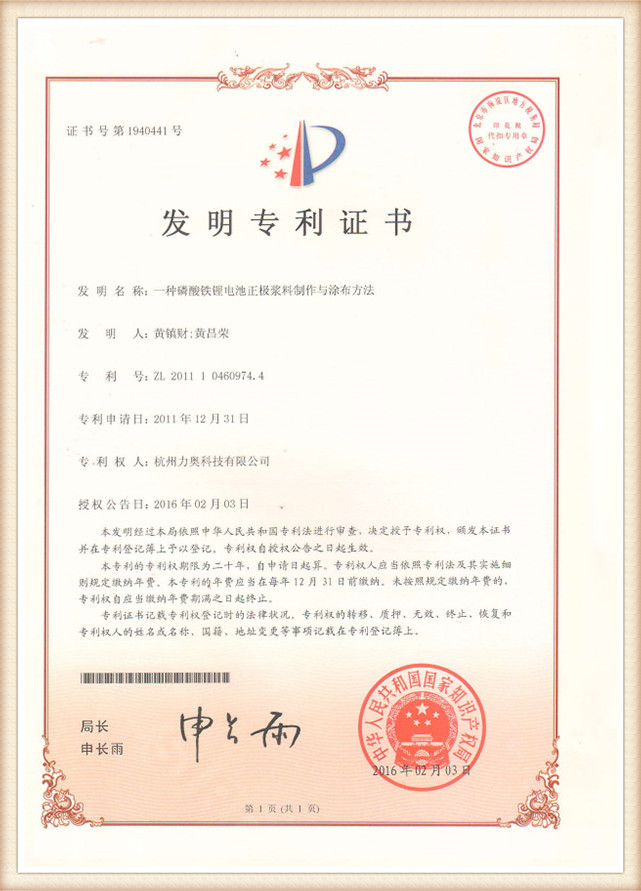
LIAO battery products are fully certified for export to major global markets, meeting strict safety and environmental standards.
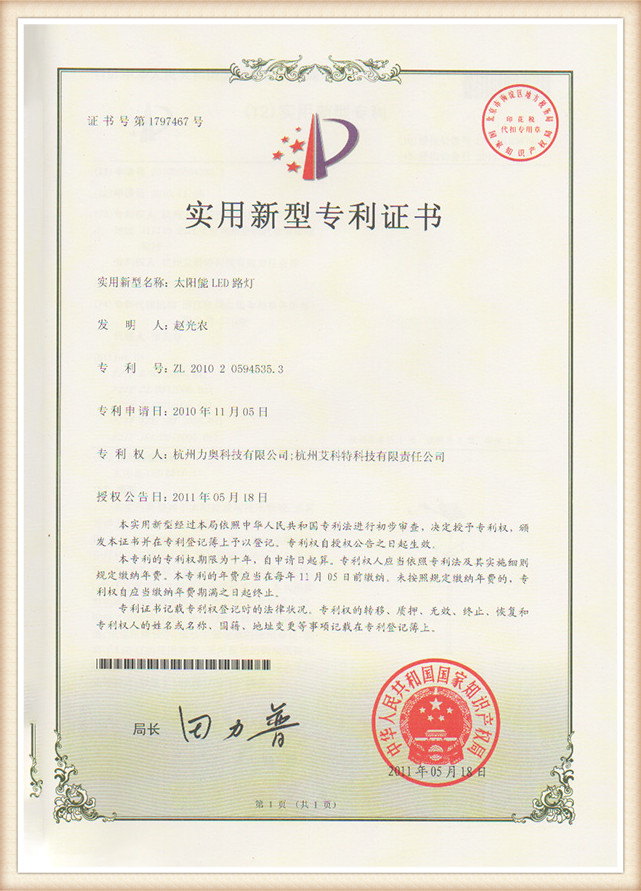
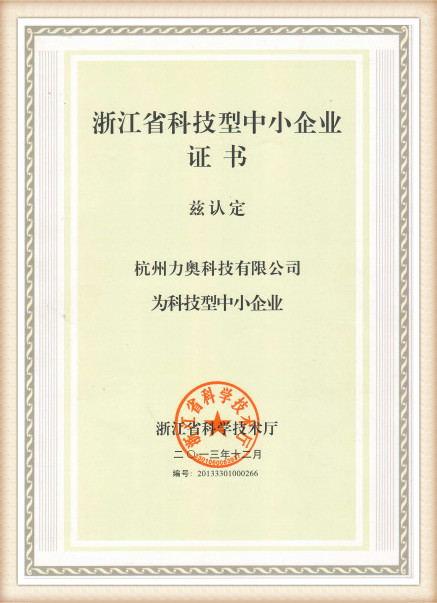
Developing advanced cell structures and intelligent battery monitoring systems.
Hangzhou LIAO Technology focuses on integrating smart Battery Management Systems (BMS). Our upcoming product generations will feature Bluetooth, CANbus, and RS485 communication protocols. These systems will allow users to monitor State of Charge (SoC), State of Health (SoH), temperature, and balance cells in real-time via mobile apps and industrial controls.
In cell development, we are researching silicon-carbon anodes to improve volumetric density, and examining composite gel electrolytes to extend low-temperature performance down to -50°C. These projects aim to support future applications in harsh conditions and aerospace systems.
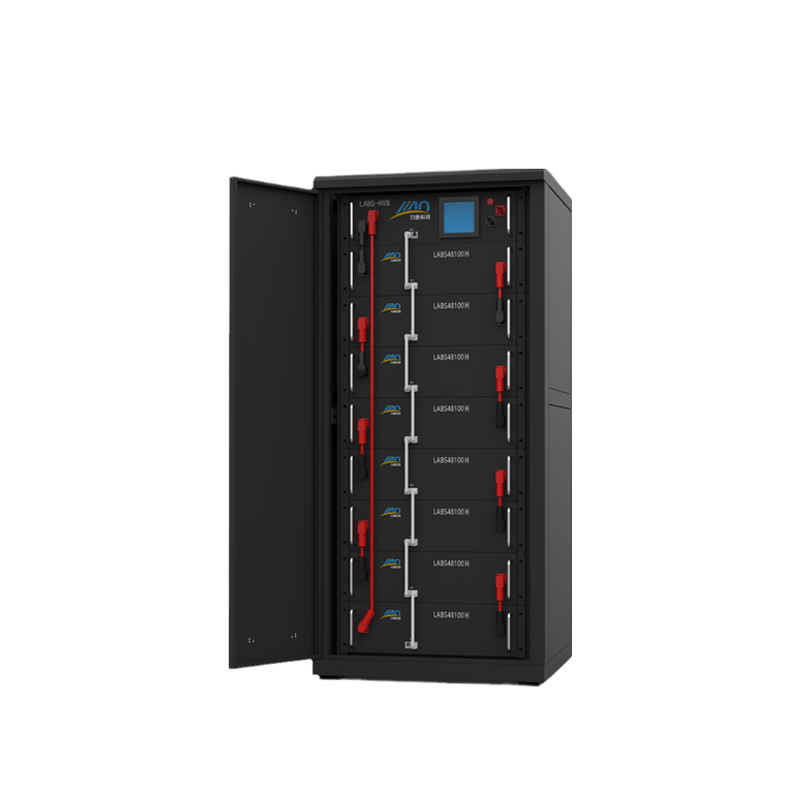
Expert answers to common engineering questions regarding the customization, integration, and safety of 24V LiFePO4 systems.
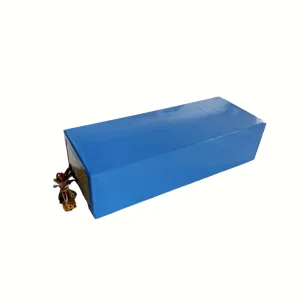
 Liao Battery