The global micro-mobility market is experiencing structural transition. Regulatory directives (such as Europe's EN 15194 standard and North America's UL 2849 certification requirements) have pushed manufacturer attention away from budget cobalt-based chemistries toward highly stable, certified battery packs. The 24V lithium-ion architecture remains a key industrial standard for utility electric assist bicycles (e-bikes), cargo fleets, and light electric drive platforms because of its balance of power distribution efficiency, low safety risk, and space-saving form factors.
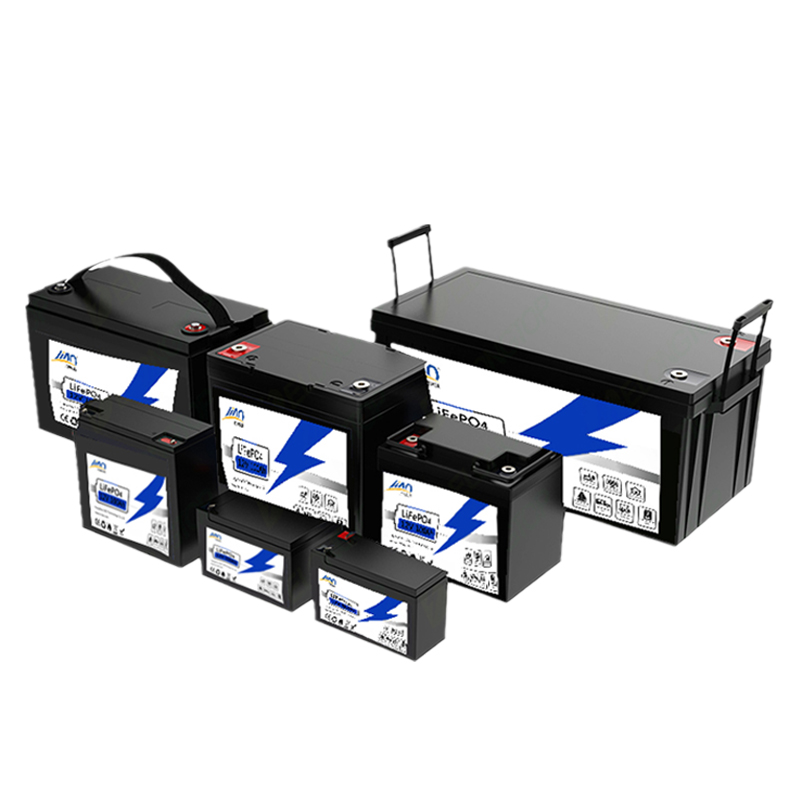
Modern fleet operators and OEM bicycle factories are changing their sourcing priorities. Instead of looking purely at cost-per-watt-hour, buyer procurement programs focus on thermal management systems, mechanical frame integrity, and cycle-life reliability. This shift has elevated Lithium Iron Phosphate (LiFePO4) as a preferred alternative to NMC (Nickel Manganese Cobalt) because of its superior safety profile under mechanical failure, overcharging conditions, and high ambient temperatures.
While 36V and 48V designs power high-speed off-road e-bikes, 24V platforms are the standard choice for lightweight urban commuter bikes, folding e-bikes, and target configurations in Asian and European inner-cities. Lower system voltages reduce total cell count in series, lowering the complexity of the Battery Management System (BMS) and reducing risk of electrical faults.
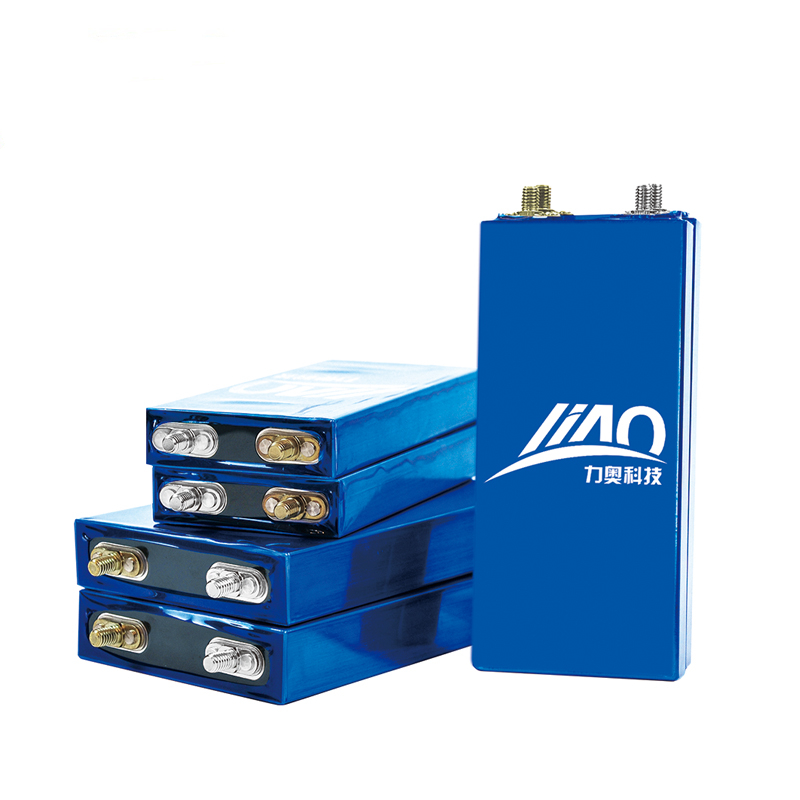
Founded in 2009, Hangzhou LIAO Technology Co., Ltd. is a professional manufacturer specializing in high-safety LiFePO4 cells and customized battery packs. Over the past fifteen years, our products have reached client networks in more than 20 countries, including Germany, France, the Netherlands, Spain, the United Kingdom, the USA, Canada, Mexico, Brazil, Australia, the Philippines, Thailand, Singapore, Korea, Japan, India, and South Africa.
We have built a strict quality assurance system operating under the ISO 9001 quality management framework. To maintain responsible and safe operations, we comply with the environmental management system ISO 14001 and the occupational health and safety standard ISO 18001.
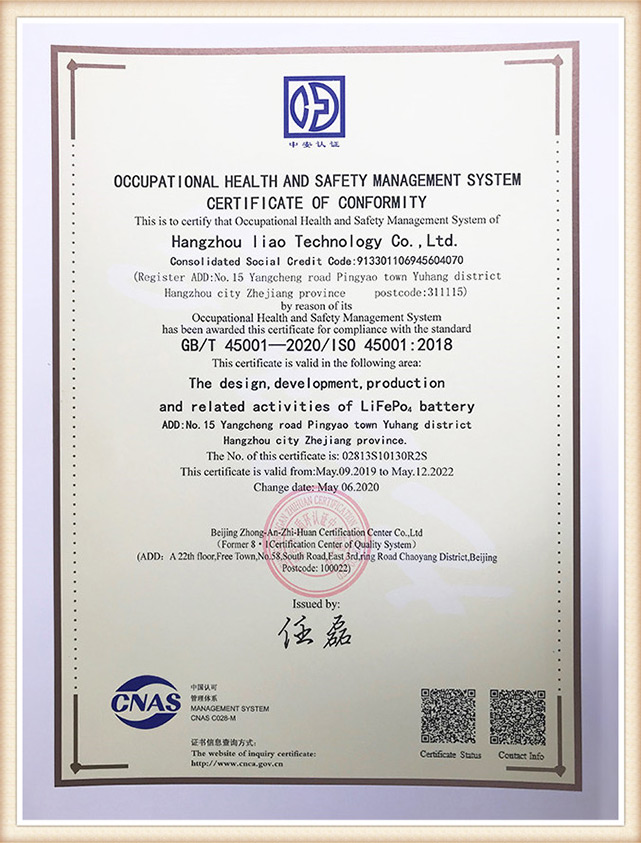
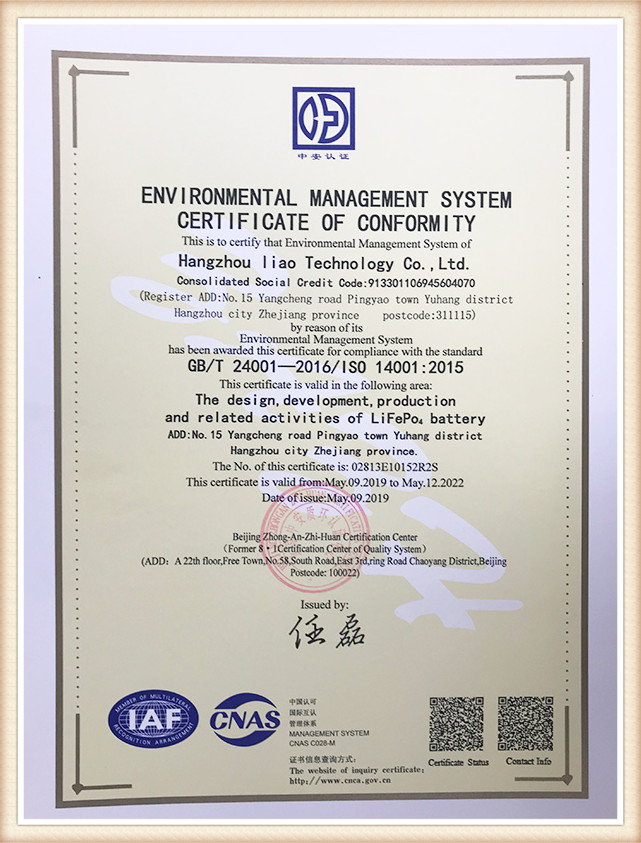
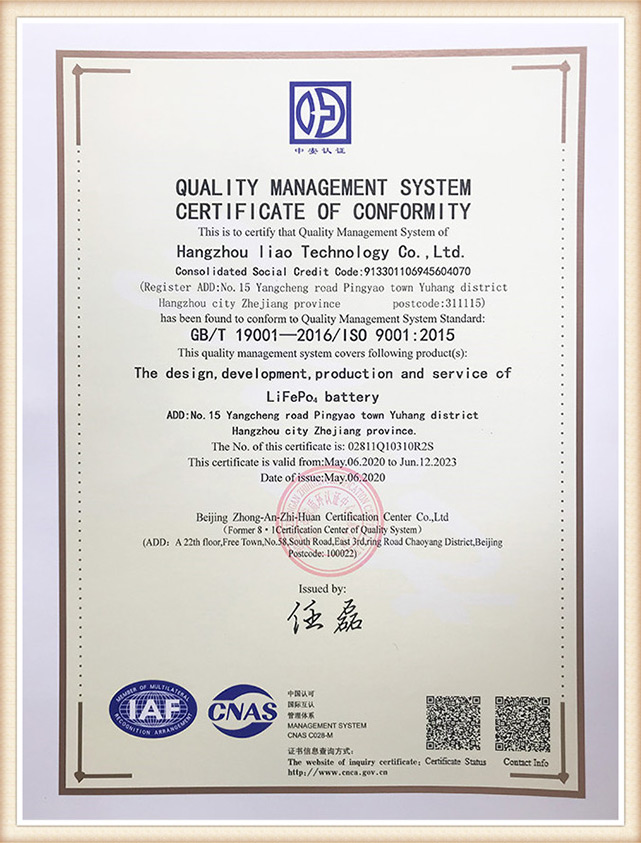
Global B2B procurement demands high speed and consistency. In the e-bike battery sector, small defects in cell capacity matching or internal resistance variations can cause premature pack failures. To prevent this, Hangzhou LIAO Technology operates automated production lines featuring precision cell-binning, automated laser welding, and dynamic electrical testing.
Automated sorting matches matching cells within 5mV and 3mΩ tolerances.
High-precision electrode shaping prevents physical micro-stress on separator films.
Advanced automated stacking provides high mechanical stability and energy density.
Ultra-stable robotic laser welding for tab-to-busbar connections minimizes resistance.
High-temperature vacuum drying removes trace moisture, followed by load-cycle aging.
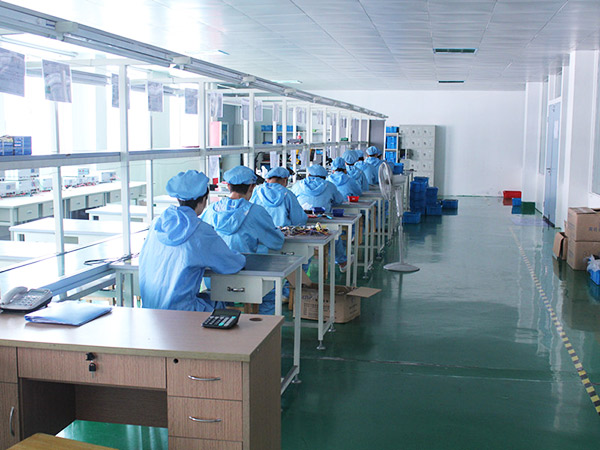
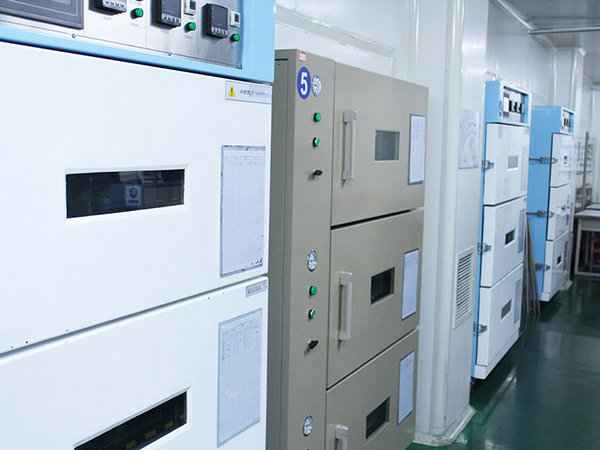
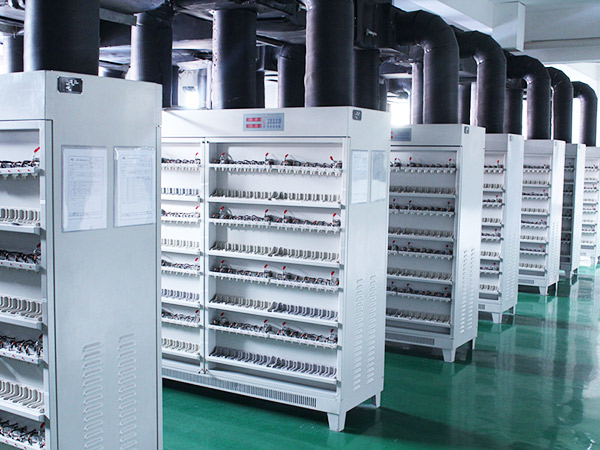
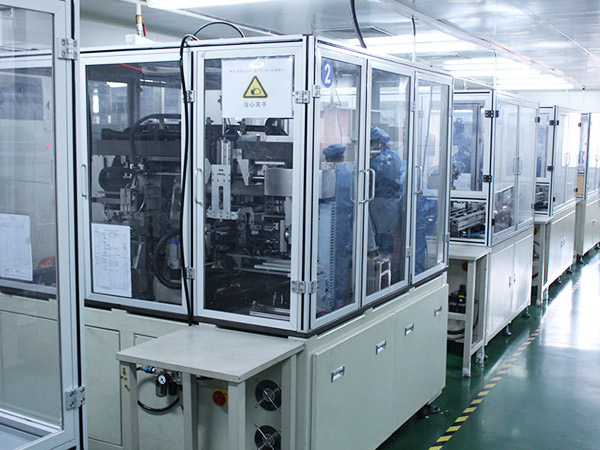
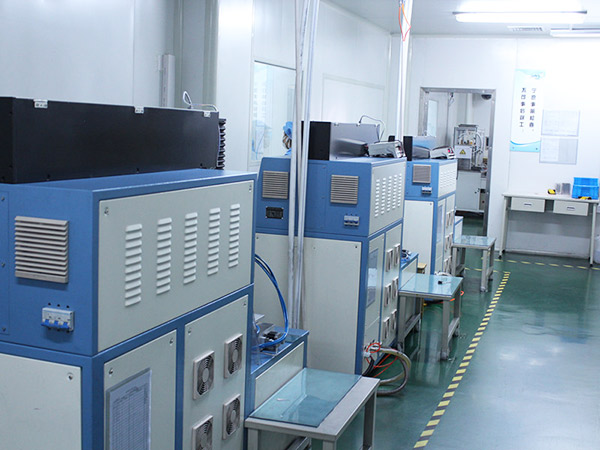
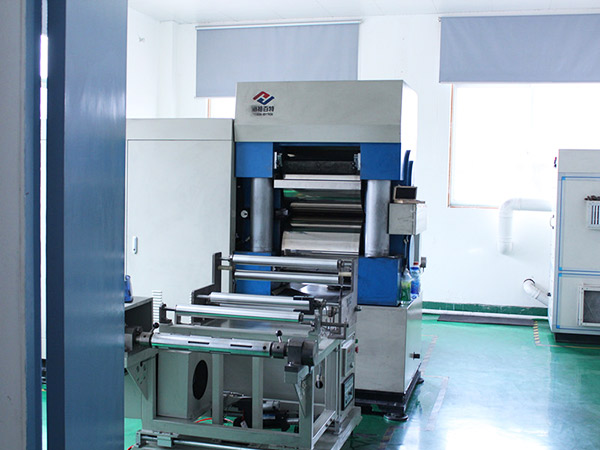
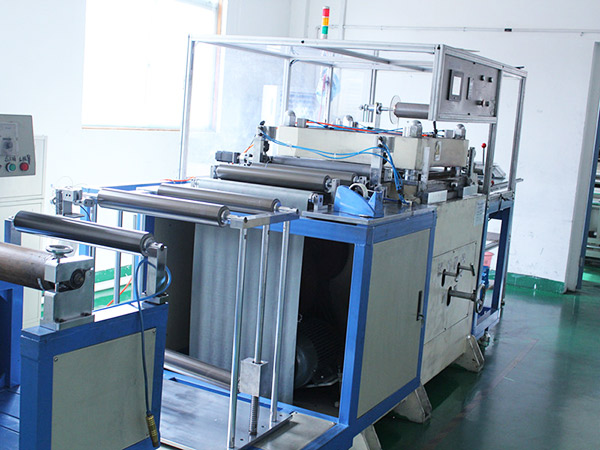
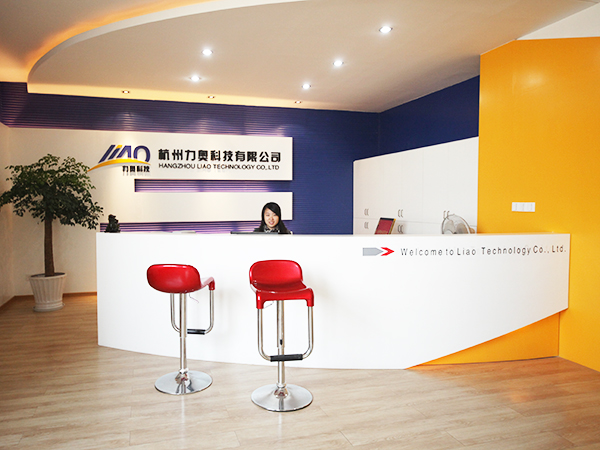
By managing the production process in-house, LIAO secures raw material pathways and maintains manufacturing consistency. From tab cutting to aging chambers, each cell is registered in our manufacturing execution system (MES), enabling complete lot traceability for international buyers.
When evaluating 24V lithium-ion batteries for electric bikes, procurement teams must look beyond nominal capacity. Operating conditions, charge-discharge dynamics, safety standards, and BMS metrics define the actual value of the battery over time.
| Parameter / Metric | Standard Specification | Advanced Custom Configuration | B2B Sourcing Importance |
|---|---|---|---|
| Nominal Voltage | 25.6V (8S LiFePO4) | 24.0V (7S NMC / Li-Ion) | Defines compatibility with motor controllers. |
| Cell Chemistry Type | Standard E-Mobility NMC | Custom LiFePO4 (LFP) | NMC offers higher density; LFP provides long cycle life & safety. |
| Cycle Life Rating | 500 - 800 cycles (NMC) | 2,800+ cycles at 100% DOD (LFP) | Impacts total cost of ownership for fleet applications. |
| Operating Temp (Discharge) | -20°C to 60°C | -40°C to 85°C (Extreme Conditions) | Crucial for delivery services in cold winter zones. |
| BMS Protection Modules | Overcharge / Discharge Protection | SMBus/CANbus Telemetry + Active Balancing | Enables real-time diagnostics for e-bike fleets. |
| Certification Portfolio | Basic CE Mark | CE, UN38.3, IEC 62133, UL 2849 | Required for commercial import customs and retail sales. |
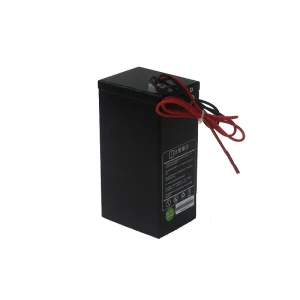
LIAO's engineering team designs customized battery enclosures (including downtube-integrated, rear rack, and triangular frame designs) that match your e-bike frame. With internal electrical, thermal, and software designers, we handle the integration of standard smart communication protocols (CANbus, SMBus, UART) so the battery connects smoothly with the motor, display, and controller.
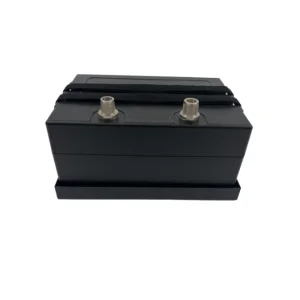
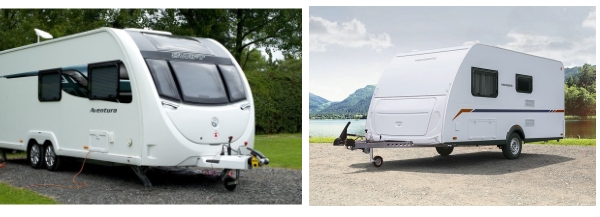
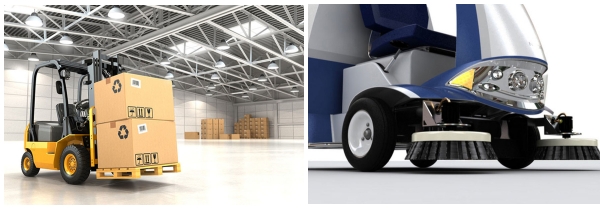
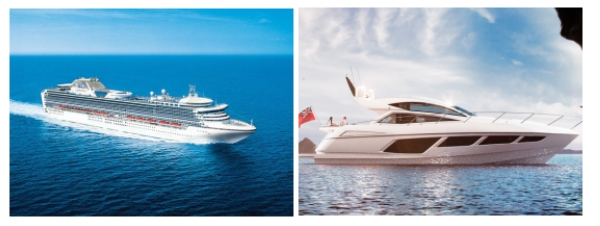
In addition to e-bikes, our lithium battery systems are designed to meet energy storage and mobility demands across several light electric vehicle (LEV) and industrial sectors:
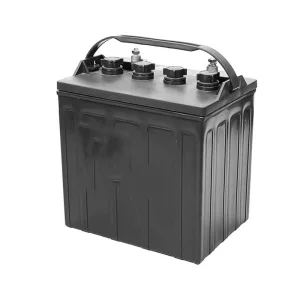
Our new generation of LiFePO4 golf cart batteries helps carts climb varied terrain. Stable voltage discharge rates provide consistent power output without standard lead-acid voltage sag.
Quiet, emission-free operation helps maneuvers in tight spaces. Eliminating heavy lead-acid batteries reduces overall caravan tongue weight while increasing auxiliary power capacity.
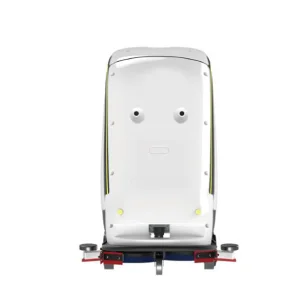
Designed for warehouse logistics and material handling. LiFePO4 packs support opportunity charging, allowing automatic guided vehicles (AGVs) to charge during breaks, keeping operations running.

Custom battery packs must meet compliance standards to import and sell in Western European, North American, and Asia-Pacific markets. Hangzhou LIAO Technology holds an extensive portfolio of utility patents, design patents, and regulatory test compliance certifications.
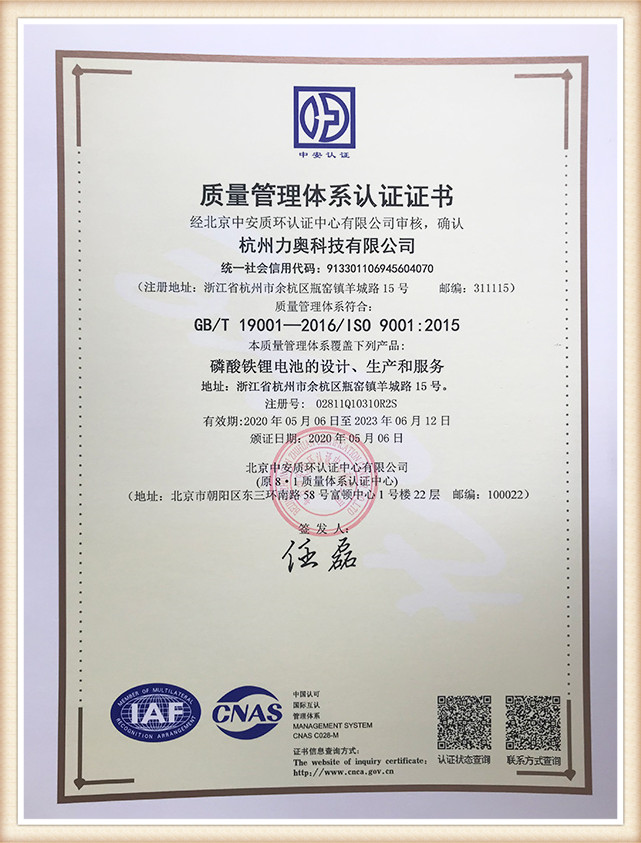
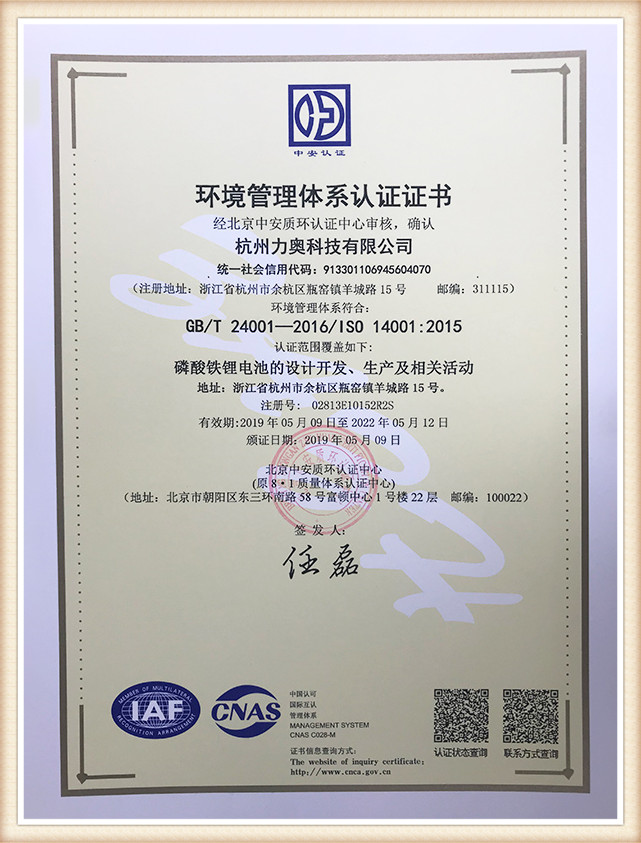
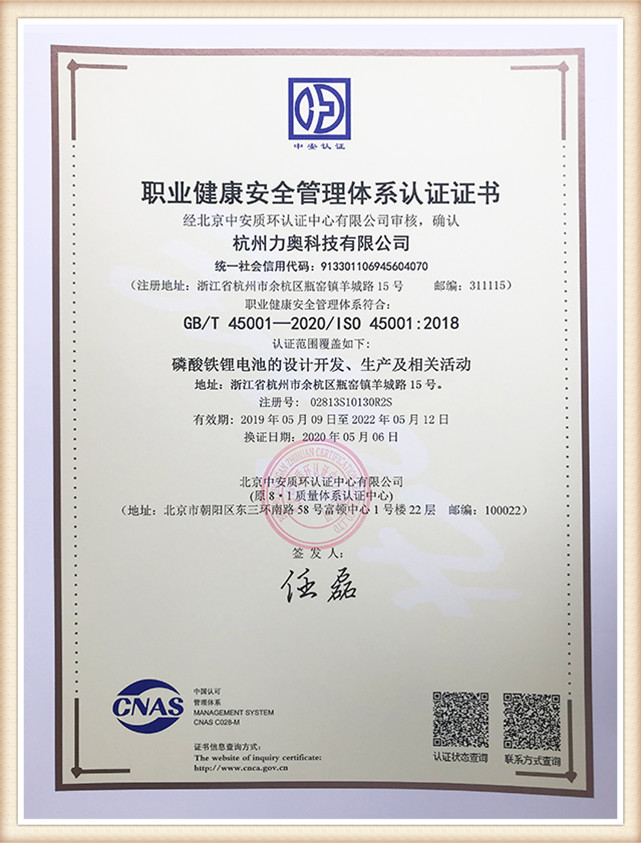
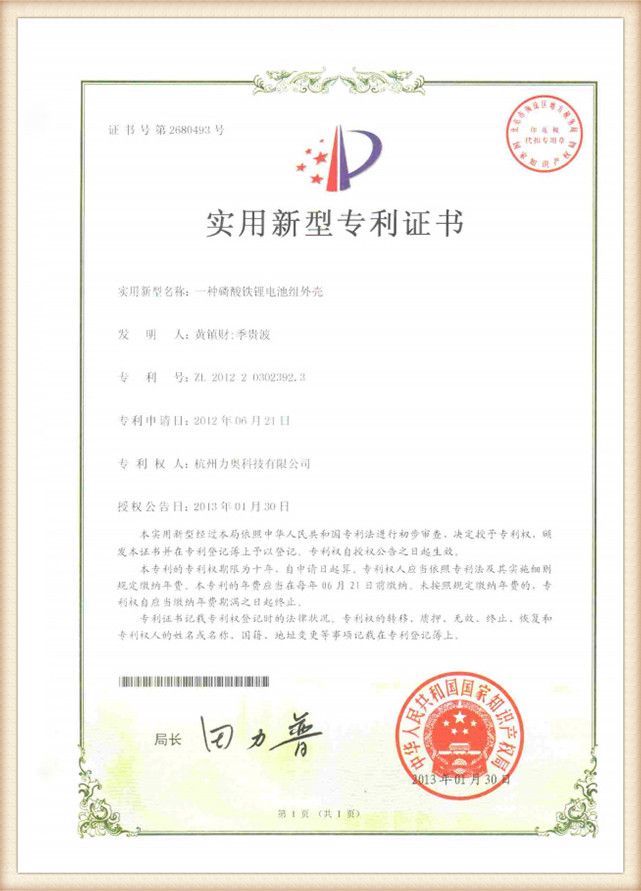
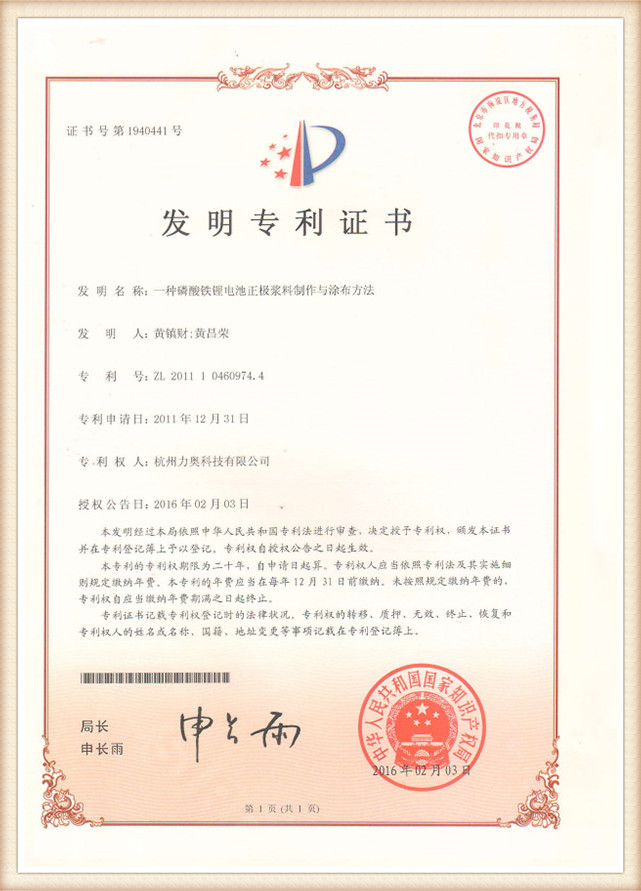
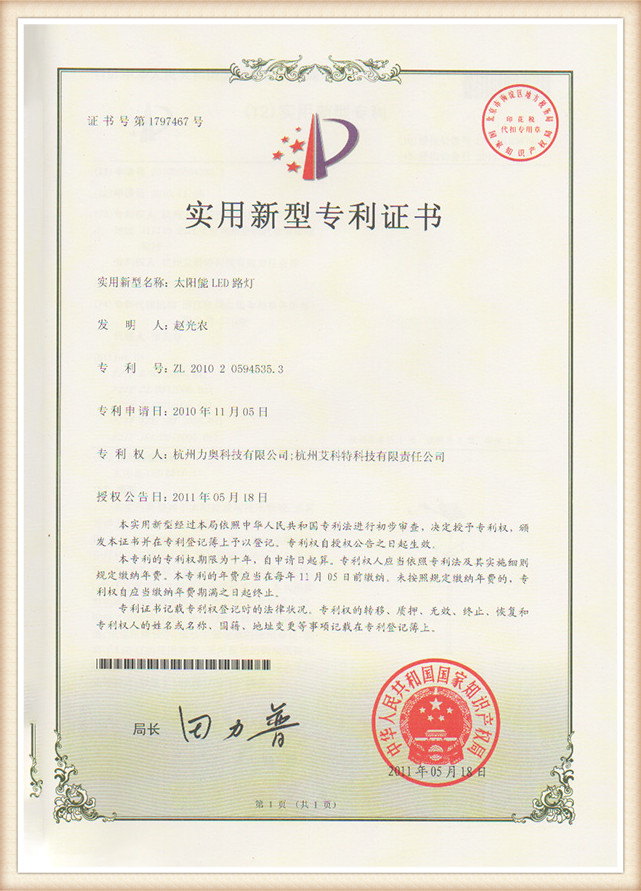
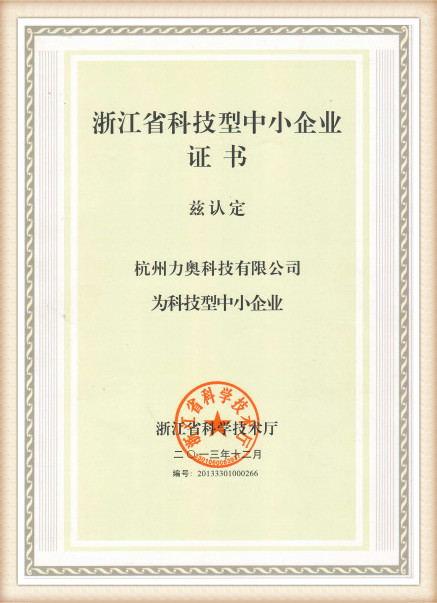
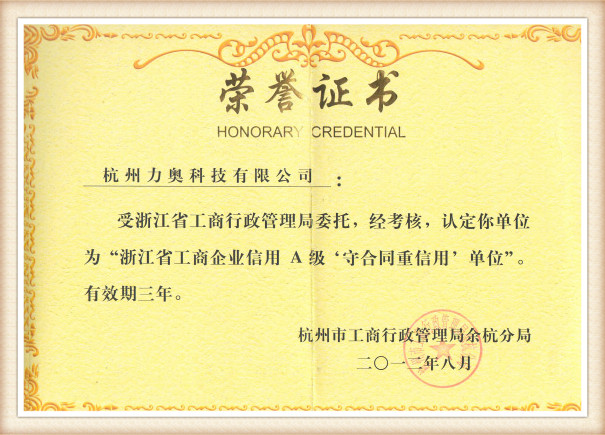
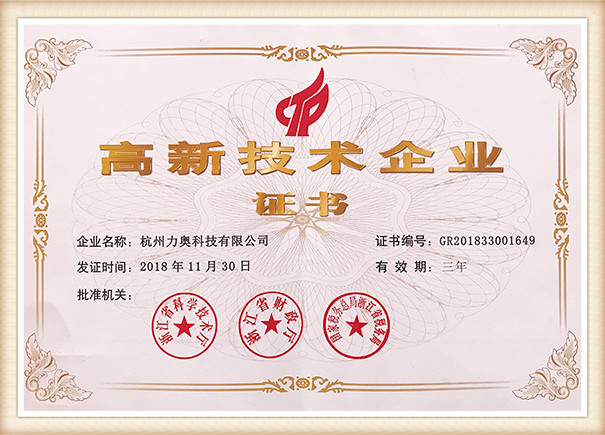
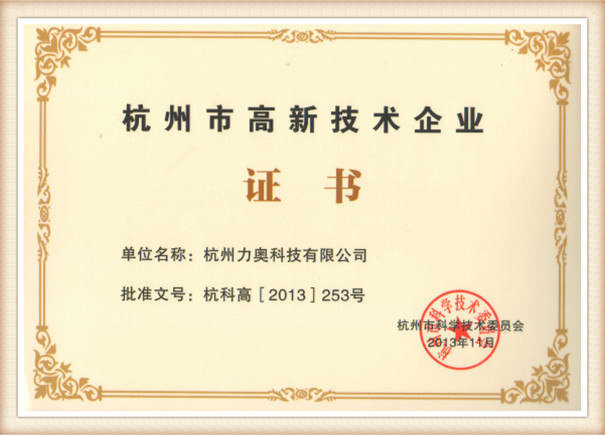
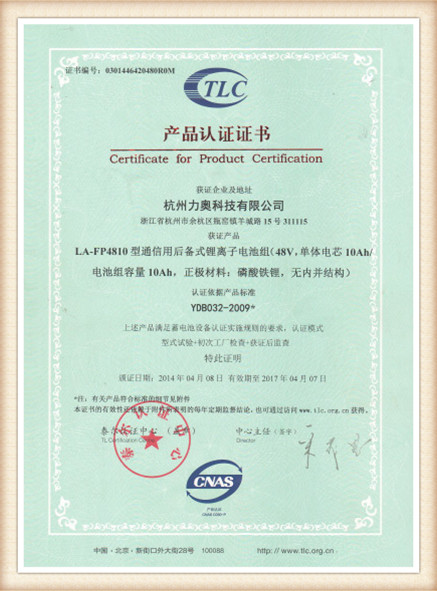
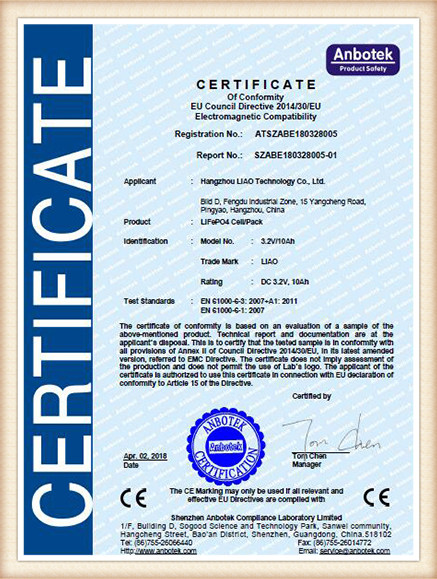
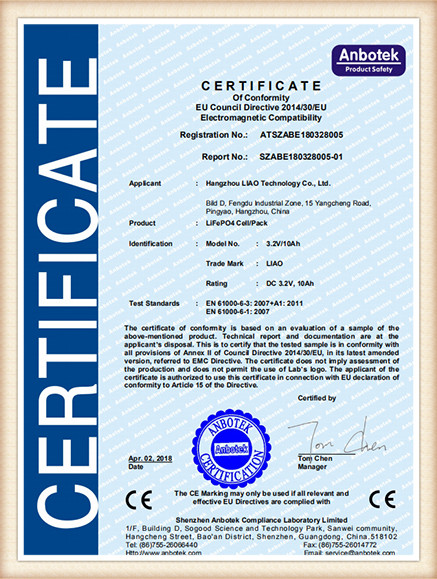
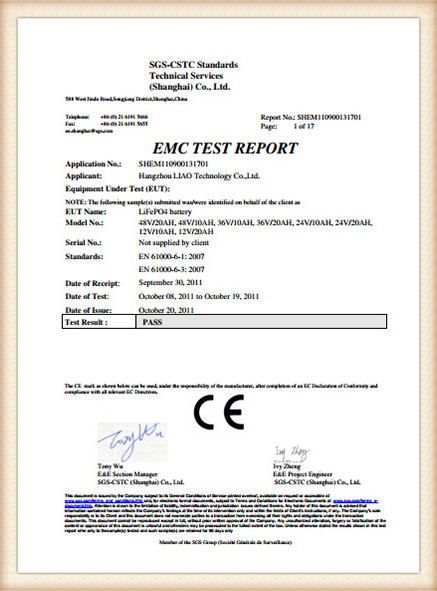
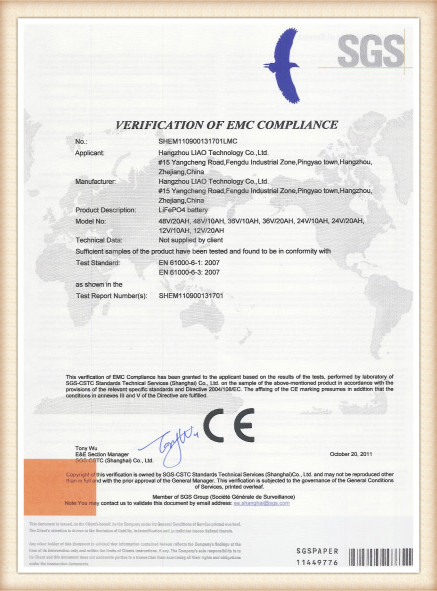
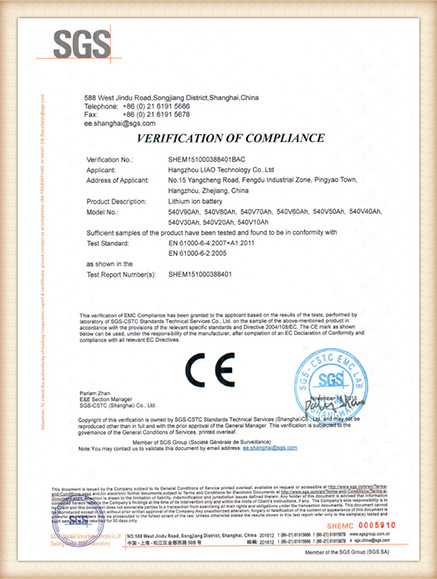
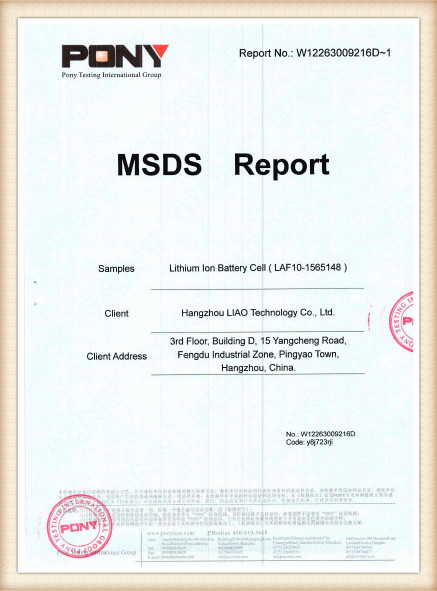
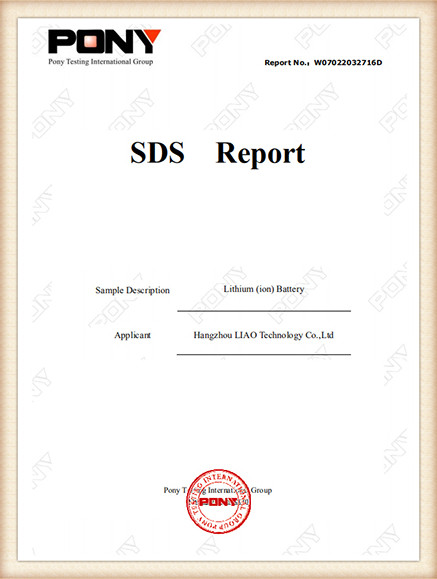
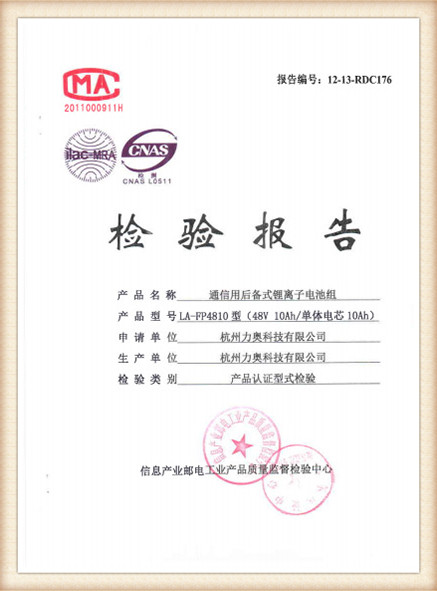
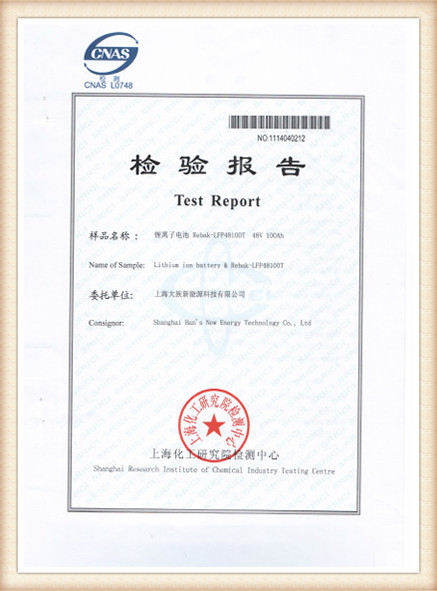
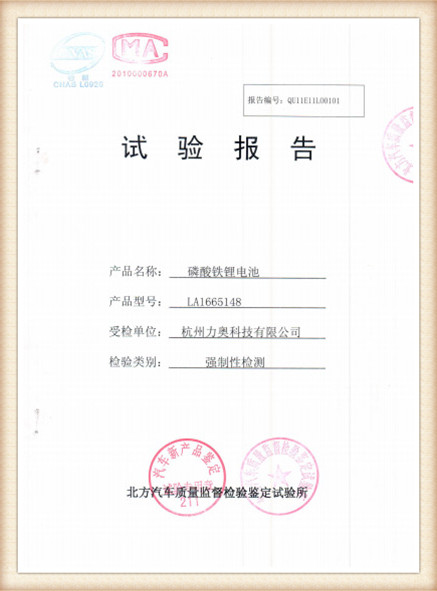
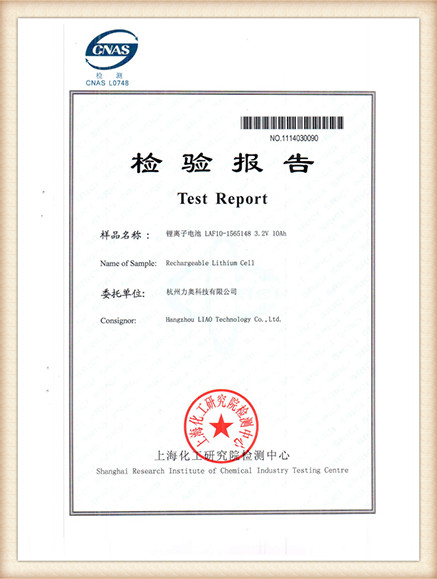
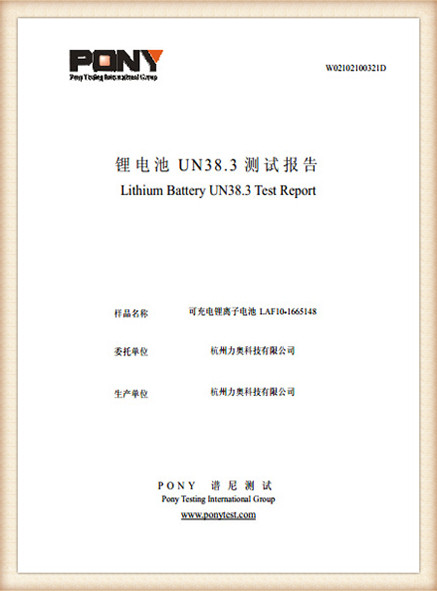
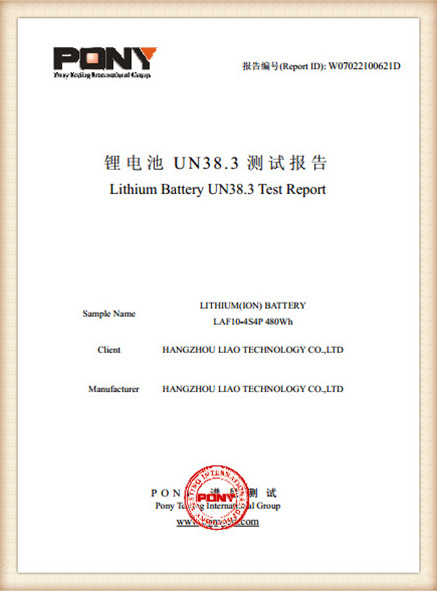
By maintaining active, updated reports for MSDS, UN38.3, and CE compliance, we help our partners minimize import delays and custom clearance hold-ups at European and American ocean ports.
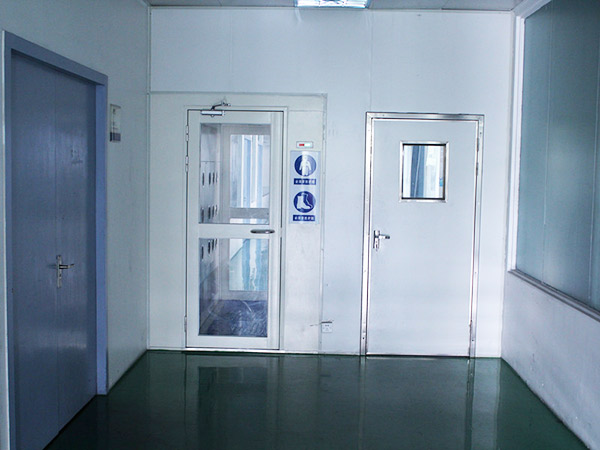
Our factory floor in Hangzhou is divided into dedicated areas to prevent cross-contamination and ensure quality control across all production steps.
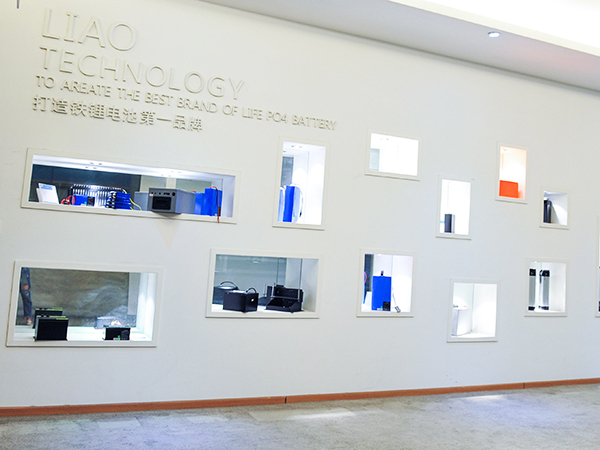
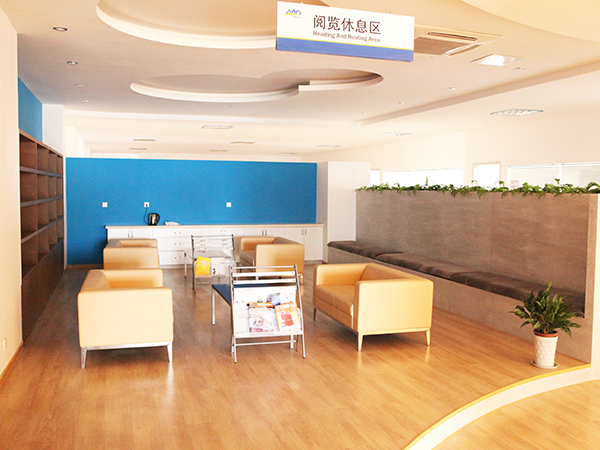
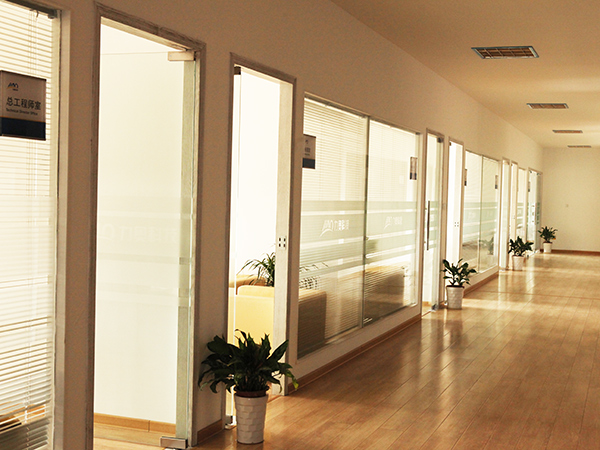
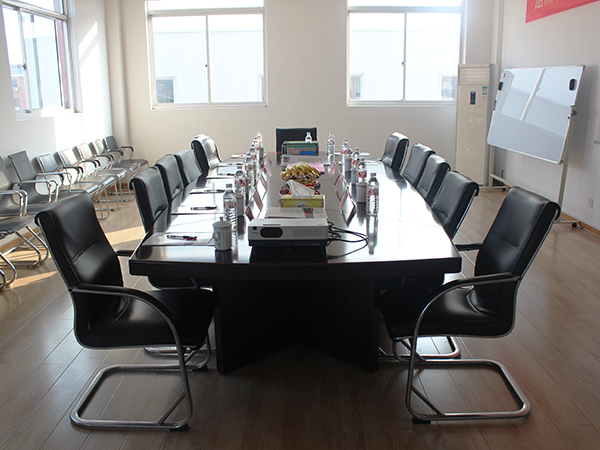
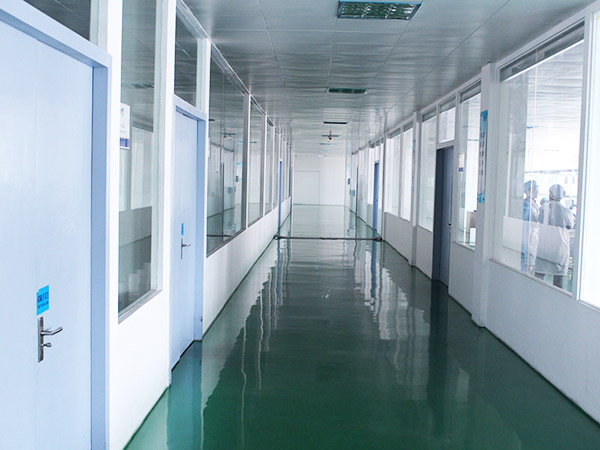
Touring the facility highlights our clean-room conditions. We control relative humidity below 20% in critical electrolyte filling and sealing chambers to prevent moisture damage inside the cells, which is a major contributor to capacity degradation and gas generation in lithium batteries.
 Liao Battery