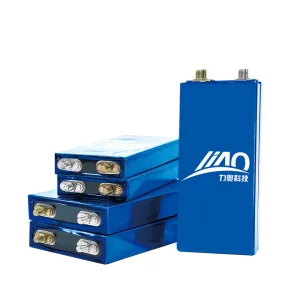
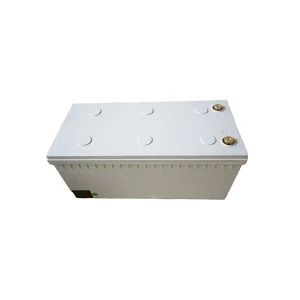
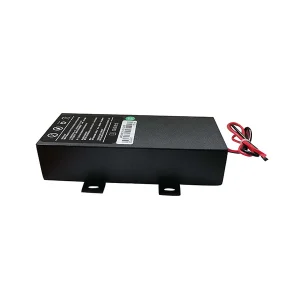
Explore our line of CE-certified Lithium Iron Phosphate configurations built for rigorous grid-level and custom applications.
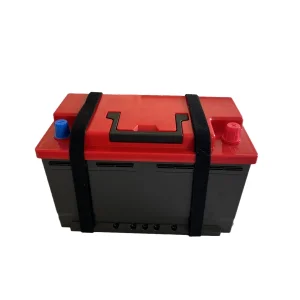
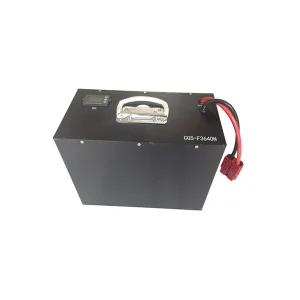
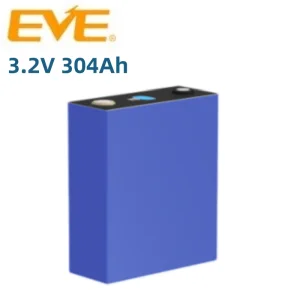
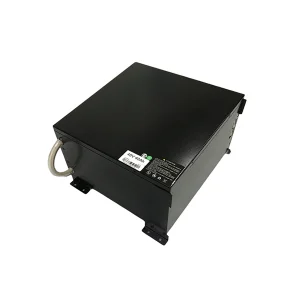
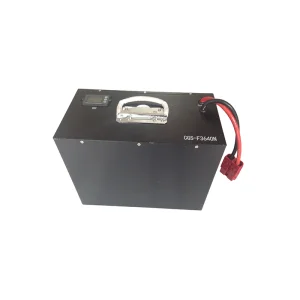
An authoritative analysis of Lithium Iron Phosphate deployment across global grid-scale, industrial, and motive industries.
The transition toward renewable energy architectures has highlighted the critical importance of safe, robust, and highly predictable storage solutions. At the center of this paradigm shift is the 3.2V Lithium Iron Phosphate (LiFePO4) cell. Unlike ternary lithium-ion alternatives (such as NCM or NCA), which run risks of thermal runaway under physical compromise, the olivine crystalline structure of LiFePO4 possesses exceptional chemical and thermal stability.
On a macro-industrial scale, 3.2V prismatic cells form the modular building blocks for mega-watt class Energy Storage Systems (ESS), electric vehicle (EV) fleet power packs, and critical telecom infrastructure. The nominal 3.2V voltage is optimal, offering flat discharge profiles that ensure clean, voltage-stable power delivery across more than 85% of its depth-of-discharge (DOD) cycle.
Our commitment at Hangzhou LIAO Technology Co., Ltd. (established in 2009) centers on perfecting this electrochemical framework. By adhering to rigorous ISO standards and EU CE certification pathways, we offer the international market scalable cell designs optimized for high-power demands, extreme environments, and long operational life cycles.
Electrochemical characteristics that make LIAO's 3.2V cells the gold standard for industrial applications.
LIAO's LiFePO4 cells are physically structured to withstand severe mechanical abuse. The P-O bond within the iron phosphate cathode material is exceptionally stable, preventing oxygen release under high heat. In needle-puncture testing protocols, LIAO cells experience zero flames or explosion hazards.
Our proprietary electrolyte formulation is engineered to facilitate stable lithium-ion transport across wide temperature variations. The cells operate efficiently between -40°C and 85°C, satisfying both extreme sub-zero commercial deployments and high-temperature industrial environments.
Through high-purity raw materials and Z-fold stacking optimization, a single LIAO cell yields over 2800 charge-discharge cycles at 1C / 100% Depth of Discharge. This minimizes long-term replacement capital expenditures, yielding a lower Total Cost of Ownership (TCO).
Pioneering reliable lithium storage since 2009 with a global distribution footprint.
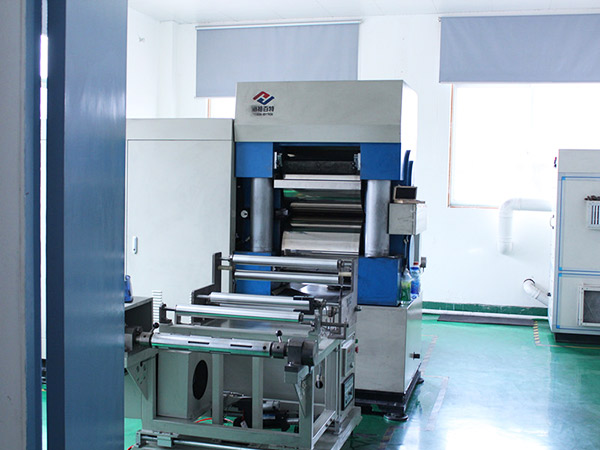
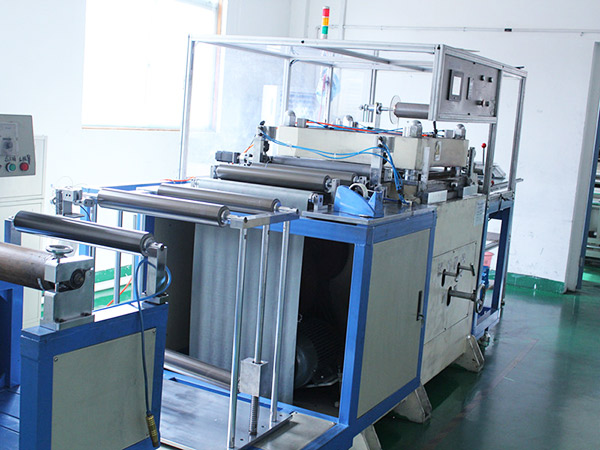
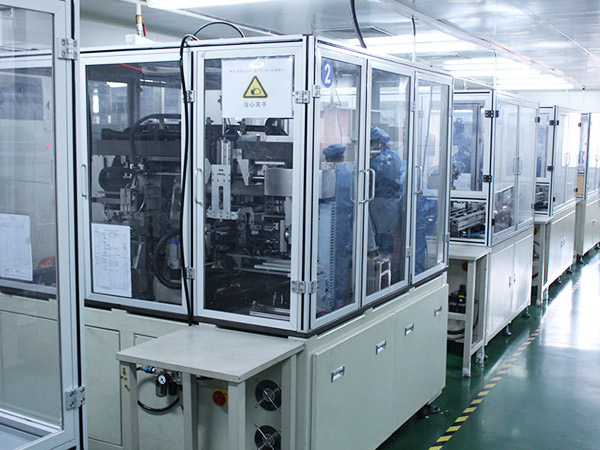
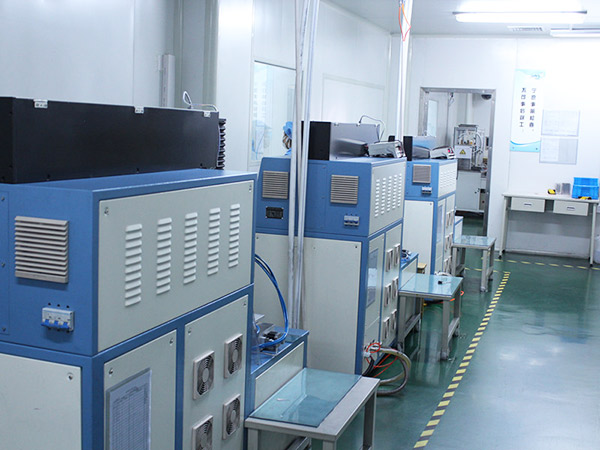
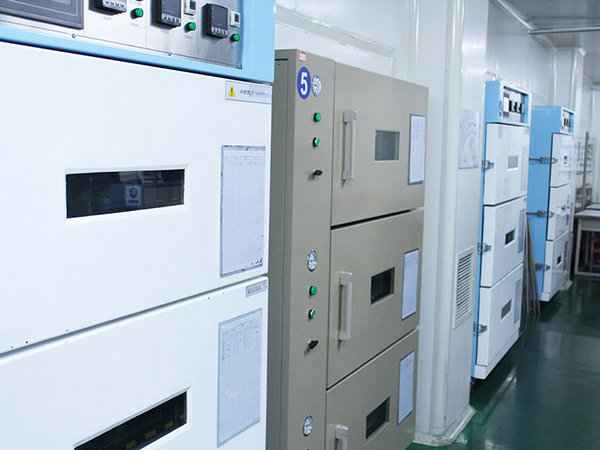
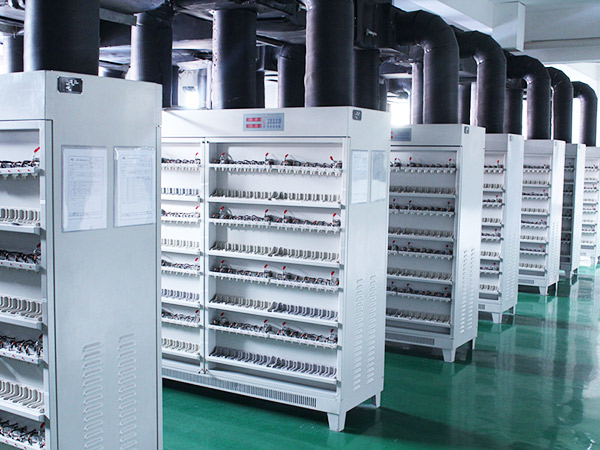
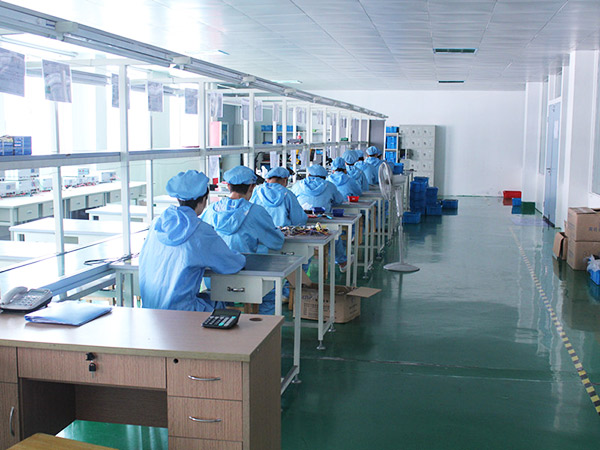
Founded in 2009, Hangzhou LIAO Technology Co., Ltd. is a leading manufacturer specializing in high-grade LiFePO4 batteries. Our state-of-the-art facility integrates completely automated assembly systems with precision cell-sorting machinery. We have successfully exported our systems to more than 20 countries, establishing a presence across:
Germany, France, Netherlands, Spain, United Kingdom, USA, Canada, Mexico, Brazil, Australia, Philippines, Thailand, Singapore, Korea, Japan, India, South Africa, Nigeria, and beyond.
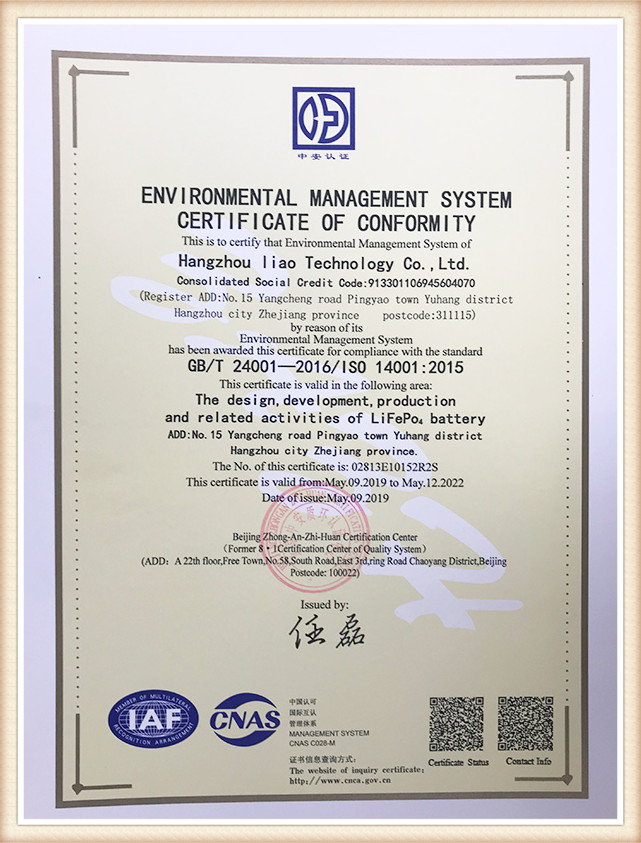
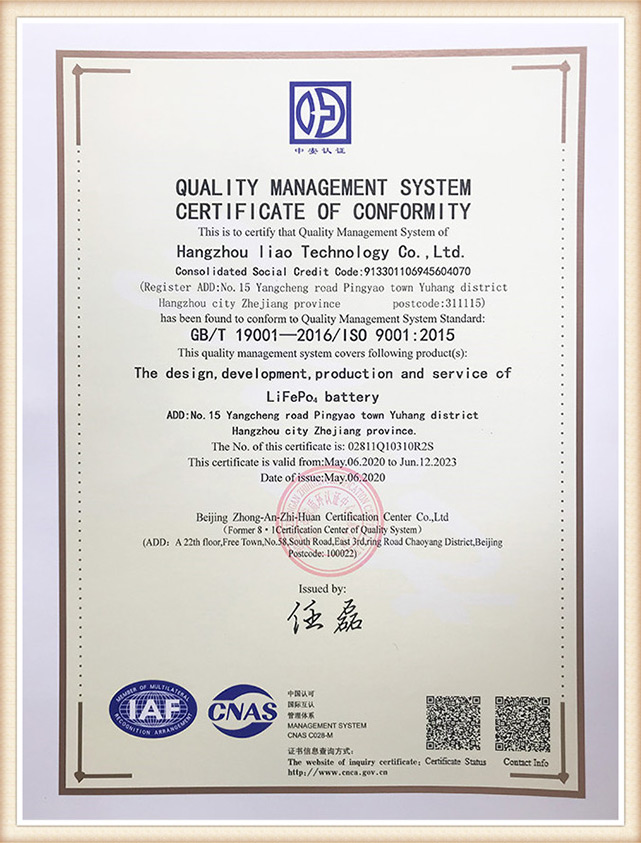
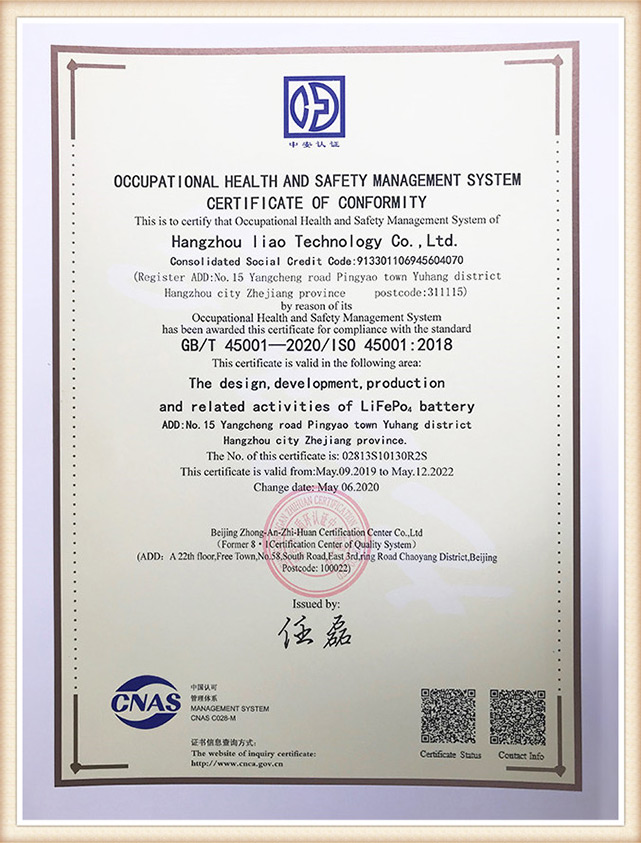
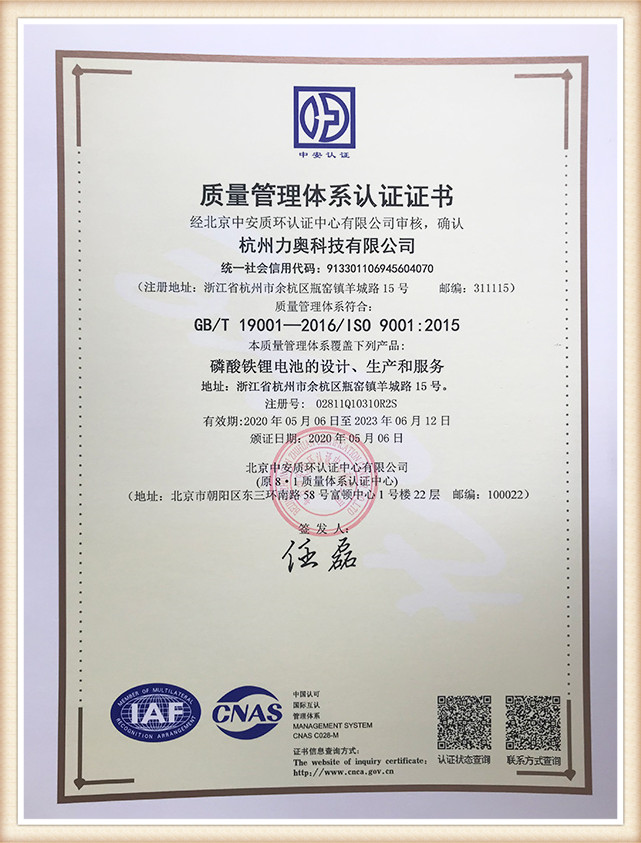
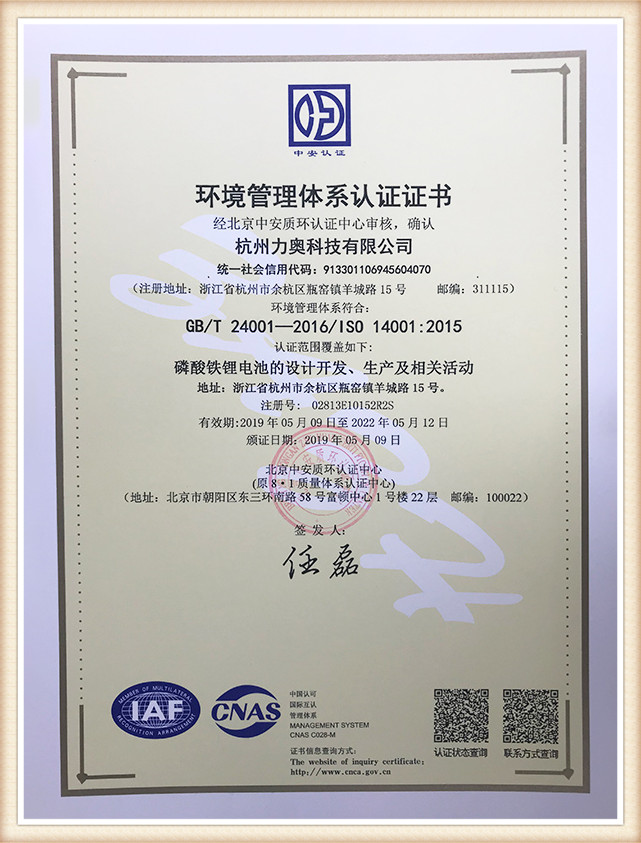
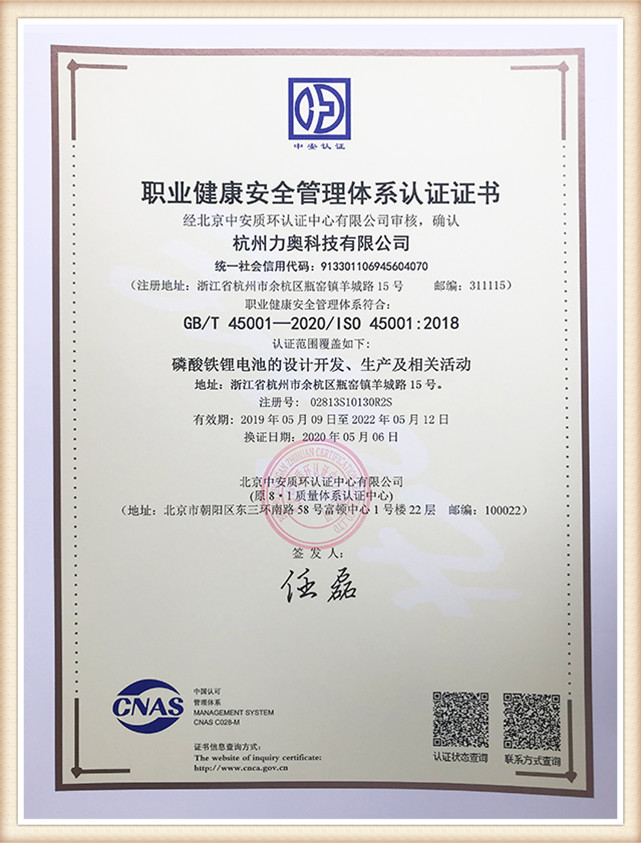
Quality and environmental responsibility form our baseline. Our manufacturing facilities are fully compliant and certified under:
ISO 9001 (Quality Management), ISO 14001 (Environmental Systems), and ISO 18001 / ISO 45001 (Occupational Health & Safety).
Our dedicated management, engineering, and sales forces are fully equipped to deliver bespoke OEM and ODM battery pack solutions quickly and economically, helping clients accelerate their time-to-market.
Engineered battery solutions designed to satisfy power demands in multiple industries.

Next-generation LiFePO4 configurations replace heavy lead-acid blocks. They deliver consistent voltage throughout discharge, significantly reducing weight, improving hill climbing ability, and extending operating range on diverse terrains.
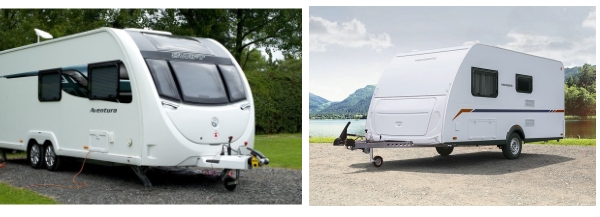
Providing high surge current capacities required by mechanical caravan movers. Designed to operate emission-free, runs silently, and handles long periods of storage without significant self-discharge issues.
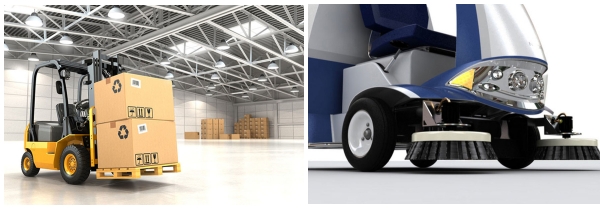
Tailored for heavy material transport in warehouses. Supports fast charging during operator breaks, eliminating battery-swapping labor, improving material throughput, and lowering operating overheads.
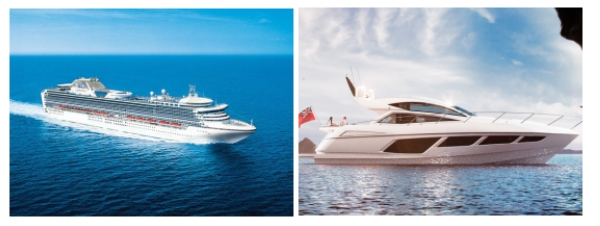
IP-rated salt-spray resistant pack options for electric marine propulsion. Zero fuel spills or emissions, conforming to strict local environmental codes for protected waterways.
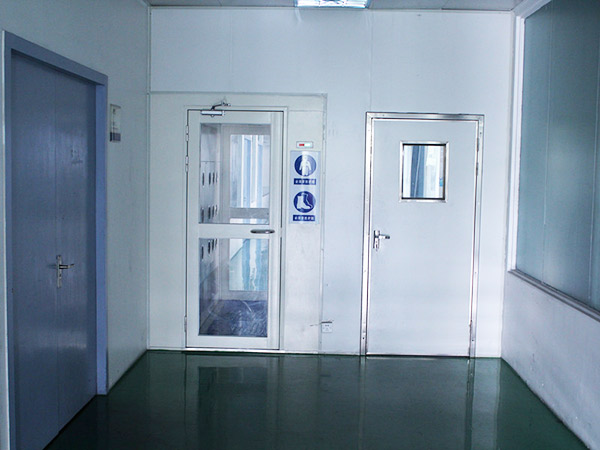
A walkthrough of our automated production line ensuring cell-to-cell consistency and reliability.
Where lithium iron phosphate technology is heading, and how LIAO is preparing for the next decade.

The next phase of LiFePO4 evolution focuses heavily on density improvements and BMS smart integration. While standard LFP prismatic cells currently average energy densities around 160-180 Wh/kg, LIAO's research lab is exploring manganese-doped cathodes (LMFP) to push cell energy densities past 210 Wh/kg without compromising safety profiles.
Concurrently, the integration of solid-state and semi-solid electrolyte boundaries promises to eliminate volatile solvent electrolytes entirely. This transition will prevent dendritic pathways and enable safer performance under extreme temperature conditions.
Our engineering division continues to refine active-balancing BMS algorithms. By measuring real-time cell parameters, impedance curves, and thermal gradients, our BMS designs prevent cell imbalance, extending pack service life by up to 20% compared to traditional passive system options.
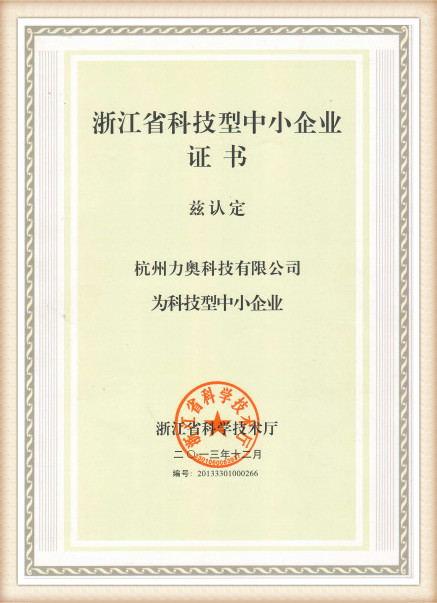
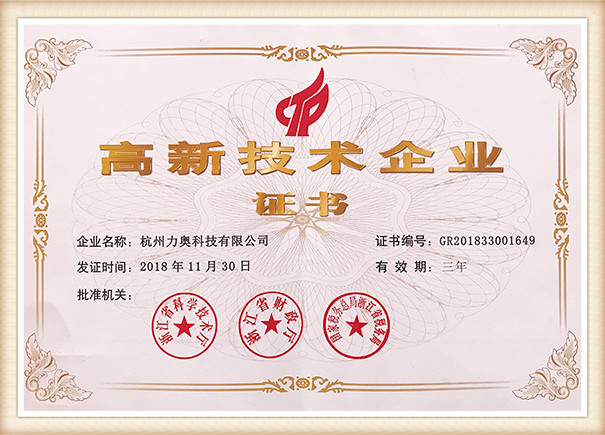
Our compliance with strict international testing frameworks and engineering awards.

Expert technical answers regarding cell configurations, safety standards, and performance limits.
Discover additional components, higher voltage setups, and bespoke solutions manufactured at LIAO.
 Liao Battery