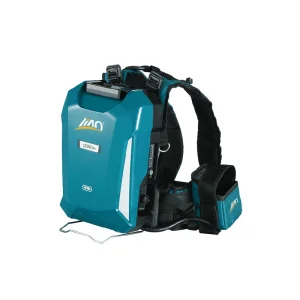
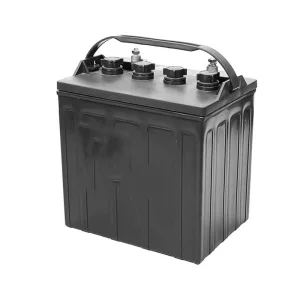
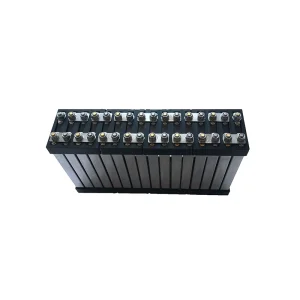
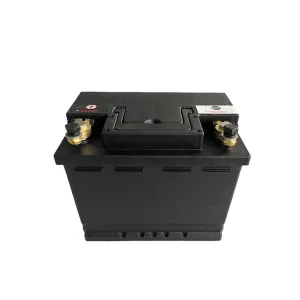
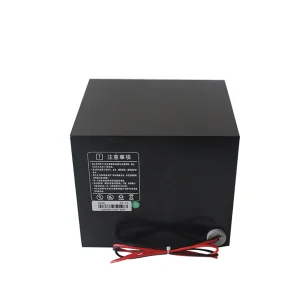
Direct factory-engineered lithium configurations. Clean architecture designed for solar arrays, e-mobility, and marine vessels.
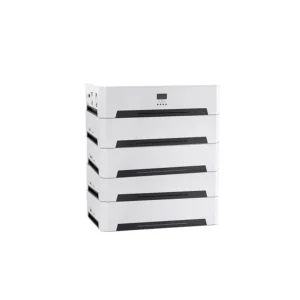
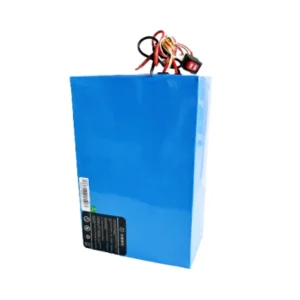
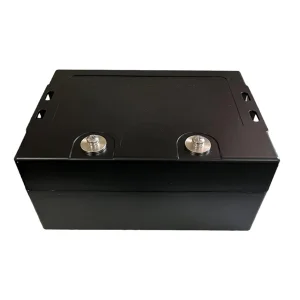
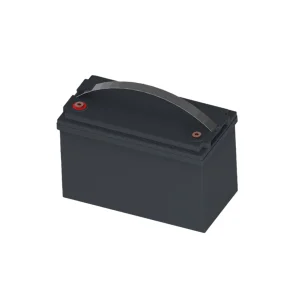
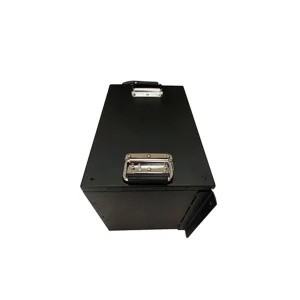
Founded in 2009, Hangzhou LIAO Technology Co., Ltd. has established itself as a professional, leading manufacturer specializing in 3.2V cells and customized LiFePO4 battery packs. With over 15 years of industry experience, our high-durability products are exported to more than 20 countries worldwide.
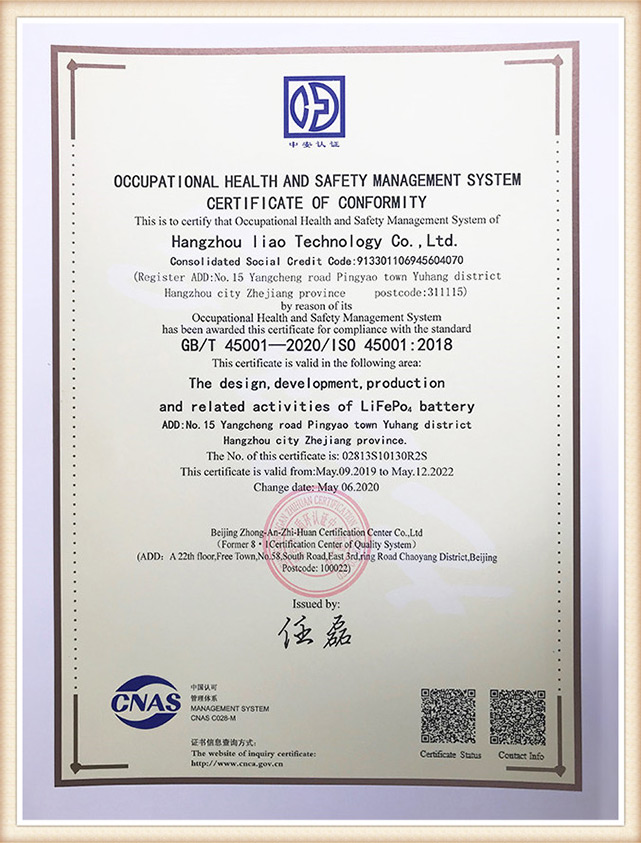
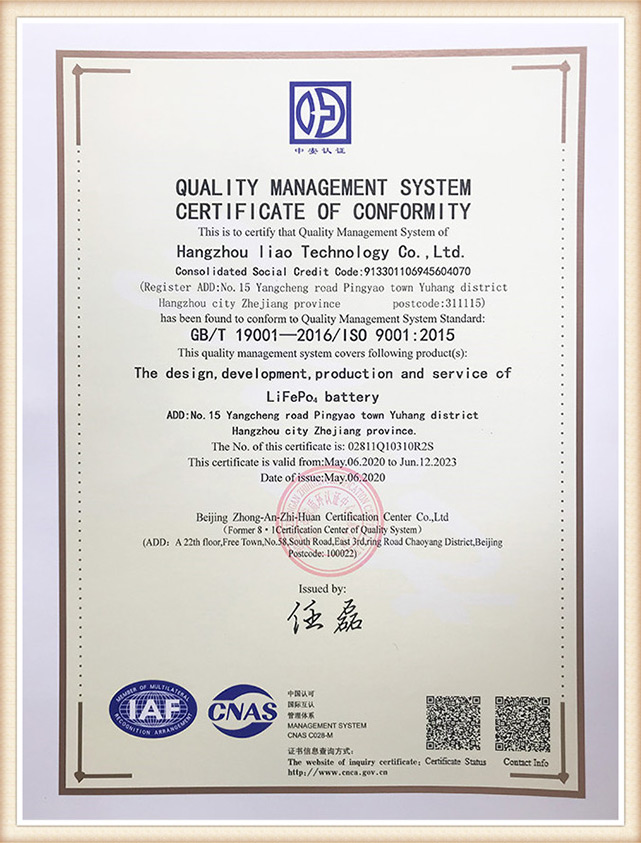
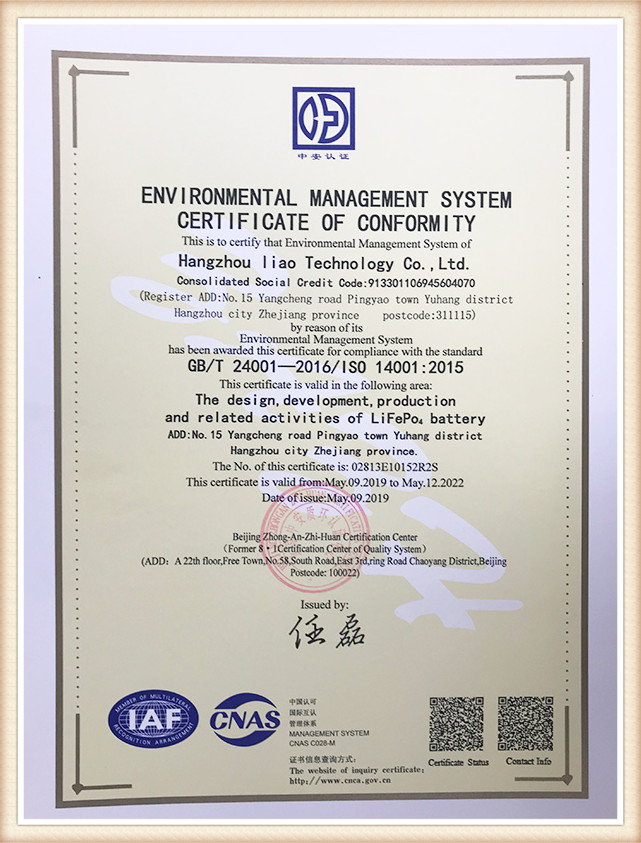
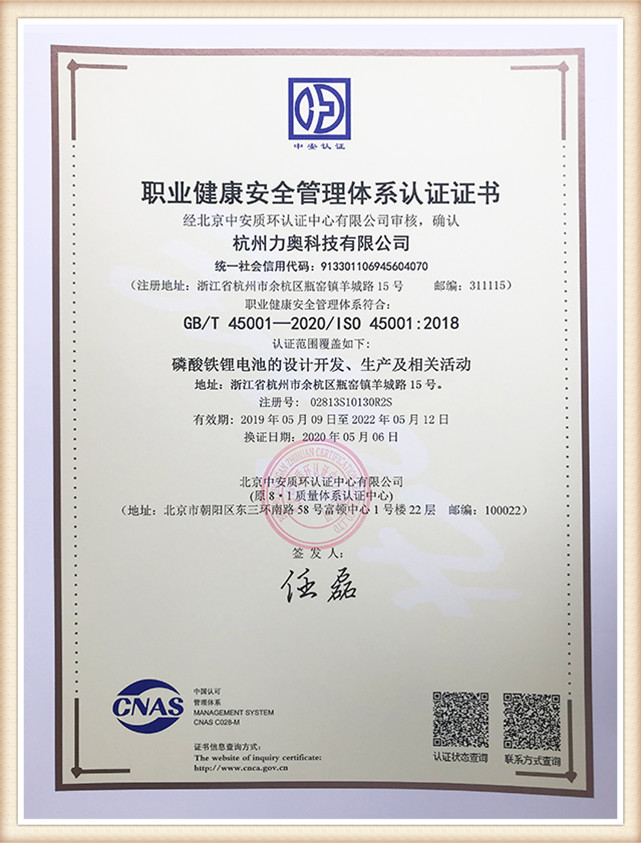
We maintain a rigorous and certified production line adhering strictly to the ISO 9001 Quality Management System, ISO 14001 Environmental Management System, and ISO 18001 Occupational Health and Safety System. Our focus on core chemistry stability enables us to deliver unmatched structural resilience and energy efficiency.
Analyzing the shift from traditional lead-acid chemistries to high-density 3.2V LiFePO4 modules in core industrial sectors.
The industrial landscape is witnessing a massive transition. 3.2V LiFePO4 prismatic cells serve as the fundamental modular units for energy storage systems (ESS), heavy machinery, and backup systems. Unlike standard lithium-ion chemistries (such as NCM/NCA), LiFePO4 offers structural stability due to its strong covalent olivine crystal lattice, eliminating the risk of oxygen release under mechanical or electrical stress.
Across the globe, from commercial solar storage installations in North America and Western Europe to agricultural vehicle fleets in Oceania, the demand for 3.2V cells continues to rise. This growth is driven by the mandate to reduce operational downtime, replace toxic lead-acid configurations, and lower the Total Cost of Ownership (TCO) through extended calendar lifespans.
Why 3.2 Volt Nominal Cells are the optimal building block for resilient power designs.
Lithium Iron Phosphate (LiFePO4) features a stable, three-dimensional olivine structure with strong P-O covalent bonds. Unlike Cobalt-based lithium chemistries, which release oxygen during hot states and cause combustion, LiFePO4 locks its oxygen atoms in place, maintaining structure up to 270°C, rendering it highly resistant to mechanical deformation, overcharge, and puncture.
3.2V nominal cells maintain a flat, predictable voltage curve throughout most of their discharge capacity. Typically operating between 3.2V and 3.0V, devices and electronic controllers benefit from steady current levels without voltage drop-offs. This results in stable performance and efficient energy conversion in grid-tied and backup power setups.
Our prismatic cells are engineered with highly conductive carbon-coated copper current collectors. This design reduces internal resistance and supports quick charge/discharge profiles. This makes them ideal for demanding applications like electric forklifts, hybrid boats, and grid stabilization projects that experience sudden spikes in load demand.
LIAO's signature LAXpower-1230 module was recognized as a top testing champion in performance evaluations across Western Europe, outperforming competing solutions in lifecycle retention, capacity stability, and safety metrics.
We design our products to operate safely in challenging conditions, with minimal maintenance and high reliability.
We manufacture cells and battery systems across four major categories for different power requirements.
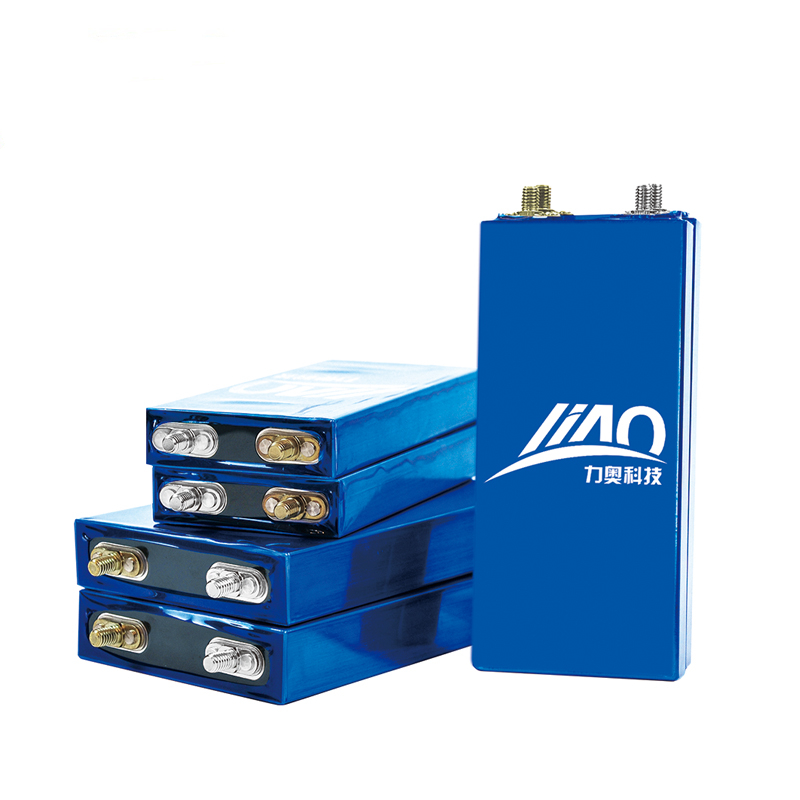
Our core 3.2V prismatic cells feature aluminum shells, safety vents, and copper terminals, making them ideal for high-capacity applications.
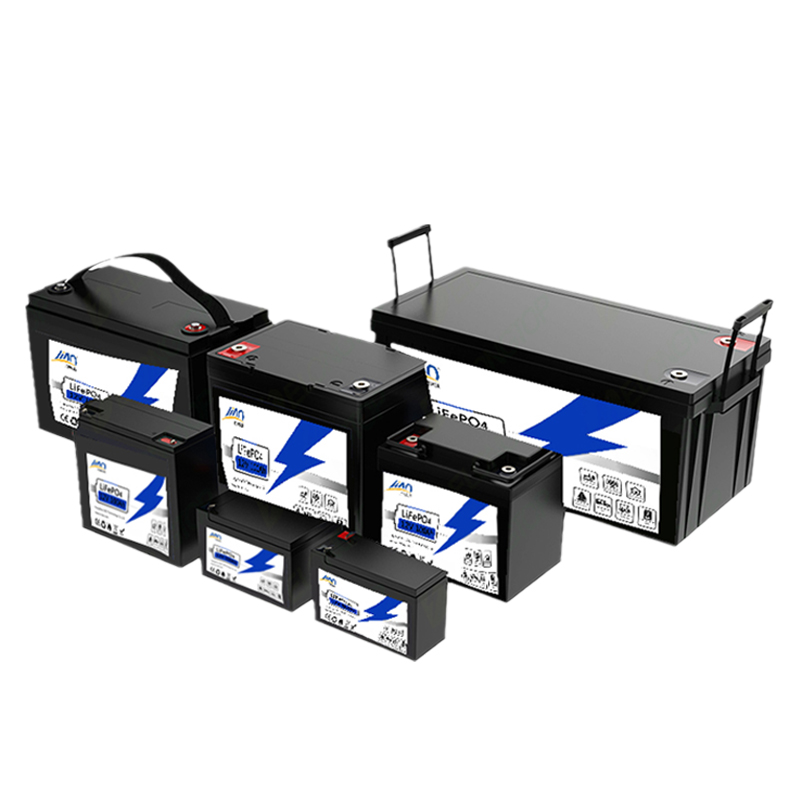
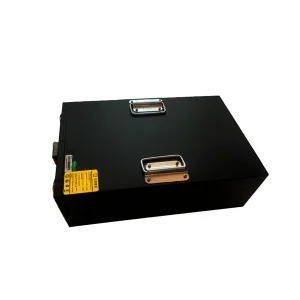
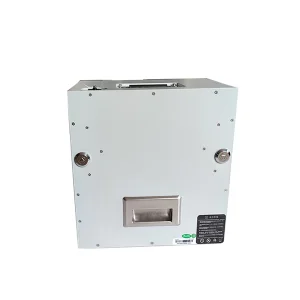
Engineered for drop-in replacements or custom setups, our battery packs feature built-in BMS boards for protection.
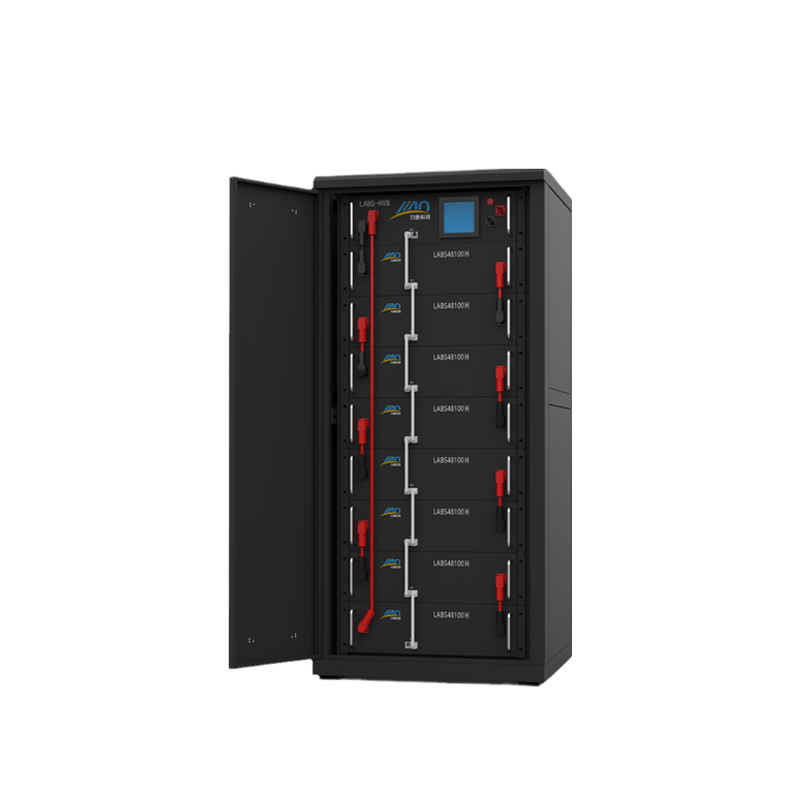
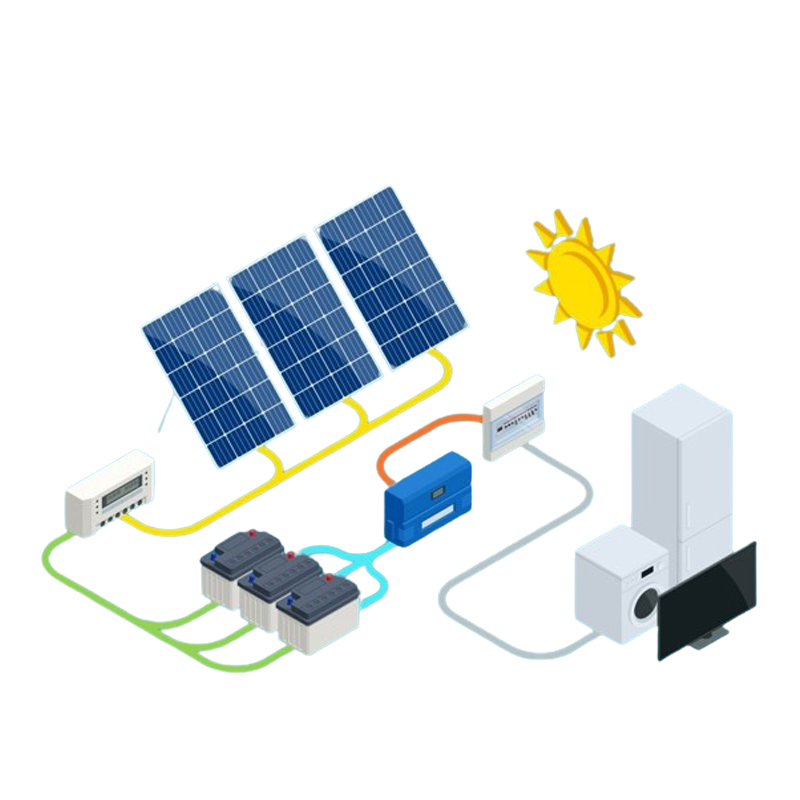
Integrated solutions with inverters and smart controls, designed to store renewable energy for homes and commercial setups.
Custom designs for specialized systems, backup power, telecom grids, and high-load industrial machinery.

Over the past 15 years, LIAO has designed custom battery solutions for more than 500 customers across various industries. Our in-house engineering team includes electrical and mechanical designers who collaborate to build safe, cost-effective battery packs that meet performance and regulatory standards.
By handling all design, testing, and system integration under one roof, we help you save time and engineering costs. From basic series-parallel configurations to advanced battery packs with CANbus, RS485, and Bluetooth, we deliver systems ready for immediate market deployment.
Our sales and technical support teams have years of experience in international trade, compliance, and battery physics. This ensures clear communication, smooth customs processes, and accurate technical advice.
From initial design to final delivery, our production team, logistics staff, and engineers work together to supply high-performance batteries that meet your exact specifications.
We provide optimized power systems for golf carts, caravans, industrial fleets, and marine vessels.

Our new-generation LiFePO4 batteries deliver consistent power on uneven terrain, helping carts run efficiently across different courses.
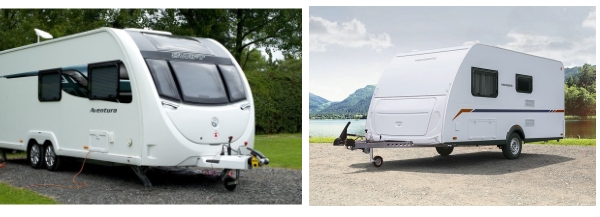
Our batteries provide clean, quiet power for caravans and movers, reducing labor costs and simplifying transport without emissions.
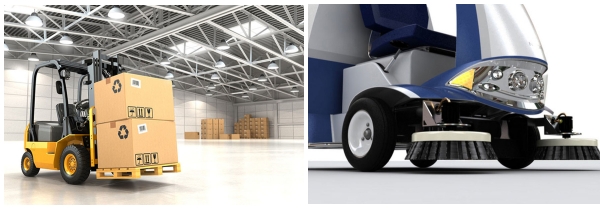
Optimized for heavy-load, short-distance utility transport, our battery packs help industrial vehicles move goods reliably with less downtime.

Our marine battery systems provide quiet, emission-free electric propulsion, offering a clean solution for eco-tourism and commercial vessels.
How our battery systems support utility grids, commercial microgrids, and off-grid setups.
As wind and solar energy become more common, power grids face challenges with stability. Large systems built with 3.2V prismatic cells act as energy buffers. They store power during periods of excess generation and feed it back to the grid during peak demand, balancing loads and preventing grid strain.
Factories, processing plants, and data centers rely on continuous power. Our battery packs integrate with building energy systems to provide emergency backup and lower peak electricity charges. When combined with onsite solar, businesses can run partially off-grid, ensuring reliable operations and reducing carbon footprints.
Remote telecom stations, agricultural sensors, and lighting systems require dependable, low-maintenance power. Our LiFePO4 batteries are designed for long lifespans, minimal servicing, and reliable performance in extreme weather, keeping critical infrastructure connected in remote areas.
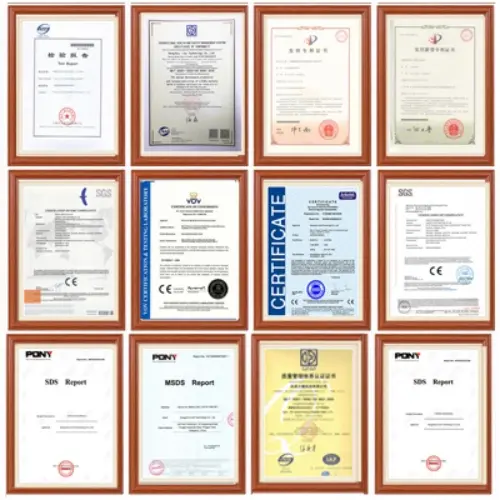
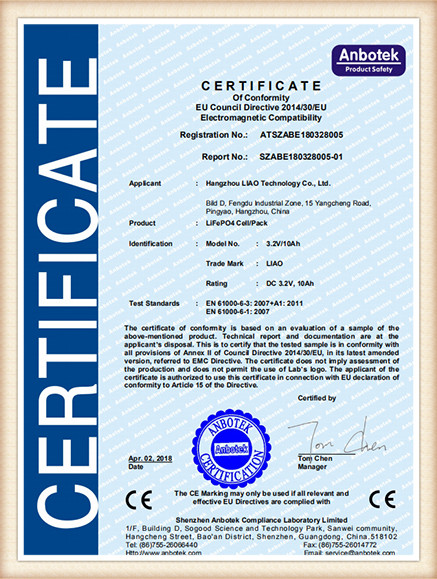
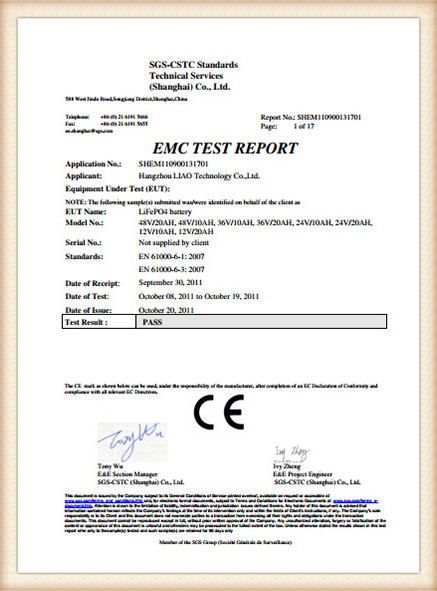
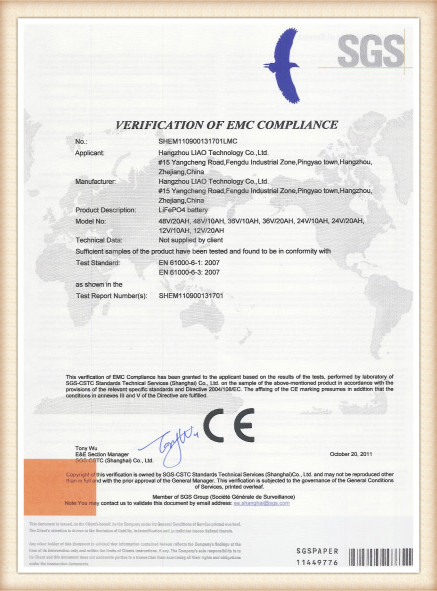
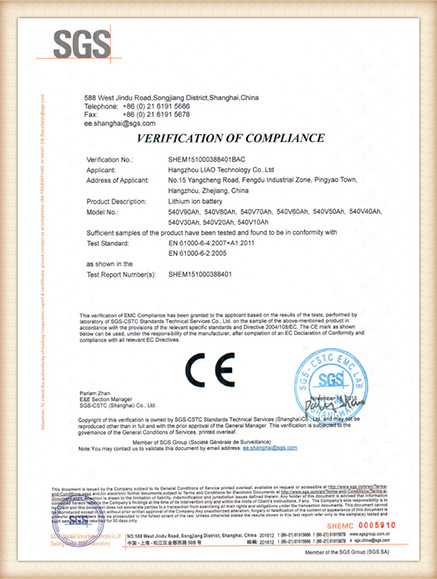
Every step of our process—from material inspection to sorting, assembly, and testing—follows strict quality standards.
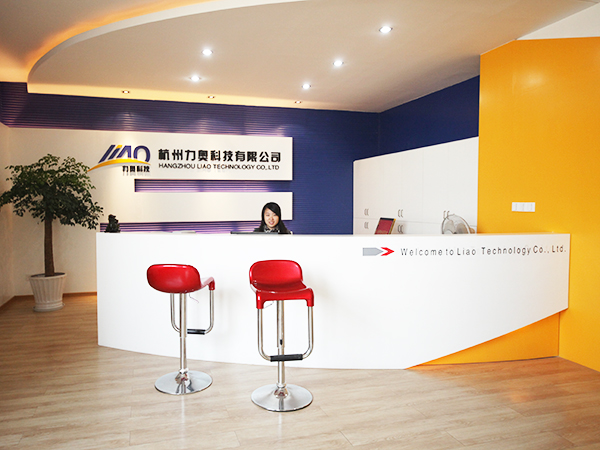
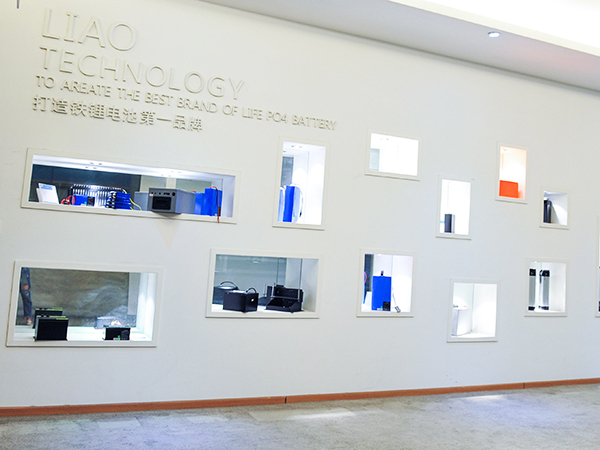
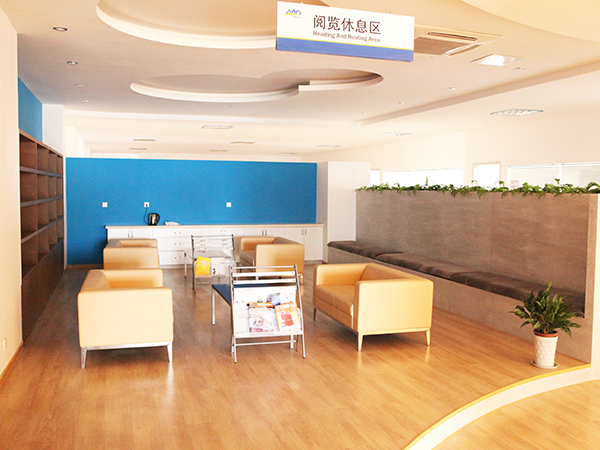
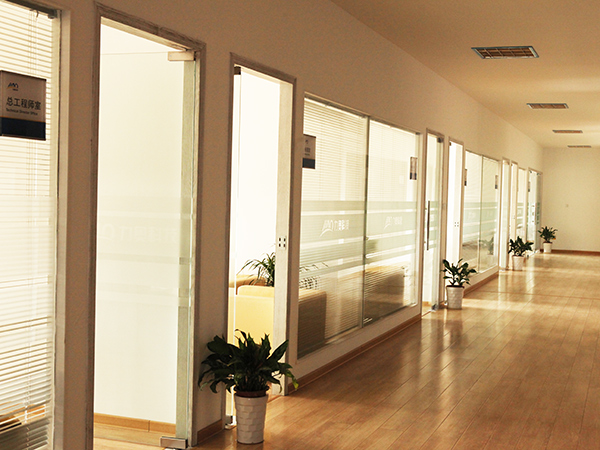
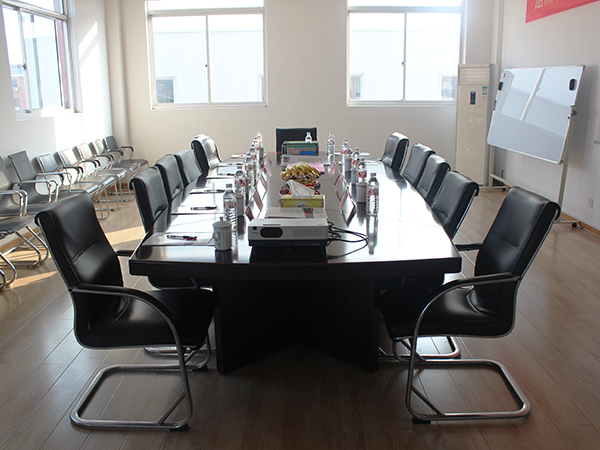
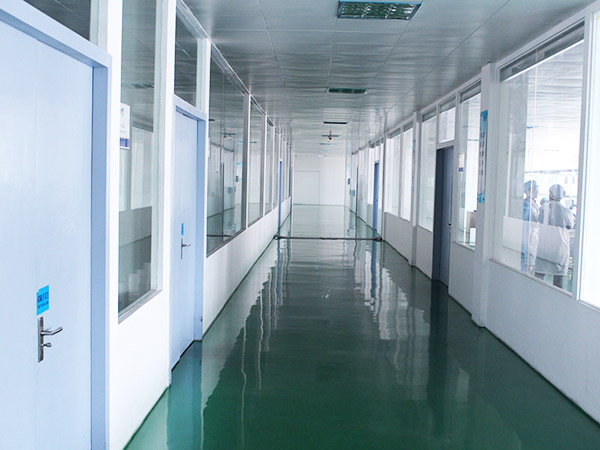
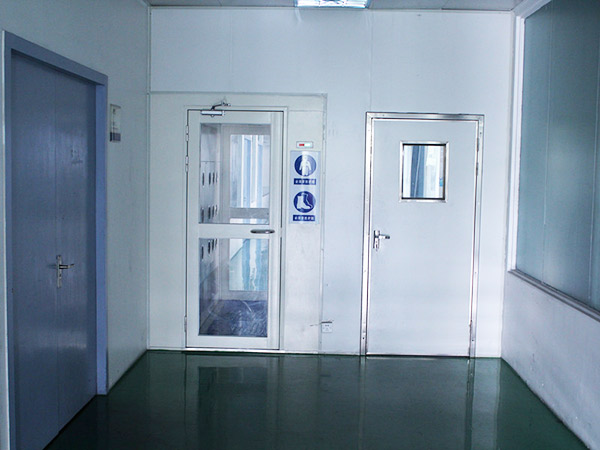
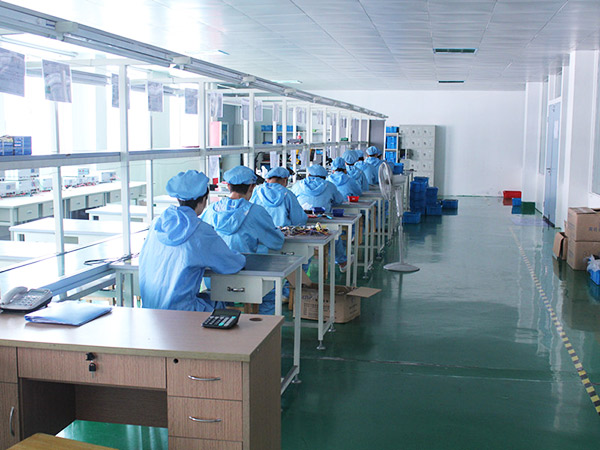
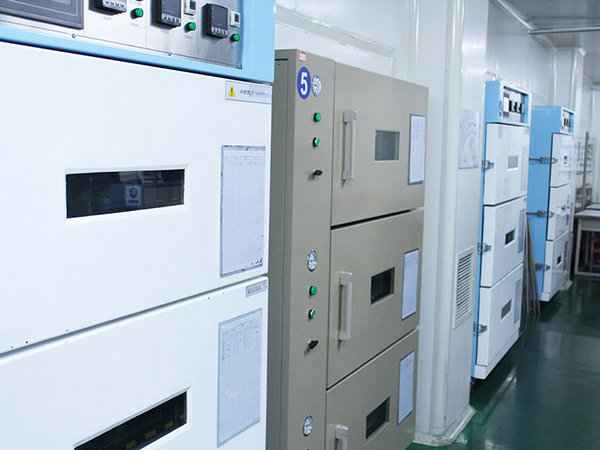
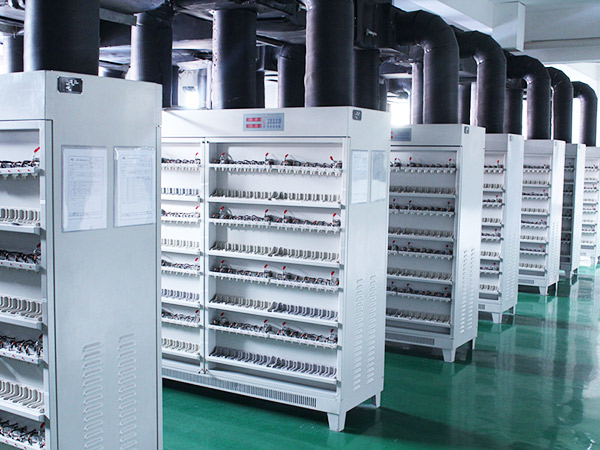
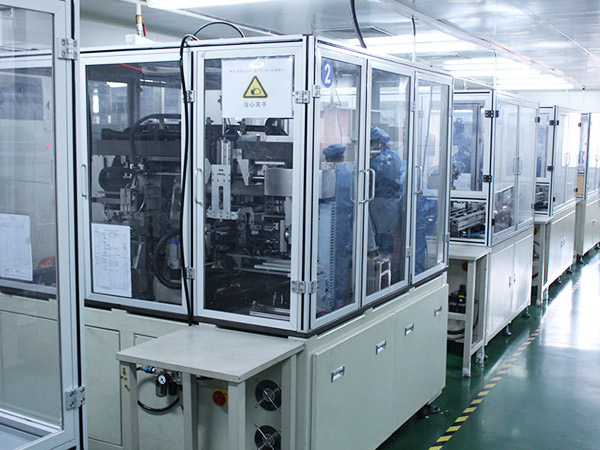
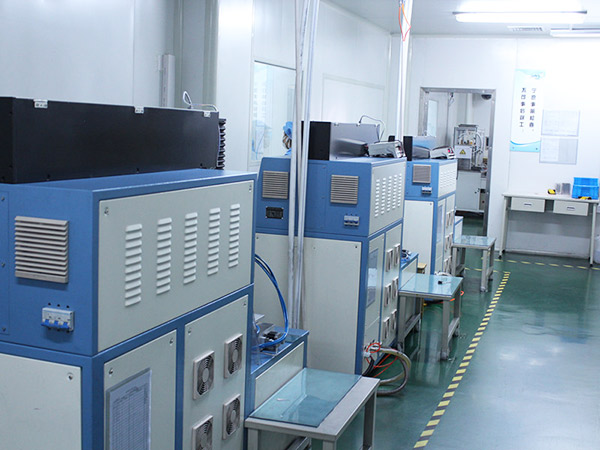
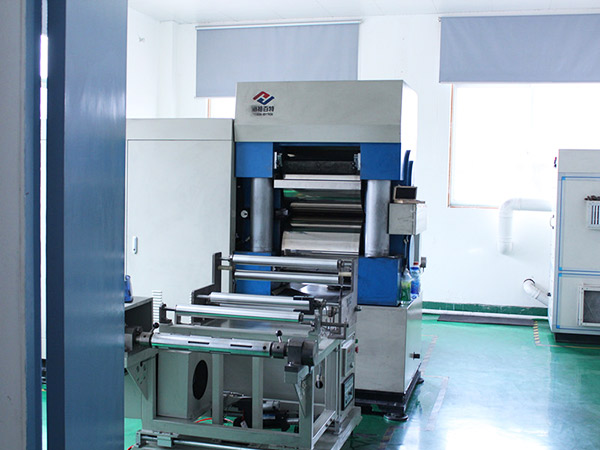
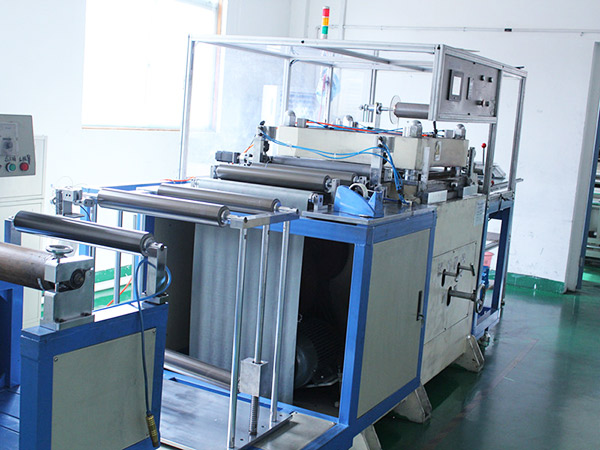
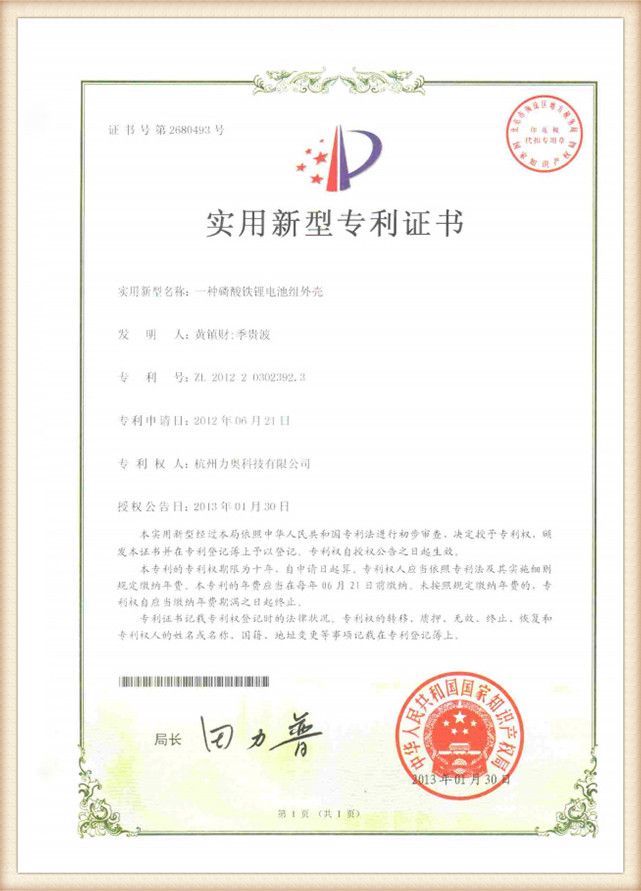
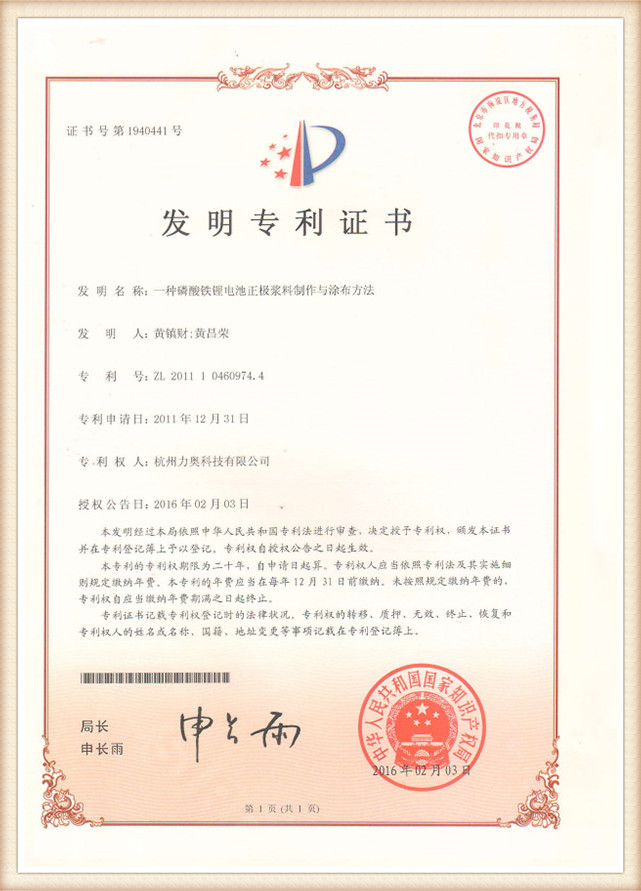
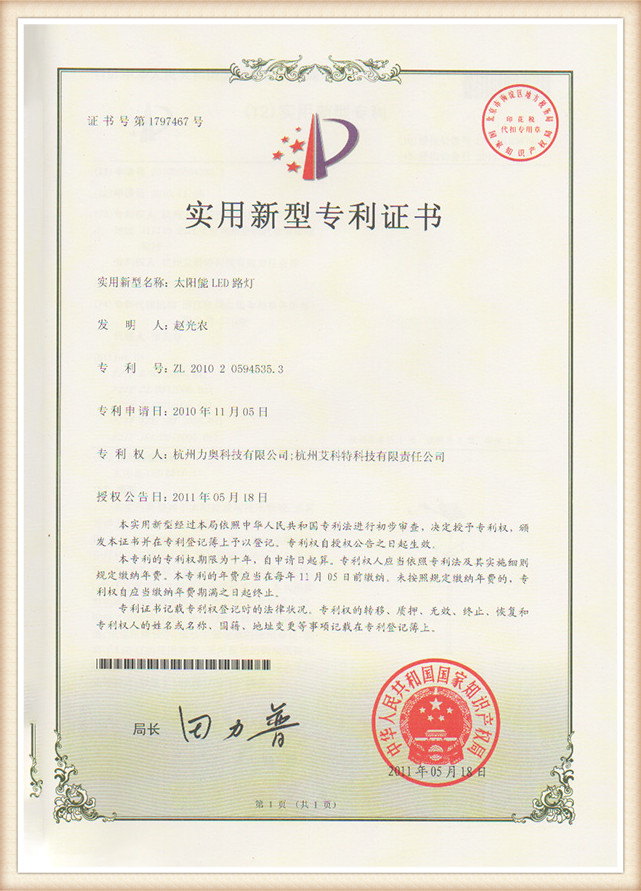
Our systems and facilities are fully compliant with ISO and leading international safety standards.
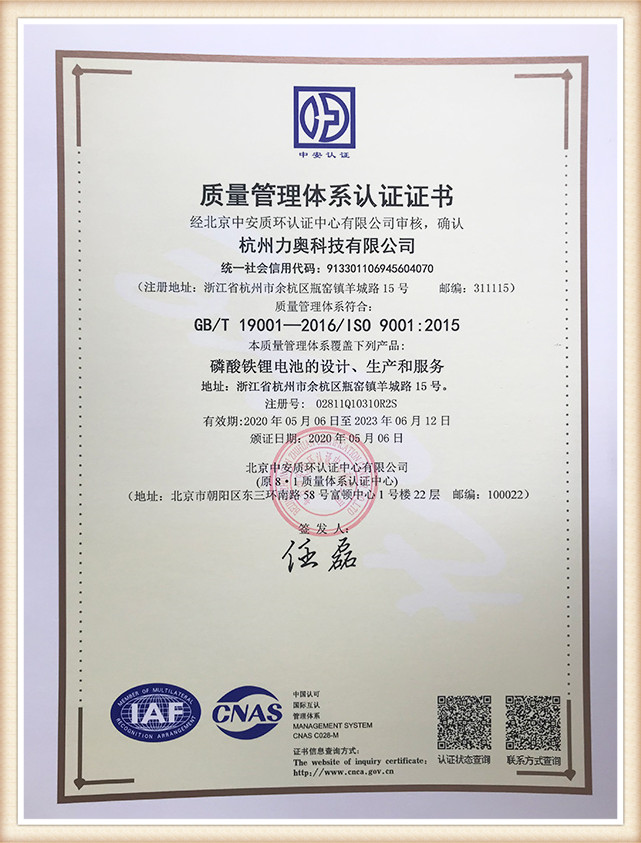
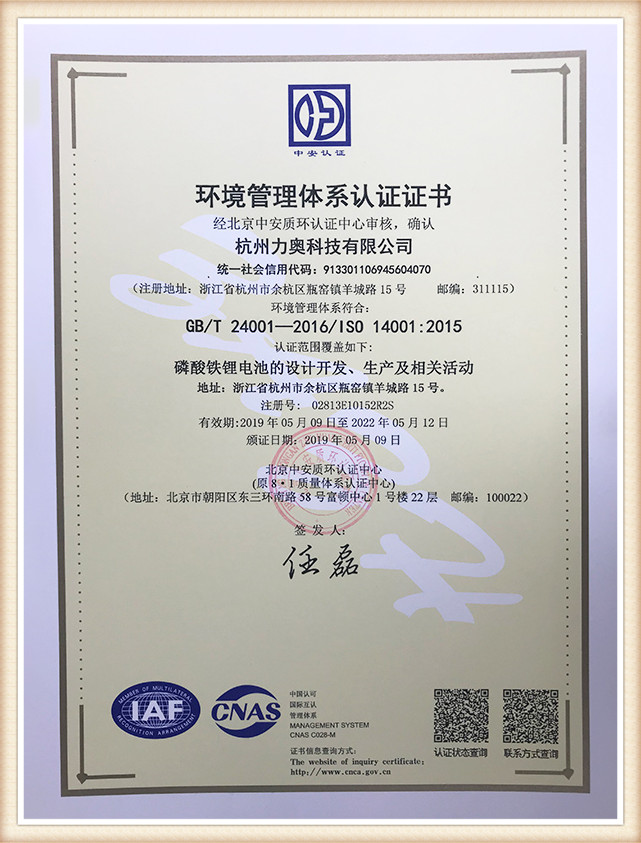
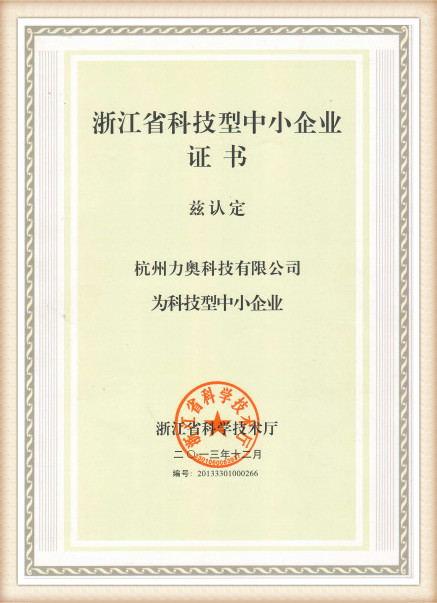


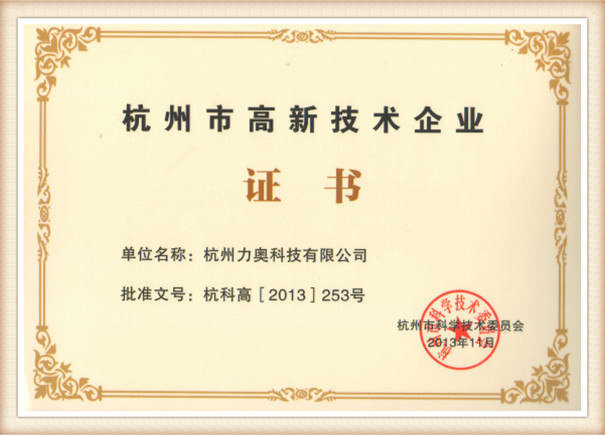
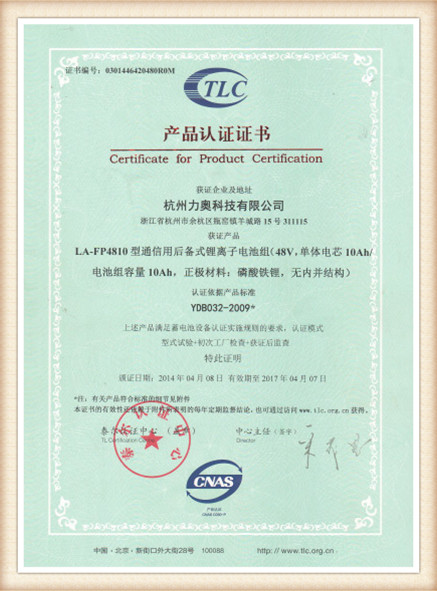
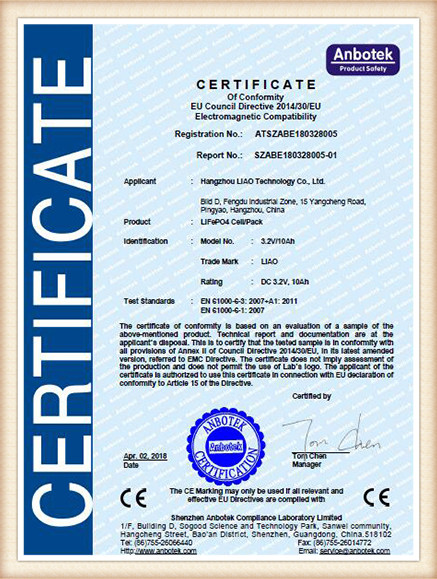
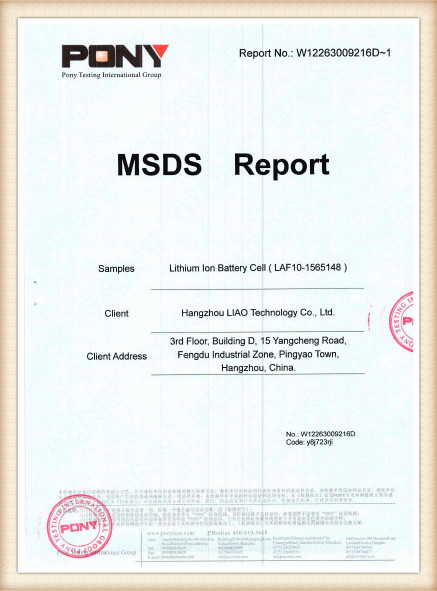
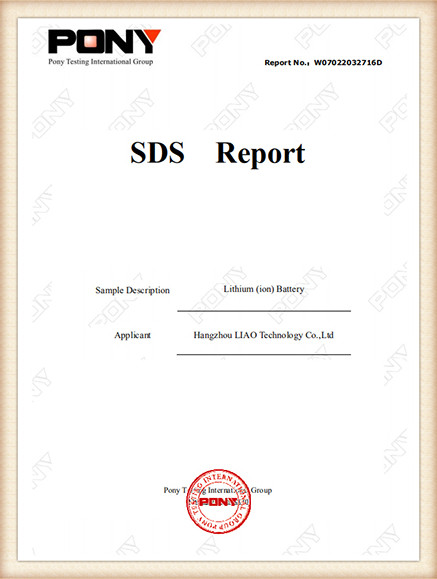
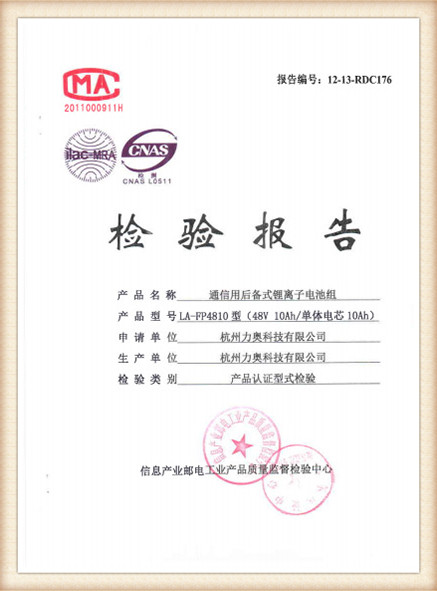
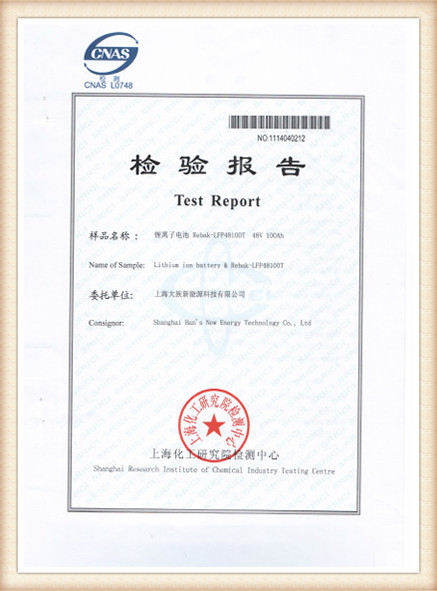
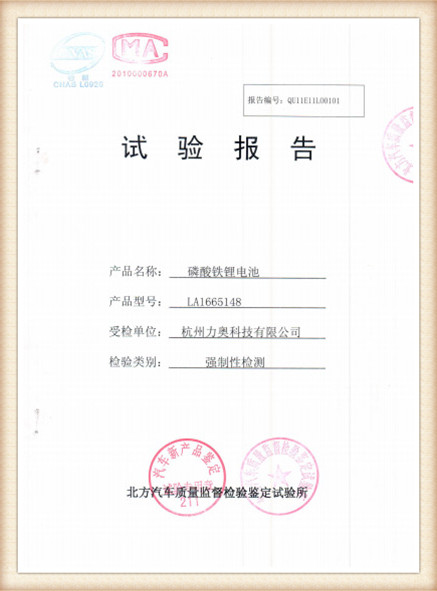
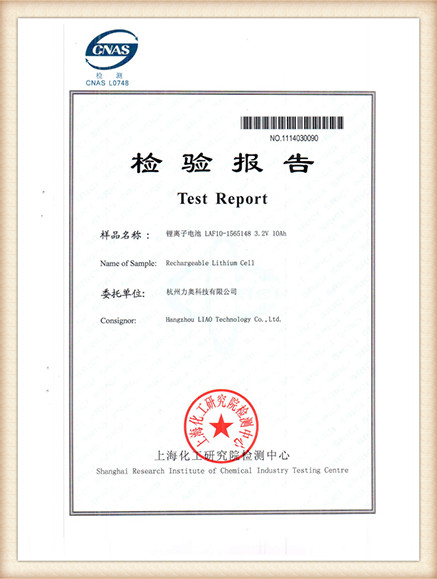
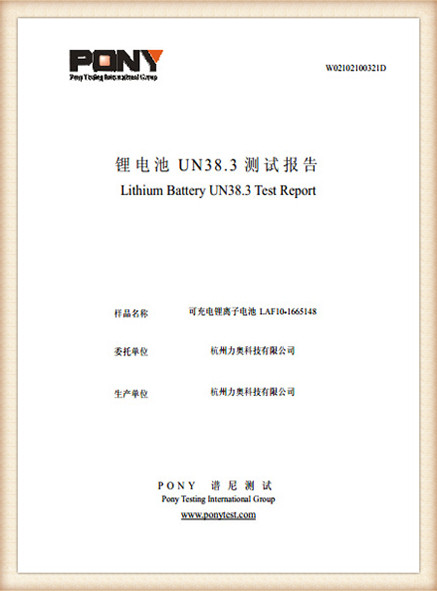
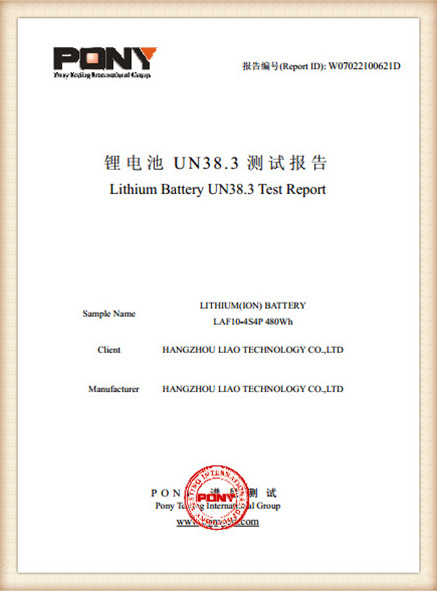
Our ongoing R&D projects focus on increasing energy density, structural safety, and recycling efficiency.
We are developing Lithium Iron Manganese Phosphate (LMFP) cells. By adding manganese to the lattice structure, we aim to raise the nominal cell voltage from 3.2V to 3.7V. This change will help increase volumetric and gravimetric energy density by up to 20% while retaining the safety profile of traditional LFP batteries.
Our research team is working on solid-state interfaces to replace liquid organic electrolytes. This shift is designed to eliminate risk of leakage and improve the battery pack's safety and operational stability at extreme temperatures (-50°C to 100°C).
We design our batteries with recycling in mind. Our systems use mechanical structures that simplify disassembly, allowing for easier extraction and recycling of copper, aluminum, iron, and lithium at the end of their operational lifecycle.
Technical answers regarding cell chemistry, custom design integration, safety certifications, and logistics.
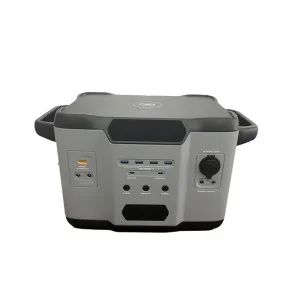
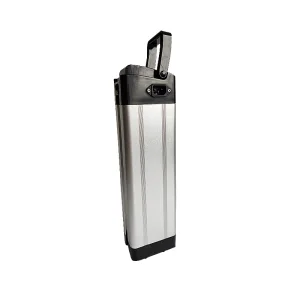
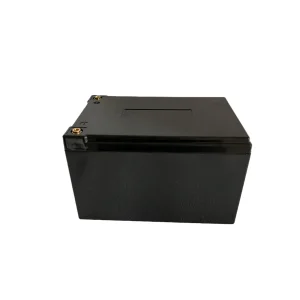
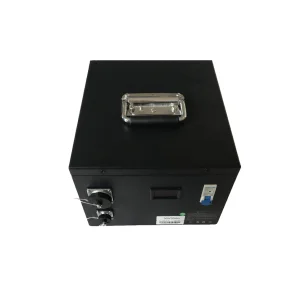
Explore our range of portable modules, replacement packs, and specialized batteries.
 Liao Battery