Direct access to state-of-the-art LiFePO4 cells, advanced battery packs, and tailored solar solutions engineered for durability.
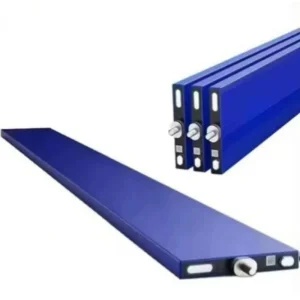
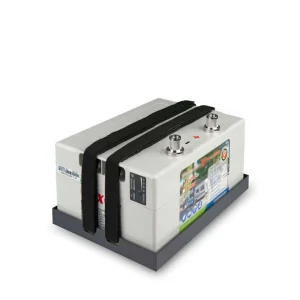
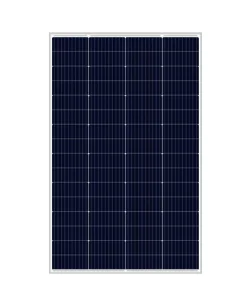
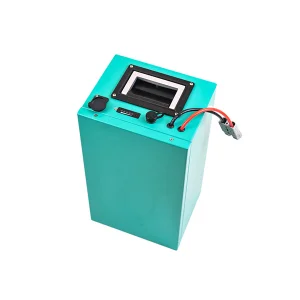
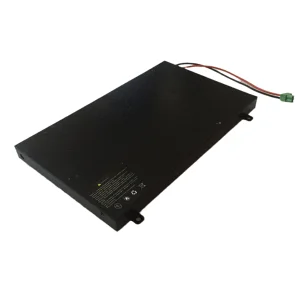
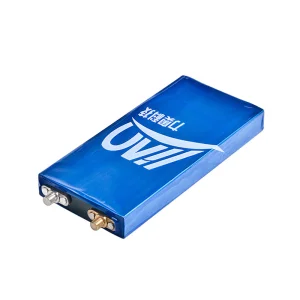
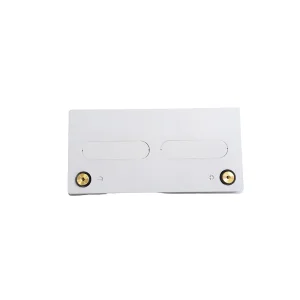
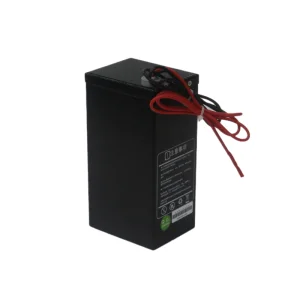
Moving from traditional 12V or 24V architectures to a 48V system is a design imperative driven by fundamental electrical principles. In battery applications, power delivery is defined by $P = V \times I$. By quadrupling the operating voltage from 12V to 48V, the required current drops by 75% for the same power throughput. Consequently, resistive line losses—which scale exponentially with current ($P_{loss} = I^2R$)—are reduced by a factor of 16. This massive thermal improvement enables system engineers to specify thinner, lighter copper wiring harnesses, cutting raw material costs and vehicle weight while boosting overall electrical efficiency.
For applications such as personal mobility, AGVs, and outdoor solar equipment, the 10Ah capacity threshold provides a balanced ratio of run time to physical footprint. Implementing a 10Ah pack using premium LiFePO4 chemistry yields high safety parameters. Crucially, smaller capacity cells arranged in a 15S or 16S configuration allow for simplified heat dissipation paths. The reduced thermal mass ensures that even under continuous high-rate discharge (such as 1C or 2C operations), cell core temperatures remain well within optimal limits, mitigating degradation and preventing thermal runaway propagation.
Operating at a nominal 48V system voltage offers a significant safety advantage: it stays below the 60V DC touch-safe threshold. This limit is widely recognized in international safety standards, such as IEC 60950, as the boundary for extra-low voltage (ELV). As a result, systems utilizing 48V 10Ah battery packs do not require costly heavy insulation and safety interlocks. This simplifies product design, regulatory approval, and maintenance procedures, making it an ideal choice for consumer products and light industrial equipment alike.
| System Architecture | Nominal Voltage (V) | Current at 480W Load (A) | Relative Power Losses ($I^2R$) | Wiring Thickness Recommendation | Safety Class |
|---|---|---|---|---|---|
| 12V Battery Pack | 12.8 V | 37.5 A | 100% (Baseline) | 8 AWG (Heavy) | Extra-Low Voltage (Touch-Safe) |
| 24V Battery Pack | 25.6 V | 18.75 A | 25% | 12 AWG (Medium) | Extra-Low Voltage (Touch-Safe) |
| 48V Battery Pack | 51.2 V (16S) | 9.38 A | 6.25% | 16 AWG (Lightweight) | SELV (Optimized Safety) |
Founded in 2009, Hangzhou LIAO Technology Co., Ltd. is a leading manufacturer specializing in high-performance LiFePO4 batteries, recognized globally for superior cell engineering and custom battery integration.
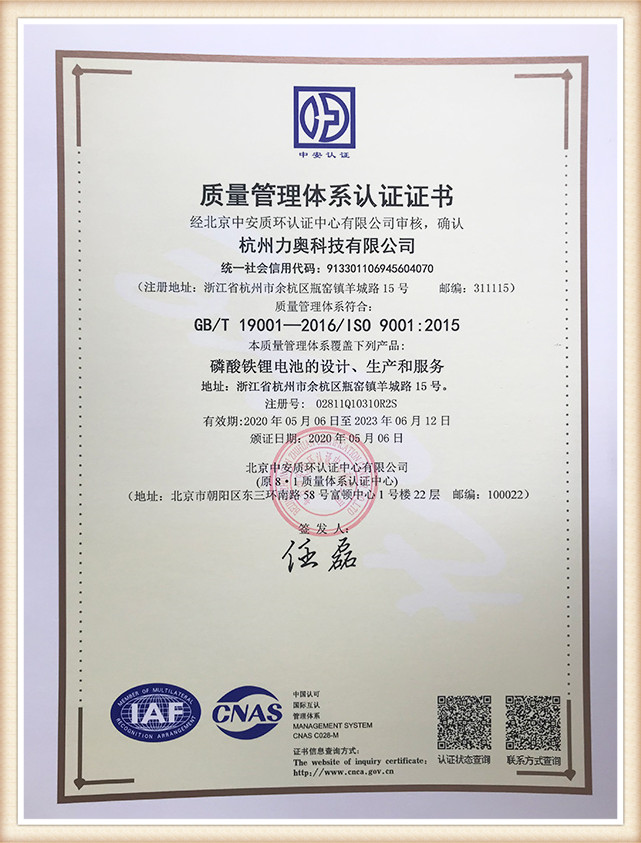
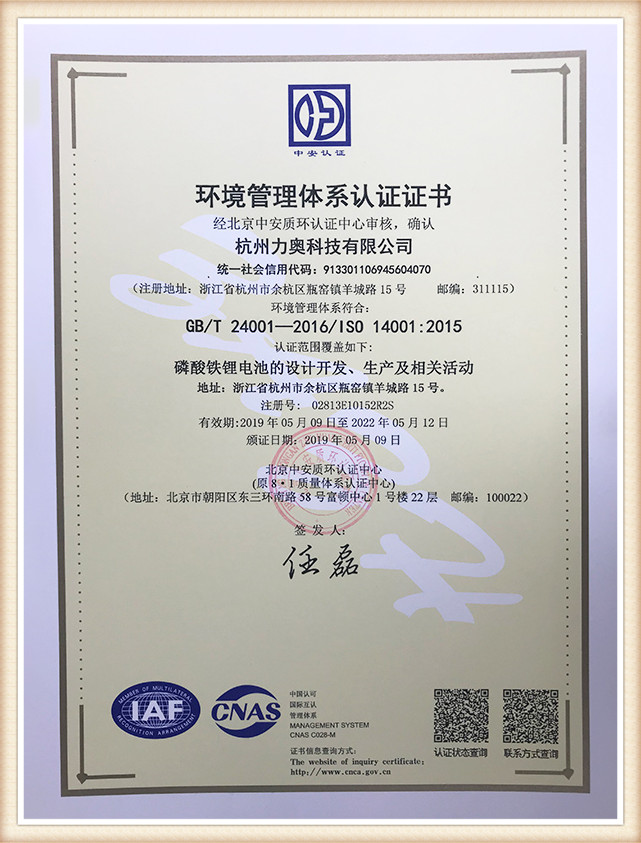
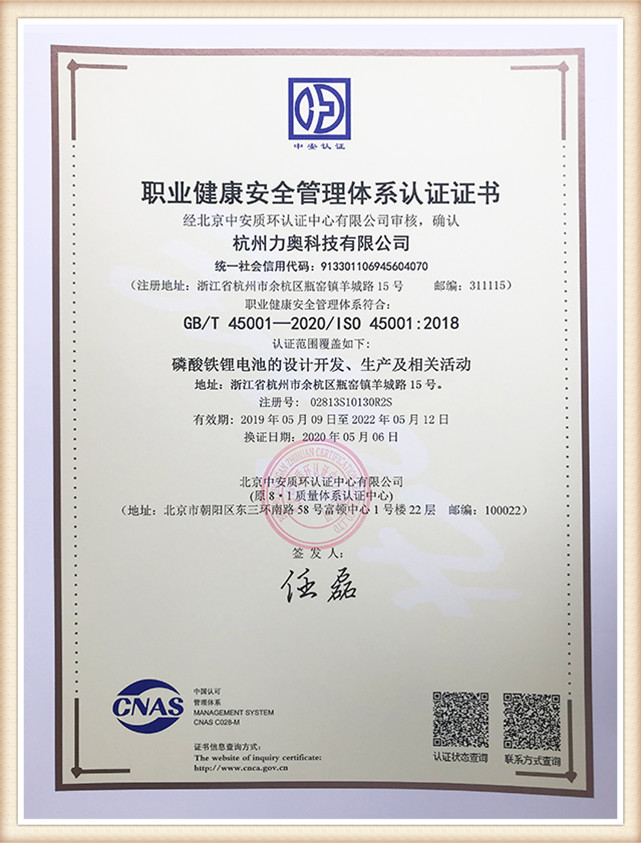
All products are manufactured under strict quality controls. Our facility is certified to the ISO 9001 quality management system, the ISO 14001 environmental management system, and the ISO 18001 occupational health and safety management system.
Our completely integrated R&D system covers mechanical, electrical, and BMS software design. We specialize in tailoring lithium iron phosphate chemistry to meet application-specific demands for dimensions, temperature resilience, and charging rates.
LIAO cells do not catch fire or explode during rigorous safety protocols, including structural puncture tests. They operate across an ultra-wide temperature range from -40°C to +85°C, ensuring reliable operation in harsh environmental conditions.
Take a virtual tour of our ISO-compliant manufacturing facilities in China. We integrate automated electrode processing, precise assembly, and exhaustive quality control testing.
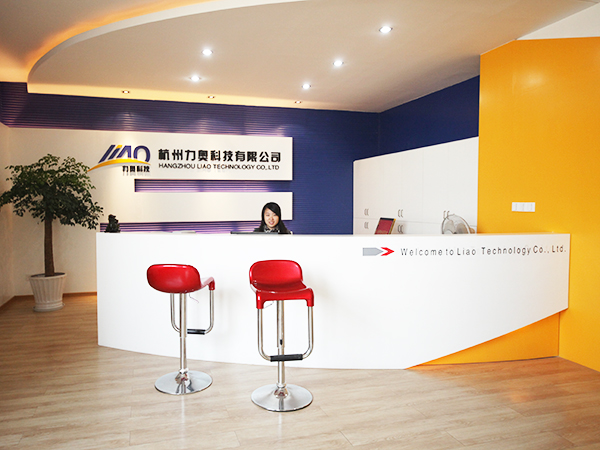
Reception Area
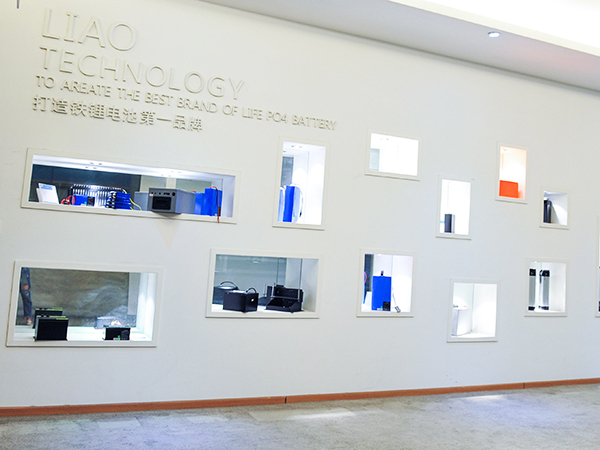
Exhibiton Area
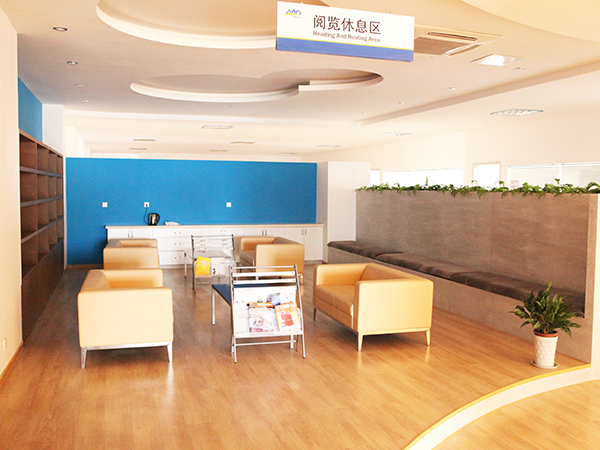
Reading Rest Area
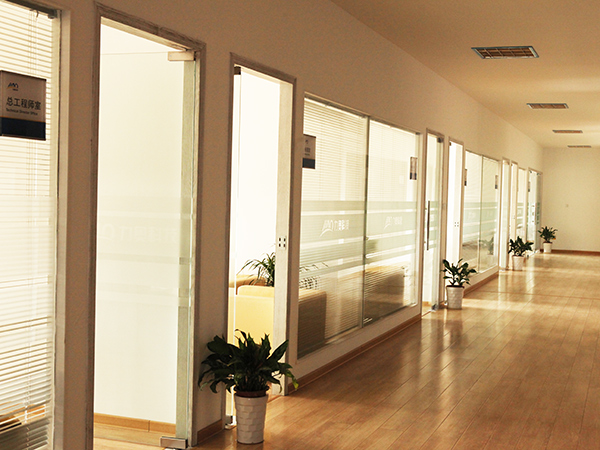
Office Area

Meeting Room
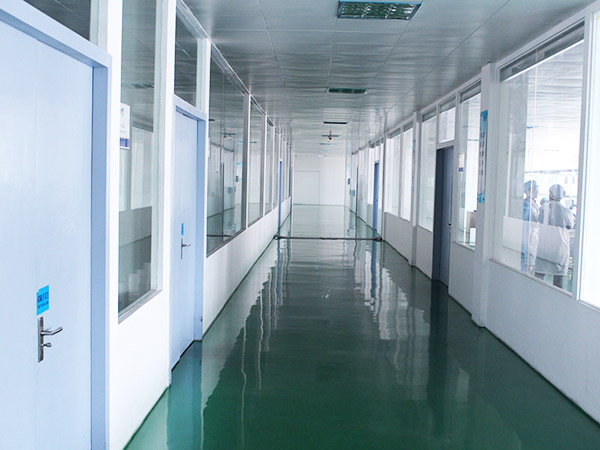
Visiting Access
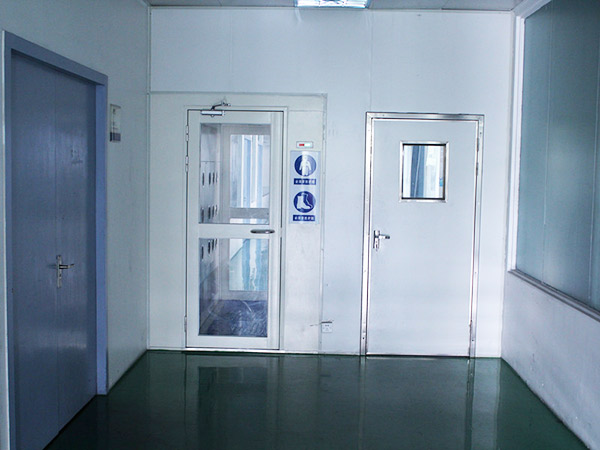
Entrance
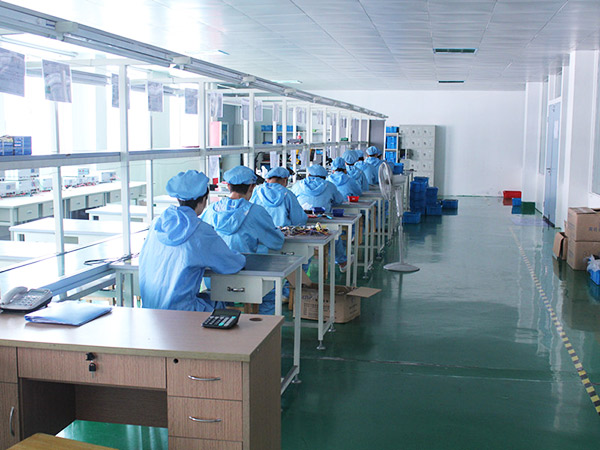
Pack Assembly
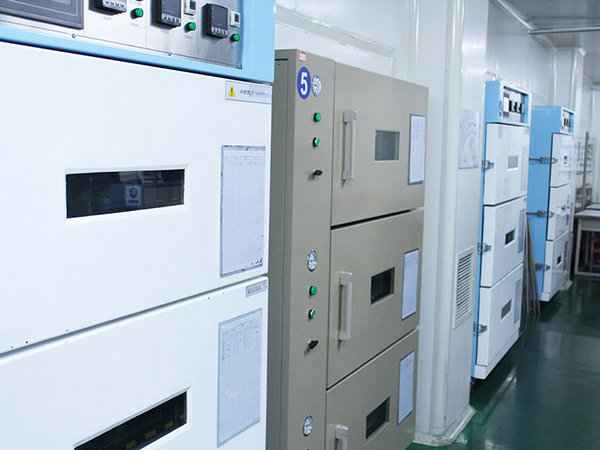
Baking
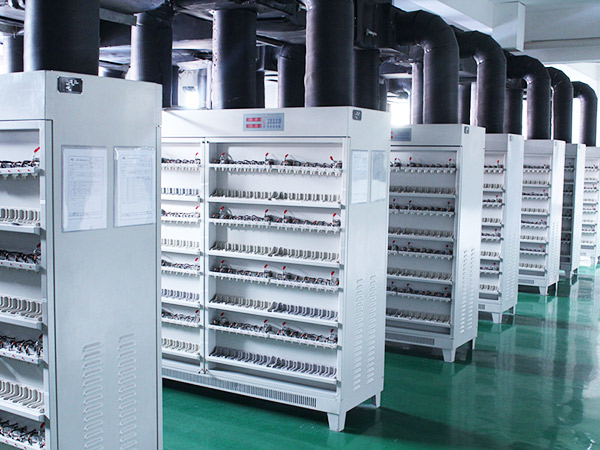
Capacity Sorting
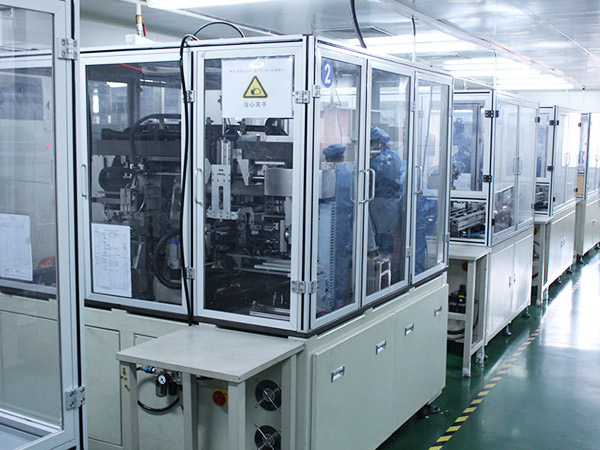
Stacking
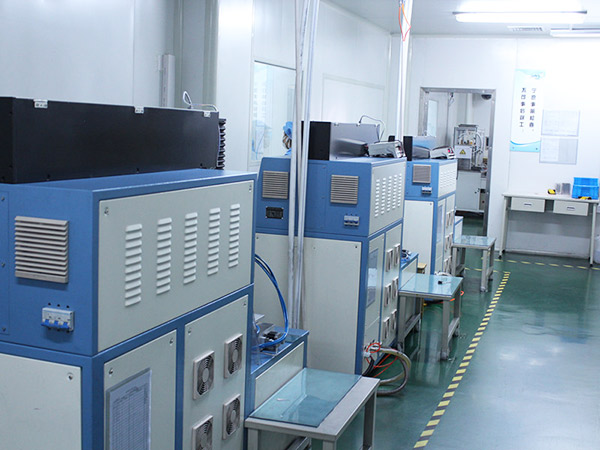
Laser Welding
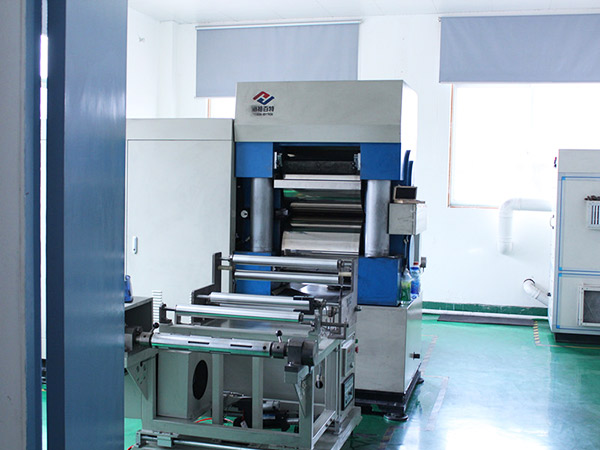
Rolling
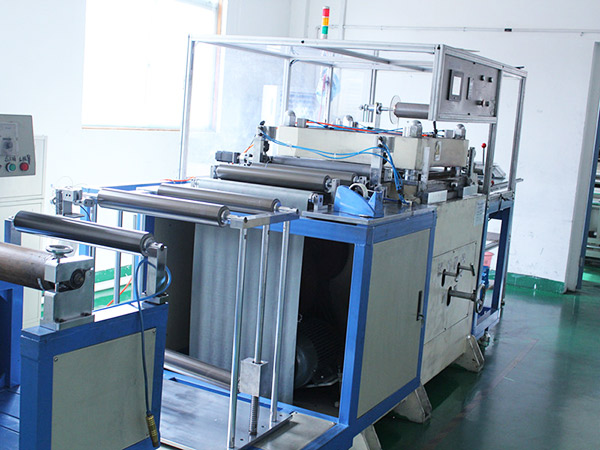
Die Cutting
LIAO designs and manufactures highly reliable battery solutions customized to meet the unique power requirements of diverse applications.

Our new generation of LiFePO4 golf cart batteries delivers sustained power across challenging terrains, offering a lightweight drop-in replacement that charges faster and runs longer.
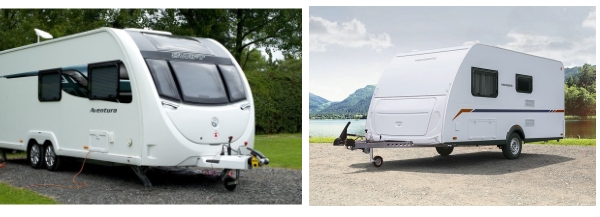
Designed for high peak discharge currents, our caravan mover batteries provide clean, quiet power for precise maneuvering without polluting the environment.
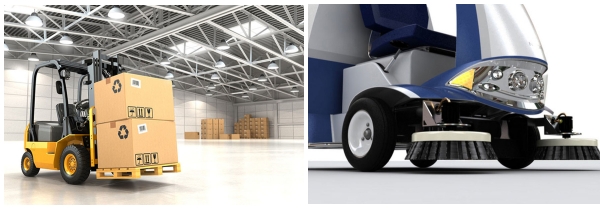
Engineered for high-demand, short-distance transportation. These battery systems facilitate efficient heavy lifting and material transport, reducing down-time in logistics facilities.

Sealed, IP-rated water-resistant LiFePO4 packs designed to operate in high-humidity marine environments, providing quiet propulsion with zero emissions.
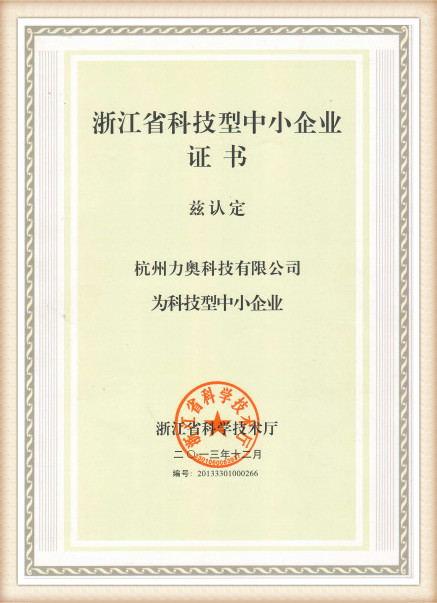
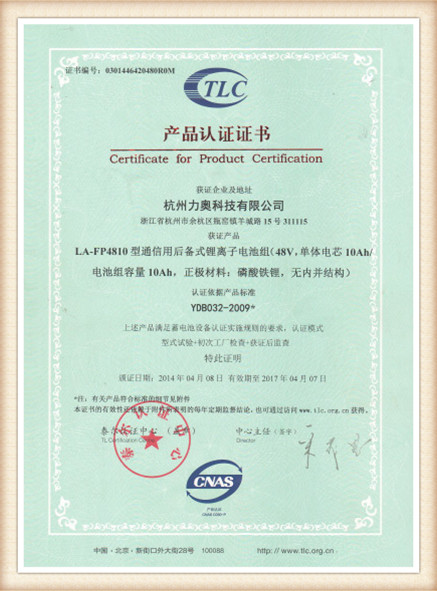
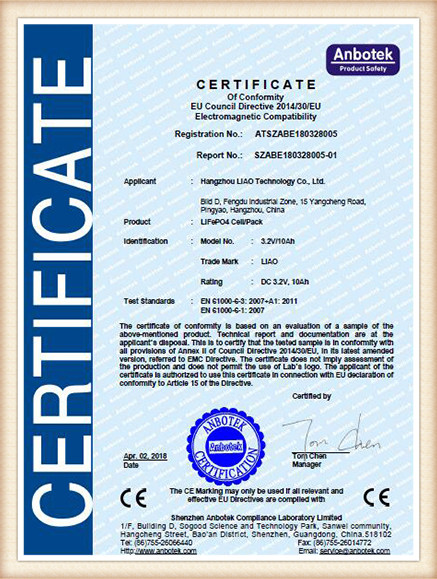
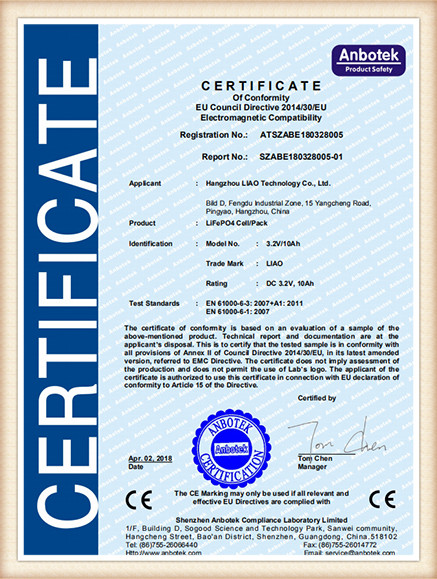
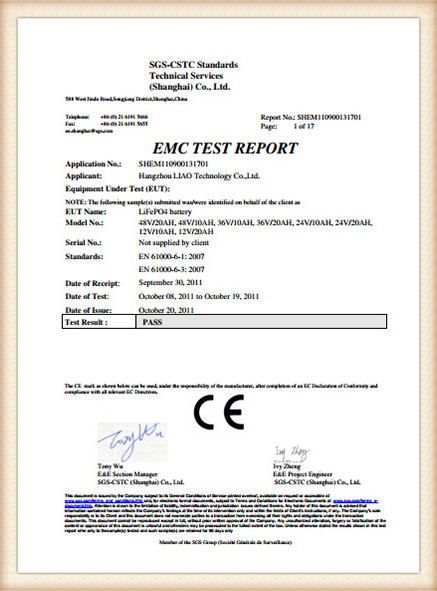
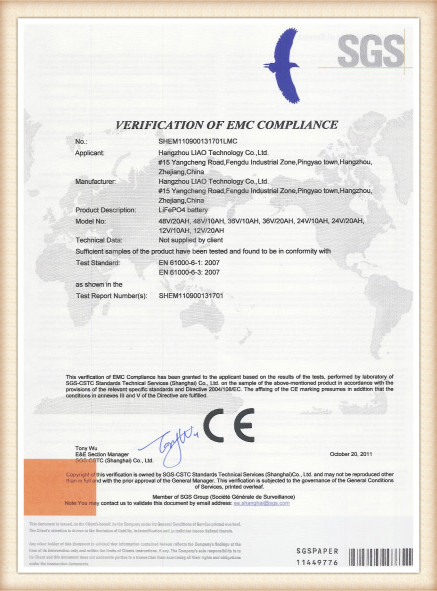
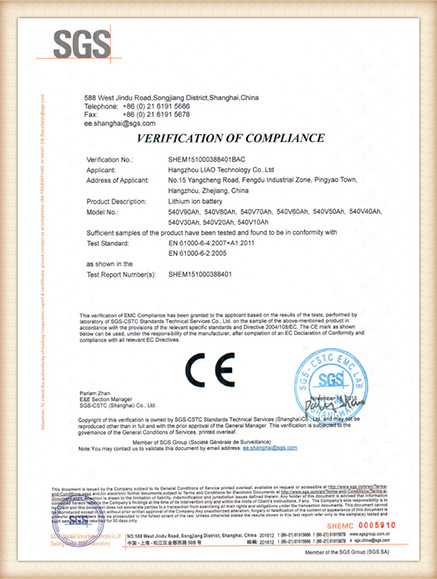
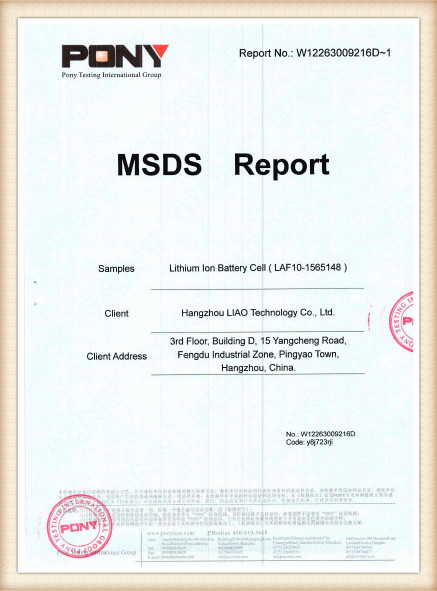
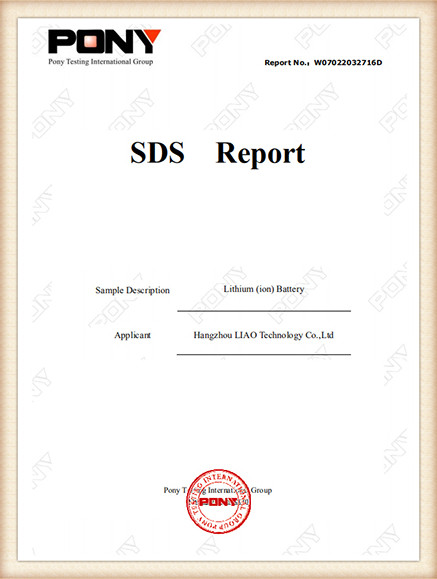
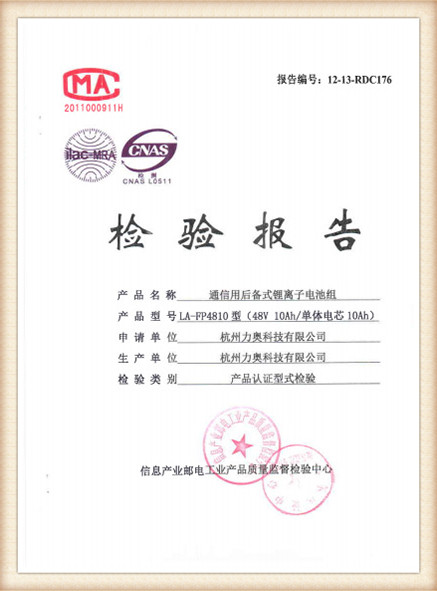
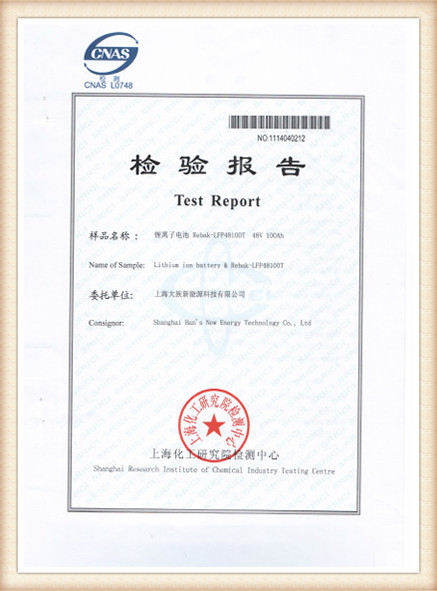
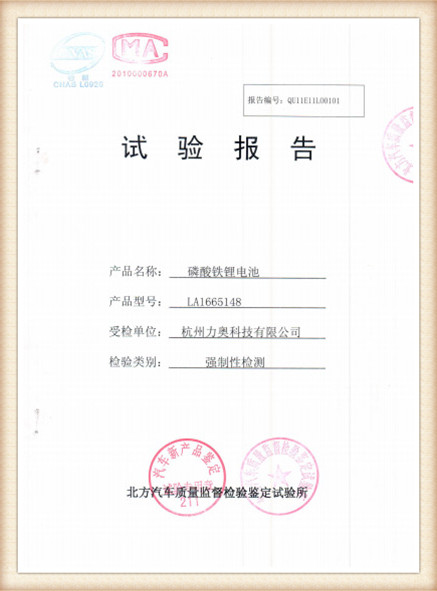
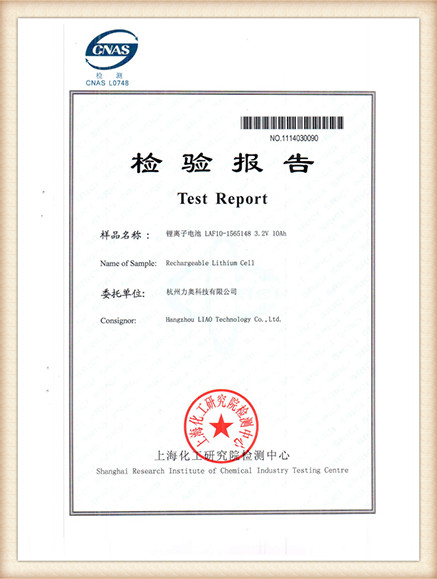
LIAO cells and battery packs undergo exhaustive third-party testing to comply with international transport, safety, and performance standards.
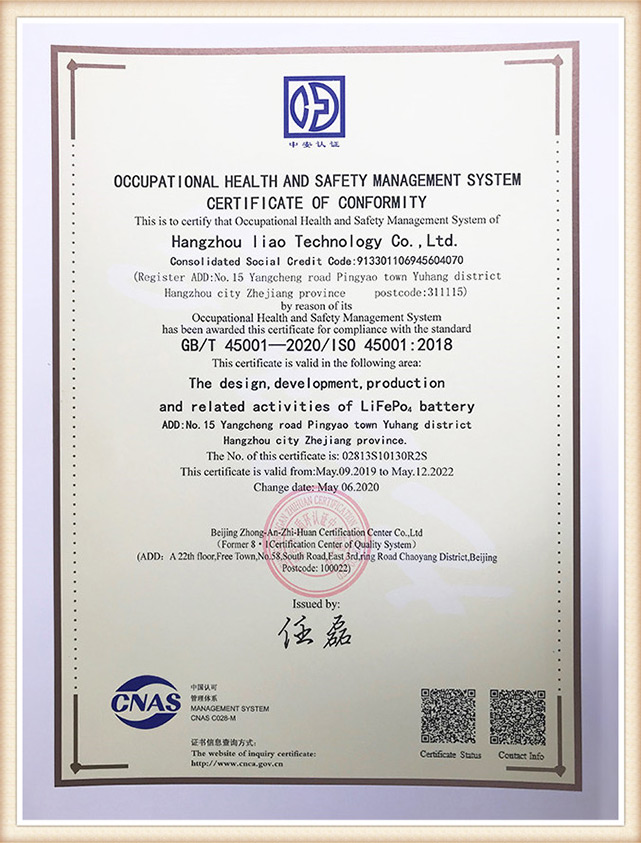
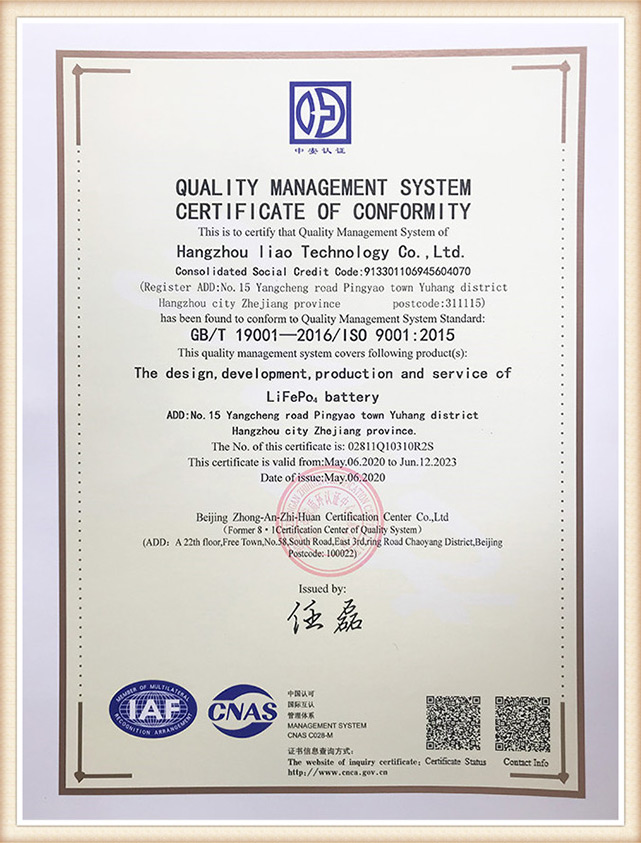
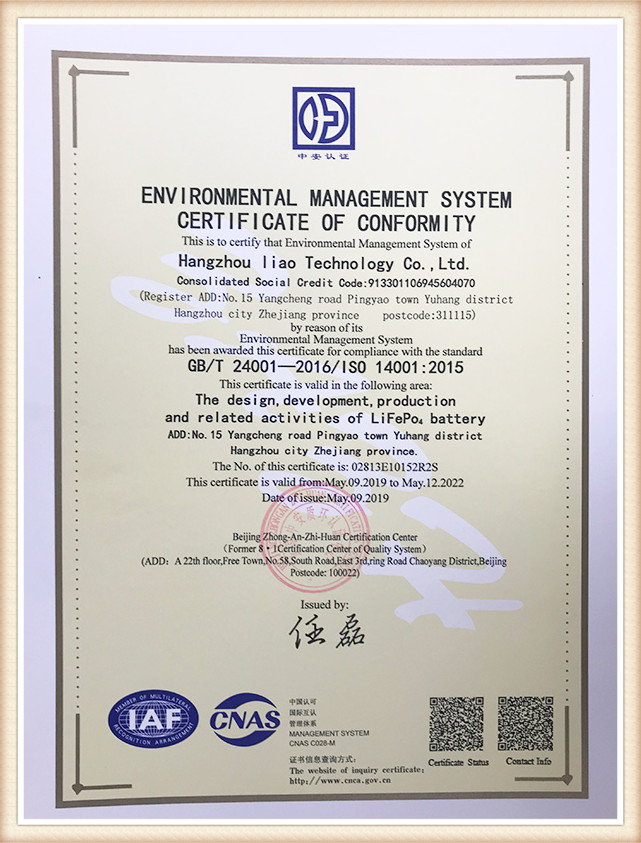
ISO 9001 Quality, ISO 14001 Environmental, and ISO 18001 Safety standards regulate our manufacturing processes.
Our in-house R&D team holds key utility patents for thermal runaway mitigation, terminal safety design, and advanced cell layout structures.

Recognized globally, LIAO battery systems have achieved testing championships in major European markets (e.g., LAXpower-1230 testing champion).
Electrification technology is changing rapidly. LIAO invest continuously in future-ready advancements, targeting energy density and smart diagnostics.
We are actively researching semi-solid state gel polymer electrolytes to replace liquid organic solvents. This technology aims to eliminate electrolyte leakage risks and increase safety under mechanical damage, while potentially boosting cell-level energy density by up to 20%.
Next-generation 48V packs will feature IoT-enabled battery management systems. Using Bluetooth, CAN bus, or narrowband IoT (NB-IoT) interfaces, our systems can transmit real-time state-of-health (SoH) and state-of-charge (SoC) data to cloud platforms. This allows for predictive maintenance and helps prevent unexpected downtime.
Through nano-structured carbon coating on LFP cathode materials and advanced electrolyte formulations, we continue to push the boundaries of low-temperature performance, aiming for over 80% capacity retention at temperatures as low as -40°C.
Get detailed technical answers regarding cell configurations, safety standards, customization options, and battery logistics.
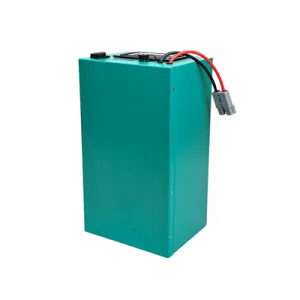
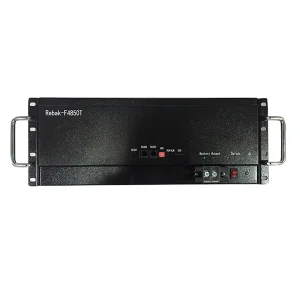
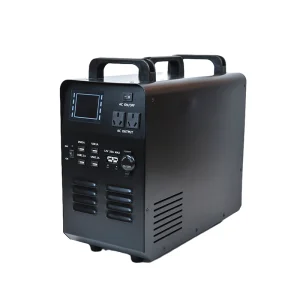
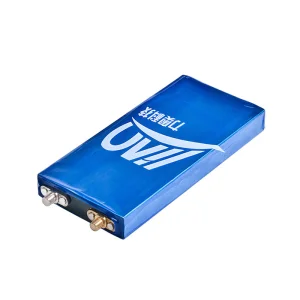
Heavy-duty industrial battery packs, robust telecom energy units, and portable backup power systems designed for continuous operation.
 Liao Battery