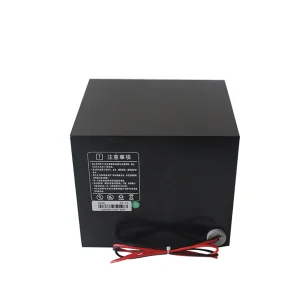
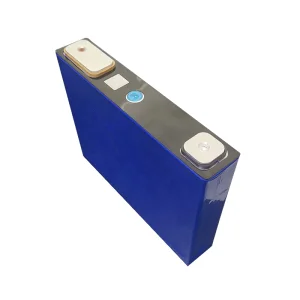
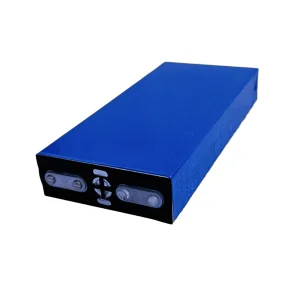
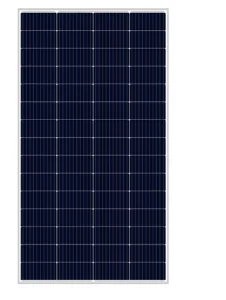
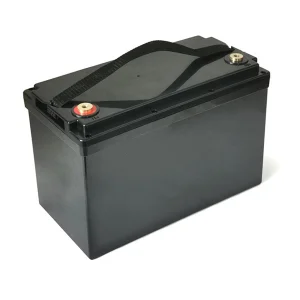
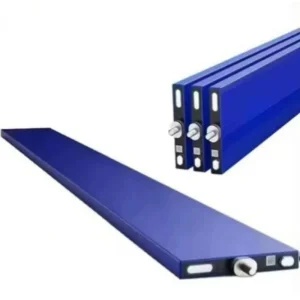
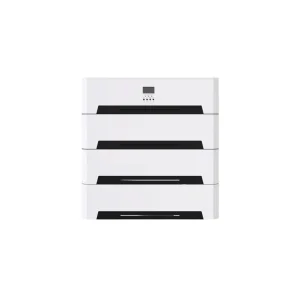
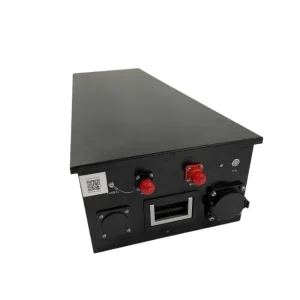
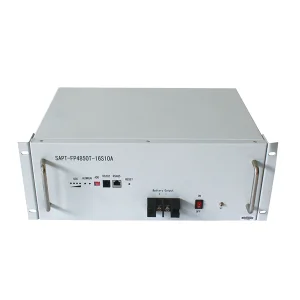
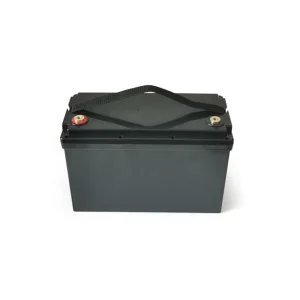
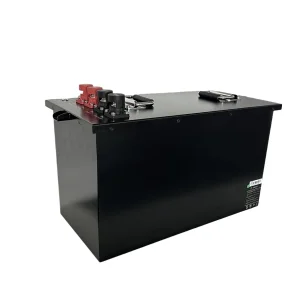
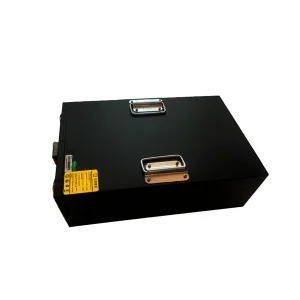
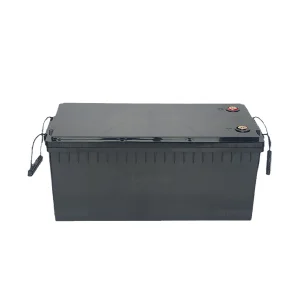
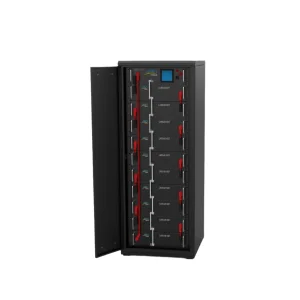
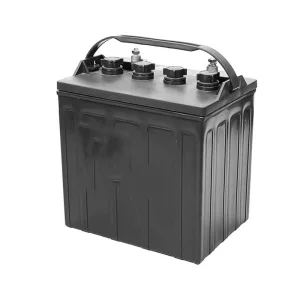
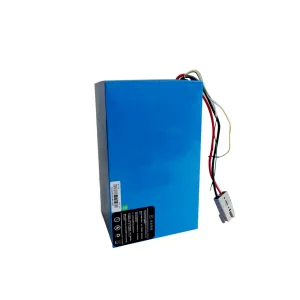
High-performance lithium cells and packs designed for global commercial and industrial applications.
The global transition to electrification has placed low-voltage, high-capacity batteries at the epicenter of light mobility, telecommunications, and industrial automation. Specifically, the 48V 10Ah Lithium-Ion Battery format has emerged as an industry-standard voltage platform. Compared to older 12V and 24V architectures, a 48V system reduces current draw by 75% and 50% respectively for the same power output, minimizing copper losses, decreasing wiring gauge requirements, and enhancing overall system efficiency.
Industries across Europe, the Americas, and Asia-Pacific are utilizing 48V systems to power automated guided vehicles (AGVs), telecom backup networks, caravan movers, golf carts, and electric marine transport. In developing economies, the 48V platform acts as the core of decentralized micro-grids and off-grid solar storage solutions. China, as the world's leading battery manufacturer, plays a pivotal role in refining the chemistry and cost-efficiency of 48V batteries, positioning them as essential components for sustainable industrial infrastructure.
A Decade of Excellence in LiFePO4 Chemistry & Precision Manufacturing
Founded in 2009, Hangzhou LIAO Technology Co., Ltd. is a leading manufacturer specializing in Lithium Iron Phosphate (LiFePO4) batteries. With over 15 years of industry experience, our products have been exported to more than 20 countries worldwide, including Germany, France, the Netherlands, Spain, the United Kingdom, the United States, Canada, Australia, Japan, Korea, and South Africa.
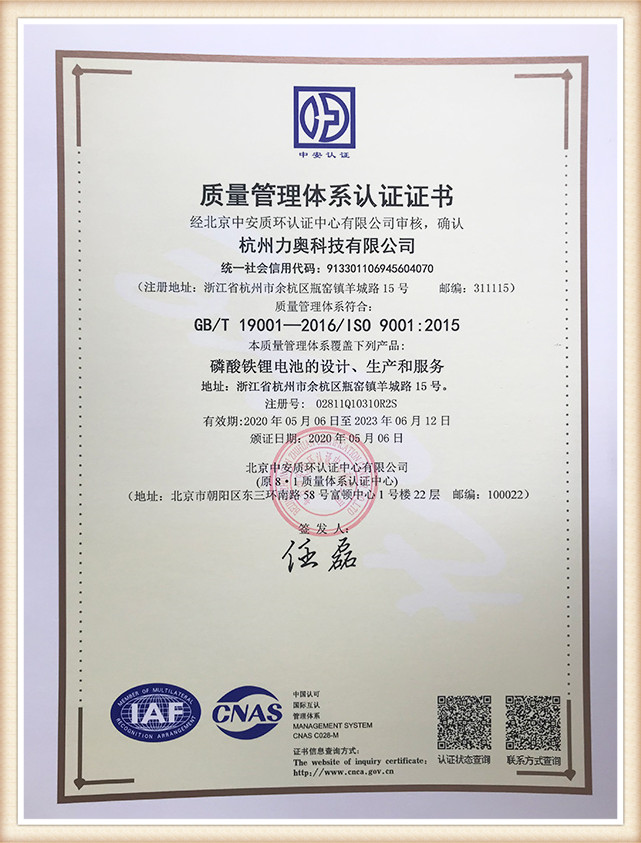
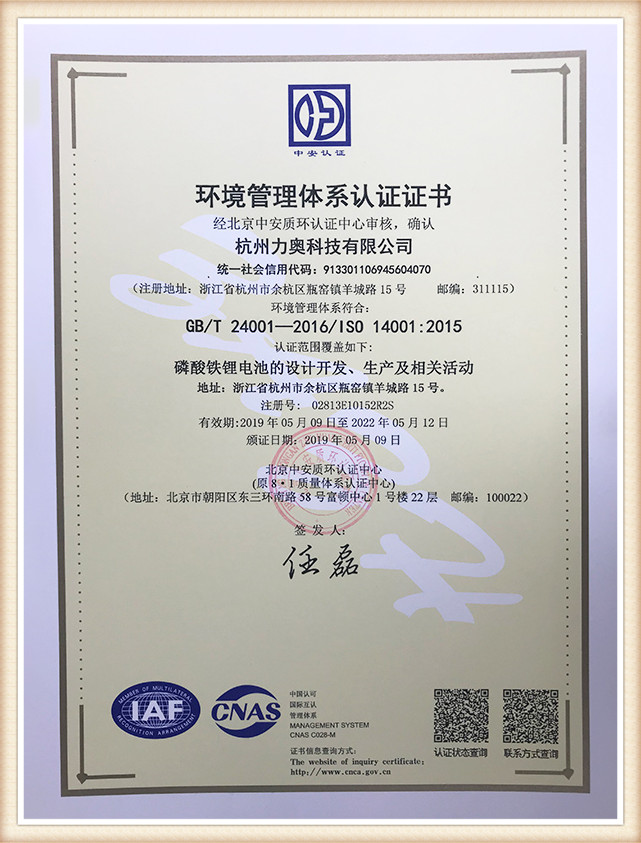
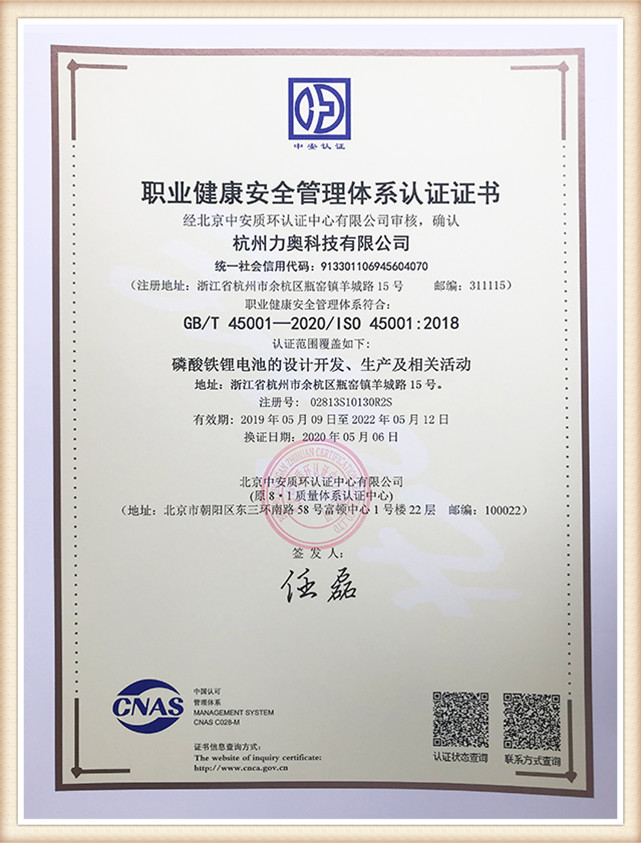
To ensure high standards of reliability and safety, LIAO operates under a strict and efficient quality control system. All products are manufactured in compliance with the ISO 9001 quality management system, the ISO 14001 environmental management system, and the ISO 18001 occupational health and safety management system.
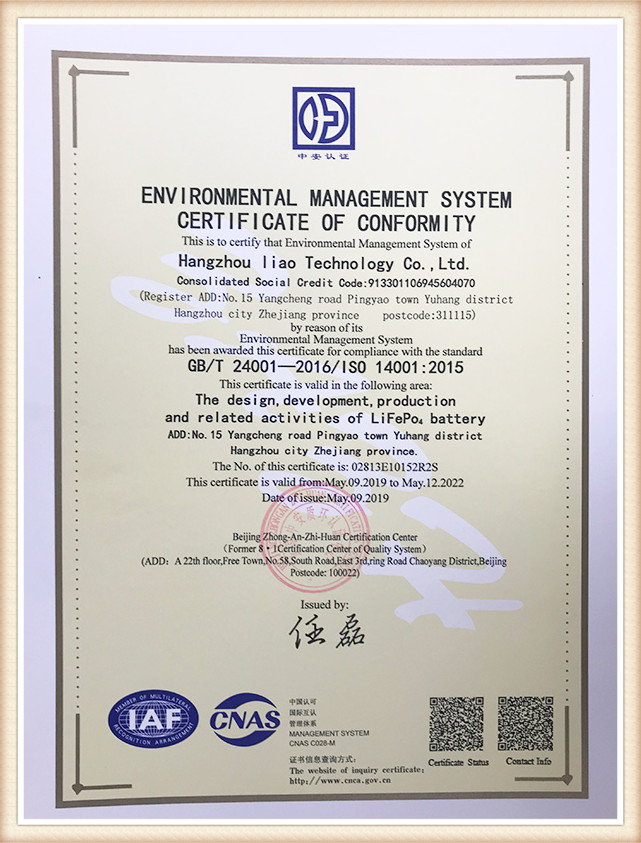
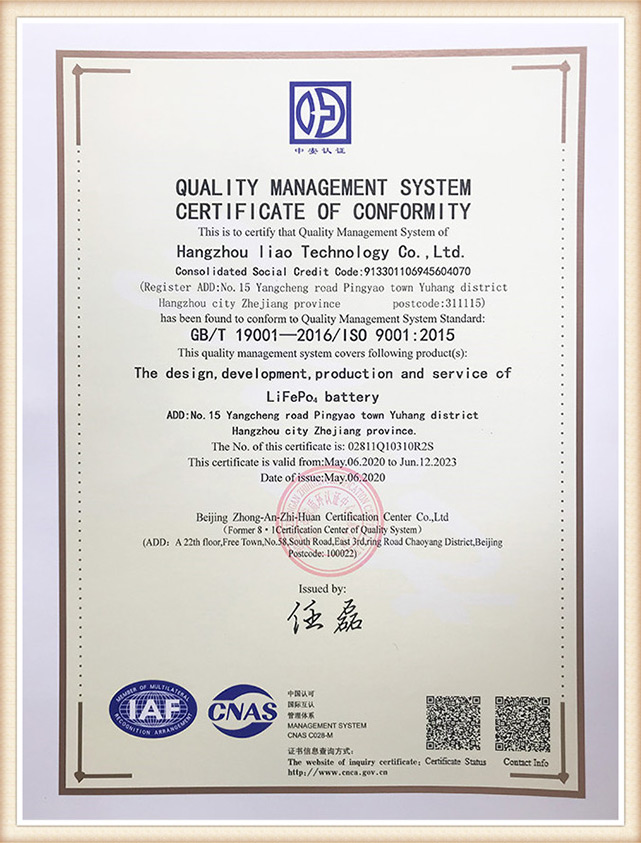
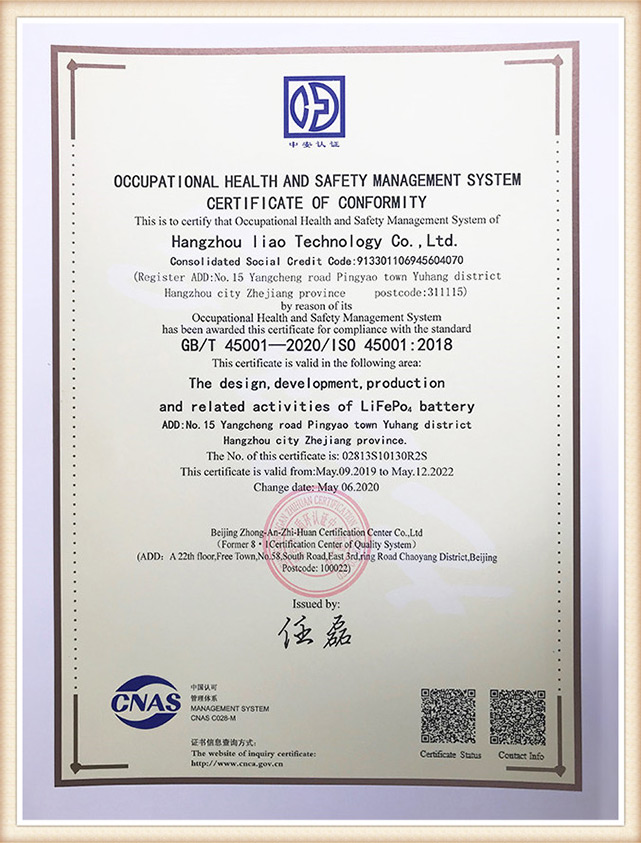
The choice of active materials determines a battery's safety, energy density, and thermal stability. While nickel-cobalt-manganese (NCM) chemistries offer high volumetric energy density, Lithium Iron Phosphate (LiFePO4) is preferred for industrial and commercial applications due to its thermal stability. The strong covalent bond between phosphorus and oxygen in the PO4 tetrahedral lattice resists oxygen release at high temperatures, preventing the thermal runaway reactions common in NCM cells.
LIAO Technology's 48V 10Ah systems leverage this olivine structure to provide high safety margins. Designed to handle continuous C-rates up to 2C/3C and transient peaks, these configurations maintain structural integrity under high electrical and mechanical stress. Our research and development focuses on optimizing electrolyte additives to improve ion mobility at sub-zero temperatures (-40°C) and reduce grid corrosion at elevated temperatures (+85°C).
| Performance Indicator | LIAO LiFePO4 System (Optimized) | Standard NCM Chemistry | Conventional Lead-Acid System |
|---|---|---|---|
| Cycle Life (100% DOD) | 2,800 to 5,000 cycles | 500 to 1,000 cycles | 300 to 500 cycles |
| Thermal Runaway Temp | >270°C (Highly Stable) | ~150°C to 200°C | N/A (Gassing risk) |
| Operational Temp Range | -40°C to +85°C | -20°C to +60°C | -15°C to +50°C |
| Environmental Profile | Eco-Friendly (No Co/Ni) | Contains toxic heavy metals | High Lead & Acid hazard |
Future iterations of LIAO 48V batteries will incorporate micro-BMS architectures equipped with Bluetooth (BT) and CAN bus telemetry. These systems monitor cell voltage, temperature, and State of Charge (SOC) in real-time, sending data to operators via cloud-based dashboards. This allows for predictive maintenance, preventing pack imbalance and extending the system's operational lifespan.
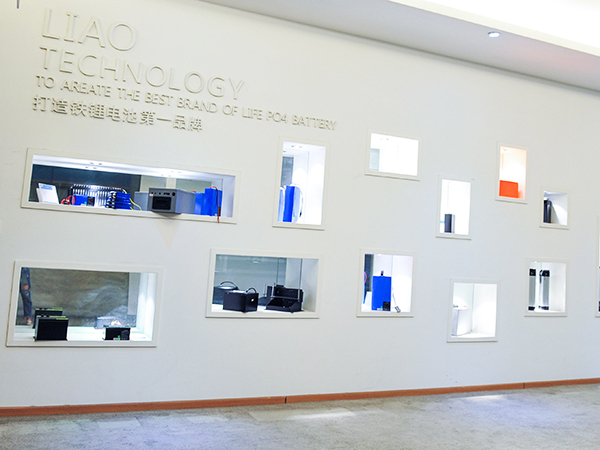
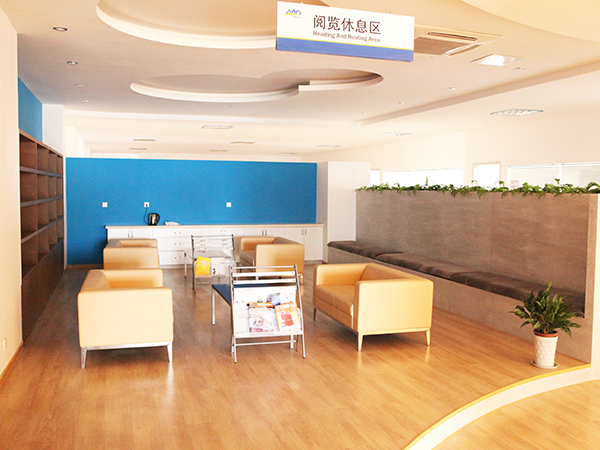
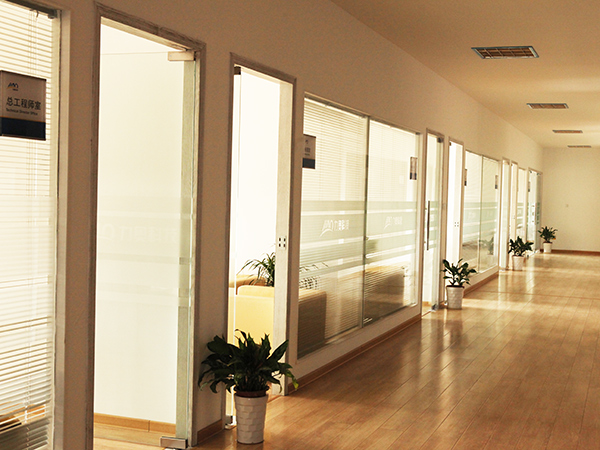
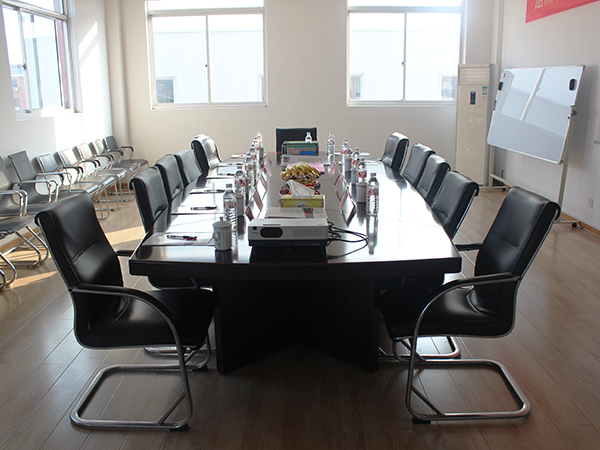
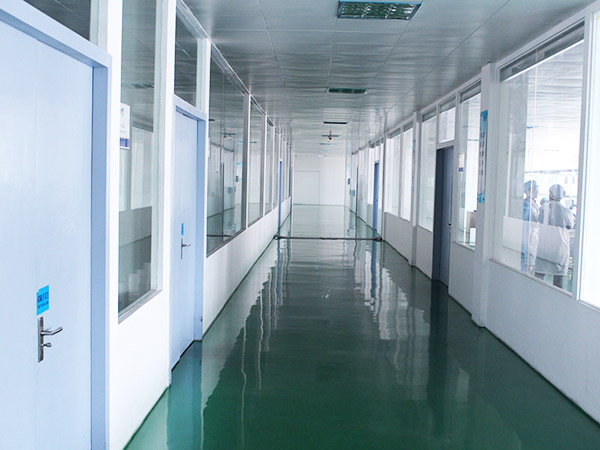
Touring LIAO's State-of-the-Art Production Facility
LIAO Technology maintains control over the entire supply chain, from powder preparation and slurry mixing to final cell assembly and packing. Our production process features advanced automation to minimize human error and ensure consistency. Automated capacity sorting machines match cell capacities, internal resistances, and voltages within narrow tolerances, preventing cell mismatch and maximizing pack life.
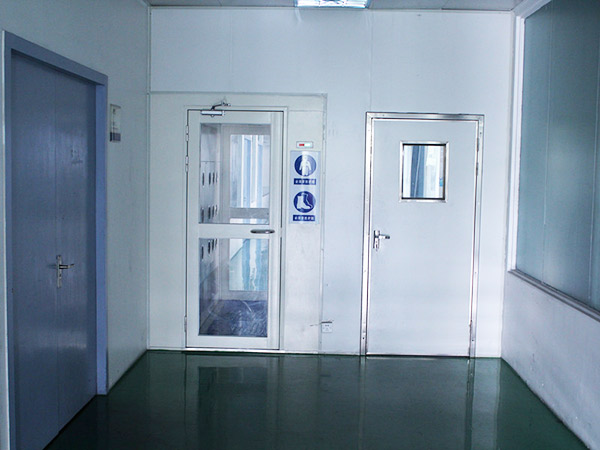
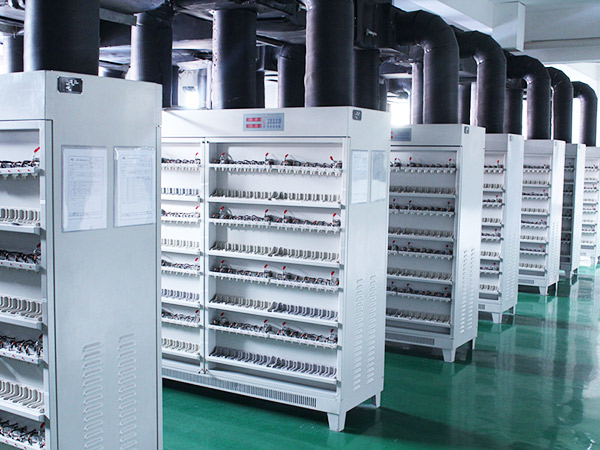
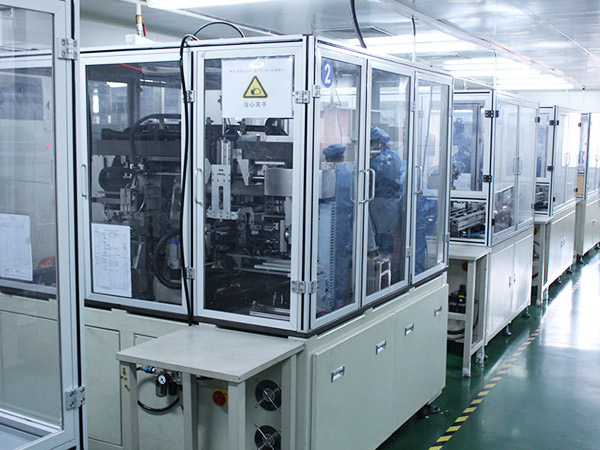
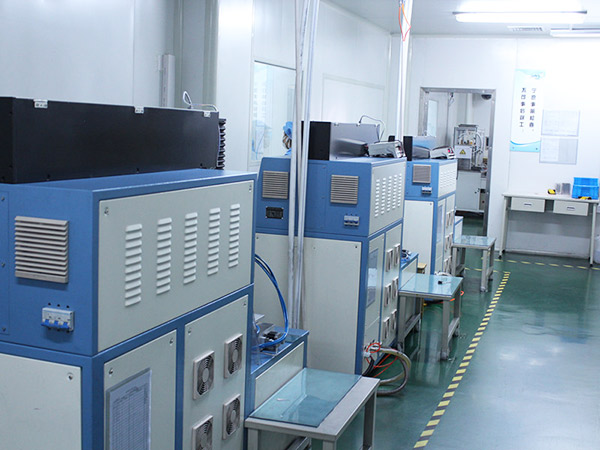
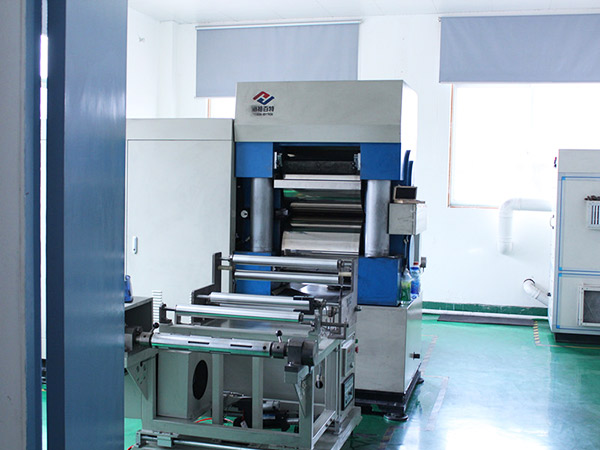
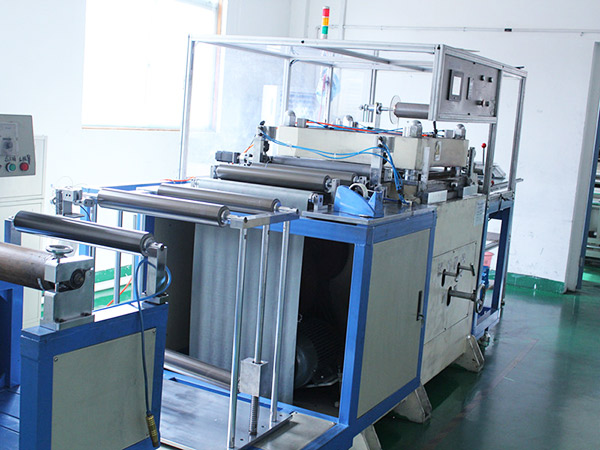
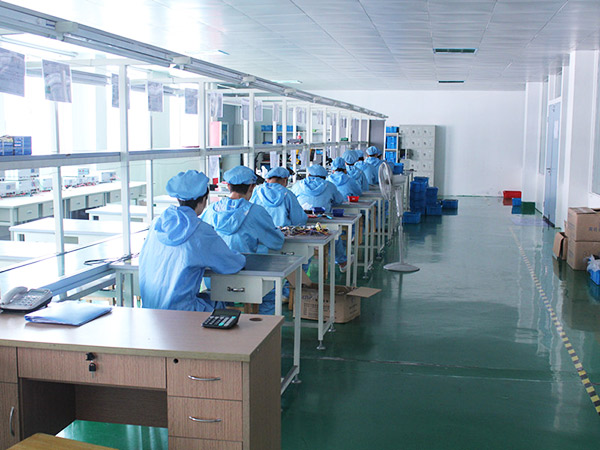
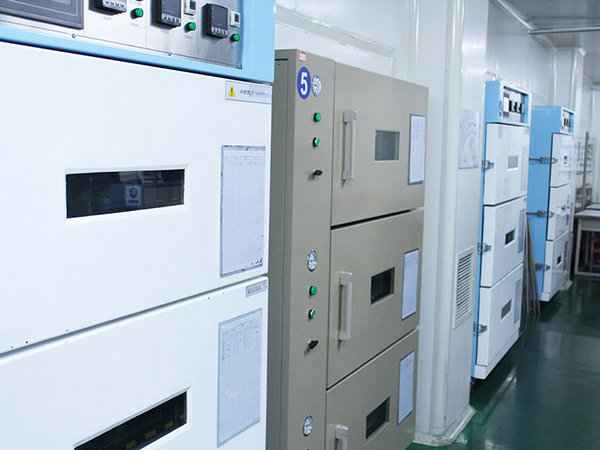
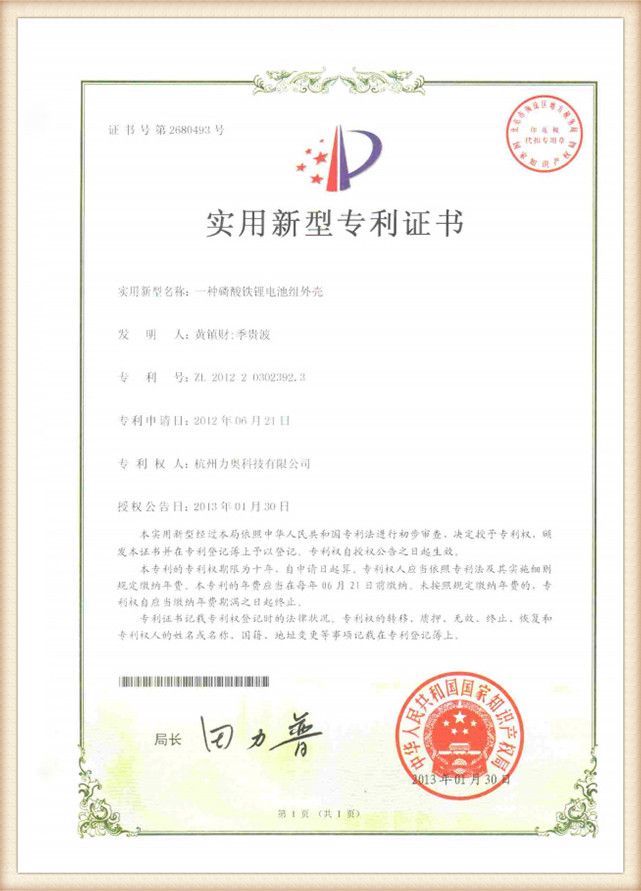
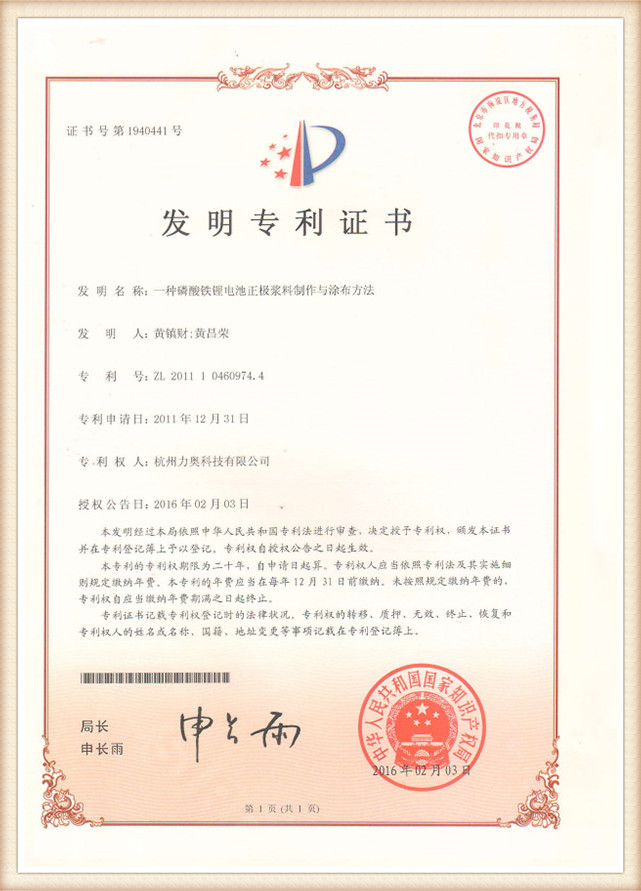
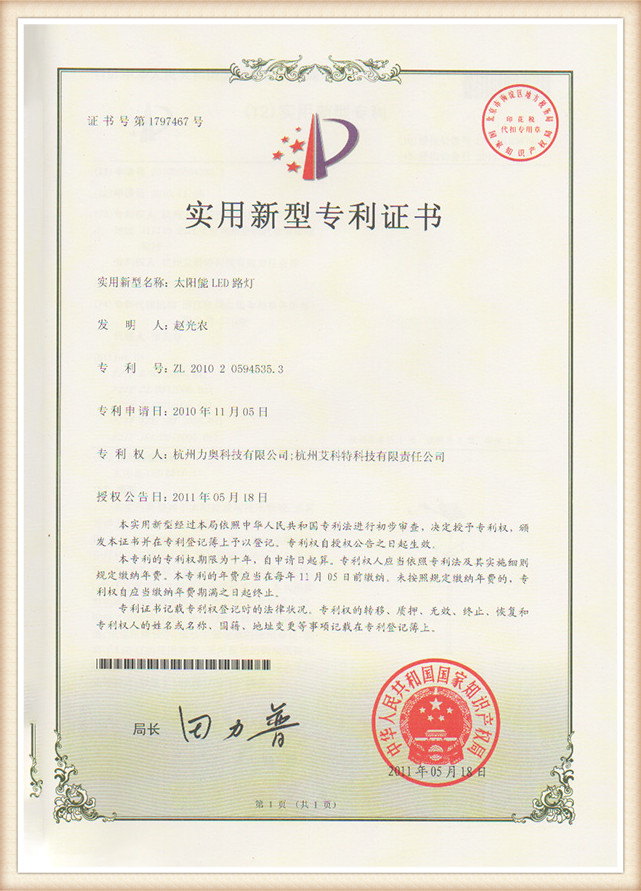
Our Quality Assurance system includes rigorous testing protocol. Every batch of 48V batteries undergoes vibration testing, thermal shock evaluation, overcharge trials, and nail-penetration verification. This compliance allows LIAO Technology to hold a wide array of patent certificates and international honors, ensuring easy integration into demanding target markets.
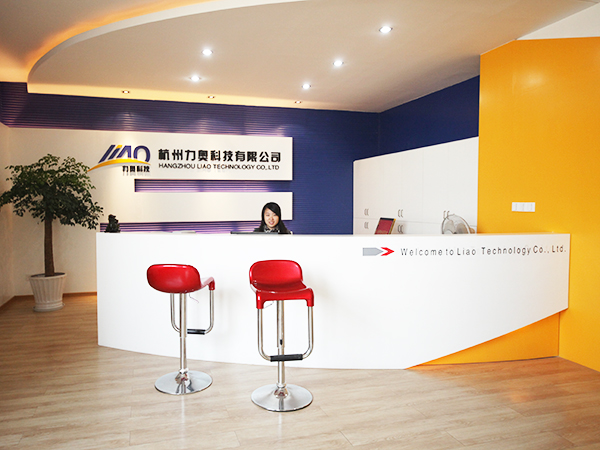
Customizable battery designs tailored to specific industrial use cases.

Modern golf courses require lightweight energy storage systems that do not damage turf while providing sufficient power to traverse hilly terrain. LIAO's 48V LiFePO4 batteries replace heavy lead-acid options, saving up to 70% of pack weight. This increases acceleration, extends range, and reduces mechanical wear on the vehicle's suspension and braking systems.
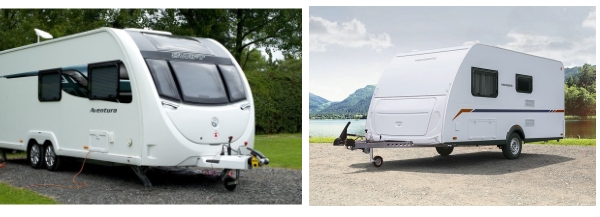
Caravan movers require high torque and peak current to maneuver heavy trailers into tight spaces. Standard batteries often suffer from voltage sag under these conditions. LIAO's custom 48V/12V solutions deliver high discharge currents without significant voltage drops, ensuring smooth, silent operation without emissions or noise pollution.
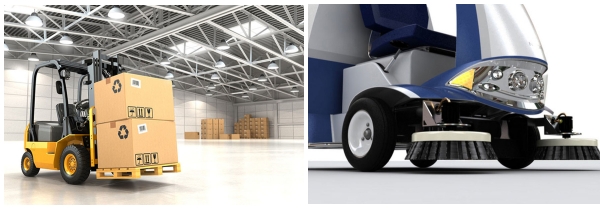
In automated warehouses, AGVs operate continuously. LIAO's 48V lithium solutions support fast charging, allowing AGVs to top up during short idle periods. This eliminates the need for battery swapping, reduces downtime, and lowers labor costs, optimizing overall warehouse throughput.
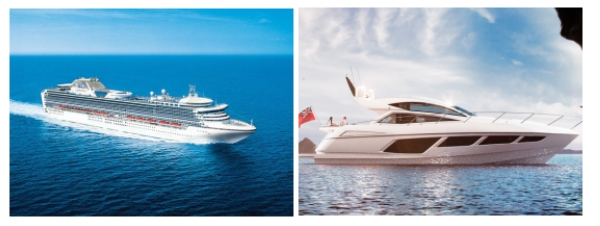
Marine environments require high reliability and moisture resistance. LIAO's marine lithium packs feature sealed housings and smart BMS architectures to protect against salt air corrosion and water ingress. They provide clean, quiet power for electric motors and auxiliary hotel loads without risk of fuel leaks.
Technical clarifications on LiFePO4 chemistry and custom pack configurations.
LiFePO4 (LFP) chemistry offers superior safety, thermal stability, and cycle life. Unlike Nickel-Cobalt-Manganese (NCM) chemistries, LFP does not release oxygen at thermal runaway points, meaning it will not combust under mechanical damage or overcharging. Compared to Lead-Acid batteries, LFP is one-third the weight, offers up to 10 times the cycle life (2800+ cycles vs 300 cycles), supports deeper depth-of-discharge (up to 100%), and charges faster.
Our batteries feature optimized electrolyte chemistry that allows for operation across a wide temperature range, from -40°C to 85°C. At low temperatures, the electrolyte retains sufficient ionic conductivity to prevent voltage collapse, while at high temperatures, the thermal stability of the LiFePO4 crystal lattice helps prevent thermal runaway and degradation.
Yes, LIAO is an experienced custom LiFePO4 battery manufacturer. We have supported over 500 clients with tailored battery designs. Our engineering team develops customized battery management systems (BMS), enclosures, and voltage outputs (including 12V, 24V, 36V, 48V, 72V, 96V, and high-voltage 480V systems) to match specific space, weight, and communication protocols (such as CAN, RS485, and Bluetooth).
We comply with international manufacturing regulations. Our facility operates under the ISO 9001 quality management system, the ISO 14001 environmental protection standard, and the ISO 18001/45001 occupational health and safety guidelines. Our products undergo rigorous testing and are certified to meet CE, UN38.3, RoHS, and other international standards.
A higher system voltage like 48V reduces the electrical current needed to deliver a specific power level. Since heat dissipation and power loss are proportional to the square of the current (P = I²R), doubling the voltage from 24V to 48V cuts power loss in cables by 75%. This allows for thinner, lighter cabling, improves system efficiency, and lowers component costs in high-power applications.
Tested and verified by global safety and testing bodies.
Custom engineering solutions for heavy machinery, backup power, and marine transport.
 Liao Battery