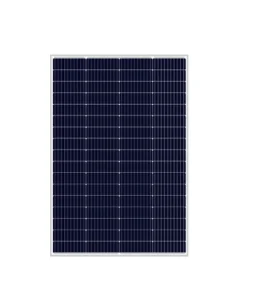
Select premium engineered industrial batteries, dynamic storage solutions, and solar modules matched for heavy duty reliability.
A professional whitepaper detailing chemical structures, system engineering, thermal profiles, and integration paradigms.
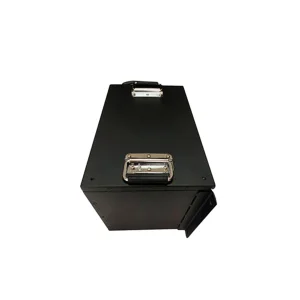
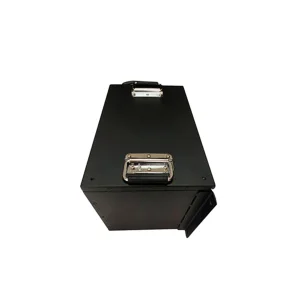
In the transition from fossil-fuel dominance and legacy lead-acid batteries to highly efficient electrification, the 48V 20Ah Lithium Battery Pack has emerged as the global industry benchmark. Serving as the primary power component for light electric vehicles (LEVs), automated guided vehicles (AGVs), telecommunications equipment, marine vessels, and modular solar backup systems, the 48V nominal platform offers the optimal compromise between electrical safety, high voltage output, minimized copper sizing, and superior power delivery.
As a leading supplier with over 15 years of industry experience, Hangzhou LIAO Technology Co., Ltd. prioritizes Lithium Iron Phosphate (LiFePO4) chemistry for our standard and custom 48V 20Ah configurations. Compared to alternative Lithium Nickel Manganese Cobalt Oxide (NMC) chemistries, LiFePO4 offers unmatched structural integrity at the crystal level. The olivine crystal structure of LiFePO4 presents strong covalent phosphorus-oxygen bonds (P-O), which remain thermally and mechanically stable even under abusive conditions, preventing oxygen release and thermal runaway.
Superior Safety: Unlike NMC, LiFePO4 cells do not explode or catch fire under standard mechanical abuse tests, such as nail penetration (acupuncture testing).
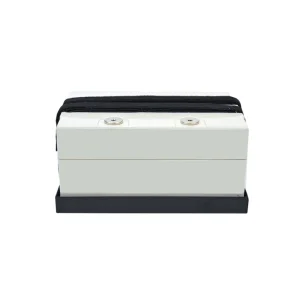
Exceptional Cycle Life: Our single prismatic cells deliver 2800+ cycles at 1C charge/discharge rate at 100% Depth of Discharge (DOD) before falling below 80% original capacity.
Wide Operating Thermal Range: Able to discharge reliably in temperatures ranging from -40°C to 85°C, ensuring operations in freezing polar environments and high-heat industrial factories.
| Performance Parameter | LIAO LiFePO4 48V 20Ah Pack | Standard NMC 48V 20Ah Pack | Traditional Lead-Acid 48V 20Ah |
|---|---|---|---|
| Cycle Life (100% DOD) | 2,800 - 5,000 Cycles | 800 - 1,200 Cycles | 200 - 400 Cycles |
| Thermal Runaway Temp. | > 270°C (Extremely Safe) | ~ 150°C (Risk of Fire) | N/A (Sulphation issues) |
| Weight | ~ 8.5 kg | ~ 6.2 kg | ~ 32.0 kg |
| Usable Capacity | 95% - 100% | 90% - 95% | 50% - 60% (Peukert's Law) |
Every custom battery pack produced at the LIAO Hangzhou facility incorporates an advanced Smart Battery Management System (BMS). The BMS serves as the brain of the battery, monitoring parameters in real-time to protect cells against over-charging, over-discharging, thermal anomalies, and short-circuit conditions. Utilizing precise active cell balancing protocols, the BMS ensures that every cell in the series configuration maintains identical state-of-charge (SOC) values. This synchronization maximizes both the lifespan and energy efficiency of the total battery unit.
A global leader in custom LiFePO4 pack manufacturing with strict quality assurance systems.
Founded in 2009, LIAO Power has engineered custom battery storage systems for over 500 industrial customers, gaining deep technical expertise in complex electrical configurations.
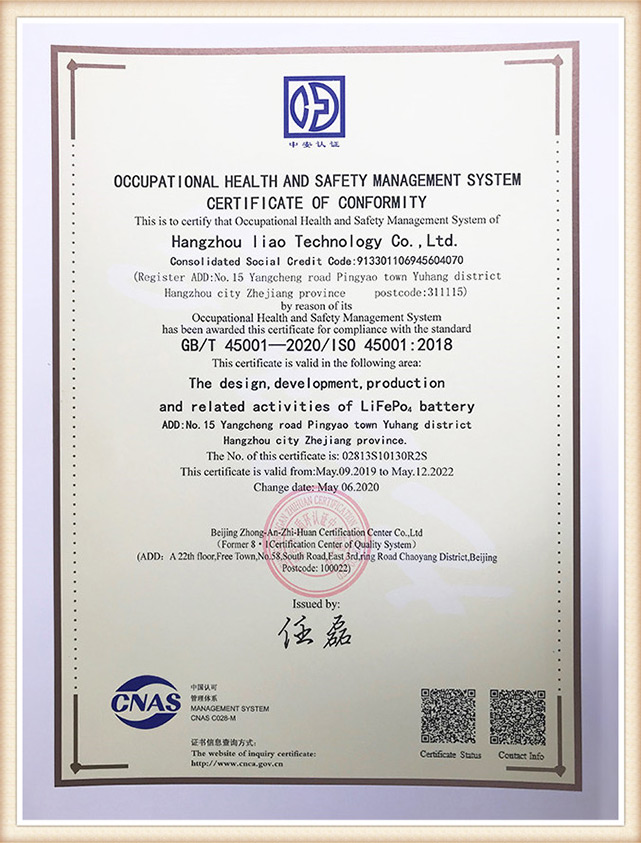
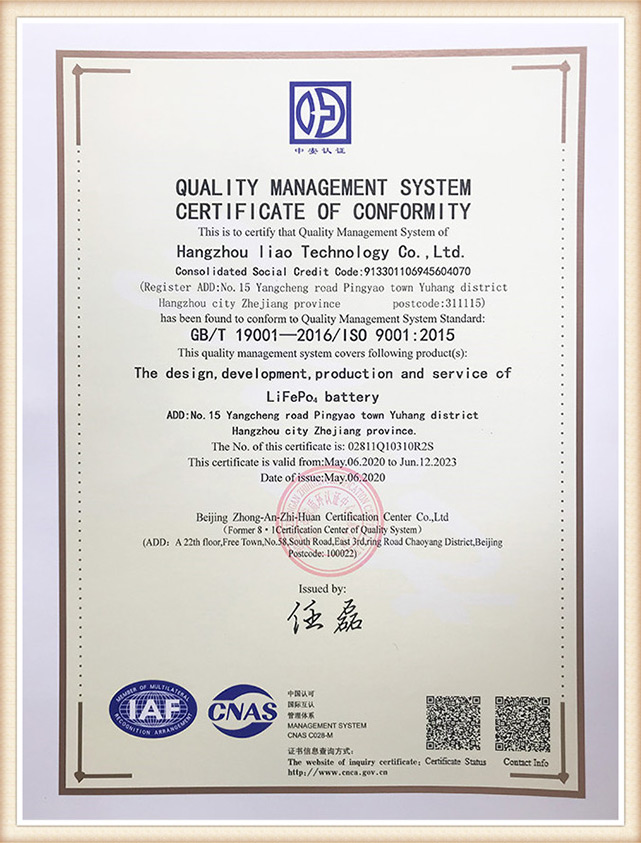
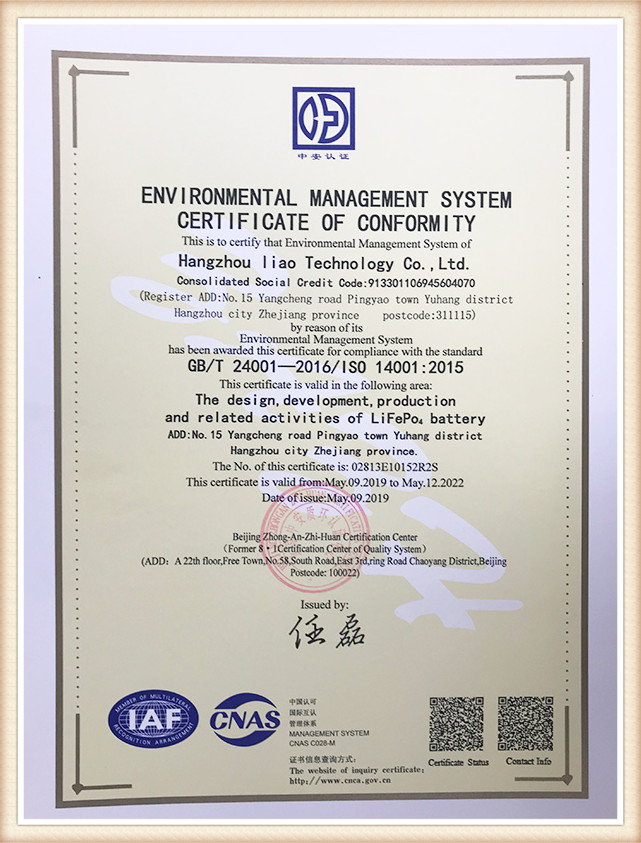
Operating strictly under ISO 9001, ISO 14001, and ISO 18001 frameworks. Our products carry CE, RoHS, UN38.3, and IEC certifications for international market compliance.
Our benchmark product LAXpower-1230 was awarded testing champion in Europe, proving the quality, capacity reliability, and safety of our lithium builds.
Our highly-skilled management, R&D engineers, and export specialists handle full battery projects from concept to schematic validation, software customization (CANbus/RS485/Modbus), mechanical chassis layout, testing, and dangerous goods transport delivery.
Tailoring high-voltage, high-capacity systems for critical application industries worldwide.

Electric golf carts demand highly stable instantaneous current during uphill runs and uneven turf traversals. Our custom LiFePO4 batteries deliver high peak discharge rates and consistent energy outputs, replacing standard, heavy lead-acid batteries. The reduced system weight cuts wear-and-tear on brakes and suspensions, while extending operating hours per charge cycle.
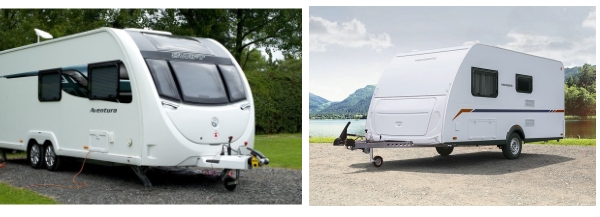
For RVs and recreational caravans, quiet, clean, and reliable auxiliary power is a necessity. The LIAO LiFePO4 deep-cycle design allows caravan owners to drive electric movers silently with zero local emissions. With smart fast charging, these batteries top up quickly from solar or alternator feeds, providing long-lasting grid independence.
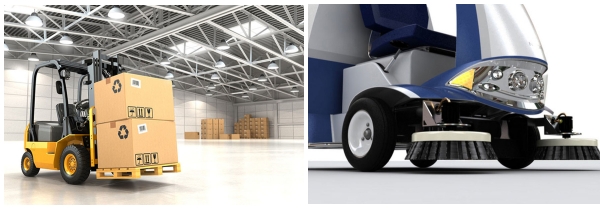
Within logistics centers and automated manufacturing plants, logistics vehicles operate continuously. Standard charging downtime equals loss of revenue. Our lithium packs support opportunity charging, allowing rapid top-ups during breaks. Maintenance-free operations eliminate the need for active venting and watering spaces required by lead-acid setups.
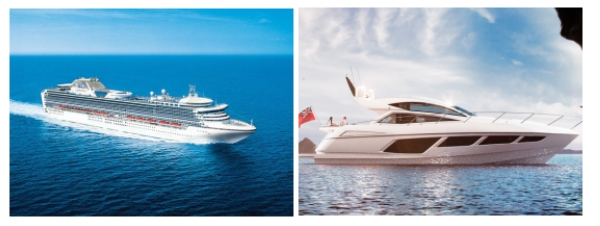
In fragile marine ecosystems, fuel leakages and loud motor vibrations harm wildlife and lower the enjoyment of travel. Our marine-grade 48V 20Ah configurations are designed to withstand high humidity and corrosive environments. With sealed IP65 or IP67 housings, they provide quiet propulsion and safety on the water.
Inside LIAO's modern cell production and pack assembly line, where safety is built into every step.
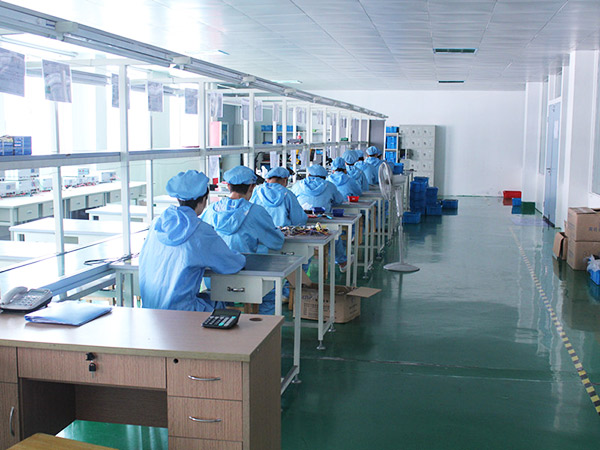
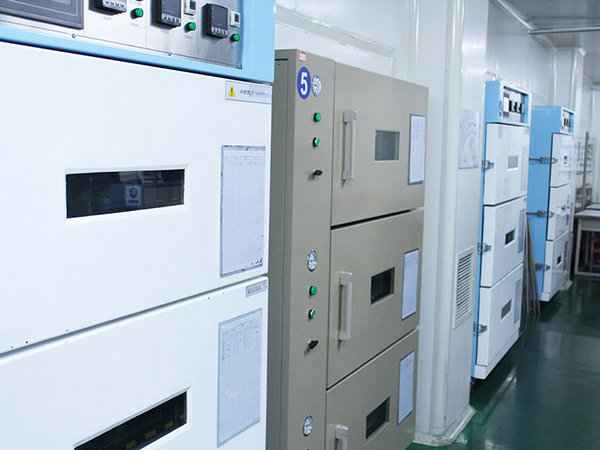
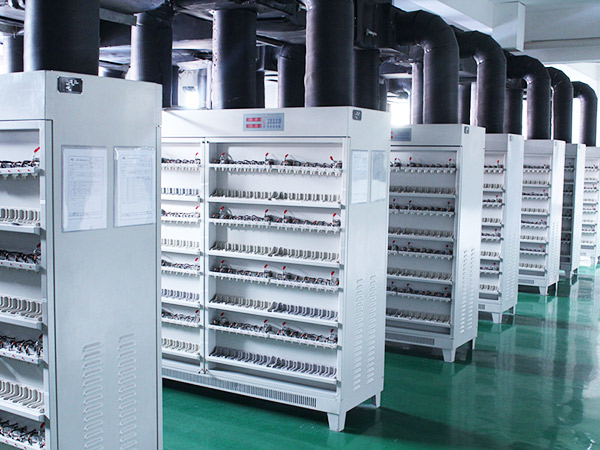
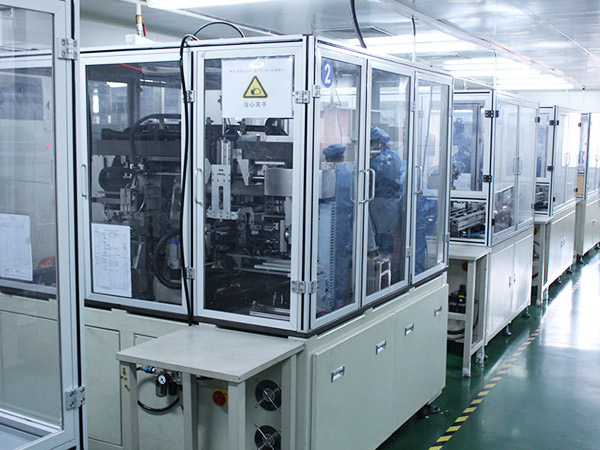
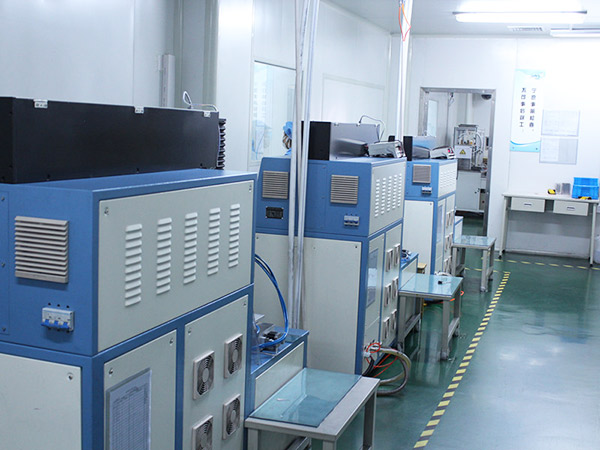
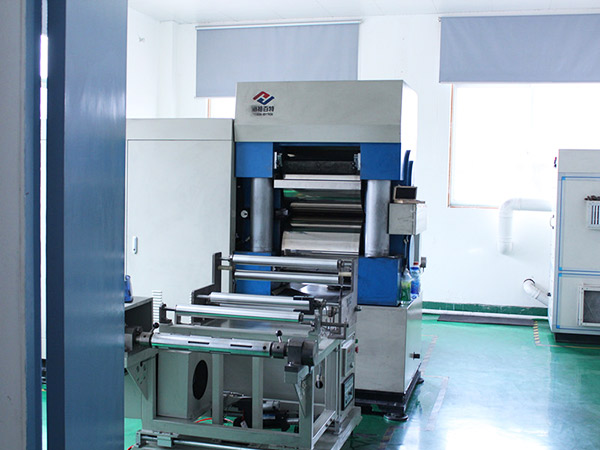
Our manufacturing workflow is designed around defect prevention. Battery pack components are sourced through vertically integrated supply lines, keeping raw material costs low and quality high. Automated assembly prevents human error. By tracking all cells with distinct QR barcodes, LIAO implements complete traceability, meaning we monitor voltage, IR, and capacity history of each individual cell throughout the product lifespan.
Anticipating energy transitions and integrating emerging battery intelligence technologies.
At Hangzhou LIAO Technology, we continuously innovate to stay ahead of market demands. Our R&D department focuses on several key trends that will shape the next generation of 48V energy products:
From initial technical requirements to high-volume manufacturing and safe global delivery.
Procuring custom batteries at scale requires high engineering support and clear milestones. Our workflow is tailored for global OEMs and industrial distributors:
Define operational current draw, dynamic voltage profiles, weight restrictions, thermal conditions, and spatial geometry.
Our engineers build mechanical layouts, thermal models, and customize BMS firmware (CANbus, RS485, Modbus protocol mapping).
Produce functional sample packs to run vibration, cycling, and environmental chamber testing for performance compliance.
Implement high-volume assembly with integrated quality checks, automated welding, and automated cell matching.
Managing logistics risk and regulatory compliance for heavy-duty battery shipments.
Because lithium batteries are classified as Class 9 Dangerous Goods, shipping requires specialized packaging, labeling, and documentation. LIAO maintains full compliance with international shipping regulations, providing peace of mind for our corporate buyers:
Answering critical technical questions about integration, operations, and logistics.
Browse our broader product range, featuring specialized high-capacity cells, golf cart upgrades, and high-power DC/AC inverters.
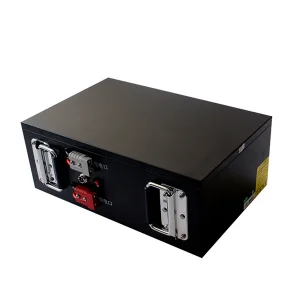
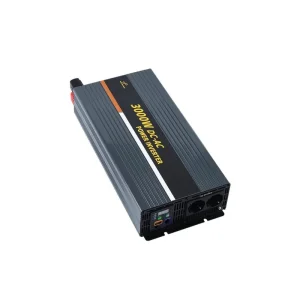
 Liao Battery