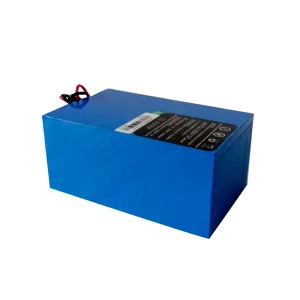
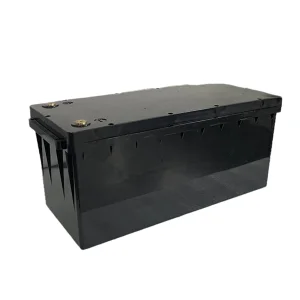
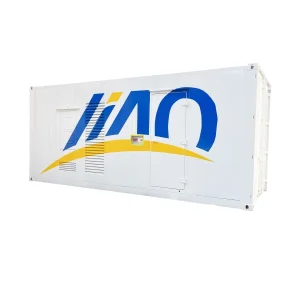
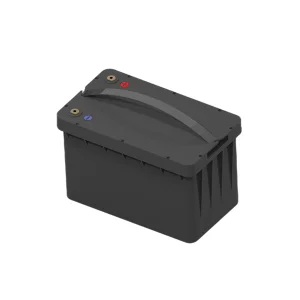
Tailored battery modules and power systems for heavy duty, solar, and light e-mobility applications.
The global transition of micro-mobility and passenger-carrying last-mile transportation has focused heavily on the performance and safety profiles of the E-Rickshaw (electric three-wheeler). Traditionally powered by legacy flooded lead-acid batteries, the E-Rickshaw ecosystem in key markets—spanning Southern and South-East Asia, East Africa, and Latin America—demands immediate upgrade paths. As cities enact stricter environmental mandates, operational economics demand robust, high-density, and long-lasting energy storage configurations.
Hangzhou LIAO Technology Co., Ltd. (established in 2009) stands at the forefront of this technological shift. By pioneering standard-setting industrial lithium iron phosphate (LiFePO4) design and custom packaging, LIAO addresses the specific failure points of traditional e-mobility batteries: rapid capacity fade under deep discharges, structural failure due to unpaved roads, thermal runaway risks in high ambient temperatures, and long recharge times. In this white paper, we explore how LIAO’s OEM custom LiFePO4 configurations, integrated with Smart BMS, redefine fleet longevity and lower the total cost of ownership (TCO).
In the field of passenger commercial mobility, safety cannot be compromised. LIAO’s specialized lithium iron phosphate (LiFePO4) chemistry represents the peak of stability in lithium-ion developments. By utilizing stable olivine crystal structures, our cells showcase exceptionally high bond energy between iron, phosphorus, and oxygen atoms. This molecular arrangement prevents oxygen liberation under mechanical stress or electrical abuse, making the cells resistant to thermal runaway.
Our prismatic and pack designs will not burn, smoke, or explode during rigorous acupuncture and physical destruction tests. Ideal for rough road conditions.
Tested and certified to discharge safely within an extreme temperature envelope of -40 °C to 85 °C. Guarantees performance across all tropical and cold regions.
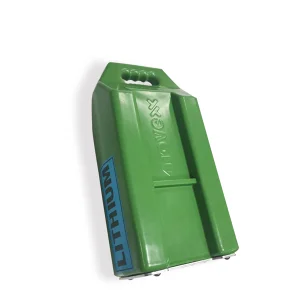
LIAO's industrial LAXpower-1230 battery pack was awarded testing champion in European independent safety and discharge efficiency tests.
Furthermore, compared to standard nickel-cobalt chemistries (NMC/NCA), our LiFePO4 cells maintain a highly flat discharge curve. For an E-Rickshaw driver, this translates into consistent driving torque, acceleration profiles, and headlight intensity regardless of whether the battery is at 90% or 15% state-of-charge (SoC). The cycle life of 2800+ cycles at 100% DOD significantly reduces operational costs compared to lead-acid batteries that degrade within 300 to 500 cycles.
| Battery Metric | Traditional Lead-Acid Battery | LIAO OEM E-Rickshaw LiFePO4 | Commercial Operational Impact |
|---|---|---|---|
| Cycle Life (100% DOD) | 300 - 450 cycles | 2,800 - 4,000 cycles | Reduces battery replacements by up to 8x over the vehicle lifecycle. |
| Usable Capacity (DOD) | 50% recommended limit | 95% - 100% full capacity | Fewer pack sizes required for equivalent range, lowering vehicle weight. |
| Weight (Avg. 48V 100Ah) | ~120 - 150 kg | ~35 - 42 kg | Lowers passenger loading wear, saving chassis and tire maintenance costs. |
| Charging Period | 8 to 10 hours (slow soak) | 2 to 3 hours (fast charging) | Increases E-Rickshaw daily run-time, maximizing driver daily revenue. |
| Maintenance | Requires regular water refilling | Completely zero maintenance | Lowers operating overhead and eliminates electrolyte spills. |
Modern micro-mobility vehicles operate in demanding municipal environments. To build a robust transport grid, OEMs must match exact power profiles with vehicle platforms. LIAO Technology provides tailored solutions across multiple categories:
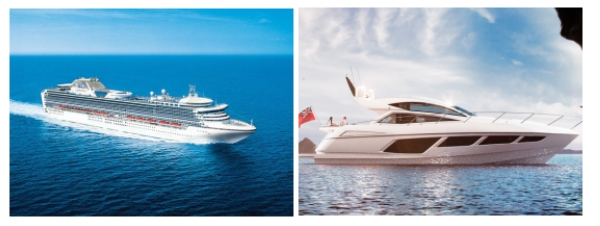
Environmentally friendly maritime transport relies on low vibration and zero fuel emission technologies. LIAO LiFePO4 solutions offer clean marine auxiliary power and primary propulsion options that prevent noise and chemical leaks, preserving delicate aquatic systems.
LIAO Technology’s manufacturing complex utilizes automation, precision climate monitoring, and raw-material sourcing controls to guarantee high quality across all product lines. Every cell and battery pack undergoes strict processing milestones to ensure reliable field performance:
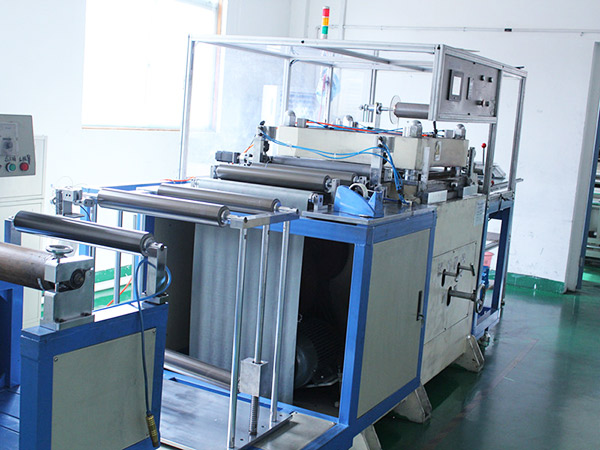
Continuous electrode coating, high-precision calender rolling, and exact die cutting ensure highly uniform energy densities and layer alignment.
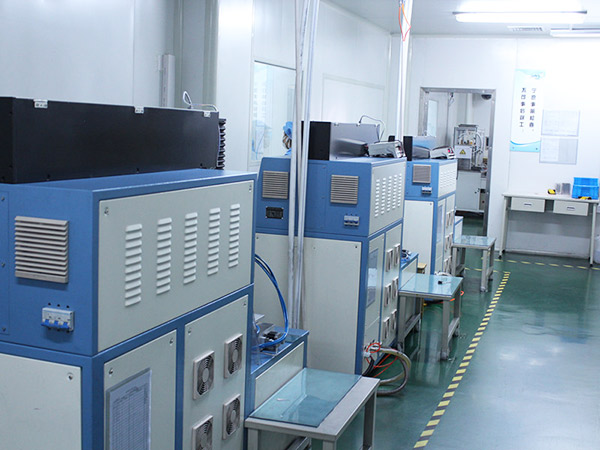
Micro-welding technology secures active materials, cell terminals, and busbars with minimal thermal exposure and low internal resistance.
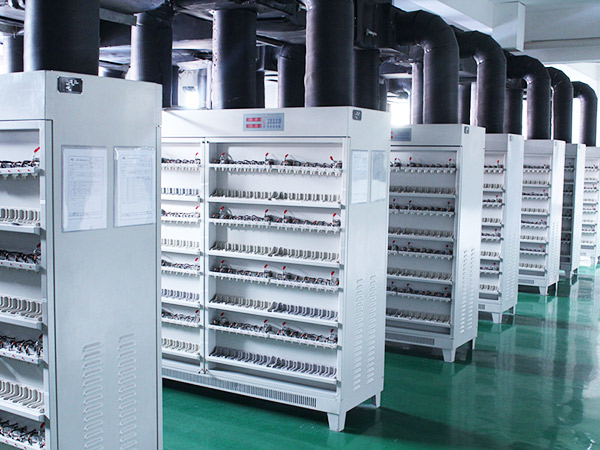
Every individual cell undergoes charge-discharge profiling to match voltage, capacity, and impedance, preventing early pack degradation.
To ensure high quality, LIAO operates under the strict guidelines of global manufacturing standards. Our facilities are fully certified and continuously audited to keep compliance with the following international frameworks:
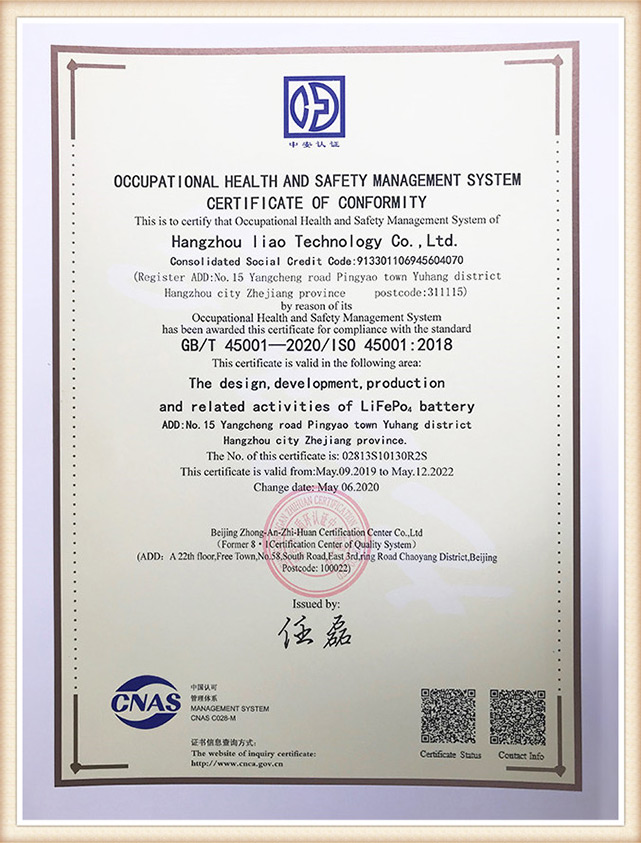
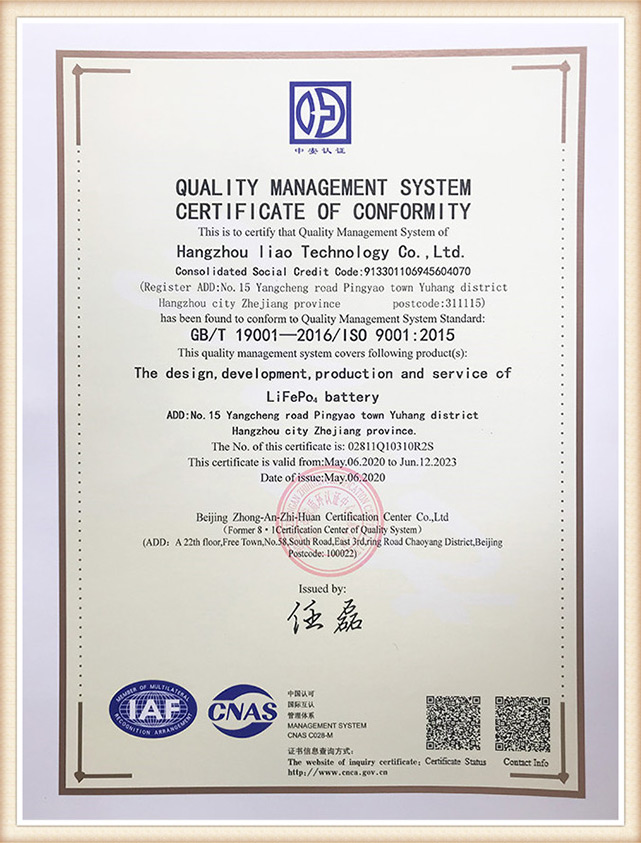
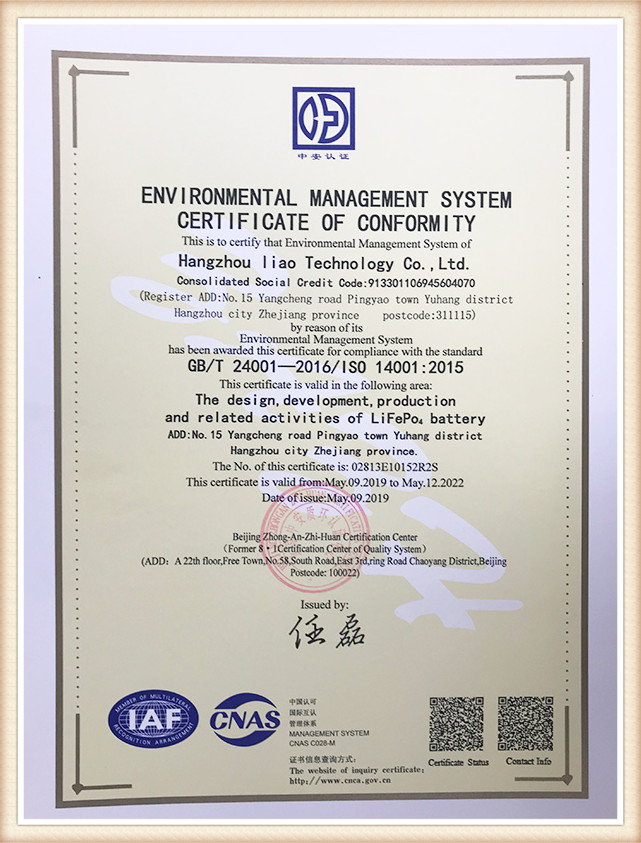
Navigating global import regulations requires certified test compliance. LIAO Technology products are fully evaluated and documented by accredited third-party laboratories to ensure smooth transit and deployment in international markets.
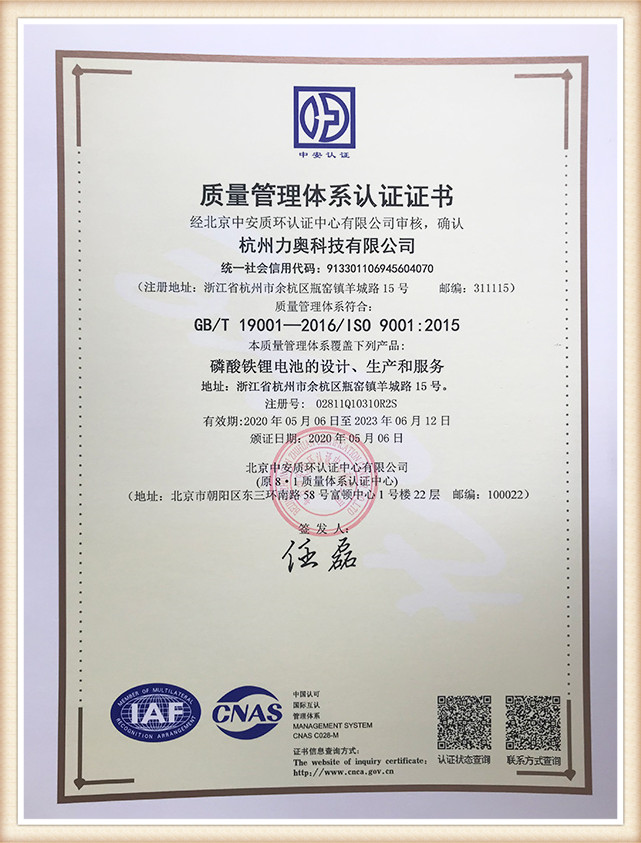
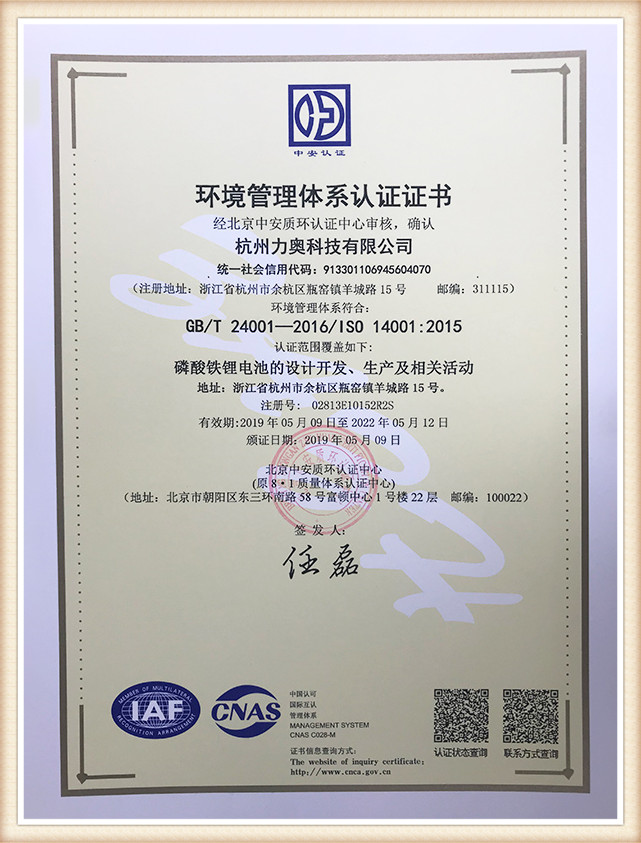
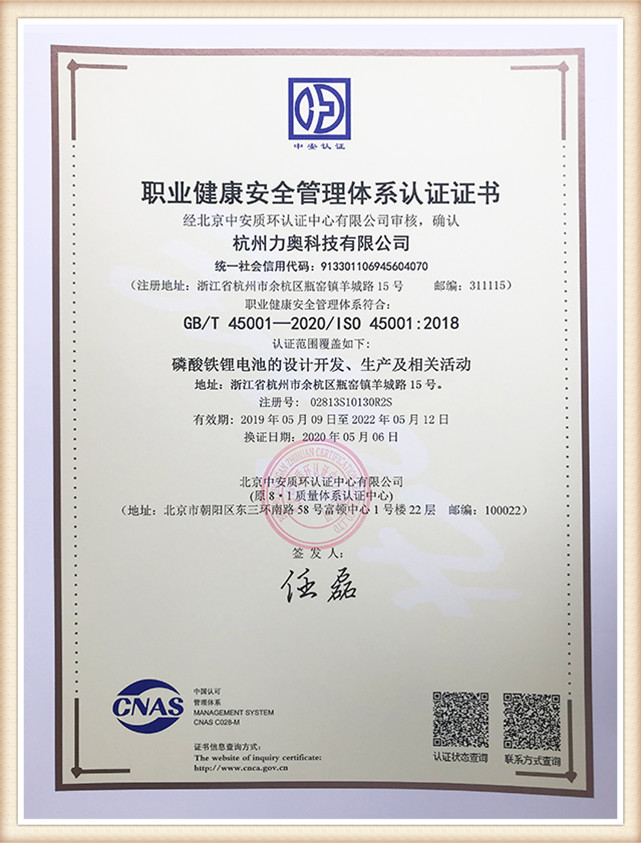
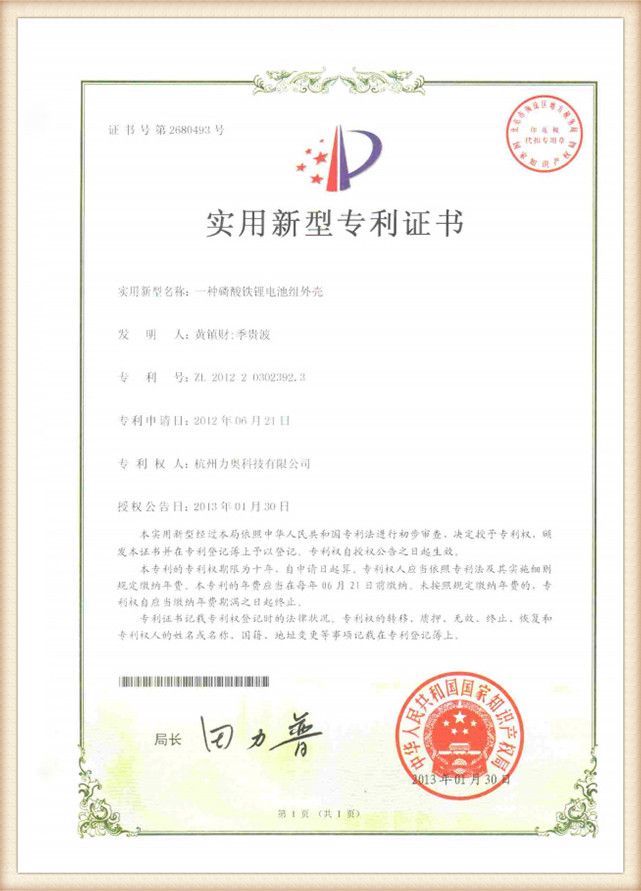
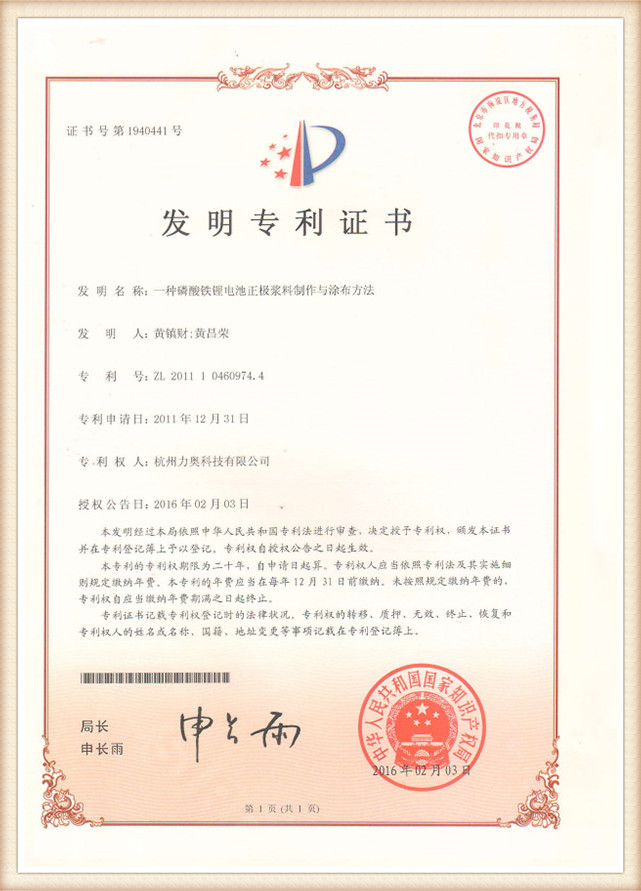
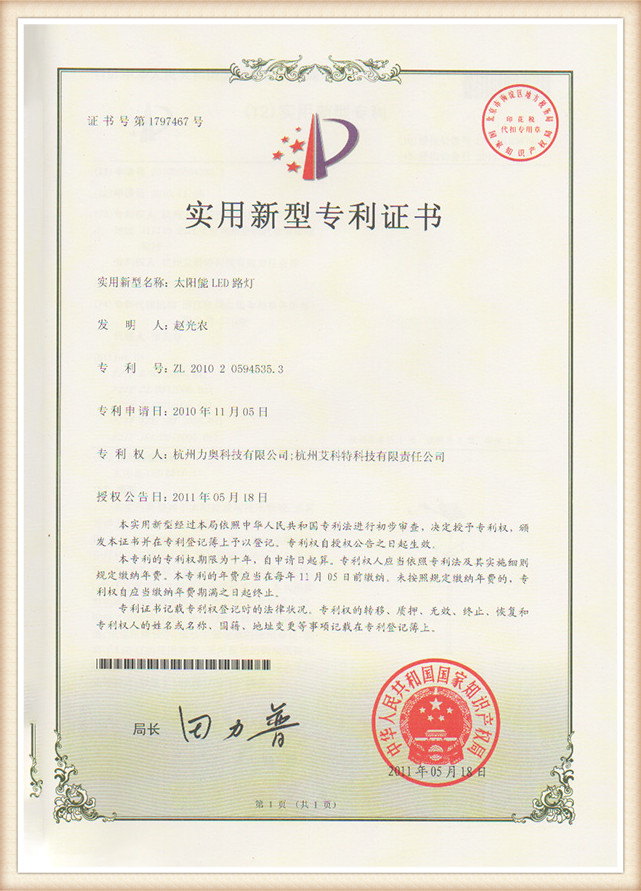
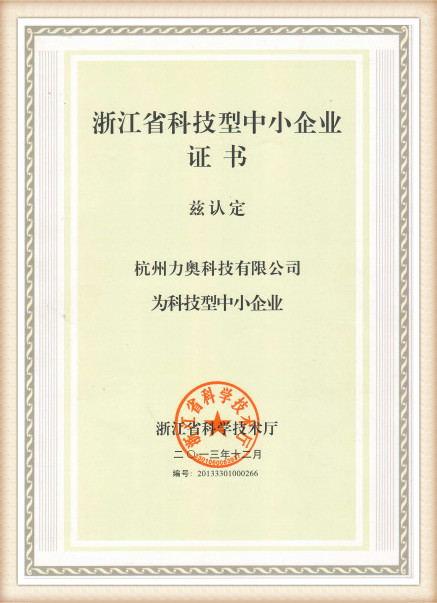
LIAO’s engineering team maintains a robust patent library covering custom cell layouts, structural housing, thermal insulation, and intelligent BMS algorithms. Our certifications verify battery safety for commercial air, land, and sea transport (UN38.3), and ensure compliance under various industrial directives (CE, IEC, RoHS).
To optimize performance, battery packs must match the space constraints and electrical demands of the vehicle. LIAO Technology’s engineering team utilizes a collaborative process to tailor cells, structures, and electronics to exact client needs.
By shifting fleet fleets from lead-acid to LIAO custom lithium configurations, operators reduce maintenance costs, eliminate toxic lead emissions, and improve route range. The investment pays off through long cycle lifespans and minimized down-time.


Industrial buyers, engineers, and supply chain managers ask us these core questions during the design phase.
High-capacity cells, robotic battery systems, and automated guided vehicle energy packs.
 Liao Battery