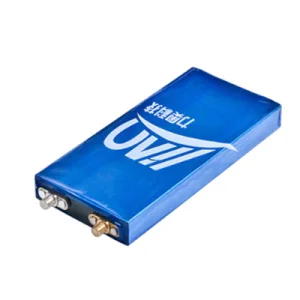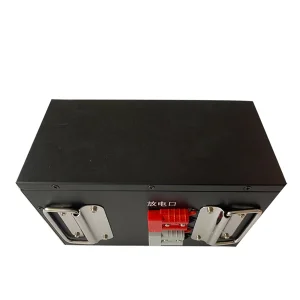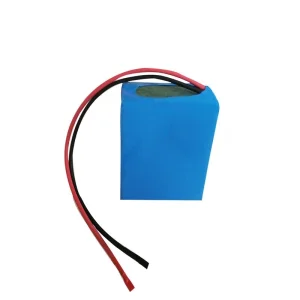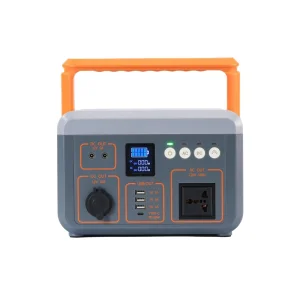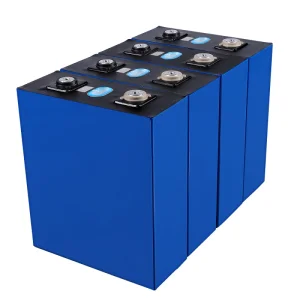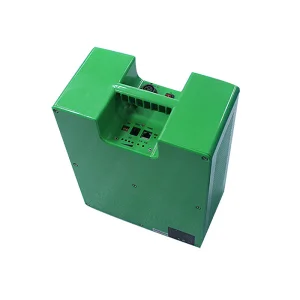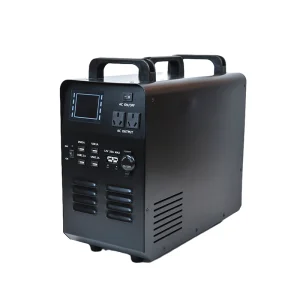
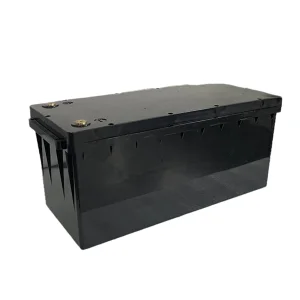
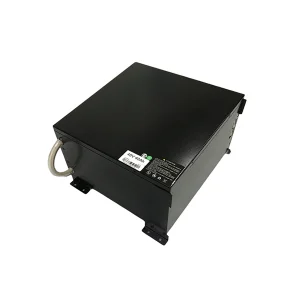
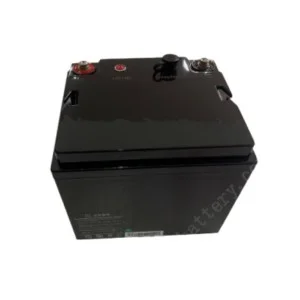
As the global market transitions away from legacy fossil fuel structures and less-stable lead-acid solutions, lithium iron phosphate (LiFePO4, or LFP) chemistry has emerged as the definitive standard for industrial, marine, mobile power, and microgrid integrations. Characterized by high thermal runway thresholds, structural durability at the molecular level, and a remarkable environmental profile, LFP represents the apex of reliable electrochemical storage.
Hangzhou LIAO Technology Co., Ltd. (founded in 2009) stands at the forefront of this industrial revolution. By integrating state-of-the-art engineering workflows with vertically structured supply capabilities, LIAO delivers custom battery configurations engineered to sustain high discharge parameters (-40 ℃ to 85 ℃) while securing an ultra-long cycle lifespan exceeding 2,800 full cycles under 100% Depth of Discharge (DOD).
This whitepaper details the architectural, regulatory, and supply chain characteristics that define high-capacity LFP production, guiding international procurement directors, automotive engineers, and industrial system designers through the structural advantages of direct-factory sourcing.

The acceleration of international decarbonization targets has driven unprecedented capital allocation toward Commercial & Industrial (C&I) energy storage systems. Unlike consumer electronics where volumetric energy density (size-to-weight ratio) takes absolute priority, industrial applications evaluate battery technology based on Levelized Cost of Storage (LCOS), calendar life, safety safety margins, and structural reliability.
LFP systems buffer intermittent solar and wind inputs, providing frequency regulation, peak shaving, and load shifting. The inherent safety of LIAO LiFePO4 eliminates thermal runaway dangers in high-density multi-megawatt installations.
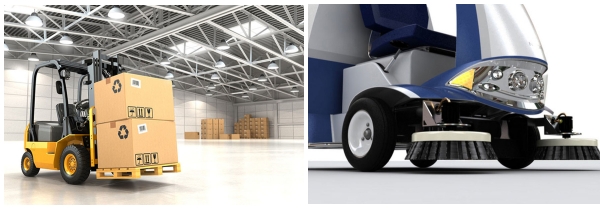
Forklifts, Automatic Guided Vehicles (AGVs), airport ground support machinery, and mining equipment demand reliable, high-current delivery. Rapid opportunity charging capabilities allow 24/7 warehouse operations without downtime.
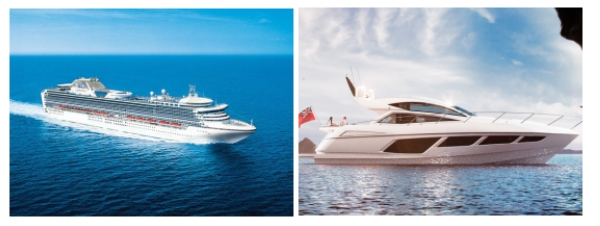
For vessels, caravans, and critical backup utilities, combustion risks must be zero. The structural integrity of LFP chemistry ensures stability even under mechanical abuse, vibration, and extreme maritime humidity.
High-reliability LFP deployments require custom form factors, tailored BMS communication protocols, and unique enclosures. At LIAO, we design, test, and manufacture specific battery architectures designed around these specialized localized use-cases:
Traditional lead-acid golf cart configurations require constant water top-offs and suffer voltage sag under incline loads. LIAO custom LFP golf cart battery packs drop directly into legacy battery trays, dropping hundreds of pounds off the vehicle weight, delivering flat discharge curves, and ensuring robust torque on steep terrain.

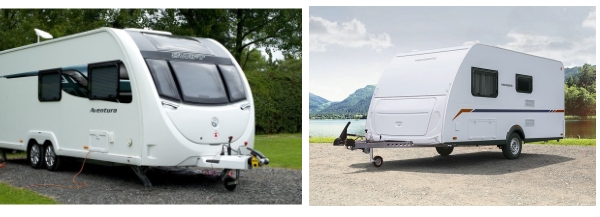
Modern off-grid caravans rely on highly responsive battery systems for auxiliary caravan movers. Operating in remote locations requires clean, noise-free, and high-efficiency discharge rates. Our LFP designs provide uninterrupted high currents to maneuvering motors, eliminating toxic emissions and reducing physical wear.
Modern warehouse facilities employ automated guided vehicles running on multi-shift structures. Our custom industrial LFP battery modules withstand massive physical stresses, accommodate rapid opportunity charging, and interface directly with warehouse management systems via CANbus, Modbus, or RS485 protocols.
Electric marine transport requires complete protection from water ingress, salt spray, and extreme thermal conditions. LIAO custom marine LFP solutions utilize sealed IP67-rated enclosures, active liquid or thermal dissipation systems, and corrosion-resistant copper terminals. These systems offer zero chemical leakage and silent operations, fully preserving aquatic environments.
LFP technology is not static; continuous developments in nanotechnology, crystal doping, and software management are extending LFP capabilities. Below is our engineering roadmap for next-generation cell development:
Implementing uniform carbon coatings on lithium iron phosphate crystals increases electronic conductivity, reducing internal resistance (DCR) and allowing stable power discharge in freezing climates (down to -40 ℃).
Moving toward semi-solid LFP electrolyte boundaries to eliminate liquid components. This eliminates risk of electrolyte leakage, dramatically improves puncture safety metrics, and pushes volumetric limits beyond current prismatic baselines.
Embedding cloud-based machine learning algorithms into the Battery Management System (BMS) to run real-time state-of-health (SOH) diagnostics, predict cell degradation, balance individual cell voltages proactively, and dynamically adjust charge current limits.
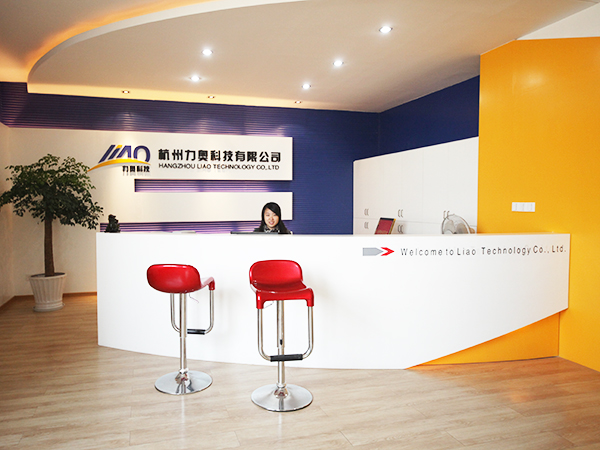
Global supply chain fluctuations highlight the risks of unintegrated battery sourcing. LIAO ensures continuous reliability by locating production near raw materials, employing vertical manufacturing, and utilizing Hangzhou's logistics clusters.
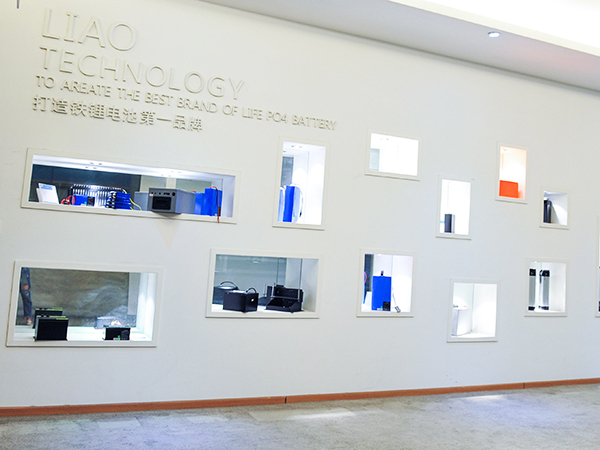
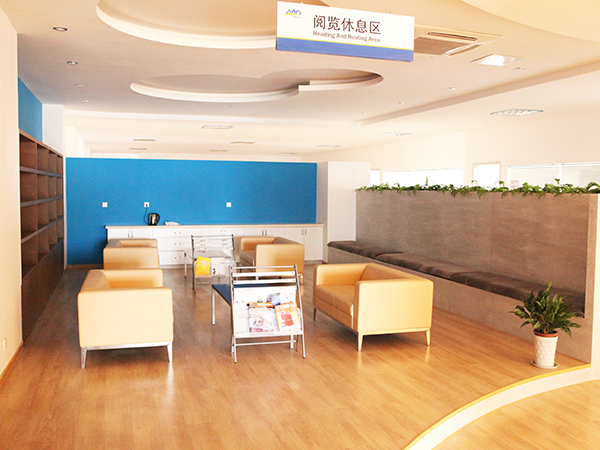
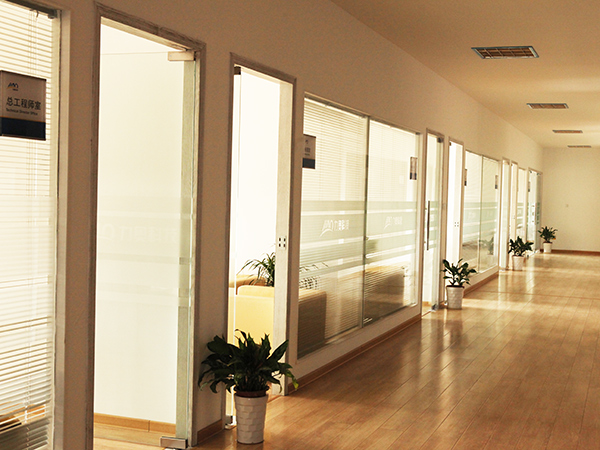
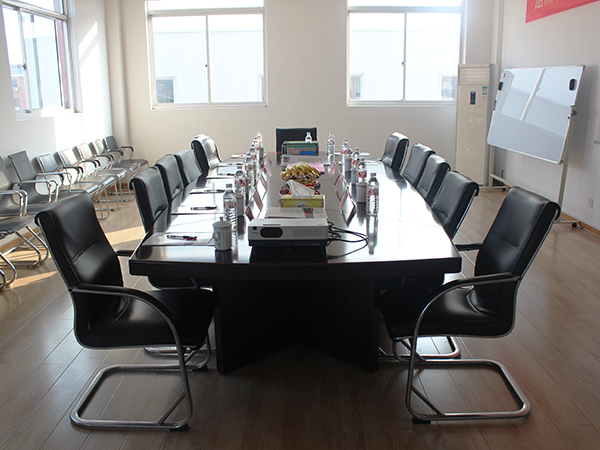
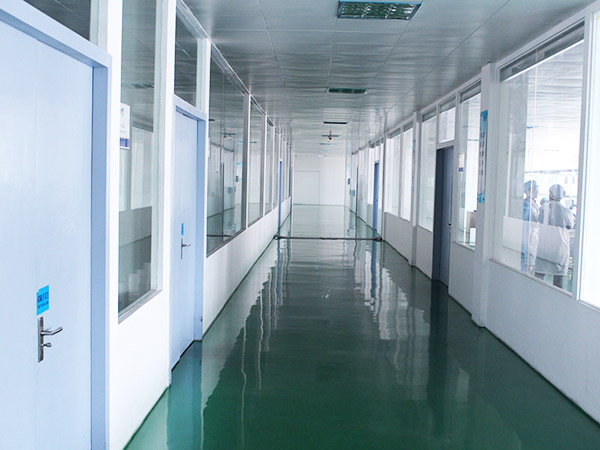
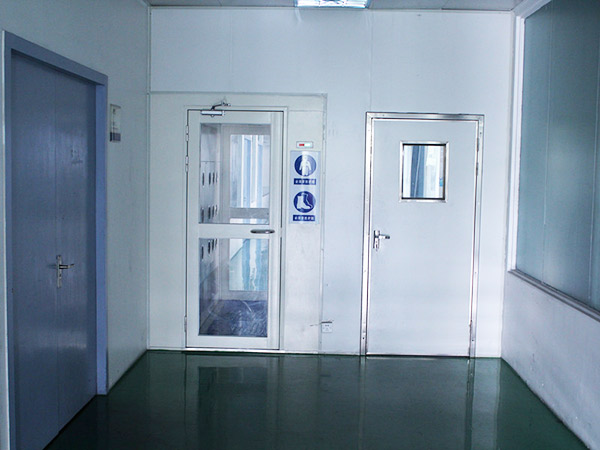
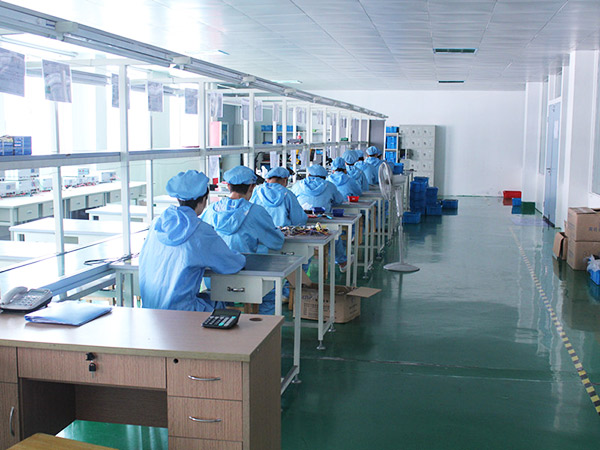
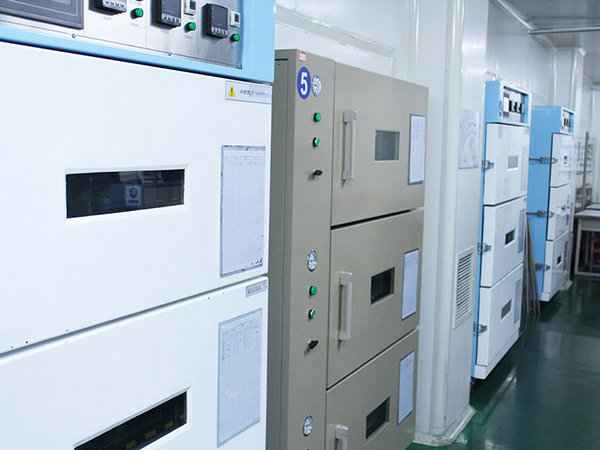
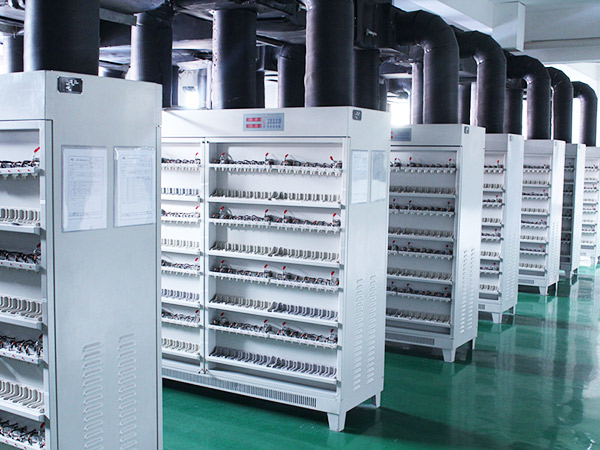
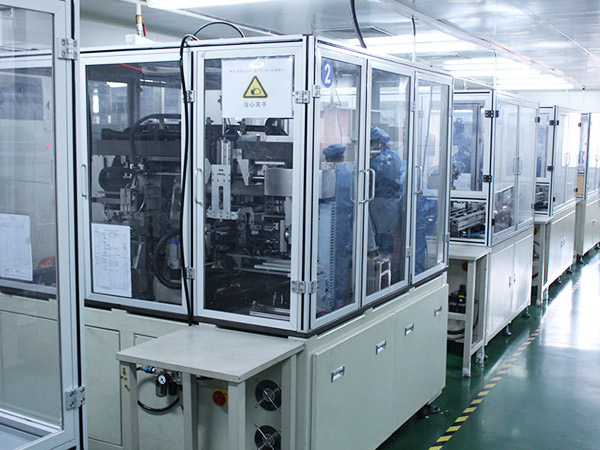
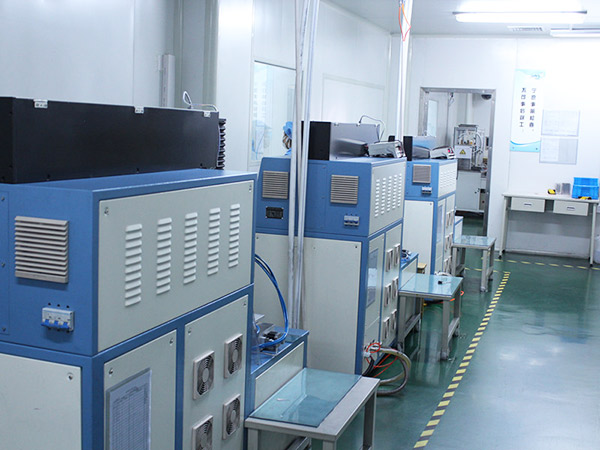
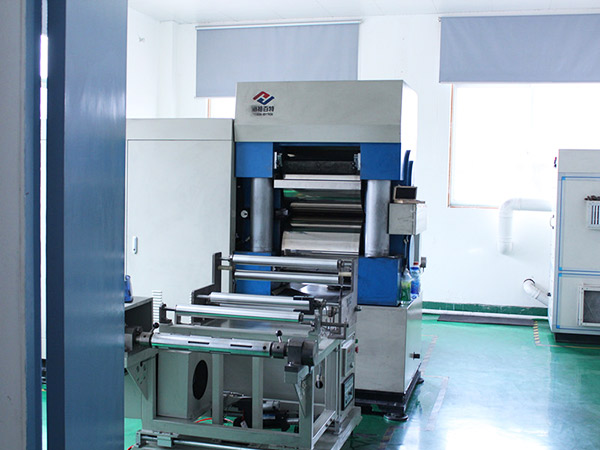
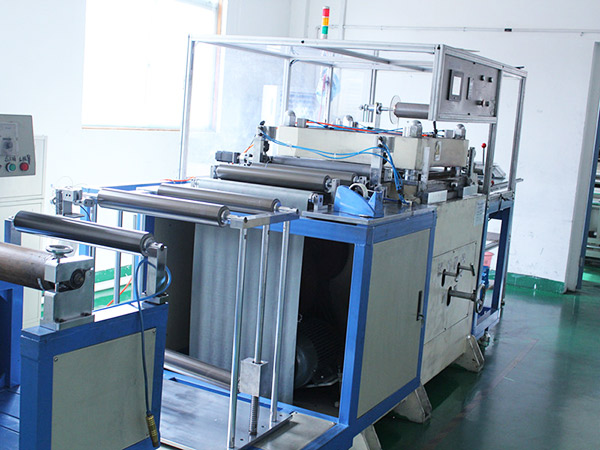
Take a virtual walkthrough of our Hangzhou manufacturing facility, where automated systems combine with engineering expertise to construct safe, reliable battery systems.
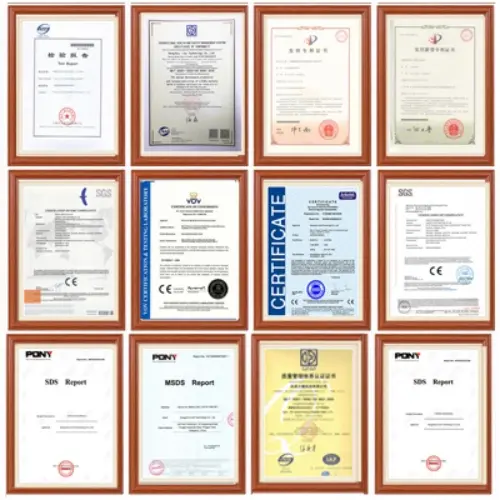
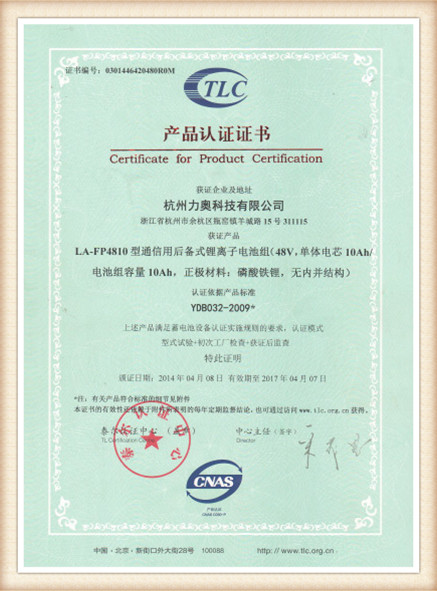
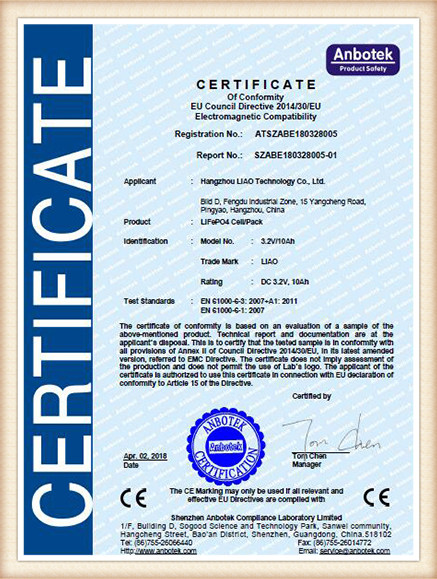
Entering international markets requires adherence to safety standards. At LIAO, we design all cell form factors and custom packs to pass tests like UL, CE, UN38.3, and ISO compliance.
Get direct technical answers straight from LIAO's engineering, production, and quality assurance teams.
Our prismatic cells typically achieve 2,800+ full charge/discharge cycles at 1C charge and discharge rates under 100% Depth of Discharge (DOD) before the nominal capacity reaches 80% SOH. Under mild operation profiles (such as 0.5C or 80% DOD), the cycle lifespan routinely exceeds 5,000 cycles. With robust system design, the calendar life of these cells spans 10 to 15 years.
Yes. Our specialty LFP configurations operate over a temperature range from -40 ℃ up to 85 ℃. For sub-zero operations, we utilize low-impedance electrolyte formulations and can integrate internal thin-film heaters managed directly by the BMS to safely warm cells before initiating high-rate charging protocols.
We provide end-to-end design and manufacturing customization, including mechanical housing dimensions (ABS, sheet metal, structural aluminum), voltage configurations (12V, 24V, 36V, 48V, 72V, up to high-voltage arrays), BMS limits (over-current, custom balancing profiles), integration of display screens/interfaces, and various industrial communication protocols (CANbus, RS485, Modbus, Bluetooth).
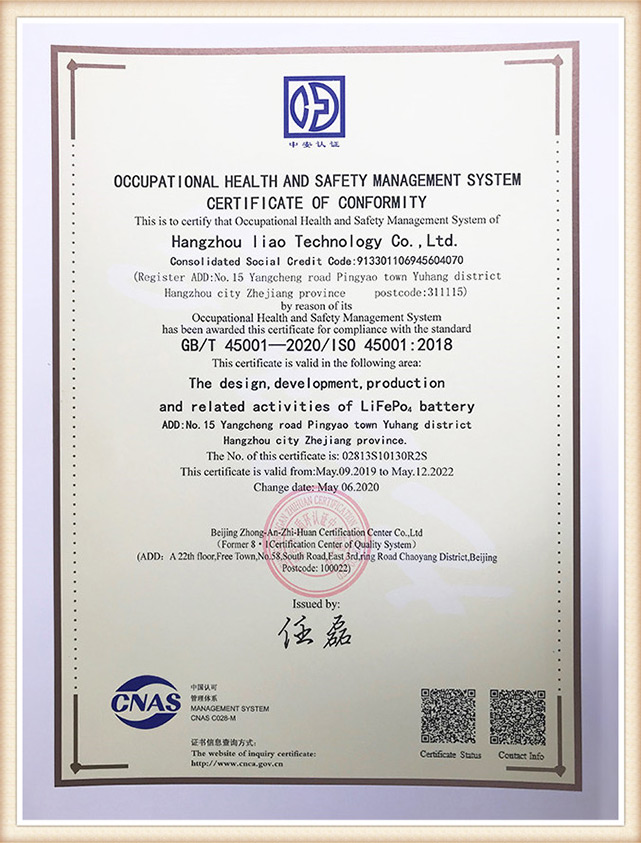
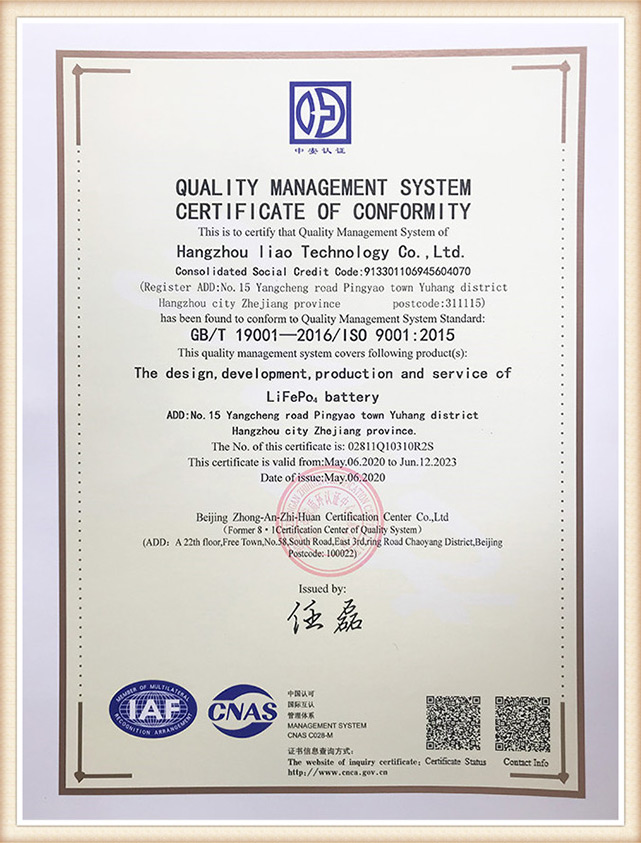
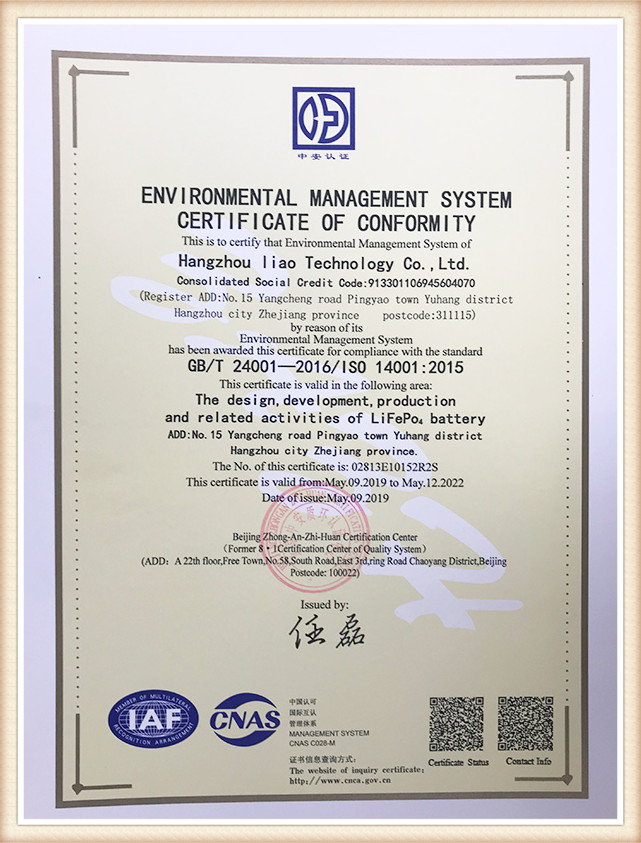
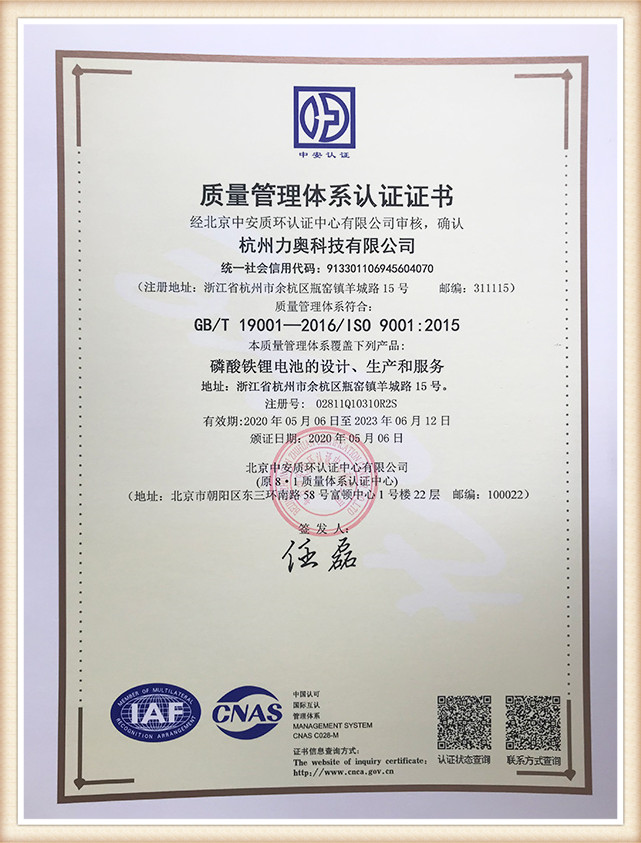
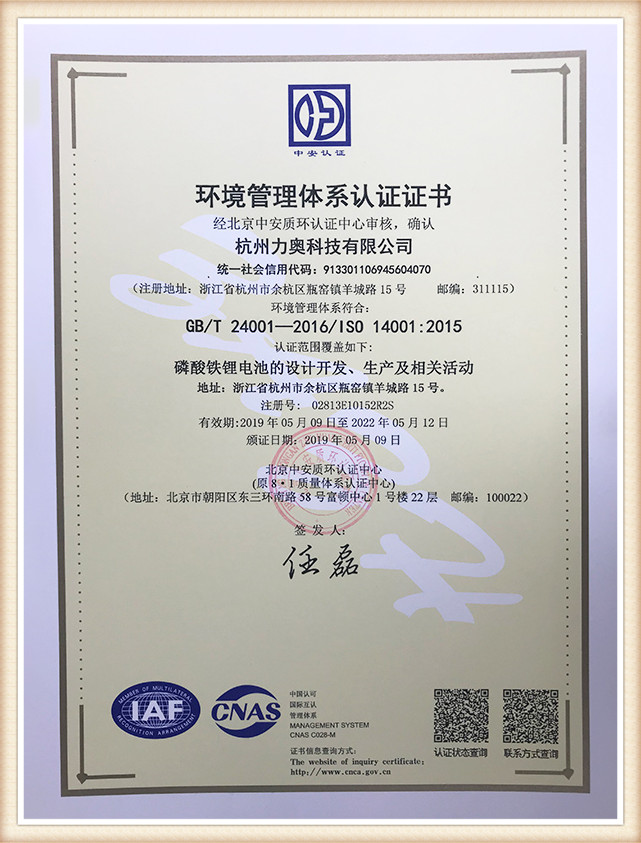
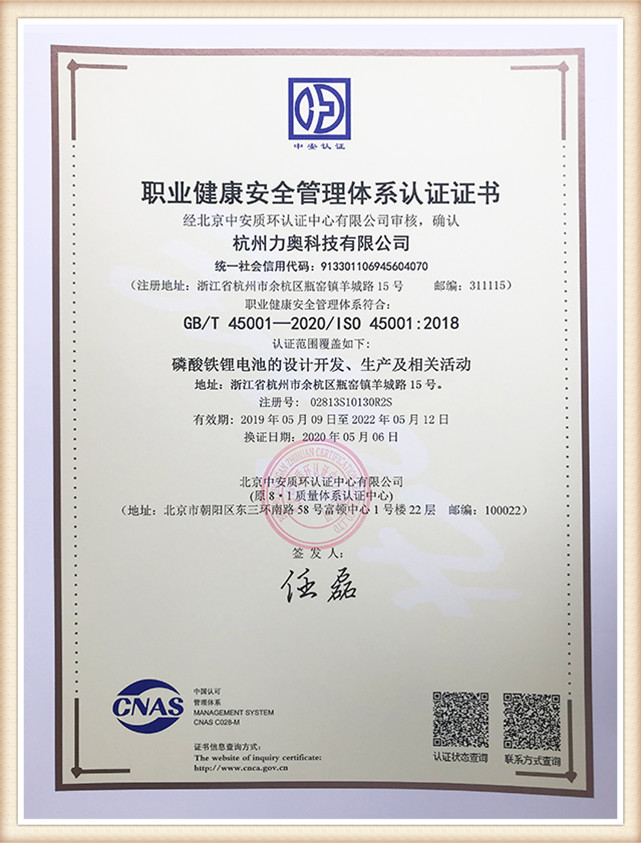
Our production facilities operate under ISO 9001 (Quality Management), ISO 14001 (Environmental Protection), and ISO 18001 (Occupational Safety) standards. On the product side, we hold certifications including UN38.3 for transport safety, CE declarations of conformity, MSDS sheets, and selective UL component certifications.
Cell matching is crucial to pack lifespan. We group cells through a multi-stage sorting process based on capacity testing, internal resistance (ACIR and DCR), open-circuit voltage (OCV), and self-discharge rates. This ensures the cells in every pack charge and discharge evenly, preventing premature capacity degradation.
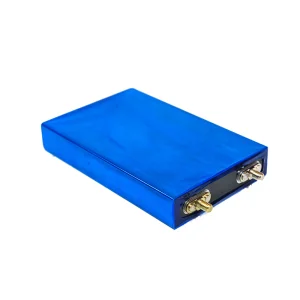
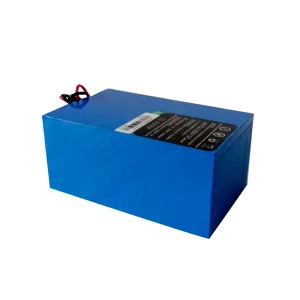
 Liao Battery