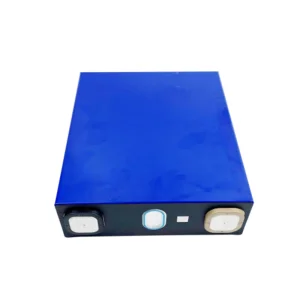
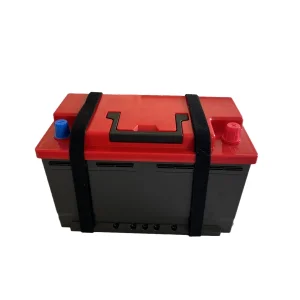
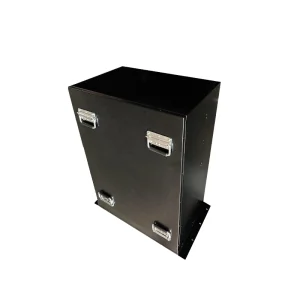
High-performance lithium packs built with standard-setting manufacturing processes and state-of-the-art BMS integration.
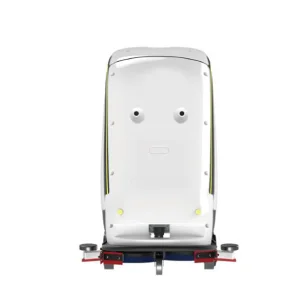
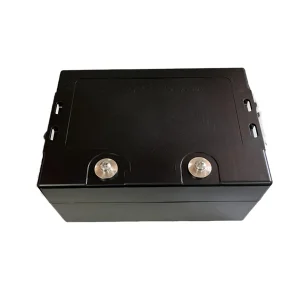
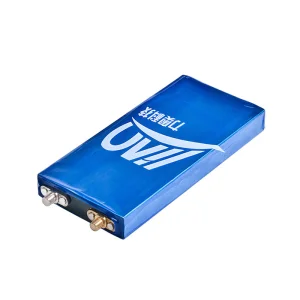
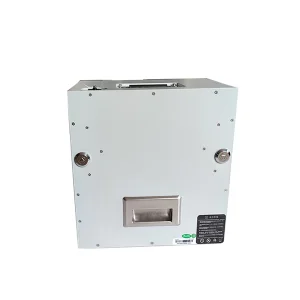
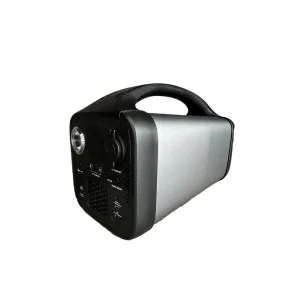
Decades of manufacturing expertise, verified performance under extreme stress, and global distribution footprints.
Delivering optimized rechargeable battery systems since 2009.
Validated long-cycle lifespan for individual cells under 1C charging rates.
Outstanding thermal window for operations in extreme environments.
Supplying industry leaders across Europe, Americas, APAC, and Africa.
In modern industrial applications, the energy storage landscape has transitioned from legacy chemistry matrices to high-reliability lithium iron phosphate (LiFePO4) systems. As a leading OEM rechargeable lithium-ion battery manufacturer, Hangzhou LIAO Technology Co., Ltd. spearheads this evolution by engineering custom power solutions that resolve structural vulnerability, thermal degradation, and energy density limitations.
The safety of lithium-ion systems remains the primary consideration for enterprise buyers. The molecular stability of our LiFePO4 cells lies in the strong covalent bond of phosphorus, oxygen, and iron, forming an olivine-type crystal structure. Under high physical stress, high charge density, or structural intrusion, this lattice structure prevents chemical breakdown. Our cells are verified to stay non-combustible and non-explosive under direct mechanical acupuncture and nail penetration tests, setting a new benchmark for structural safety.
Unlike conventional cobalt-based batteries, which face thermal runaway at 200°C, our LFP configurations resist breakdown up to 600°C. This makes them ideal for harsh industrial environments, off-grid telecommunications, and heavy machinery. LIAO power solutions support stable discharging across a broad temperature window of -40°C to 85°C, ensuring performance in arctic conditions as well as high-temperature desert utility installations.
Non-explosive, non-combustible olivine crystal cell structures verified via nail penetration and drop testing.
LAXpower-1230 design recognized as a performance and efficiency testing champion in Europe.
Single cells deliver more than 2800 charge cycles at 1C / 100% Depth of Discharge (DOD).
Founded in 2009, Hangzhou LIAO Technology Co., Ltd. has established itself as an authoritative manufacturer specializing in rechargeable LiFePO4 battery cells and modules. Over 15 years, we have built a structured QC system compliant with ISO 9001:2015 Quality Management, ISO 14001:2015 Environmental Management, and ISO 18001 / OHSAS 18001 / ISO 45001 Occupational Health and Safety guidelines.
Our solutions serve key markets worldwide, with regular exports to Germany, France, Netherlands, Spain, the United Kingdom, USA, Canada, Mexico, Brazil, Australia, Philippines, Thailand, Singapore, South Korea, Japan, India, South Africa, and Nigeria.
Why global OEMs partner with our high-tech facility in Zhejiang, China.
Our facility in Hangzhou leverages local upstream supply chains for raw lithium and iron phosphate precursors. This vertical integration secures component access and keeps pricing stable for bulk production runs.
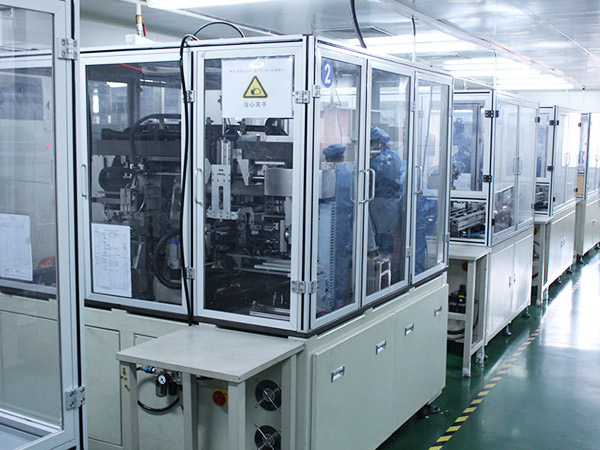
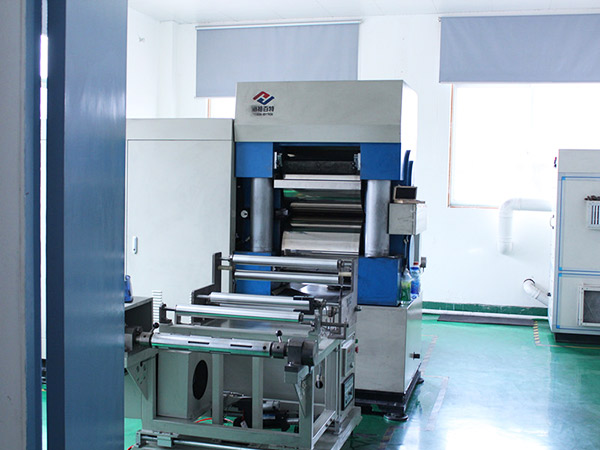
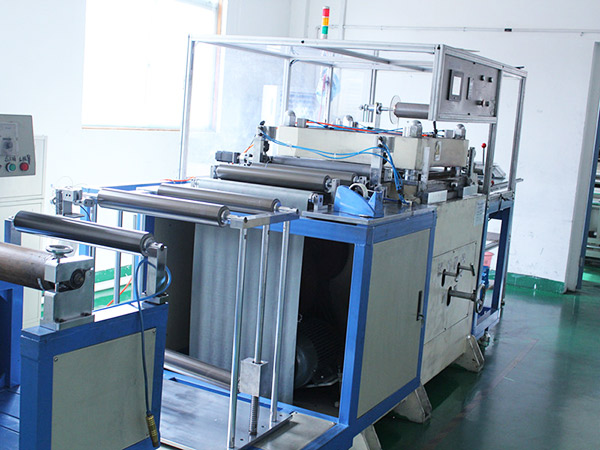
LIAO uses high-speed cell stacking, computer-controlled laser busbar welding, automated rolling, and die-cutting lines. Automatic inspection systems verify dimension and voltage consistency at every step.
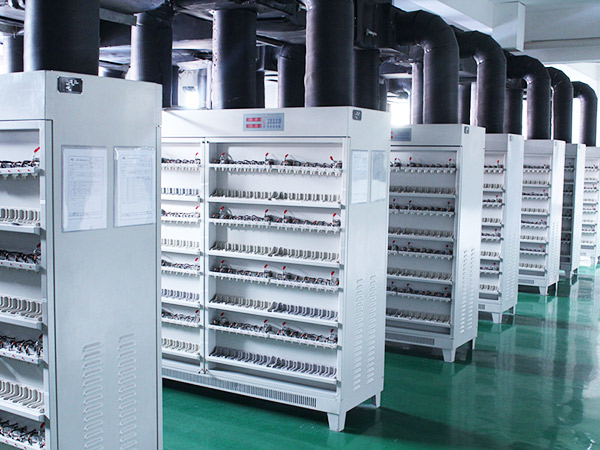
We perform automated capacity sorting, internal resistance matching, and high-temperature aging on all output cells. This prevents unbalanced voltage drops and guarantees uniform pack performance.
Custom battery packs designed to fit diverse voltage, power, and capacity requirements.

Our LiFePO4 golf cart systems provide high continuous currents, fast charging, and maintenance-free operation. They are optimized to handle steep inclines and diverse terrain conditions.
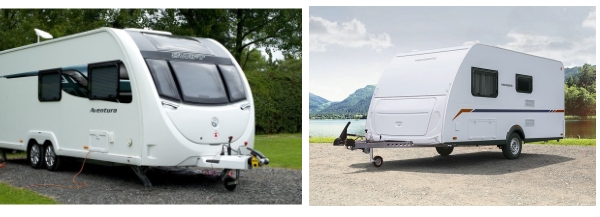
Deep-cycle LFP batteries power auxiliary loads, caravan movers, and camping systems cleanly and quietly, offering high weight savings and long service life.
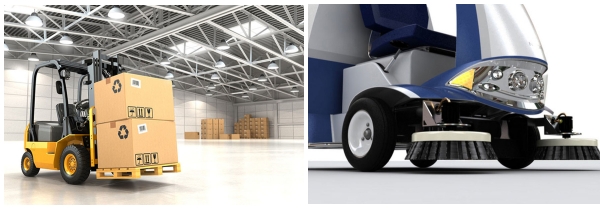
Engineered for warehouse automation, AGVs, and heavy material transport systems. These batteries support rapid opportunity charging to maximize runtime and workflow efficiency.
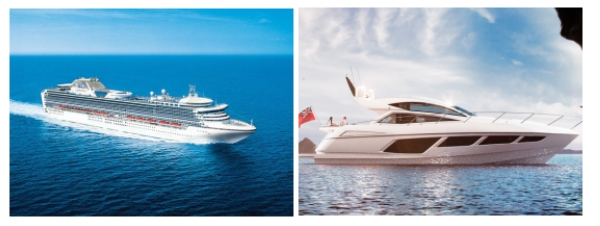
Sealed battery packs designed for marine conditions. With high ingress protection (IP65+), anti-corrosion components, and structural shock dampening for marine power systems.
How our development team builds bespoke power storage packs to meet custom requirements.
LIAO offers experienced OEM and ODM support for custom battery pack development. Over 15 years, our electrical and mechanical engineering teams have built custom designs for over 500 projects globally.
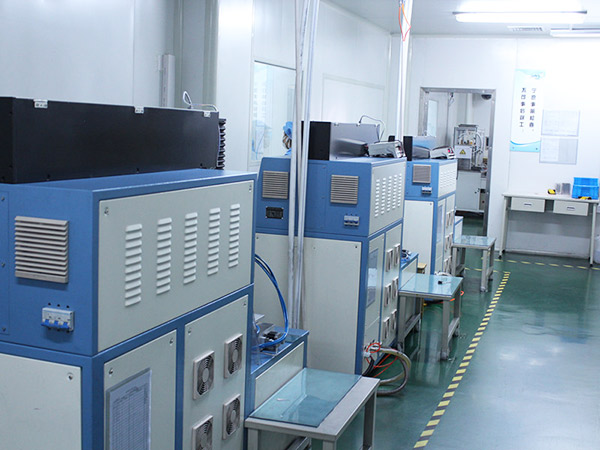
A look inside our ISO-certified factory, from material handling to final pack inspection.
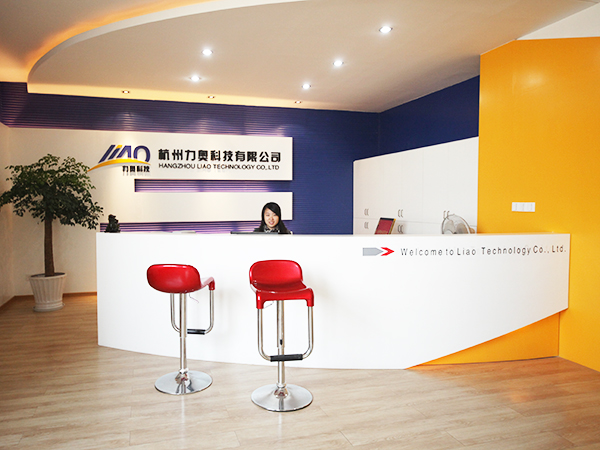
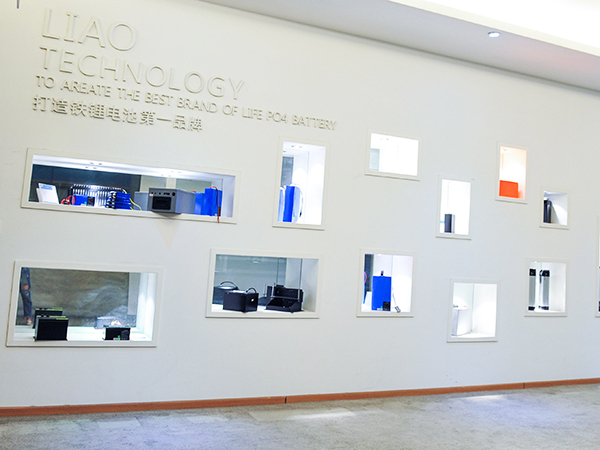
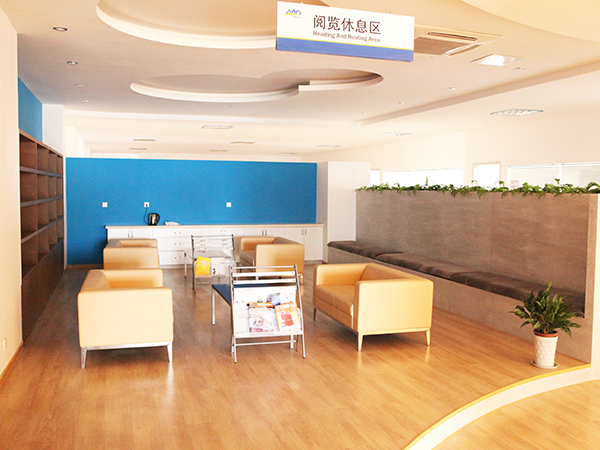
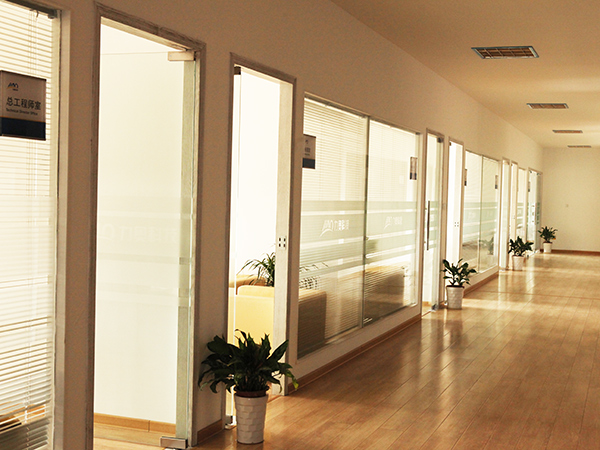
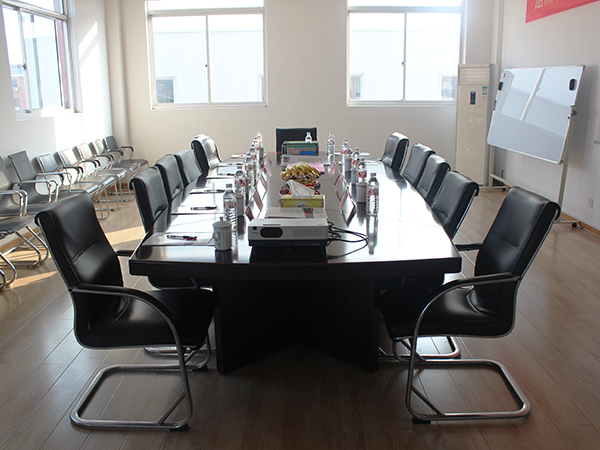
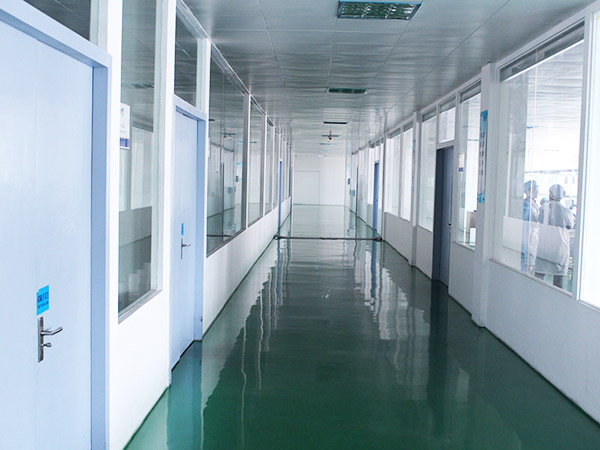
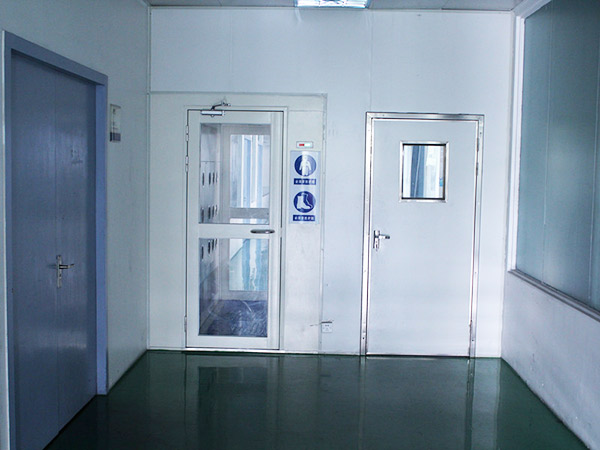
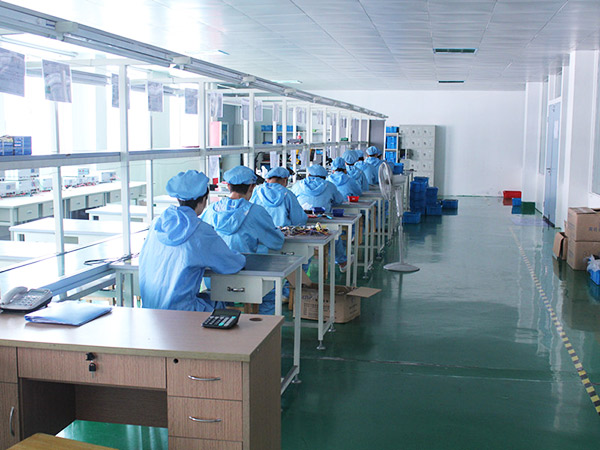
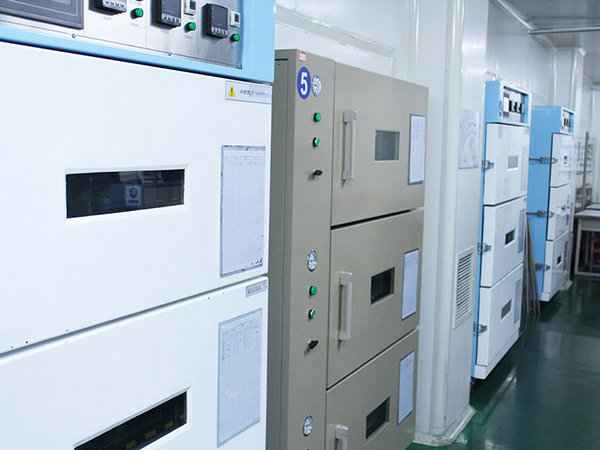
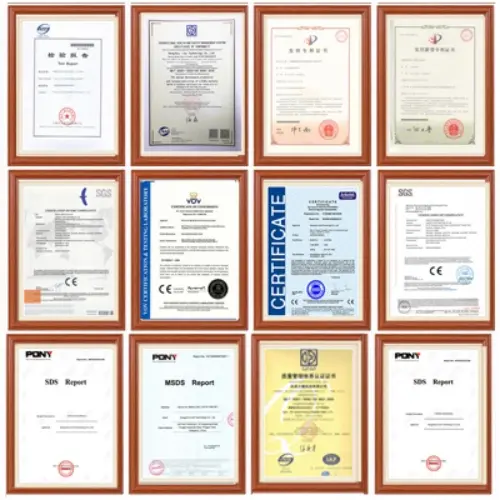
Globally recognized credentials validating our safety, environmental compliance, and proprietary designs.
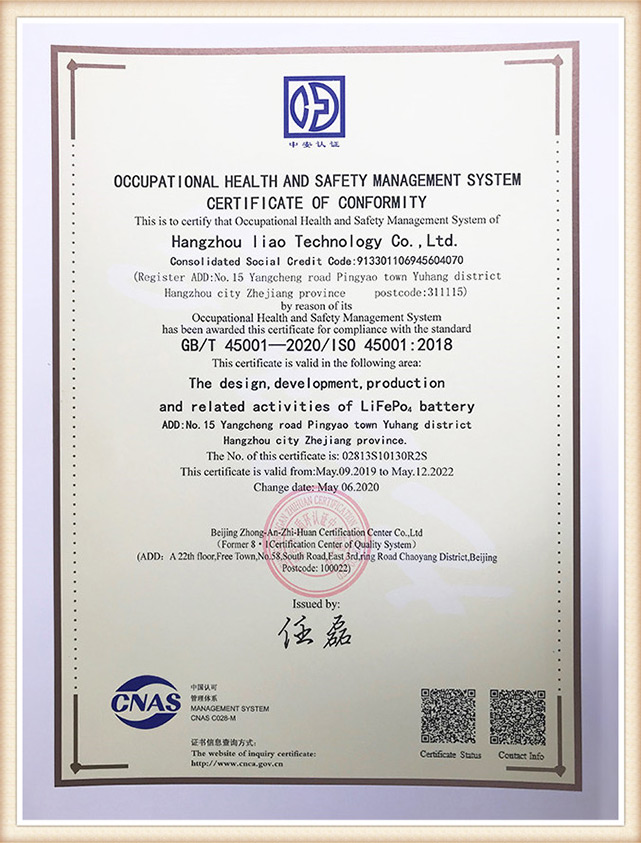
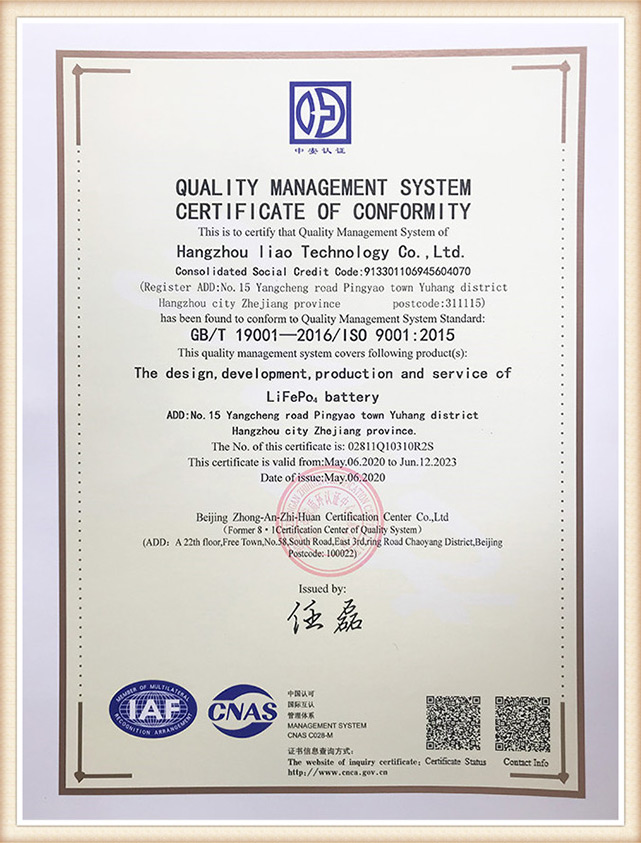
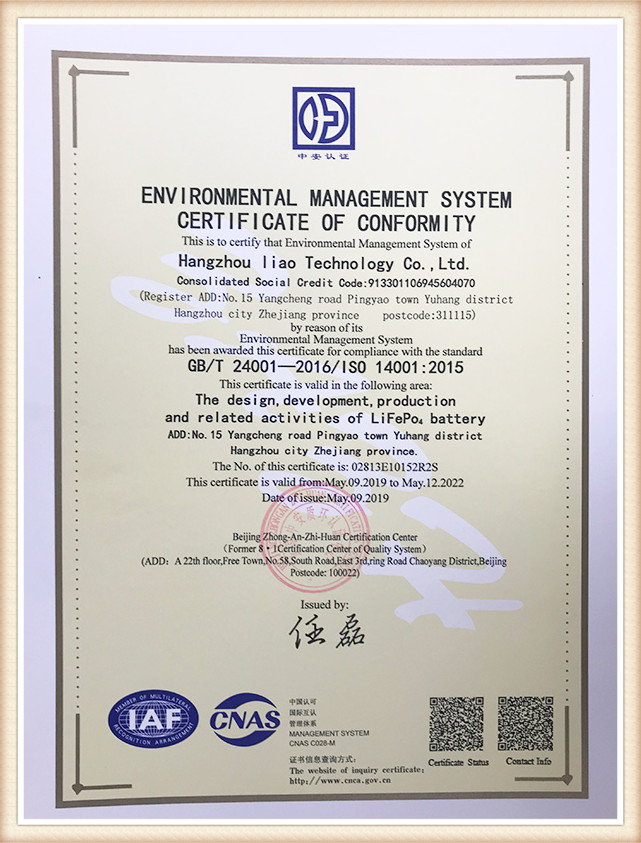
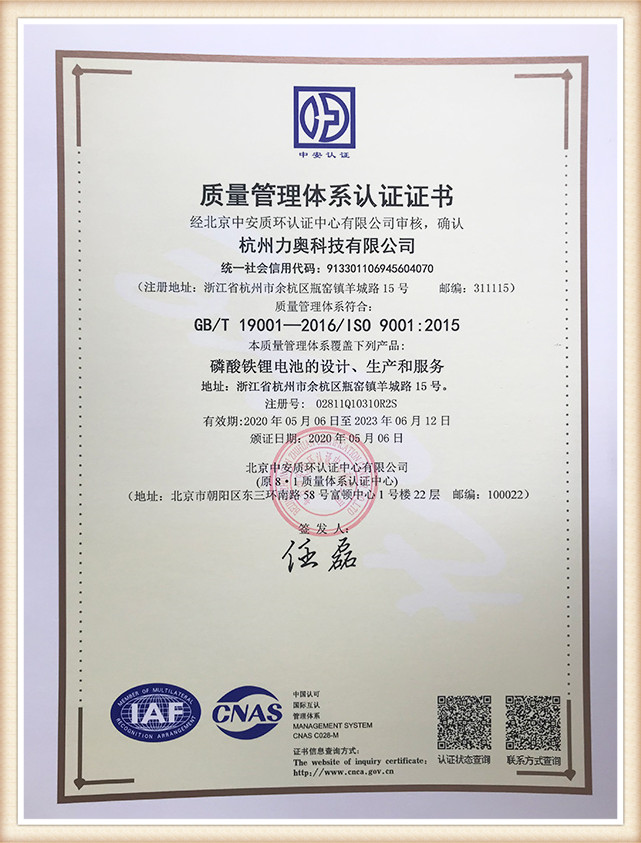
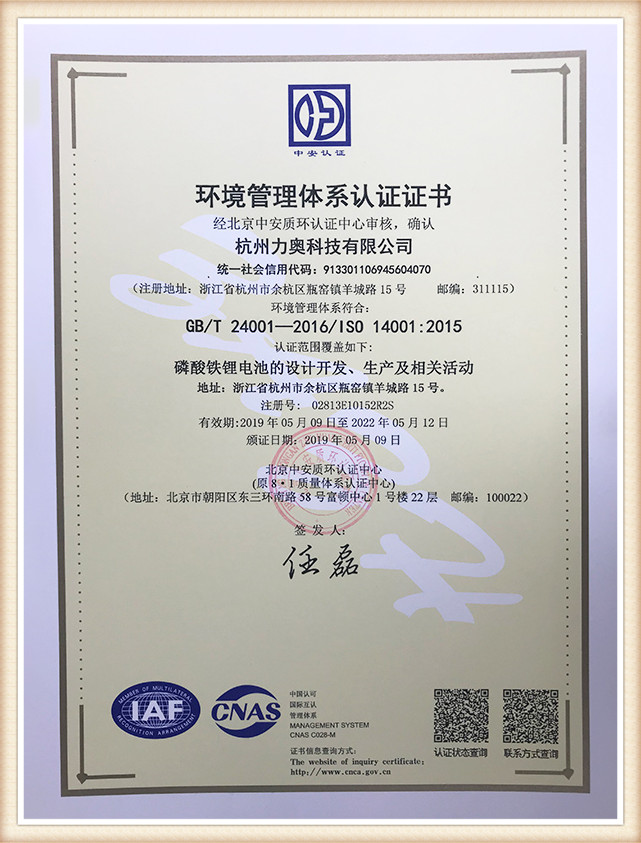
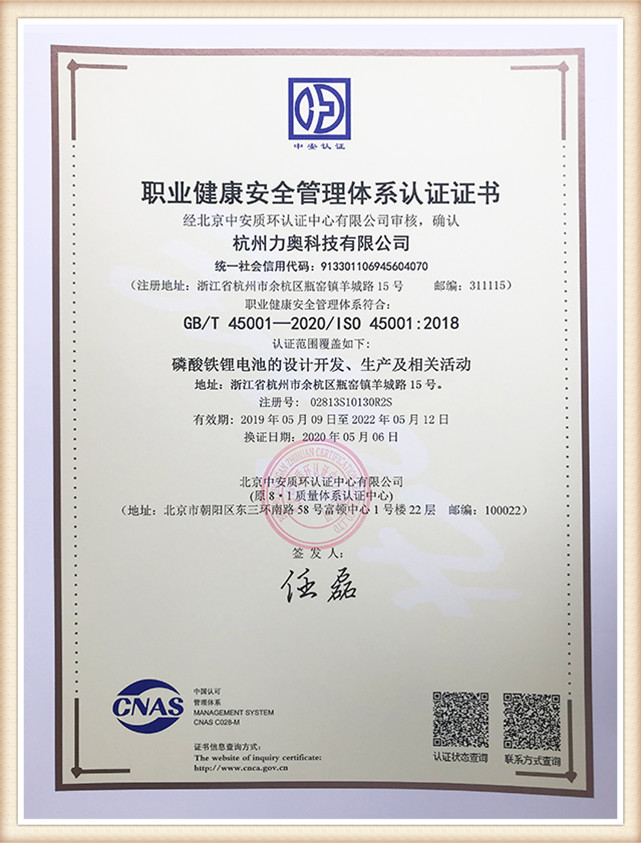
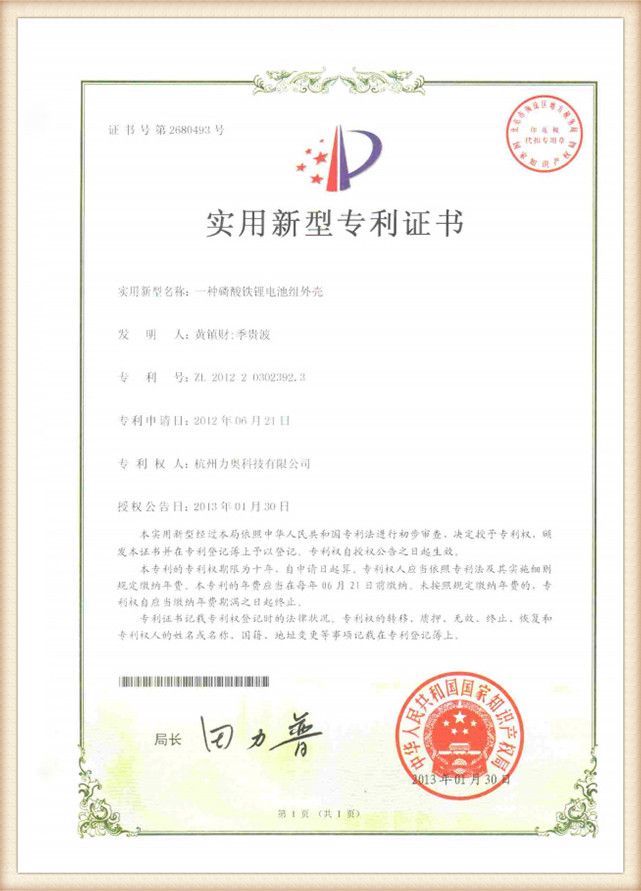
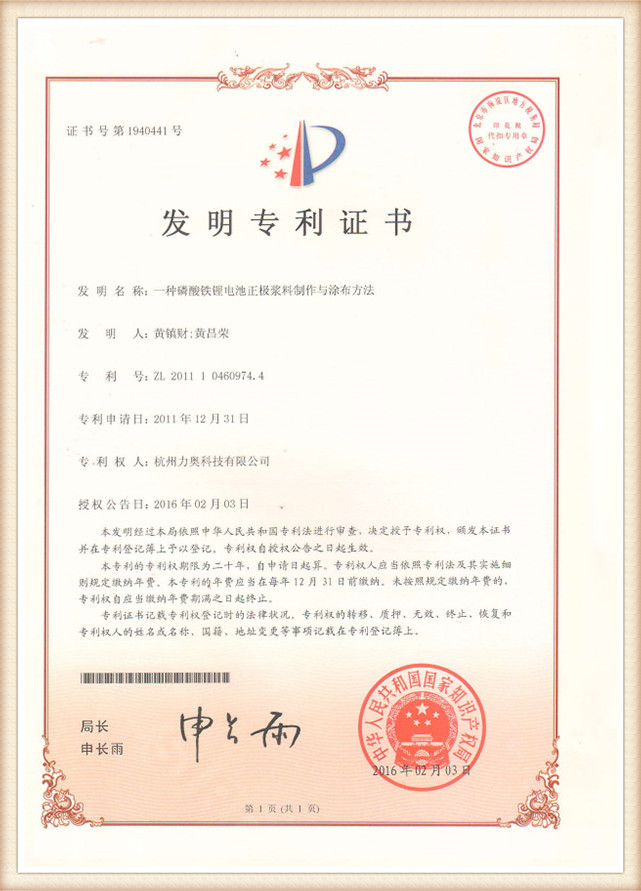
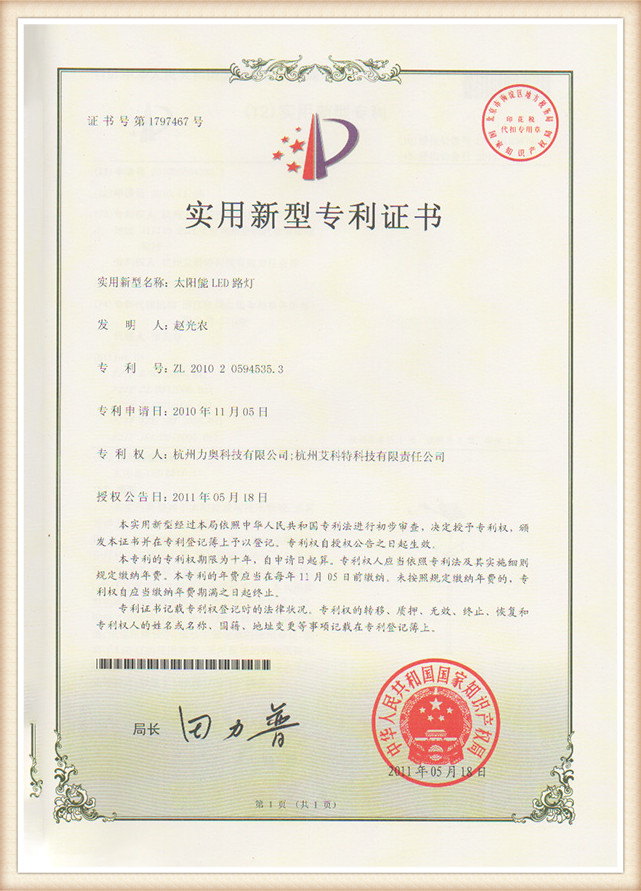
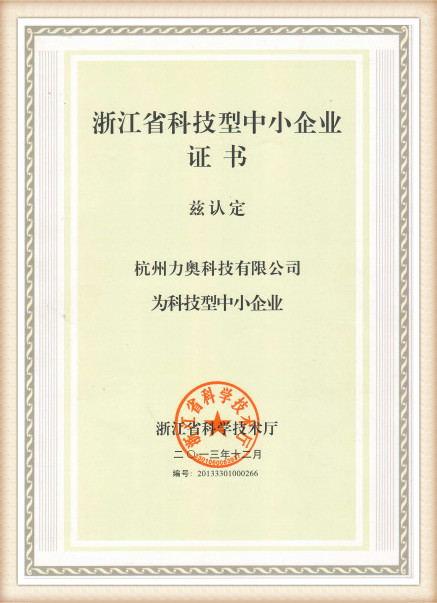

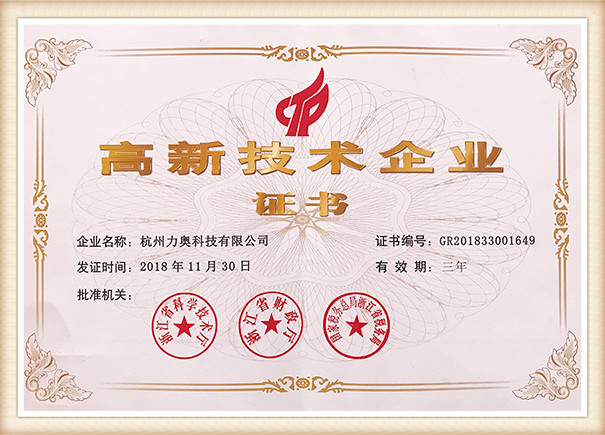
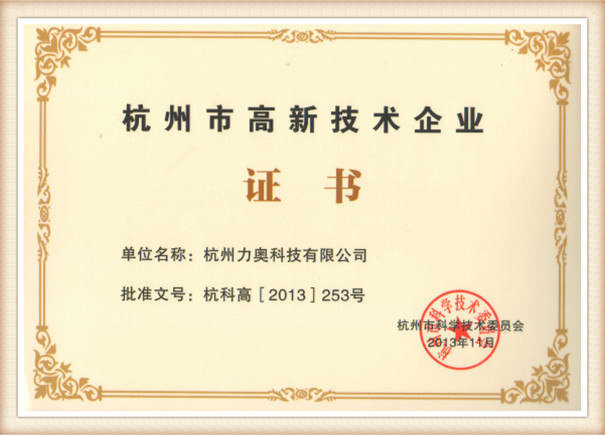
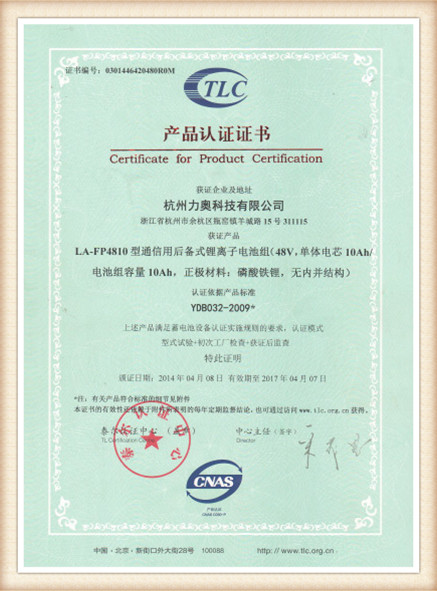
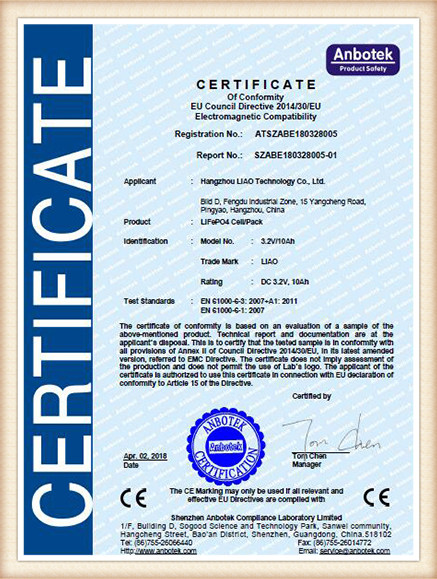
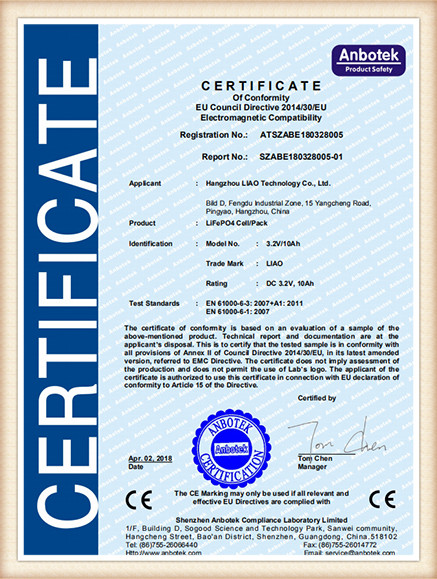
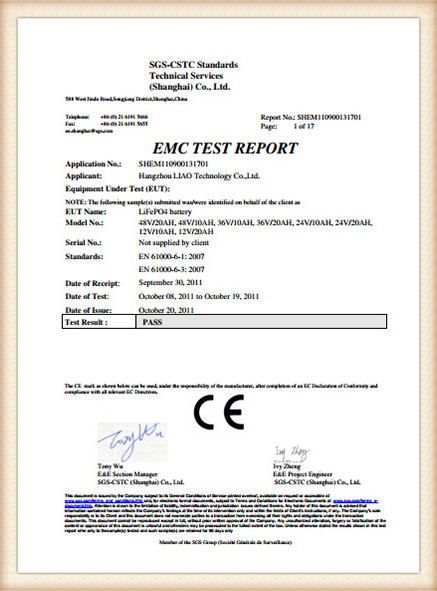
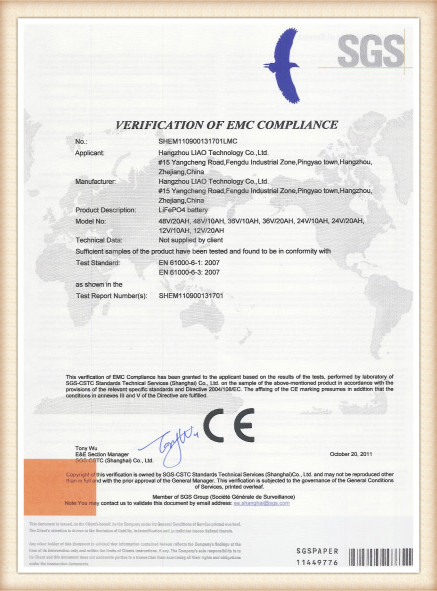
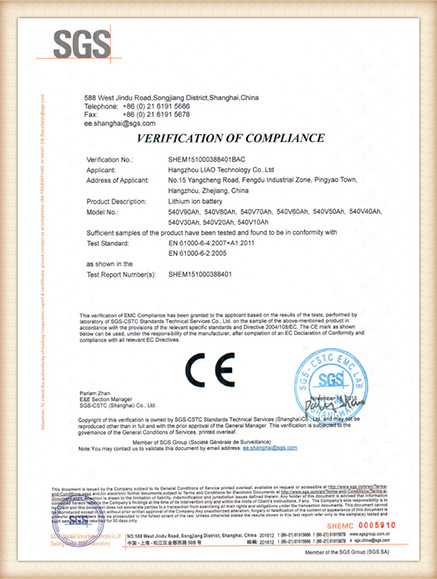
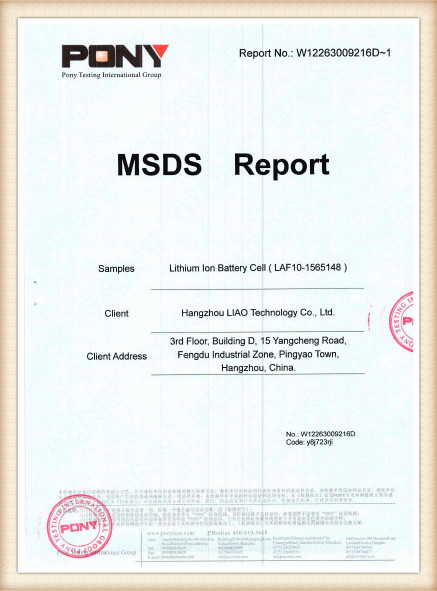
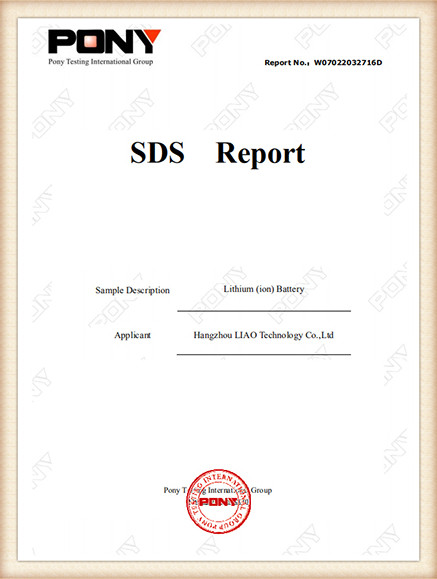
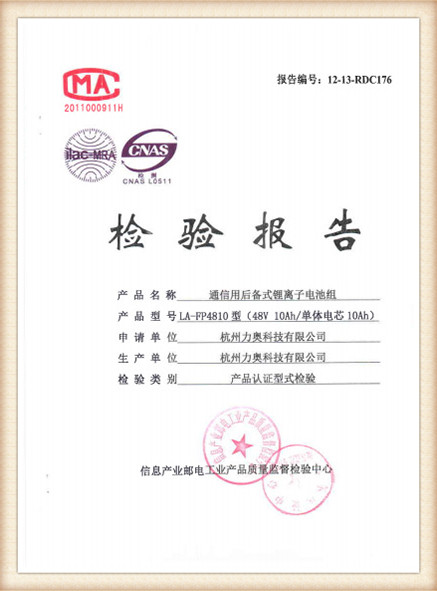
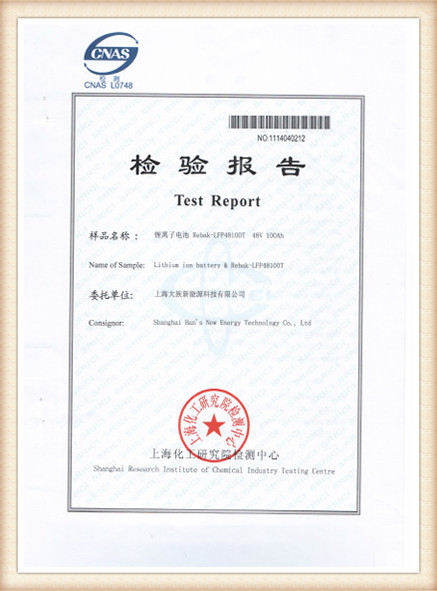
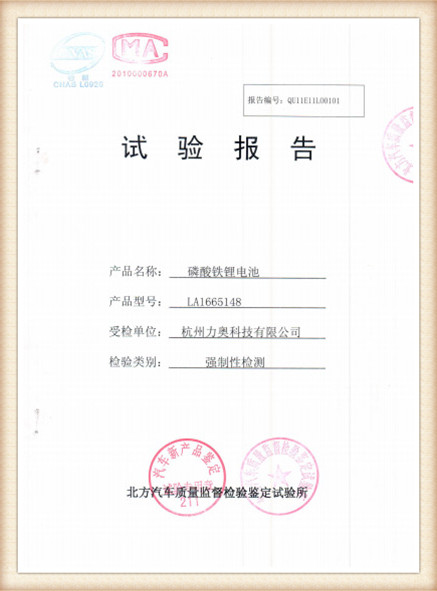
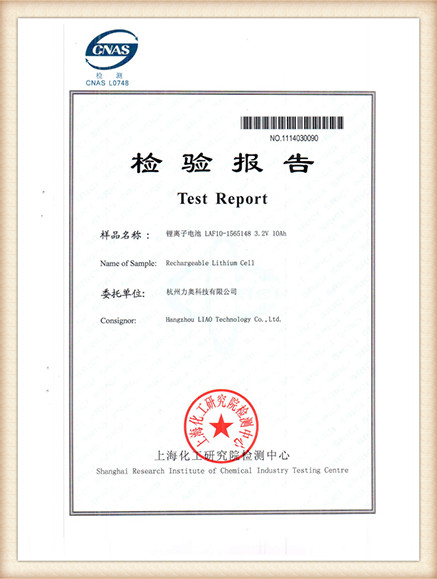
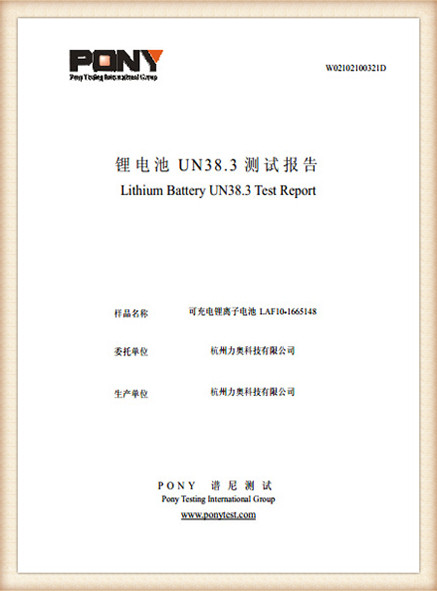
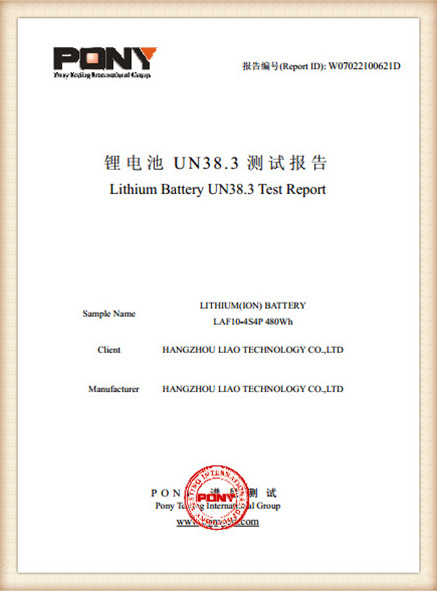
Enterprise procurement departments must navigate complex certification, safety, and supply chain logistics when sourcing industrial lithium-ion batteries. Our factory supports these audits with transparent compliance procedures:
The industrial battery sector is focusing on higher energy densities and smart system integration. Key development paths include:
Advanced Silicon Anode Intercalation: Adding silicon composites to the graphite matrix to increase density without compromising structural life.
Cloud-Based Battery Telemetry: Using integrated sensors to monitor state-of-health (SOH), detect issues early, and manage charge levels remotely.
Technical guidance for battery engineers and sourcing managers.
Typical R&D and custom design cycles take 3 to 5 weeks for hardware drafting and sample confirmation. Once the prototypes are approved, volume production takes 30 to 45 days, depending on material specifications and certification requirements.
We perform rigorous testing protocols on all cell models, including mechanical nail penetration (acupuncture), external short-circuit tests, overcharge/over-discharge tests, thermal cycling, and drop testing. These results are verified by third-party testing bodies for compliance with UN38.3, CE, and IEC standards.
Yes, our custom engineering service supports standard industrial and marine communication protocols, including CANbus, RS485, Modbus, and SMBus. This allows host systems to monitor battery capacity, temperature, voltage, and health status in real time.
LiFePO4 offers a much longer cycle life (2800+ cycles compared to ~500 for NMC), superior thermal stability (which eliminates the risk of thermal runaway), and non-toxic chemistry. Additionally, it remains stable in high-demand, continuous industrial applications.
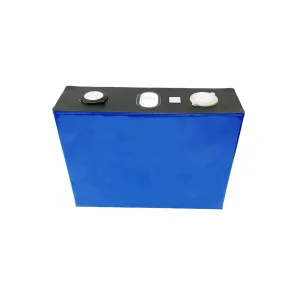
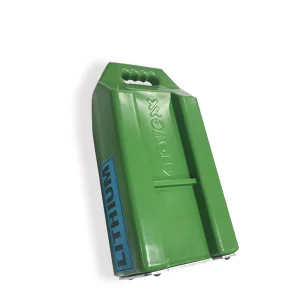
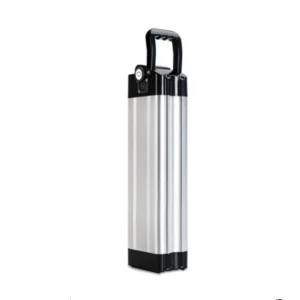
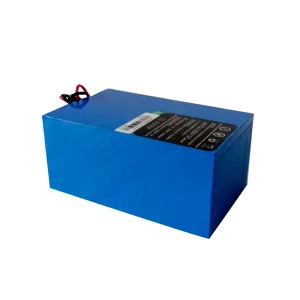
High-durability cells and modules optimized for commercial, solar, and backup applications.
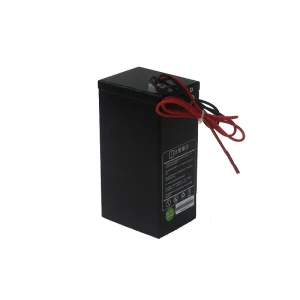
 Liao Battery