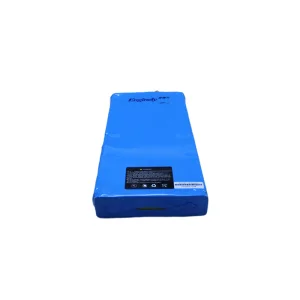
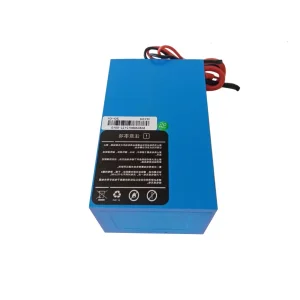
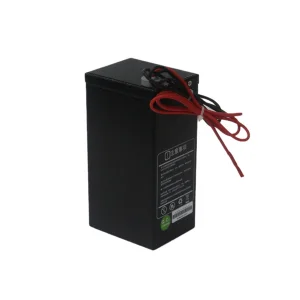
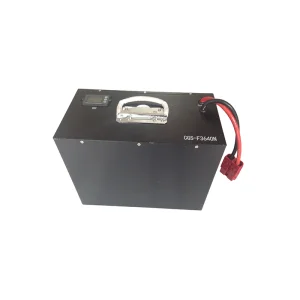
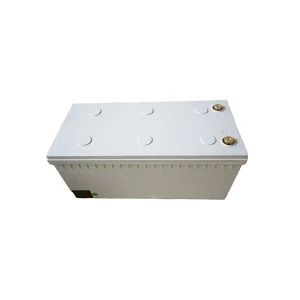
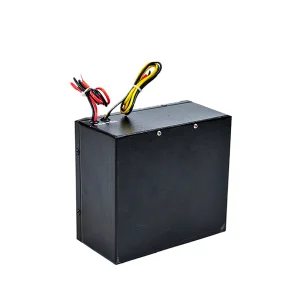
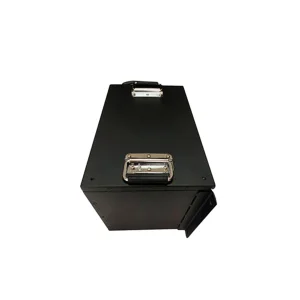
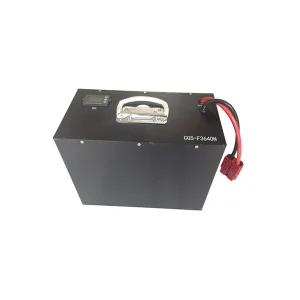
Wholesale 48v 30ah Lithium Battery & Systems

The Definitive Industrial Whitepaper on Performance, Electrochemistry, Custom Engineering, and Global Supply Resiliency

Hangzhou LIAO Technology Co., Ltd. Company Profile & Core Values

15+ Years of Certified Electrochemical Manufacturing Mastery

Founded in 2009, Hangzhou LIAO Technology Co., Ltd. has pioneered the research, engineering, and mass production of premium Lithium Iron Phosphate (LiFePO4) systems. Our commitment to quality has driven the deployment of advanced power packs to over 20 countries globally.

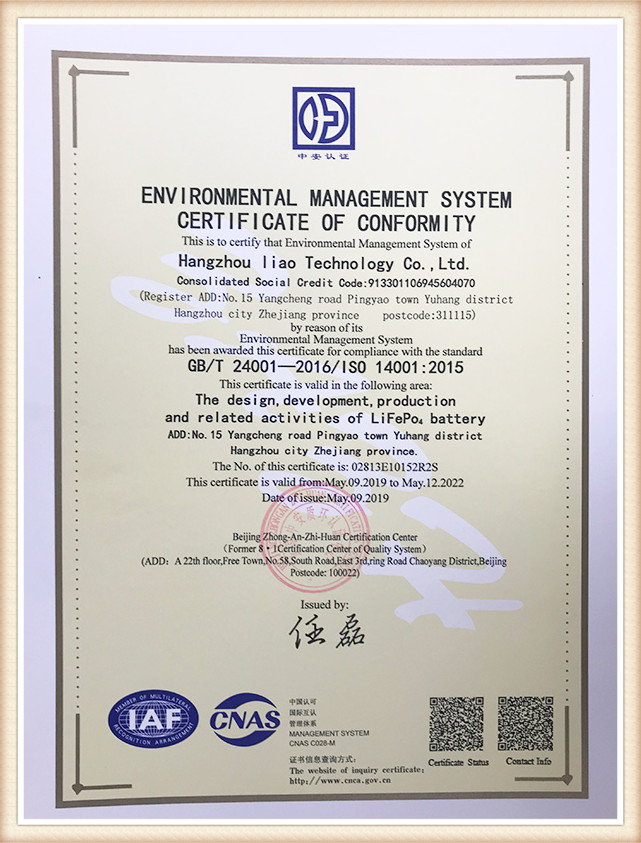
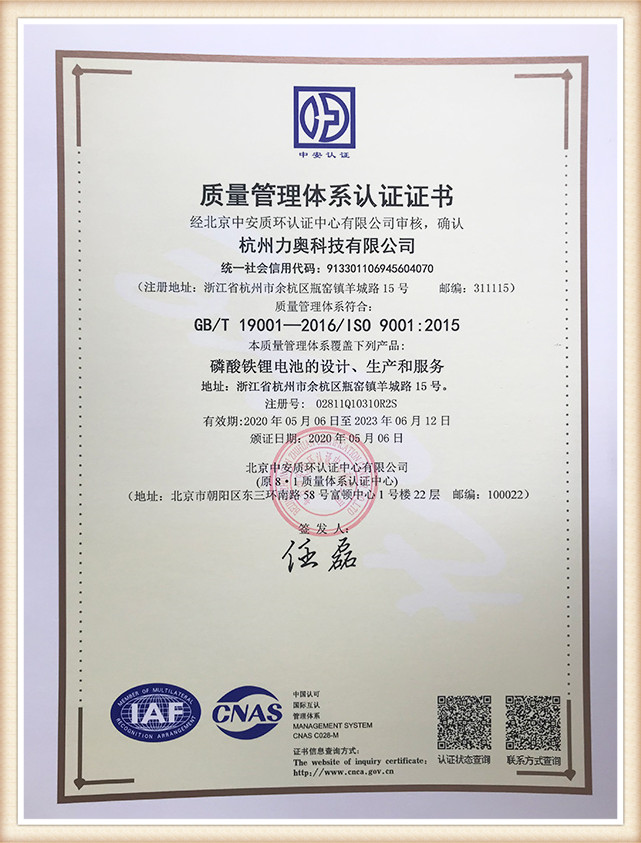
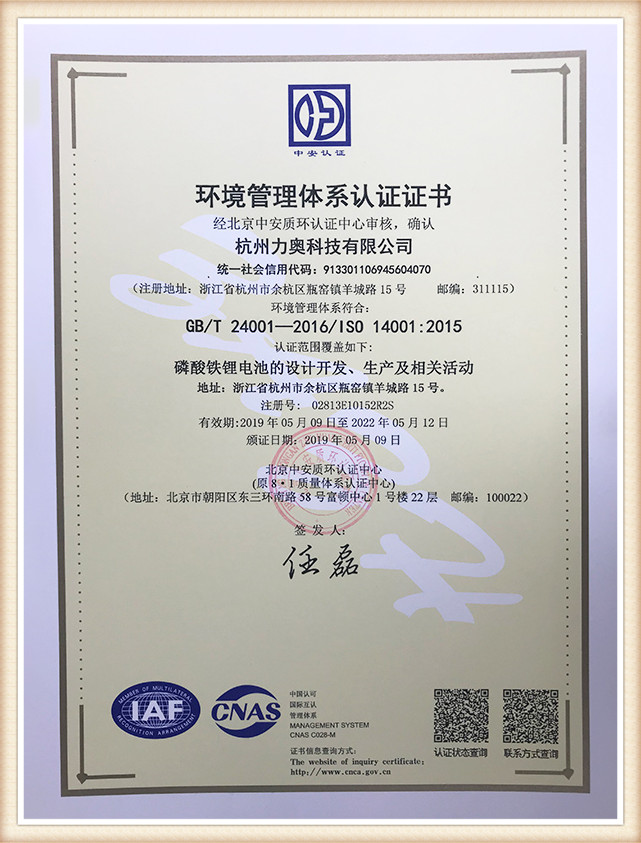
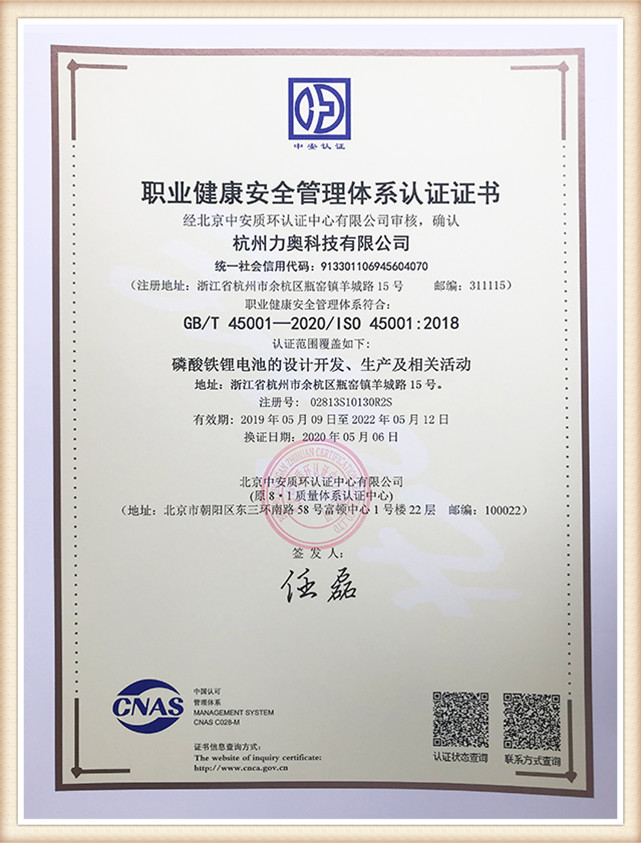
We maintain an uncompromising quality assurance ecosystem under strict compliance with the international standard ISO 9001. Additionally, our production plants adhere to the environmental standard ISO 14001 and prioritize workforce health under ISO 18001 / ISO 45001 frameworks. Through systematic engineering controls, we deliver batteries that guarantee consistency, longevity, and extreme field safety.

2,800+
Cycles (100% DoD @ 1C)
-40°C ~ 85°C
Discharge Temperature Range
15+ Years
Engineering Legacy
500+
Custom Pack Topologies Developed

Localized Application Scenarios: 48V 30Ah Performance

The 48V 30Ah configuration offers an optimal balance of energy density, safety, and power capacity. Below are key applications where this standard delivers superior performance.

Golf Cart Integration

Our LiFePO4 technology provides reliable power for golf carts, sustaining high torque output over varying course elevations. Transitioning from lead-acid to 48V 30Ah packs significantly reduces vehicle weight, decreases turf compaction, and eliminates routine water maintenance.

Golf Cart Solution

Caravan & RV Power

Designed for caravan movers and off-grid auxiliary power, these packs deliver high instantaneous currents without voltage sag. This ensures reliable operation for tight maneuvers on soft ground, offering silent, emission-free energy storage.
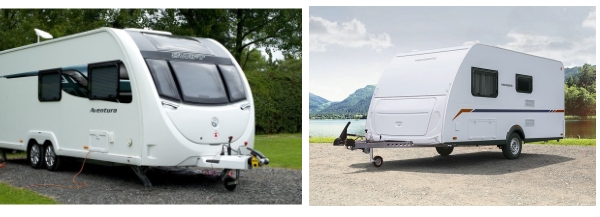
Caravan Mover Solution

AGVs & Industrial Vehicles

Automated Guided Vehicles (AGVs) and warehouse logistics systems require reliable power. Our batteries support opportunity charging and fast-charge cycles, enabling 24/7 autonomous fleet operations with minimal downtime.
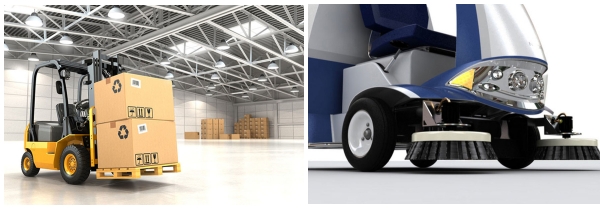
Industrial Vehicles

Technological Roadmap and Electrochemistry Specification

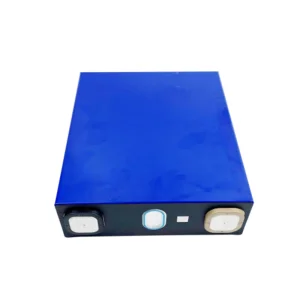
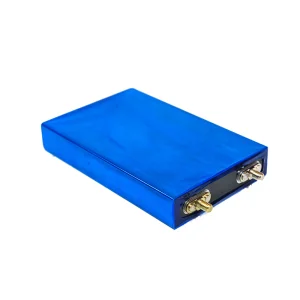
We optimize cell layouts through precision automated manufacturing. The core architecture uses Grade-A prismatic cells, which provide superior structural integrity and heat dissipation compared to pouch cells. A custom Smart BMS monitors voltage, temperature, and current parameters at the individual cell level.

Electrical & Mechanical Parameters Typical Specification (48V 30Ah LiFePO4) Engineering Design Margin
Nominal Voltage 51.2 V (16S Configuration) Maintains stable plateau above 48V throughout 85% of discharge curve
Charging Cut-off Voltage 58.4 V Over-voltage margin managed by dual-tier BMS protection
Continuous Discharge Current 30A / 50A Option BMS designed with high thermal dissipation to prevent heat buildup
Internal Impedance ≤ 20 mΩ Low resistance design minimizes internal energy losses
Self-Discharge Rate ≤ 2.5% per Month Allows for long-term storage without excessive capacity loss
Cycle Life (100% DOD) 2,800+ Cycles (Residual capacity >80%) Extends beyond 4,000 cycles at 80% DOD or lower discharge rates

Future Product Roadmap: Smart Battery Ecosystems

Hangzhou LIAO Technology is committed to advancing active balancing circuitry, solid-electrolyte interfaces, and IoT-enabled BMS integration. By monitoring cellular status remotely, operators can calculate battery aging patterns, perform preemptive diagnostics, and maximize fleet ROI.

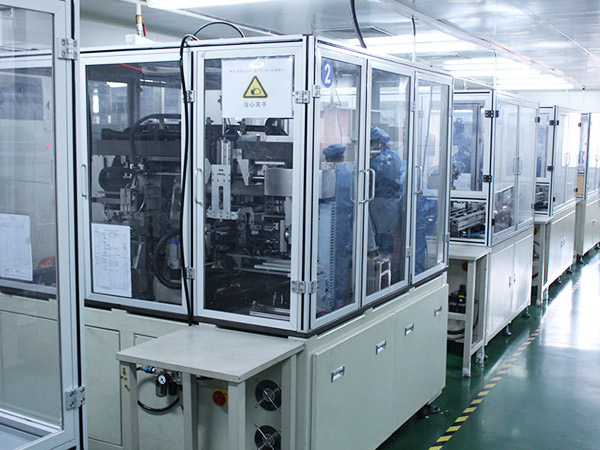
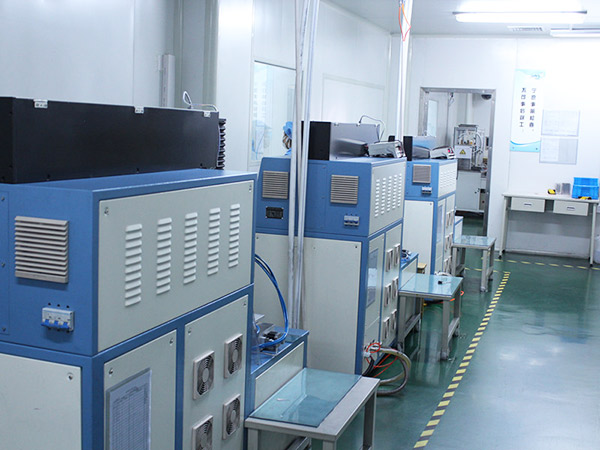
China Factory Tour & Manufacturing Resilience

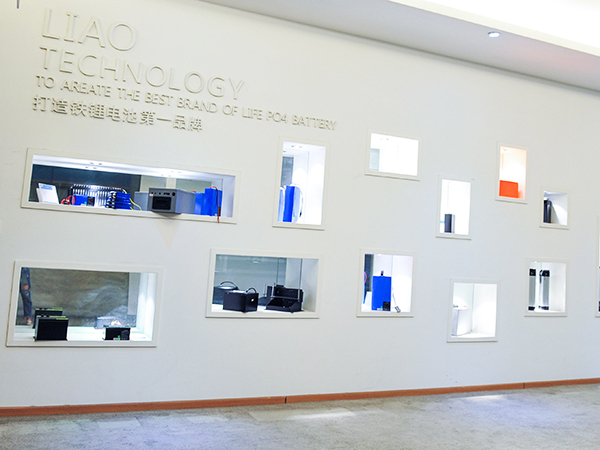
Our manufacturing facility in Hangzhou leverages automated production processes and strict quality control protocols to ensure reliable, high-performance battery assembly.
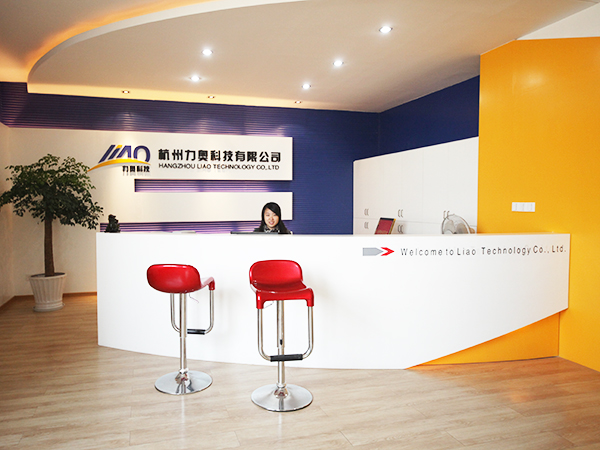
Reception

Reception Area

Exhibition Area

Product Exhibition

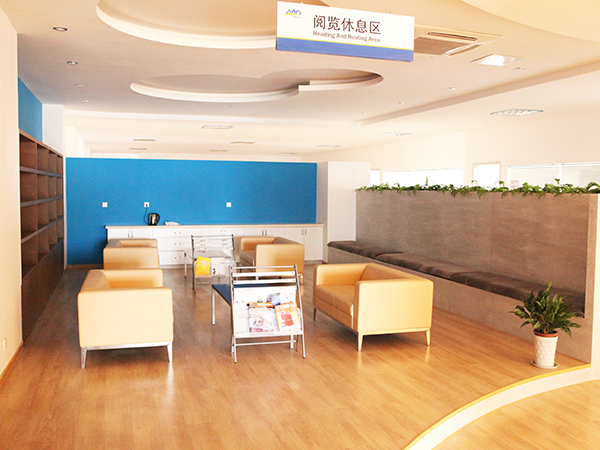
Reading Rest Area

Employee Rest Area

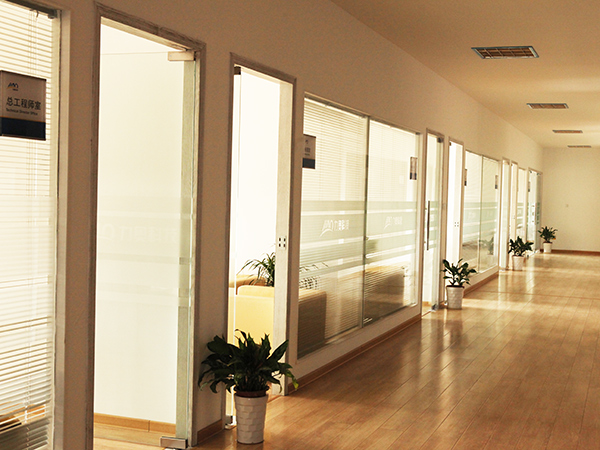
Office Area

Engineering Headquarters

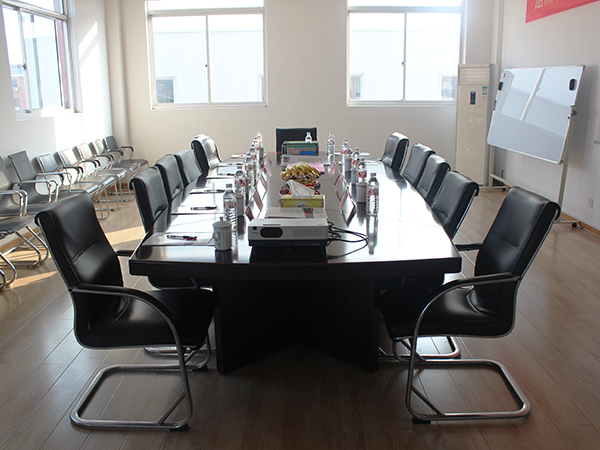
Meeting Room

R&D Collaboration Center

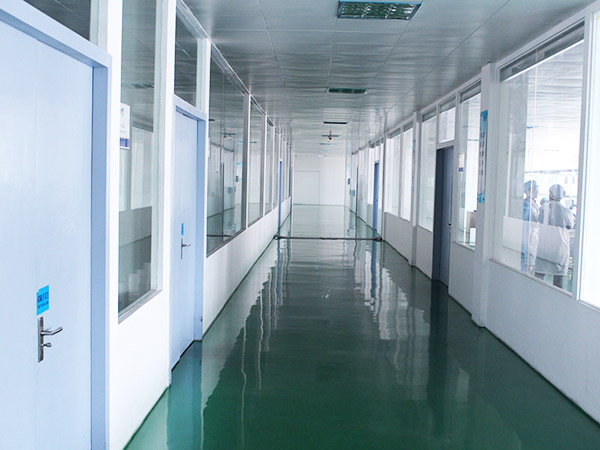
Visiting Access

Manufacturing Corridor

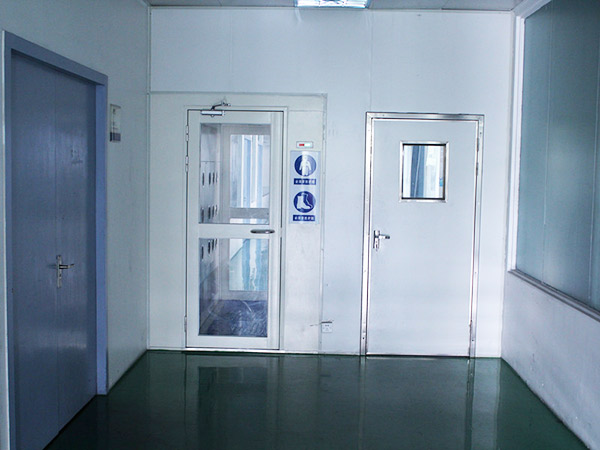
Entrance

Production Facility Entrance

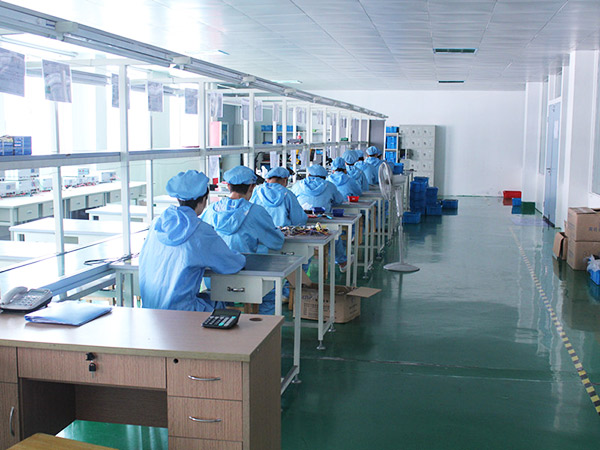
Pack Assembly

BMS & Pack Assembly Line

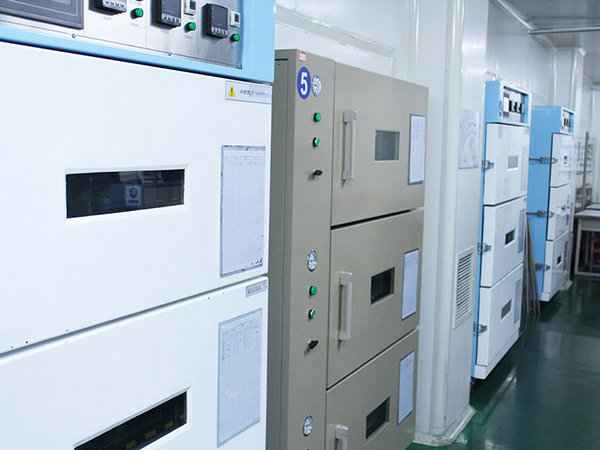
Baking Process

Cell Dehydration & Baking

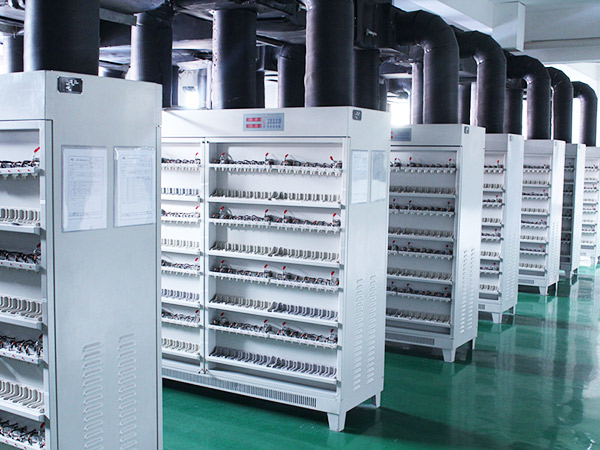
Capacity Sorting

Automated Capacity Sorting

Stacking

Precision Cell Stacking

Laser Welding

Automated Laser Welding

Raw Material Procurement & Logistics Optimization

By leveraging regional supply chains in the Yangtze River Delta, we maintain stable access to raw materials like lithium carbonate and iron phosphate precursors. This direct access minimizes supply chain volatility and ensures reliable delivery times for global partners.

International Certifications & Testing Reports

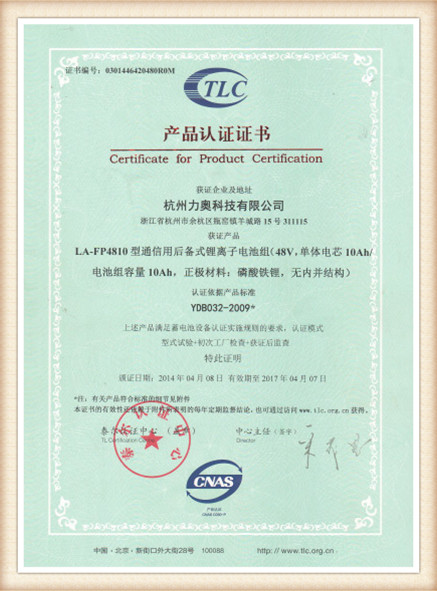
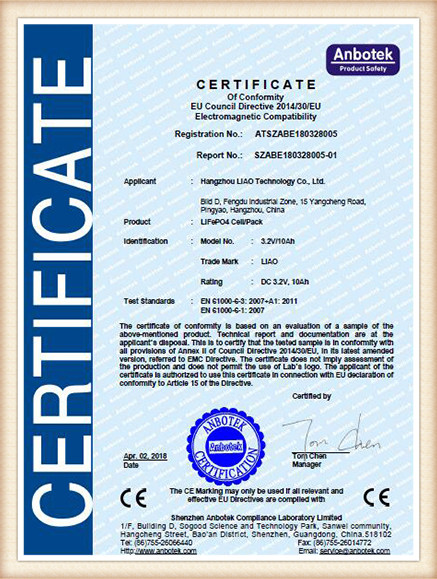
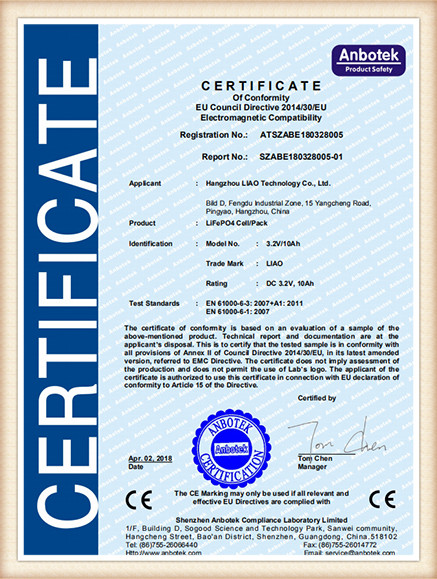
Our products are certified to meet international safety and transport requirements, including CE, UN38.3, and ISO compliance standards.
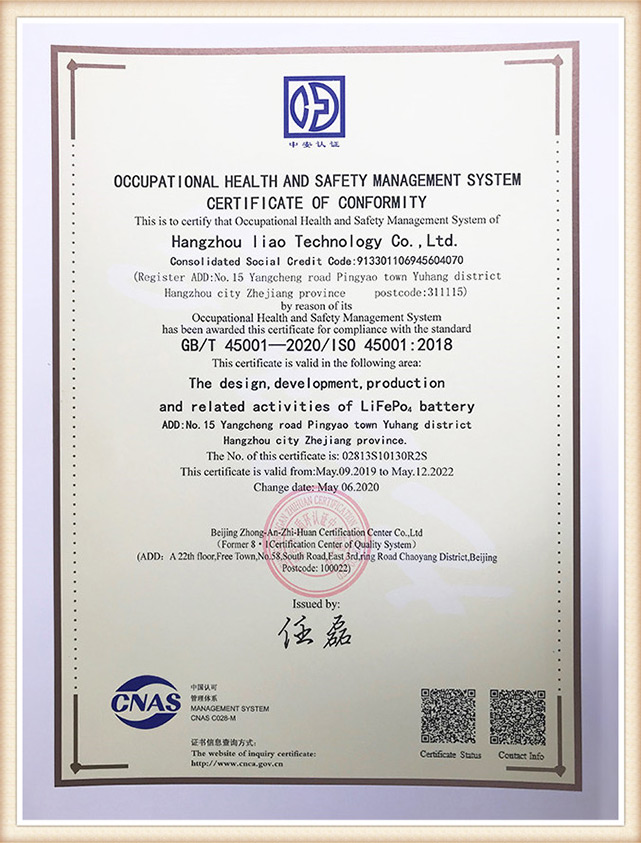
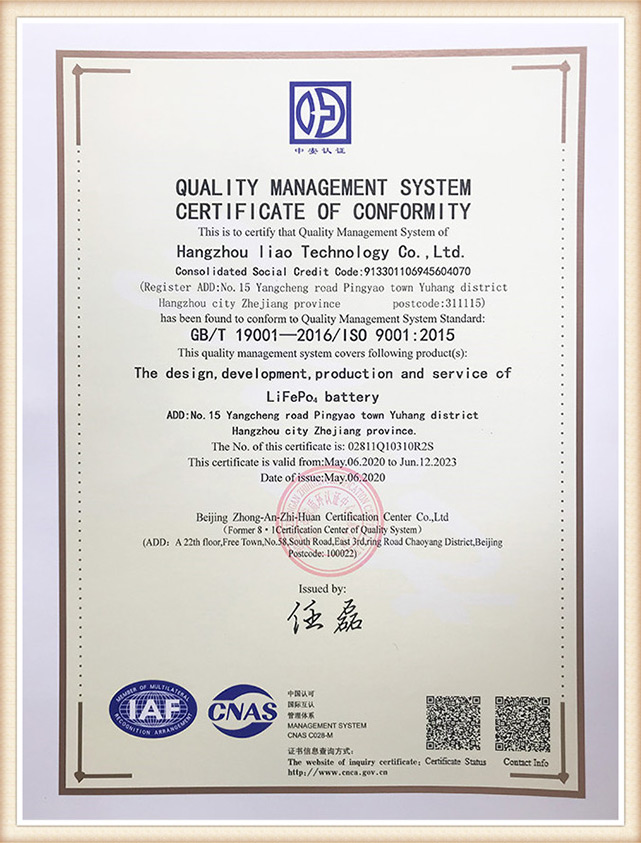
ISO Management Systems

ISO Certification 1 ISO Certification 2 ISO Certification 3

Patents & Design Registrations

Patent 1 Patent 2 Patent 3

Testing & Third-Party Reports

Test Report 1 Test Report 2 Test Report 3

Frequently Asked Questions

1. What are the key advantages of a 48V 30Ah LiFePO4 battery over Lead-Acid alternatives?
LiFePO4 batteries deliver more usable capacity at approximately one-third the weight of lead-acid systems. They support deeper discharge cycles (up to 100% Depth of Discharge) without degrading battery health, maintain a stable voltage plateau under load, and feature an integrated BMS to protect against common electrical faults.
2. How does the integrated Battery Management System (BMS) protect the cells?
The BMS actively monitors cell voltages, internal temperatures, and current levels. It automatically disconnects the battery in the event of over-charging, over-discharging, thermal spikes, or short circuits, preventing thermal runaway and protecting downstream system components.
3. Can these 48V batteries be charged with solar power systems?
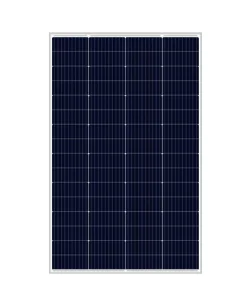
Yes. These systems are compatible with solar charge controllers configured for LiFePO4 charging profiles. The BMS regulates current and cell balancing to optimize charging performance when connected to solar arrays.
4. What is the typical operational lifespan of Hangzhou LIAO LiFePO4 batteries?
Under standard conditions (1C charge/discharge, 25°C), cells are rated to maintain at least 80% of nominal capacity after 2,800 cycles. With shallower discharge cycles and moderate temperatures, the operational life can exceed 4,000 cycles.
5. Do these batteries perform reliably in extreme temperature conditions?
Yes, our batteries are designed to discharge across a broad temperature range of -40°C to 85°C. To maintain optimal performance and cycle life, charging should be conducted within temperature ranges above freezing, or managed using auxiliary heating systems in cold climates.
6. What options are available for custom OEM or ODM battery configurations?
We provide end-to-end custom design services, including custom enclosure designs (IP ratings up to IP67), specific BMS communication protocols (CANbus, RS485, Bluetooth), and custom form factors to fit target spatial requirements.
7. How does the factory manage quality control and consistency across batches?
Our quality control process matches cells based on capacity, internal resistance, and voltage stability prior to assembly. Automated laser welding, capacity cycling, and thermal testing are utilized to ensure uniform pack performance.
8. What transport certifications do these battery packs carry?
Our battery packs conform to UN38.3 transport safety regulations, ensuring compliance for international air, sea, and land logistics.