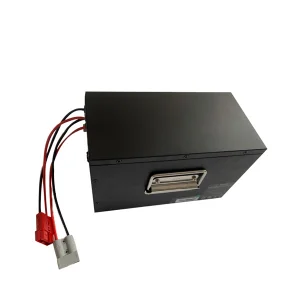
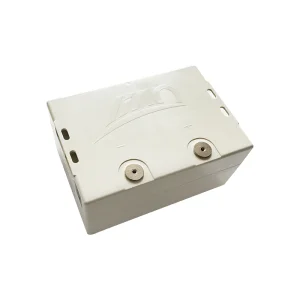
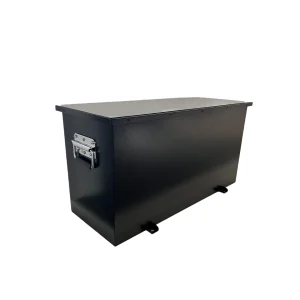
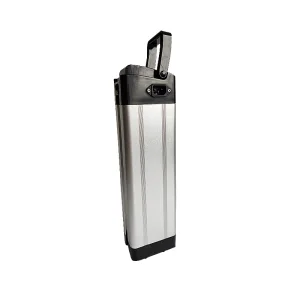
High-performance LFP and Li-ion battery configurations engineered for maximum cycle life, rapid charging capabilities, and superior safety.
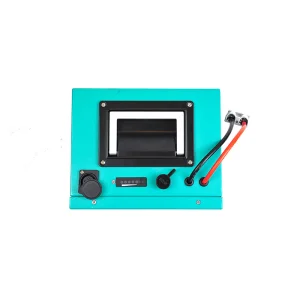
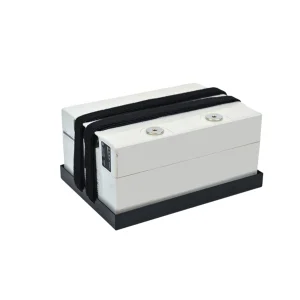
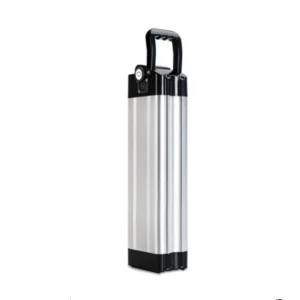
Poland has emerged as one of Central Europe's dynamic epicenters for clean transportation. With the implementation of the Act on Electromobility and Alternative Fuels, Polish municipal centers like Warsaw, Kraków, and Wrocław are deploying Low Emission Zones (Strefy Czystego Transportu). This structural shift forces last-mile logistics, municipal waste services, and warehouse distribution operations to migrate rapidly away from internal combustion engines to light electric vehicles (LEVs)—most notably heavy-duty cargo tricycles.
Additionally, Poland acts as the logistics hub for Central and Eastern Europe (CEE). Millions of parcels pass through Polish e-commerce sorting hubs daily. Cargo tricycles powered by advanced LiFePO4 batteries offer logistics companies an agile, cost-effective solution to bypass urban traffic congestion and reduce carbon footprints, while maintaining strict delivery schedules.
How our low-temperature LiFePO4 formulations solve battery degradation during cold seasons.
Standard lithium batteries suffer severe impedance spikes and capacity drop at 0°C. LIAO LFP batteries incorporate special proprietary low-viscosity electrolytes, enabling stable discharge efficiency down to -40°C.
Our custom battery packs for Poland feature integrated thermal management layers. The smart BMS routes charging current to warm the cell matrix before initiating charging, preventing dangerous lithium plating.
Designed for Poland's varied road infrastructures. Battery enclosures are IP65 or IP67 rated, isolating delicate internal cells from snowmelt, road salt, mud, and continuous vibration.
On a global scale, Lead-Acid batteries are rapidly becoming obsolete in micro-mobility and commercial utility fleets. The Total Cost of Ownership (TCO) calculations strongly favor Lithium Iron Phosphate (LiFePO4). An LFP cell offers 2800+ full charge/discharge cycles at 100% Depth of Discharge (DOD) compared to just 300 to 500 cycles of lead-acid. This dramatically reduces maintenance costs, battery replacement down-time, and logistics expenses.
Furthermore, safety is a paramount concern for logistics managers. Under intensive operation or high impact, LIAO's LiFePO4 cells demonstrate superior stability. They do not combust or experience thermal runaway during rigorous acupuncture testing, providing complete peace of mind to vehicle operators and warehouse supervisors alike.
Founded in 2009, Hangzhou LIAO Technology Co., Ltd. is a leading manufacturer specializing in high-safety LiFePO4 batteries.
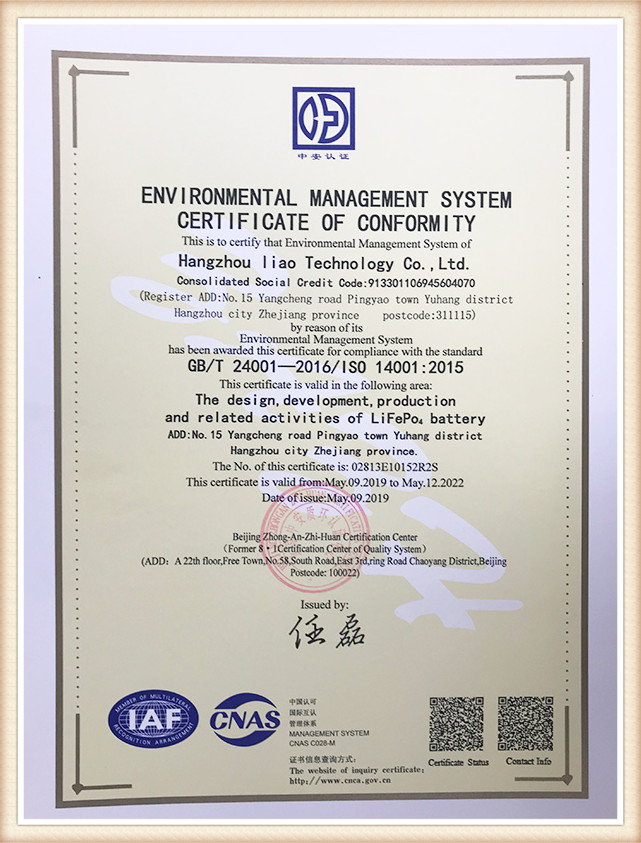
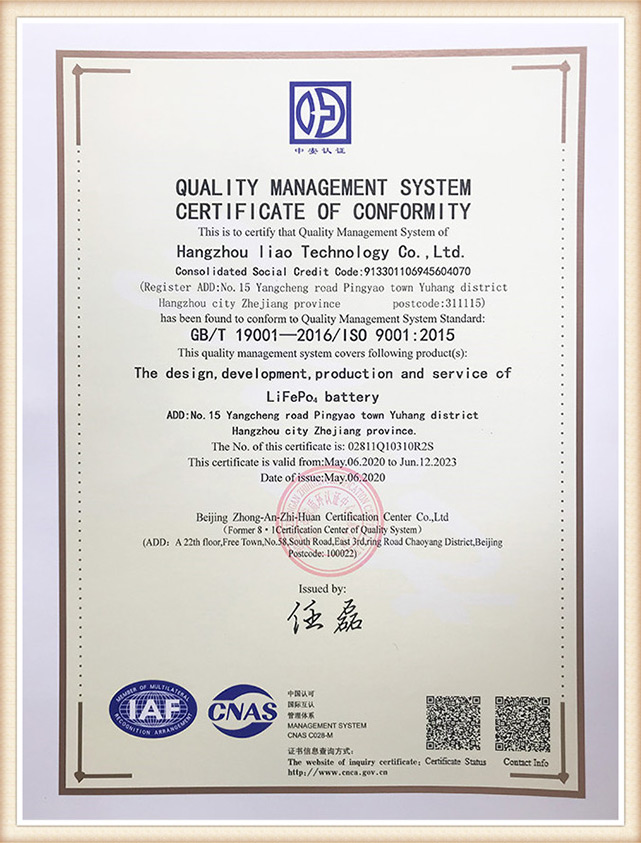
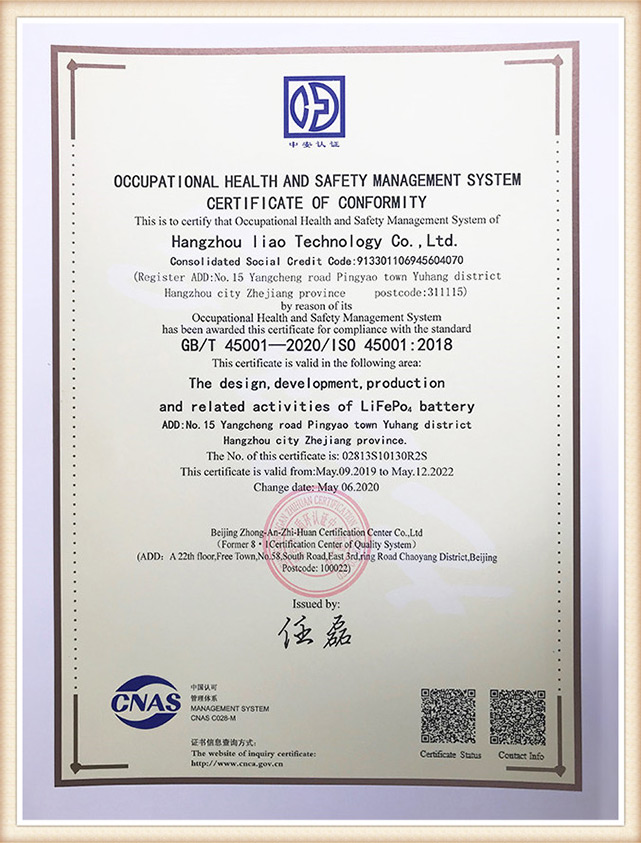
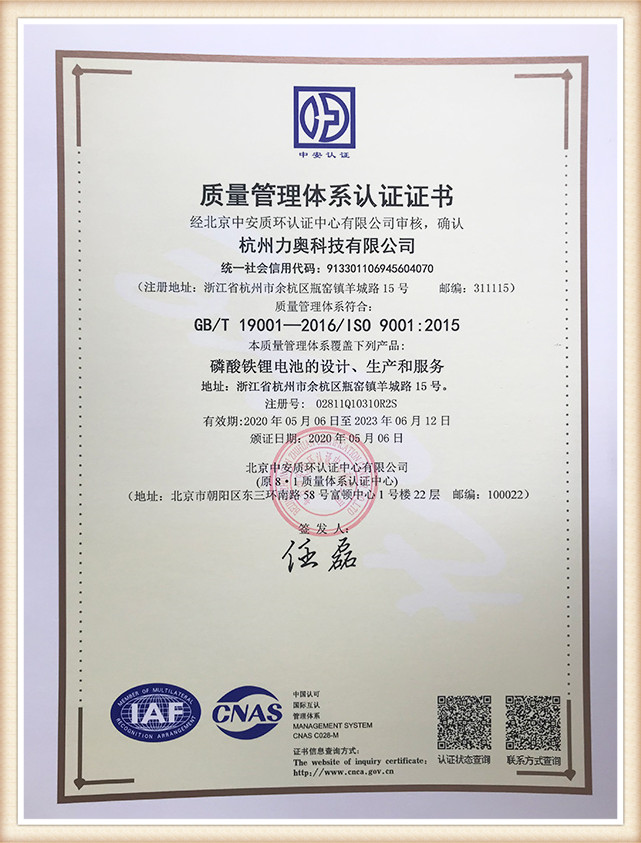
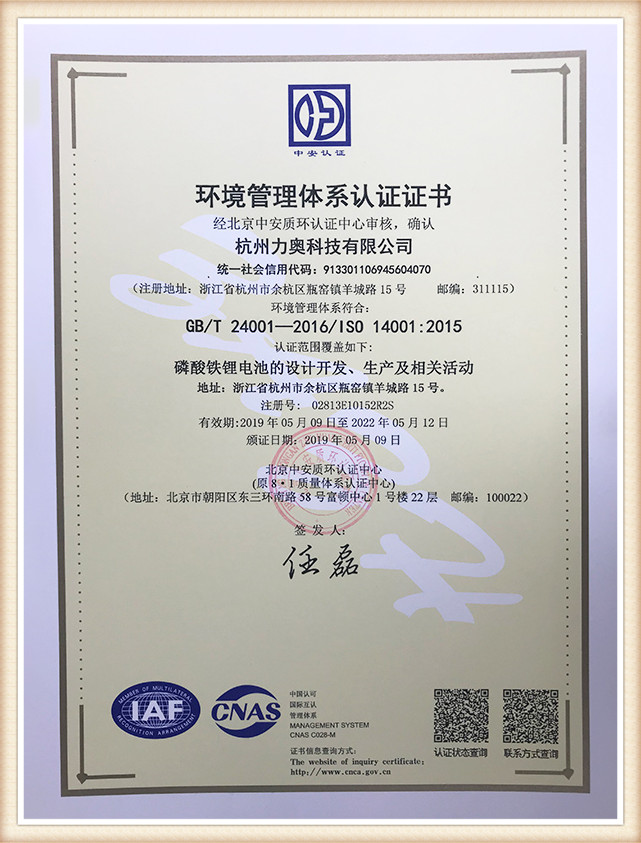
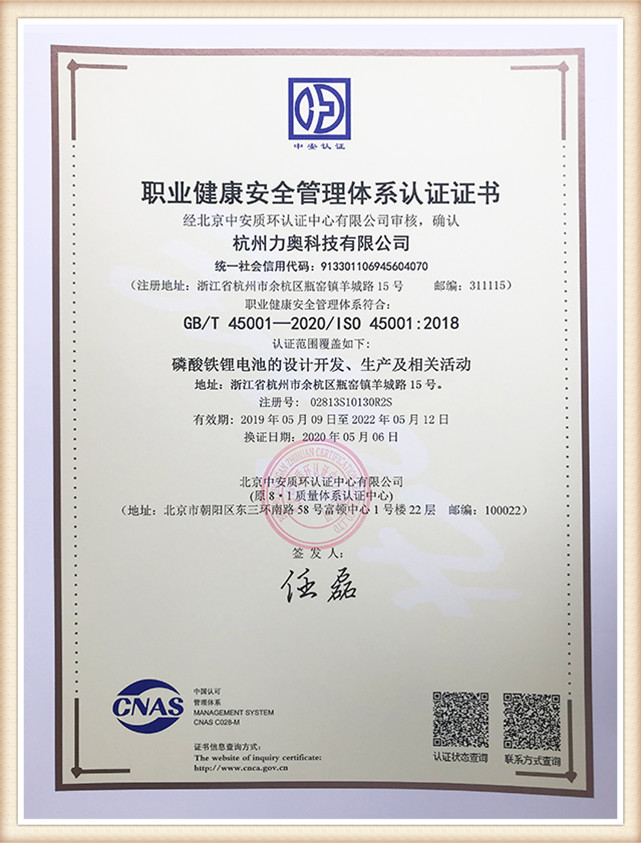
With 15+ years of robust manufacturing history, our products are deployed across more than 20 countries. Operating under strict ISO 9001 quality management, ISO 14001 environmental safety compliance, and ISO 18001 occupational health standards, we guarantee stable OEM and ODM manufacturing capacity to our Polish partners.
Tour our state-of-the-art ISO-certified facility in China producing high-capacity lithium packs.
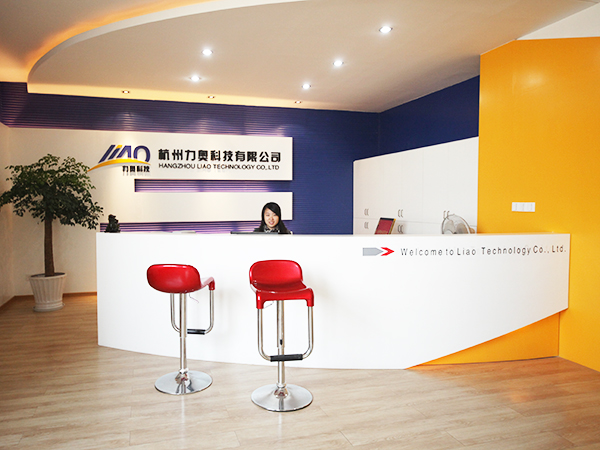
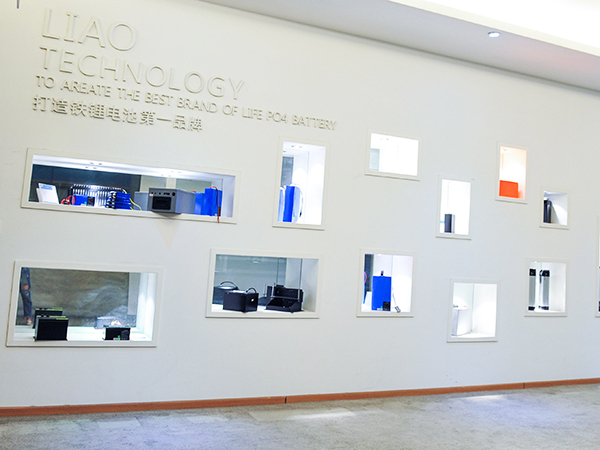
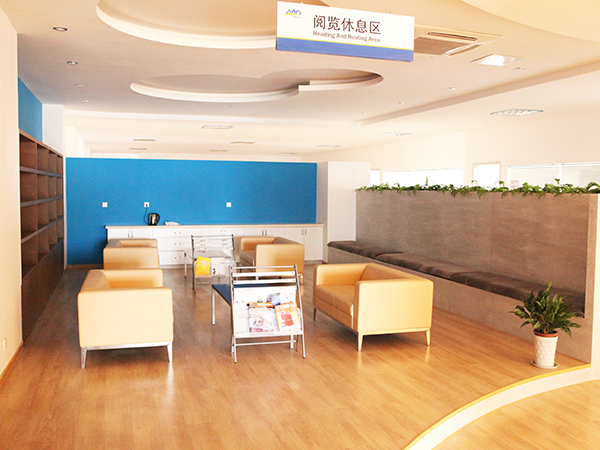
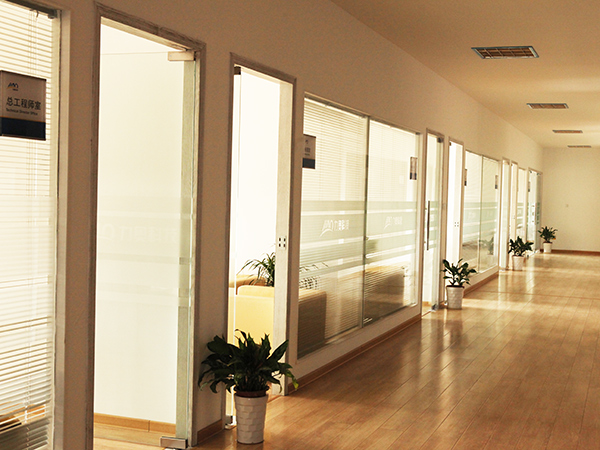
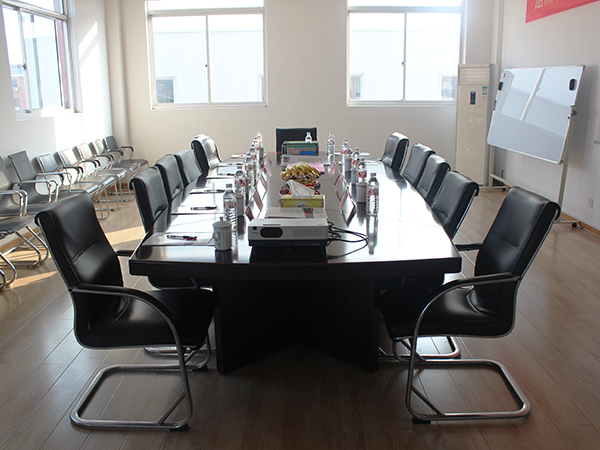
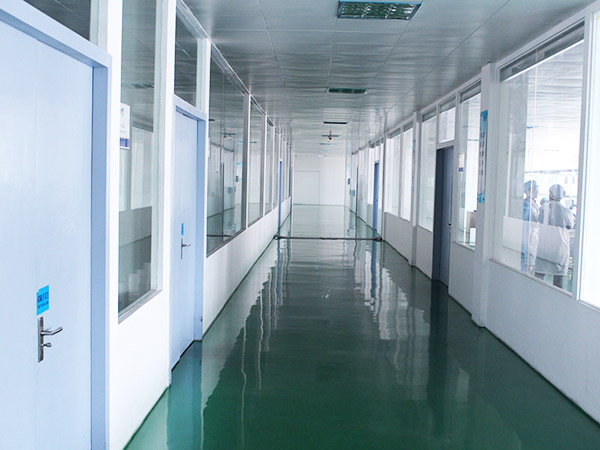
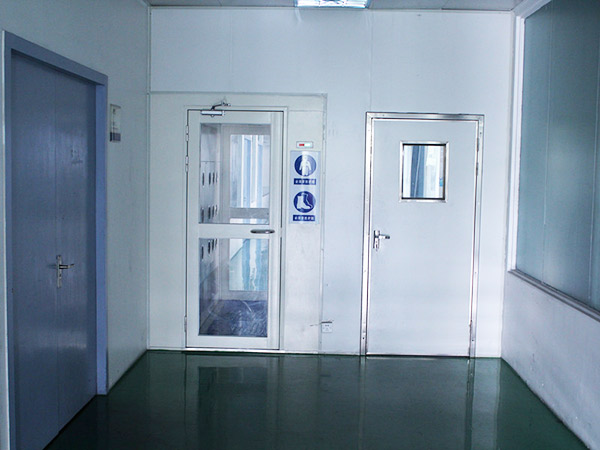
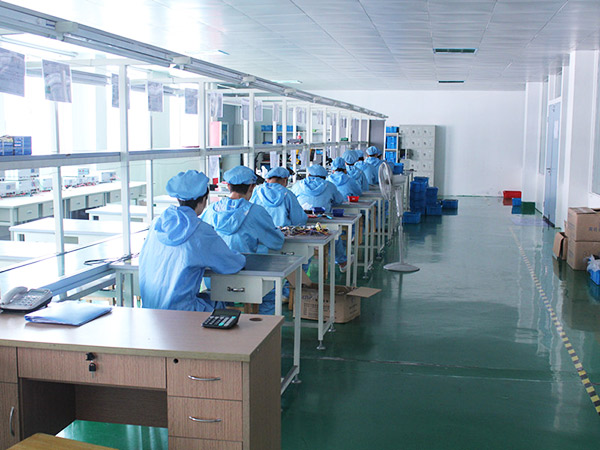
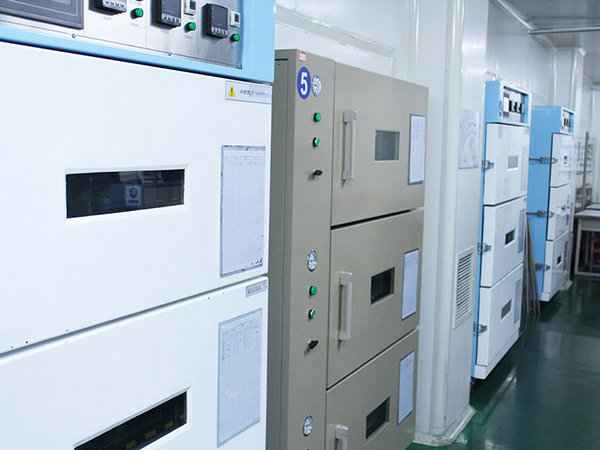
Our production hub in Hangzhou leverage the world's most integrated lithium battery supply chain. By sourcing materials like premium iron phosphate powders, smart BMS chipsets, and aluminum components directly within a 100-kilometer radius, we offer significant cost-savings and rapid lead times to Poland.
This localized supply density shields our operations from international raw material volatility. Additionally, our fully automated cell stacking, laser welding, and automated formation systems guarantee structural uniformity, reducing cell failures to single-digit PPM levels.
Designed for commercial mobility and industrial power supply.
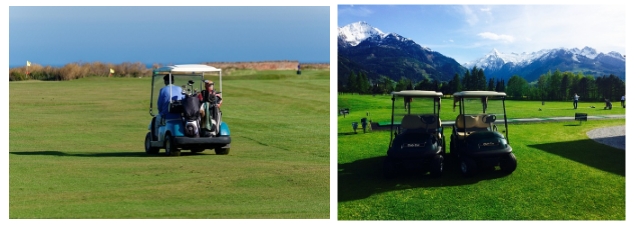
The new generation of LiFePO4 golf cart batteries help your carts running easily in different golf terrains or courses.
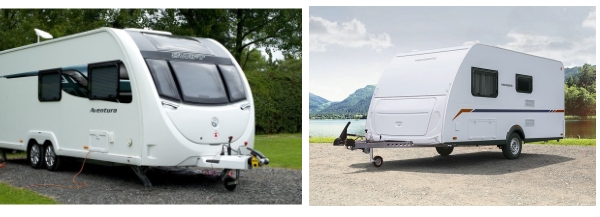
Our LiFePO4 batteries help your caravan mover running quietly with no air pollution. At the same time, your labor costs are saved and working efficiency will be improved.
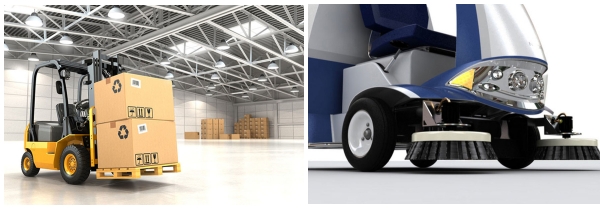
This is for short-distance transportation. Our LiFePO4 batteries help your industrial vehicles to raise and transport goods efficiently with less effort, especially for heavy loads.
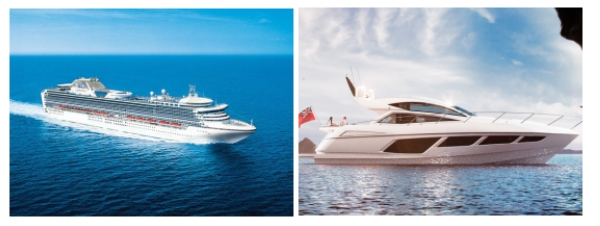
E-boat/ship is a very environment friendly transportation tool for human beings or the nature. Our LiFePO4 batteries will cause no environment and sound pollution.
Innovating power delivery systems for the next decade of Polish clean transport.
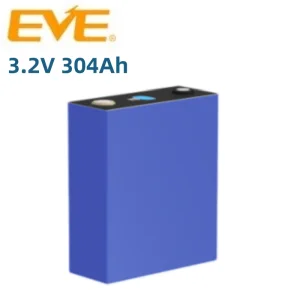
Development of large-capacity LFP prismatic cells like the EVE LF304 series, providing higher spatial efficiency for heavy-duty electric cargo tricycles without compromising safety protocols.
Integration of real-time diagnostics utilizing 4G telematics. Fleet operators in Poland can monitor temperature, SoC (State of Charge), and cell balance remotely, optimizing route planning during winters.
Active research into semi-solid-state designs to increase gravimetric energy density to >220 Wh/kg while preserving the fire-safe properties of classic iron phosphate chemical structures.
Every LIAO battery undergoes strict structural testing protocols before dispatch.
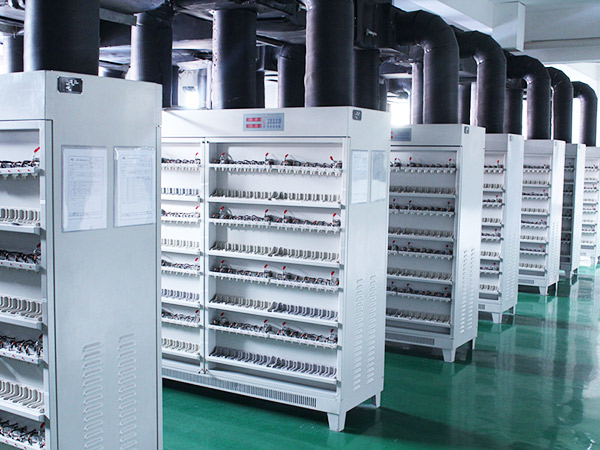
Cells are graded to guarantee uniform voltage, resistance, and capacity across the entire pack, maximizing pack lifecycle.
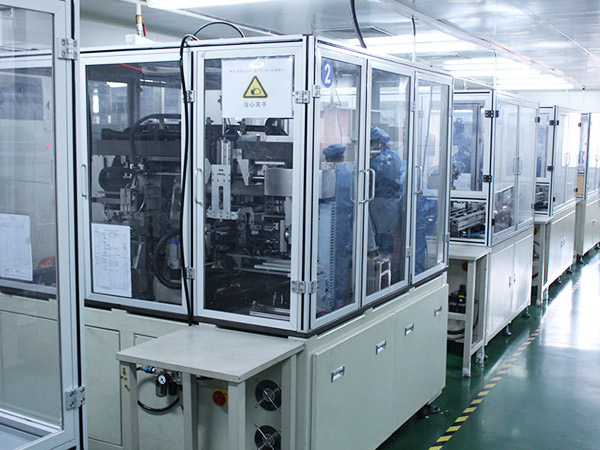
Precision mechanical robotic systems stack cells tightly with shockproof insulation buffers between layers.
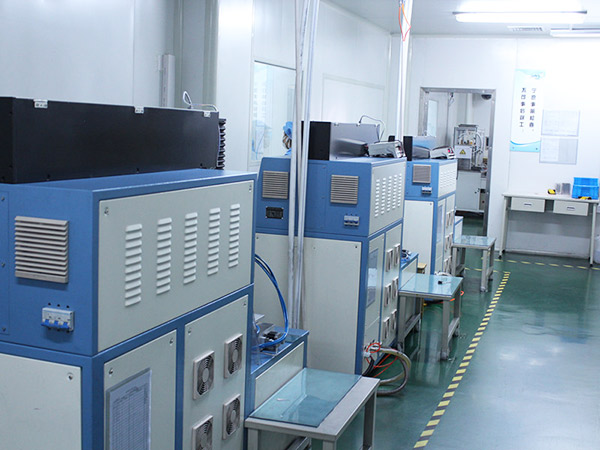
Fiber lasers fuse busbars to cell terminals, creating extremely low resistance connections to handle high peak currents.
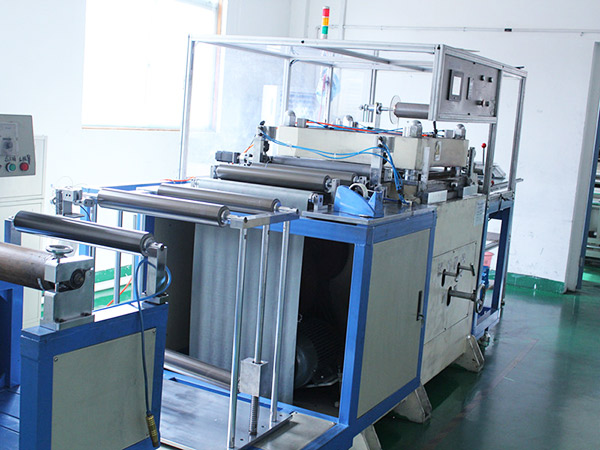
Precision cuts and robust seals protect terminals against moisture penetration and physical shock.
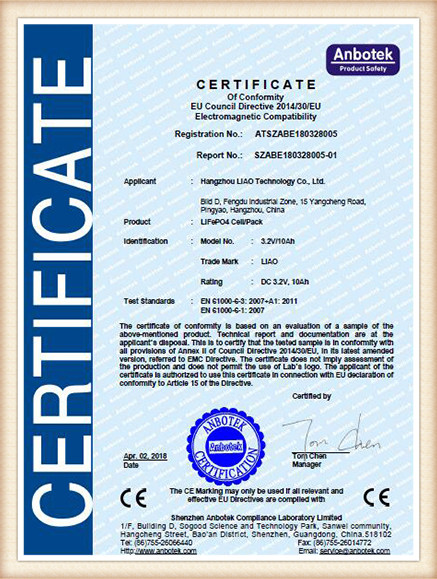
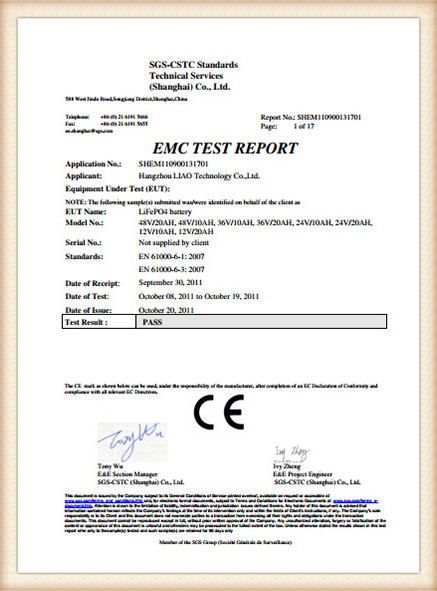
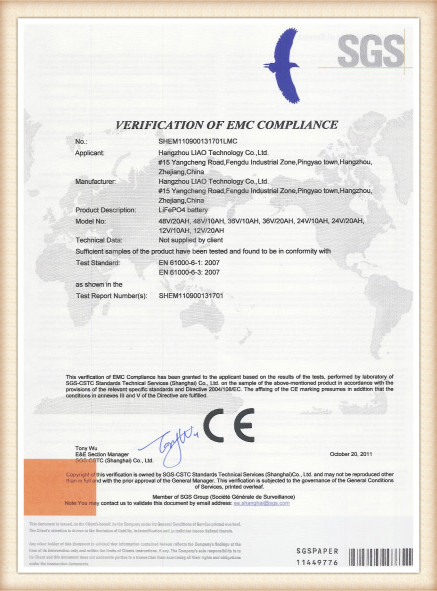
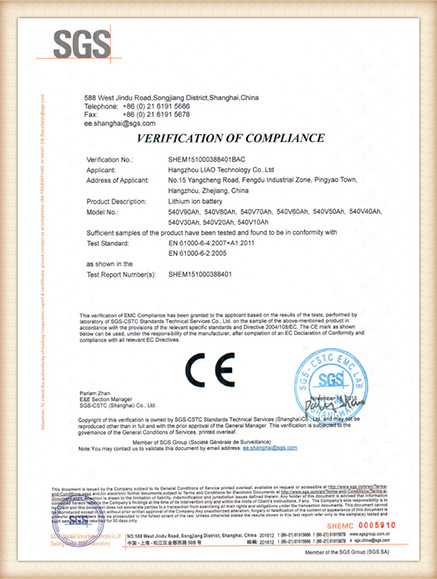
Meeting all European Union requirements for importing, transporting, and deploying industrial lithium storage systems.
Our production protocols conform perfectly to international environmental protection and safety standards.
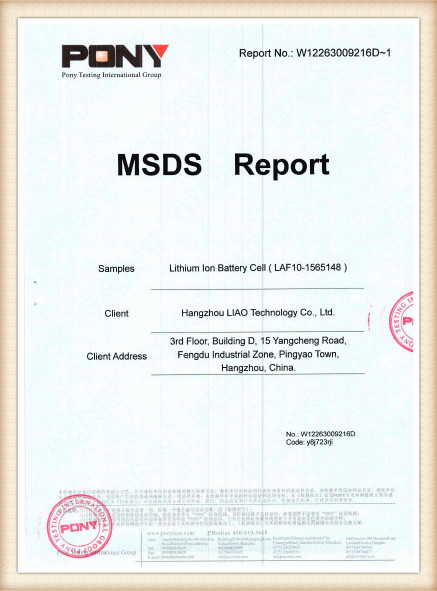
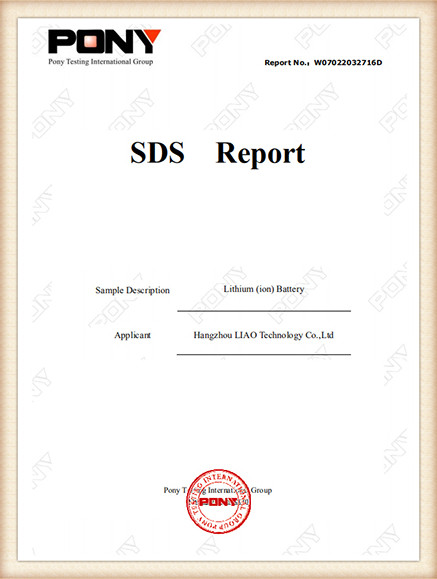
Assuring non-toxic composition and electrical safety alignment for smooth integration in European markets.
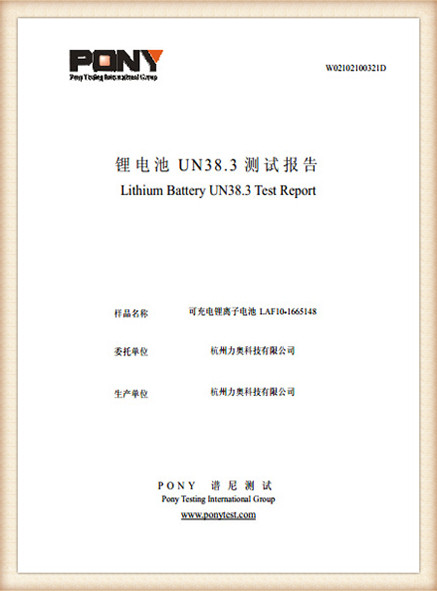
Certifying safe handling during air, rail, and sea transport to Poland under strict logistics constraints.

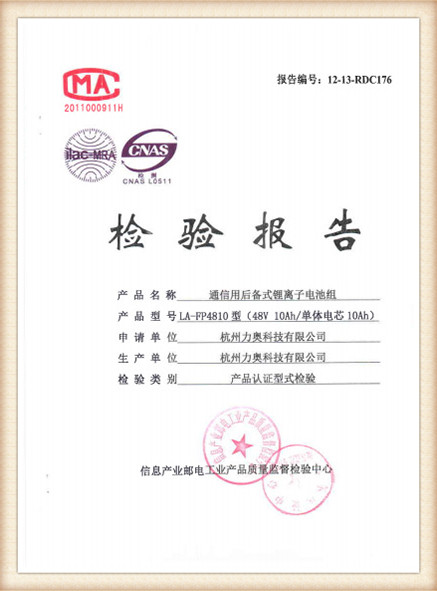
Prismatic cells, telecom backup, caravan solutions, and high-capacity portable power stations.
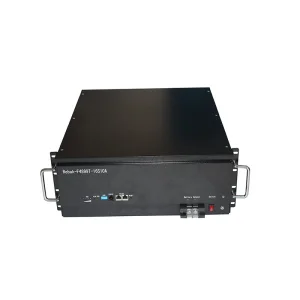
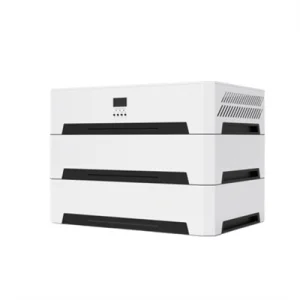
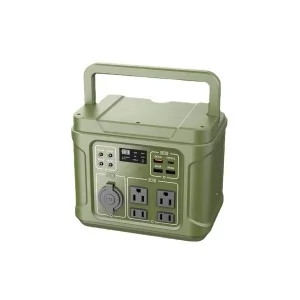
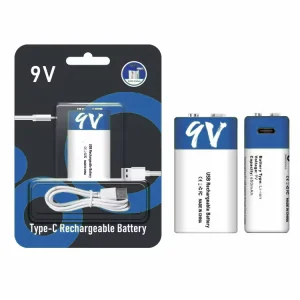
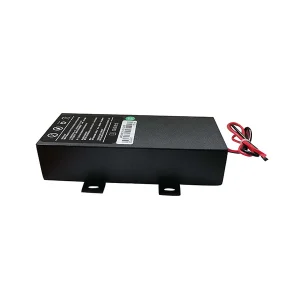
High efficiency conversion systems, portable backup solutions, and replacement battery formats.
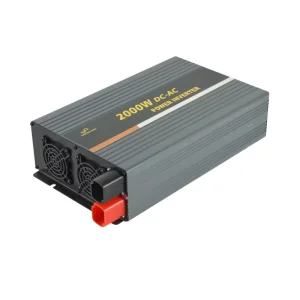
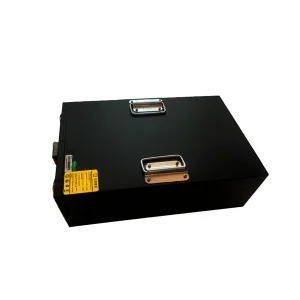
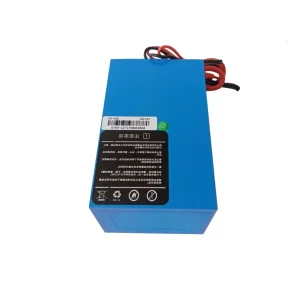
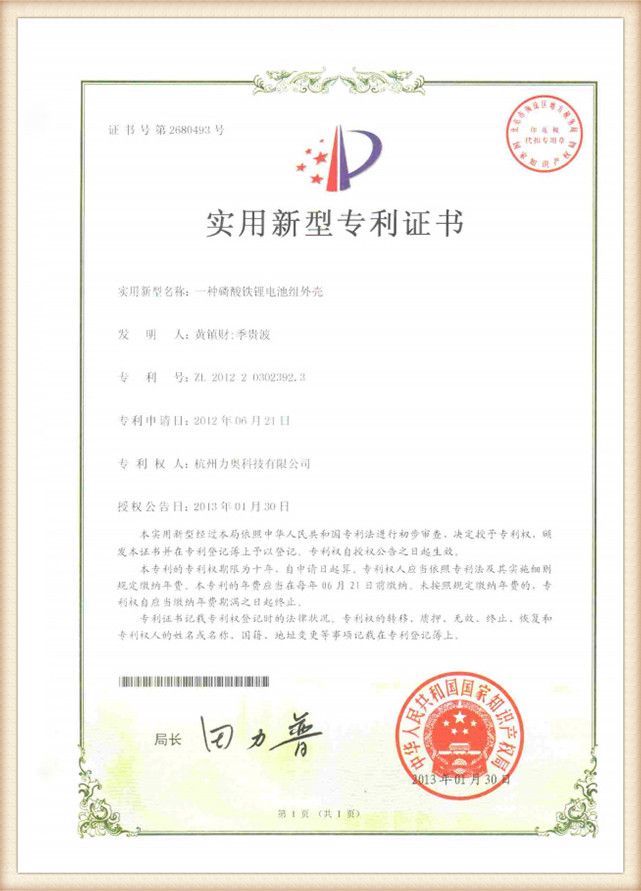
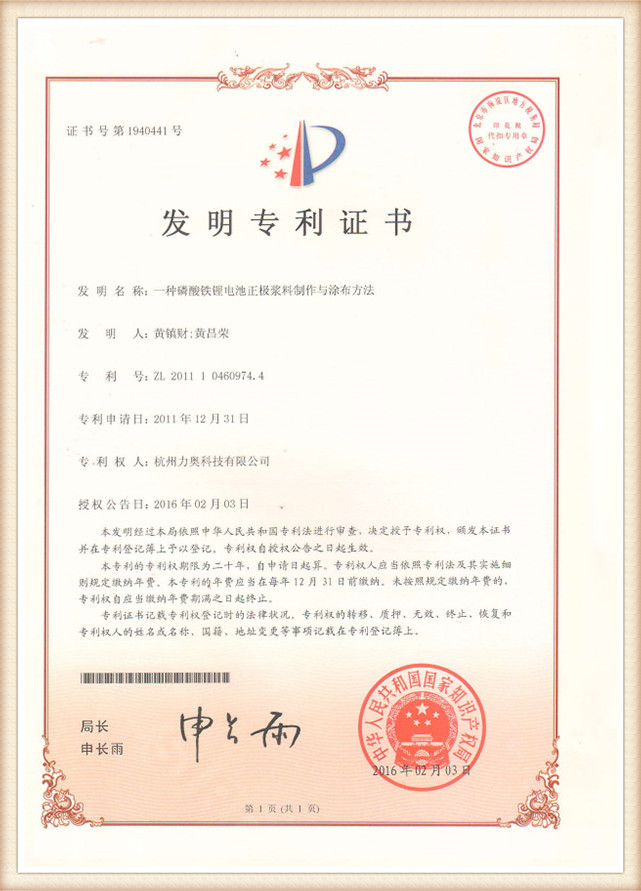
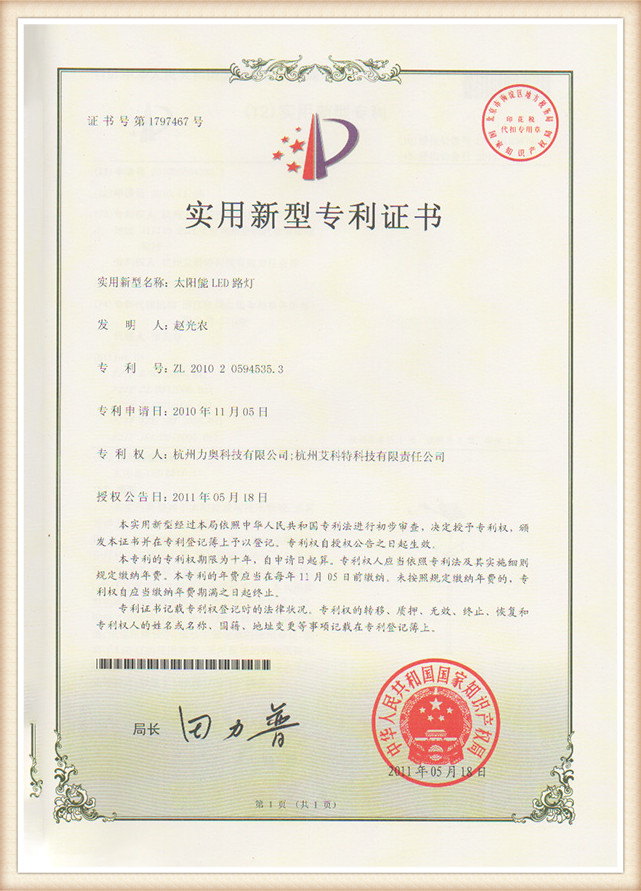
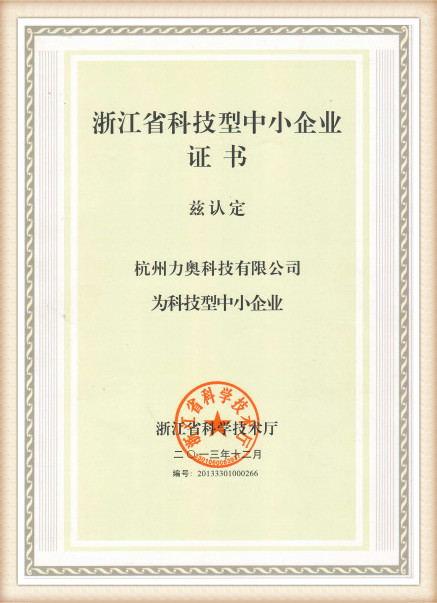
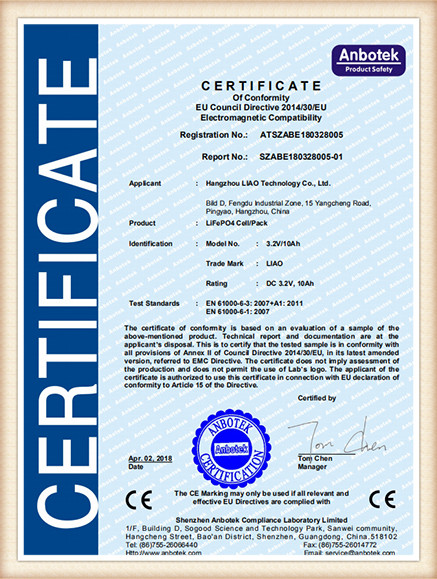
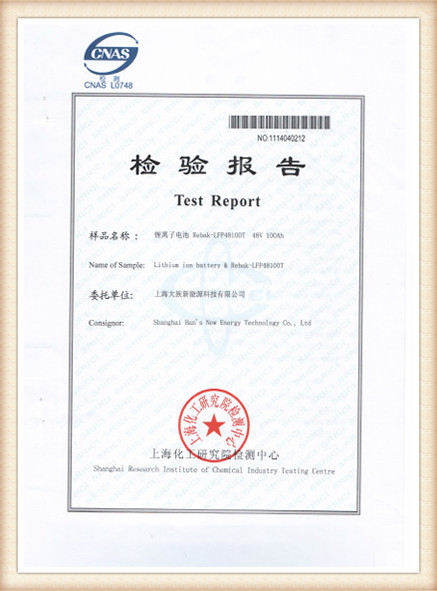
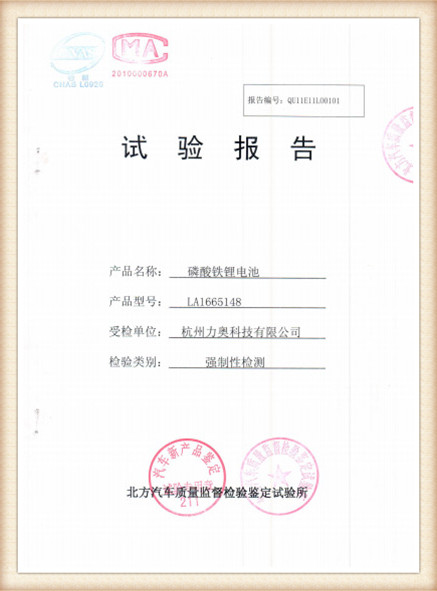
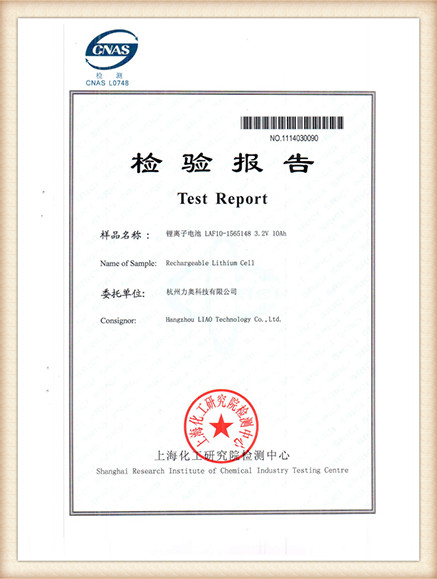
Verified documentation proving safety performance and international standards compliance.
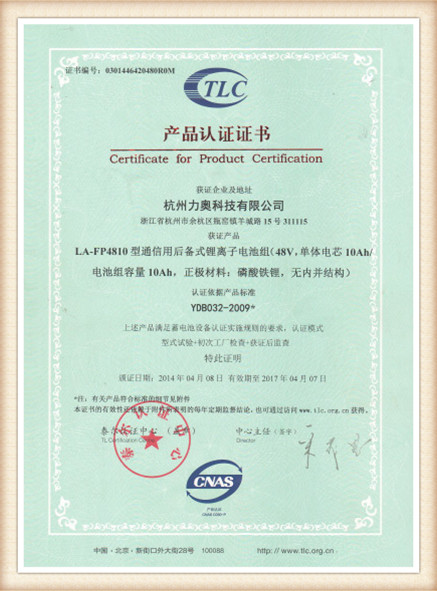
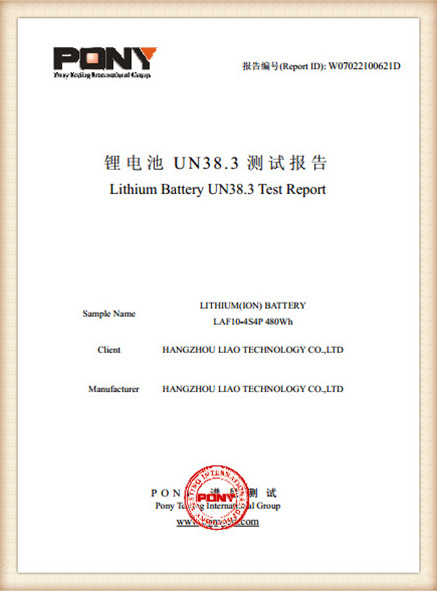
Answers to technical and logistical questions commonly asked by Polish commercial and industrial partners.
LiFePO4 offers a much longer lifecycle (2800+ cycles compared to 300-500 cycles for lead-acid), reducing lifetime maintenance costs. They are also lighter, charge faster, and are highly stable under harsh winter conditions down to -20°C, matching the demands of Polish commercial fleets.
We formulate the battery electrolyte with specialized low-viscosity organic additives, which prevents crystallisation and maintains high ion mobility at cold temperatures. Combined with dynamic heating configurations managed by our Smart BMS, our battery packs can discharge reliably down to -40°C.
Yes, all LIAO LiFePO4 battery solutions imported into Europe carry formal CE certifications and meet all RoHS hazardous substance limits. In addition, our systems are certified under UN38.3, assuring absolute transport safety across borders.
Typical lead times for standard configurations range from 25 to 35 days. For complex custom designs requiring new enclosure tooling or specific communication protocols (CANbus, RS485), structural validation and production takes between 45 to 60 days depending on component scale.
 Liao Battery