Explore our foundational range of customized lithium-ion and LiFePO4 packs designed to meet global industrial standards.
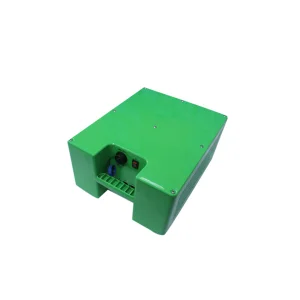
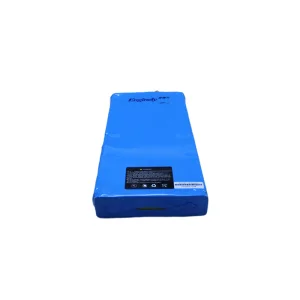
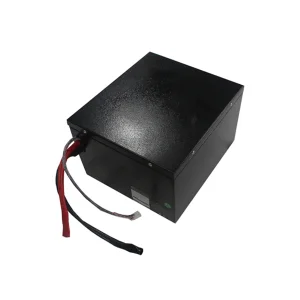
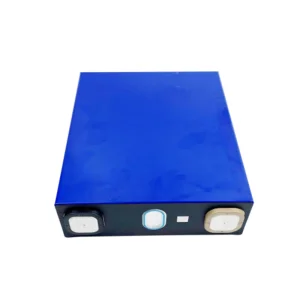
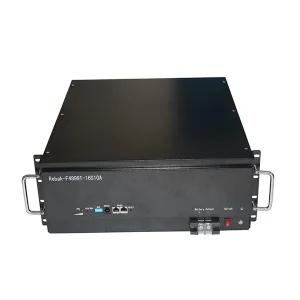
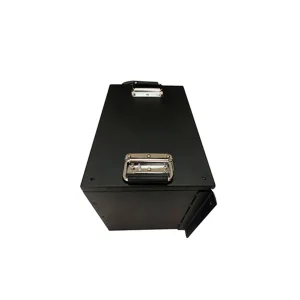
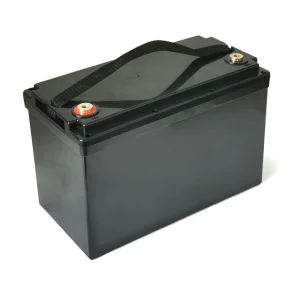
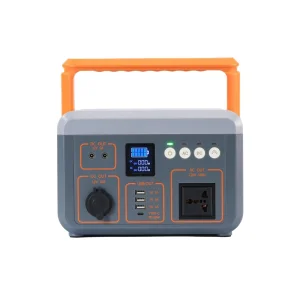
As industries worldwide speed up decarbonization, system-level efficiency is becoming critical. Standard low-voltage setups (like 24V or 48V) are meeting technical limits under high loads. The transition to 72 Volt Lithium Battery Systems is a major technical advance, lowering continuous current requirements, shrinking wire sizes, and cutting down thermal losses ($I^2R$).
This 72V architecture is key for heavy duty material handling, AGVs, high-speed utility cars, and quiet electric boats. By raising nominal voltage, manufacturers gain higher peak torque, longer runtimes, and safer operation. This helps businesses boost efficiency and lower total cost of ownership (TCO) across global supply chains.
Moving to 72V reduces thermal generation by drawing less current for the same power output, protecting components in heavy industrial environments.
Our smart BMS monitors cell voltage, temperature, and SOC, and connects easily with automated systems and AGV telemetry.
Established in 2009, Hangzhou LIAO Technology Co., Ltd. is a leading manufacturer specializing in high-performance LiFePO4 batteries. With 15+ years of R&D experience, we design custom power solutions for clients in more than 20 countries.
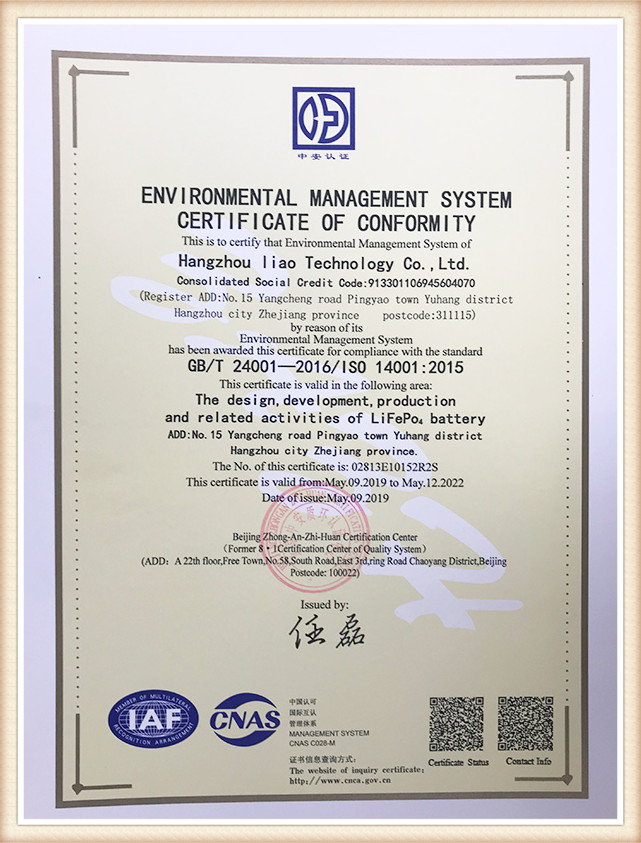
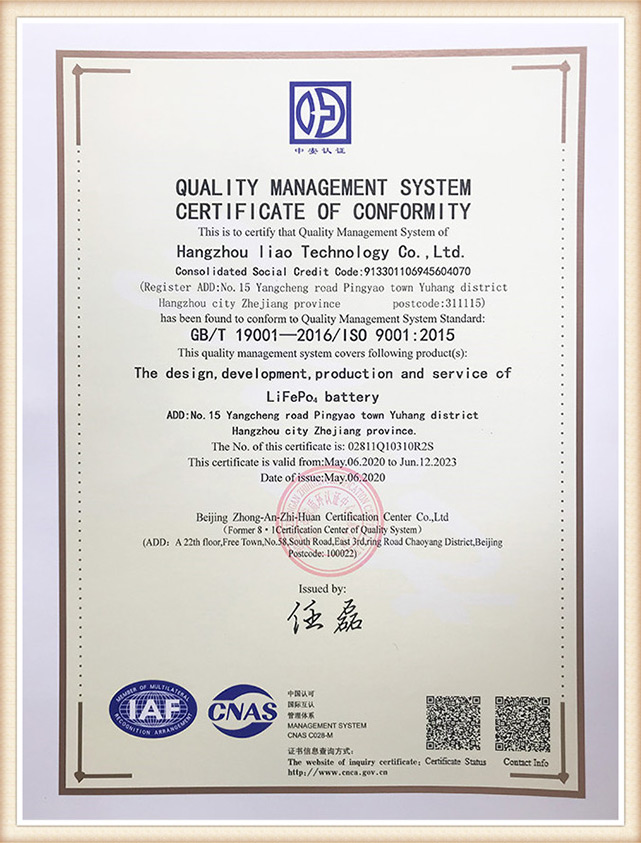
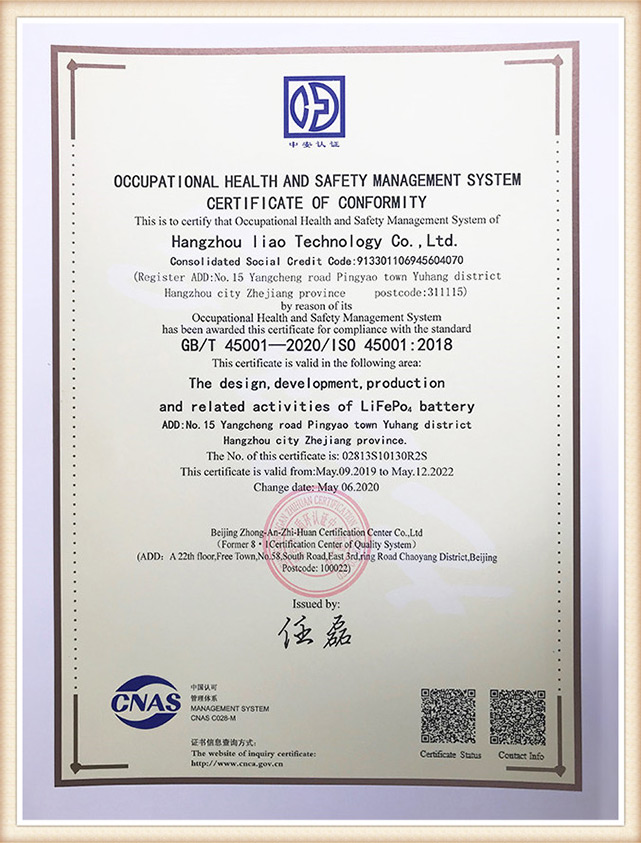
Our manufacturing processes follow international standards, keeping certifications like ISO 9001 for quality control, ISO 14001 for environmental care, and ISO 18001 for occupational health and safety.
LIAO's research and development focuses on battery safety, lifecycle durability, and thermal performance. This dedication has earned our products a solid reputation across markets in Germany, the USA, the UK, South Korea, Japan, and beyond.
Quality control is central to everything we do. From inspecting raw materials to the final capacity grading of battery packs, our QC team monitors every stage of production.
We use advanced testing machinery to guarantee the longevity of our LiFePO4 chemistry. Our cells pass puncture and impact tests without burning or exploding, proving their reliability for demanding industrial applications.
We build our lithium iron phosphate batteries for safety, durability, and reliable performance in tough conditions.
LIAO cells utilize stable LiFePO4 crystalline chemistry. They do not ignite or explode during nail penetration tests, keeping operations safe.
Our batteries discharge reliably across a wide temperature range, from -40°C to +85°C, making them suitable for sub-zero storage and high-heat environments.
Individual cells deliver over 2,800 charge cycles at 1C and 100% Depth of Discharge (DOD), maintaining high capacity over years of use.
Our performance-engineered systems have won recognition in Europe, and our LAXpower-1230 pack has been awarded testing championships for efficiency.
We tailor our structural designs and BMS features to meet the specific requirements of various industries.
Our LiFePO4 batteries are designed to help golf and utility carts climb steep, uneven terrains easily.
Compared to heavy lead-acid batteries, our lightweight LiFePO4 packs reduce vehicle weight. This prevents lawn compaction and increases energy efficiency, leading to more rounds per charge.

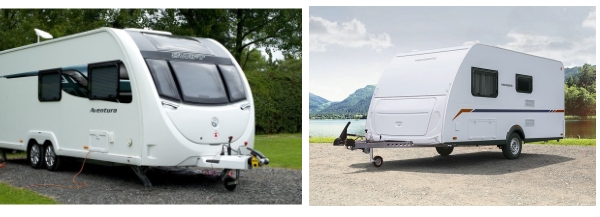
Our batteries help caravan movers run quietly and without local emissions.
With excellent power delivery and deep discharge options, caravan users can park and maneuver heavy setups reliably in tight spots, saving time and labor.
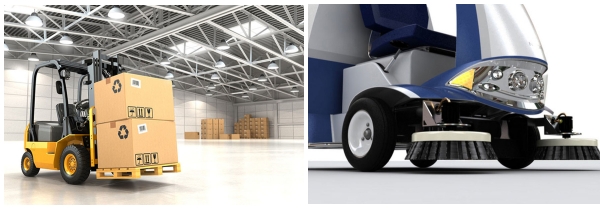
We optimize these batteries for short-distance material transport.
LIAO LiFePO4 packs give forklifts, pallet jacks, and automated guided vehicles (AGVs) the power to lift and carry heavy loads consistently. Our fast opportunity charging support minimizes vehicle downtime during warehouse shifts.
Electric marine transport protects waterways and natural ecosystems.
Our marine lithium-ion batteries run cleanly and quietly. Housed in water-resistant casing and managed by a marine-tuned BMS, they supply steady power for sightseeing boats and electric ships.

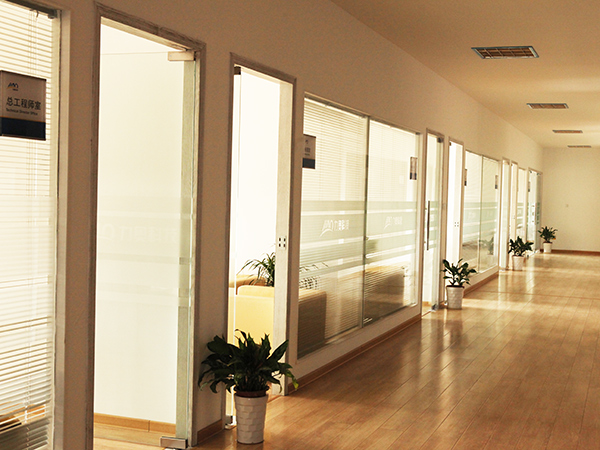
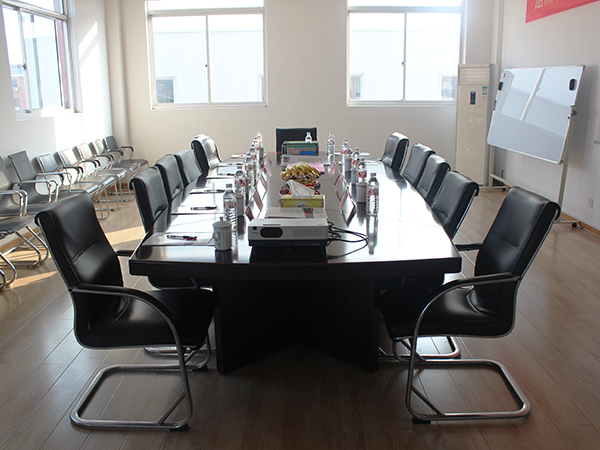
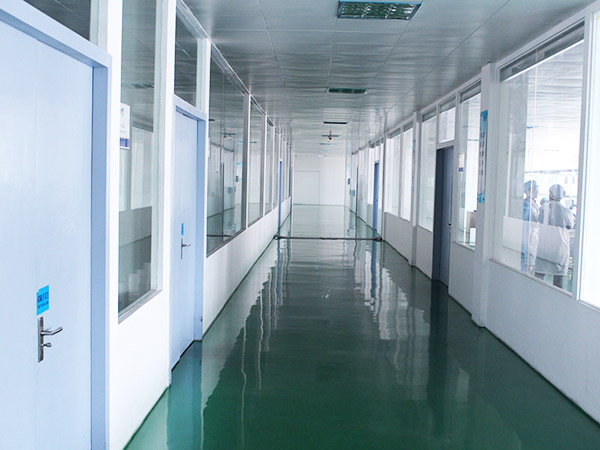
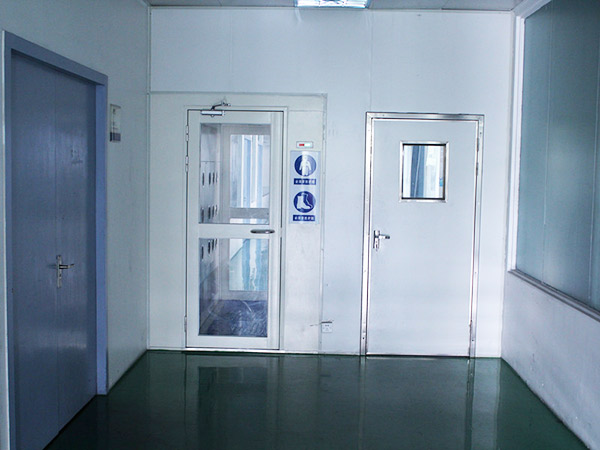
Take a virtual look inside our factory to see the advanced production lines and quality check stations that back LIAO products.
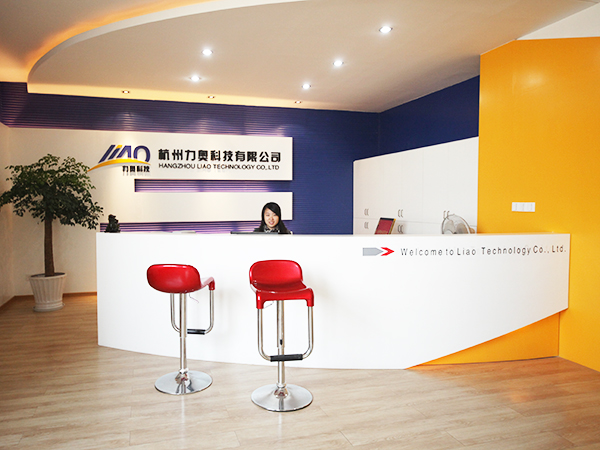
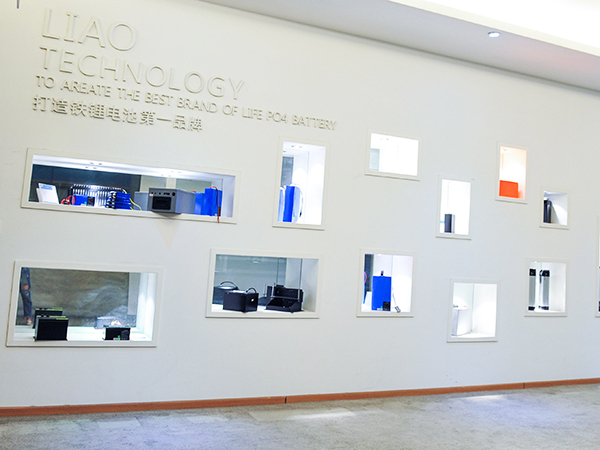
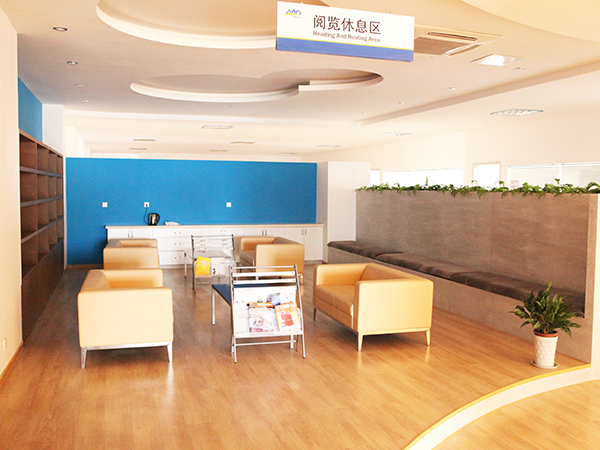
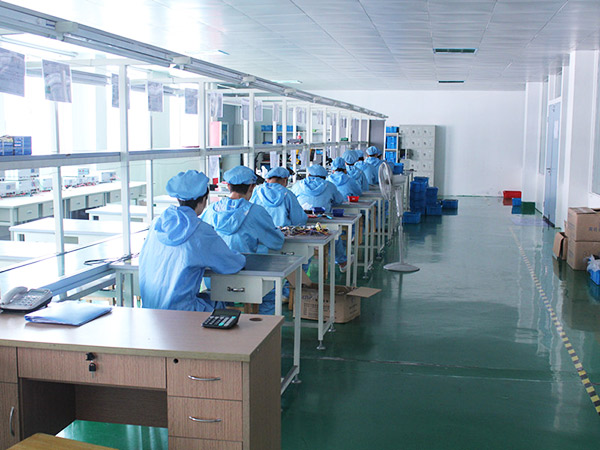
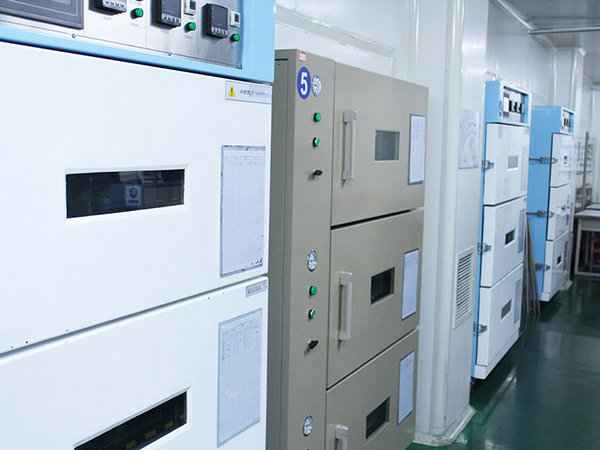
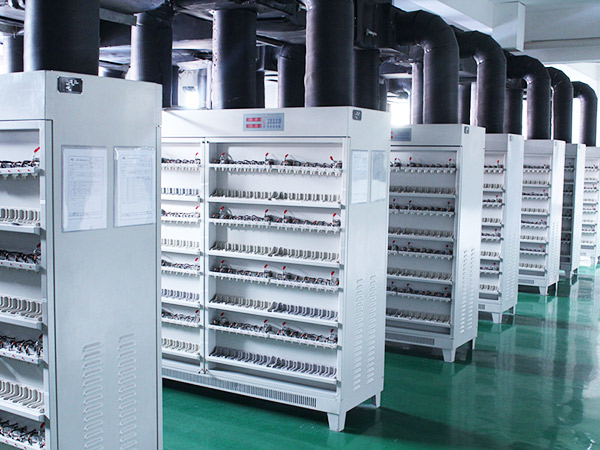
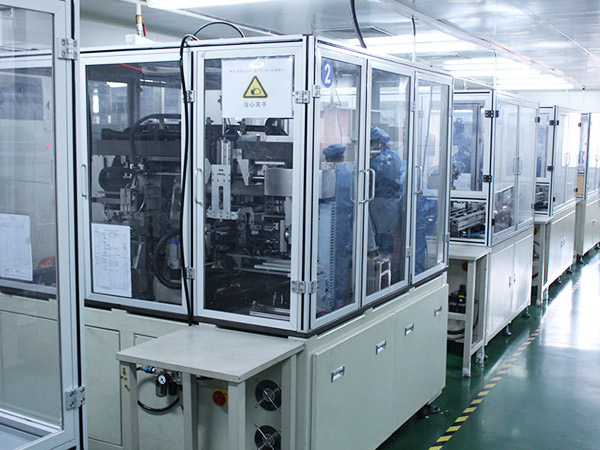
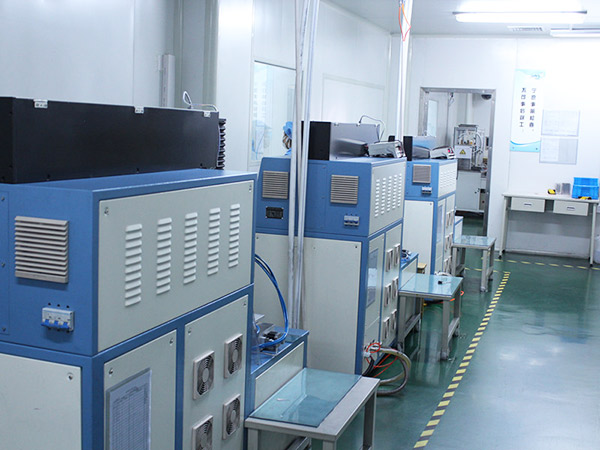
LIAO Technology batteries comply with international transport, safety, and chemical standards.
We focus on innovation. Our research and development projects have earned patents in cell layout, casing designs, and heat-dissipating battery pack structures.
These technologies make our customized packs safer and more vibration-resistant, which is essential for heavy machinery and off-road utility vehicles.
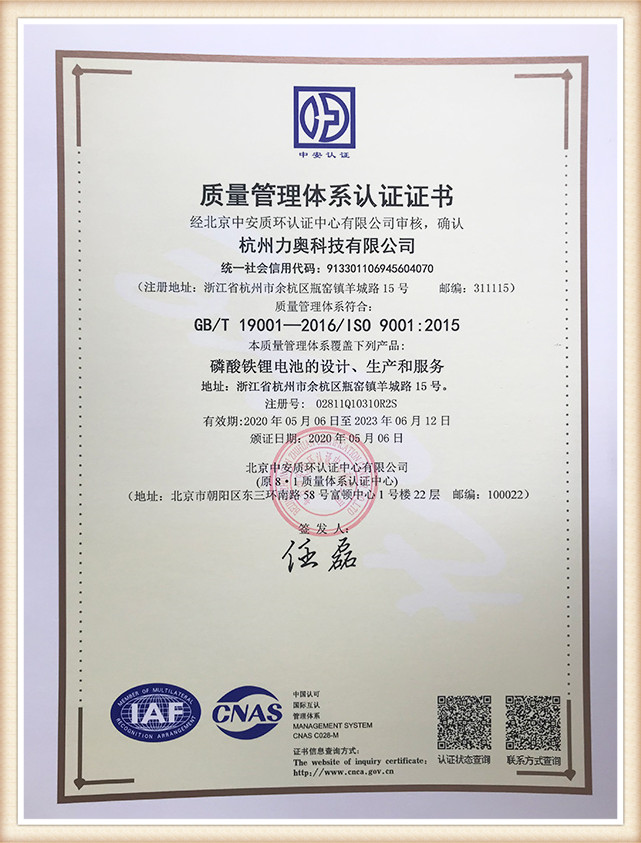
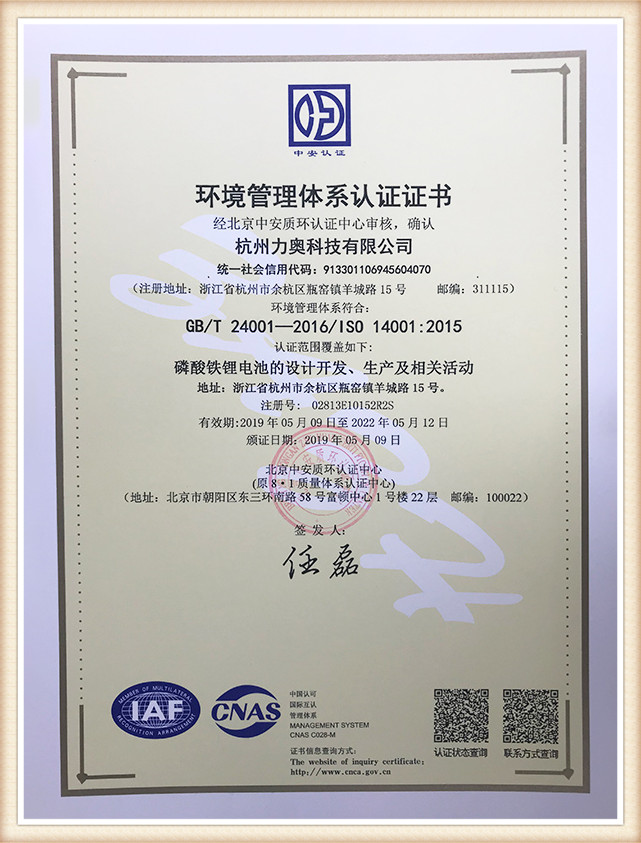
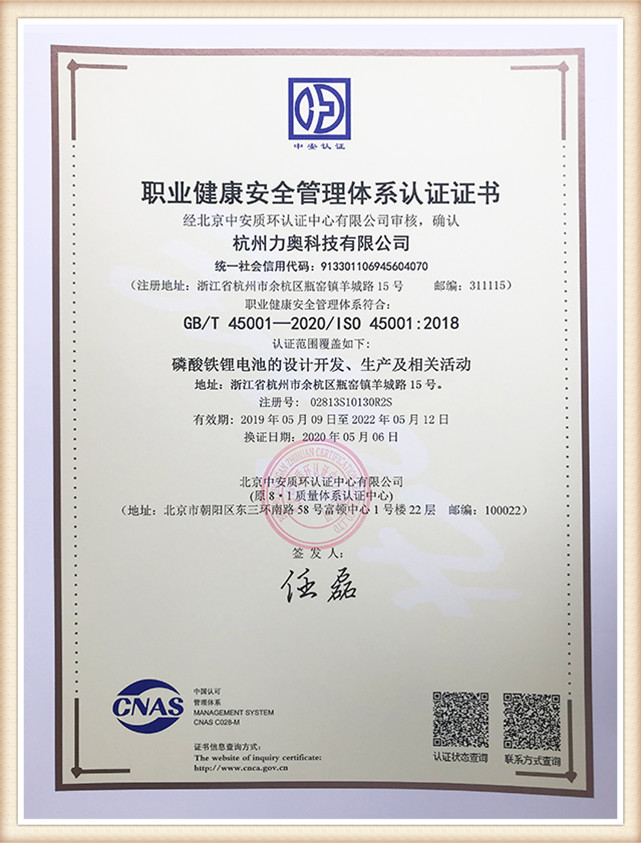
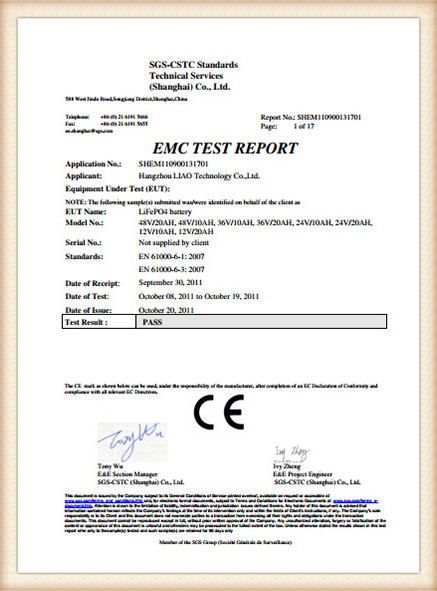
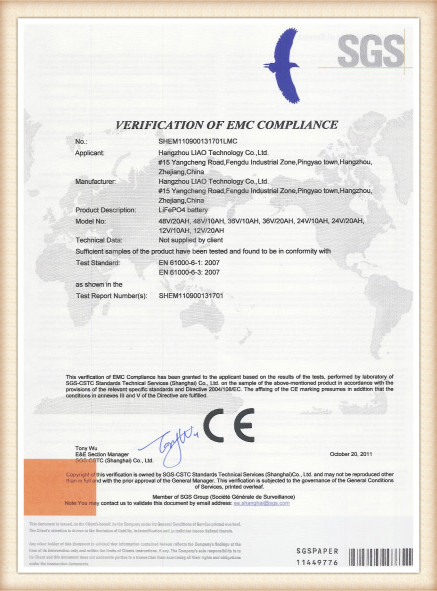
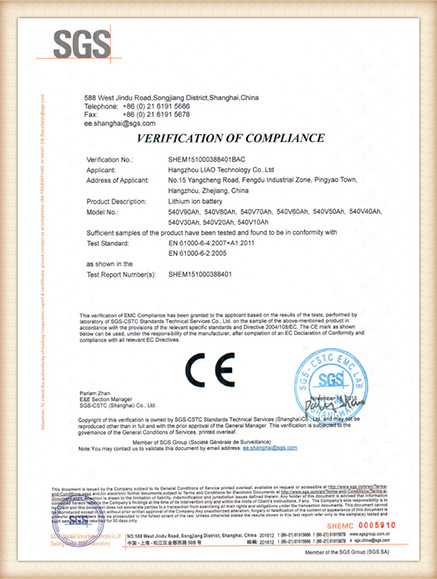
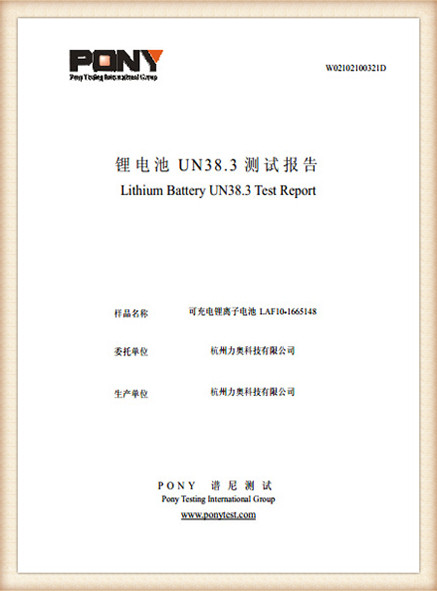
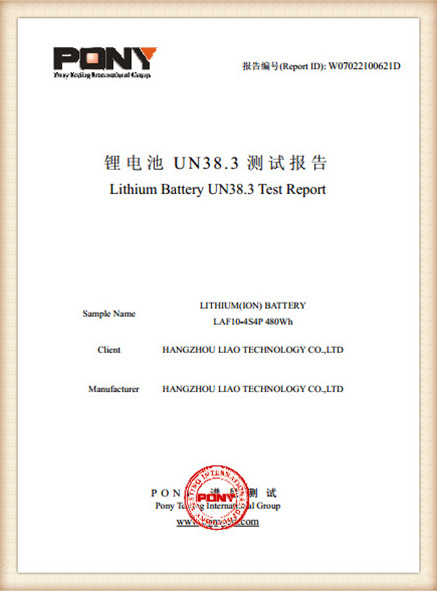
Our batteries are certified under CE, UN38.3, and standard safety testing systems. This makes international transport smooth and ensures the batteries are safe to import and distribute worldwide.
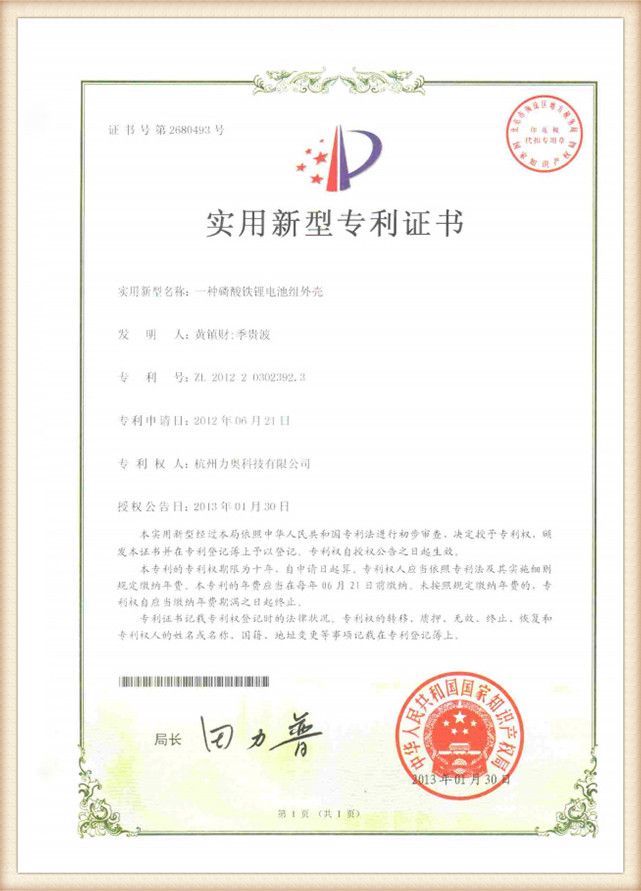
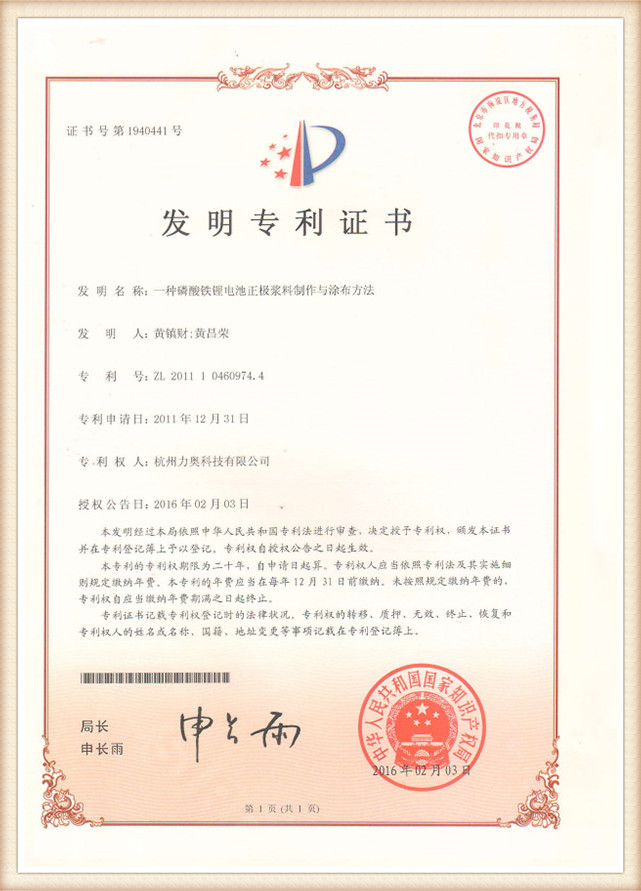
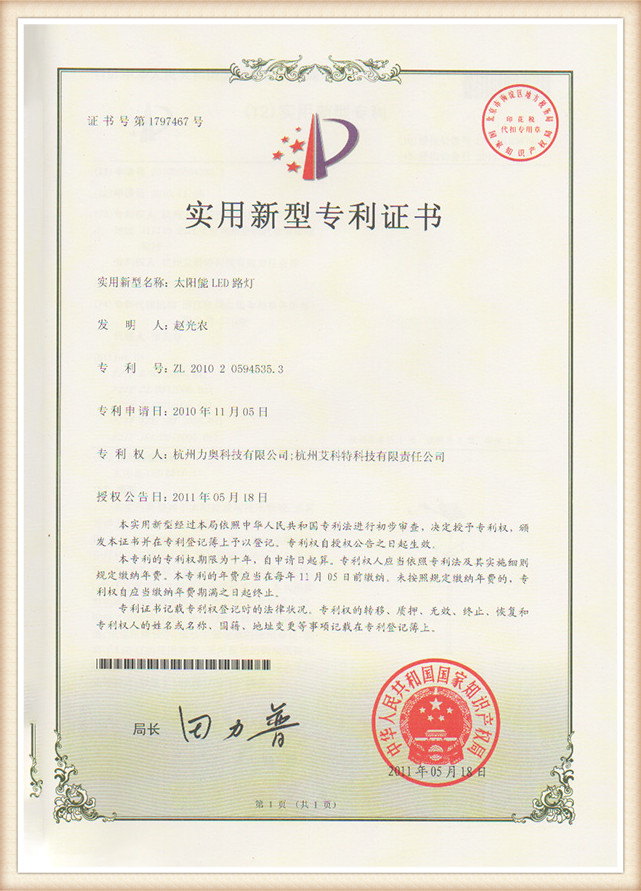
Our batteries are regularly tested and certified in high-standard laboratories in both Europe and Asia.
This ensures that our design specifications align with international expectations for longevity, charge retention, and efficiency.
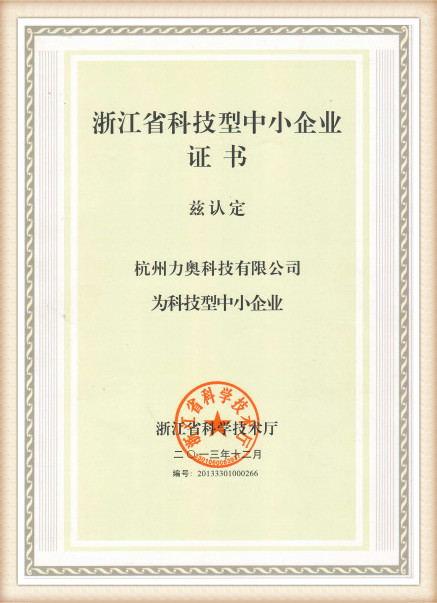

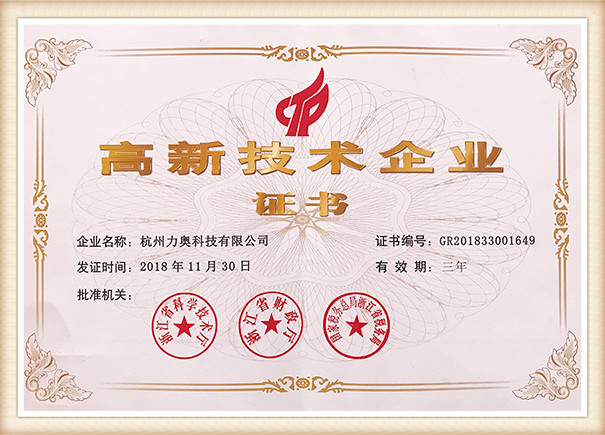
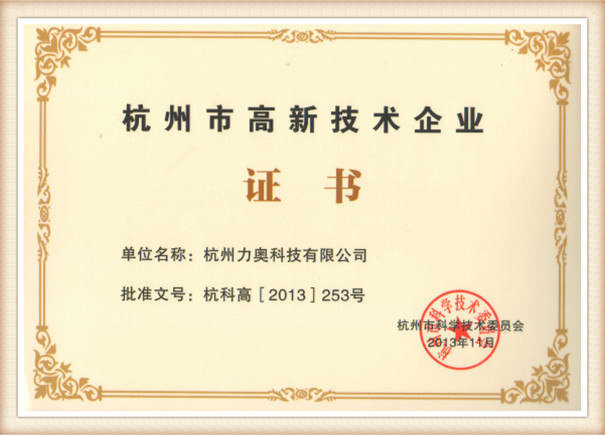
We supply complete documentation for our batteries, including safety data sheets (MSDS), UN38.3 transport reports, and custom certificates for OEM applications.
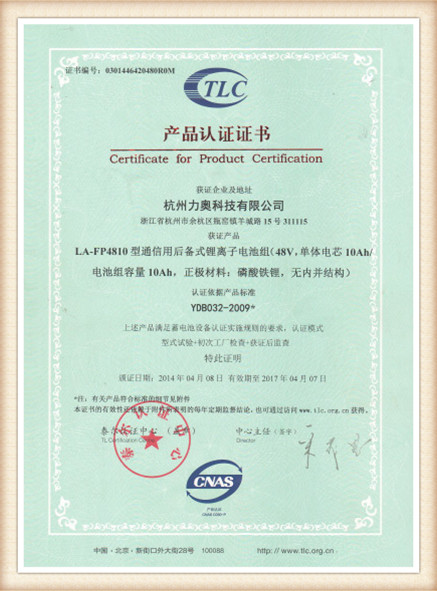
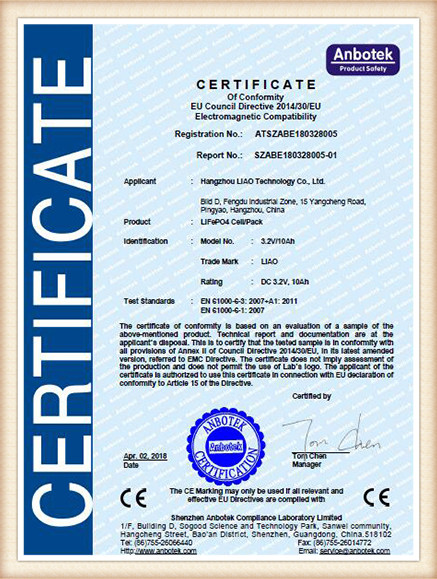
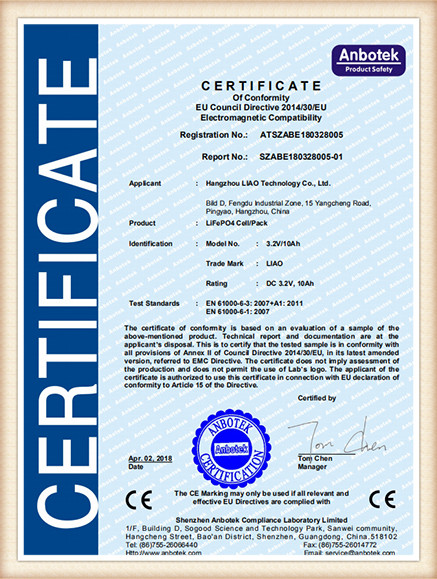
We continue to run safety updates and submit our cell casings and components to updated testing protocols, ensuring compliance with evolving battery safety rules globally.
Our batteries carry clear shipping classifications and labels. This ensures they meet shipping guidelines for Class 9 hazardous materials, making transport via sea or air freight efficient.
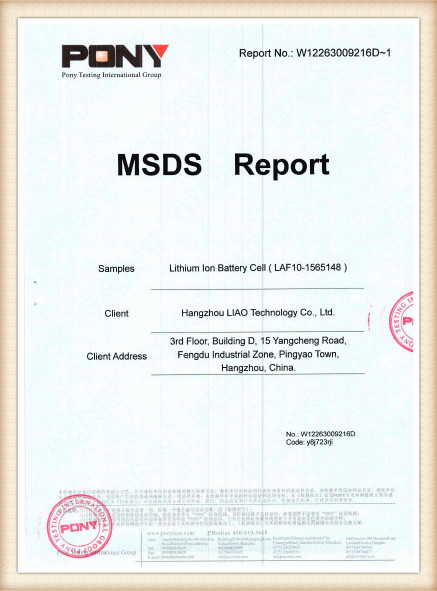
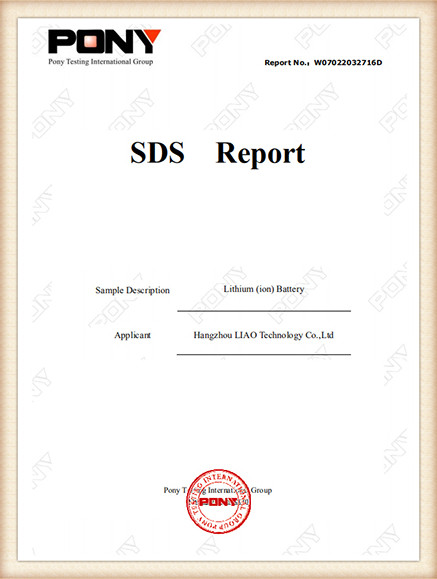
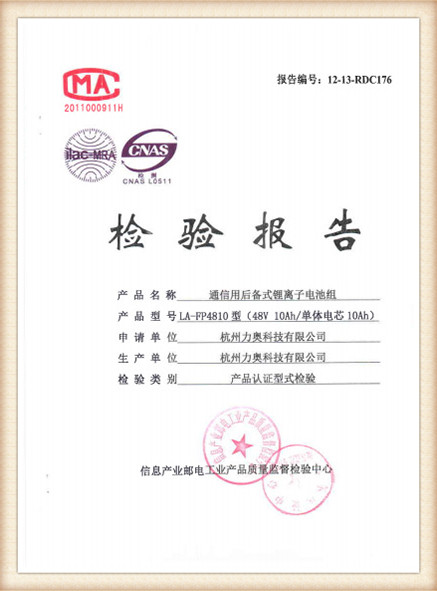
Our internal testing laboratory simulates long-term cycle aging and thermal stress. This ensures that every battery shipped to clients meets our specifications.
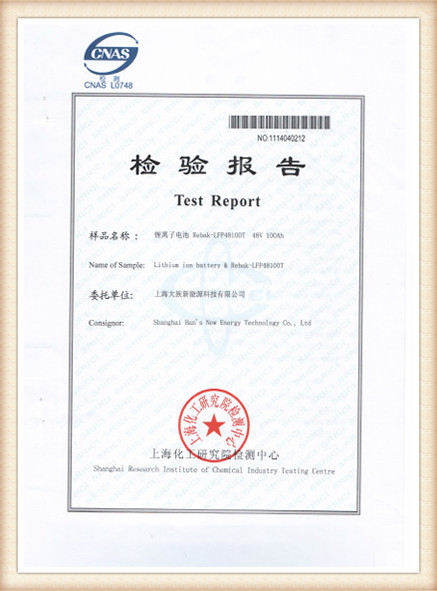
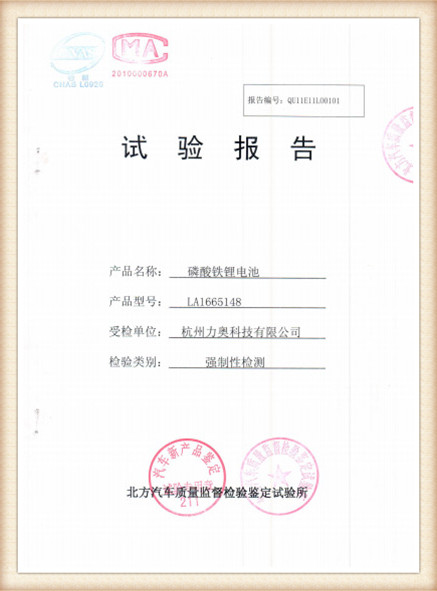
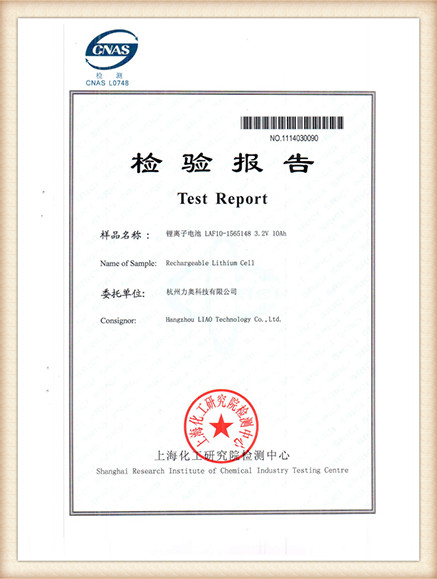
LIAO maintains a clear trace for every batch of battery cells. This transparency allows us to quickly identify, trace, and troubleshoot any potential performance anomalies.
As technology moves forward, LIAO is updating its high-power LiFePO4 chemistry and packaging methods. Our R&D team is working to improve energy density, integration, and safety for demanding industrial operations.
We are studying silicon-carbon anodes to improve capacity. This research aims to boost cell-level energy density by up to 20% while maintaining the safety benefits of LFP chemistry.
Our upcoming BMS models will integrate with cloud analytics. They will upload cell health, temperature profiles, and discharge data to help operators plan preventive maintenance before issues occur.
We are working on Cell-to-Pack designs that eliminate standard module structures. This saves interior volume and reduces weight, which helps vehicles run longer on a single charge.
LIAO is collaborating with regional recyclers to establish standard recycling processes for end-of-life LiFePO4 cells, helping recover key materials like lithium and iron responsibly.
Common questions about 72V lithium battery architectures, safety, and customization options.
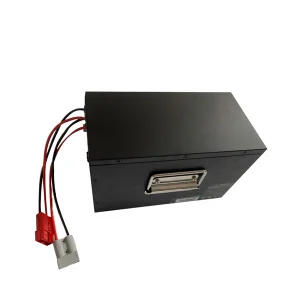
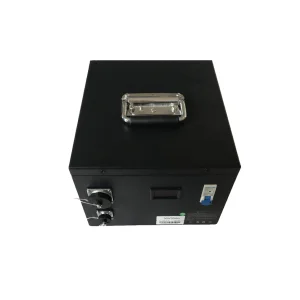
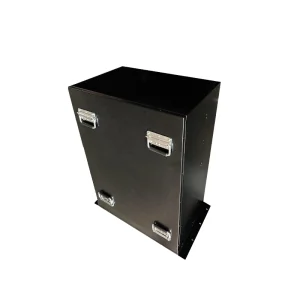
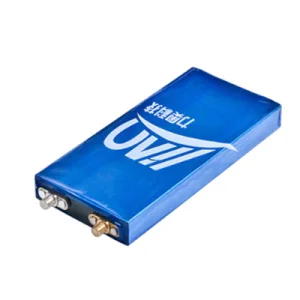
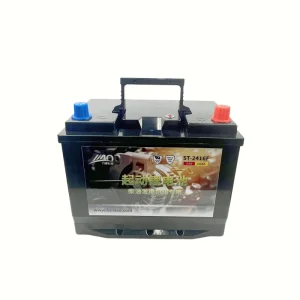
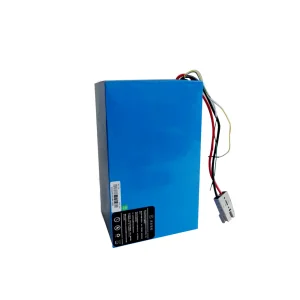
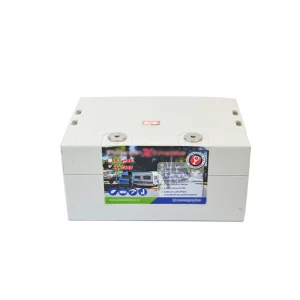
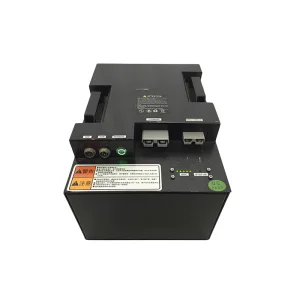
Review additional customized battery assemblies engineered to support varying operational needs globally.
 Liao Battery