Engineered for long life, structural robustness, and thermal stability in modern commercial and utility infrastructures.
Navigating compliance, thermal safety requirements, and electromagnetic compatibility for European markets.
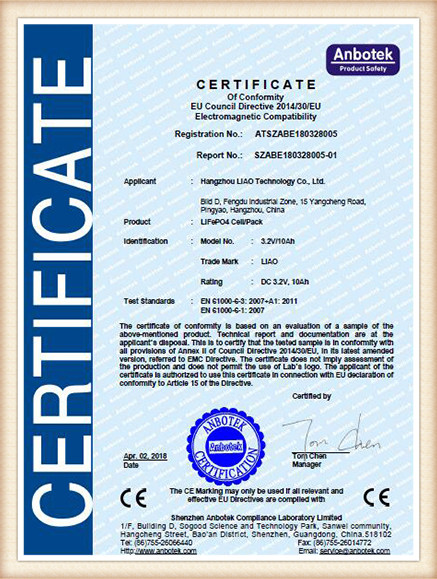
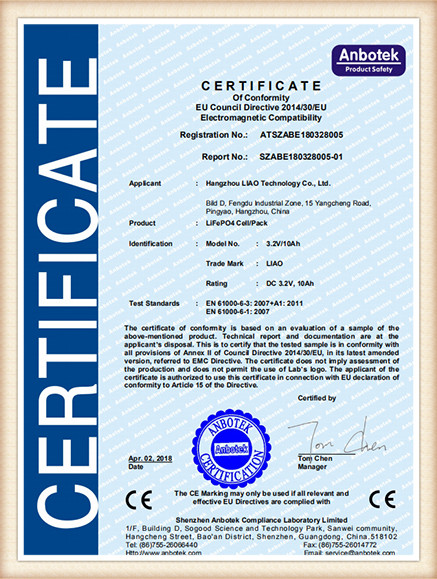
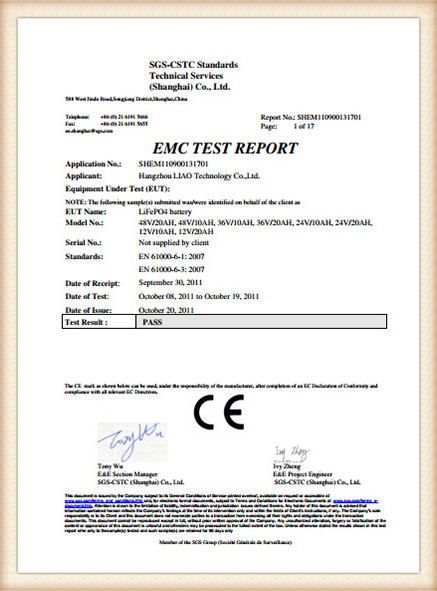
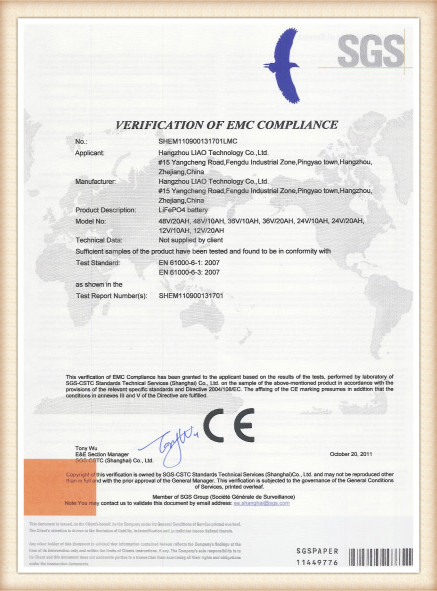
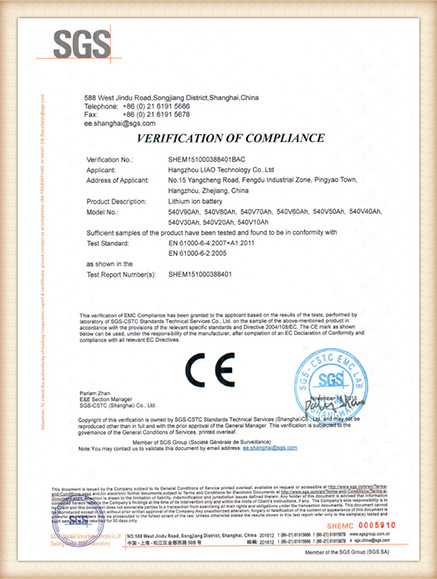
For industrial operators, engineers, and supply chain directors, integrating lithium-ion energy storage systems (ESS) requires deep regulatory adherence to mitigate hazard risks. In the European Economic Area, the **CE (Conformité Européenne) marking** is not a simple marketing label; it is a legally mandated conformity declaration. For lithium iron phosphate ($LiFePO_4$) and general lithium-ion storage batteries, a CE marking guarantees that the product complies with core safety and environmental directives.
CE certification for lithium storage systems is divided into several directives, each addressing distinct physical and electrical characteristics of the battery pack and its associated battery management system (BMS):
| Regulatory Standard | Focus Area | Key Testing Metrics | Mandatory in EU |
|---|---|---|---|
| EN 62619 | Industrial Cell & Pack Safety | Thermal abuse, short-circuit, impact, drop, overcharge | Yes (De-facto Requirement) |
| LVD 2014/35/EU | Electrical Insulation & Creepage | Withstand voltage, high voltage breakdown limits | Yes (For >75V DC packs) |
| EMC 2014/30/EU | BMS Radiated/Conducted Emissions | Electrostatic discharge (ESD), surge immunity | Yes (For active BMS packs) |
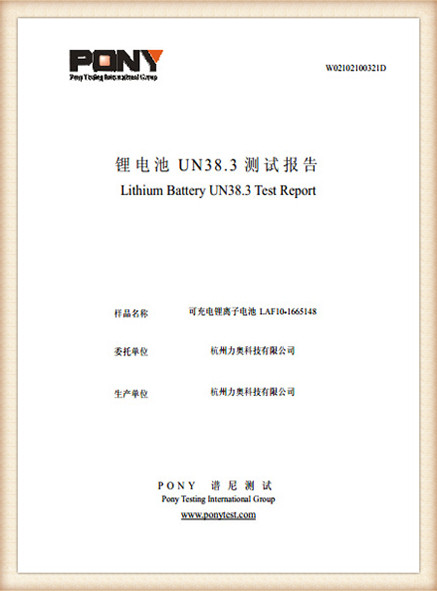
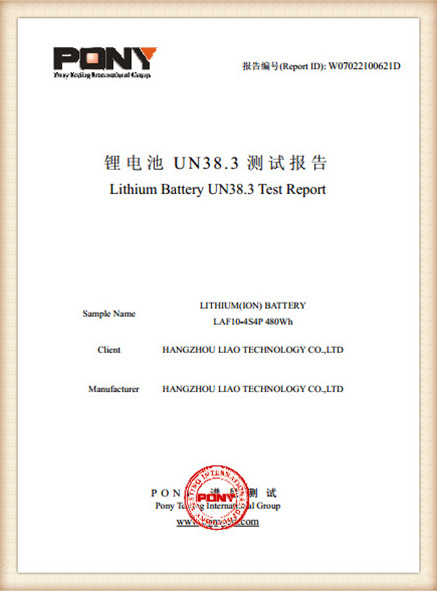
| UN 38.3 | Global Transportation Safety | Altitude simulation, vibration, impact, thermal cycling | Yes (Required for shipping) |
Note for Design Engineers: True CE compliance requires both component-level (cell and BMS) and system-level verification. Using CE-marked prismatic cells within a custom chassis does not yield a CE-compliant final pack unless the complete assembly is tested under structural load, vibration, and thermal limits.
Excellence in lithium battery design and manufacturing since 2009.
Founded in 2009, Hangzhou LIAO Technology Co., Ltd. is a leading manufacturer specializing in Lithium Iron Phosphate ($LiFePO_4$) batteries. With over 15 years of industry experience, our custom and standard battery pack designs have been exported to more than 20 countries. We serve clients across Europe, the Americas, Asia-Pacific, and Africa, delivering cost-effective power solutions built for safety and high performance.
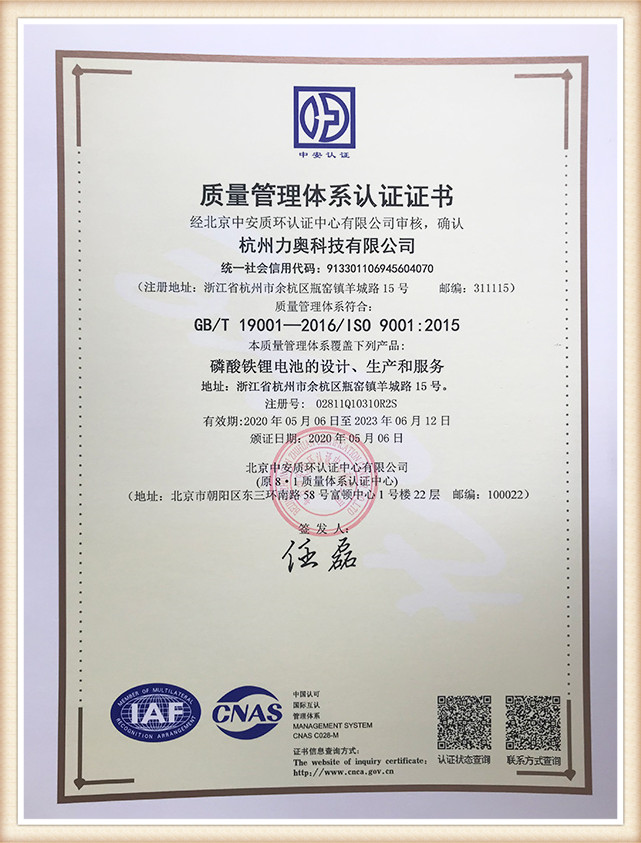
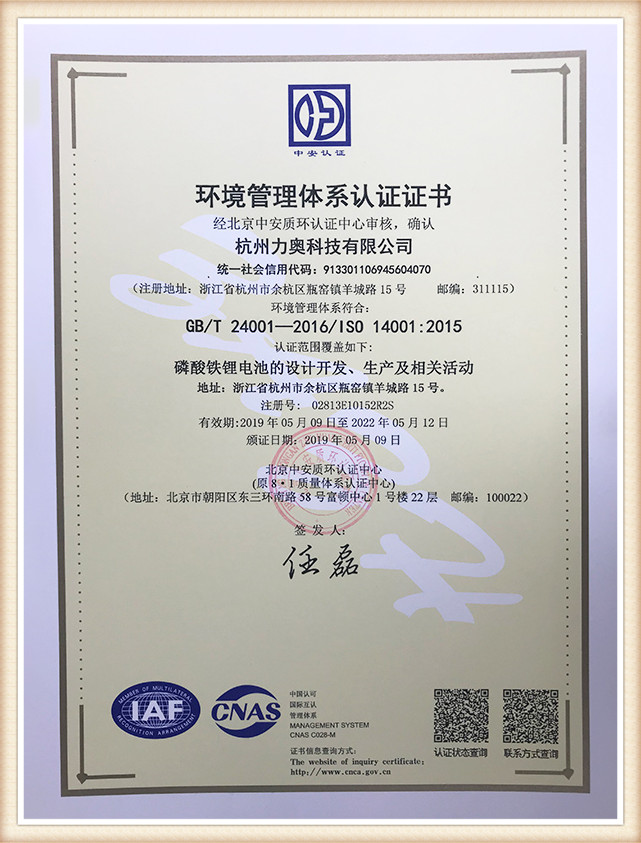
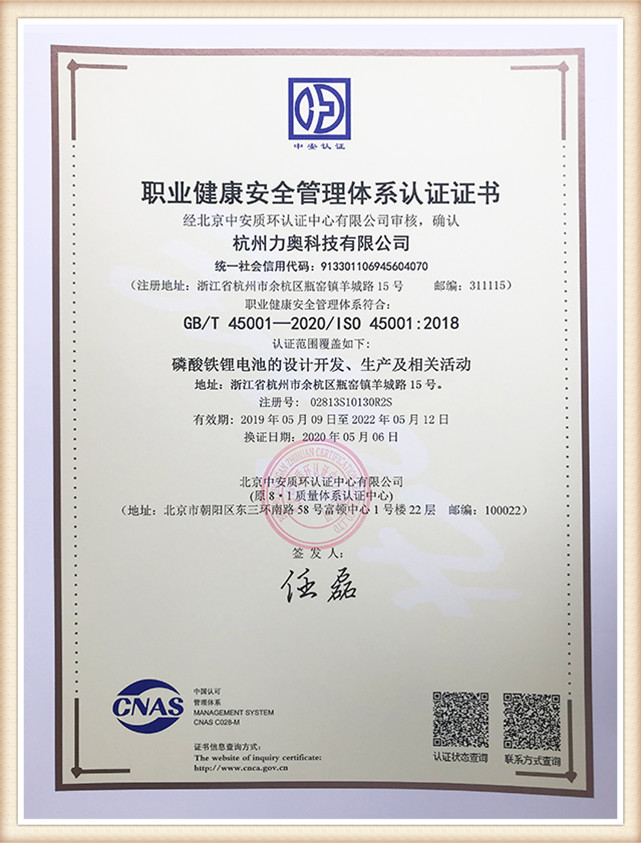
Our operations follow a strict quality control workflow. Every product is produced under the ISO 9001 quality management system. In addition, we maintain compliance with the ISO 14001 environmental management system and the ISO 18001 occupational health and safety management system, ensuring a clean, safe, and sustainable supply chain.
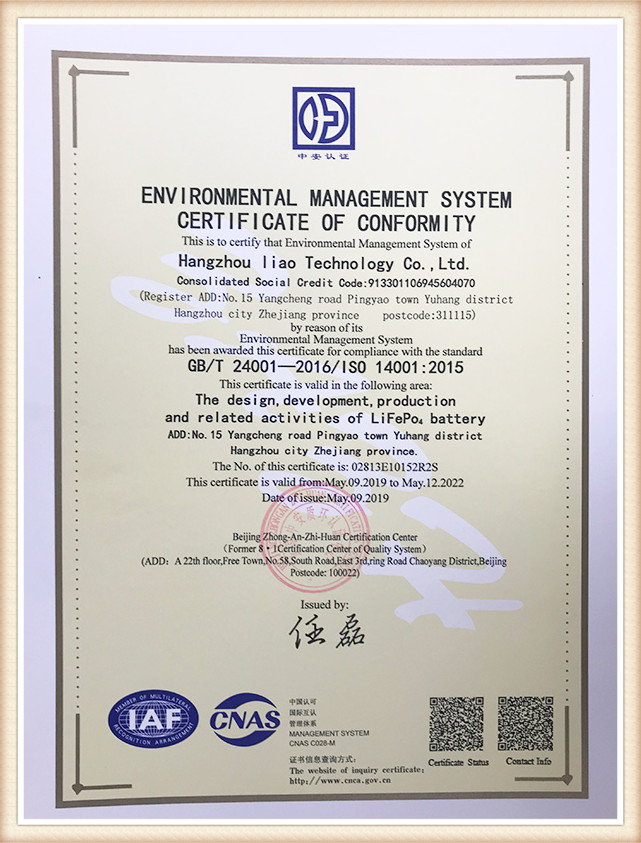
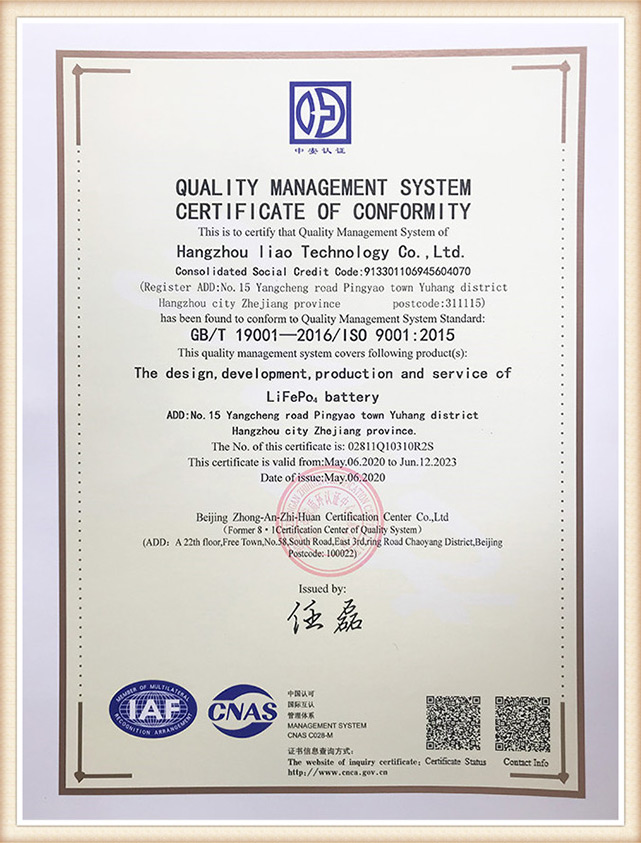
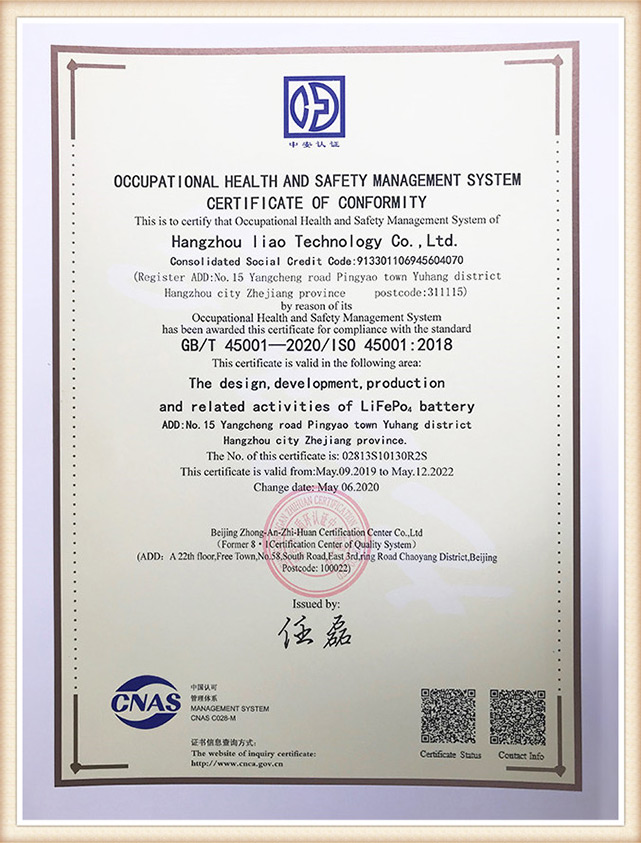
ISO 9001, ISO 14001, and ISO 18001 Registered Production Facility
Targeted energy solutions engineered for specific operating environments and duty cycles.
Designed to handle steep terrain gradients and continuous start-stop currents. Our LiFePO4 packs feature robust protection circuits to manage high peak discharge loads.

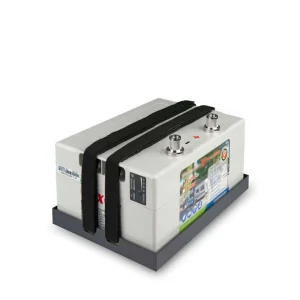
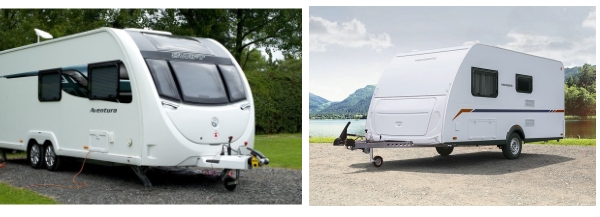
Compact, vibration-resistant energy packs designed to power heavy caravan movers. Zero emissions, zero sound pollution, and a lightweight footprint to maximize chassis payload capacity.
Optimized for forklift operations, automated guided vehicles (AGVs), and heavy materials handling. Promotes clean warehouse air by replacing acid-mist emitting lead-acid systems.
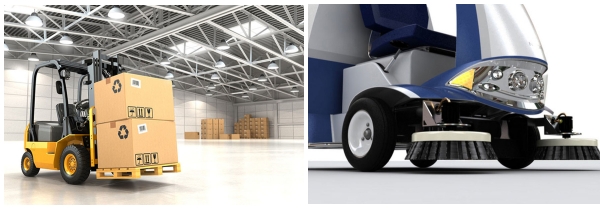
Designed for environmental protection, featuring sealed moisture-resistant construction to handle high humidity and marine environments. Delivers noise-free electric propulsion.

Modern processing and production controls to ensure quality, reliability, and cost-efficiency.
Located in the technology manufacturing hub of Zhejiang, China, LIAO Technology leverages established upstream and downstream component networks. We source premium-grade $LiFePO_4$ precursor materials, integrated circuit processors for our BMS systems, and precision structural enclosures. Our facility features advanced automated processing equipment, including laser welding machines, capacity sorting systems, and environment-controlled vacuum baking chambers.
By controlling every step of the manufacturing process—from raw material testing to final pack capacity balancing—we eliminate performance variations and prevent defects in the field.
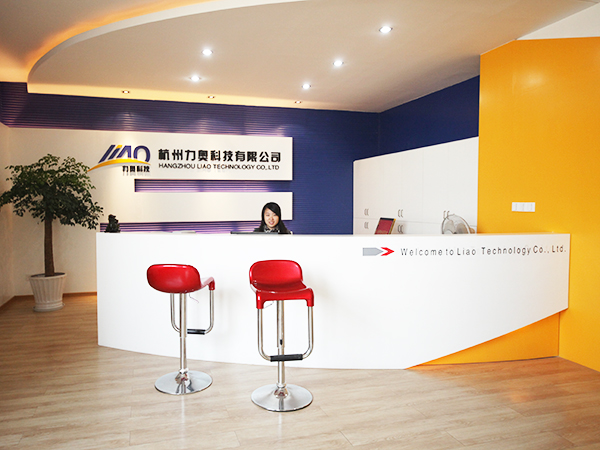
Reception
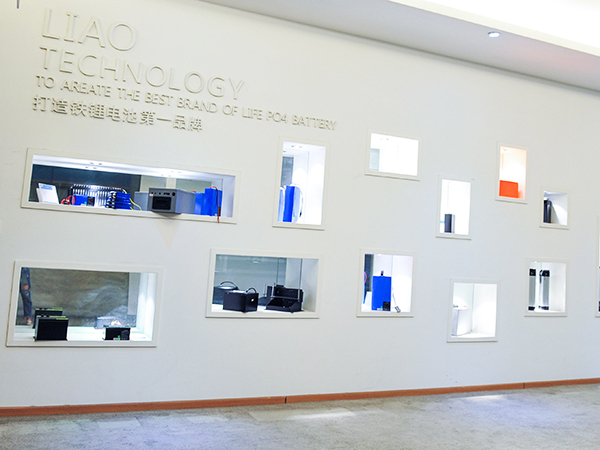
Exhibition Area
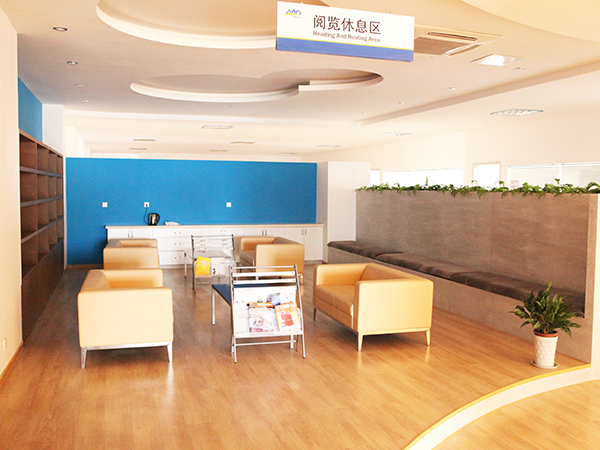
Reading Rest Area
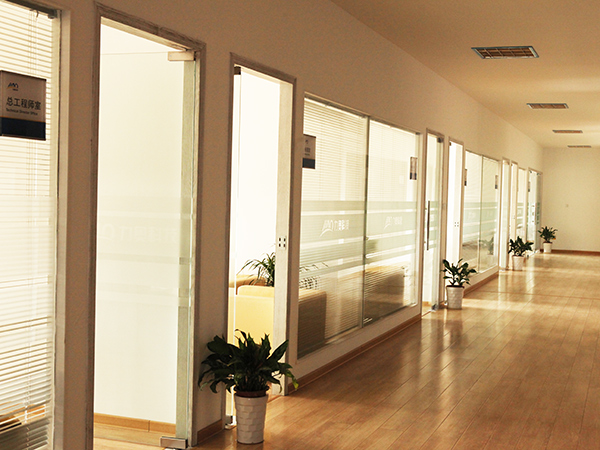
Office Area
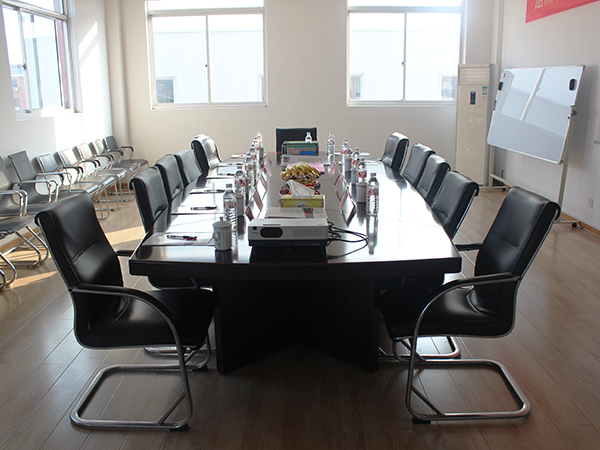
Meeting Room
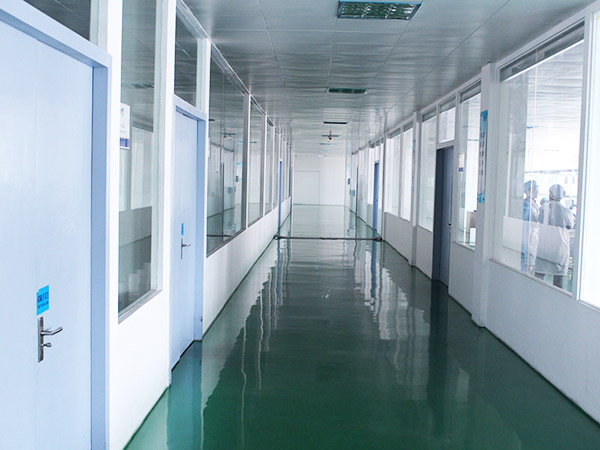
Visiting Access
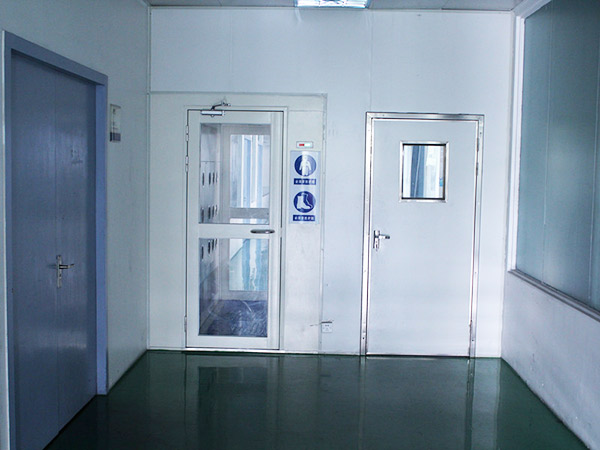
Entrance
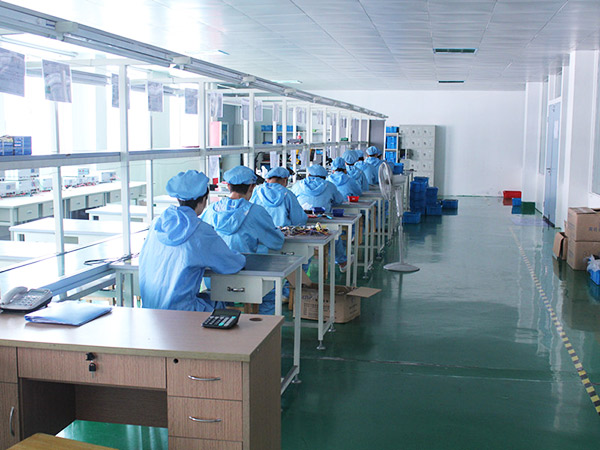
Pack Assembly
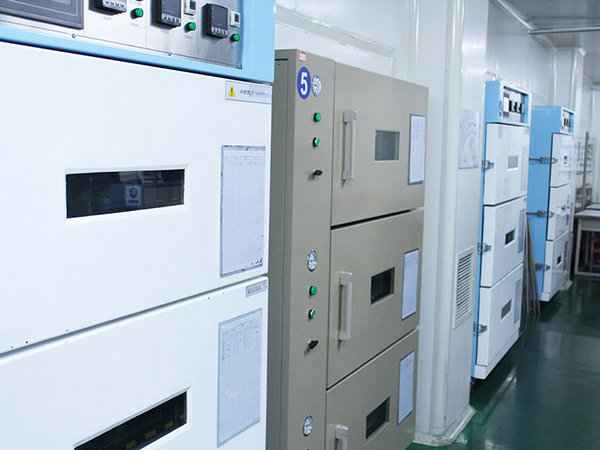
Baking
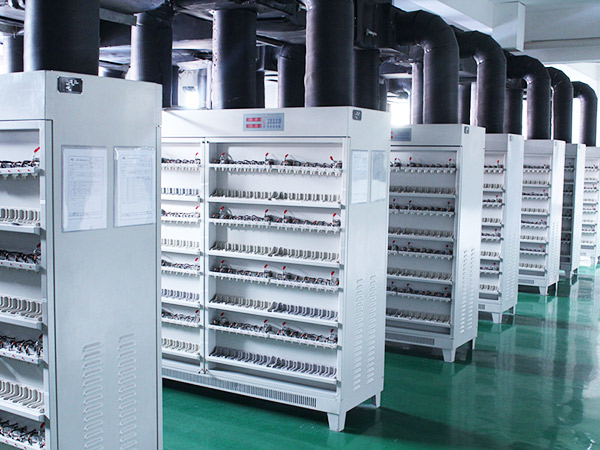
Capacity Sorting
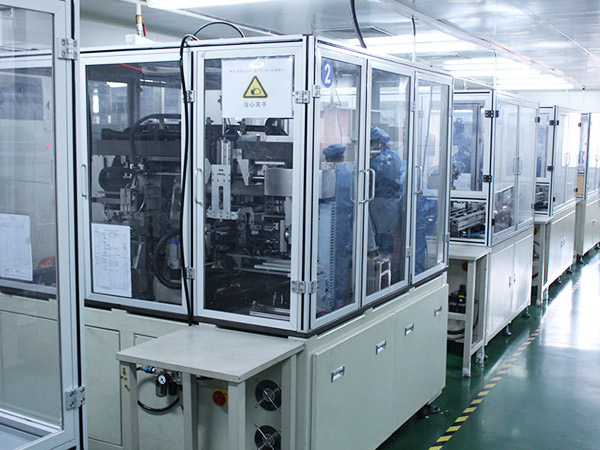
Stacking
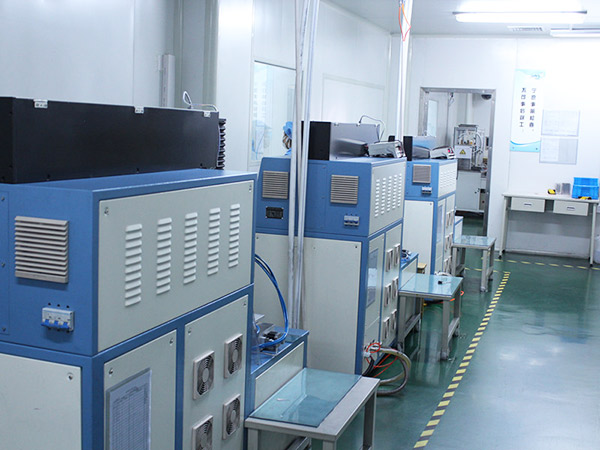
Laser Welding
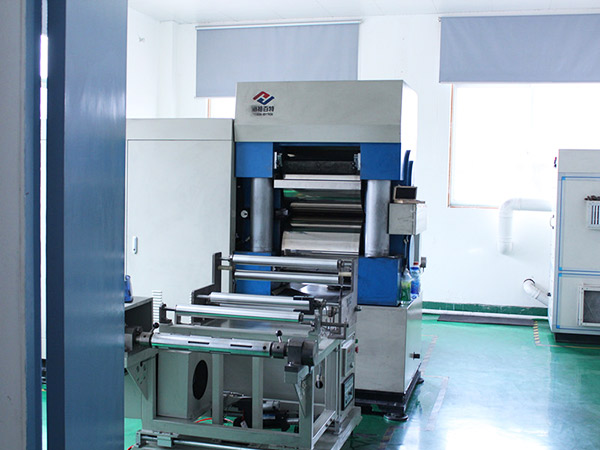
Rolling
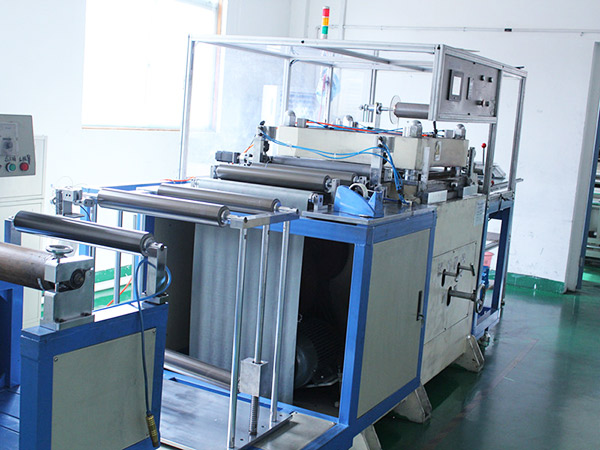
Die Cutting
Advancing cell energy density, safety metrics, and intelligent battery systems.
Our research and engineering efforts focus on improving the electrical efficiency and safety parameters of our battery cells. LIAO's technical roadmap outlines key advancements across four main areas:
We continue to refine our chemistry formulations to prevent internal thermal runaway. Our cells are engineered with ceramic-coated separators and thermal shutdown layers to isolate internal faults under mechanical crush or puncture stresses.
Our battery management systems are shifting to cloud-enabled IoT interfaces. Future integrations will feature predictive safety algorithms, real-time internal resistance profiling, and localized temperature tracking using remote sensor arrays.
To support high-latitude regions, we design formulations capable of operating down to -40°C without sacrificing cycle life. This is coupled with passive heat sink casings and internal pre-heating elements powered by the BMS.
Through systematic developments in electrode structure, electrolyte composition, and automated pack structural engineering, LIAO targets long cycle life (approaching 3500+ cycles at 100% DoD) for commercial grid-tied storage systems and heavy-duty electric vehicle platforms.
Custom-engineered battery solutions tailored to your application's physical envelope and load characteristics.

Every application has unique constraints, including spatial limitations, mechanical shock requirements, charge profiles, and ambient environmental conditions. A pre-built catalog model may not always meet these requirements. LIAO's R&D team works closely with your engineering departments to customize electrical characteristics, thermal management profiles, communication protocols, and structural casings.
Our sales and engineering teams bring deep battery design expertise, providing advice on cell matching, mechanical stress containment, and local regulatory requirements for rapid, successful market integration.
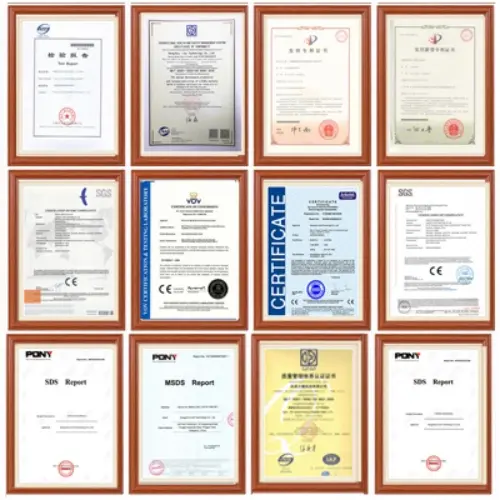
Our OEM/ODM process is structured to save you time and development costs, helping you bring products to market quickly. We manage the design process from initial CAD modeling and BMS programming to prototype testing and certifications. If you are seeking a reliable, custom battery manufacturer in China, contact our team to discuss your project requirements.
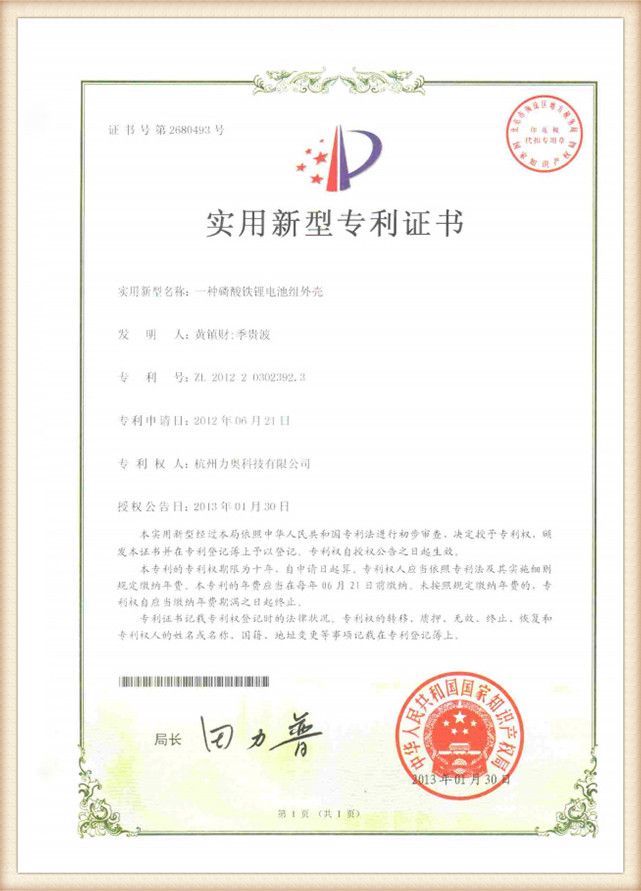
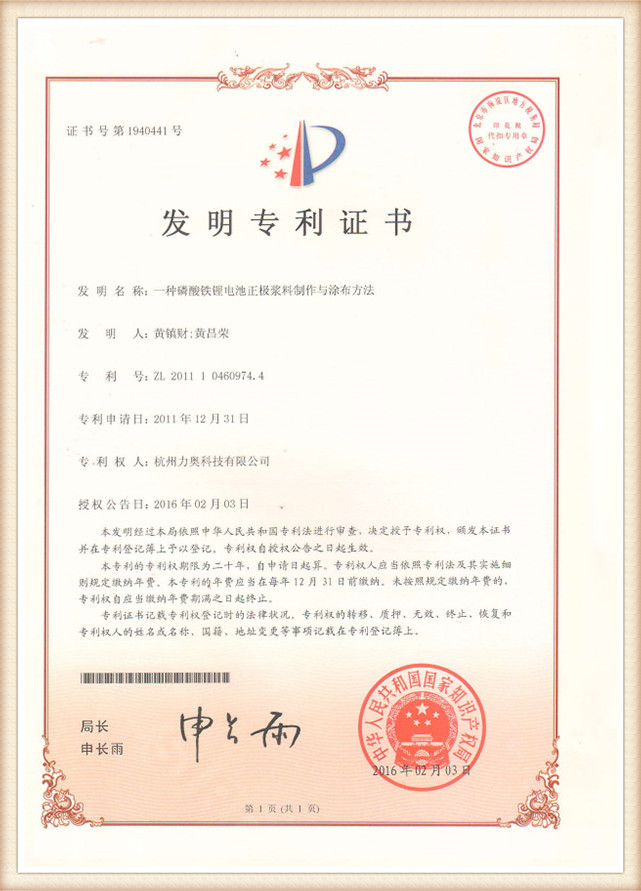
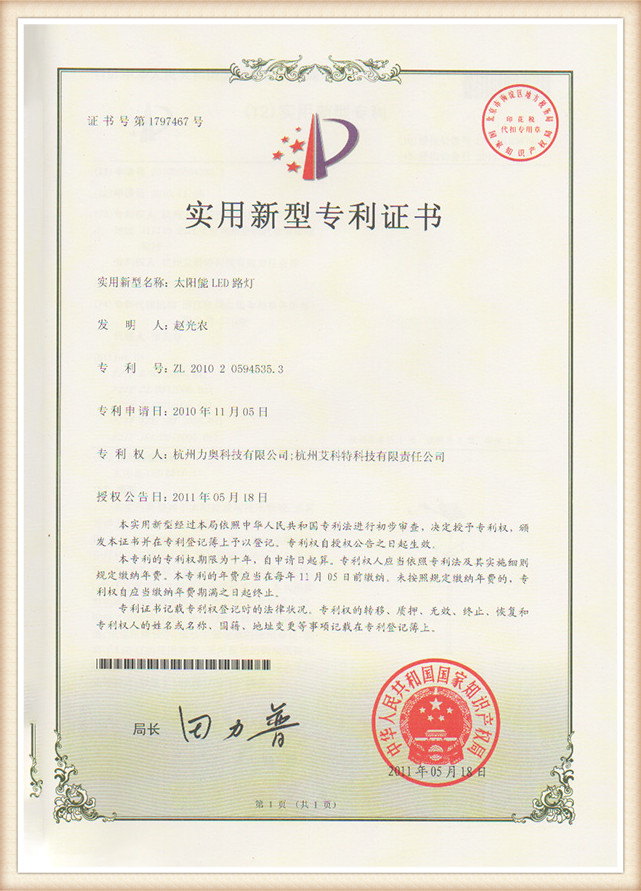
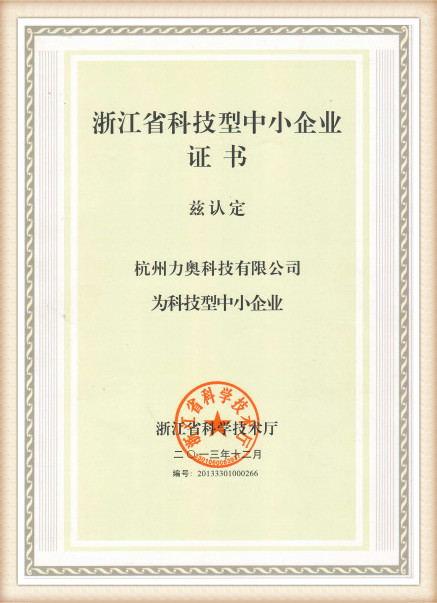
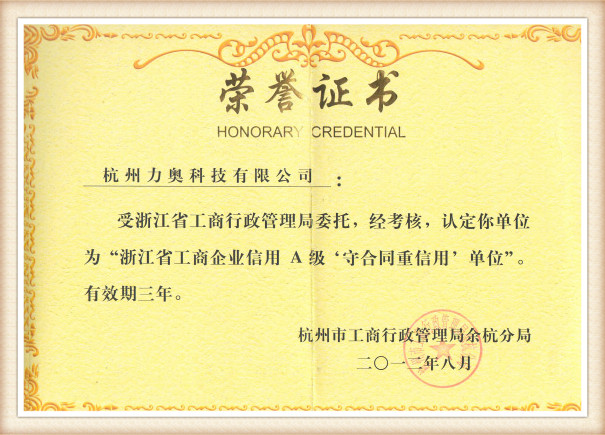
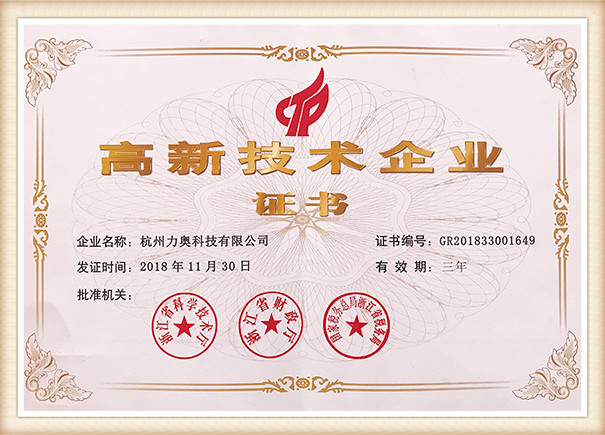
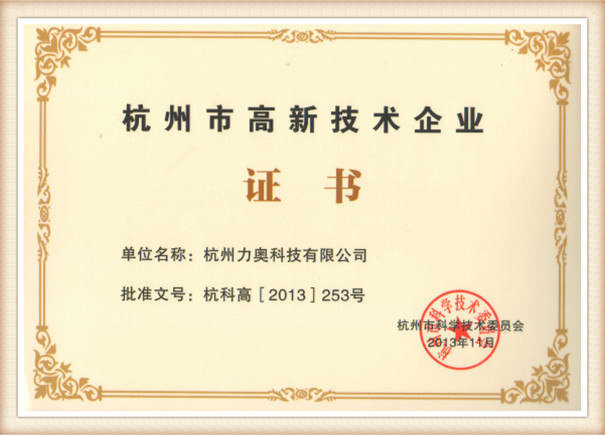
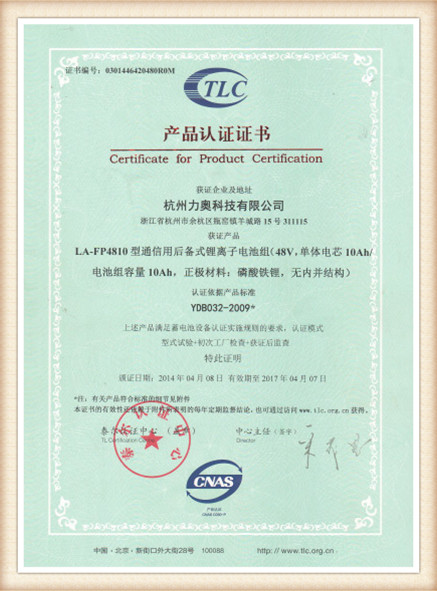
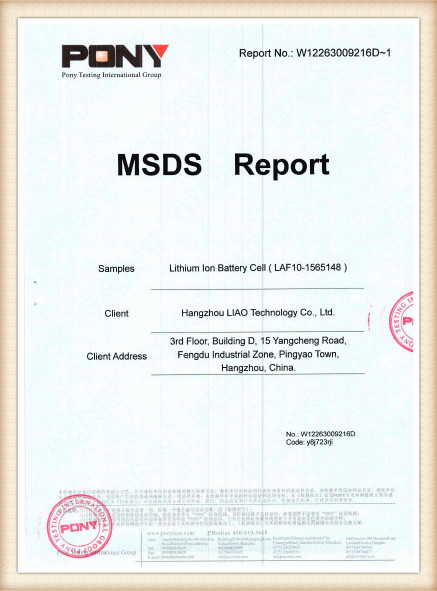
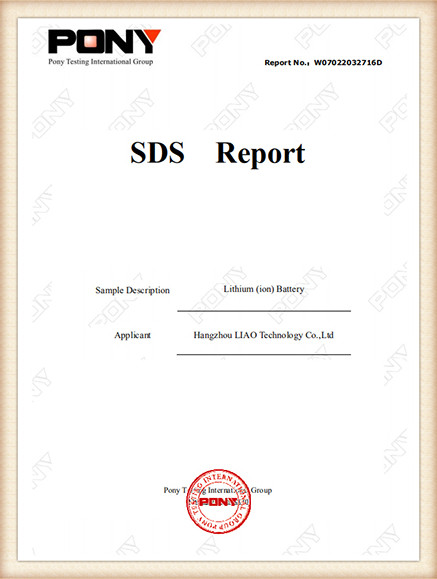
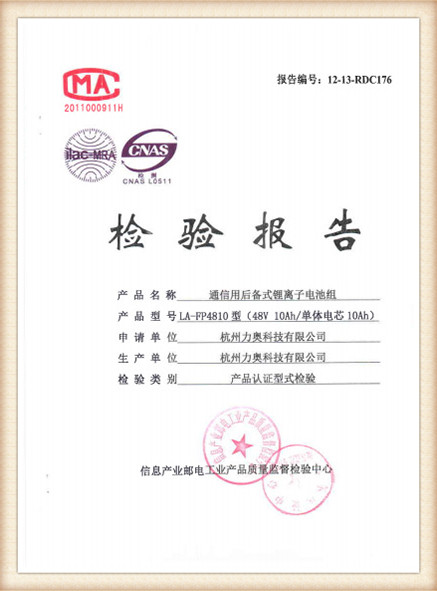
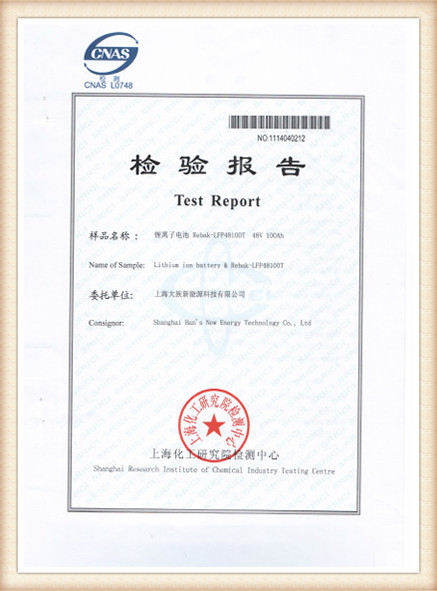
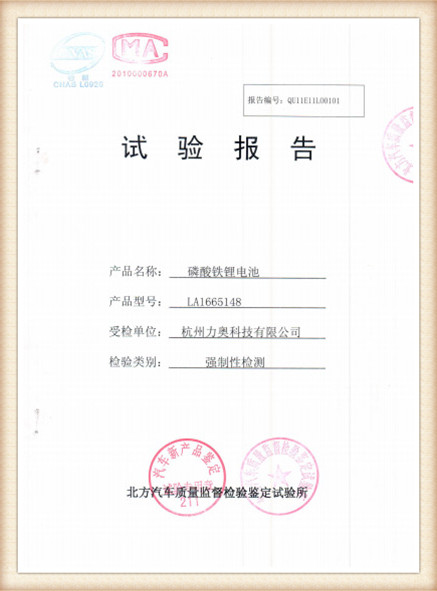
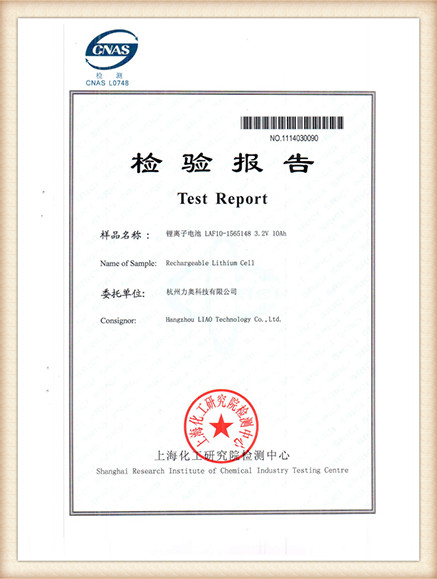
LIAO Industry Credentials, Patent Records, and Test Reports
Addressing key engineering questions regarding LiFePO4 safety, longevity, and thermal integration.
LIAO Technology partners with OEM/ODM brand clients across the globe to power diverse applications.






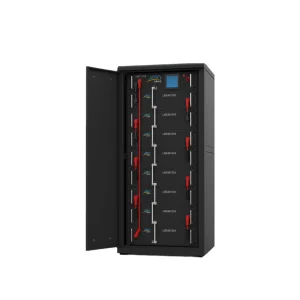
Deep-cycle LiFePO4 packs, rackmount telecom storage, and off-grid solar inverters.
 Liao Battery