Explore our high-quality custom and standard product catalog, engineered to deliver industry-leading performance and reliability.
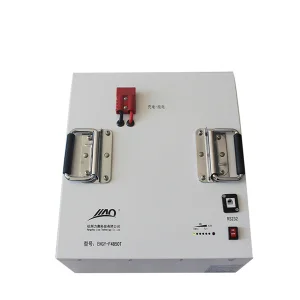
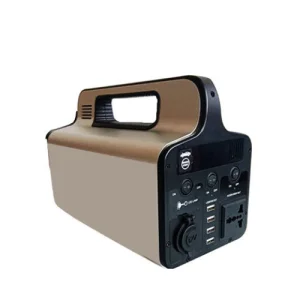
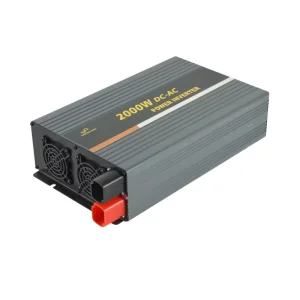
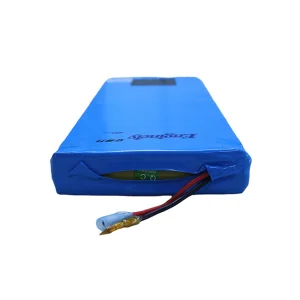
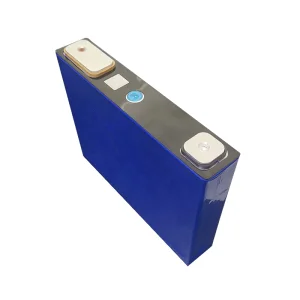
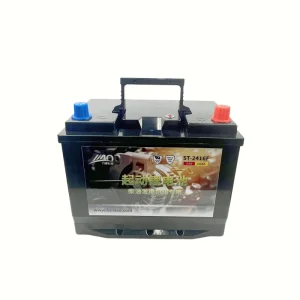
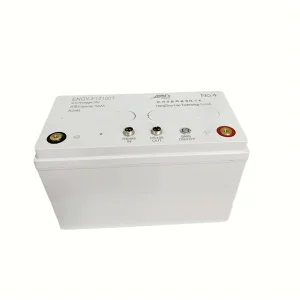
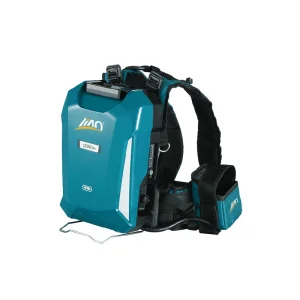
As the global transition to electrified systems accelerates, the 24V 50Ah Lithium Ion Battery has emerged as a cornerstone energy specification for both light mobility and localized industrial systems. This specific voltage and capacity profile balances safety, energy density, and physical footprint. While nickel-cobalt-based chemistries have traditionally dominated consumer electronics, the industrial and commercial segments have definitively shifted toward Lithium Iron Phosphate (LiFePO4) chemistry due to its unparalleled structural stability, safety characteristics, and cycle life.
From a manufacturing standpoint, fabricating a 24V 50Ah battery pack requires precision cell matching and robust thermal engineering. A standard 24V system configured with LiFePO4 typically features an 8S (8 cells in series) architecture. When using 3.2V prismatic or cylindrical cells, maintaining low internal resistance across all connections is critical. Our engineering team at Hangzhou LIAO Technology Co., Ltd. utilizes laser-welded busbars and integrated Smart Battery Management Systems (BMS) to ensure that the voltage delta between cells remains under 10mV during heavy charging and discharging phases, mitigating localized hot spots and early cell degradation.
Technical Insight on Energy Density & Safety: Unlike Lead-Acid equivalents which suffer from the Peukert effect, a 24V 50Ah LiFePO4 battery delivers 100% of its rated capacity even under high discharge rates (up to 1C continuous). This makes it the go-to power block for industrial robotics, where sudden current draws are frequent and system downtime is highly costly.
Global procurement teams prioritize total cost of ownership (TCO) over initial capital expenditure. Lead-acid batteries, though cheaper upfront, only deliver around 300 to 500 cycles at 50% Depth of Discharge (DOD) before capacity falls below 80%. In contrast, our LiFePO4 single cell configurations are rated for 2800+ cycles at 1C and 100% DOD. Over the operating lifespan of an industrial vehicle or solar storage unit, a single lithium battery pack outlasts up to 6 lead-acid packs, while reducing system weight by over 60%. This massive reduction in weight translates directly into energy efficiency gains for dynamic machinery such as golf carts and automated guided vehicles (AGVs).
Backed by 15+ years of R&D experience, Hangzhou LIAO Technology designs and manufactures batteries that exceed global safety and lifecycle metrics.
Engineered to never burn or explode, even under direct acupuncture, crushing, or high thermal stress testing.
Operates seamlessly across extreme thermal boundaries, maintaining reliable discharge outputs from -40℃ up to 85℃.
Single cell metrics surpass 2800+ complete cycles (1C rate / 100% DOD) before degrading to 80% nominal capacity.
Our LAXpower-1230 modular storage system was officially awarded the testing champion title for efficiency and design safety in Europe.
Founded in 2009, Hangzhou LIAO Technology Co., Ltd. is an industry-leading manufacturer specialized in the design, engineering, and manufacturing of custom and standard LiFePO4 batteries. Over 15 years, we have scaled our production capabilities and built a robust reputation across 20+ countries, delivering custom-tailored solutions for diverse industrial, commercial, and residential energy storage requirements.
When engineering high-reliability lithium battery modules, B2B procurement managers require precise technical specifications to assess compatibility with their target applications. The table below represents the core parameters of our high-durability 24V 50Ah LiFePO4 battery pack systems, built under strict ISO quality control protocols.
| Parameter Specification | Typical Value / Metric | Engineering Notes & Conditions |
|---|---|---|
| Nominal Voltage | 25.6V | Based on 8S (8 cells in series) LiFePO4 chemistry configuration |
| Nominal Capacity | 50Ah | Tested at 0.2C constant current discharge down to 20V cut-off |
| Energy Content | 1280 Wh | Standard energy storage capability at room temperature (25°C) |
| Cycle Life (100% DOD) | ≥ 2800 Cycles | Capacity retention ≥ 80% at 1C charge/discharge profile |
| Standard Charge Voltage | 29.2V | CC/CV (Constant Current / Constant Voltage) method recommended |
| Max. Continuous Discharge Current | 50A / 100A | Customizable BMS limits depending on the application requirement |
| Discharge Operating Temperature | -40°C to 85°C | Sub-zero temperature configurations require integrated heating pads |
| Cell Matching Criteria | ΔIR ≤ 0.5mΩ / ΔV ≤ 5mV | Precision sorting before laser welding ensures long term pack balance |
The safety of a lithium-ion battery system is directly dependent on its Battery Management System (BMS). Our 24V 50Ah battery packs feature an intelligent, in-house developed BMS that continuously monitors cell voltage, current, and temperature. This prevents common failure states such as over-charging, over-discharging, thermal runaway, and short circuits.
For smart grid integrations and modern industrial automation (AGVs/Clean Robots), our BMS can be equipped with active digital interfaces including CANbus, RS485, RS232, and Modbus RTU protocols. This enables real-time State of Charge (SOC) and State of Health (SOH) reporting directly to the vehicle dashboard or host controller, minimizing unexpected power outages and allowing predictive maintenance scheduling.
How our custom-tailored 24V 50Ah LiFePO4 solutions address critical operational bottlenecks across global business verticals.

Traditional lead-acid golf cart batteries suffer from power drop-offs as the charge depletes, struggling on steep terrain. Our 24V 50Ah LiFePO4 configurations provide consistent power output regardless of the State of Charge. The lightweight nature of our packs minimizes turf compaction and cart wear-and-tear, while providing double the runtime on a single charge.
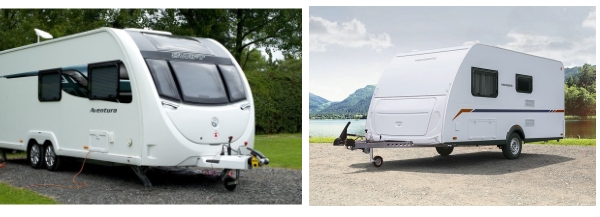
Caravan movers require high instantaneous current to navigate gravel, grass, and steep inclines. Our specialized caravan battery packs discharge cleanly down to 100% capacity without voltage sag, enabling users to position heavy caravans smoothly and quietly without risk of acid leaks or gas emissions, even during long off-season storage periods.
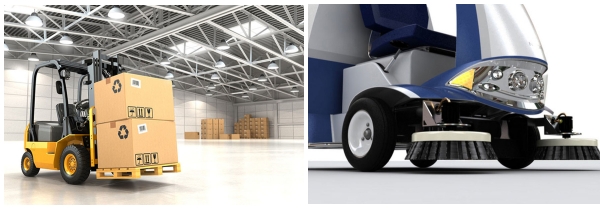
For automated warehouses utilizing AGVs and industrial clean robots, our 24V lithium battery systems offer rapid charging capability (opportunity charging). Operators can charge units up to 80% during shift breaks (under 1 hour), allowing round-the-clock facility operations and drastically reducing inactive fleet sizes.

Transitioning marine vessels to electric propulsion requires completely sealed, zero-maintenance power systems. Our water-resistant 24V battery designs produce zero air or noise pollution, complying with strict local environmental regulations for inland lakes and protecting delicate marine ecosystems while remaining completely corrosion-resistant.
Discover how our structural cell variants integrate into multi-tiered industrial systems.
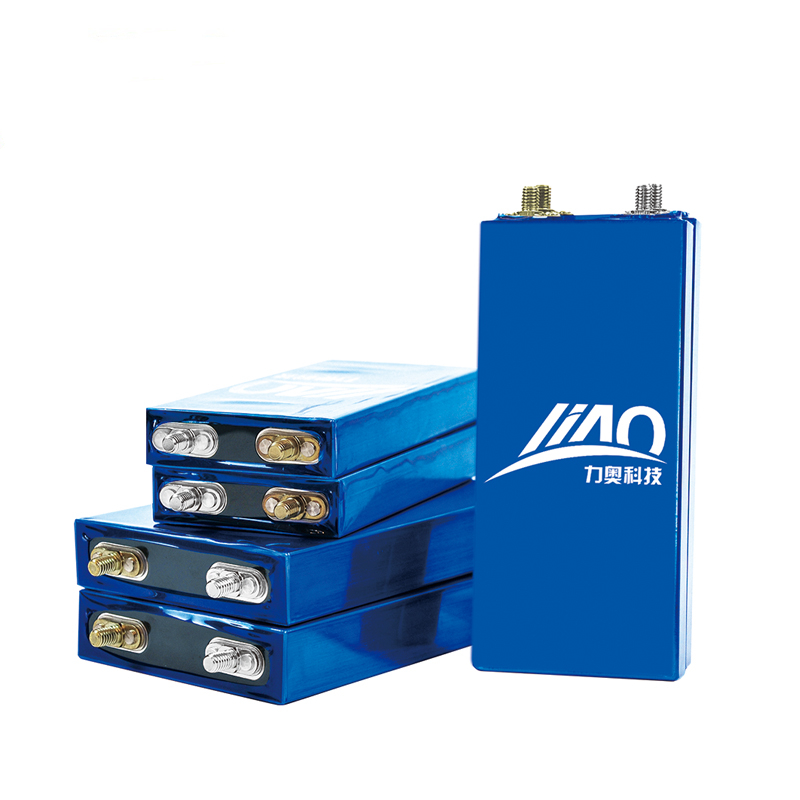
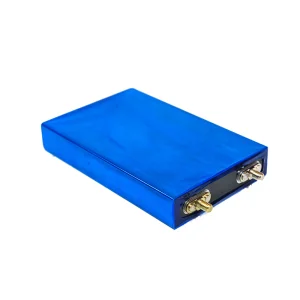
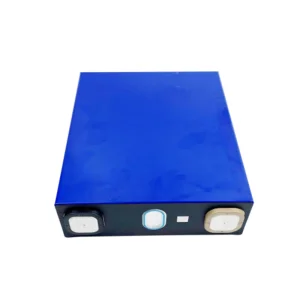
Heavy duty aluminum-cased cells for high capacity applications requiring maximum volumetric efficiency.
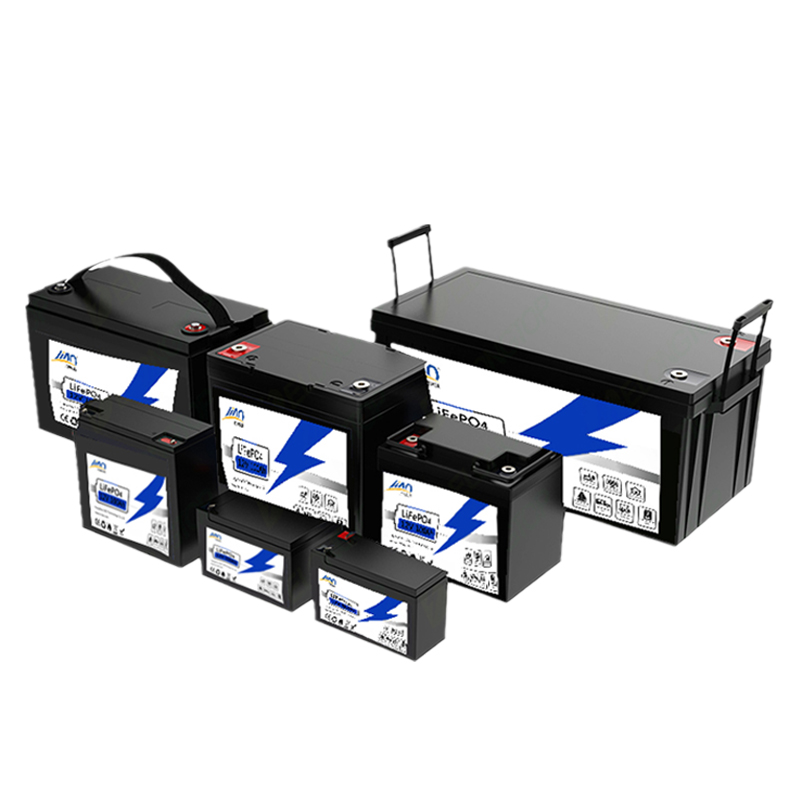
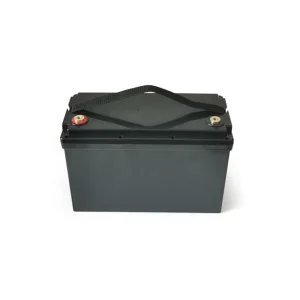
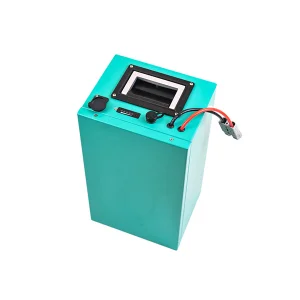
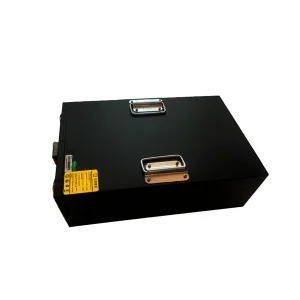
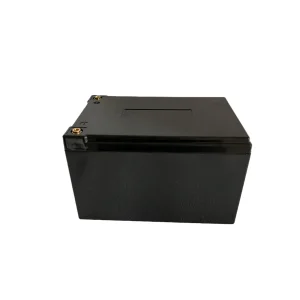
Fully assembled modular packs integrated with customized smart BMS, ready for drop-in replacement.
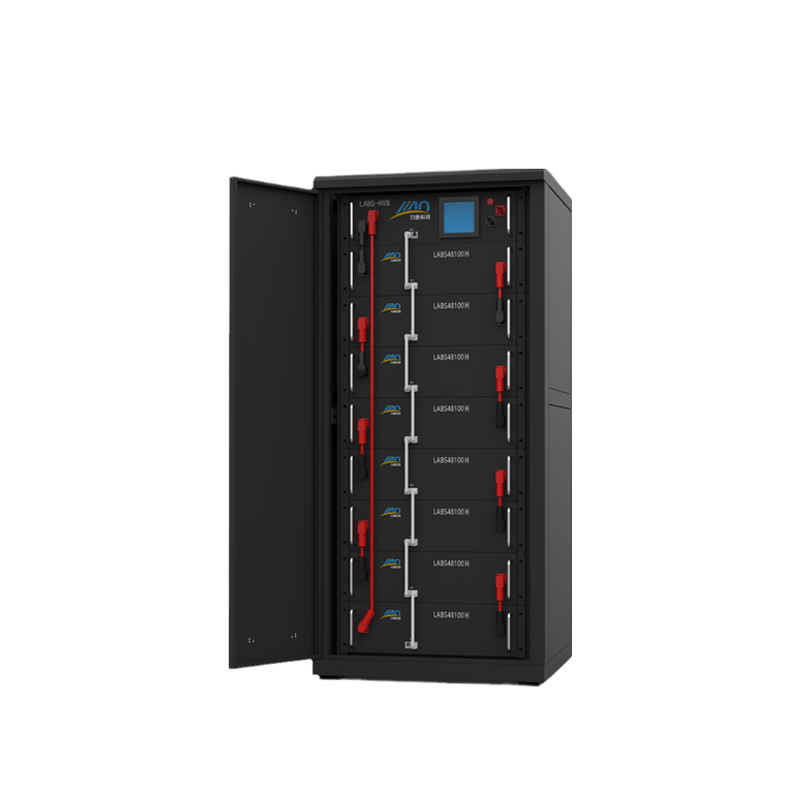
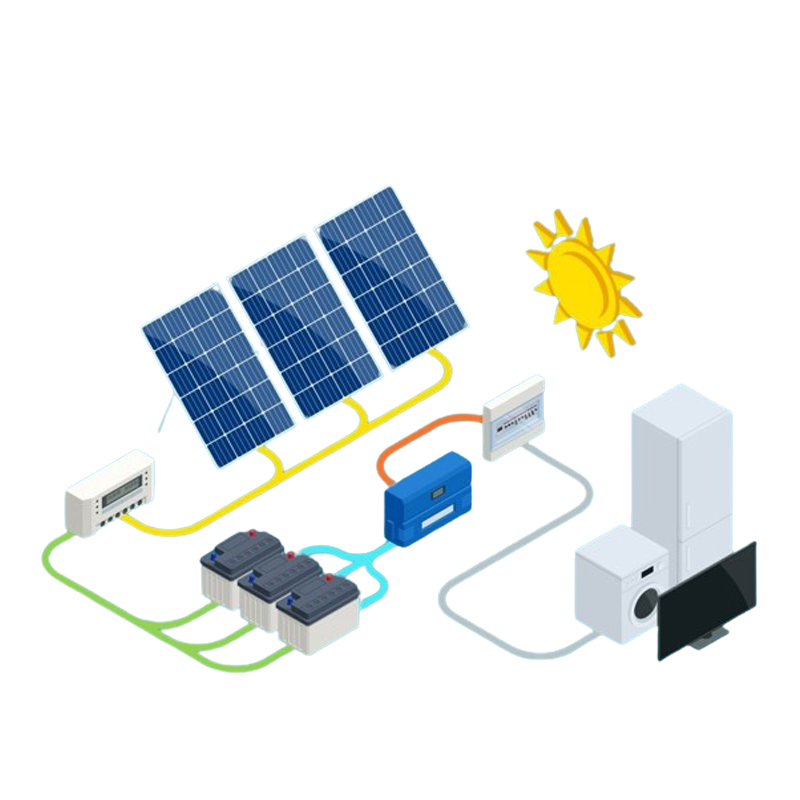
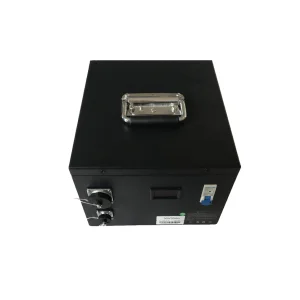
Scalable rackmount battery storage systems built to back up solar arrays, industrial hubs, and off-grid setups.
Bespoke electrical architectures developed from the ground up by our in-house engineering team.
With over 15 years of industry experience, Hangzhou LIAO Technology Co., Ltd. has established a streamlined process to design, prototype, and scale custom battery pack systems. We address unique mechanical and electrical constraints, helping over 500 B2B clients globally enter markets quickly and cost-effectively.
Our engineering team is equipped with top-tier electronic and mechanical capabilities, taking charge of complex tasks such as custom thermal layouts, smart CANbus communication coding, mechanical drop-testing, and compliance certifications. Whether your project requires a custom structural metal enclosure to resist extreme vibrations or specific low-temperature heating elements, we supply end-to-end expertise.
Inquire for OEM/ODM Solutions
Our electrical engineers build and configure hardware-level protection systems to handle extreme currents and voltages safety.
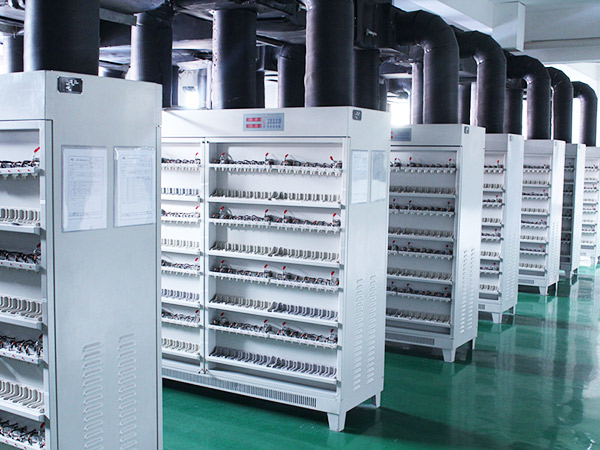
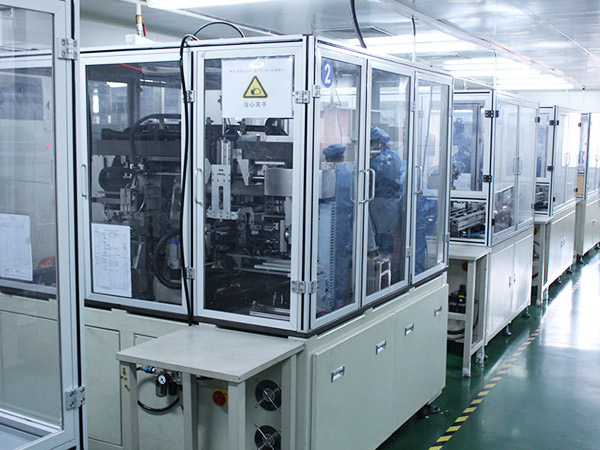
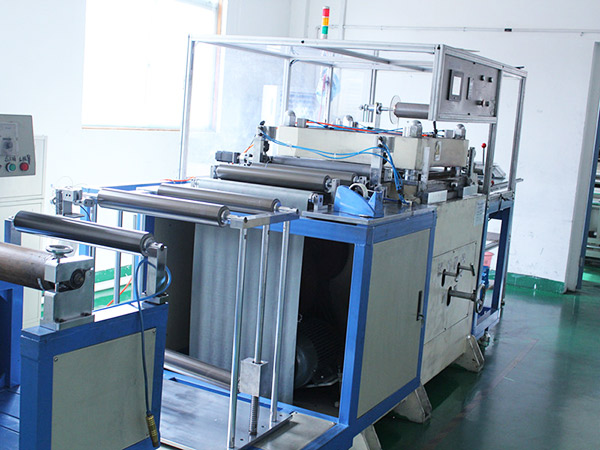
Utilizing automatic sorting, high-speed spot welding, and strict testing protocols to guarantee consistent high quality.
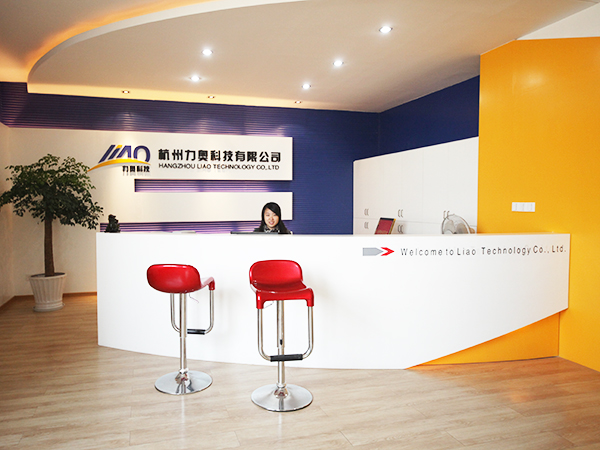
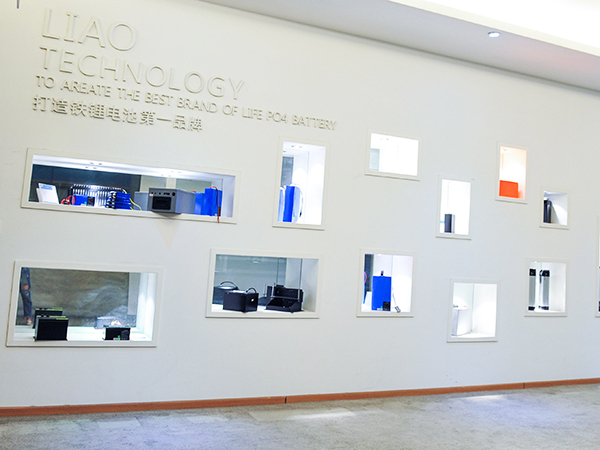
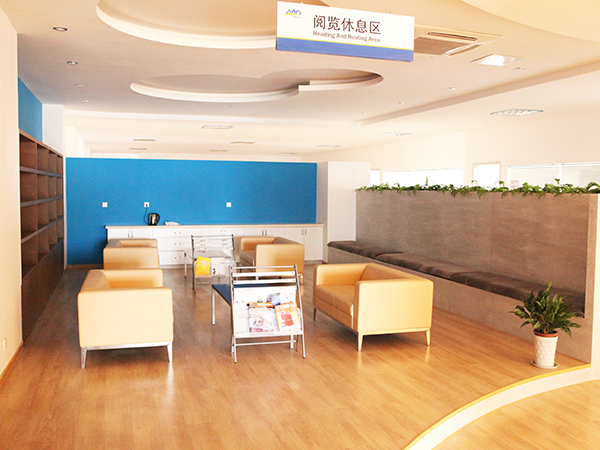
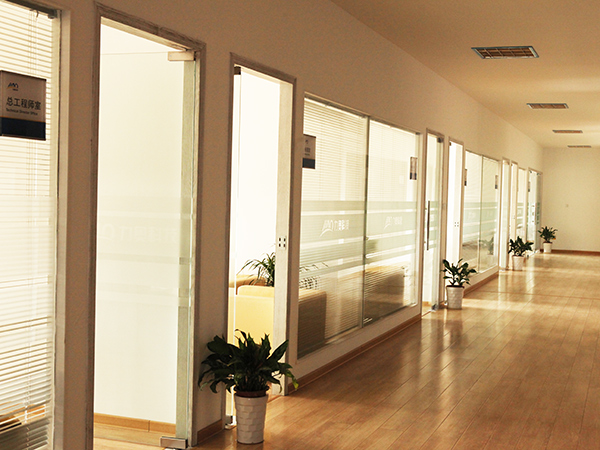
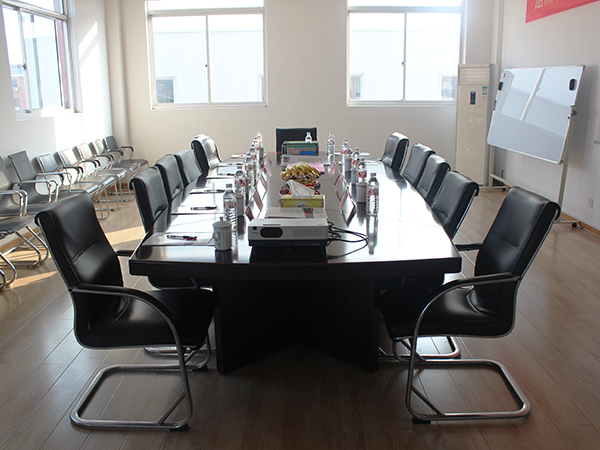
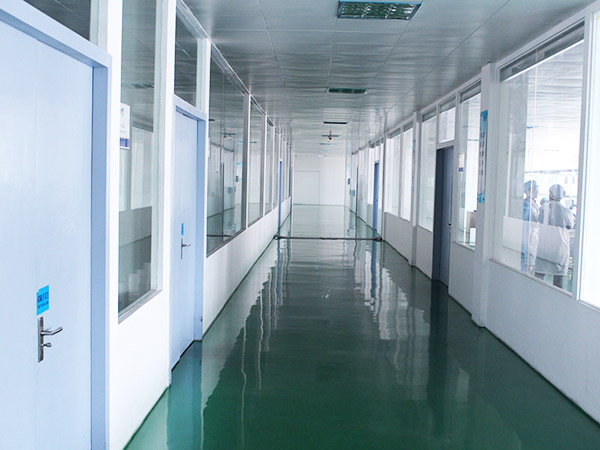
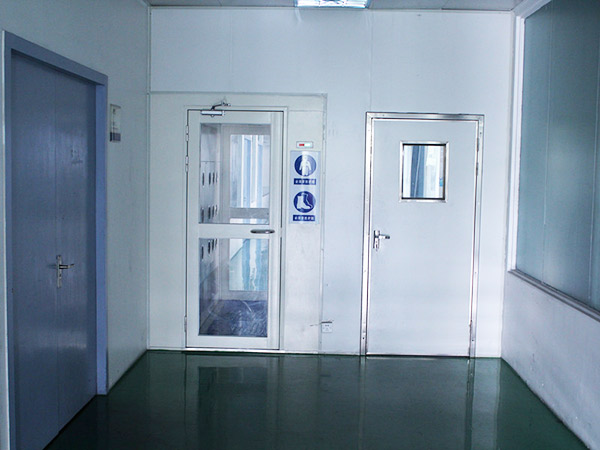
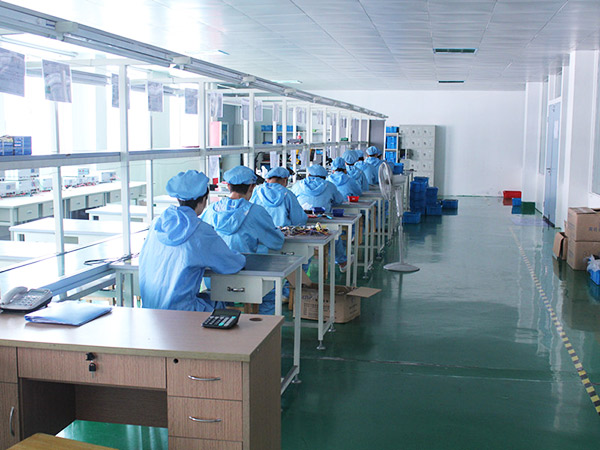
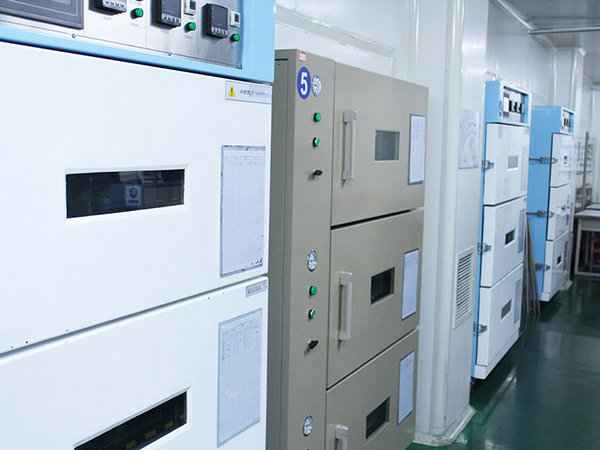
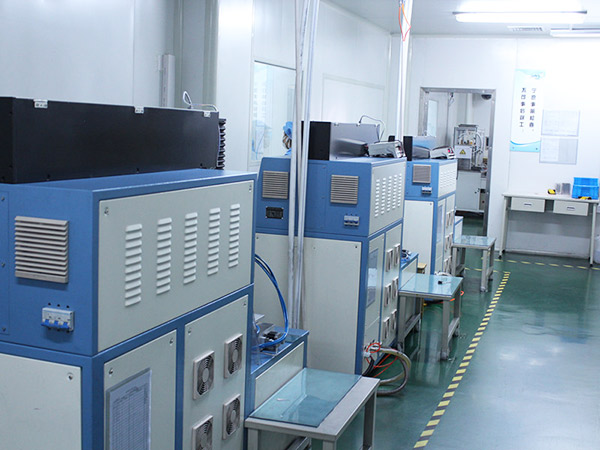
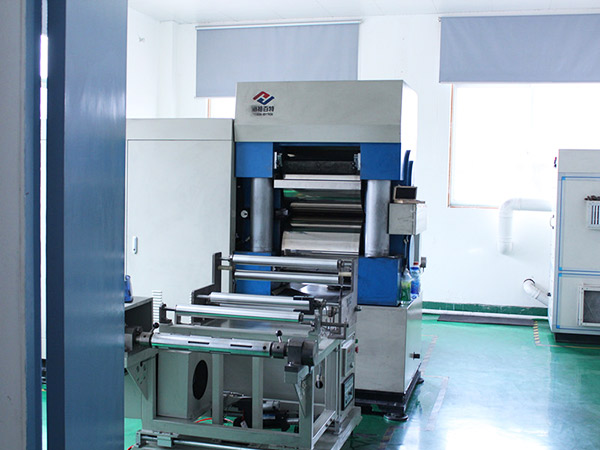
Take a closer look at our clean-room battery assembly facility in Hangzhou, compliant with strict ISO 9001 and ISO 14001 regulations.
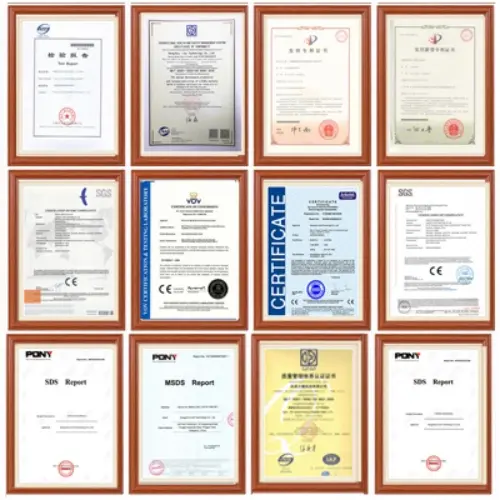
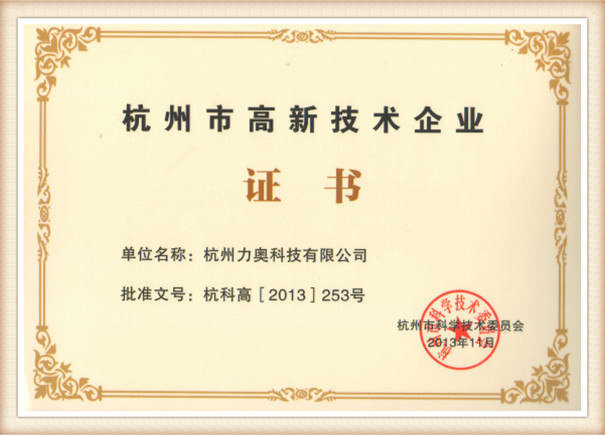
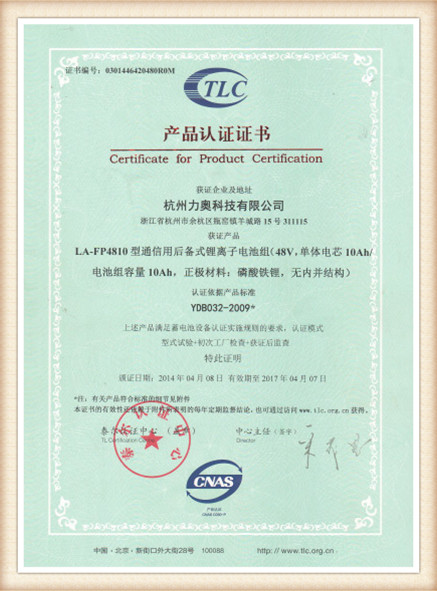
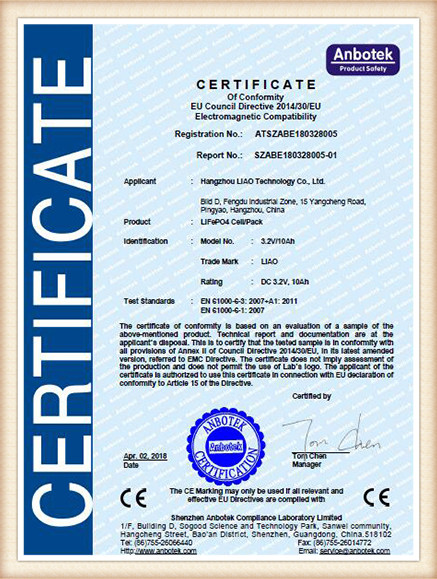
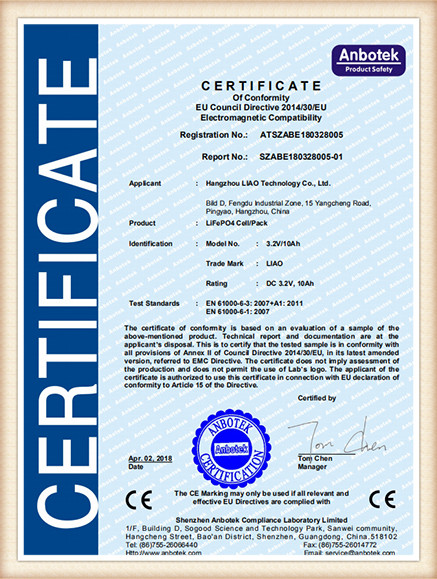
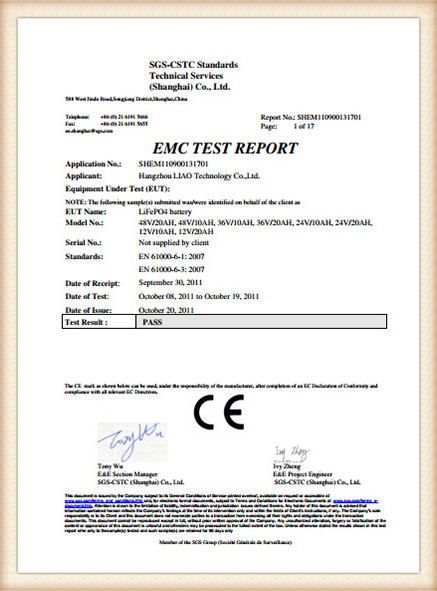
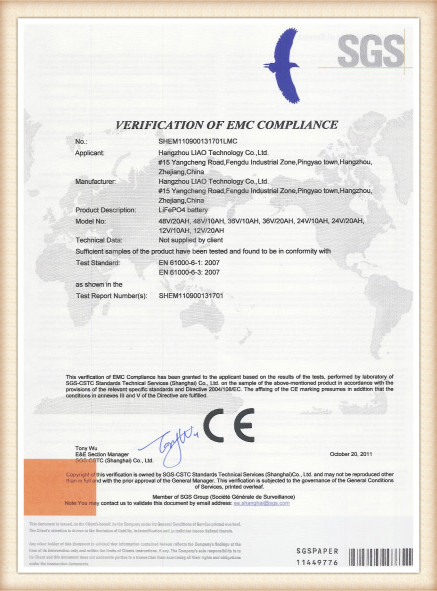
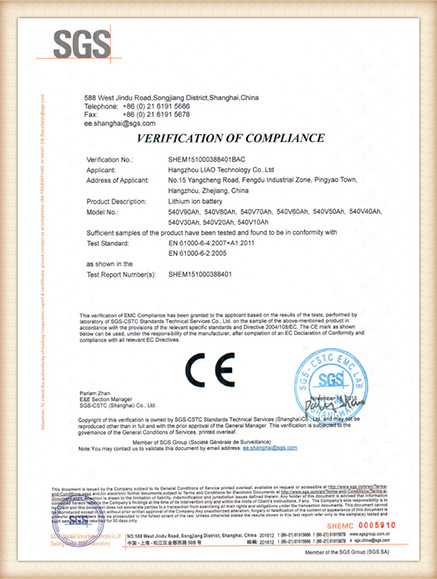
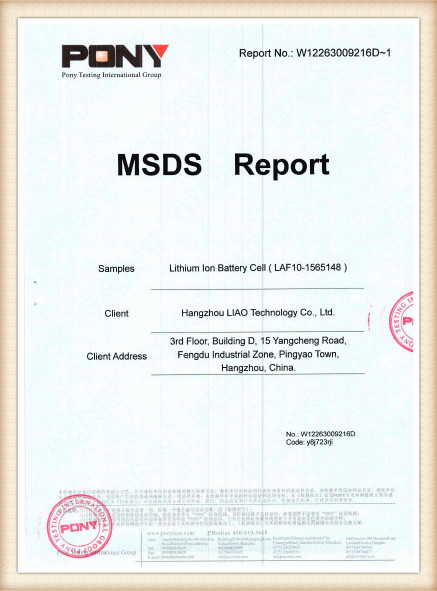
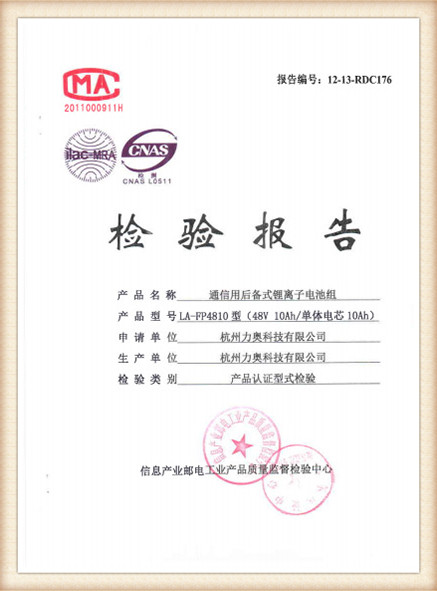
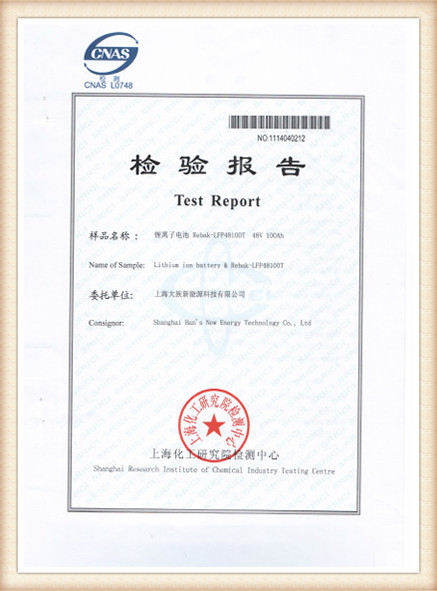
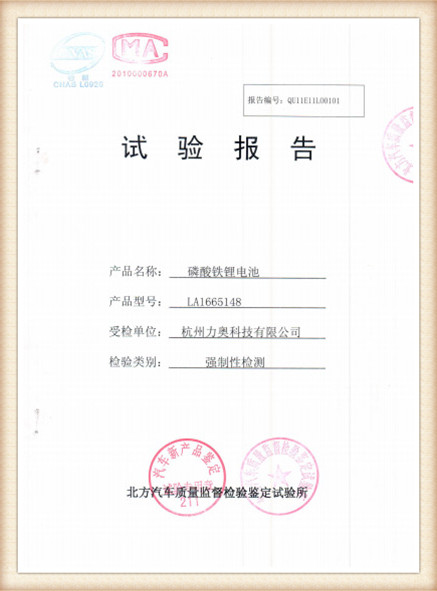
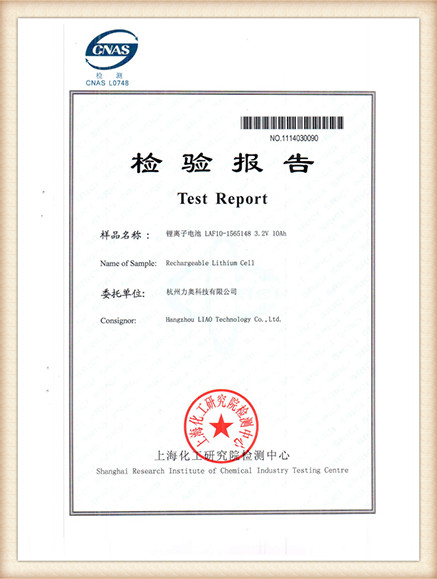
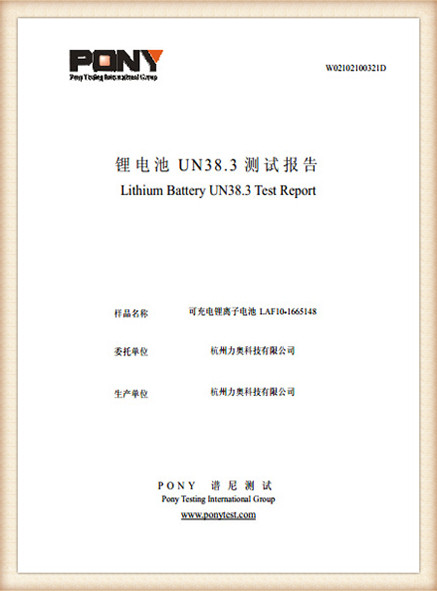
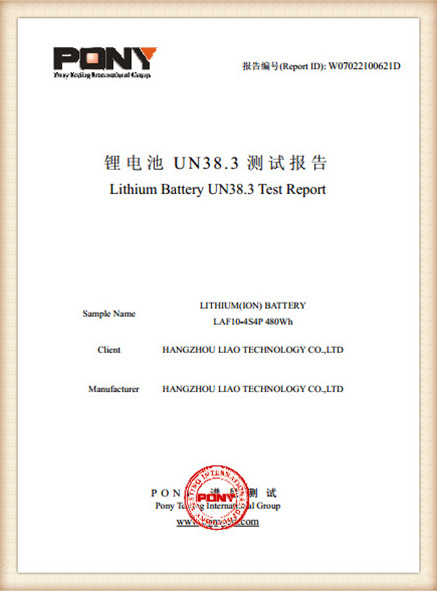
LIAO Technology is committed to providing fully certified systems that comply with global transport and fire safety standards.
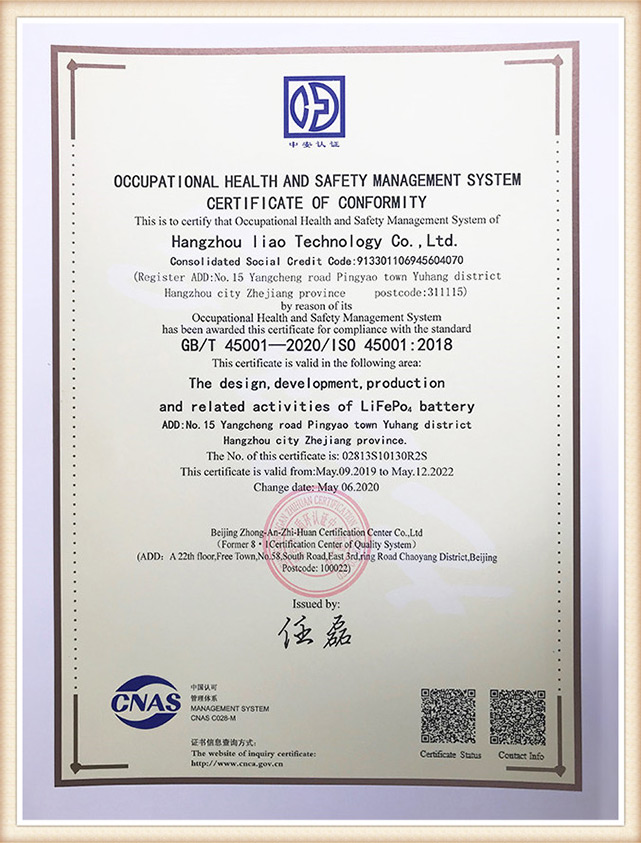
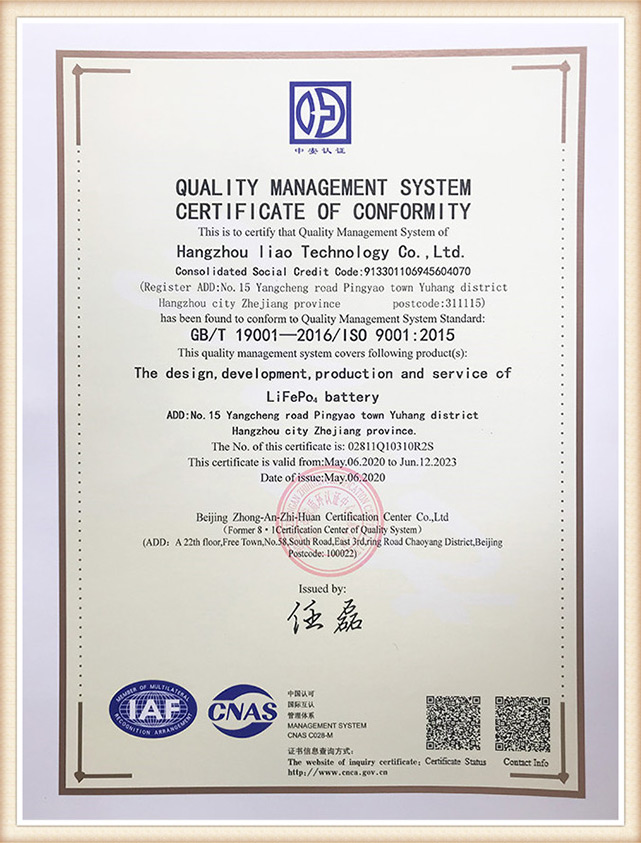
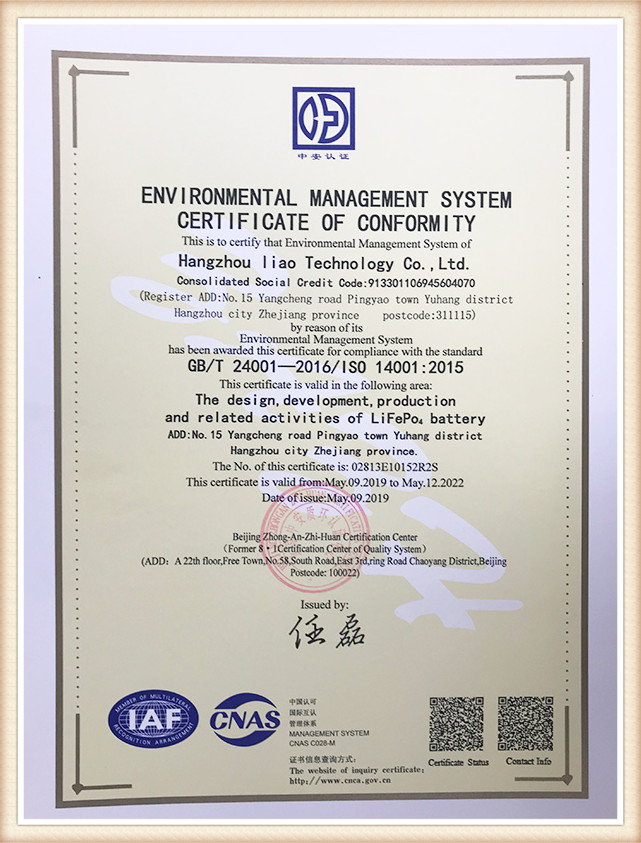
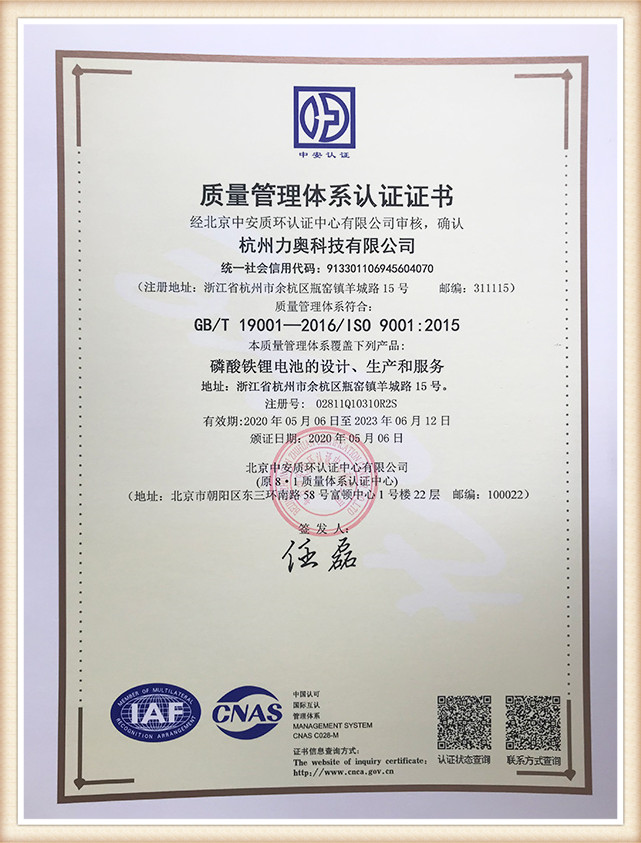
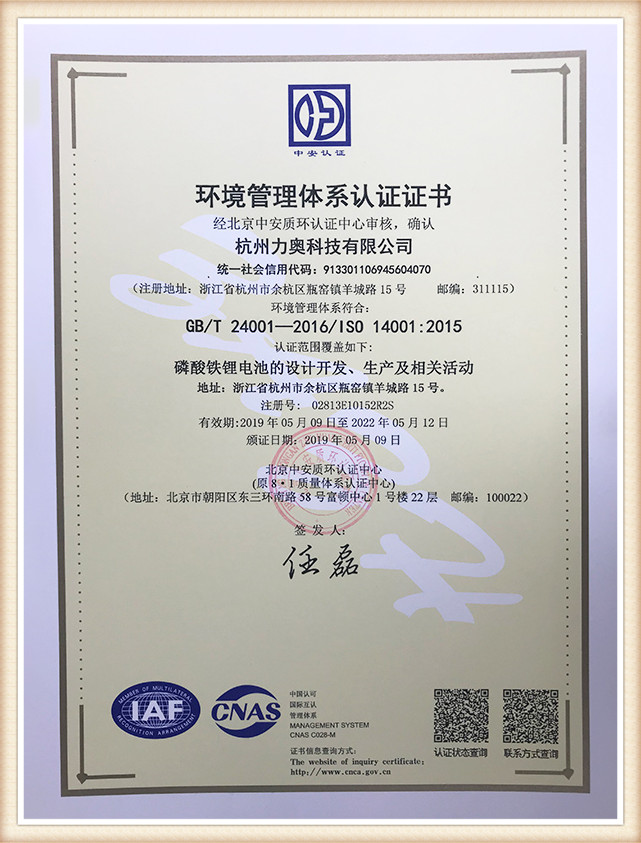
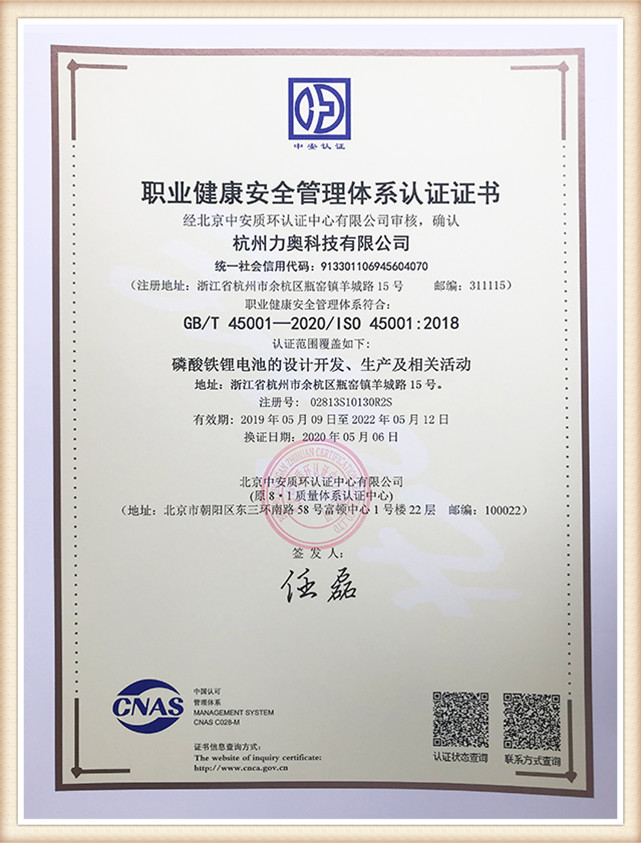
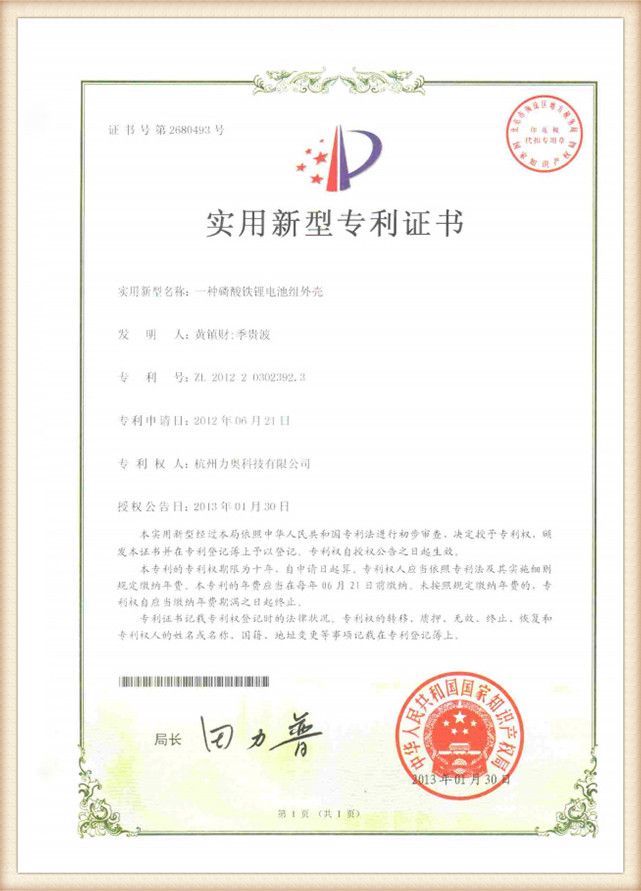
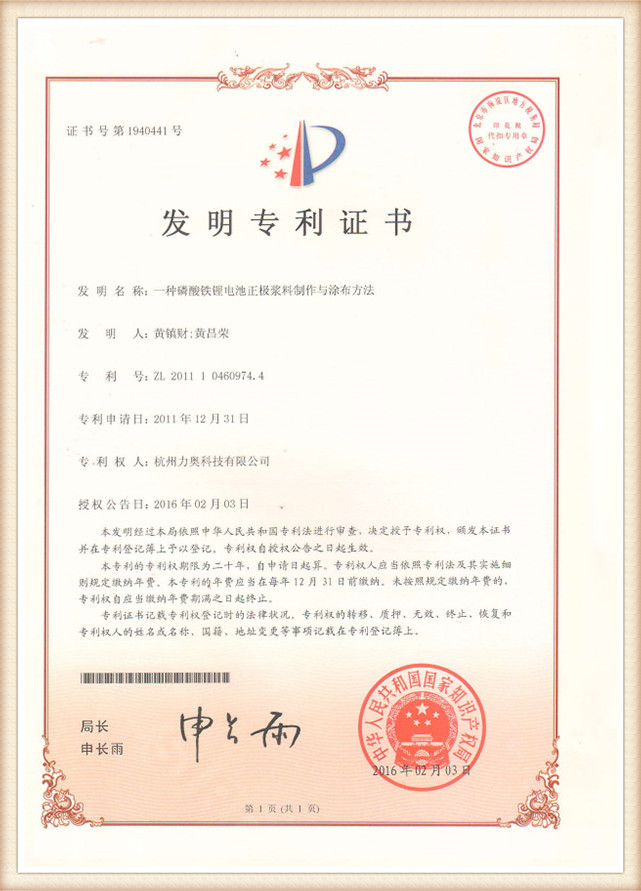
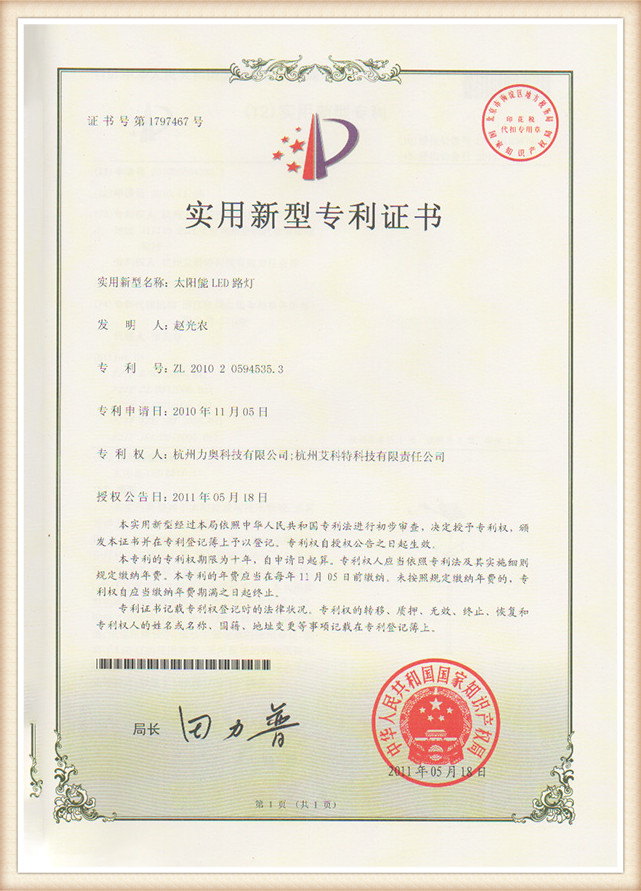
Active deployment of proprietary research in thermal dissipation, high-rate discharge balance, and solid insulation methods to achieve ultimate performance safely.
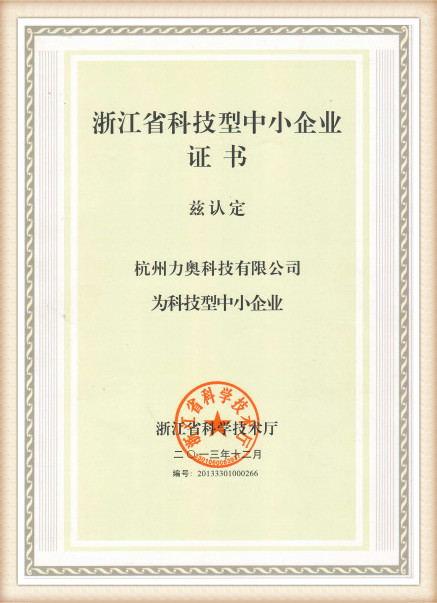

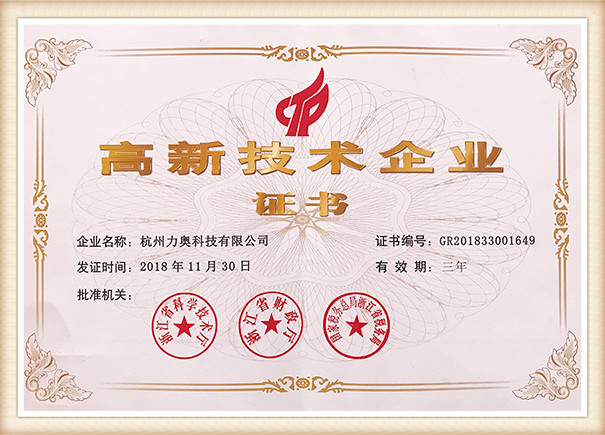
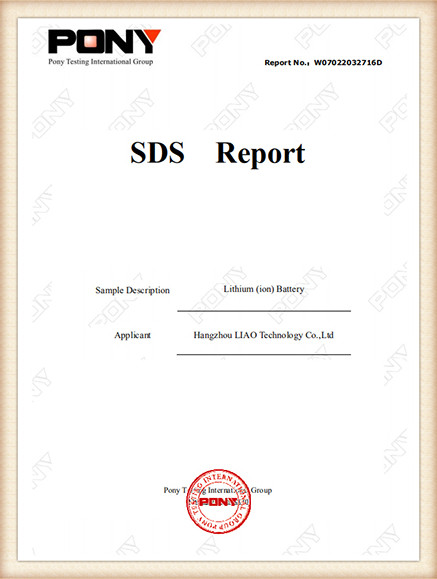
For international shipping, battery products must adhere to stringent transport directives. All LIAO lithium iron phosphate packs pass the rigorous UN38.3 test series, which includes thermal shock, altitude simulation, vibration testing, mechanical impact testing, external short circuits, impact tests, overcharging, and forced discharge.
As battery manufacturing scales globally, developers are focusing on improving energy density while keeping safety constant. The transition from liquid electrolyte LiFePO4 cells to Solid-State Lithium-Iron Phosphate architectures is expected to be the next major technical leap. Solid-state design replaces the flammable organic liquid electrolyte with a solid ceramic or polymer electrolyte. This design path increases localized abuse-tolerance and allows thinner separator layers, effectively increasing volumetric energy density by up to 25% without compromising thermal stability.
Furthermore, we are actively developing and testing integrations of Machine Learning Algorithms in BMS telemetry. Standard BMS systems rely on Coulomb counting and static lookup tables to estimate State of Charge (SOC) and State of Health (SOH). However, battery degradation behaves nonlinearly under dynamic loads. By integrating a low-power AI processor into our next-generation BMS systems, the battery pack will adapt its internal state calculations based on historic cycle habits, operating temperatures, and charge curves. This innovation reduces SOC measurement drift from ±5% down to under ±1%, enhancing performance in applications that require precise energy tracking, such as high-altitude equipment and medical backup power grids.
Procuring custom battery systems internationally presents challenges, including raw material fluctuations and complex transport regulations. LIAO Technology addresses these risks through proactive global procurement strategies:
Answers to critical technical and logistical questions commonly raised by engineering and purchasing departments.
Depending on your mechanical application requirements, we offer three primary casing options: ABS plastic enclosures (cost-effective, lightweight, rated at IP65), heavy-duty sheet metal enclosures (highly robust, ideal for extreme vibration or mining applications), and custom cast aluminum alloy casing (optimal heat dissipation properties and high structural rigidity).
Yes, our standard 24V 50Ah LiFePO4 modules are built with an advanced BMS that supports configurations up to 4 units in series (creating a 96V system) or up to 10 units in parallel (expanding capacity to 500Ah). We recommend contacting our engineering team prior to configuring systems to ensure proper cable dimensioning and BMS calibration.
Our quality control protocol is structured under ISO 9001 guidelines. First, all incoming lithium cells undergo capacity sorting and internal resistance testing. Cells are then stacked and welded using automated laser systems to eliminate human error. Finally, each completed battery pack is subjected to dynamic cycling tests and insulation verification checks before packaging and dispatch.
For custom OEM solutions, our typical engineering phase (including circuit design, mechanical drawings, and BMS programming) takes 10 to 15 business days. Once drawings are approved, prototype fabrication and safety validation are completed within 3 to 4 weeks. High-volume production lead times range between 30 and 45 days, depending on cell availability and raw material schedules.
High-quality LiFePO4 cells, customized battery packs, and modular energy solutions engineered for international markets.
 Liao Battery