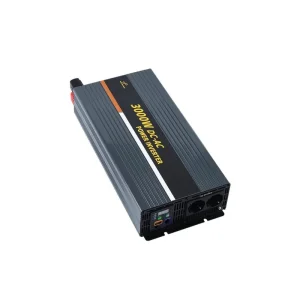
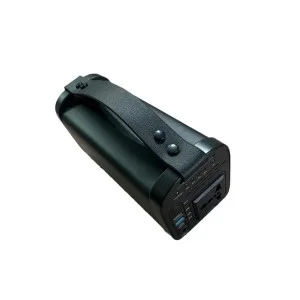
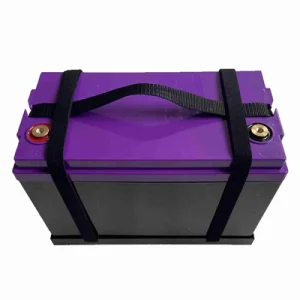
High-efficiency DC-AC conversion platforms optimized for heavy load tolerances, local electrical compliance, and hot, humid tropical climates.
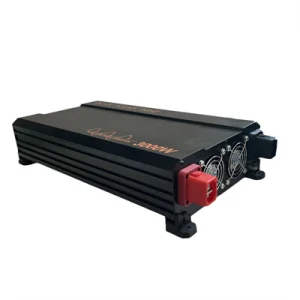
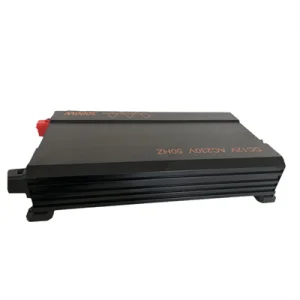
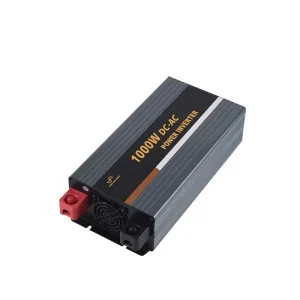
Empirical verification values from our state-of-the-art LiFePO4 cells and integrated pure sine wave inverter ecosystems.
An authoritative analysis of power requirements, grid fluctuations, and demand dynamics in India's leading corporate corridors.
Mumbai, the financial powerhouse of India, hosts a dense network of high-energy nodes—from digital datacenters in Navi Mumbai to complex chemical engineering hubs in Kalyan, Taloja, and Thane. These critical operations run on complex power grids that must remain stable 24/7. However, high-density urban grids are frequently exposed to transient events: micro-outages, phase offsets, and harmonic load imbalances. In this environment, low-tier, modified sine wave inverters are inadequate, often causing sensitive IT units, advanced CNC machines, and telecom nodes to fail or degrade prematurely.
Consequently, Mumbai's commercial and industrial enterprises are systematically moving toward advanced pure sine wave inverter architectures. By matching the clean output of a utility-grade AC grid, these high-end systems keep total harmonic distortion (THD) below 3%. This strict power quality regulation is crucial for protecting sensitive industrial equipment, high-performance computing clusters, and high-frequency communication machinery.
Historically, the backup power landscape in Mumbai relied on Sealed Lead-Acid (SLA) cells. In tropical conditions where temperatures frequently top 40°C during pre-monsoon months, lead-acid options suffer from thermal degradation, losing up to 50% of their operational life for every 8°C rise above 25°C. This instability has accelerated the industrial adoption of Lithium Iron Phosphate (LiFePO4) chemistries.
LiFePO4 cells offer robust chemical stability, surviving up to 2,800 full charge-discharge cycles at 100% Depth of Discharge (DOD) with over 80% capacity retention. This performance is supported by their safety profile: the strong covalent P-O bond prevents thermal runaway even under mechanical damage or heavy electrical stress.
Under the hood of LIAO Technology's advanced engineering criteria for tropical climates.
Optimized convection currents coupled with intelligent temperature sensing allow reliable operations across a wide thermal range (-40°C to +85°C).
Redundant hardware security blocks balance active cell chemistry, monitoring voltage levels down to millivolts while providing auto-protection against overcurrents.
Designed to prevent combustion. Tested under mechanical nail penetration, heavy crushing, high-temperature abuse, and external short circuits without thermal runaway.
The core of LIAO's inverter architecture features a high-performance Digital Signal Processor (DSP) combined with a robust H-bridge circuit. Our systems use advanced Pulse Width Modulation (PWM) to convert DC power from LiFePO4 batteries into a clean, stable AC sine wave. By maintaining low total harmonic distortion, LIAO systems prevent inductive heating in industrial electric motors and protect high-frequency telecom nodes from electromagnetic interference (EMI).
To ensure peak efficiency under fluctuating loads, our inverters utilize dynamic dual-loop feedback controllers. These components monitor the output waveform in real-time, correcting voltage variations within milliseconds. This rapid response is essential for industrial sites in Mumbai, where abrupt motor start-ups can cause significant voltage drops.
A trusted global partner for high-reliability energy storage and pure sine wave power distribution.
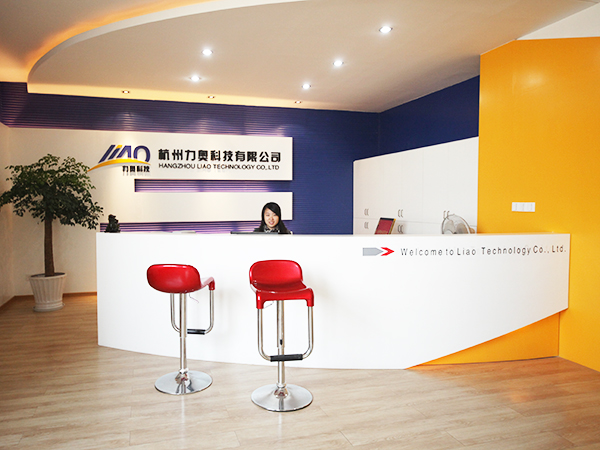
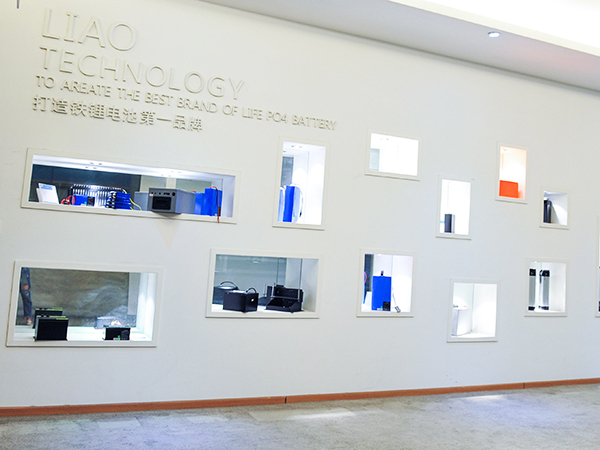
Founded in 2009, Hangzhou LIAO Technology Co., Ltd. is a professional and leading manufacturer specialized in high-performance LiFePO4 batteries and customized power storage systems. Our products have been exported to more than 20 countries all over the world, supporting key infrastructure, marine vessels, telecommunication towers, and solar power facilities.
We already established a strict and efficient QC system. All of our products are produced strictly under the quality management system of ISO 9001. Meanwhile, we have passed and always keep compliance with the environmental management system ISO 14001 as well as the occupational health and safety management system ISO 18001.
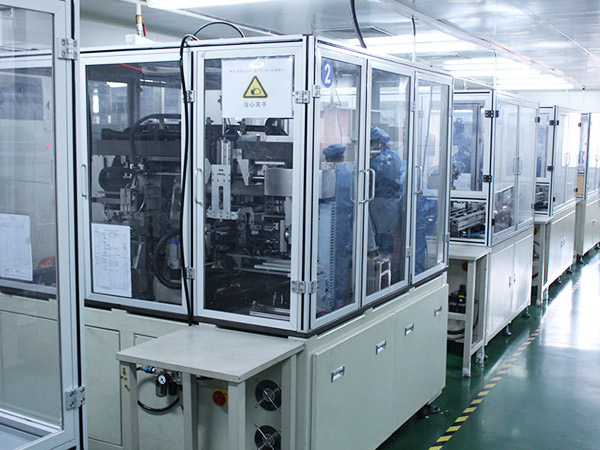
Our factories feature automated manufacturing assemblies designed to eliminate human error and maintain cell consistency. Our key processes include:
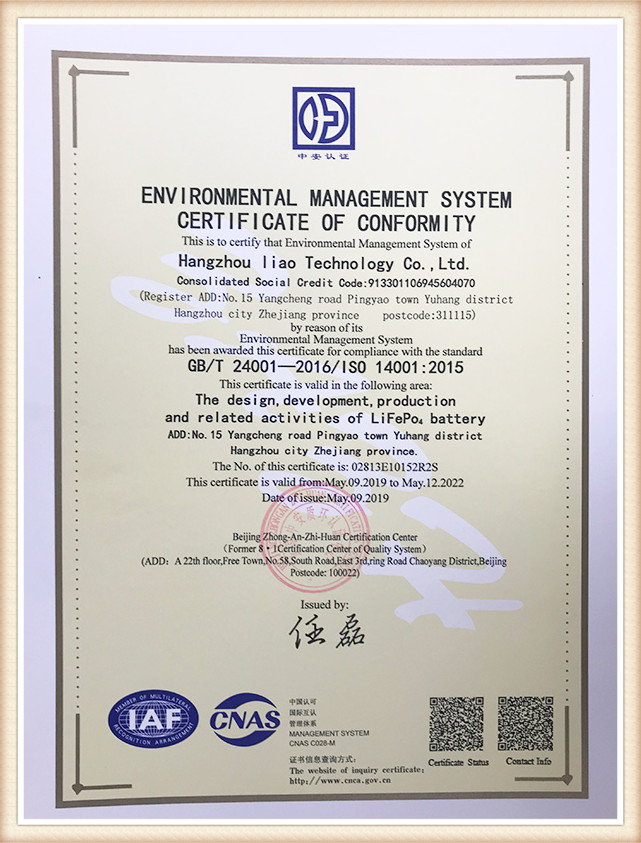
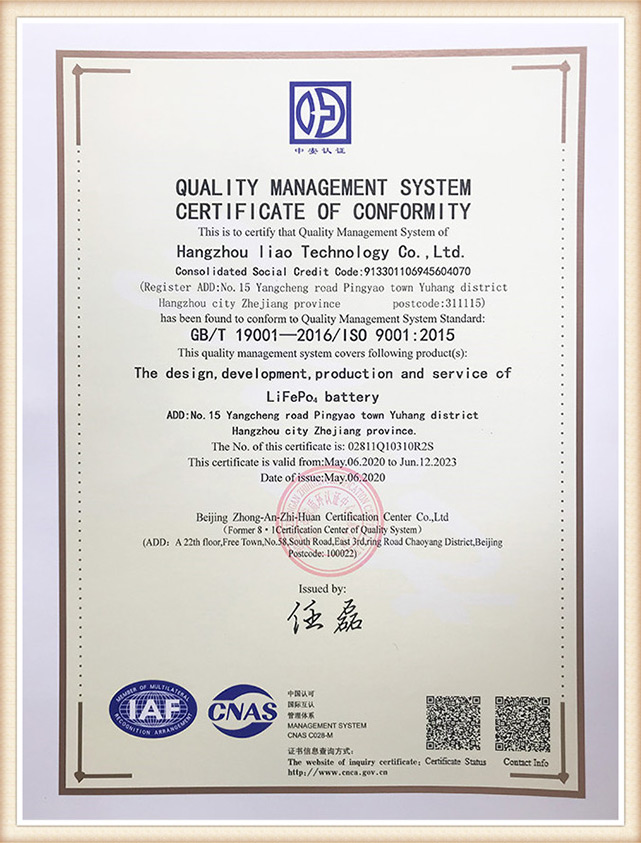

How LIAO's engineering team adapts cell chemistries for specialized commercial applications in Mumbai.
Industrial power requirements vary widely by application. An electric boat operating near the Gateway of India requires a seawater-resistant, IP67-rated battery pack, while a backup system for a telecom tower in Navi Mumbai demands a high-voltage, rack-mounted configuration (like our 192V LiFePO4 setups) optimized for passive cooling.
At LIAO, we address these distinct requirements through our structured OEM and ODM processes. Our design team, comprising electrical and mechanical engineers with over 10 years of experience, collaborates closely with clients to build custom power systems. We develop optimized solutions that balance capacity, voltage configurations, thermal performance, and dimensional constraints to fit your specific application.

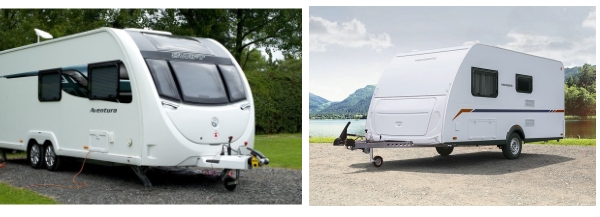

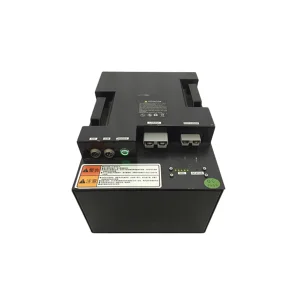
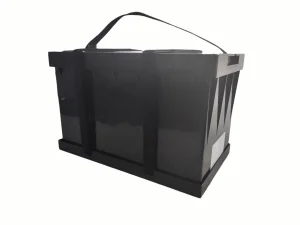
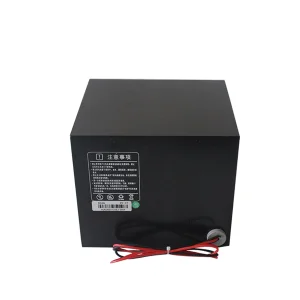
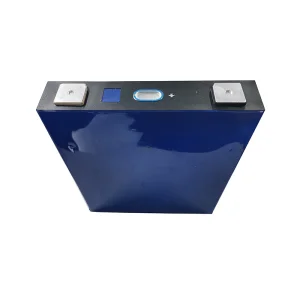
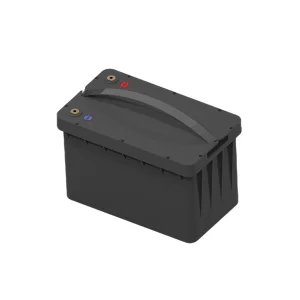
Engineered to replace lead-acid systems, our LiFePO4 range provides longer cycle lives and stable power delivery in high-temperature environments.
A technical projection of municipal backup architectures and power grid demands over the next decade.
As energy densities approach their thermodynamic limits in liquid-electrolyte systems, R&D efforts are shifting toward semi-solid-state configurations. These advances reduce the presence of volatile solvents, significantly lowering the risk of thermal events under high-strain conditions. LIAO Technology is actively exploring these materials to enhance cellular longevity while keeping cycle costs competitive.
Additionally, the deployment of industrial IoT frameworks is transforming grid management. Modern backup systems no longer function as isolated components. By integrating secure cellular interfaces, real-time battery status and performance metrics are fed into predictive cloud models. This helps operators identify and address cell variations before they can lead to system disruptions.
Technical answers to common questions about power infrastructure design, battery safety, and system integration.
Pure sine wave inverters generate a smooth, continuous output wave with low total harmonic distortion (typically under 3%). This stable power delivery prevents voltage fluctuations and overheating in inductive components like electric motors and medical scanners. In contrast, modified sine wave inverters produce abrupt voltage transitions that can cause electrical noise, efficiency losses, and premature component wear.
Lithium Iron Phosphate (LiFePO4) exhibits strong thermal and chemical stability due to its robust crystal structure. Unlike traditional lithium cobalt oxide or lead-acid chemistries, LiFePO4 can operate safely at elevated temperatures (up to 60°C ambient) without accelerating degradation or risking thermal runaway. This makes it highly reliable for hot, humid coastal climates.
Our systems support standard industrial protocols including CAN bus, RS485, and Modbus. These interfaces allow the Battery Management System (BMS) to communicate with external pure sine wave inverters, active cooling assemblies, and central building management software, enabling real-time monitoring of system metrics.
Yes. Our LiFePO4 modules are designed as drop-in replacements for standard Sealed Lead-Acid (SLA) batteries. They share compatible output voltages (e.g., 12.8V, 24V, 48V) and charging tolerances while offering lighter weights, faster charging times, and significantly longer cycle lives.
Under normal operating conditions (1C charge/discharge rate, 25°C), our prismatic cells deliver over 2,800 full cycles before capacity drops to 80% of its original rating. In standard industrial backup setups, this translates to a service life of 10 to 15 years, compared to 2 to 3 years for typical lead-acid cells.
Contact Hangzhou LIAO Technology to discuss your application requirements. Our technical sales and engineering teams are ready to help customize a reliable, cost-effective backup solution.
Send Inquiry Now Liao Battery