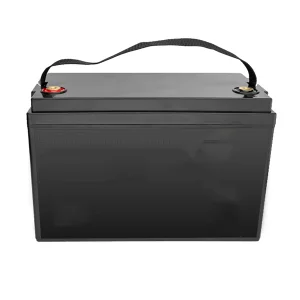
Optimized LiFePO4 batteries engineered to deliver drop-in, zero-maintenance SLA replacement configurations for high-stress Caspian infrastructures.
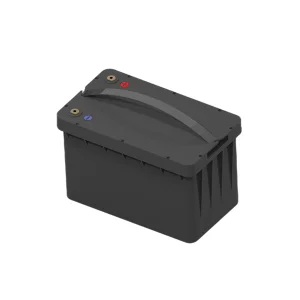
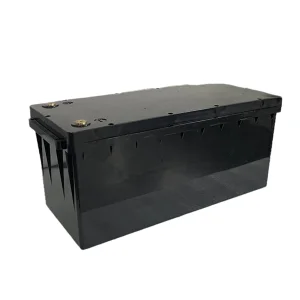
As an energy powerhouse located along the strategically critical Trans-Caspian International Transport Route (the Middle Corridor), Azerbaijan is undergoing an unprecedented modernization of its industrial infrastructure. Traditionally anchored in hydrocarbon extraction, the nation is actively pivoting toward sustainability. The framework set by the state agency for renewable energy sources and the Ministry of Energy mandates a transition toward cleaner, more robust auxiliary technologies.
The industrial switchboards, telecommunication stations, offshore oil rigs in the Caspian Sea (operated by SOCAR and partners), and modernizing logistics centers like the Port of Baku still rely heavily on legacy valve-regulated lead-acid (VRLA) or gel battery banks. Under the high-temperature conditions of the Absheron Peninsula in summer and the freezing climates of the Caucasus mountain range in winter, lead-acid systems undergo rapid plate deterioration, sulfation, and thermal degradation. Modernizing to Lithium Iron Phosphate (LiFePO4) chemistry represents a strategic shift that minimizes maintenance down-times and delivers long-term economic gains.
Years of R&D Specialization
Standard Cell Life Cycles
Custom Projects Globally
Operating Temperature Range
A rigorous engineering analysis highlighting the operational and financial viability of upgrading to Lithium Iron Phosphate in Azerbaijan's industrial ecosystems.
| Performance Characteristic | Legacy Lead Acid (SLA / AGM / Gel) | LIAO Lithium Iron Phosphate (LiFePO4) | Strategic Advantage |
|---|---|---|---|
| Cycle Life (100% DOD) | 300 - 500 Cycles | 2,800 - 6,000 Cycles | 8x - 12x Longer Life |
| Usable Depth of Discharge (DOD) | 50% (Recommended for longevity) | 90% - 100% (Without cycle compromise) | Higher Energy Efficiency |
| Weight & Energy Density | Heavy (~30 Wh/kg) | Lightweight (~120 Wh/kg) | Simplifies installation on offshore platforms |
| Extreme Temperature Tolerance | Severe capacity loss below 0°C & degradation above 35°C | Excellent performance: -40°C to 85°C | Suits Azerbaijan Climates |
| BMS Integration | None (Relies on external float charge) | Intelligent Active Balancing Protection Circuitry | Direct monitoring of SOC and cell health |
| Total Cost of Ownership (5-Year TCO) | High (Requires 2-3 replacements + maintenance) | Low (Zero maintenance, single install cycle) | Over 60% Cost Reduction |
Explore our industrial energy storage solutions and high-efficiency power inverters designed for integration with off-grid solar microgrids and backup systems.
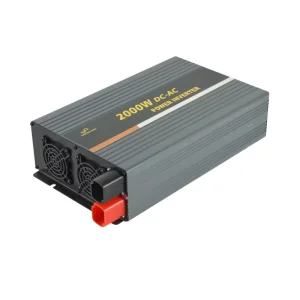
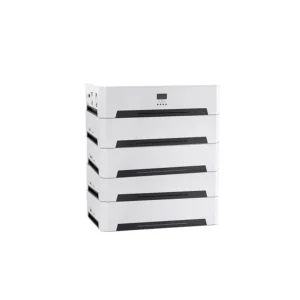
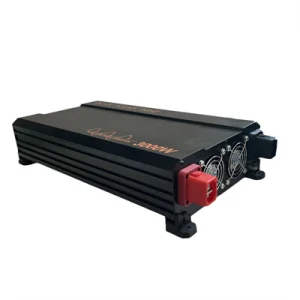
How Hangzhou LIAO Technology powers key growth sectors, replacing inefficient lead-acid arrays with robust LiFePO4 setups.
The offshore support vessels, tugboats, and yachts operating in the Port of Baku face high moisture levels and salt fog. Traditional lead-acid batteries degrade rapidly under deep discharge cycles on ships. LIAO's marine-grade LiFePO4 configurations, integrated with robust anti-corrosive packaging and integrated BMS, supply continuous auxiliary power to critical navigation systems.
Target Chemistry: 12V 200Ah & 12V 300Ah SystemsAs Azerbaijan establishes the Karabakh region as a green energy zone, off-grid micro-installations, remote telecommunication towers, and solar-powered street lighting require highly durable energy storage systems. Our LiFePO4 chemistry stands up to extreme sub-zero mountain temperatures and enables high cycles with no system monitoring overhead.
Target Chemistry: 48V 20KW ESS & 12V 100Ah PacksFor material handling operations within the industrial parks of Sumqayit and Ganja, traditional battery setups require long charge cycles and suffer from low efficiency. Upgrading warehousing equipment, forklift fleets, and electric towing tractors to LIAO's lithium solutions supports fast, multi-shift opportunity charging.
Target Chemistry: 24V 20Ah & Custom Heavy-duty PacksFounded in 2009, Hangzhou LIAO Technology Co., Ltd. is a leading manufacturer specializing in Lithium Iron Phosphate (LiFePO4) batteries. With over 15 years of robust technical experience in custom battery design, LIAO helps clients across 20+ countries modernize their energy infrastructures.
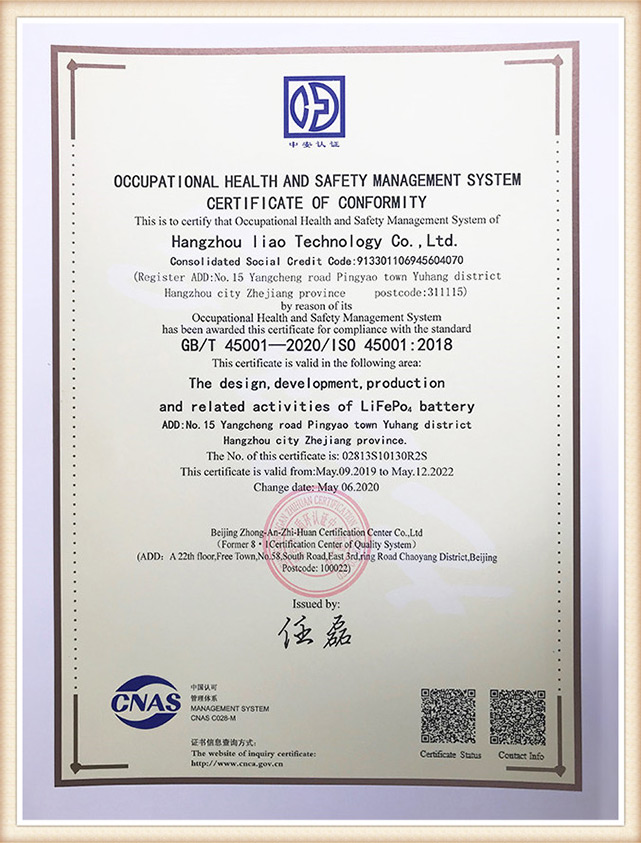
Operating under strict global guidelines, all LIAO products are built in compliance with the ISO 9001 quality management system, the ISO 14001 environmental management system, and the ISO 45001 (formerly ISO 18001) occupational health and safety standards.
Quality Assured
Environmental
Health & Safety
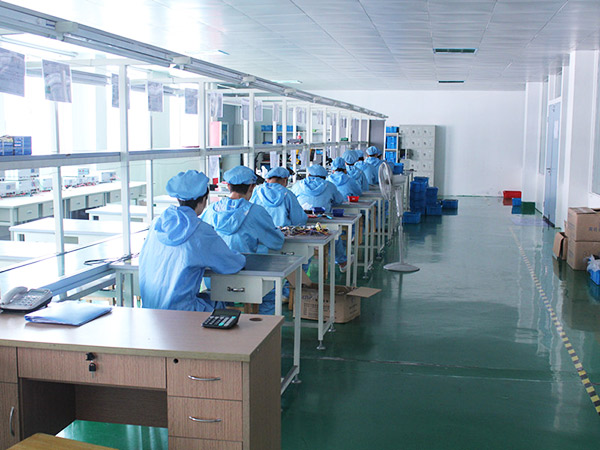
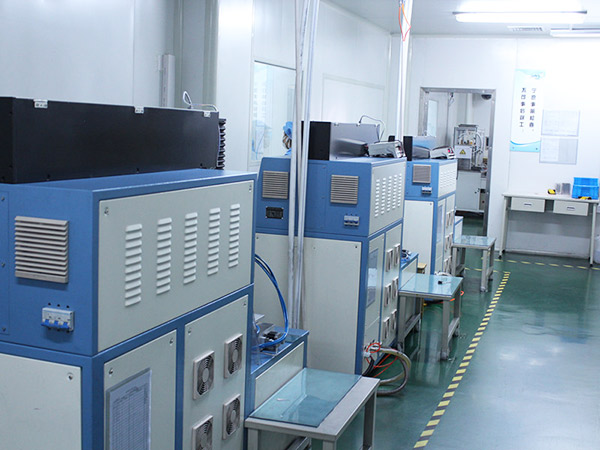
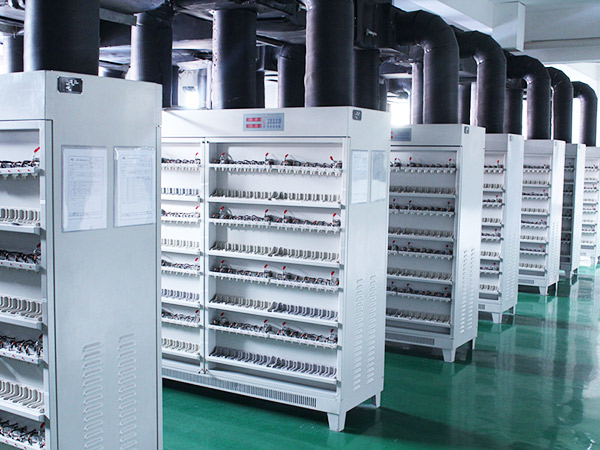
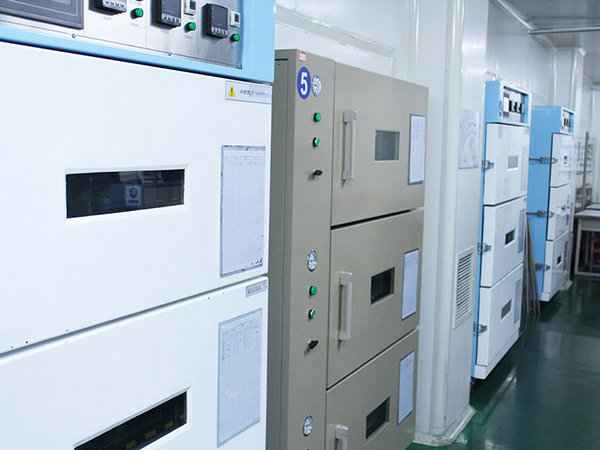
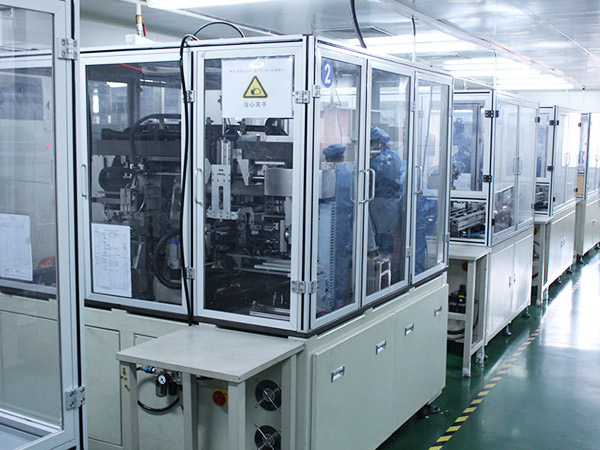
A look at the assembly lines, quality testing equipment, and laser welding centers at our plant.
Transporting hazardous goods like class-9 lithium batteries requires strict compliance with international shipping codes. At LIAO, we manage transit options via the Middle Corridor (Trans-Caspian Route), coordinating customs, safety checks, and delivery direct to your facilities in Baku, Sumqayit, or Alat.
Our support teams offer comprehensive assistance, starting with configuration modeling to design drop-in replacements for your current SLA battery systems. From layout sizing and electrical protection to local technical staff training, we make the migration process fast, reliable, and secure.
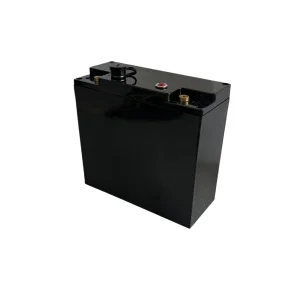
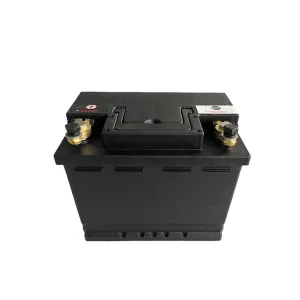
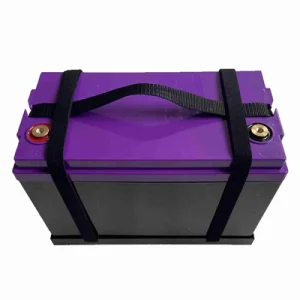
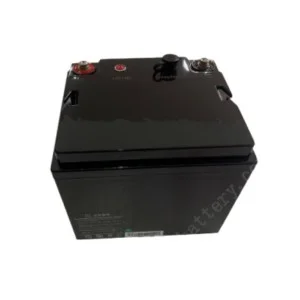
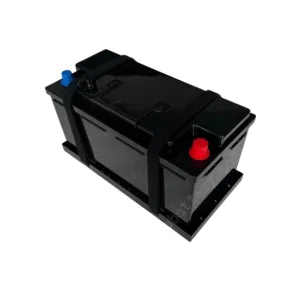
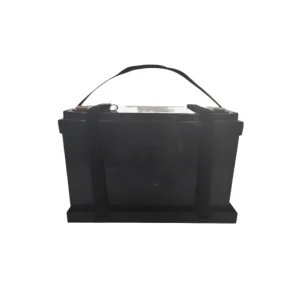
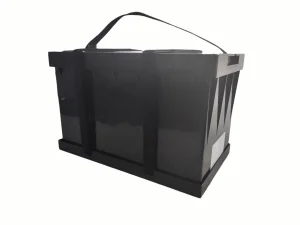
Explore our extensive line of CE, ISO, and UN38.3 certified LiFePO4 packs designed to replace traditional lead-acid batteries.
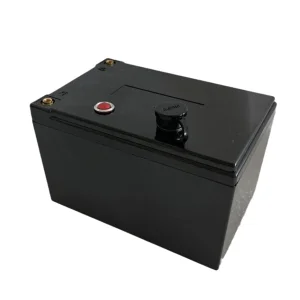
LIAO's vision for integration with smart grid infrastructures, energy networks, and zero-carbon factories.
Next-generation LIAO batteries are shifting from basic protection boards to advanced active-balancing BMS systems. By integrating Modbus, CANbus, and RS485 communication protocols, users can monitor battery telemetry data (SOC, SOH, temperature, cell voltages) directly from central DCS dashboards in Baku.
Our R&D team is developing built-in heating films that utilize charging power to warm up cells before charge initiation. This guarantees reliable operation at temperatures down to -40°C in high-altitude Caucasus settings, without risk of lithium plating.
We support regional decarbonization initiatives. After their initial lifecycle in traction applications (forklifts, industrial fleets), LIAO battery cells are engineered to be re-sorted and repurposed for secondary, stationary solar grids before ultimate recycling.
Addressing engineering, regulatory, and logistics questions from local project managers and buyers.
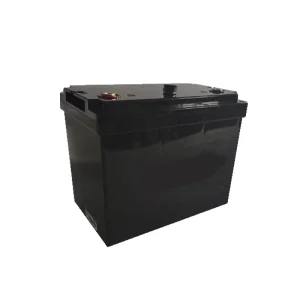
Yes. Our 12V and 24V battery configurations are engineered as direct replacements for lead-acid arrays. They match SLA casing sizes, terminal locations, and float charge parameters. While standard lead-acid chargers work, we recommend adjusting the bulk charge voltage profile to 14.4V - 14.6V for a 12V nominal pack to optimize charging speeds.
Traditional lead-acid batteries lose half of their lifespan for every 8°C rise in temperature above 25°C. LIAO's LiFePO4 cells are rated to operate safely and maintain cycle life up to 60°C without cell swelling. This makes them ideal for the hot summers of the Absheron Peninsula.
We provide full documentation for international transit, including UN38.3 test reports, Material Safety Data Sheets (MSDS), and CE declarations. This ensures smooth custom handling at dry ports and border crossings.
The built-in Battery Management System (BMS) continuously monitors cell voltage, charge/discharge currents, and internal temperature. In the event of grid surges, short circuits, or over-discharges, the BMS isolates the cells within microseconds. The system auto-recovers once normal parameters return.
Standard designs usually ship from our facility within 15–20 days. Custom configurations requiring dedicated mechanical casings or specialized BMS communication cards typically ship in 30–45 days. Transit to Baku varies by route and takes about 20–35 days.
 Liao Battery