Explore our premium selection of customizable batteries engineered for critical infrastructure, backup networks, and advanced e-mobility applications.
An in-depth whitepaper analysis on thermodynamic efficiency, voltage scaling, and safety benchmarks in commercial power configurations.
Over the last decade, heavy-duty industrial systems, light electric vehicles (LEVs), and utility platforms have rapidly shifted from traditional lead-acid systems and legacy 36V/48V configurations to highly optimized 72 Volt Lithium-Ion systems. This strategic evolution is primarily driven by thermodynamic efficiency, system layout configuration, and power requirements. Higher voltage architectures naturally reduce current draw ($I = P/V$) for the same power output, directly translating to significantly minimized line resistance losses ($I^2R$).
Additionally, 72V architectures utilize lighter cabling, reducing total copper requirements in wire harnesses and offering substantial weight-saving benefits for complex, payload-sensitive configurations. As a leading customized pack manufacturer, Hangzhou LIAO Technology Co., Ltd. has been at the forefront of this industrial transformation. Leveraging over 15 years of continuous research, we design and assemble custom 72V battery solutions using premium Prismatic Lithium Iron Phosphate (LiFePO4) and NCM chemistries, offering unparalleled cycle longevity and safety under extreme operational profiles.
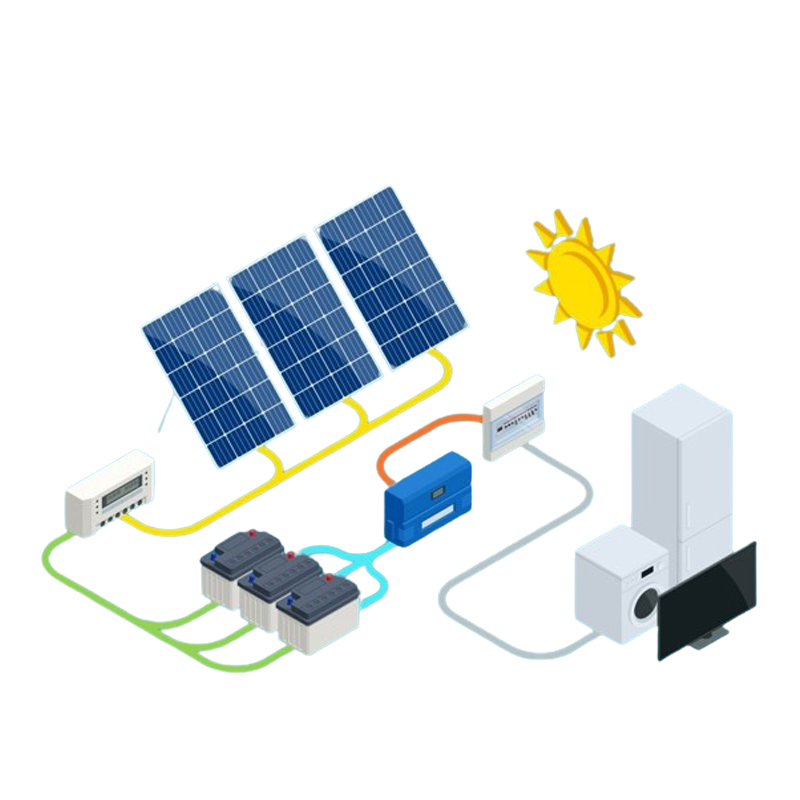
Our proprietary chemistry configurations are engineered to withstand extreme physical stresses. Under comprehensive testing—including mechanical crushing and nail penetration—cells achieve a non-combustive, non-explosive state, setting the benchmark for commercial safety.
Unlike generic lithium configurations that experience drop-offs in sub-zero or high-temperature environments, our custom battery packs maintain continuous stable discharge capability across a wide thermal threshold of -40°C to 85°C.
Featuring custom structural pack engineering and high-grade balancing Battery Management Systems (BMS), our individual LFP cells deliver 2,800+ full charging/discharging cycles at 1C / 100% Depth of Discharge (DOD) before nominal capacity settles to 80%.
Backed by ISO quality frameworks and international certifications, LIAO Tech serves customers in over 20 countries globally.
Founded in 2009, Hangzhou LIAO Technology Co., Ltd. is a leading specialized manufacturer of high-performance LiFePO4 and lithium energy storage systems. Over more than a decade, our products have earned a strong global reputation, exporting to highly regulated markets across Europe, the Americas, and the Asia-Pacific region, including Germany, France, the Netherlands, Spain, the United Kingdom, the USA, Canada, Mexico, Brazil, Australia, the Philippines, Thailand, Singapore, South Korea, Japan, India, and South Africa.
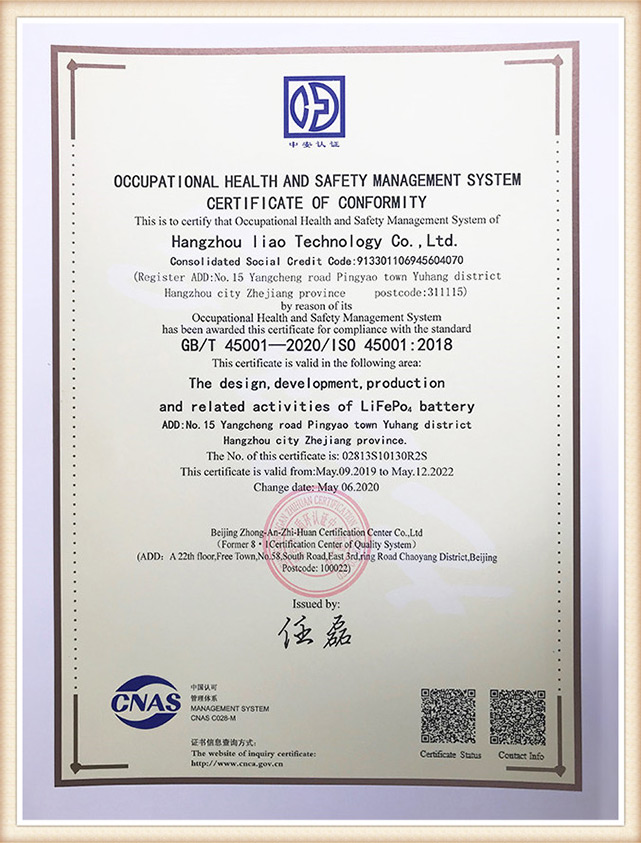
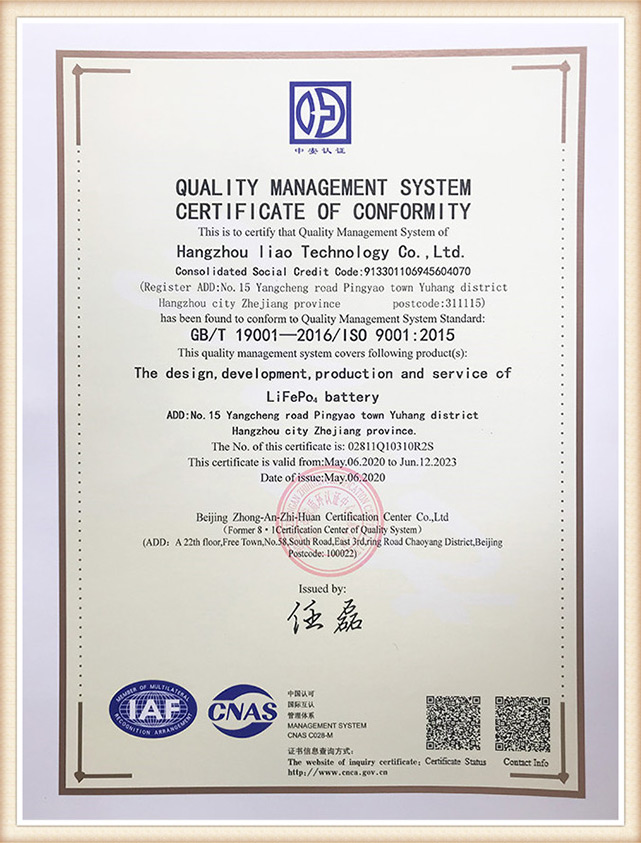
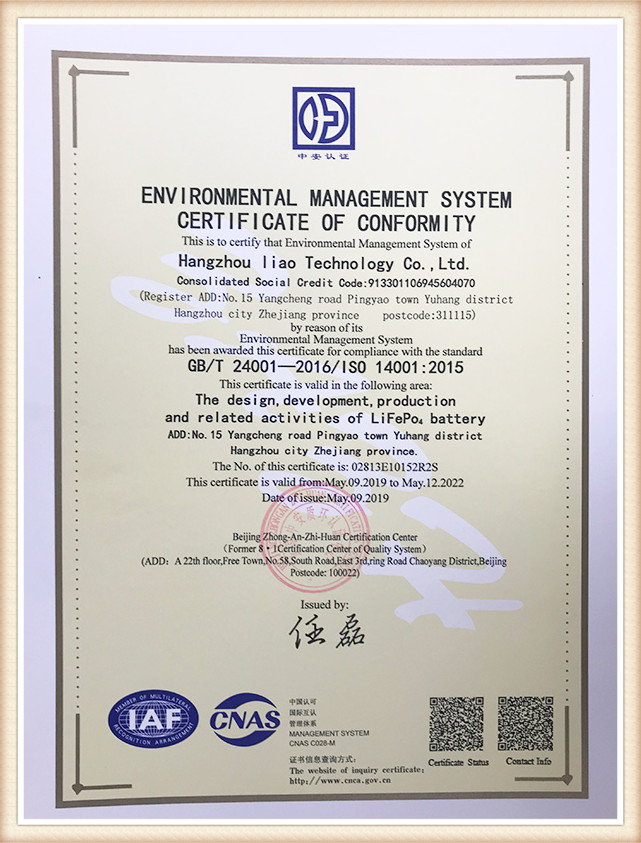
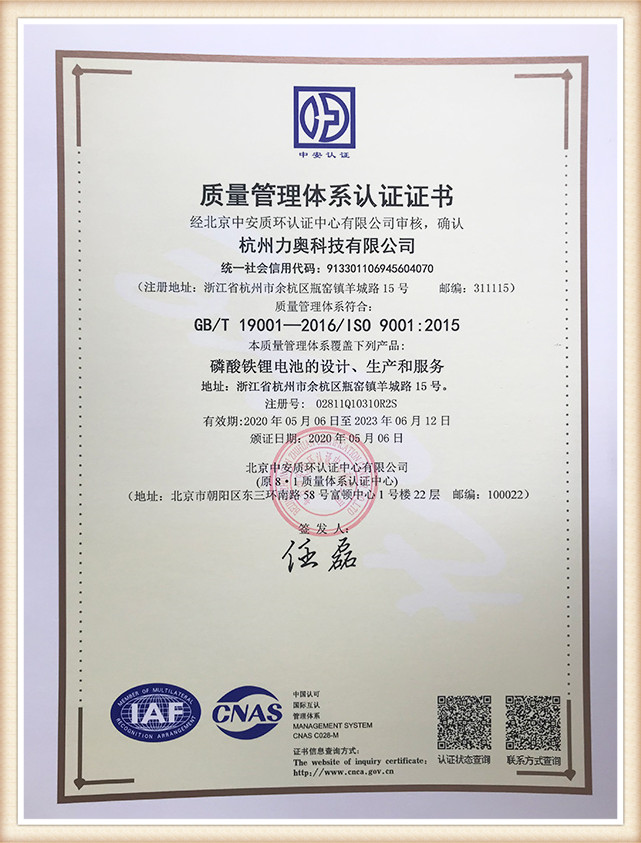
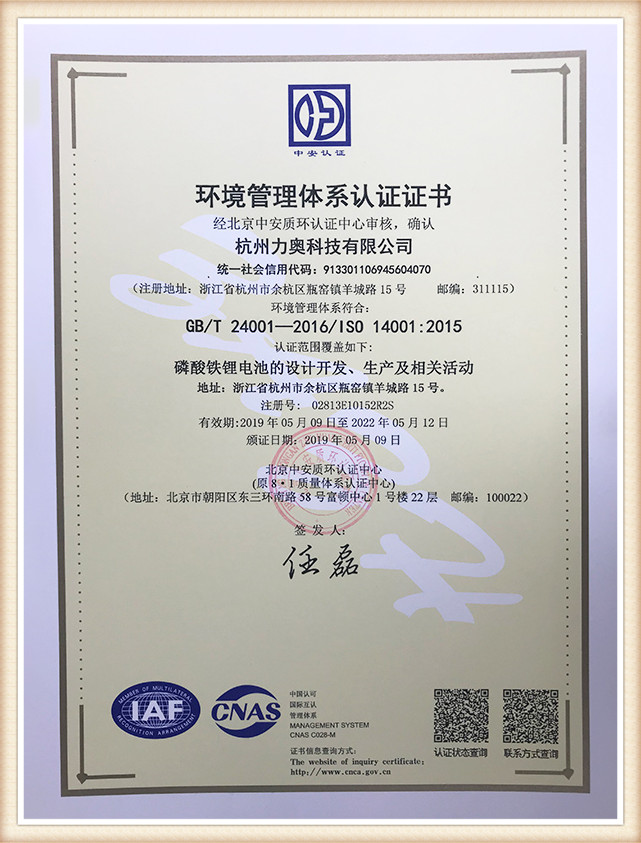
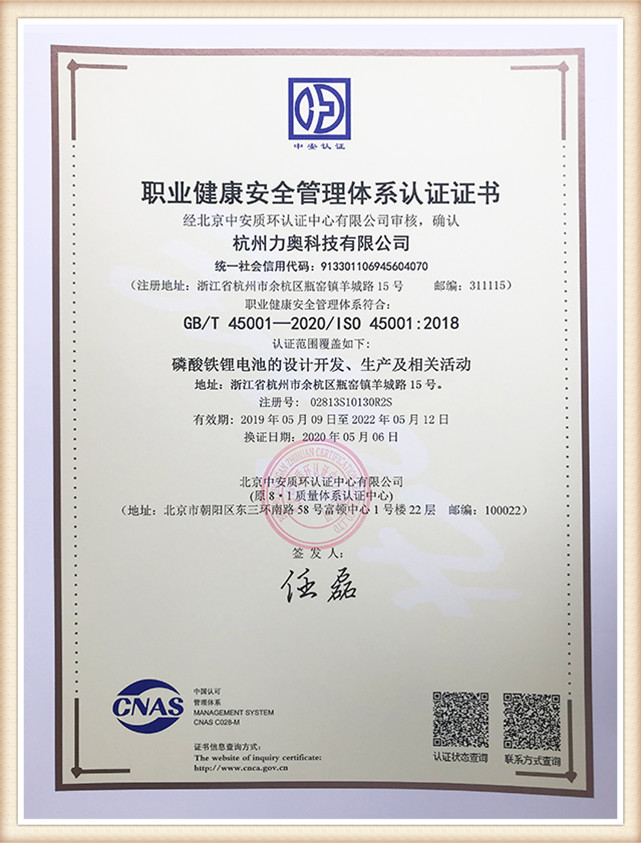
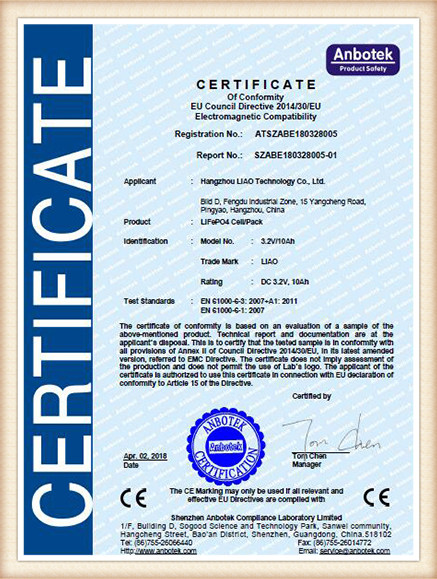
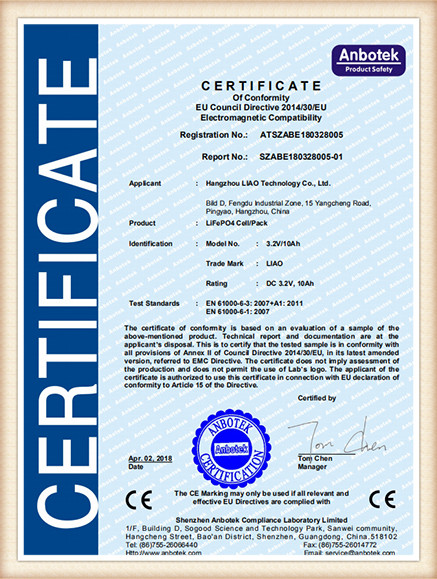
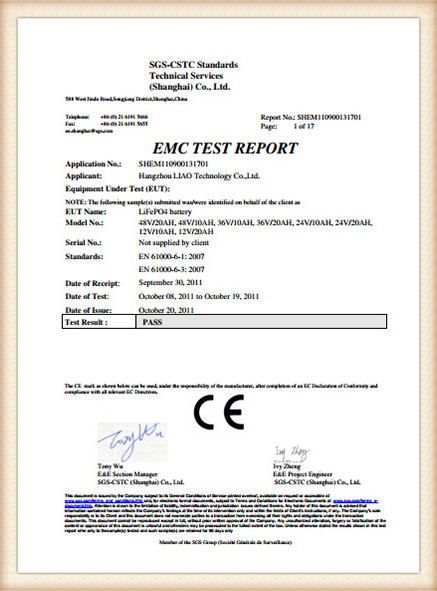
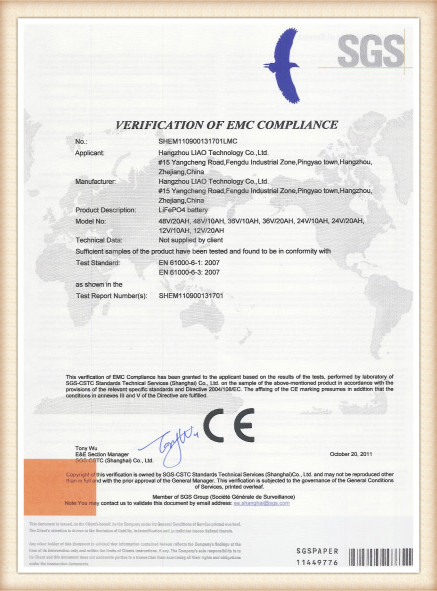
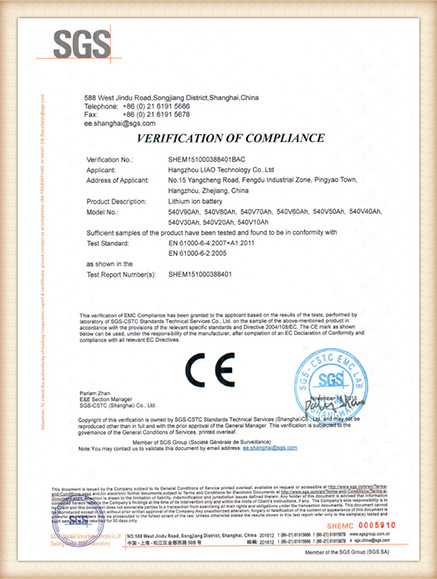
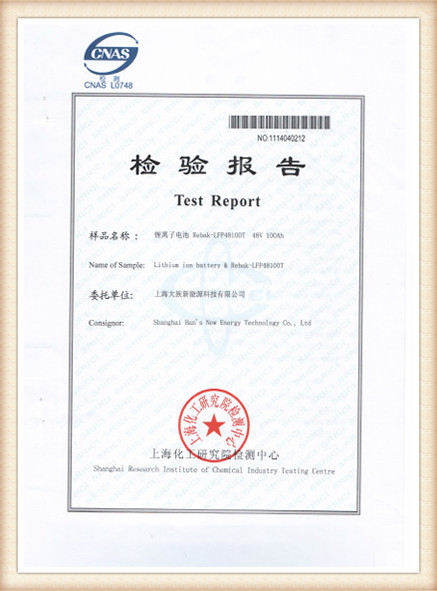
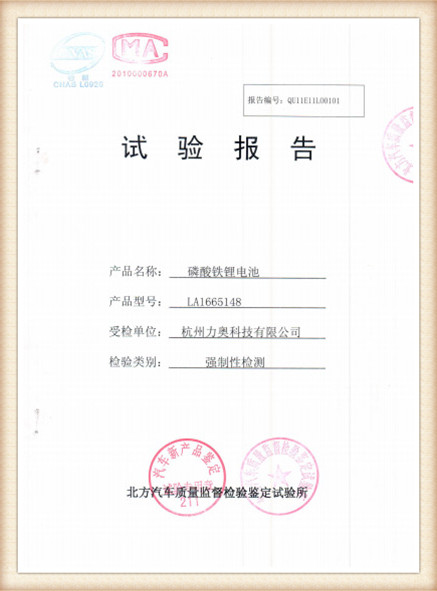
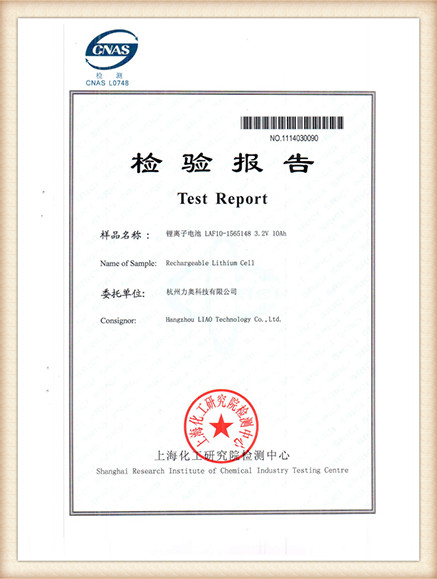
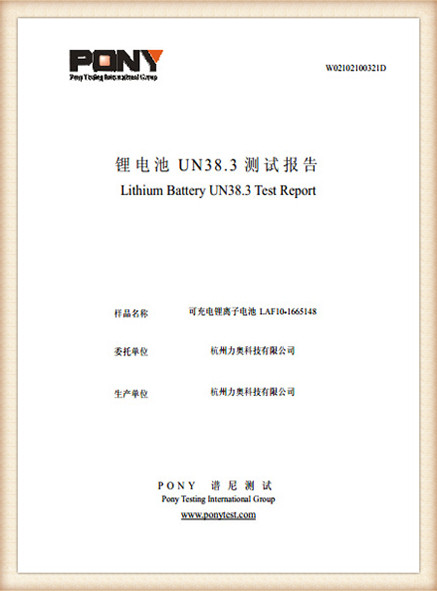
Our commitment to quality is reinforced by a rigorous Quality Control (QC) framework. All production phases are compliant with ISO 9001:2015 quality management systems, while our manufacturing facilities operate in strict compliance with the ISO 14001 environmental management system and ISO 18001 / ISO 45001 occupational health and safety standards. Our R&D team works closely with procurement departments to ensure all products comply with international standards, including CE, UN38.3, and RoHS guidelines.
Engineered for long life, safety, and reliability across different commercial and industrial applications.

Our new-generation LiFePO4 golf cart batteries provide high energy density and continuous discharge to support smooth operation across diverse golf terrains and elevations.
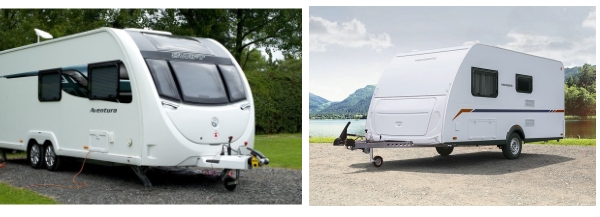
High-efficiency, zero-emission batteries designed to run caravan movers quietly, reducing maintenance costs and improving reliability on the go.
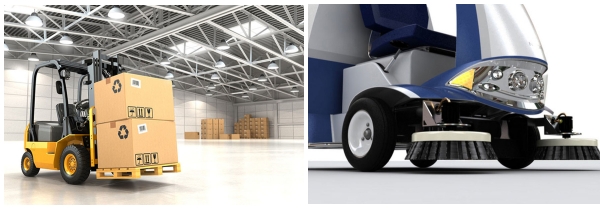
Ideal for heavy-load short-distance logistics, including forklifts and AGVs. These batteries optimize material handling efficiency and lower total cost of ownership (TCO).
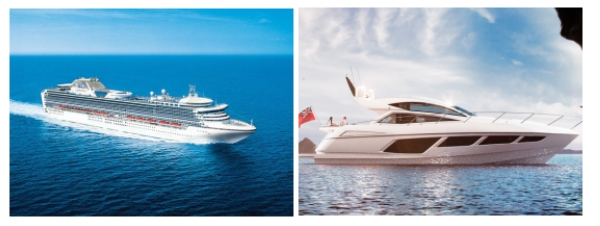
Zero-emission, low-noise marine battery systems designed to operate safely in wet environments, minimizing environmental impact in sensitive waterways.
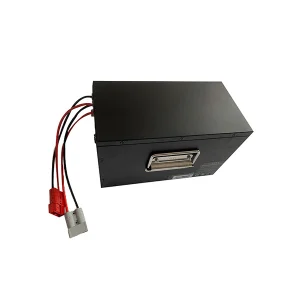
Hangzhou LIAO Technology Co., Ltd. provides end-to-end custom battery pack engineering, taking your concepts from initial design through to mass production. Our R&D team includes electrical, mechanical, and software engineers who design customized layouts that integrate with your equipment's physical space and dynamic electrical requirements.
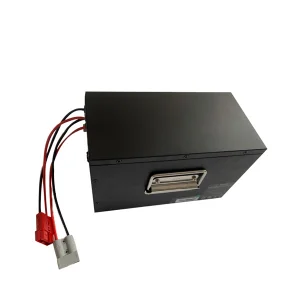
By leveraging custom enclosures, active thermal management, and smart communication options like CAN-bus, RS485, and Bluetooth, we deliver power solutions tailored to your operational needs. Whether you are looking for drop-in replacements for lead-acid fleets or new configurations for advanced electric machinery, we offer design prototypes that help you enter the market quickly and cost-effectively.
Inquire for OEM/ODM Solutions
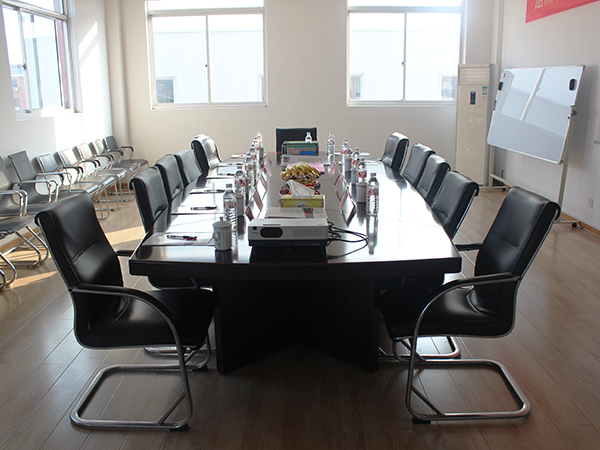
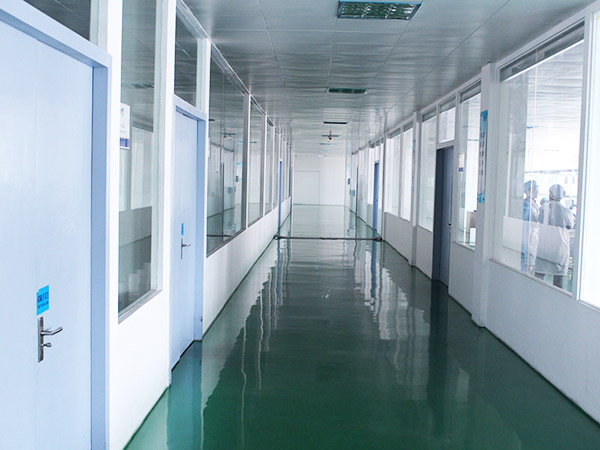
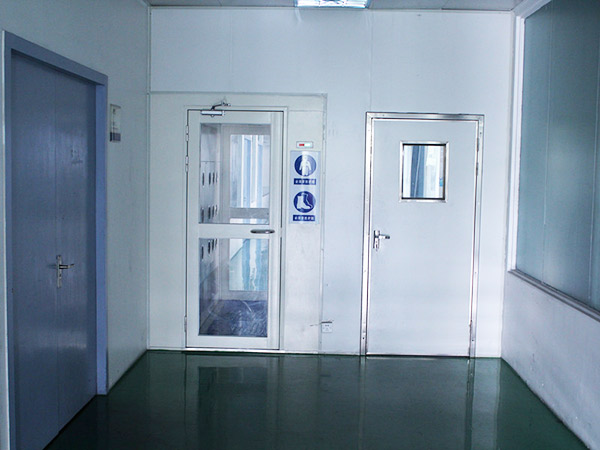
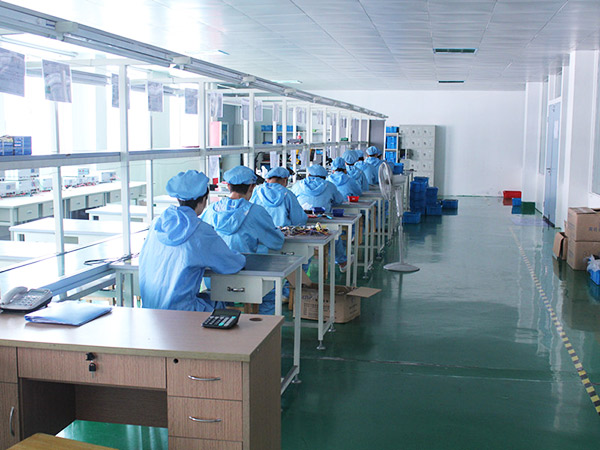
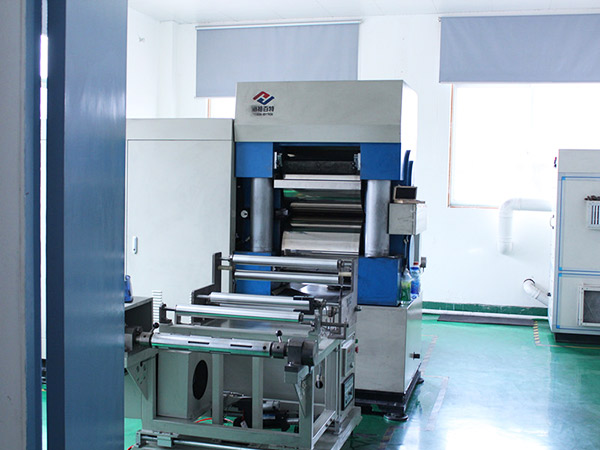
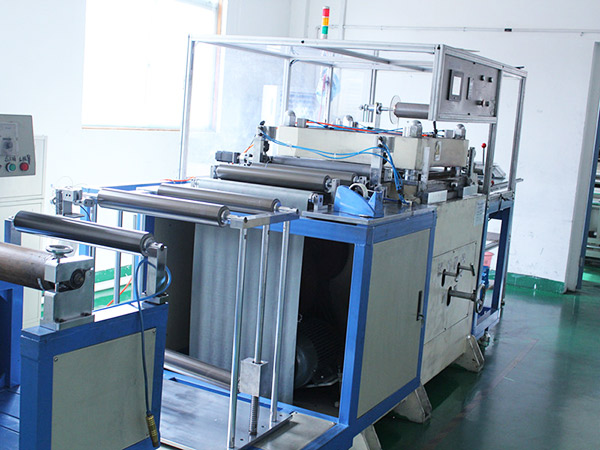
A step-by-step look at our automated production line, from cell capacity sorting to final laser welding and safety testing.
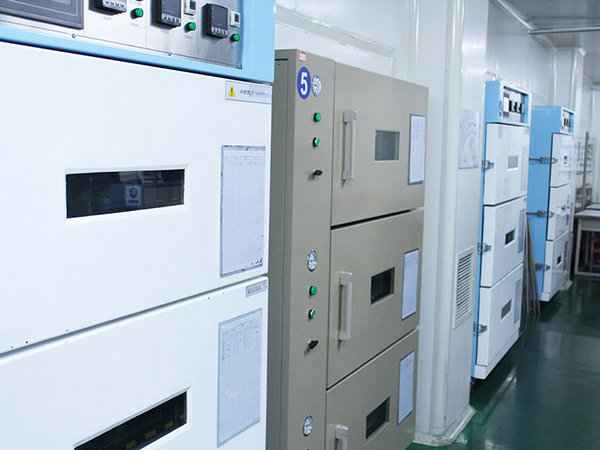
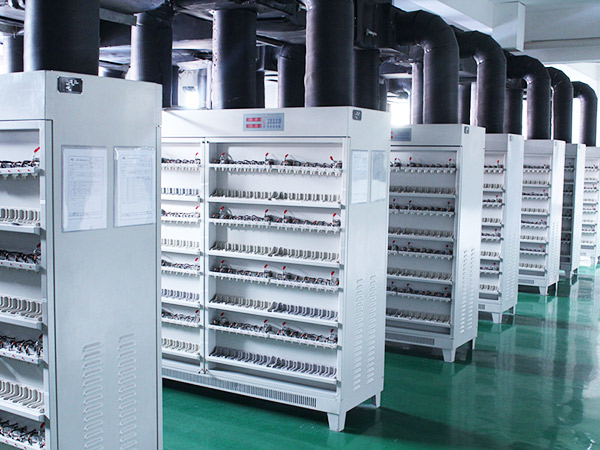
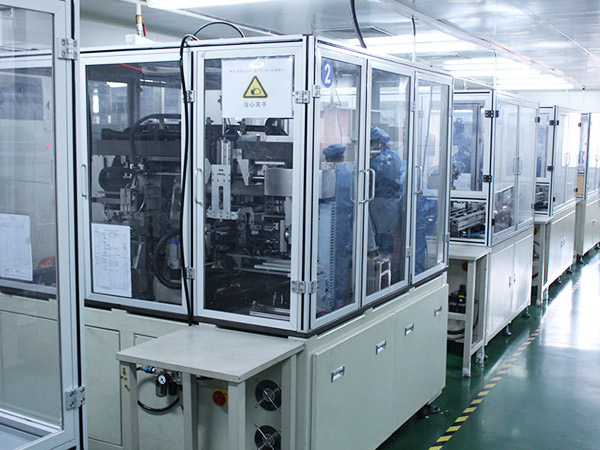
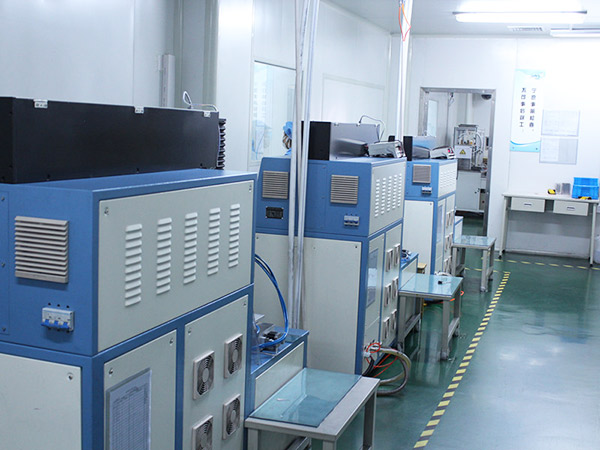
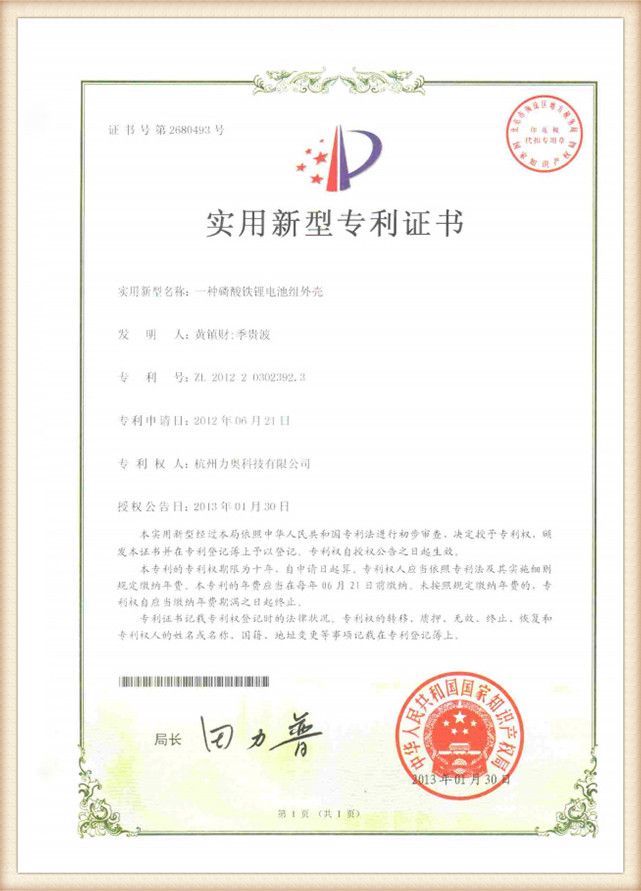
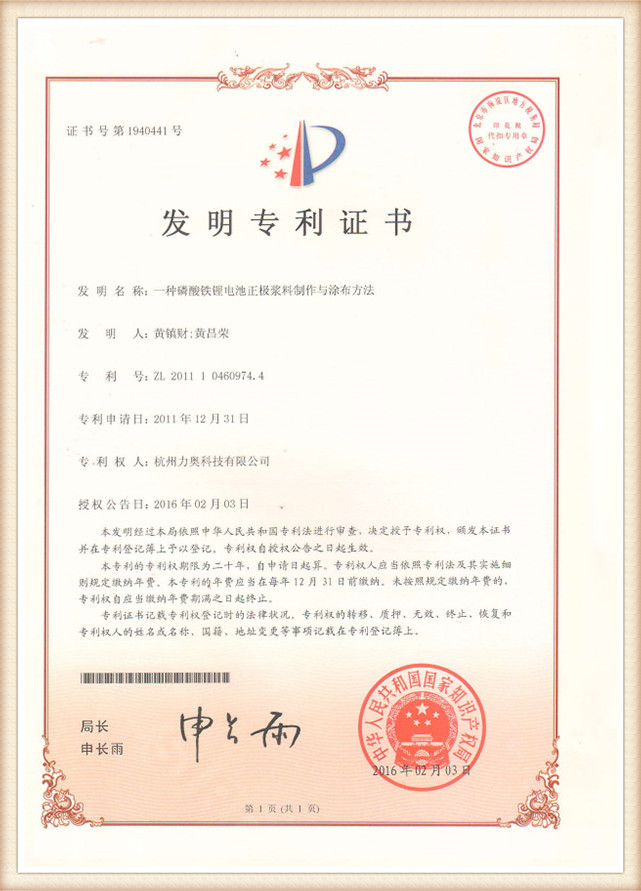
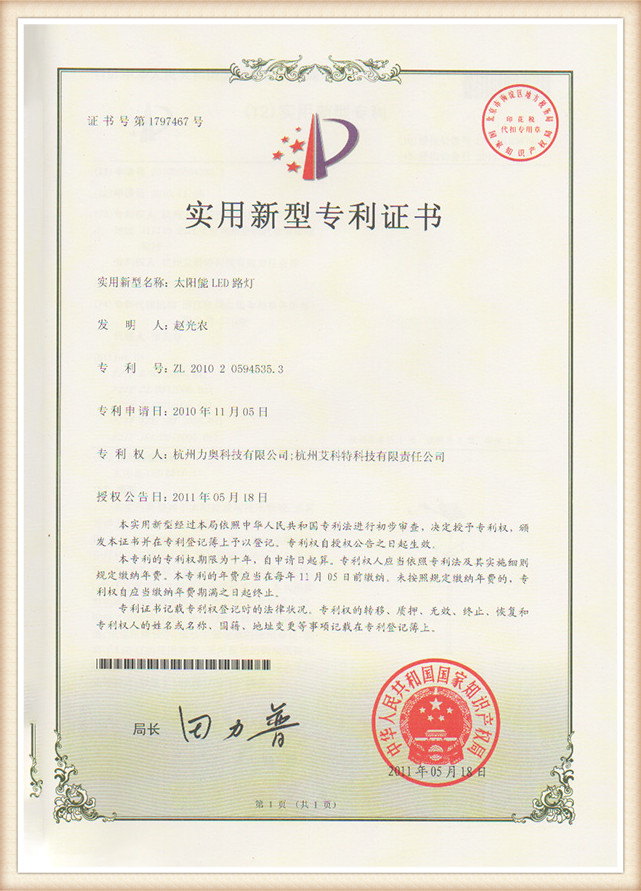
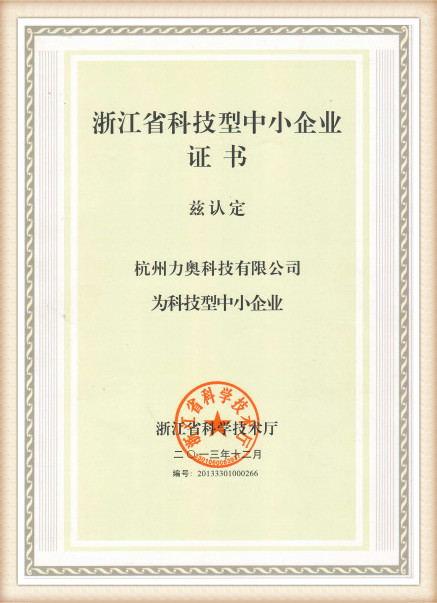
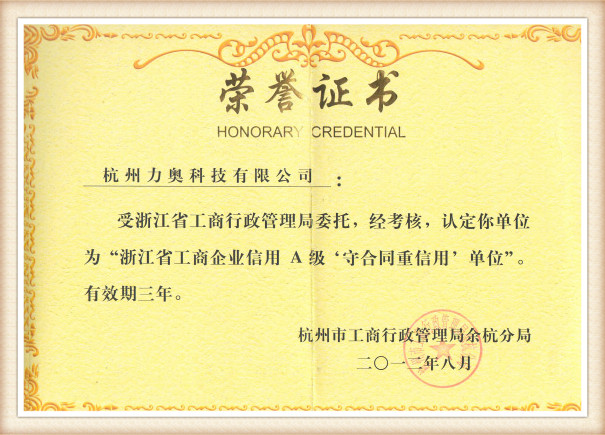
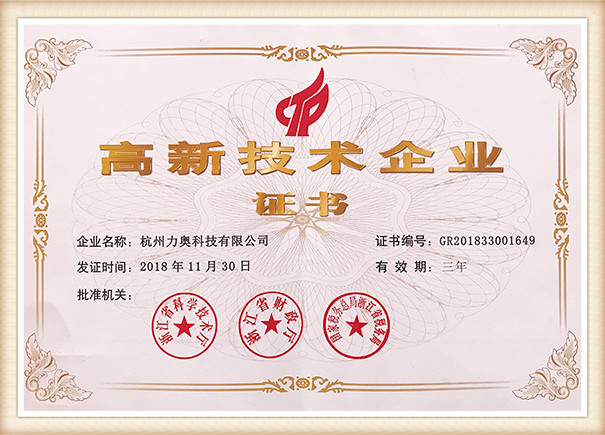
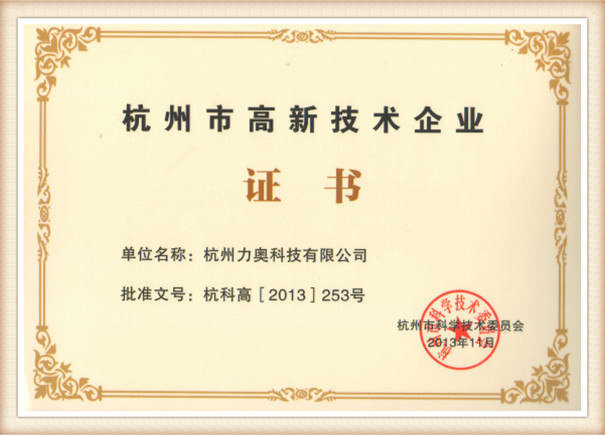
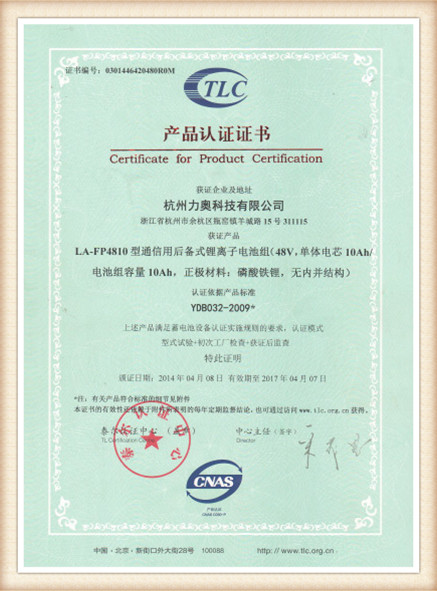
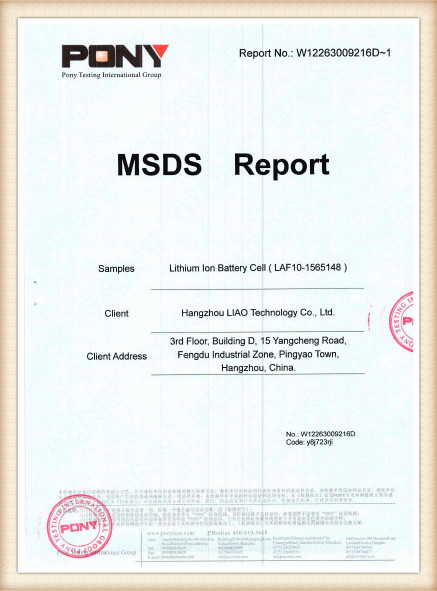
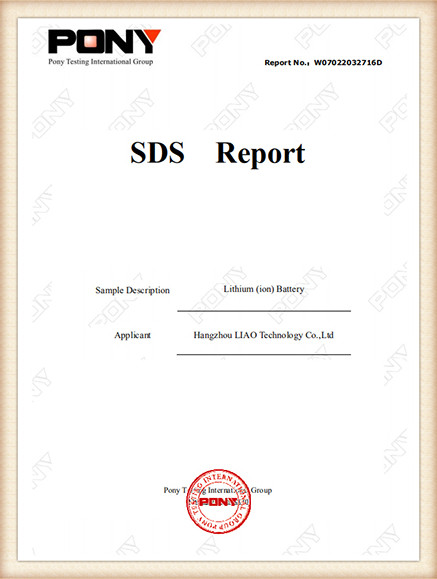
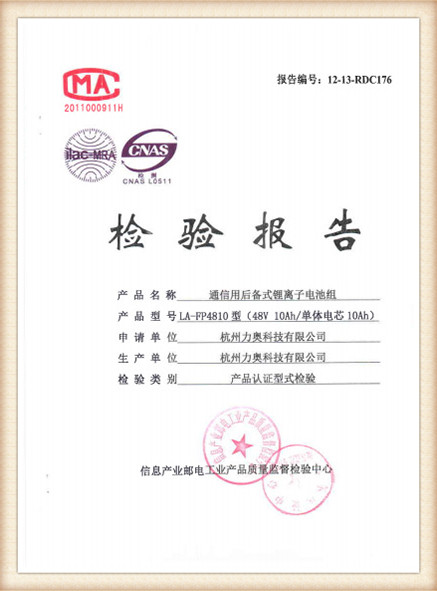
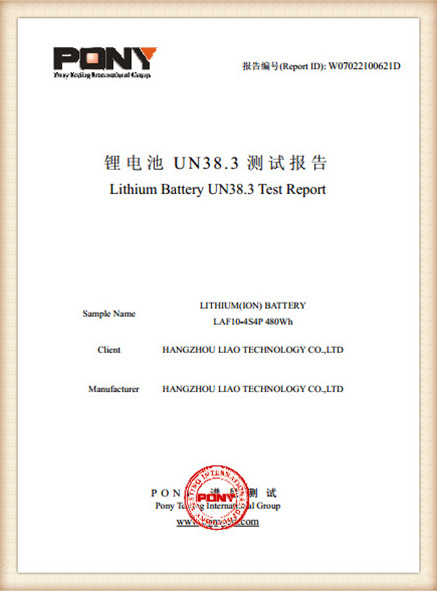
Our products and production processes are backed by international design patents, system certifications, and compliance reports.
Analyzing trends in cell topology, battery management systems, and safety features in industrial battery production.
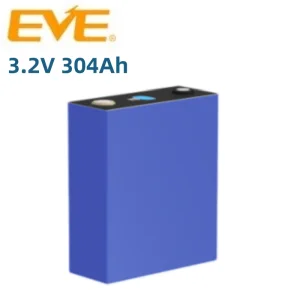
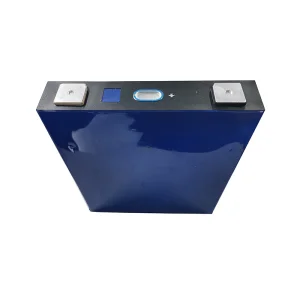
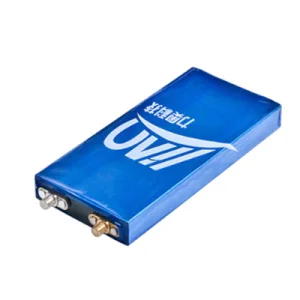
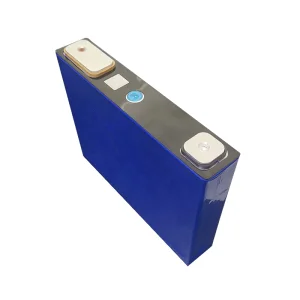
Industrial configurations are increasingly shifting toward high-capacity Prismatic LiFePO4 cells (such as 50Ah, 100Ah, and 304Ah models). Prismatic structures feature lower terminal connection counts, reducing internal resistance and lowering failure rates compared to traditional cylindrical packs.
Modern industrial fleets rely on real-time diagnostics. Our customized systems feature CAN-bus communications, IoT integration, and Bluetooth telemetry, allowing operators to monitor State of Health (SOH) and cell balance remotely.
As industry requirements evolve, R&D focuses on semi-solid-state designs. These developments aim to improve safety, eliminate thermal runaway risks, and increase energy density to over 220 Wh/kg.
In North America and Europe, stringent emission regulations (such as Net-Zero commitments and local clean-air standards) are accelerating the transition from diesel and LPG-powered machinery to electric alternatives. Forklifts, aerial work platforms (AWPs), and ground support equipment (GSE) require high continuous discharge rates and rapid charging cycles.
A 72V LiFePO4 configuration supports opportunity charging—allowing operators to charge systems during short breaks without causing capacity degradation or memory effects. This capability enables multi-shift operations without requiring spare battery swaps, helping fleet operators optimize efficiency and reduce down-time.
Expert answers to common questions about voltage configurations, safety standards, and customizing battery packs.
A 72V configuration operates at higher voltage, reducing the current draw needed for a given power level ($P = V \times I$). This lower current minimizes energy loss due to line resistance ($I^2R$), allowing for cooler operation and improved efficiency under heavy loads. It also enables the use of thinner, lighter wiring harnesses, saving weight and space in vehicle designs.
LiFePO4 (Lithium Iron Phosphate) is favored for industrial applications due to its cycle life (often exceeding 2,800-4,000 cycles) and thermal stability. LFP chemistry features a high thermal runaway threshold and does not release oxygen when damaged, making it highly resistant to combustion. While NCM (Nickel Cobalt Manganese) offers higher energy density, LFP provides better safety and a lower total cost of ownership for heavy-duty fleets.
Yes. LIAO Tech cells are formulated to operate across a temperature range of -40°C to 85°C. For extreme low-temperature applications, our packs can be equipped with integrated thermal management systems or heating pads to maintain optimal charging and discharging temperatures.
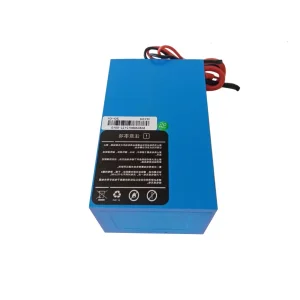
We offer full customization for battery packs, including voltage scaling, capacity matching (Ah), structural case dimensions, sheet metal or plastic enclosures, and specific connector types. We also integrate smart BMS units supporting CAN-bus, RS485, and SMBus protocols to align with your vehicle's electronic control systems.
For global compliance, battery packs must meet UN38.3 requirements for safe transport, which includes vibration, shock, altitude, and thermal tests. Depending on the market, additional certifications such as CE (Europe), UL2580 (North America), or IEC62619 may be required. LIAO Tech handles compliance testing to ensure all custom packs meet regional safety standards.
Browse our full range of lithium battery modules, cells, and specialized packs engineered for industrial applications.
 Liao Battery