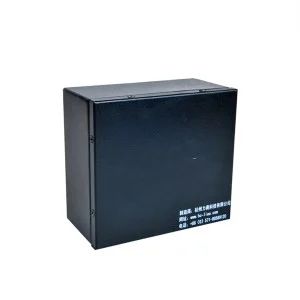
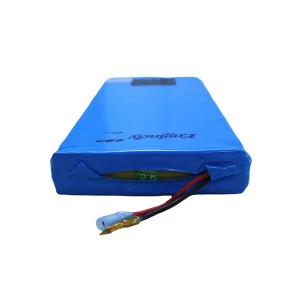
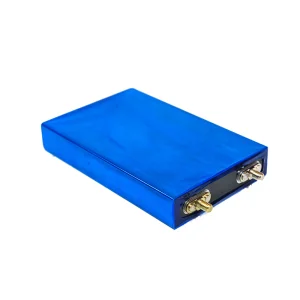
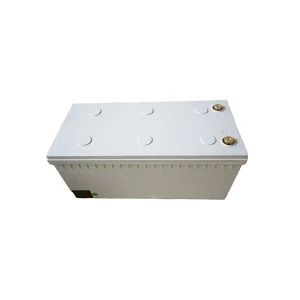
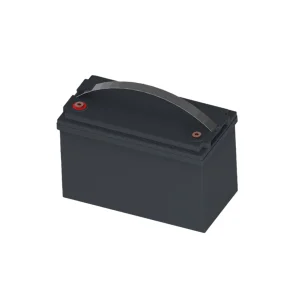
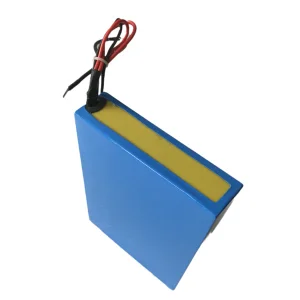
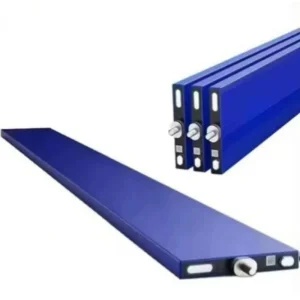
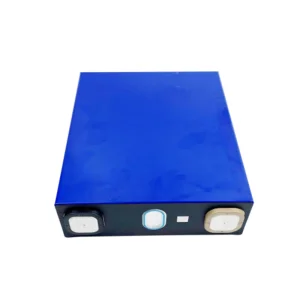
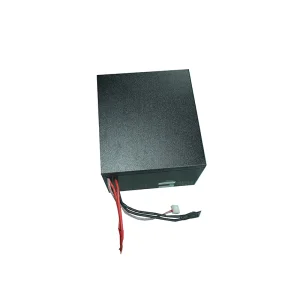
As urban centers globally accelerate their transition toward zero-emission infrastructure, light electric vehicles (LEVs) and electric cargo bikes have emerged as vital tools for micro-mobility and last-mile delivery operations. Central to this paradigm shift is the 24V 12Ah lithium-ion battery system. Operating as a baseline configuration, the 24V 12Ah architecture provides the optimal equilibrium between payload efficiency, spatial volume constraints, and thermodynamic stability.
Regulatory frameworks, including the EU’s Green Deal and various municipal fleet mandates in the United States, are actively incentivizing lightweight vehicular designs. A 24V system, delivering a nominal 288 watt-hours (Wh) of energy density under standard configuration, represents an ultra-safe voltage category that significantly mitigates electrical risk during operation, servicing, and transport.
For supply chain coordinators and fleet integrators, sourcing direct from verified manufacturer channels is critical to securing long-term price stability, performance reliability, and product life cycle predictability. By managing structural layout, battery management system (BMS) logic, and thermal pathways at the cell design stage, OEMs can target customized application requirements.
In the light electric traction space, two major lithium chemistries dominate current designs: Lithium Iron Phosphate ($LiFePO_4$) and Nickel Manganese Cobalt (NMC). Choosing between these profiles depends on specific operating cycles, target lifetime, and thermal considerations.
$LiFePO_4$ provides superior thermal stability, keeping cells safe up to temperatures exceeding 60°C without risk of combustion. Under acupuncture or crush testing, the chemical structure does not support oxygen release, preventing thermal runaway. In contrast, NMC cells offer higher volumetric energy density, enabling sleeker integrated frame designs, but require advanced battery management systems (BMS) with thermal cut-offs.
| Parameters | LiFePO4 Chemistry | NMC Chemistry |
|---|---|---|
| Nominal Voltage | 25.6V (8S Config) | 25.2V (7S Config) |
| Cycle Life (80% EOL) | 2,800+ Cycles (1C) | 600 - 1,000 Cycles |
| Thermal Stability | Up to 270°C (Highly Safe) | Approx. 150°C - 210°C |
| Discharge Temperature Range | -40°C to 85°C | -20°C to 60°C |
| Standard Charging Profile | CC/CV (Constant Current/Voltage) | CC/CV |

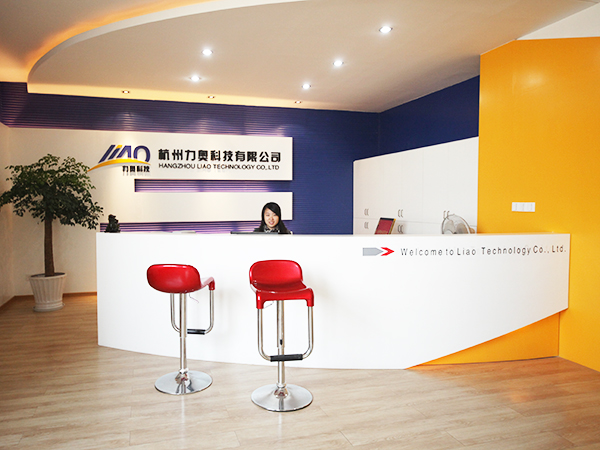
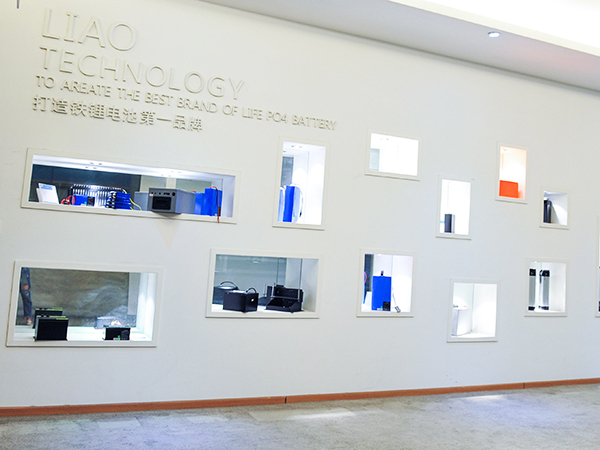
Established in 2009, Hangzhou LIAO Technology Co., Ltd. is a leading manufacturer specializing in $LiFePO_4$ and advanced lithium battery configurations. With over 15 years of industry experience, our engineering team works directly with clients to design, prototype, and manufacture custom power solutions that match unique physical dimensions and load requirements.
By combining electrical engineering, mechanical pack integration, and software development, we help systems run safely and efficiently. We have delivered custom solutions to over 500 customers across diverse industrial, medical, and consumer segments.
Electric bikes operate in challenging environments with constant vibrations and shocks. Our engineers design shock-absorbent internal spacers that prevent cell-to-cell contact and isolate internal connections. Heavy-duty aluminum alloy or polycarbonate structures protect the battery assembly, while custom seals achieve IP65 or IP67 ingress protection ratings.
This structural protection ensures stable operation in harsh urban transport and off-road applications.
Our lithium-ion and $LiFePO_4$ systems are configured for a wide variety of industrial vehicles, cleaning robots, recreational marine, and utility platforms.
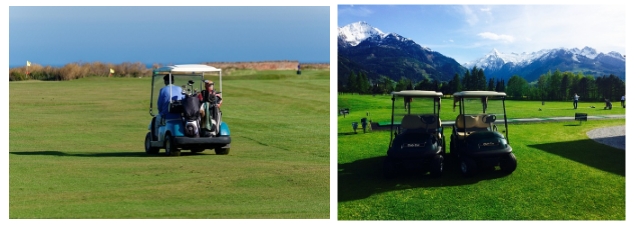
The new generation of LiFePO4 golf cart batteries helps your carts run easily across varied golf terrains and courses.
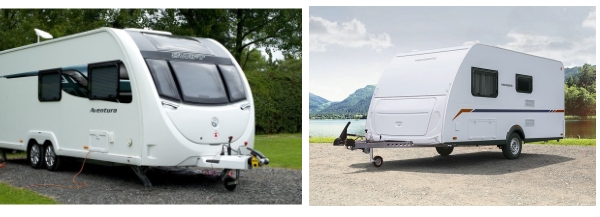
Our LiFePO4 batteries help your caravan mover operate quietly with zero emissions, reducing labor costs and improving runtime efficiency.
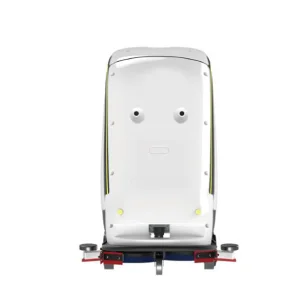
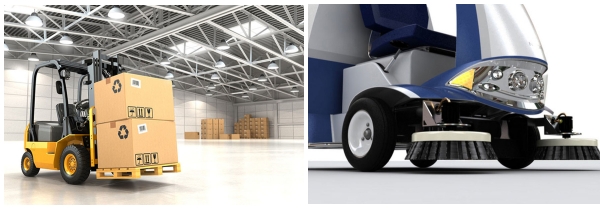
Configured for material handling, short-distance transit, and commercial sweeping robots. Improves efficiency and saves labor costs.
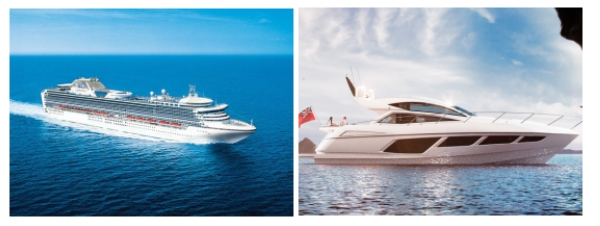
E-boats are an eco-friendly transport option. Our LiFePO4 batteries provide reliable propulsion power with zero emission or noise pollution.
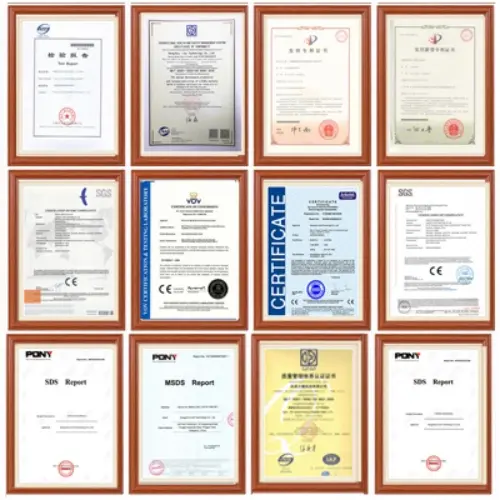
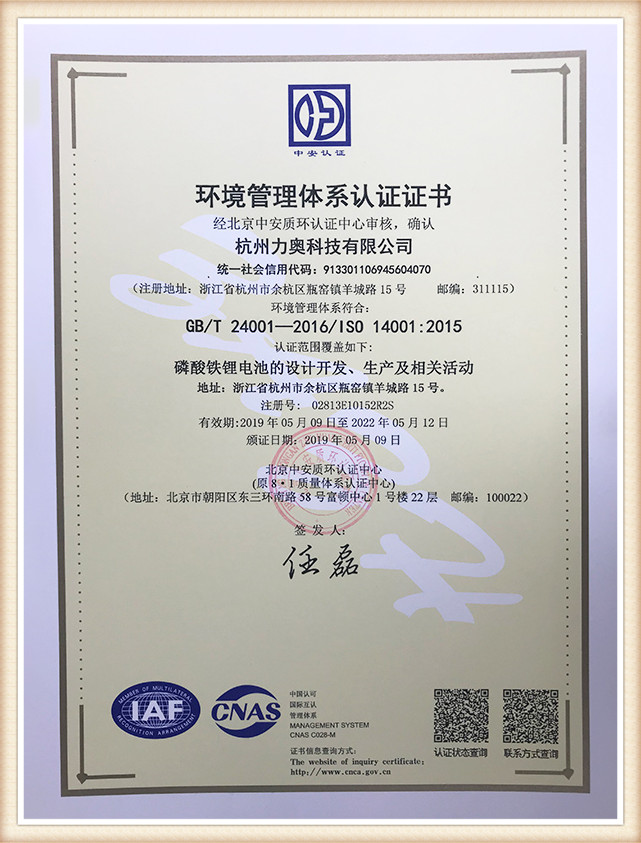
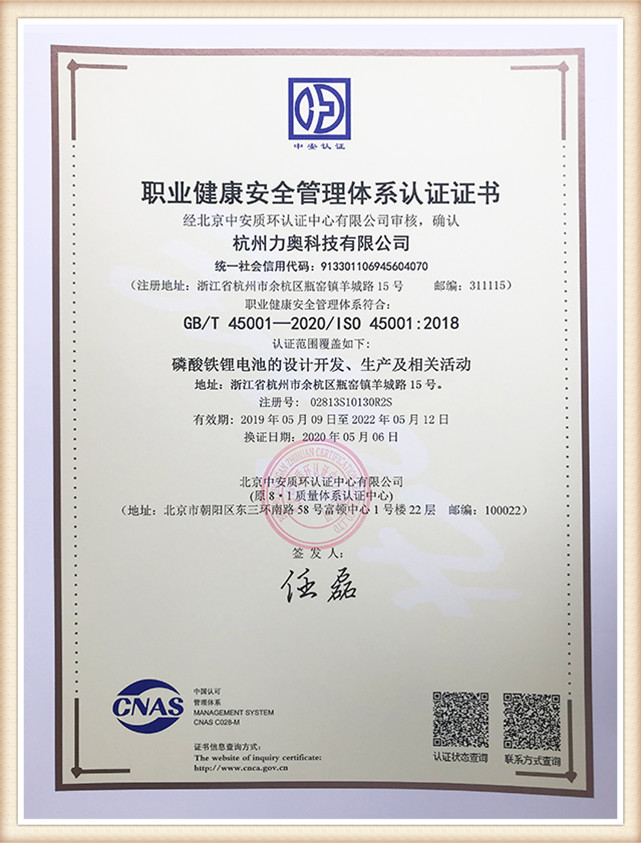
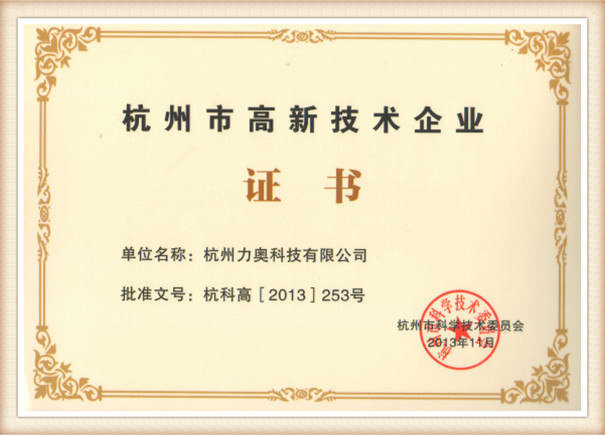
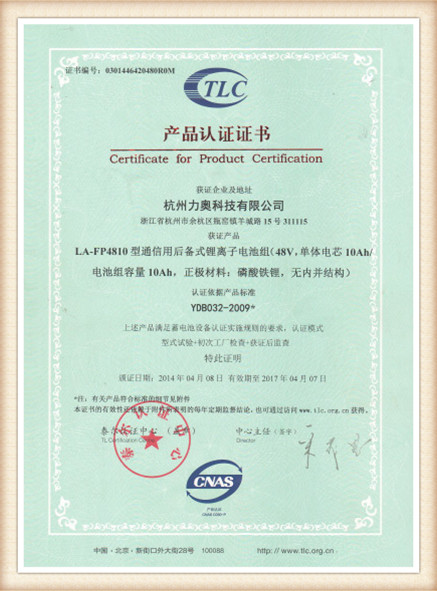
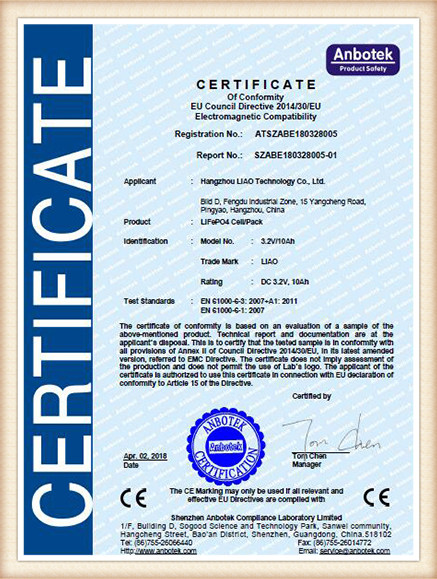
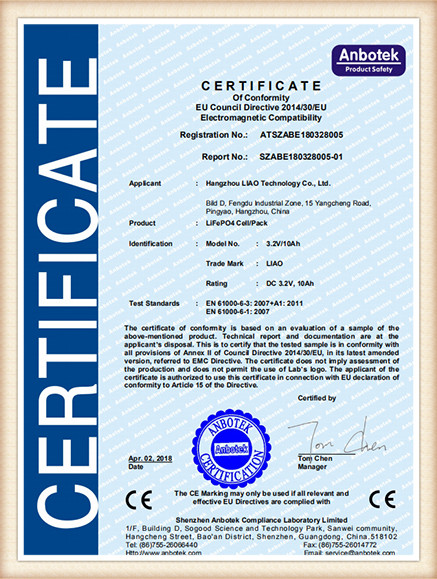
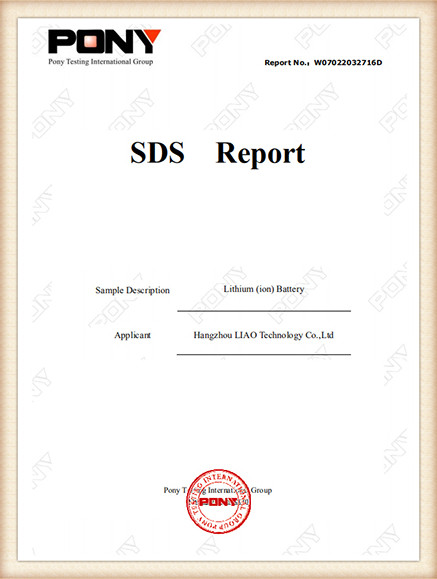
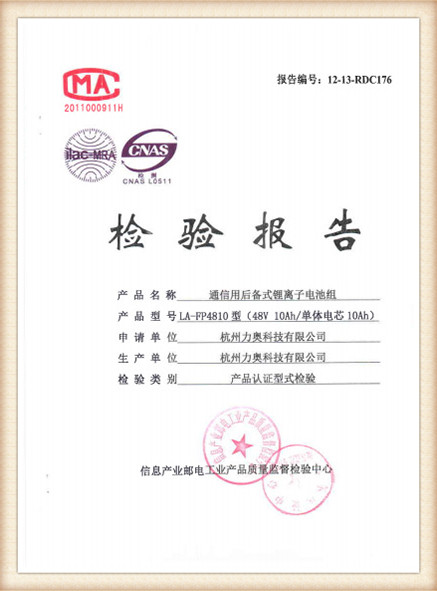
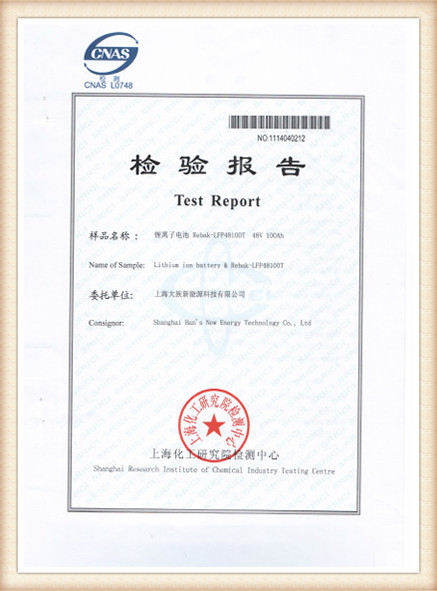
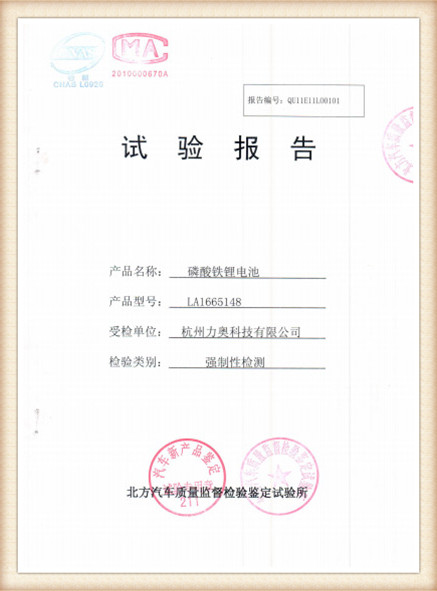
Quality starts at the cell level. All Hangzhou LIAO products are produced under certified systems to ensure consistent capacity, performance, and long-term reliability.
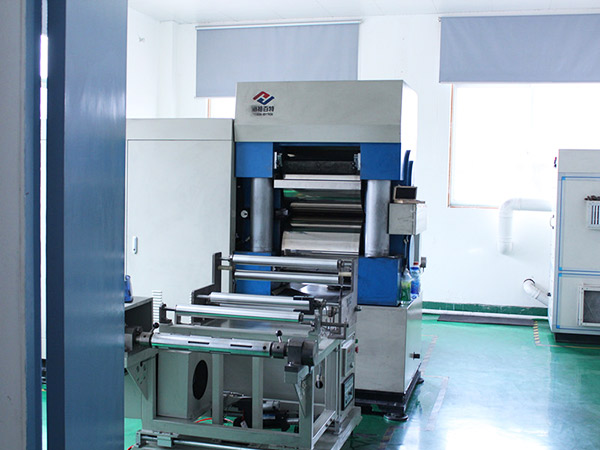
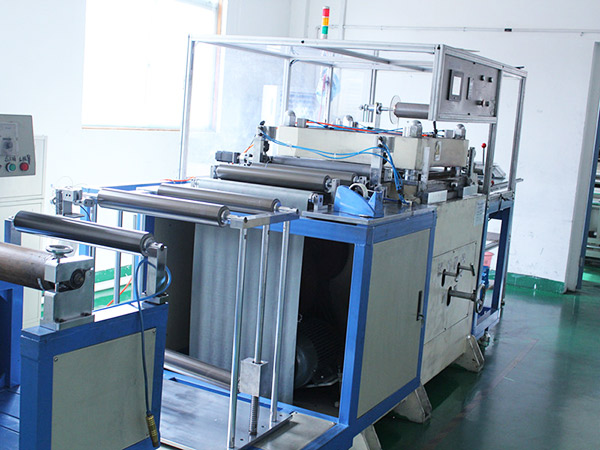
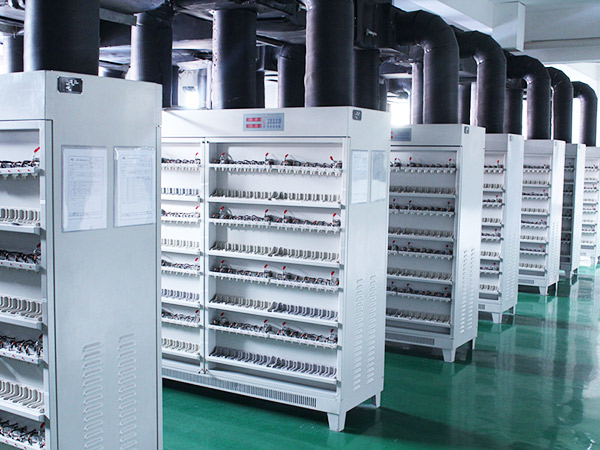
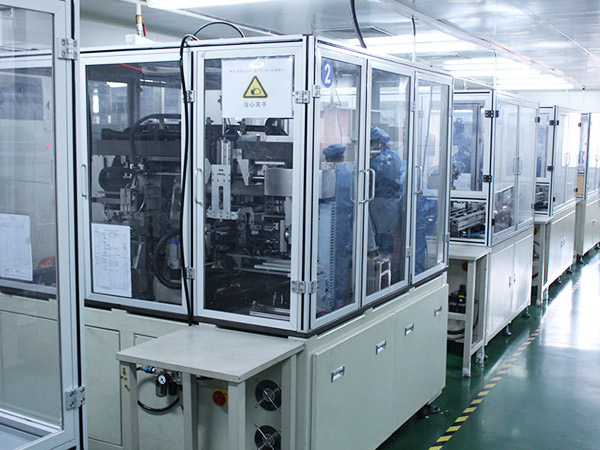
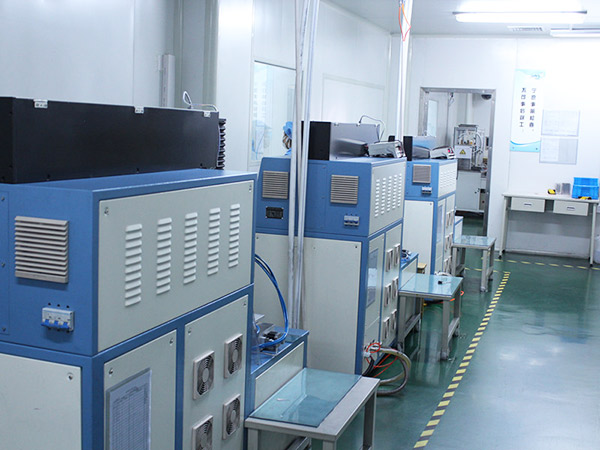
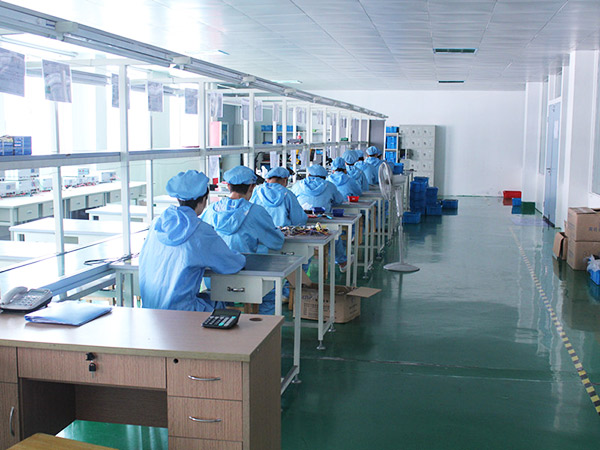
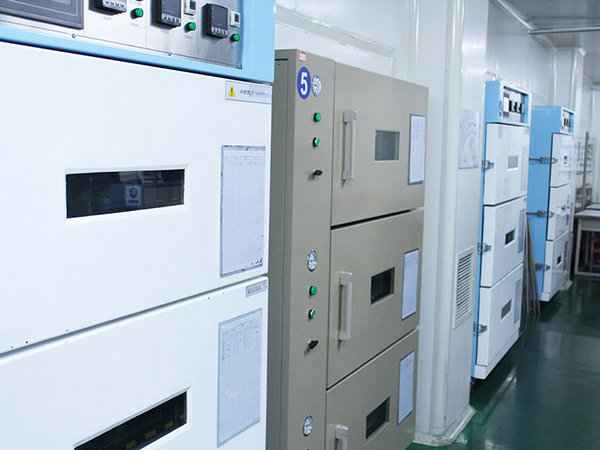
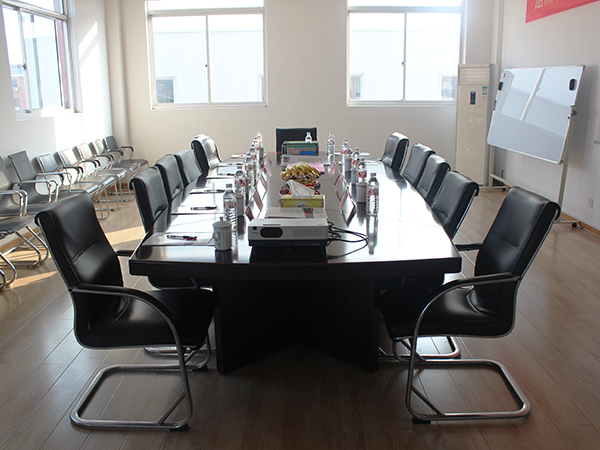
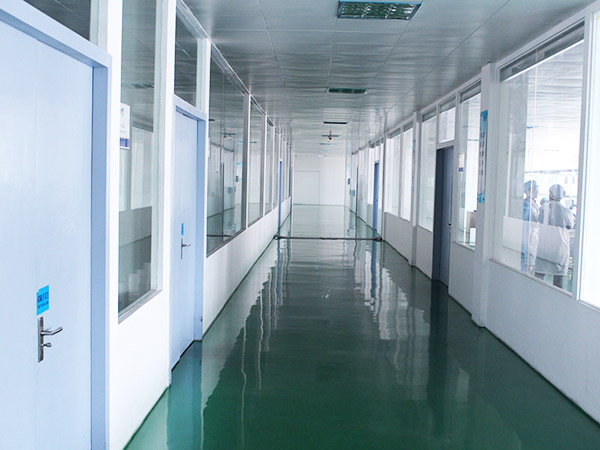
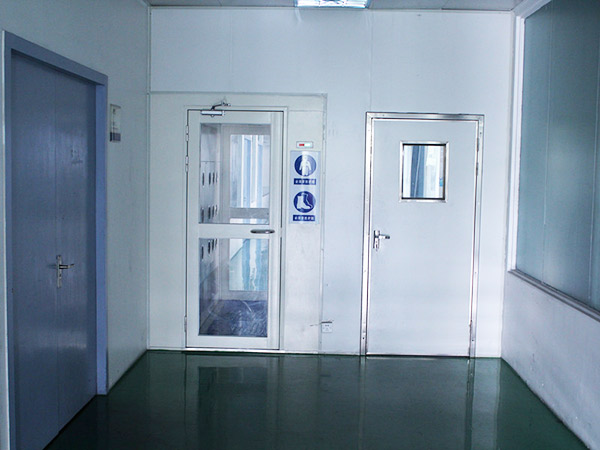
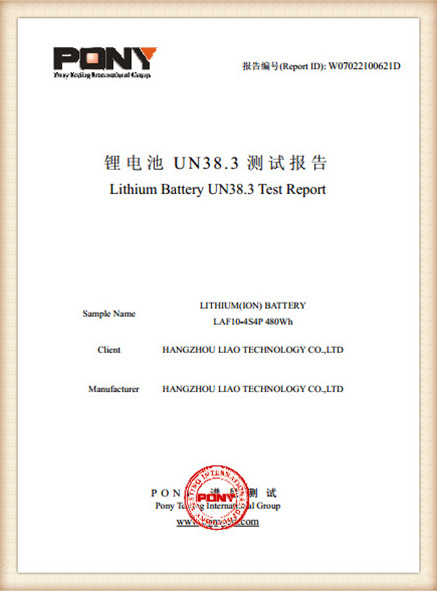
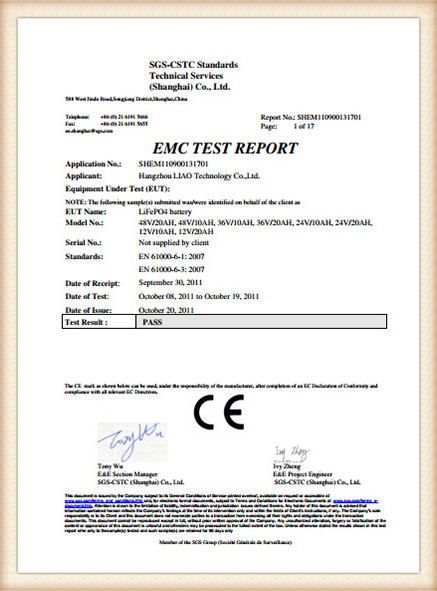
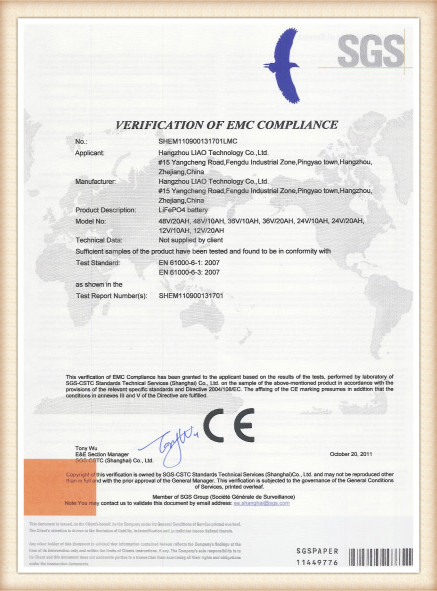
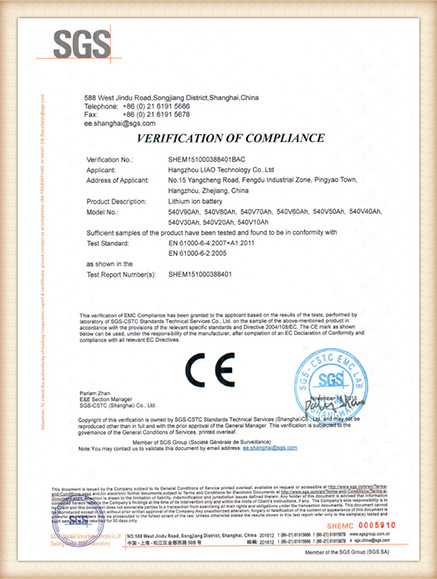
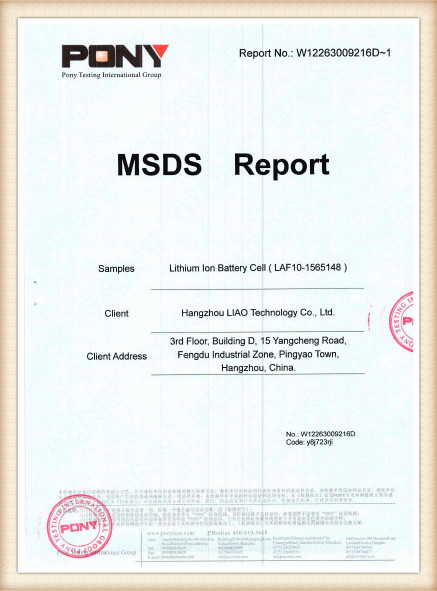
Ensuring cross-border compliance is critical for import operations. All LIAO technology products meet international quality and transport safety standards.
Our manufacturing operations are compliant with ISO 9001 (Quality Control), ISO 14001 (Environmental Protection), and ISO 18001 (Occupational Health & Safety). Automated cell sorting ensures consistent matching, which prevents cell mismatching within the battery pack over its service life.
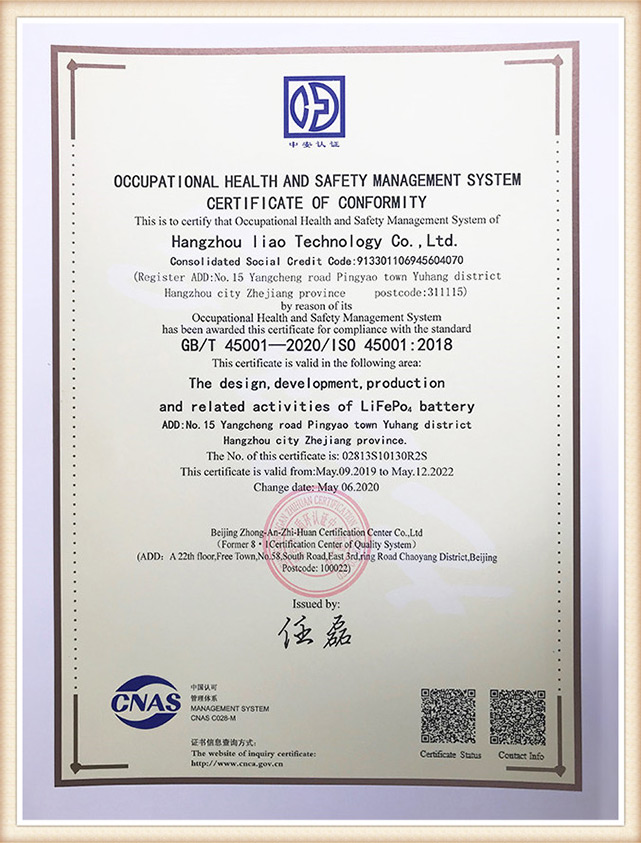
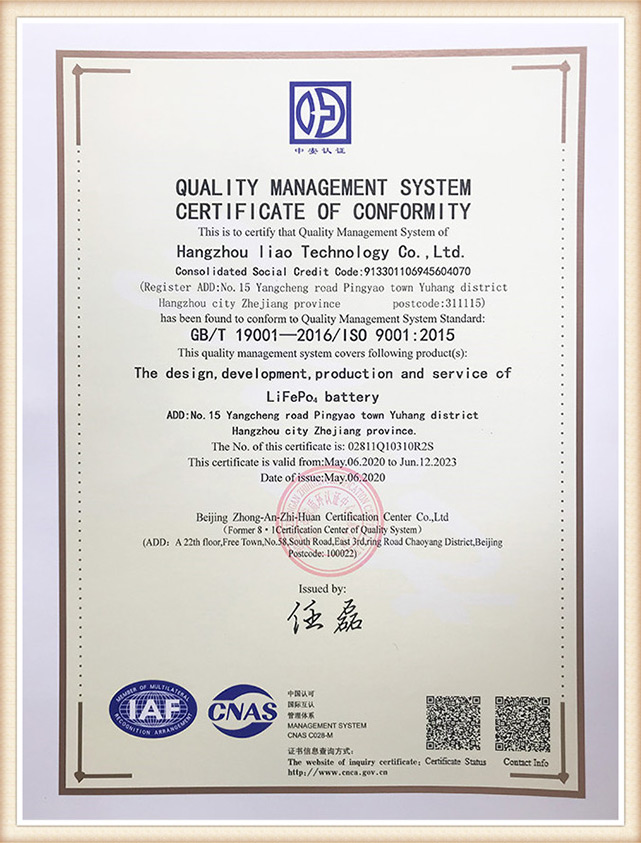
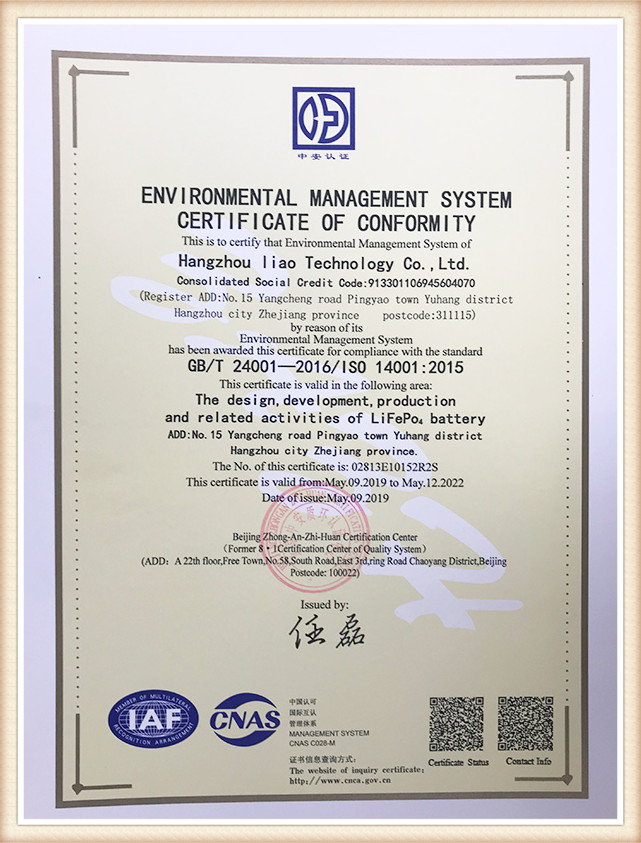
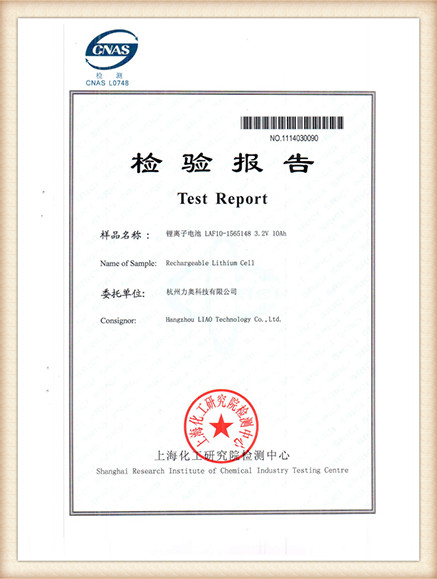
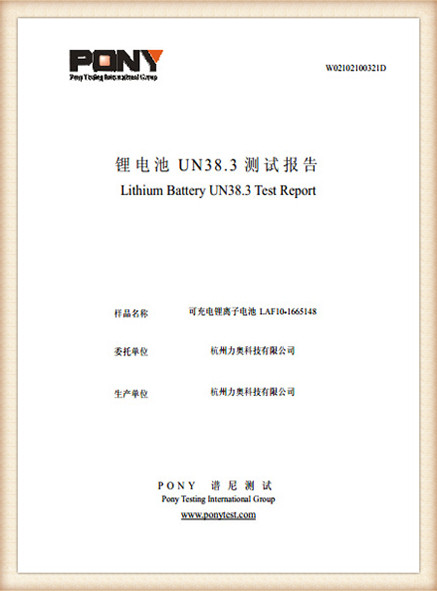
Our batteries carry essential certifications for global distribution, including CE, RoHS, and UN38.3 compliance. This facilitates trouble-free custom clearance and safe international transport.
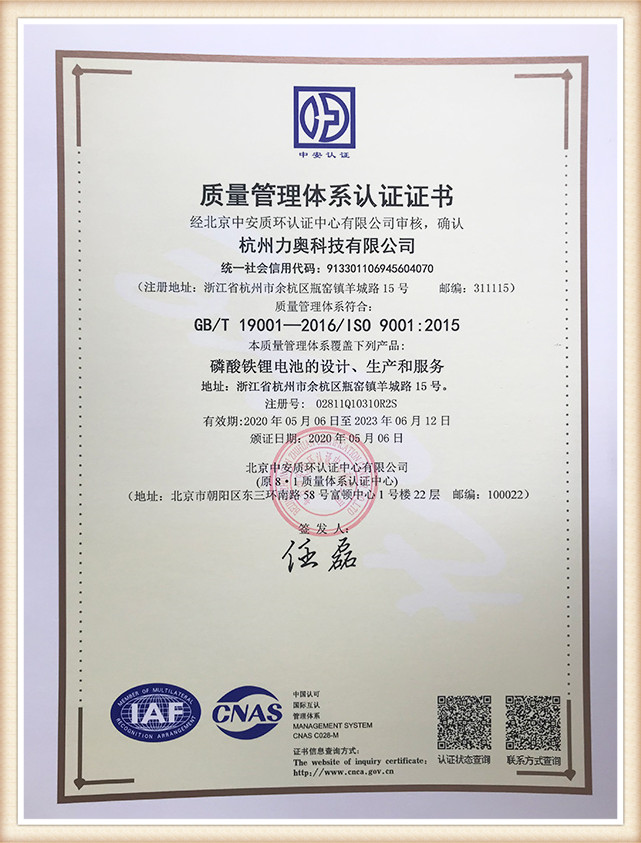
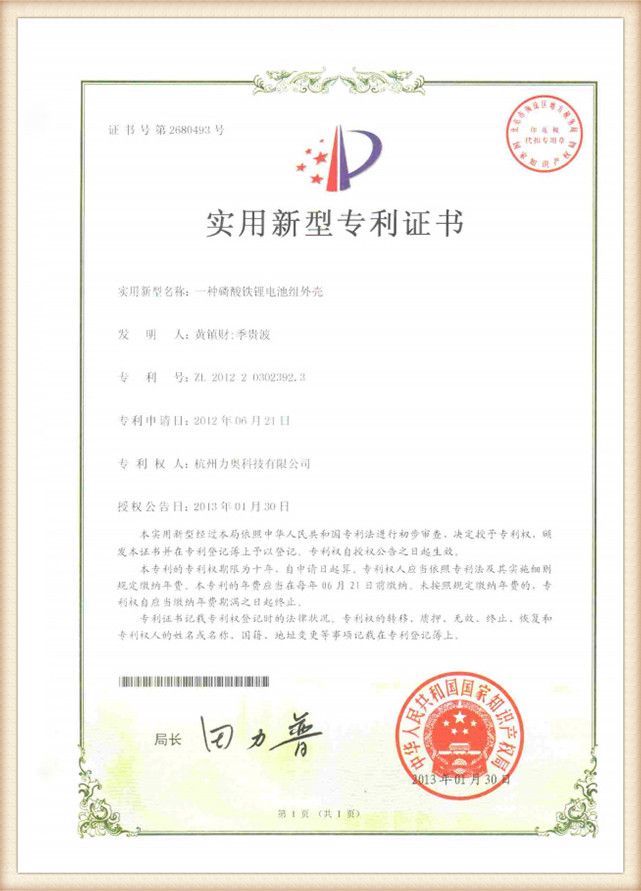
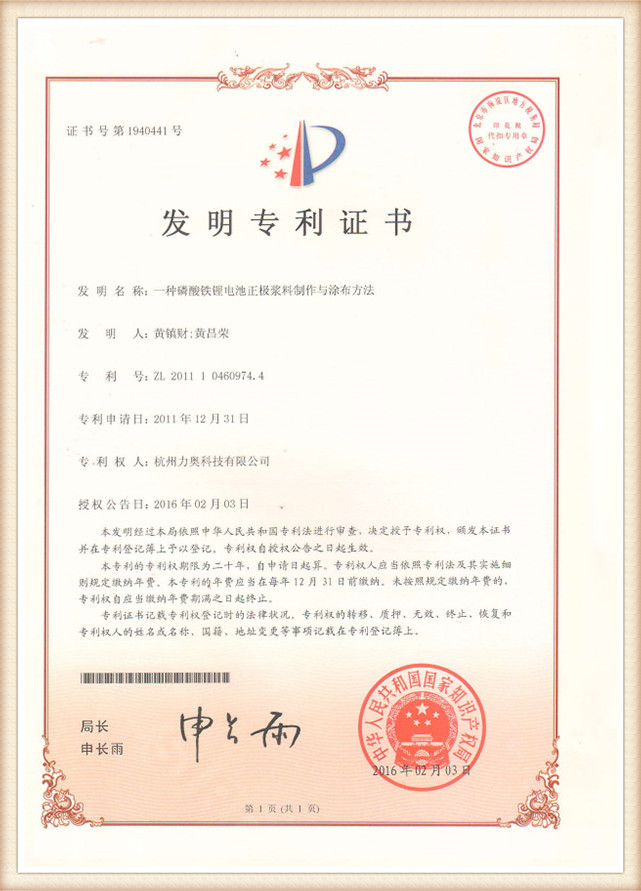
Ongoing research and development investments have established LIAO as a trusted manufacturer in the lithium iron phosphate sector, earning numerous utility patents and industrial design honors.
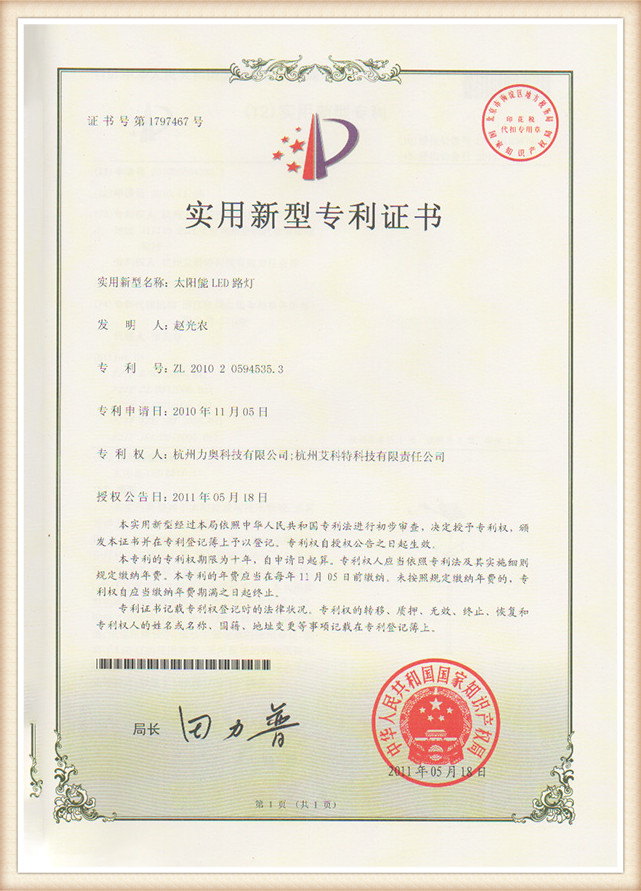
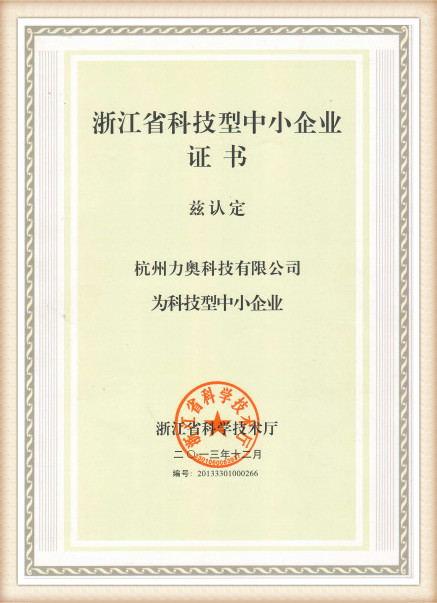
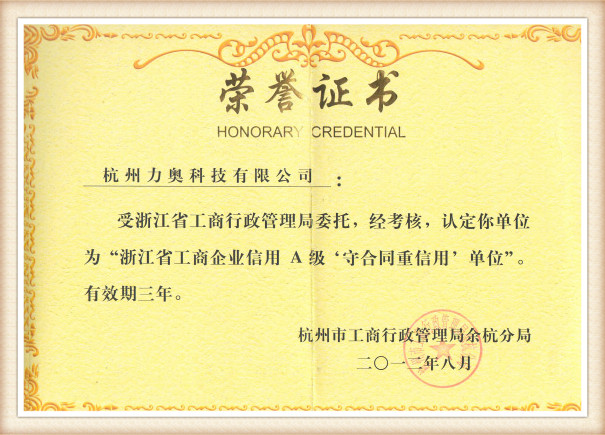
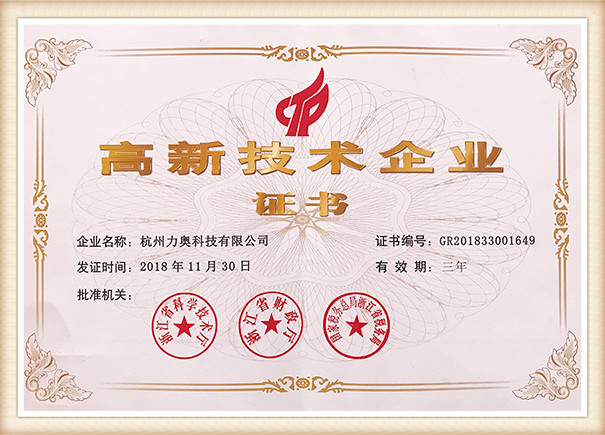
Our research and development program focus on improving battery performance while working toward a more sustainable product lifecycle.
We are integrating IoT and Bluetooth-enabled BMS designs to support real-time cell monitoring via mobile applications, helping fleet managers track battery performance and safety status.
Ongoing research targets low-temperature cell chemistries to improve discharge rates below -30°C, ensuring reliable operation for cold-climate applications and last-mile delivery services.
We optimize manufacturing workflows for disassembly, supporting downstream resource recovery processes that reduce overall lifecycle environmental impact.
Our customer base spans over 20 countries. We work closely with distribution and integration partners to supply reliable power solutions worldwide.
Germany, France, Netherlands, Spain, United Kingdom, USA, Canada, Mexico, Brazil, Australia, Philippines, Thailand, Singapore, South Korea, Japan, India, South Africa, Nigeria, and more.




 Liao Battery