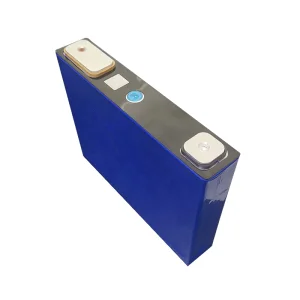
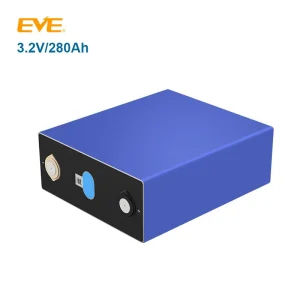
Selected high-efficiency battery cells designed to meet strict manufacturing standards for heavy machinery, logistics platforms, and off-grid configurations in Latin America.
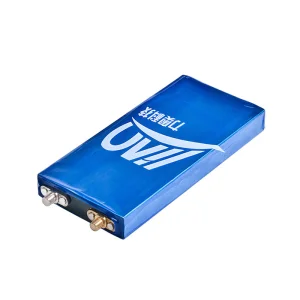
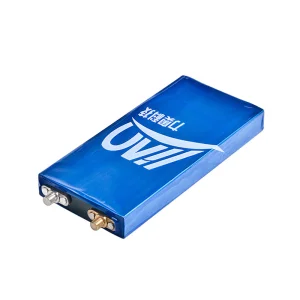
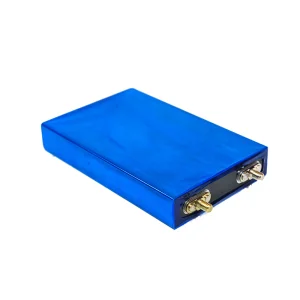
A strategic overview of Mexico's transition to localized energy storage infrastructure under the USMCA trade agreement.
In recent years, Mexico has emerged as a major hub for automotive assembly and clean energy integration. Under the United States-Mexico-Canada Agreement (USMCA), regional value content requirements have compelled OEMs to secure battery components within North America. The demand for reliable battery cell manufacturers in Mexico is growing as automotive assembly lines in Querétaro, Coahuila, and Nuevo León transition to battery electric vehicle (BEV) and hybrid configurations.
Moreover, Mexico's unique geographical positioning exposes industrial equipment to extreme temperatures. From the desert heat of Chihuahua to the coastal humidity of Veracruz, energy storage assets require chemistry that can operate reliably under thermal stress. Lithium Iron Phosphate (LiFePO4) has become the preferred choice for industrial vehicles, solar-plus-storage projects, and telecommunications sites due to its thermal stability and safety compared to Nickel Manganese Cobalt (NMC) chemistries.
Unlike standard consumer-grade battery packs, industrial energy systems require cells that perform under tough conditions without expensive active cooling. Prismatic LFP cells offer significant advantages for Mexican enterprises:
Stable discharge performance across temperatures from -40°C to 85°C, ensuring reliable operation without thermal runaway risk in northern Mexican summers.
Over 2,800 full charge-discharge cycles at 100% Depth of Discharge (DoD), lowering the total cost of ownership for commercial fleets and backup grids.
Custom packaging and technical designs facilitate direct integration into assembly plants meeting North American trade criteria.
LIAO's prismatic configurations resist combustion even when subjected to mechanical damage, high-impact shocks, or puncture tests.
Over 15 years of manufacturing experience, supplying batteries to more than 20 countries.
Founded in 2009, Hangzhou LIAO Technology Co., Ltd. is a manufacturer specializing in Lithium Iron Phosphate (LiFePO4) cells and customized battery packs. Guided by international quality management frameworks, we maintain certifications including ISO 9001 for quality control, ISO 14001 for environmental management, and ISO 45001 for occupational health and safety standards.
Our modern manufacturing facility features precision assembly technology, automated sorting lines, and cleanrooms to ensure consistent cell performance. With a focus on research and development, our design team collaborates with engineering departments worldwide to customize battery configurations for specialized vehicles and utility storage systems.
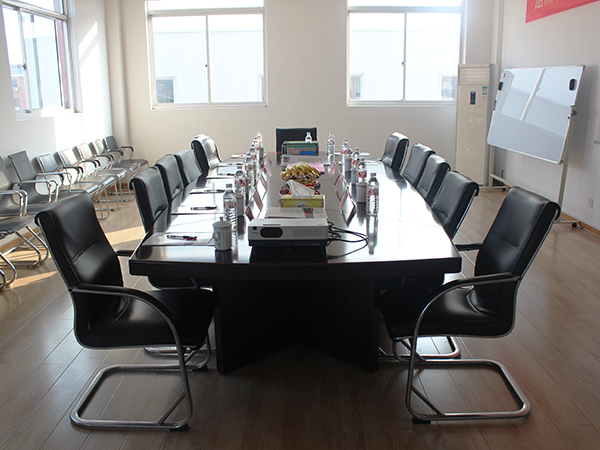
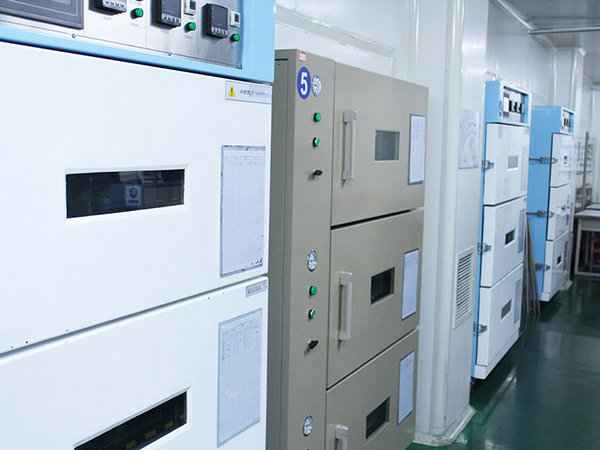
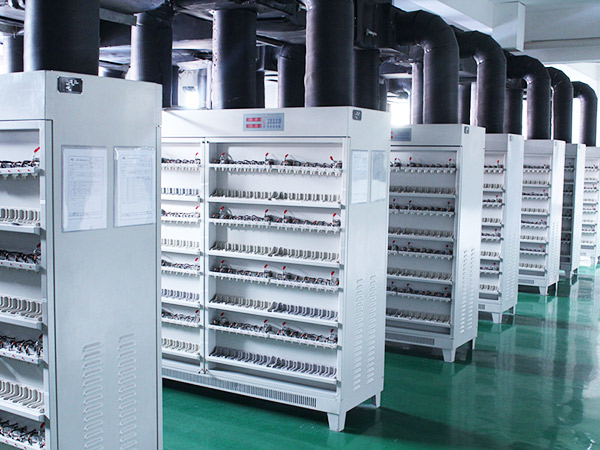
LIAO manages every phase of production, from raw material inspection and electrode coating to laser welding, capacity grading, and pack assembly. Our rigorous testing procedures help ensure that every shipment to Mexico, Europe, or the Asia-Pacific region meets your performance expectations.
Understanding the balance between cost, safety, and energy density for the next generation of energy storage.
As the global market transitions toward zero-emission targets, we invest in refining our chemical formulations. While Sodium-ion batteries are showing potential for mild-climate stationary backup systems, Lithium Iron Phosphate (LiFePO4) remains the industry benchmark for heavy industrial applications requiring high cycles, robust thermal safety, and structural reliability.
| Performance Indicator | LIAO LiFePO4 (LFP) | Standard NMC | Sodium-Ion (Na-Ion) |
|---|---|---|---|
| Cycle Life (100% DoD) | 2,800 - 4,500 Cycles | 1,200 - 2,000 Cycles | 1,500 - 2,500 Cycles |
| Thermal Runaway Temperature | 270°C (Highly Stable) | 210°C (High Risk) | 250°C (Stable) |
| Material Cost Trend | Low / Stable (Cobalt-Free) | High / Volatile (Cobalt/Nickel) | Very Low (Abundant Sodium) |
| Best Applications in Mexico | EV Forklifts, Golf Carts, ESS, Solar Grid | Passenger EVs, Consumer Electronics | Telecommunications, Low-Cost Grid Backup |
By using cobalt-free chemistry, our LFP cells reduce environmental impact and protect against supply chain volatility. Our R&D team works to improve material interfaces inside our cells, aiming to increase volumetric energy density and provide compact solutions for complex industrial retrofits.
Custom designs optimized for reliability, safety, and performance in critical applications.
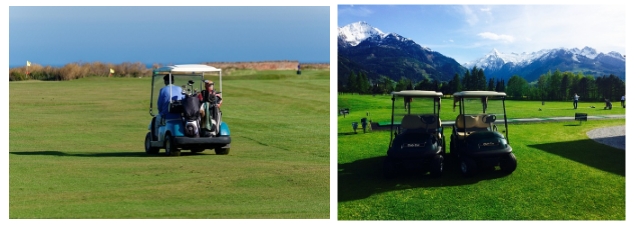
LFP batteries designed for golf courses and resort transport across Mexico, offering stable output under high ambient temperatures.
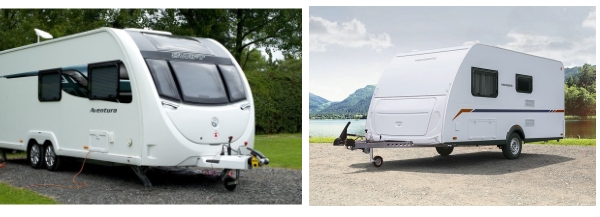
Quiet, emission-free power cells for leisure vehicles, providing reliable energy storage for remote travel applications.
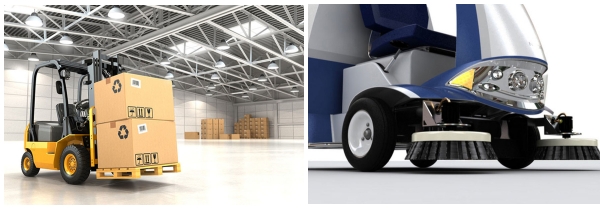
Heavy-duty cell designs built to withstand continuous vibrations and fast opportunity charging in busy logistics hubs.
Ensuring compliance with international standards for safe transport and long-term operation.
Our quality management system oversees every step of production. Every battery cell undergoes testing to verify charge-discharge performance, internal resistance, and capacity consistency before assembly.
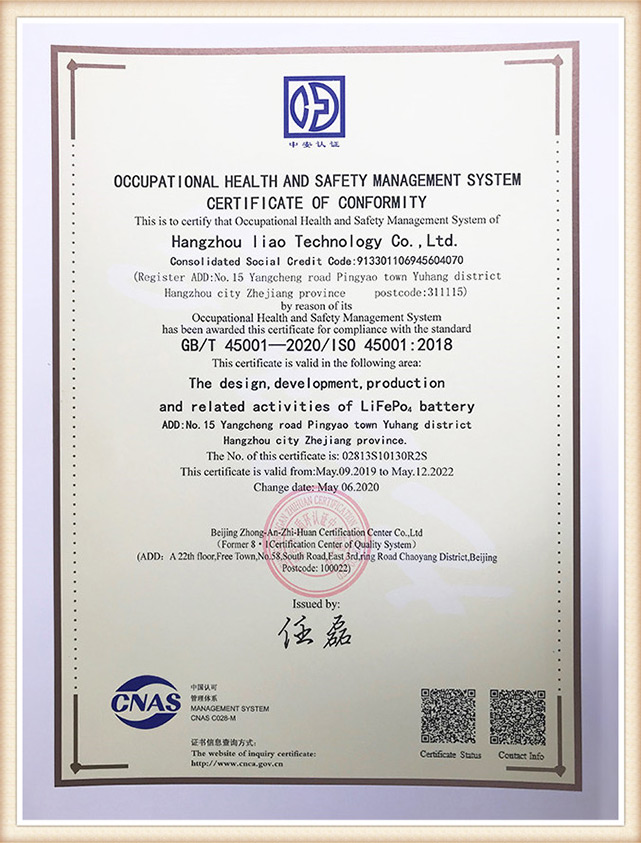
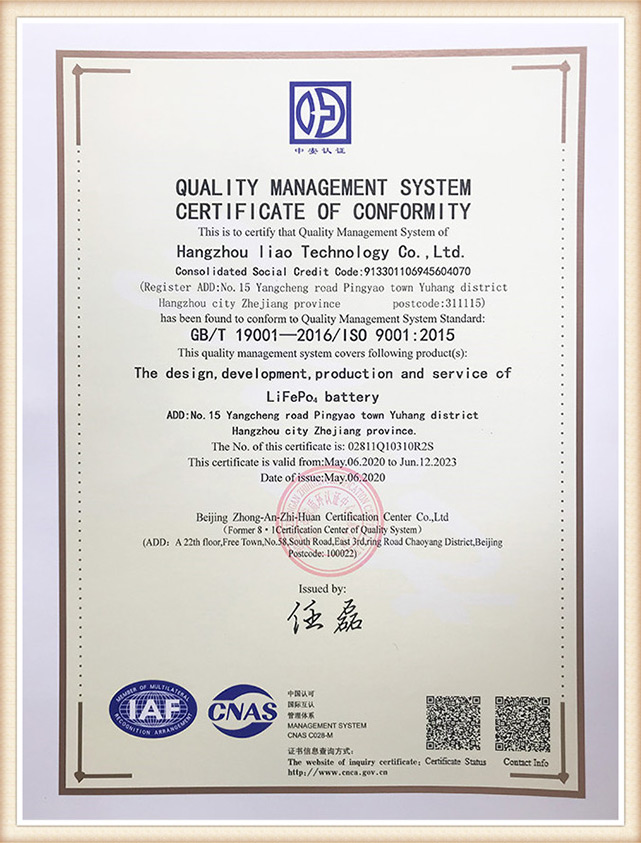
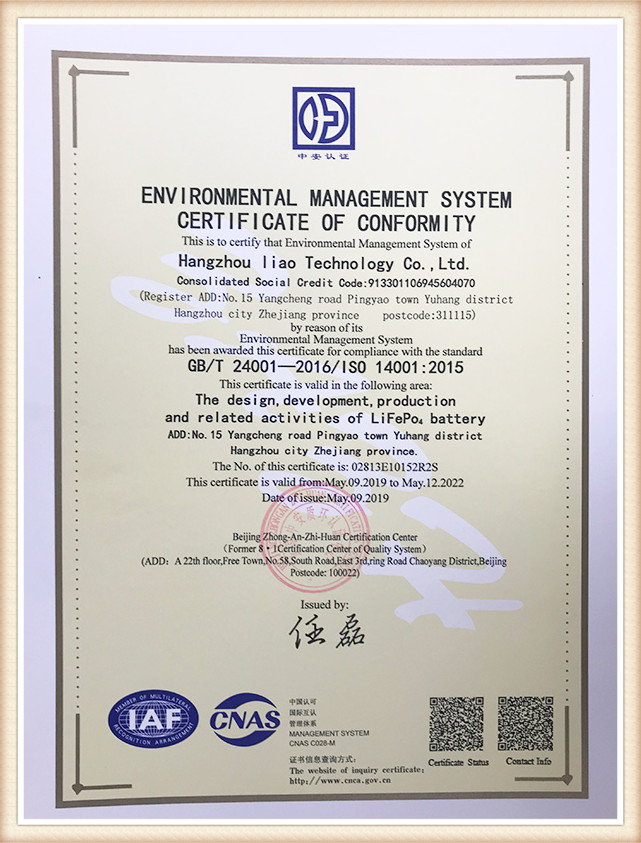
Our products carry certifications including UN38.3 for transport safety, CE, and UL-compliance parameters, simplifying customs clearance and local certification (NOM) for projects in Mexico.
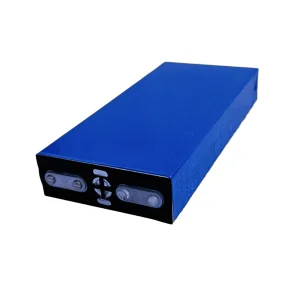
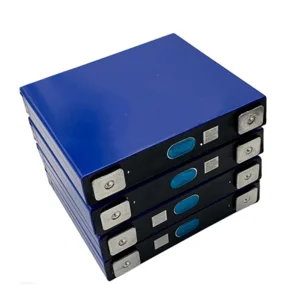
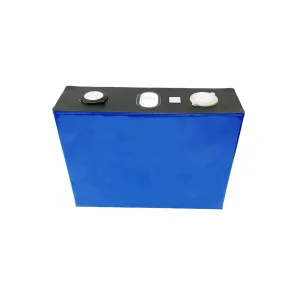
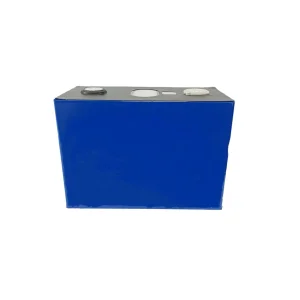
Prismatic lithium cells in various capacities, designed for grid storage, telecom towers, and industrial equipment configurations.
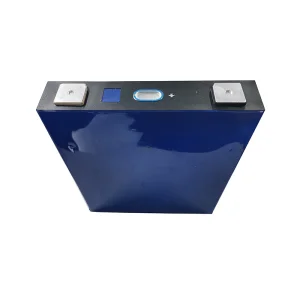
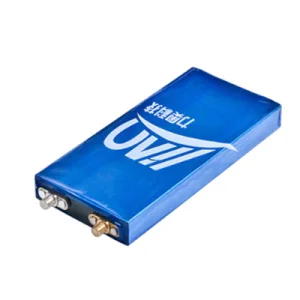
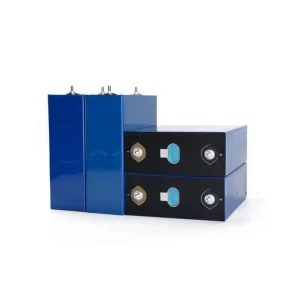
Important considerations for sourcing lithium battery systems from qualified overseas factories.
Sourcing high-capacity lithium battery cells involves important technical and regulatory requirements. To import successfully and ensure smooth integration into manufacturing assembly lines, procurement departments should verify several factors:
Answers to common questions regarding local integration, safety certifications, and logistics for industrial users.
 Liao Battery