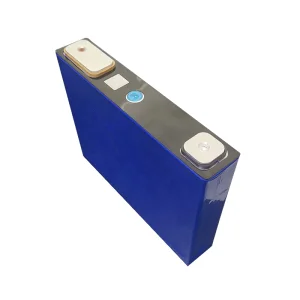
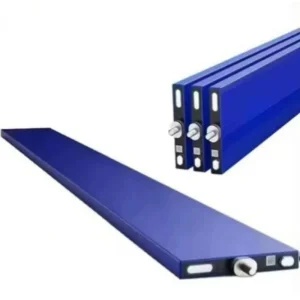
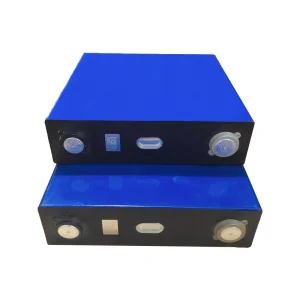
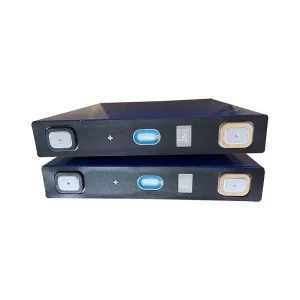
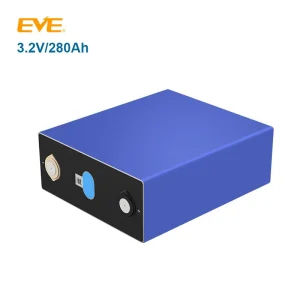
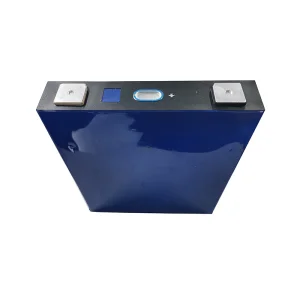
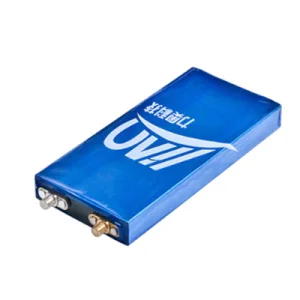
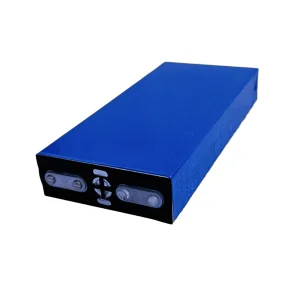
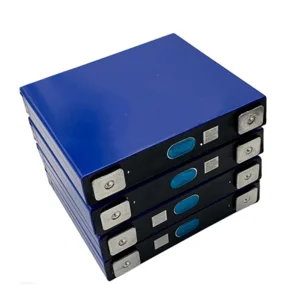
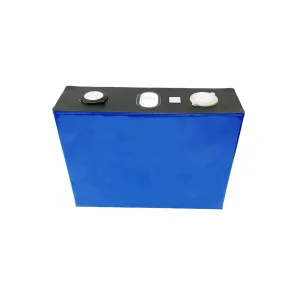
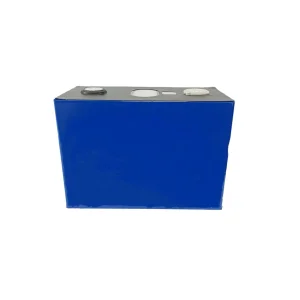
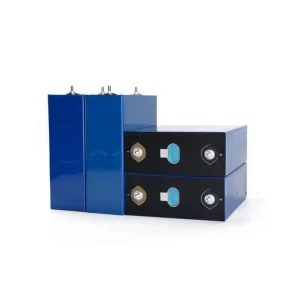
High-durability prismatic lithium cells engineered for telecom towers, municipal microgrids, and remote agricultural applications.
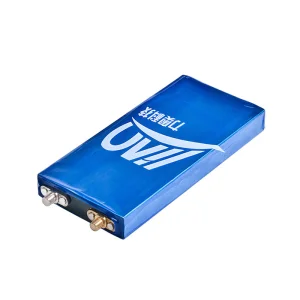
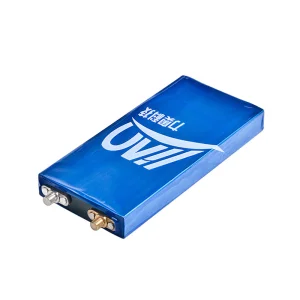
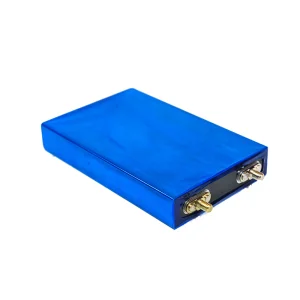
Mapping the transition from off-grid vulnerability to lithium-based storage resilience.
Ethiopia has positioned itself as East Africa’s renewable energy powerhouse, primarily driven by the massive 5,150 MW Grand Ethiopian Renaissance Dam (GERD). However, reliance on centralized hydropower leaves the national grid highly susceptible to seasonal droughts, transmission bottlenecks, and localized distribution failures. For critical operations—ranging from Addis Ababa’s processing plants to manufacturing hubs in Hawassa and Bole Lemi Industrial Parks—continuous operations demand localized backup systems.
Historically, lead-acid batteries and diesel generators were the default response. However, high fuel costs, environmental degradation, and the short cycle life of lead-acid systems under harsh climate conditions make them unsustainable. Advanced Lithium Iron Phosphate (LiFePO4) chemistry represents the logical evolutionary step, offering over 10 times the service life of lead-acid and minimizing thermal runaways.
The expansion of Ethio Telecom and Safaricom Ethiopia has accelerated the deployment of telecom base transceiver stations (BTS) across mountainous and remote geographies. Many of these sites operate completely off-grid or on weak grids. To maintain uptime, operators require highly robust 3.2V prismatic cell architectures that can withstand ambient temperatures exceeding 40°C without active HVAC cooling.
Simultaneously, the National Electrification Program (NEP 2.0) aims to achieve 100% access by 2025, with 35% through off-grid solutions. Solar microgrids and hybrid mini-grids are emerging as the backbone of rural schools, clinics, and agricultural processing hubs, stimulating demand for Grade-A LFP cells.
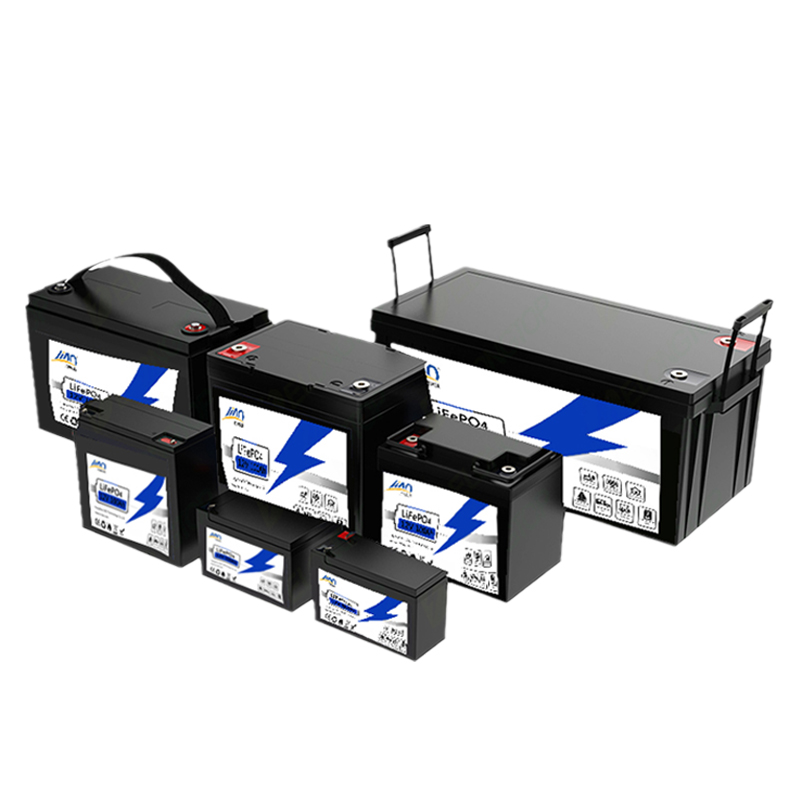
Why LiFePO4 outperforms alternative battery chemistries in East Africa.
LiFePO4 features structural stability that prevents thermal runaway up to 60°C. It will not burn or explode under direct nail penetration or electrical abuse.
Tested to discharge efficiently within a wide range of -40°C to 85°C, eliminating the need for energy-consuming cooling in arid regions.
Delivers 2800+ complete charge/discharge cycles (1C / 100% DOD) before capacity drops to 80%, providing over 8 years of daily service.
Hangzhou LIAO Technology systems have been internationally verified, with our LAXpower-1230 models recognized as testing champions in European evaluations.
Engineered for large-scale utility grid stabilization, municipal bus transport, and industrial machinery.
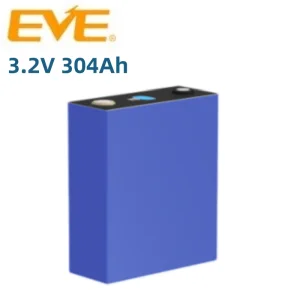
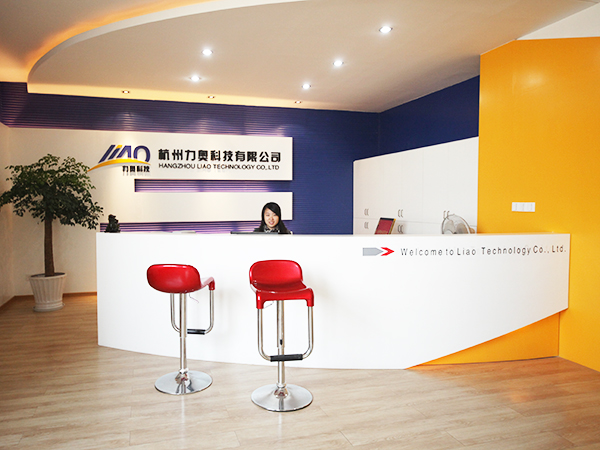
Founded in 2009, Hangzhou LIAO Technology Co., Ltd. is a leading manufacturer specializing in LiFePO4 batteries, exporting to over 20 countries globally.
LIAO designs and manufactures lithium iron phosphate batteries with safety, environmental sustainability, long lifecycle, high capacity density, compact sizing, lightweight design, and superior discharge performance. Tailored to specific commercial applications, our R&D and engineering teams deliver dependable power solutions to clients across Europe, North America, the Asia-Pacific region, and major African growth markets including South Africa, Nigeria, and Ethiopia.
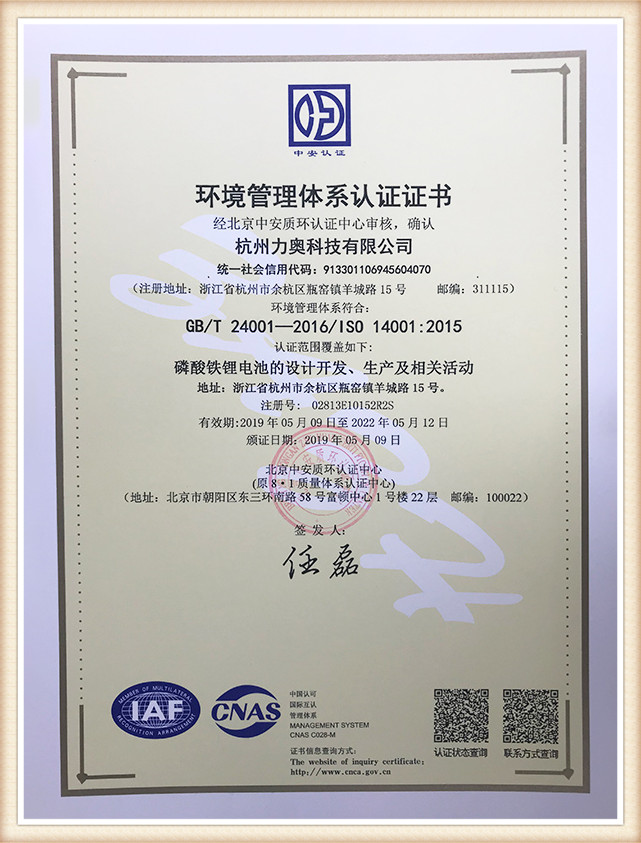
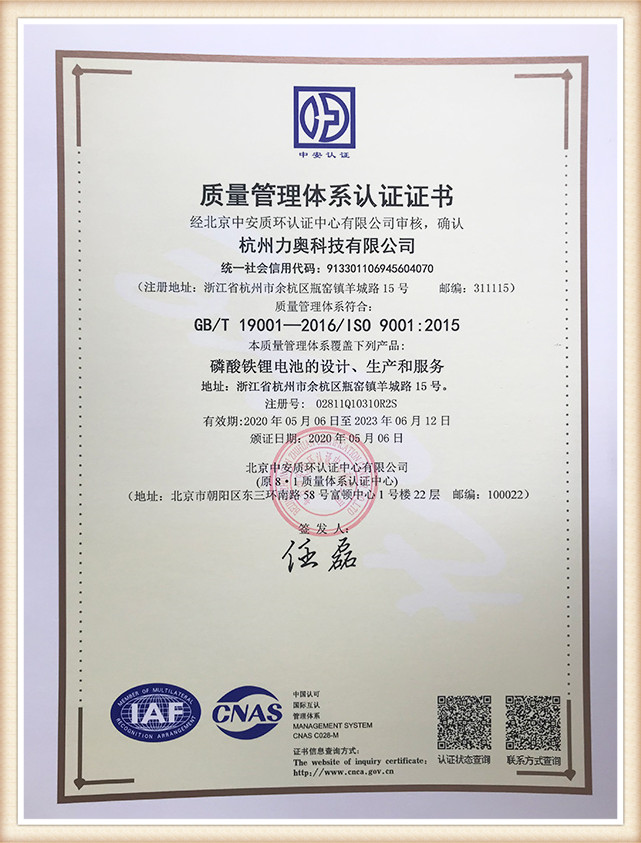
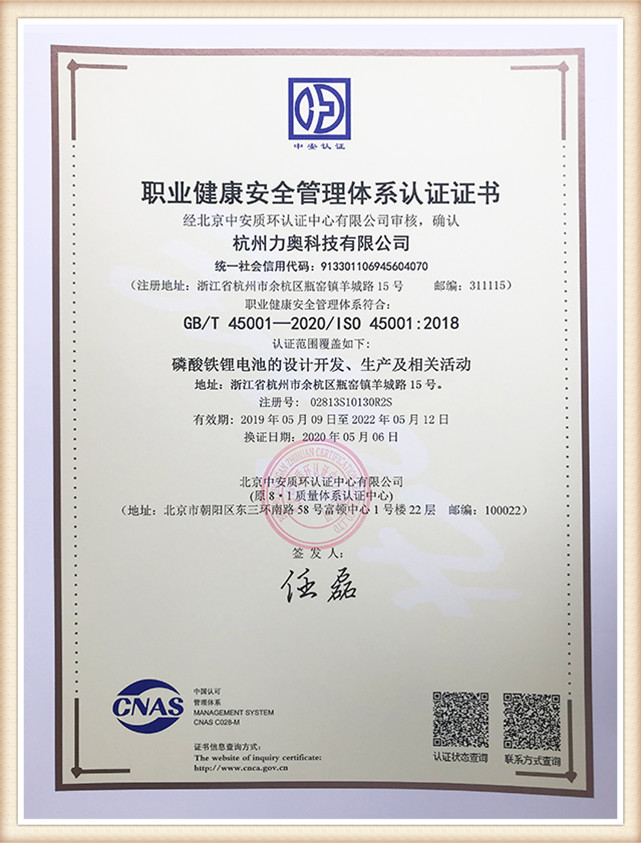
We operate under a strict, ISO 9001-certified Quality Control system. Our operations maintain full compliance with the ISO 14001 environmental management system and ISO 18001 occupational health and safety management system.
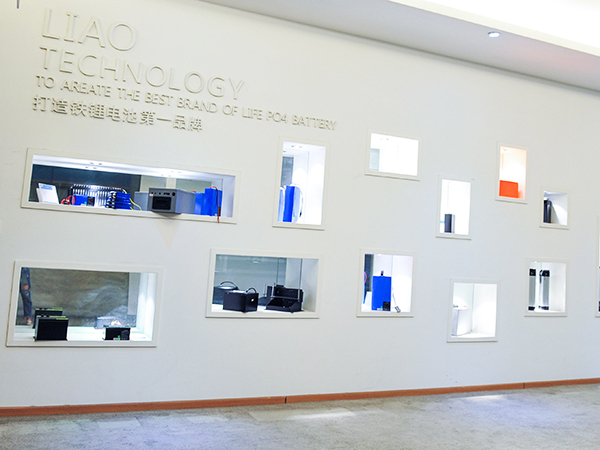
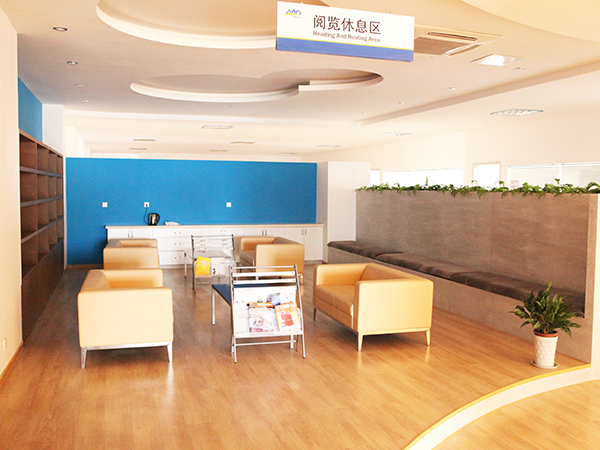
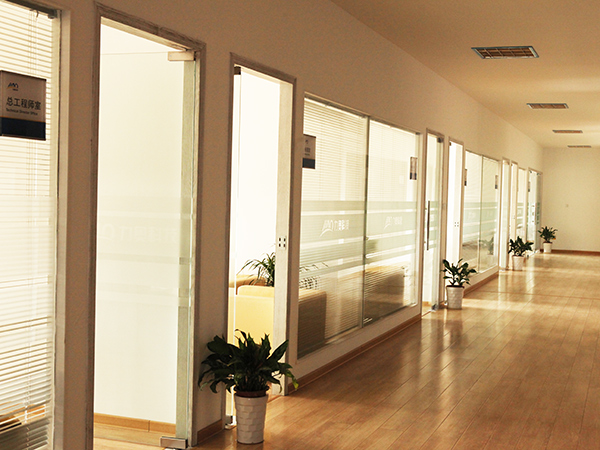
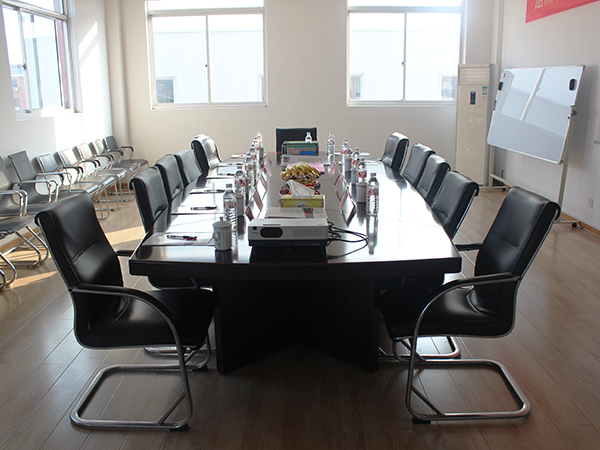
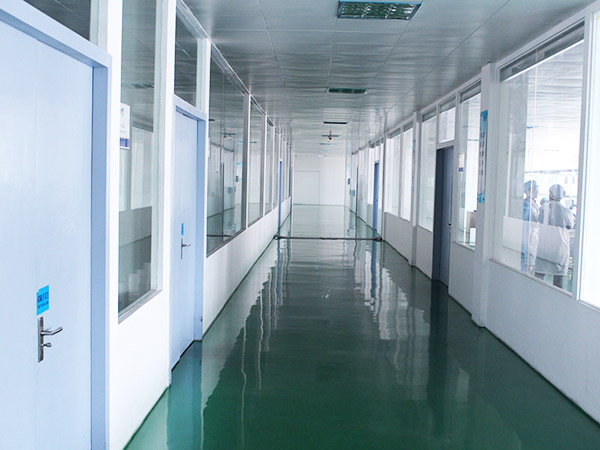
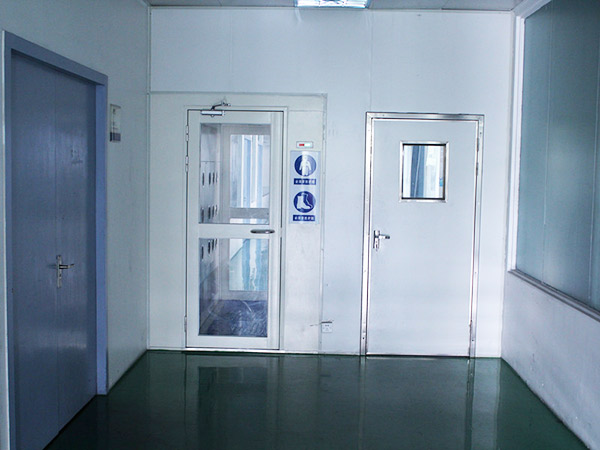
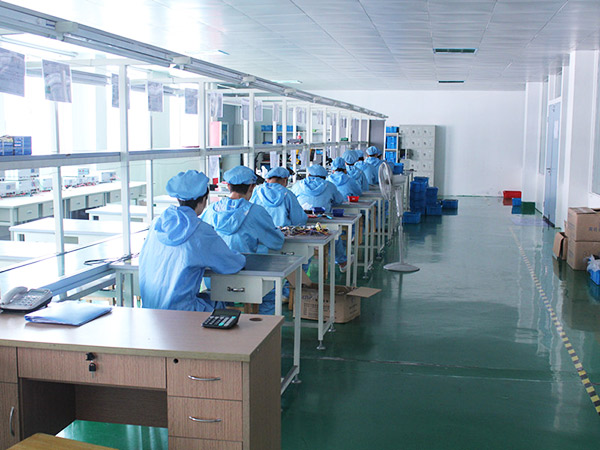
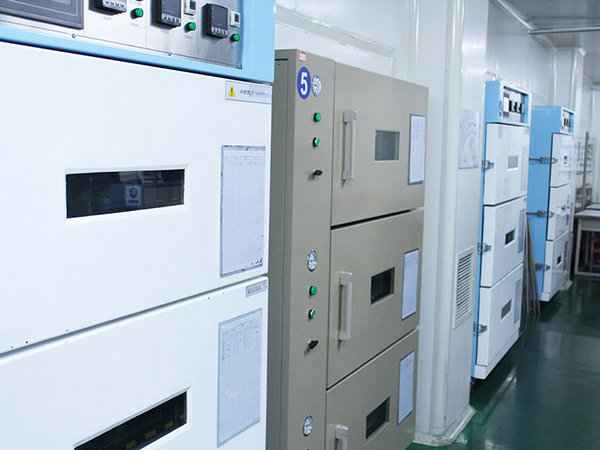
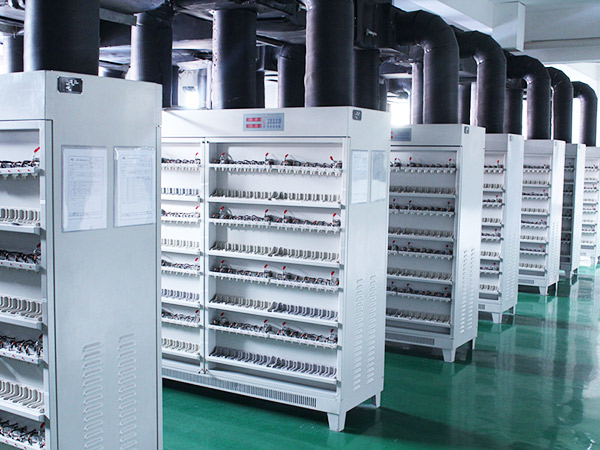
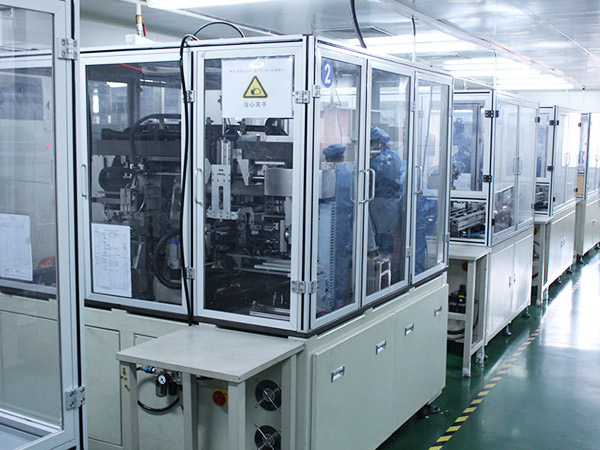
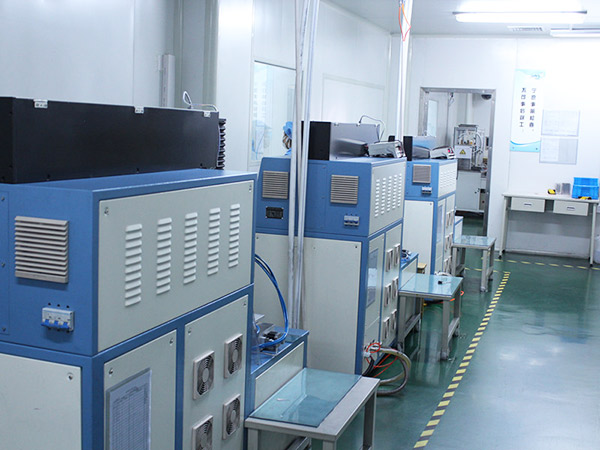
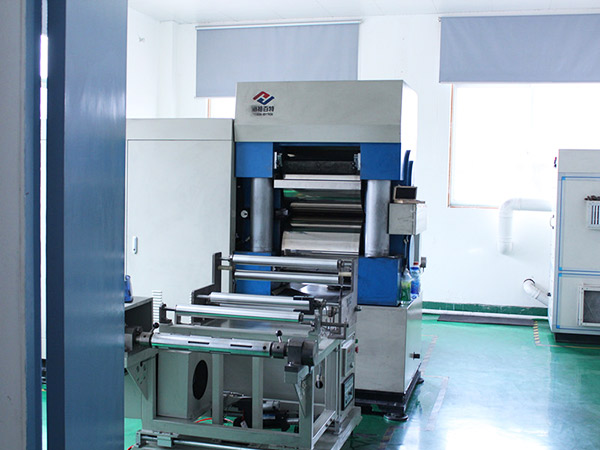
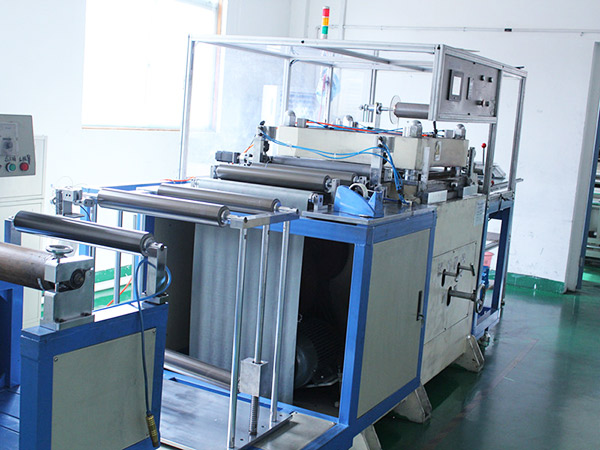
Optimized logistics and advanced manufacturing for East African sourcing requirements.
Our factories operate under highly automated Industry 4.0 guidelines. Our production lines feature robotic electrode coatings, automated vacuum baking, and computer-controlled laser welding to ensure that cell impedances remain highly uniform.
Cell inconsistency is the primary failure mode of larger multi-cell battery packs. By utilizing automated capacity grading, LIAO ensures that every cell shipped for Ethiopian microgrid configurations exhibits an impedance delta of less than 0.5mΩ.
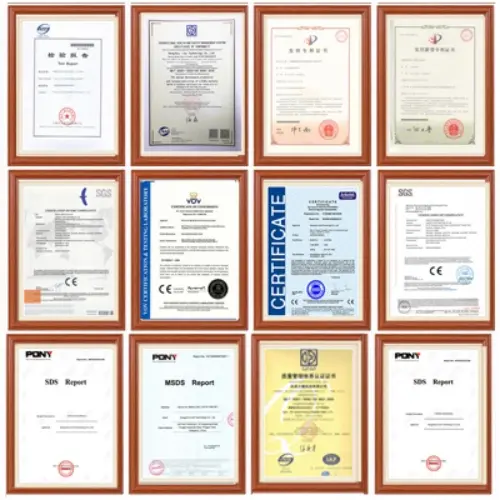
Shipping batteries internationally requires specialized dangerous goods logistics. LIAO manages the entire supply chain route, from our facility in Hangzhou to Ningbo or Shanghai ports, through to Djibouti Port—the primary maritime corridor for Ethiopia.
We provide full documentation, including UN38.3 test reports, MSDS certifications, and custom clearances, to ensure seamless transport via the Addis Ababa-Djibouti railway corridor.

With over 15 years of design and assembly experience, we supply custom power solutions to more than 500 global customers.
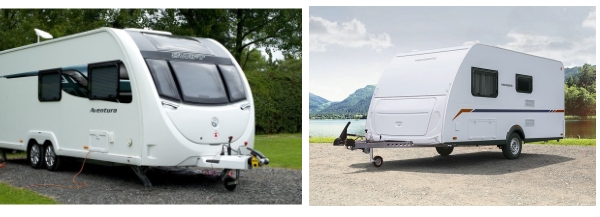
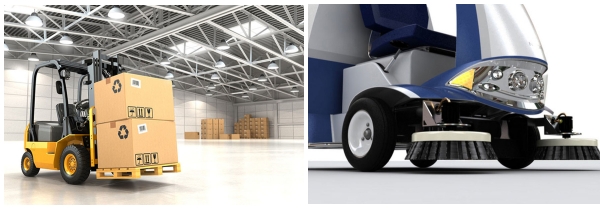
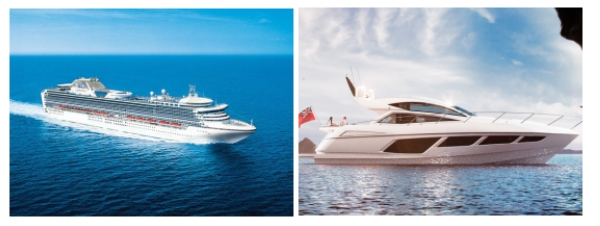
Our world-class electrical and mechanical engineering teams configure robust lithium systems for specialty vehicles, automated guided vehicles (AGVs), off-highway marine applications, and high-altitude utility storage projects in the East African Rift region.
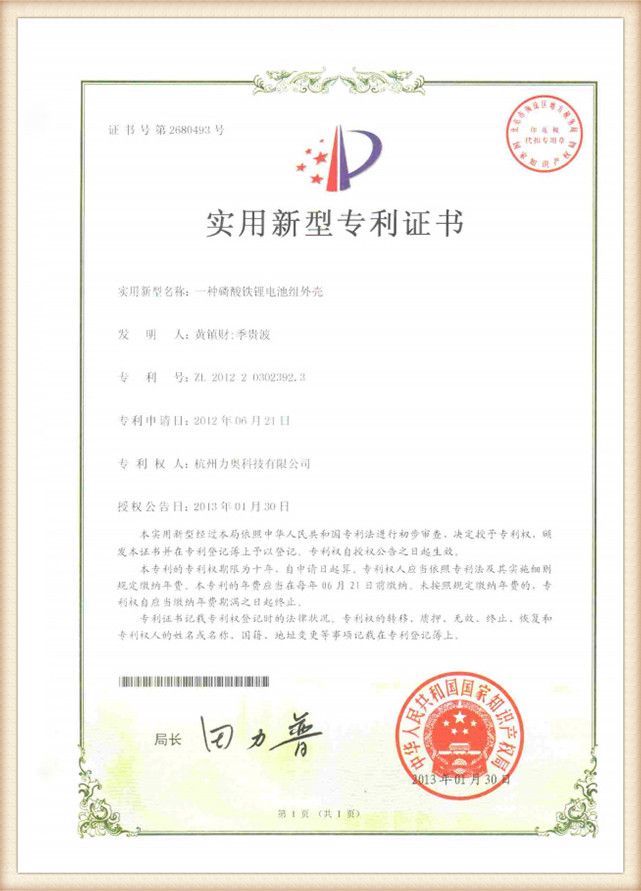
Adhering strictly to international safety and quality standards.
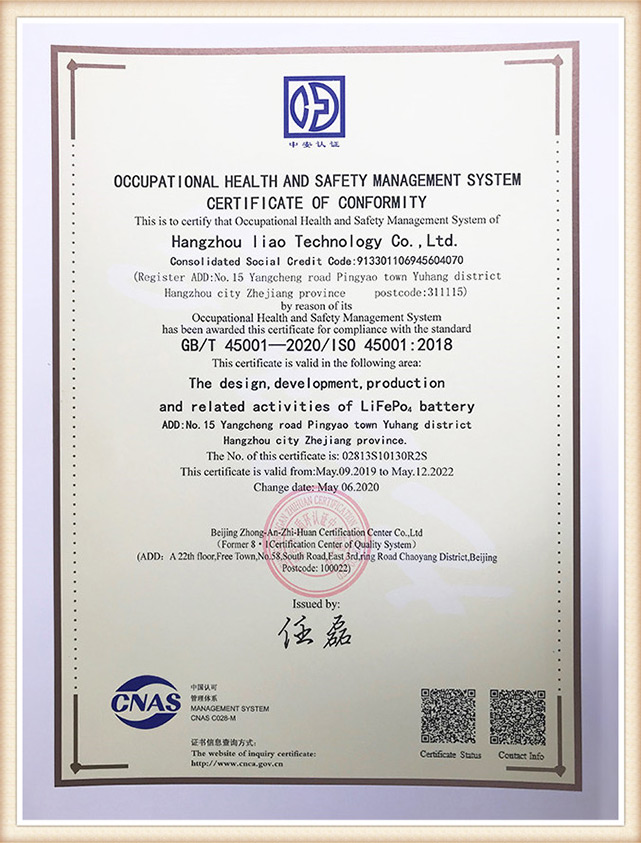
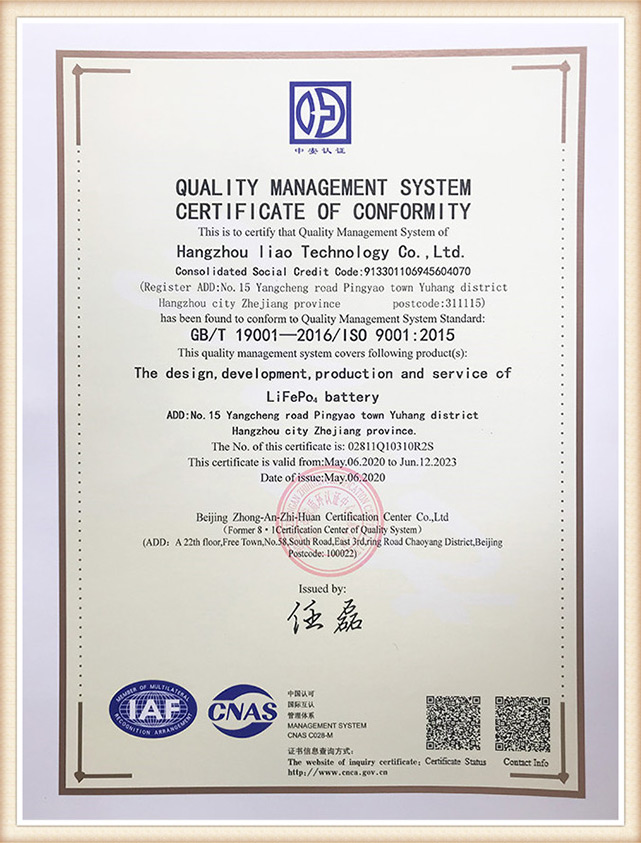
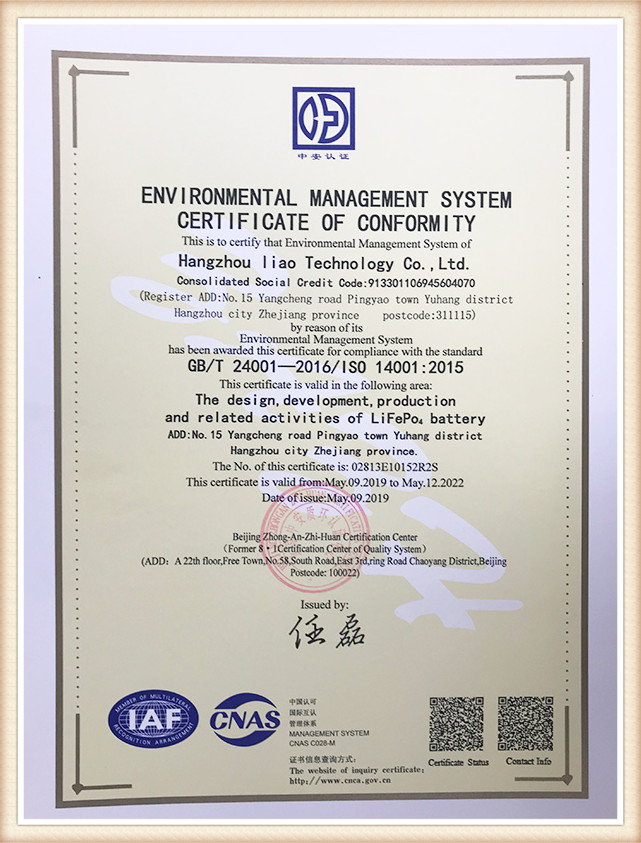
Engineered to support solar battery bank installations and rural mini-grid projects throughout Ethiopia.
Technical clarifications and procurement details for Ethiopian buyers.
Get in touch with our applications engineering team to receive customized configurations, spec sheets, and a detailed volume quotation.
 Liao Battery